Swedish Landscape with a Water Mill — History & Analysis
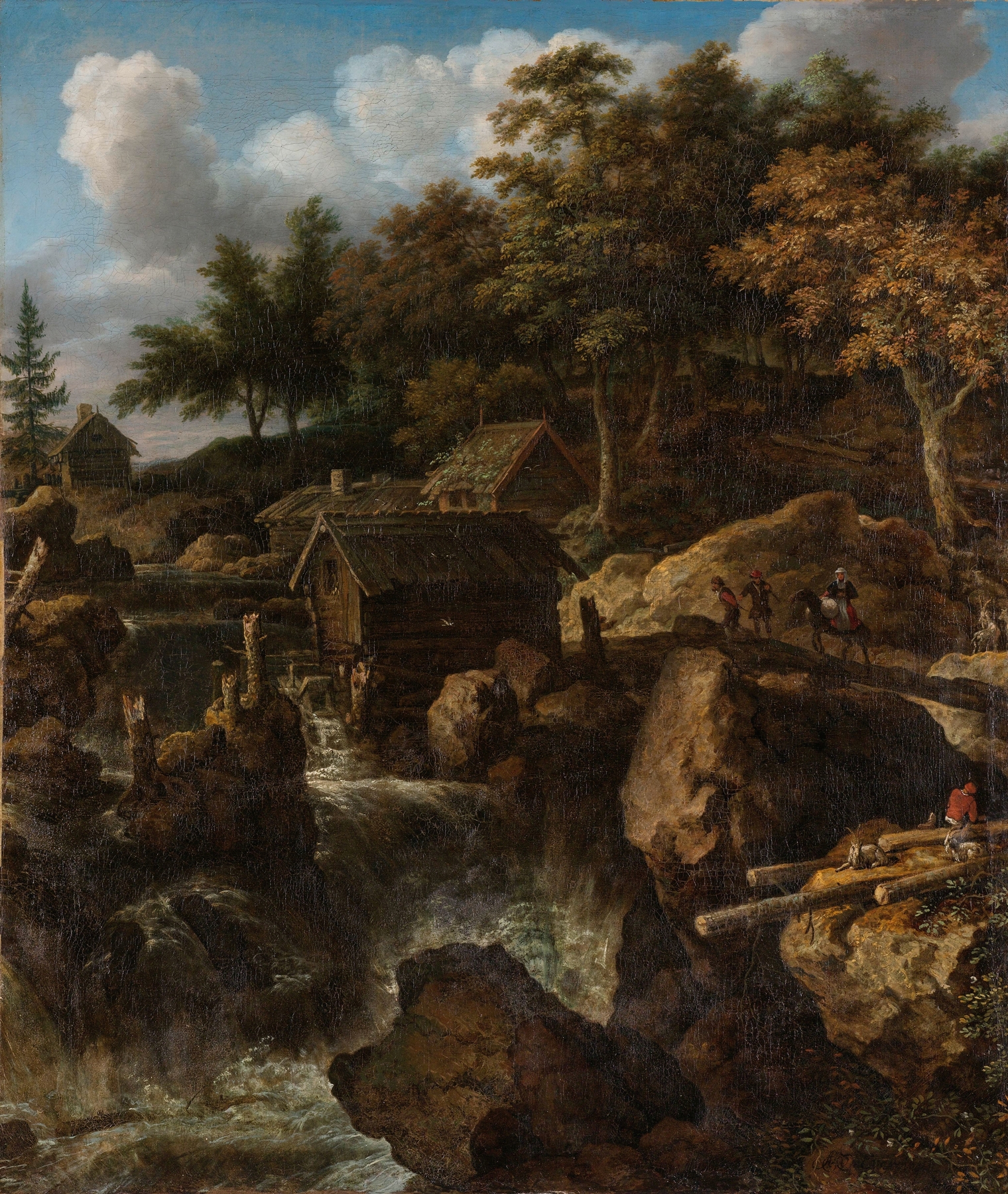
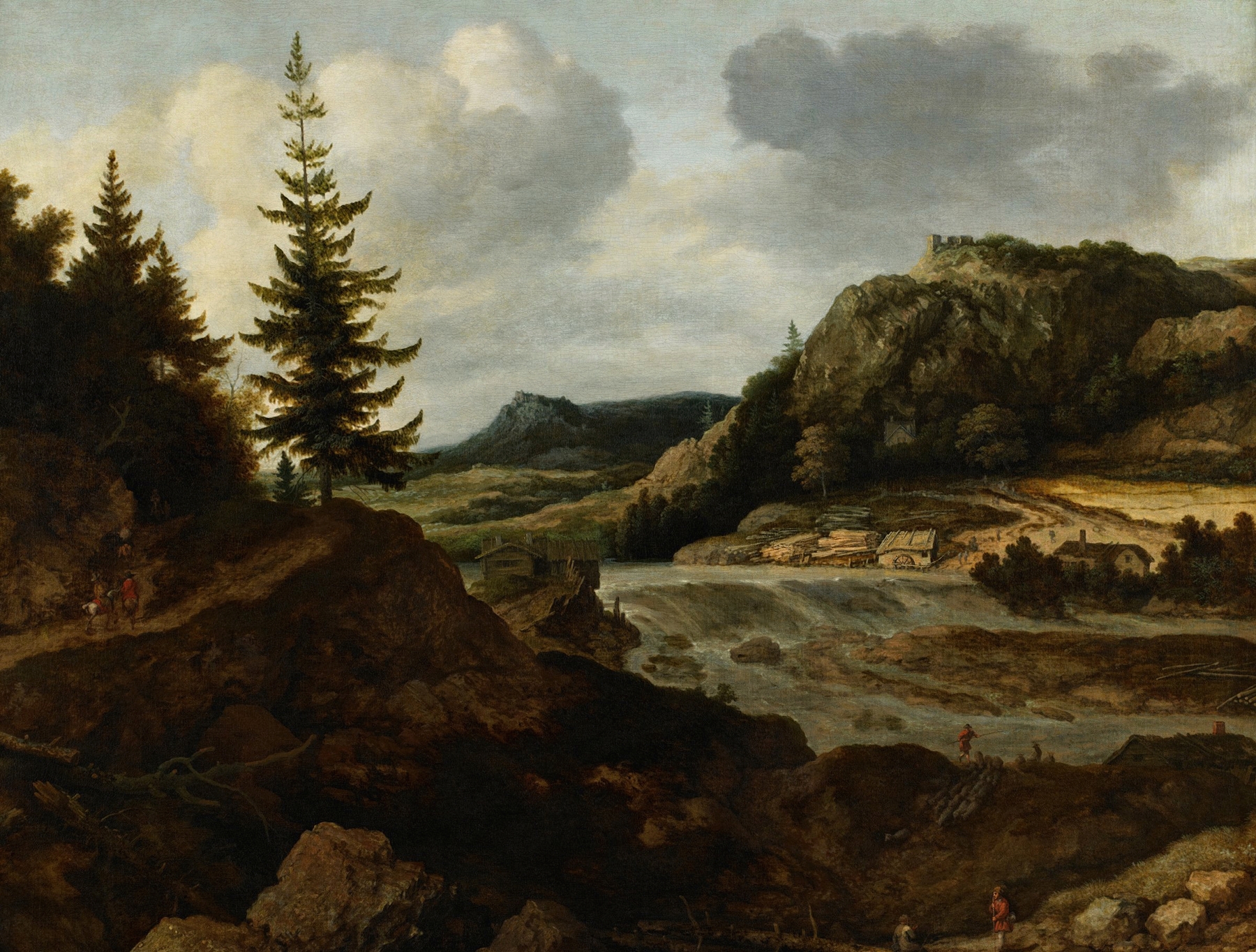
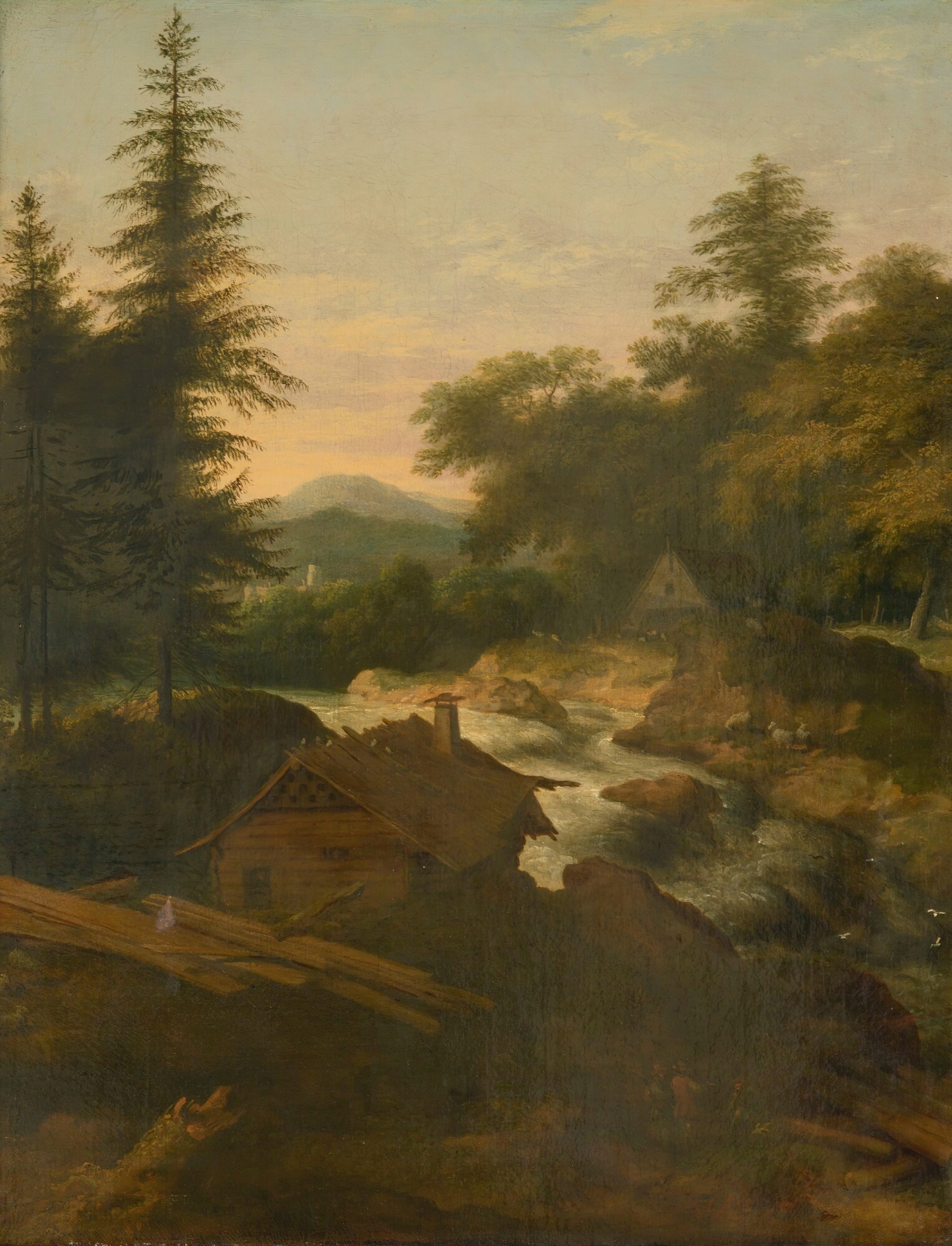
What secret hides in the quiet of the canvas? In the stillness of Swedish Landscape with a Water Mill, a world unfolds that whispers of ecstasy amid serene simplicity. Look to the left at the weathered water mill, its wheel poised to embrace the gentle flow of the stream. The painter’s deft touch brings life to the rippling water, its vibrant blues and greens contrasting with the warm earth tones of the surrounding foliage.
Notice how the luminous sky, brushed with soft whites and pale blues, bathes the scene in a tranquil light, inviting the viewer to linger and absorb the idyllic charm. Beneath the surface of this pastoral beauty lies a tension that speaks to the balance between nature and human endeavor. The mill, an emblem of industriousness, is juxtaposed against the wild, untamed landscape, suggesting a harmony that teeters on the edge of chaos. The gentle curves of the hills and the sharp lines of the mill create a dialogue of serenity and purpose, while fleeting glimpses of wildlife hint at an untold story of coexistence and joy.
In 1655, Allaert van Everdingen created this masterpiece during a time of burgeoning interest in Dutch landscapes, amidst his travels to Scandinavia. This period marked a shift in artistic focus, as painters began to explore the beauty of nature, revealing its emotional depths. Settled in the Netherlands, Everdingen drew from his experiences, merging the northern vistas with a refined technique that would resonate through generations.