Landscape with a Waterfall — History & Analysis
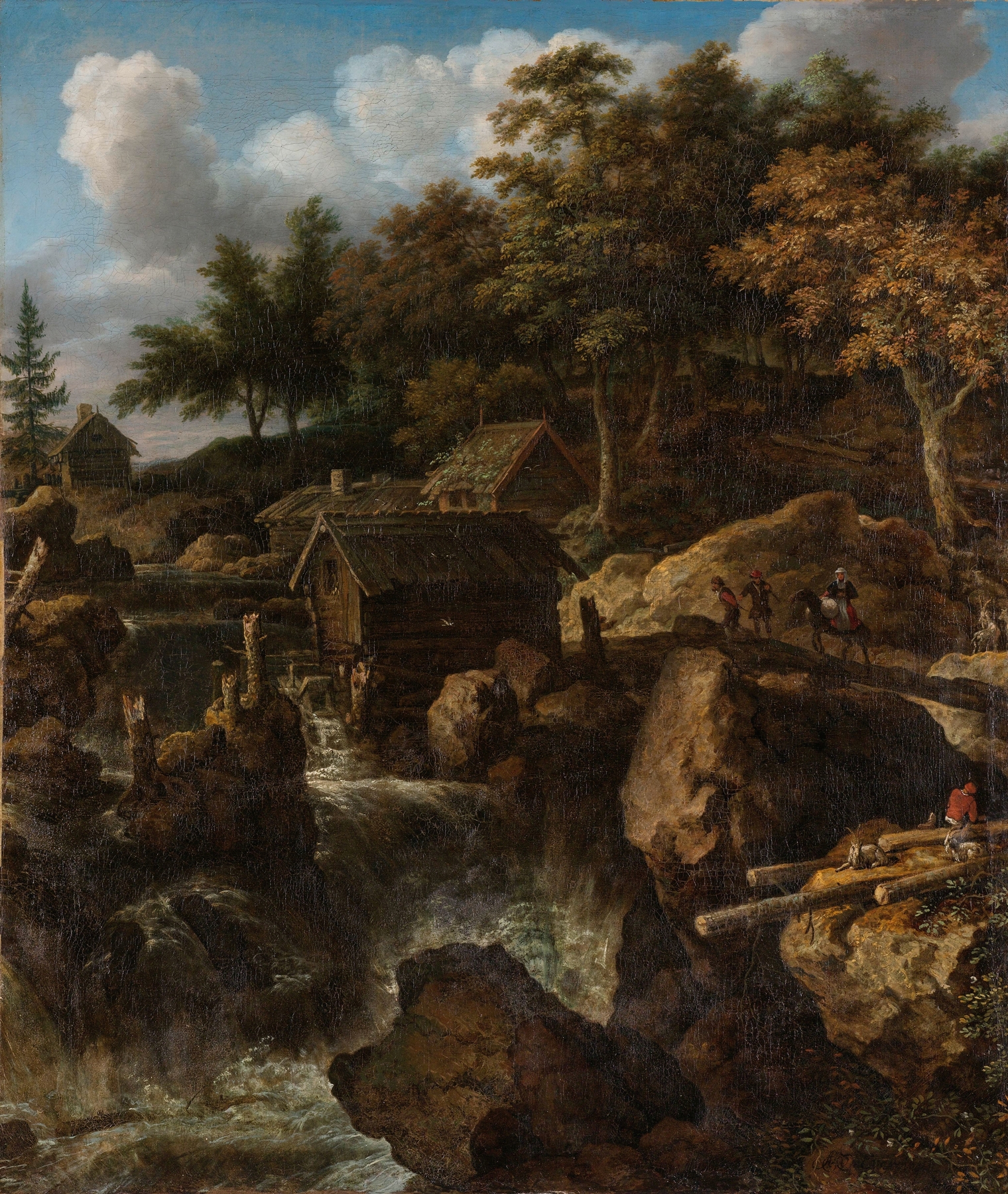
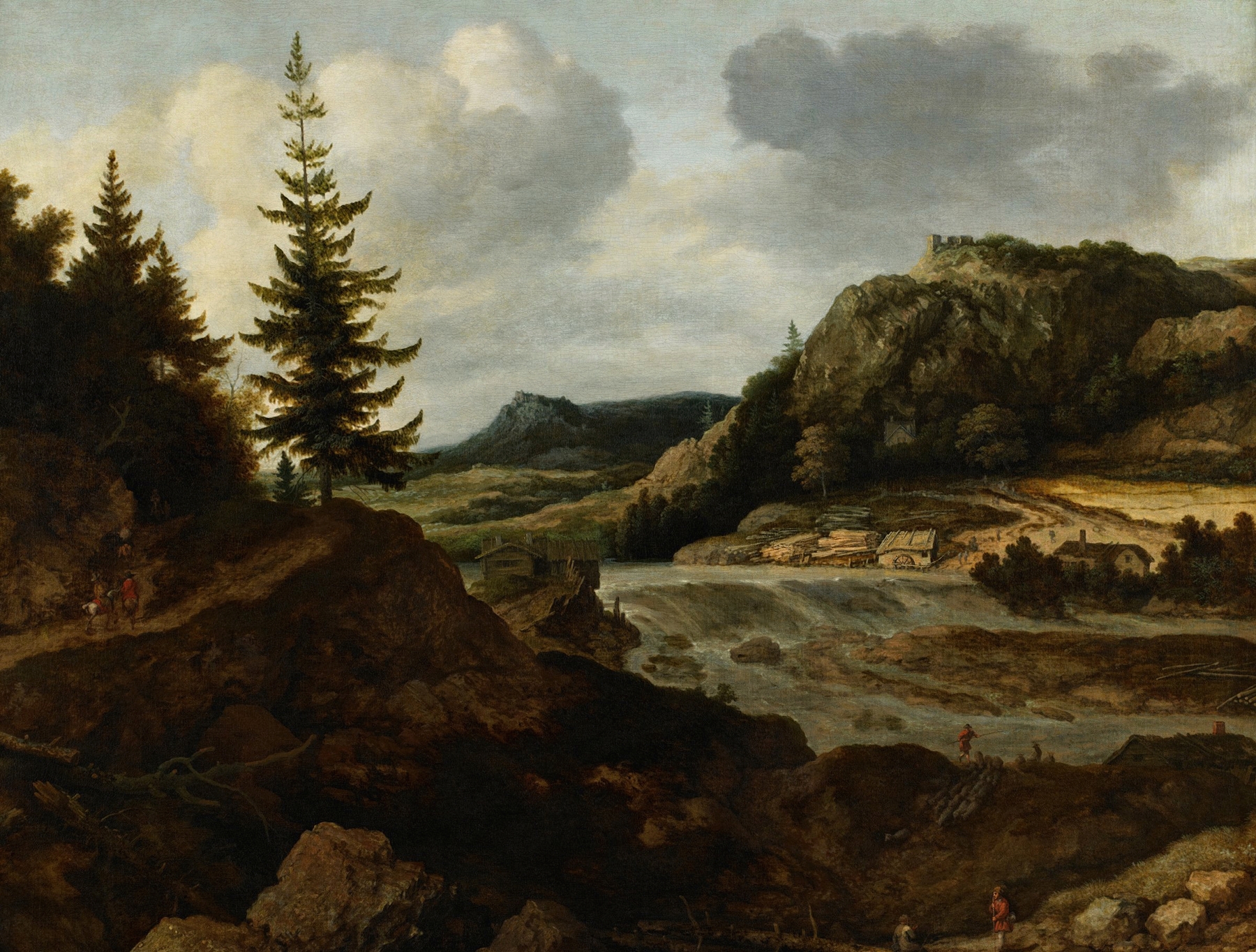
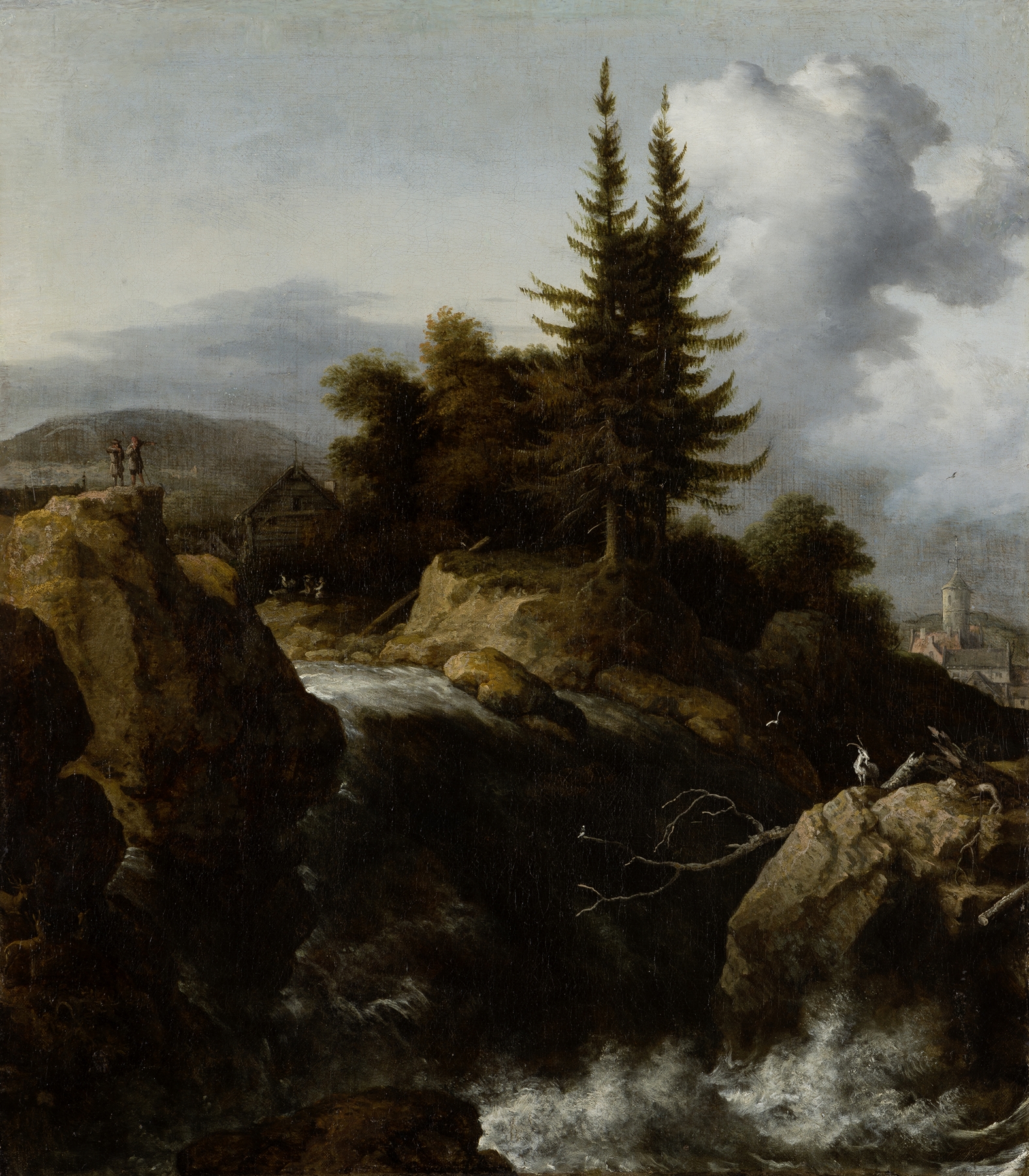
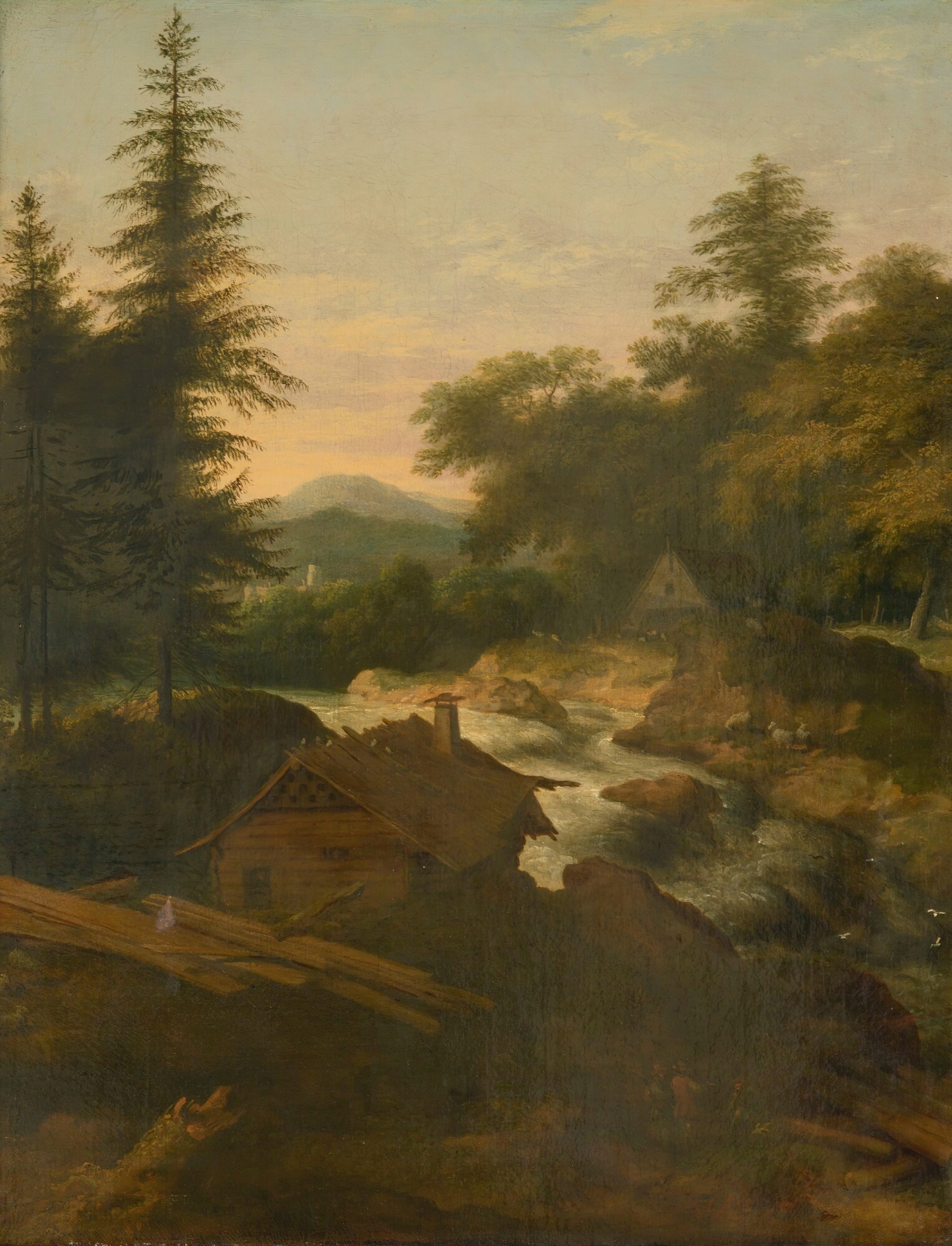
“Every brushstroke is a heartbeat remembered.” In a world painted with urgency and change, the canvas captures the quiet revolution of nature’s beauty, urging us to ponder the transformations around us. Look to the left at the cascading waterfall, its silken flow captured in shades of azure and white that contrast sharply with the darker greens of the surrounding foliage. The meticulous detailing of the rocks gives a sense of sturdy permanence, while the soft mist rising up suggests a fleeting moment, suspended in time. Notice how the light dances across the water's surface, illuminating pockets of hidden color, reinforcing the pulse of life within the serene landscape.
Delve deeper into the interactions between light and shadow, where the waterfall represents not just a natural feature but a symbol of change and renewal. The tumultuous energy of the water against the tranquil base hints at a coexistence of chaos and calm. Subtle glimmers in the underbrush reveal life teeming just beyond the visible, suggesting that beneath the calm exterior, a vibrant ecosystem thrives—an echo of the revolutionary spirit of the age.
Created during a period of artistic exploration in the 17th century, this work reflects the broader trends in Northern European painting, where artists were increasingly drawn to natural landscapes. Van Everdingen's time saw shifts in artistic expression, aligning with the growing curiosity about nature and the sublime, as well as emerging techniques that emphasized realism and detail. His exploration of the natural world resonates with the revolutionary movements shaping society, revealing art’s transformative power in the face of change.