Shore with Steep Cliffs — History & Analysis
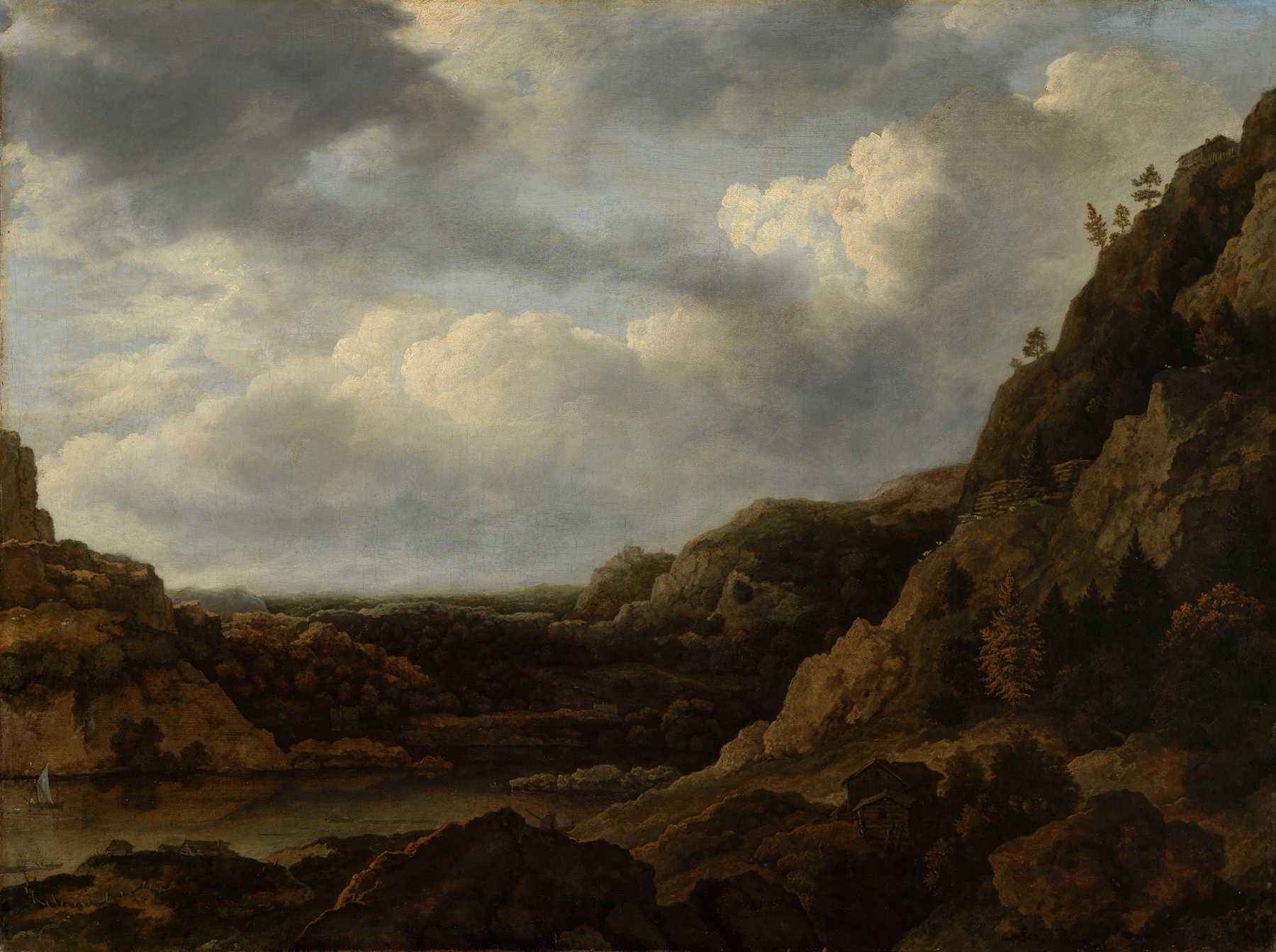
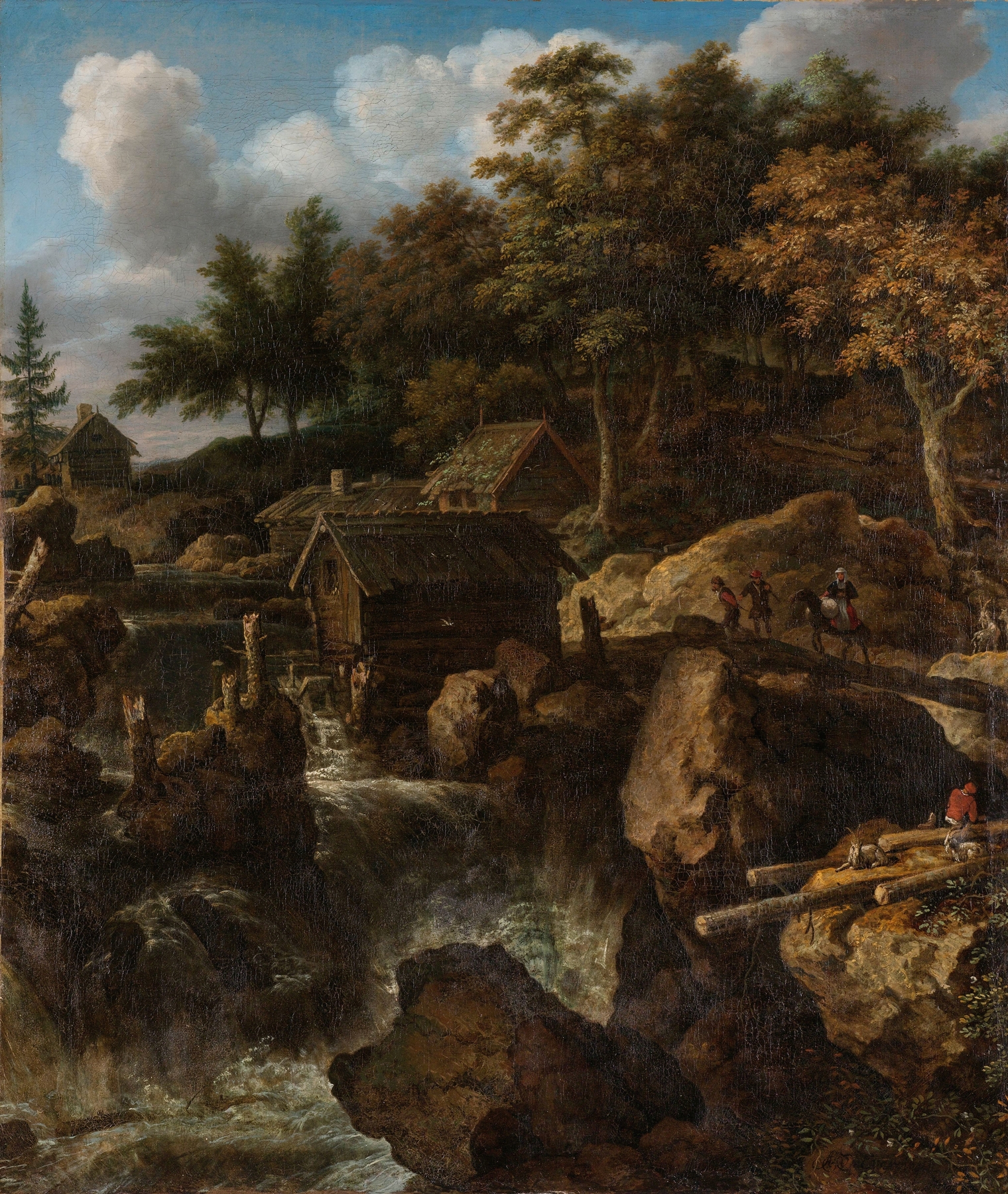
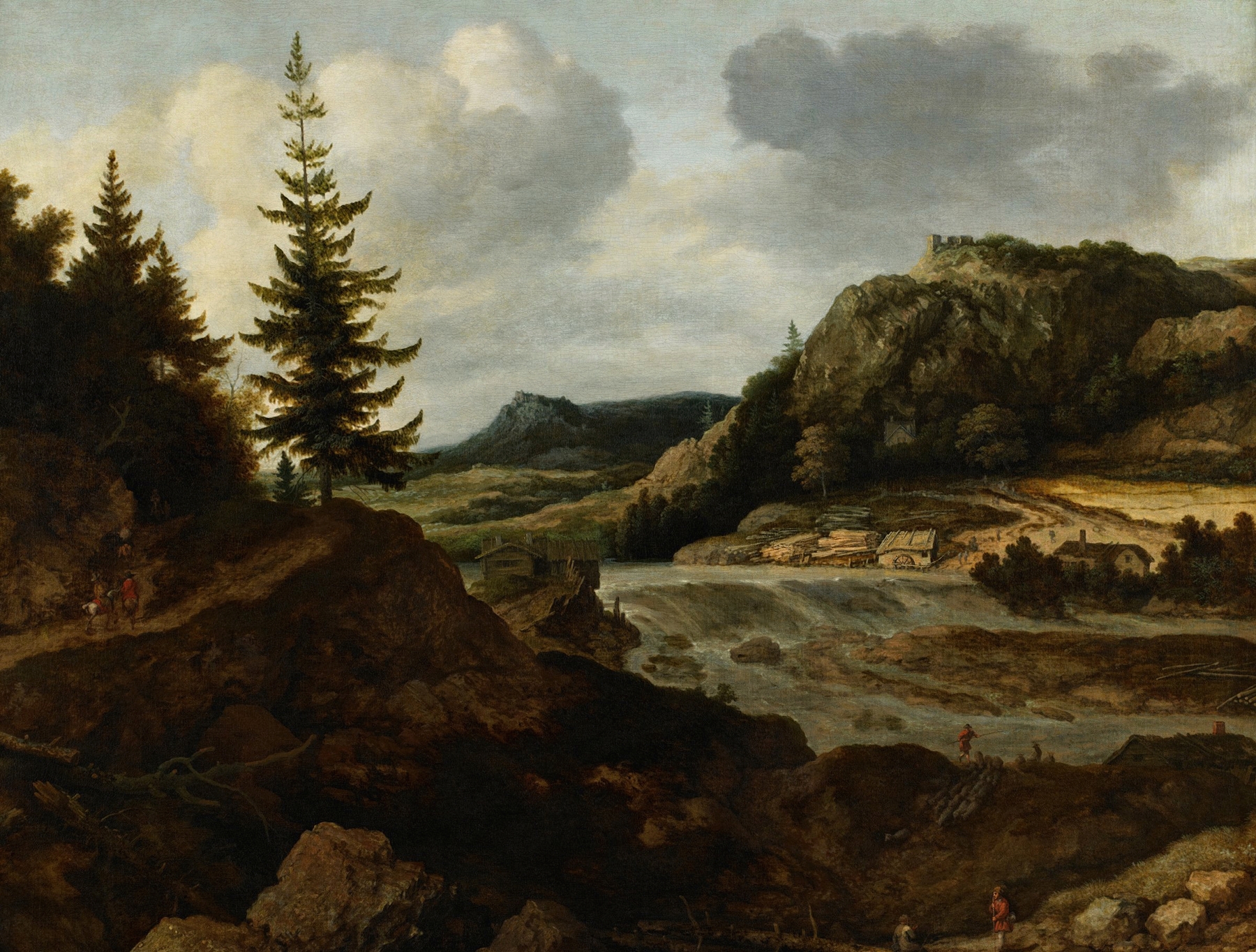
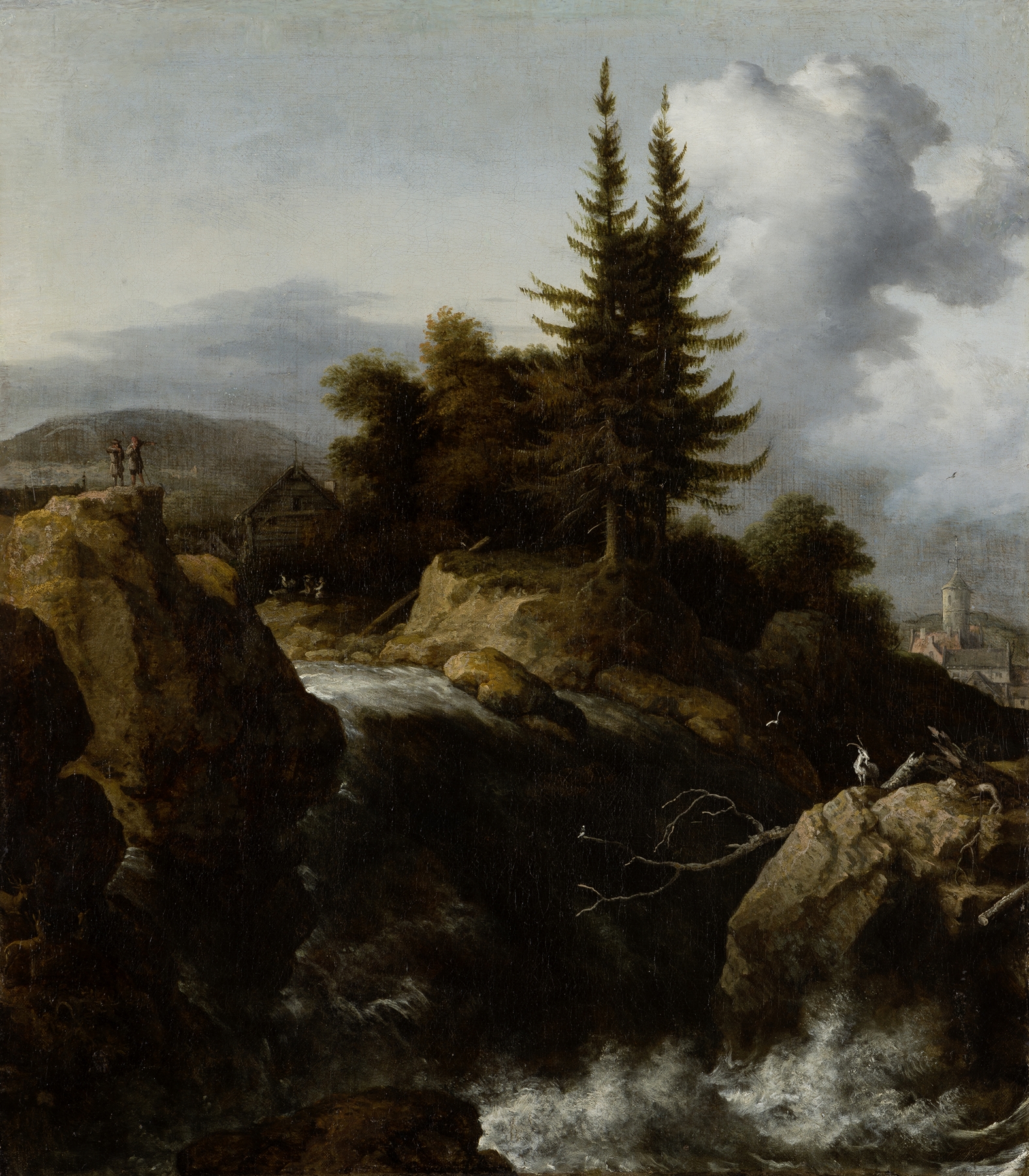
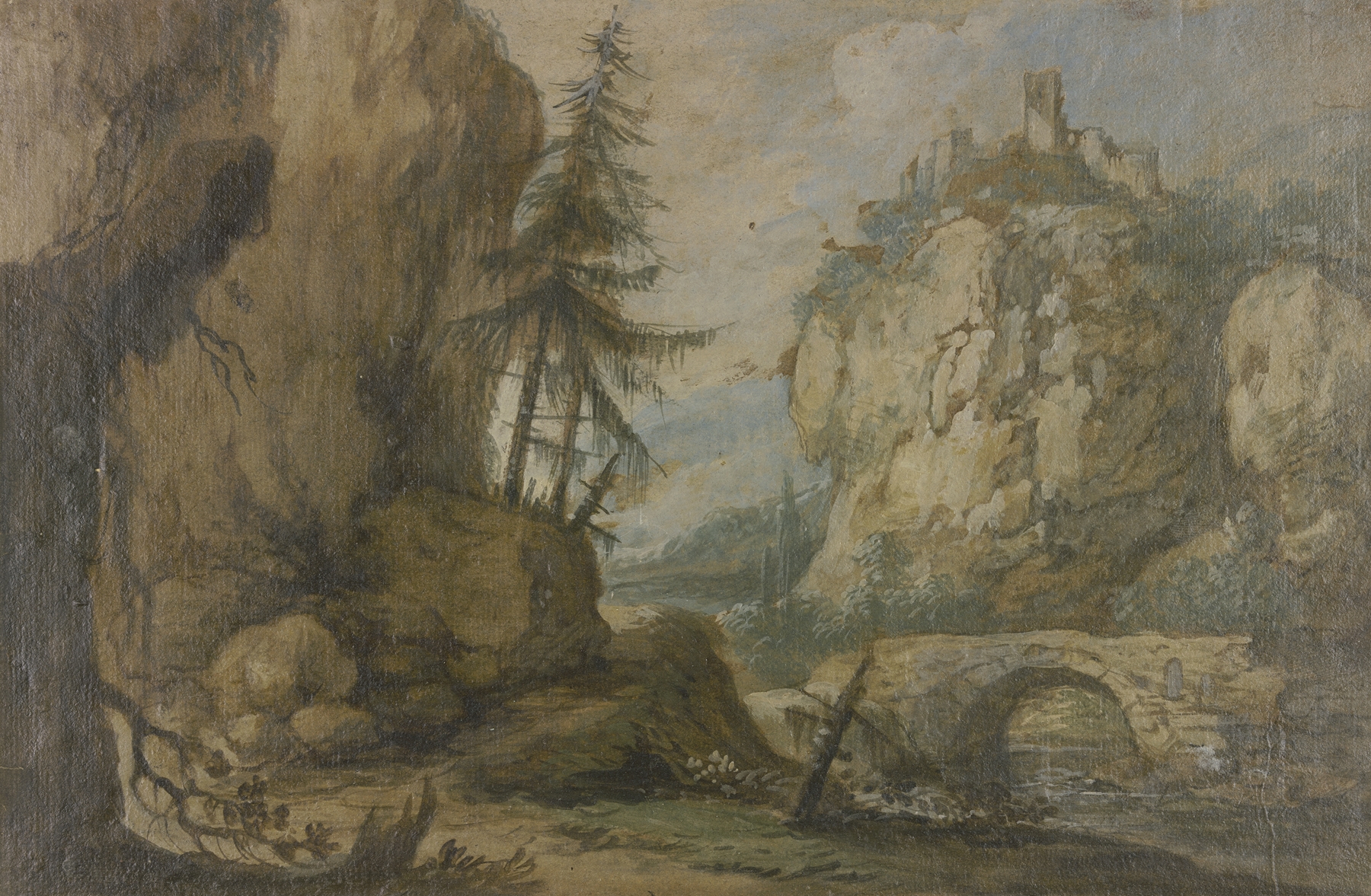
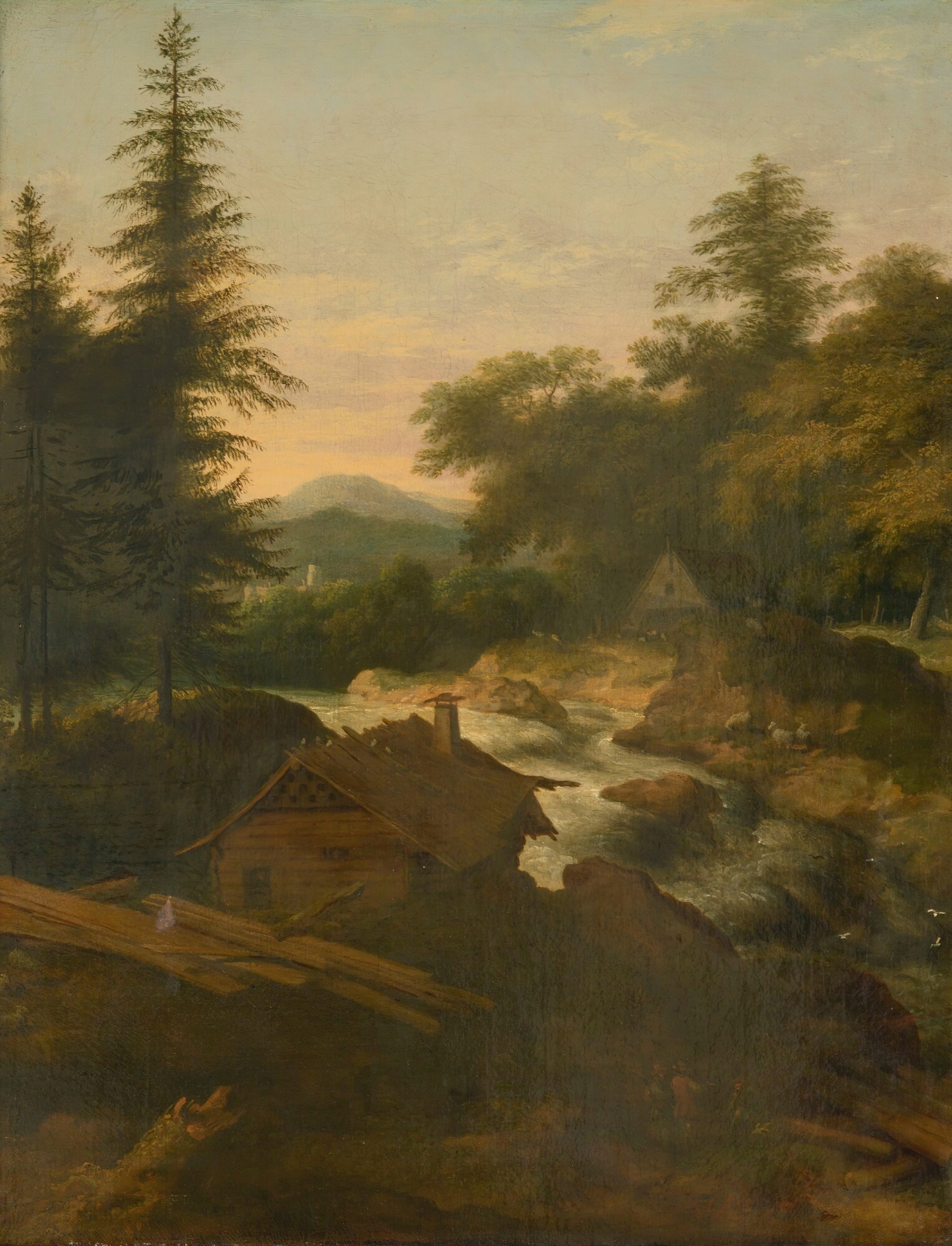
“Under the brush, chaos becomes grace.” In the interplay of land and sea, movement breathes life into the static, transforming raw nature's force into a dance of color and texture. The artwork invites contemplation of the perpetual conflict between earth and ocean, a tumultuous yet harmonious embrace. Focus on the foreground, where the churning waves crash against the rocky shore. Notice how the artist employs a palette of deep blues and frothy whites, capturing the ocean’s restless energy.
The cliffs rise dramatically behind, rendered with a texture that suggests both solidity and vulnerability. The light cascades from the sky, illuminating the rugged terrain and creating a tableau where the elements converge in a moment of sublime tension. Hidden beneath the surface, the painting reflects the duality of nature's fury and tranquility. The steep cliffs symbolize permanence while the waves signify transience, suggesting a dialogue between stability and change.
Each brushstroke evokes a sense of movement, inviting the viewer to feel the wind's whisper and the ocean's roar—a reminder of life’s unpredictable rhythm. In 1648, the artist was deeply engaged in the Northern Baroque movement, painting during a time when landscapes gained prominence in art. Working in the Netherlands, van Everdingen was influenced by his travels and the rising fascination with natural scenery. The merging of realism and dramatic effect in his works mirrored the broader artistic shift towards capturing the essence of the natural world, positioning him as a key figure within this evolving aesthetic.