Swedish Landscape with a Waterfall — History & Analysis
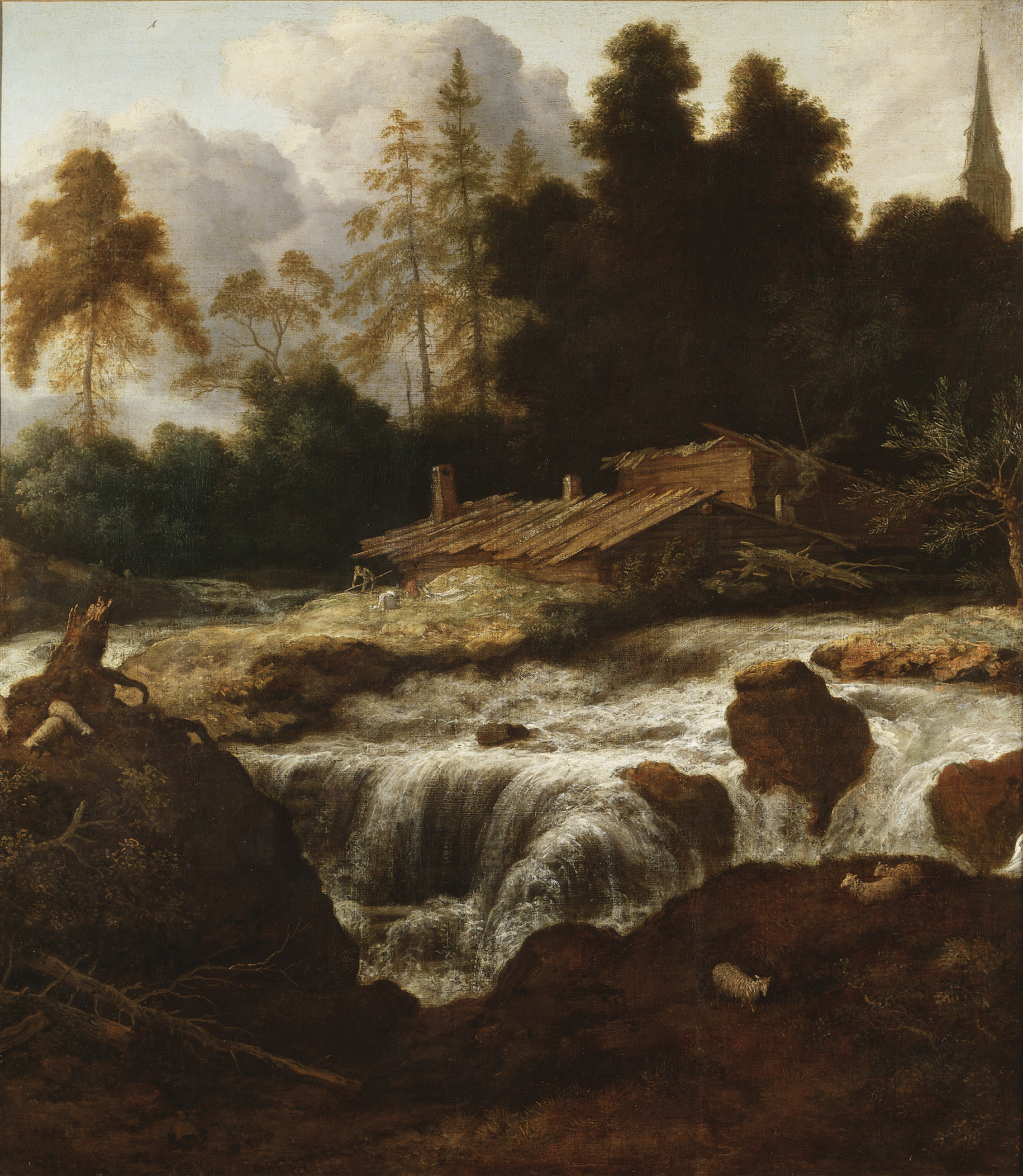
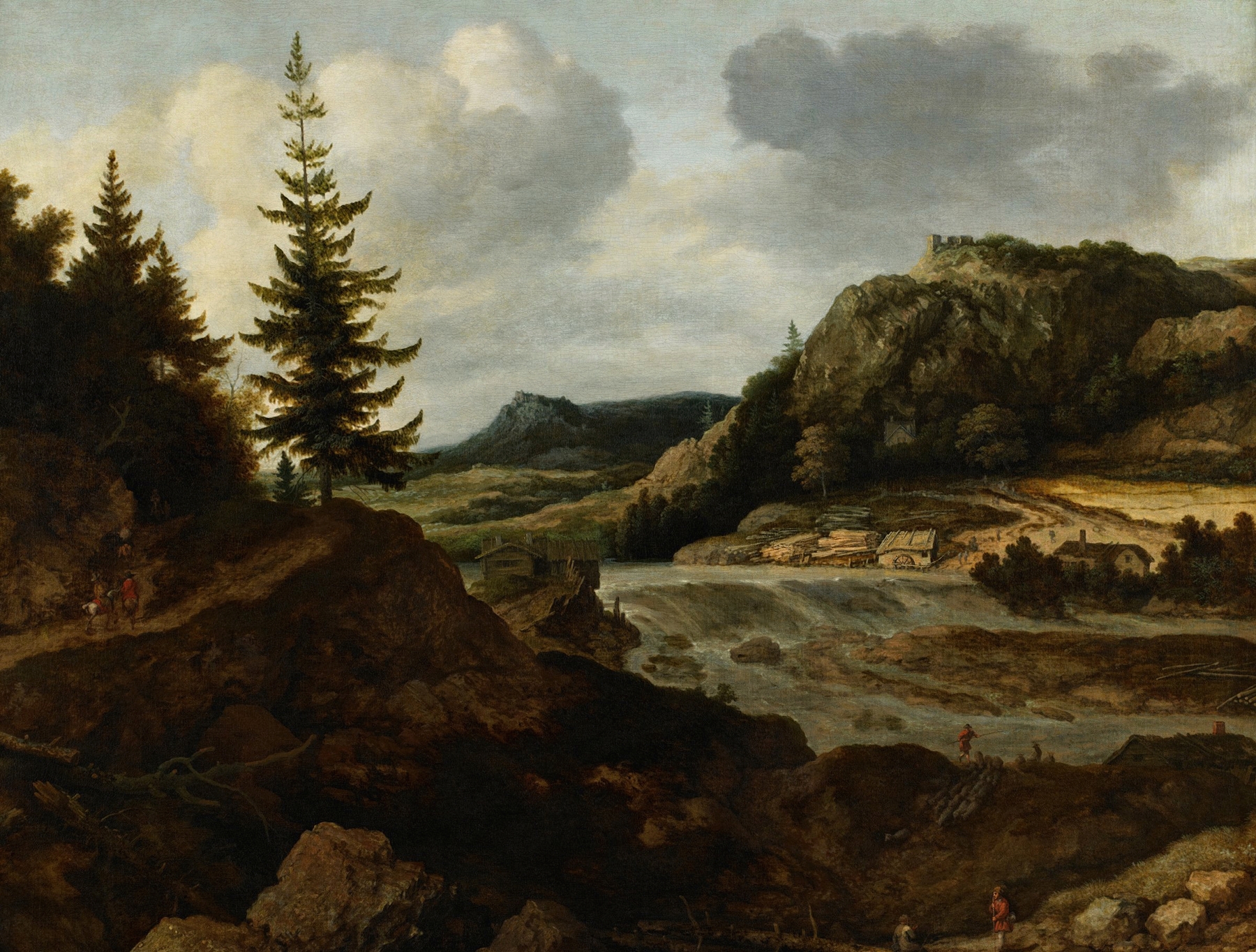
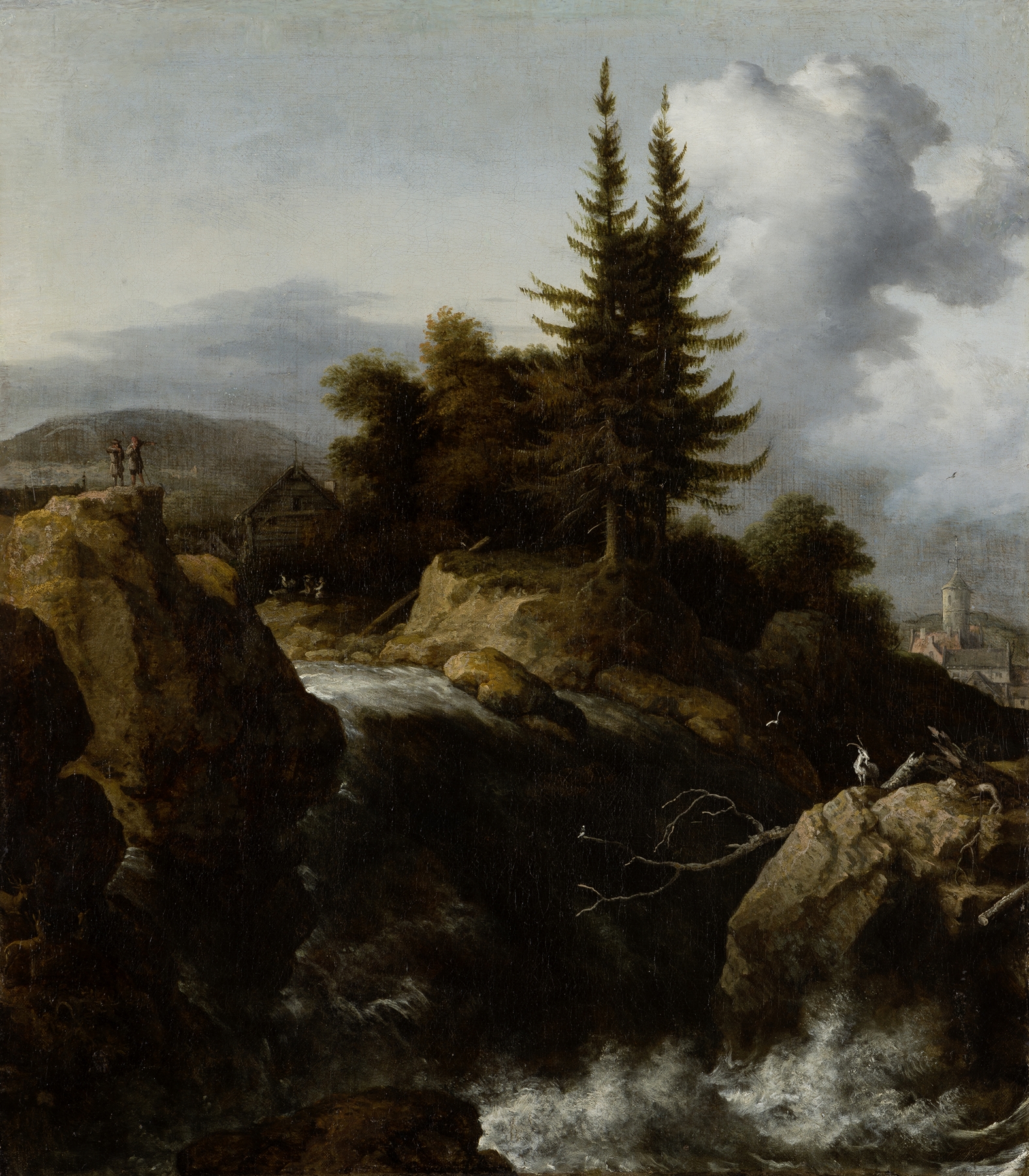
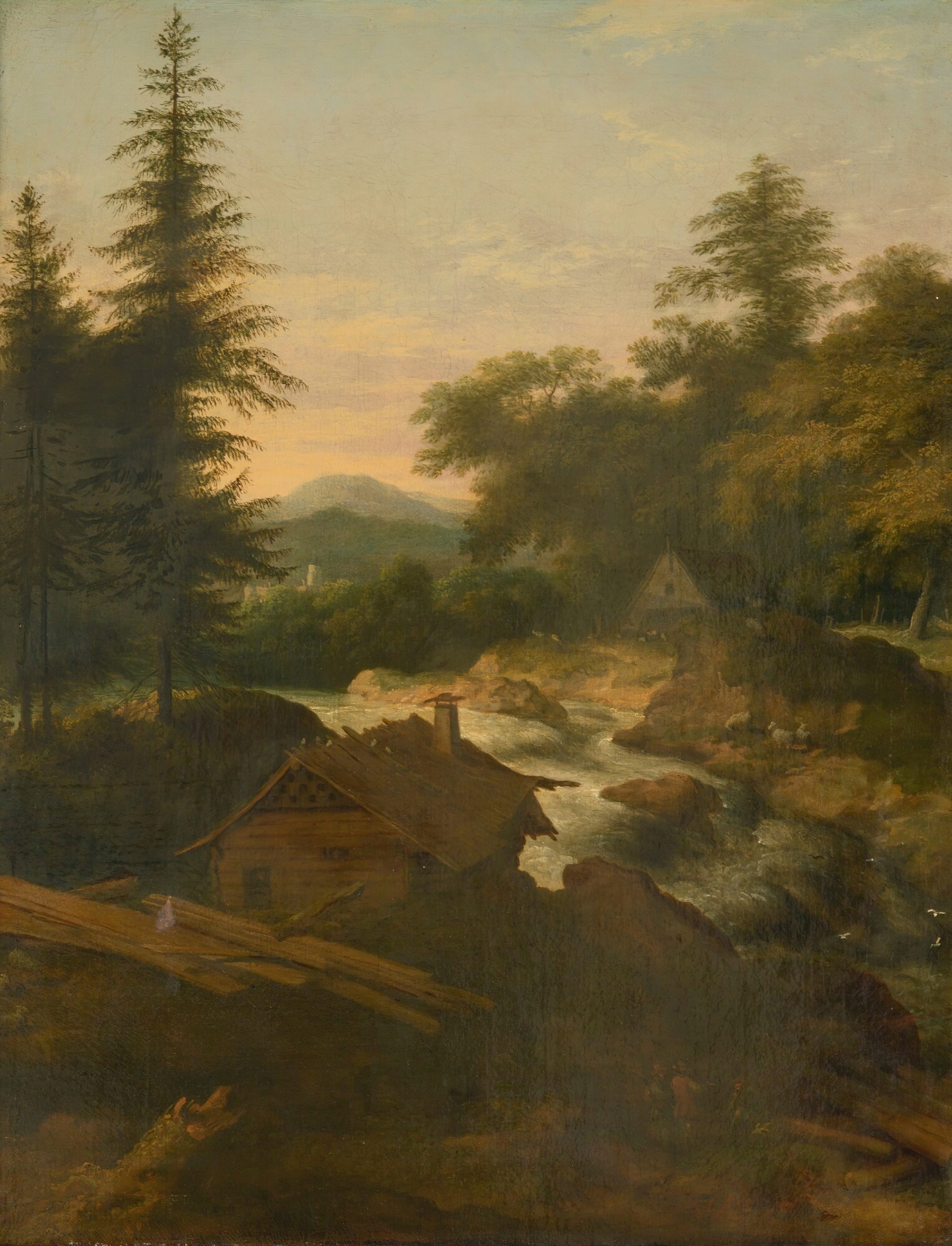
What secret hides in the quiet of the canvas? In Swedish Landscape with a Waterfall, the stillness invites contemplation, revealing the illusion of tranquility that nature often conceals. Focus first on the majestic waterfall that cascades down the rocky cliffs, drawing your gaze with its shimmering, white torrents. Notice how the light dances across the water's surface, creating a dynamic contrast against the deep greens and browns of the surrounding forest.
The composition balances the rugged terrain with the soft flow of the water, exemplifying the artist’s deft use of chiaroscuro to evoke depth and movement within stillness. As you explore the hidden corners of the piece, consider the delicate interplay between chaos and calm. The waterfall, while powerful, is cradled by the serene landscape, suggesting nature's duality — its ability to create both awe and peace.
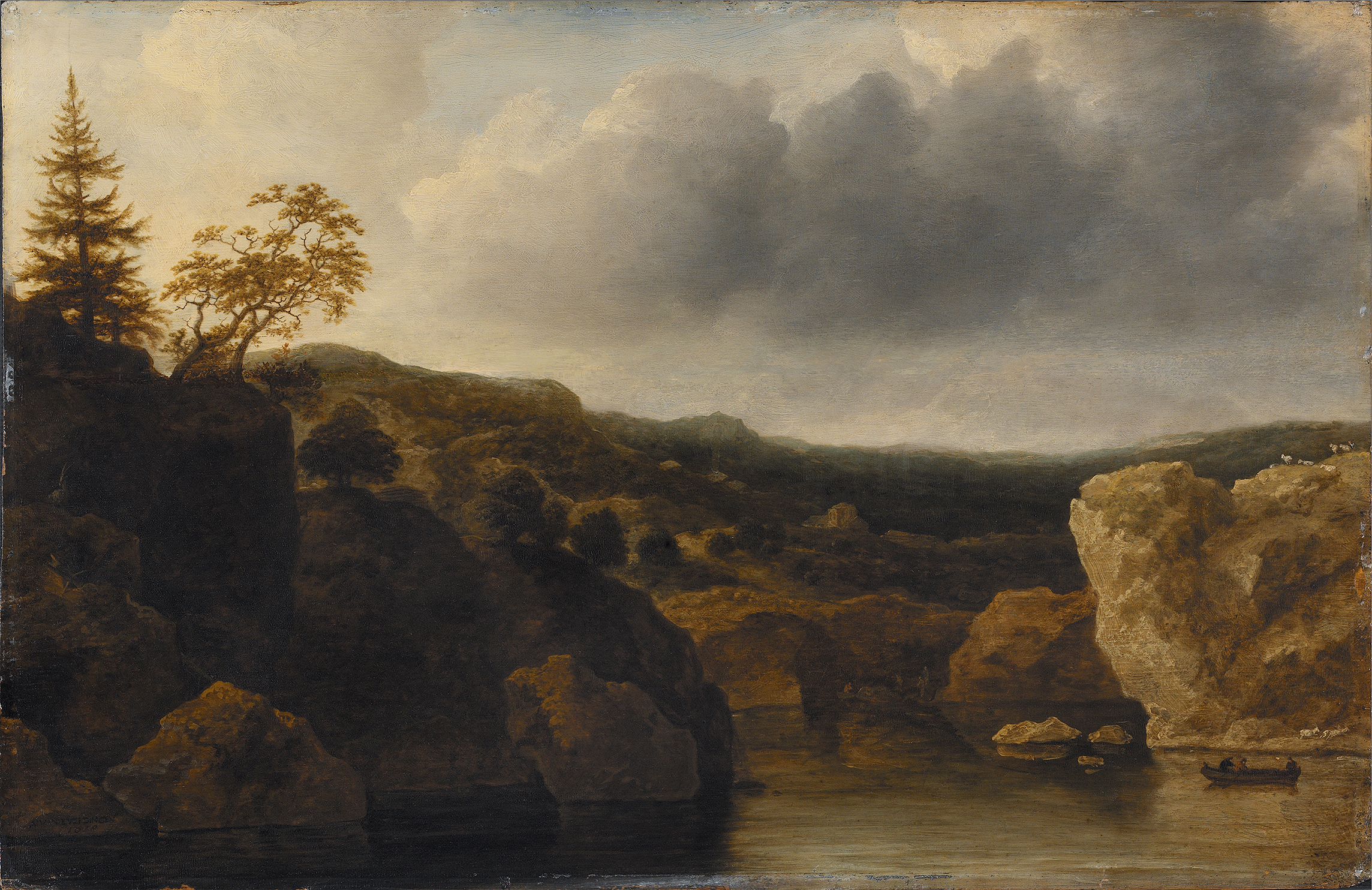
The shadows cast by the trees hint at secrets lurking just beyond the light, inviting the viewer to ponder what lies beneath the surface of this picturesque wilderness. Created between 1650 and 1675, the artist crafted this work during a period of artistic exploration in the Netherlands, where landscapes began to serve as reflections of inner worlds. At this juncture, van Everdingen was inspired by his travels through Scandinavia, capturing not just the physical beauty of the landscape but also its emotional resonance, which echoed the sentiments of the Baroque era's fascination with nature.