Swedish Landscape — History & Analysis
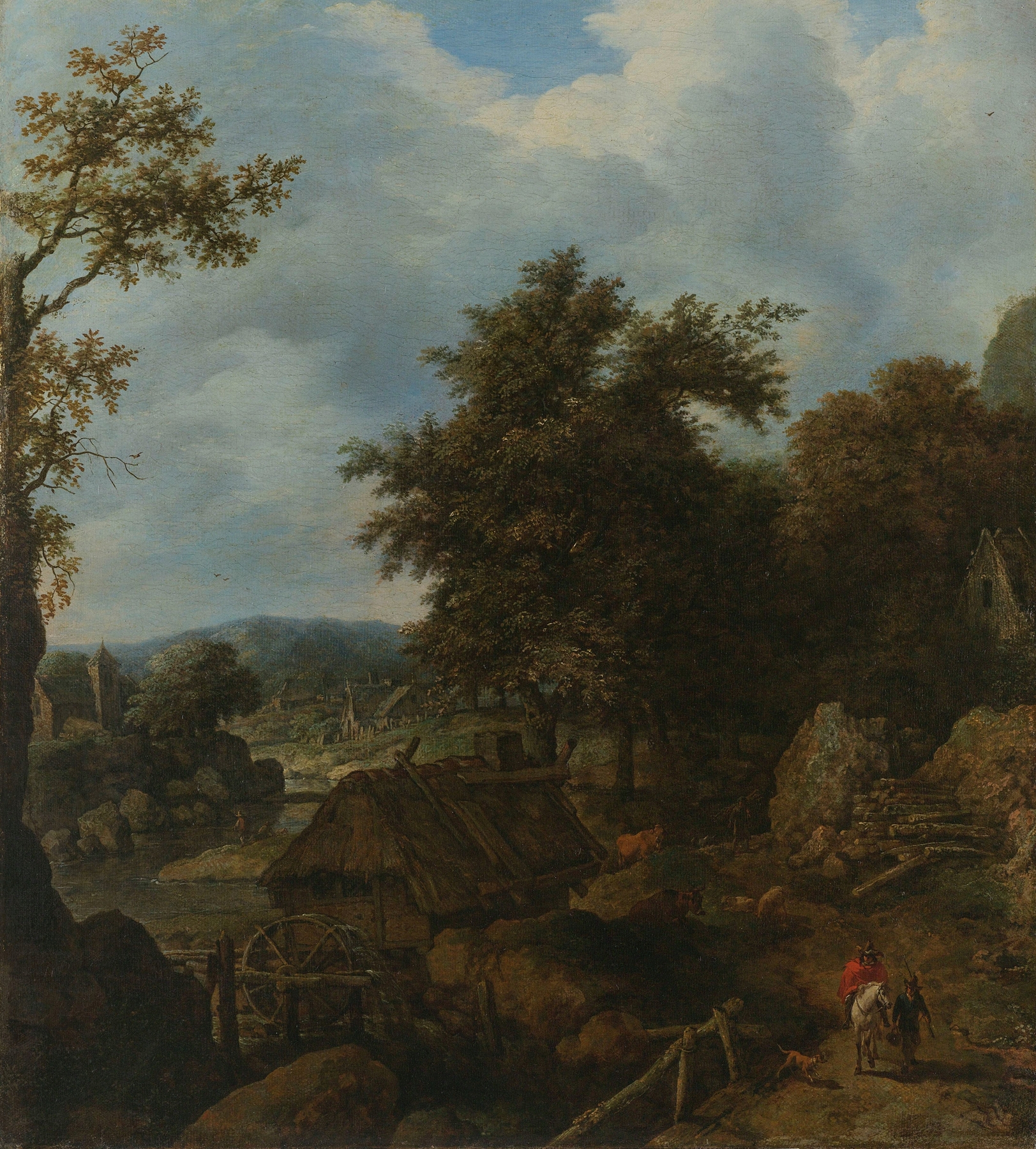
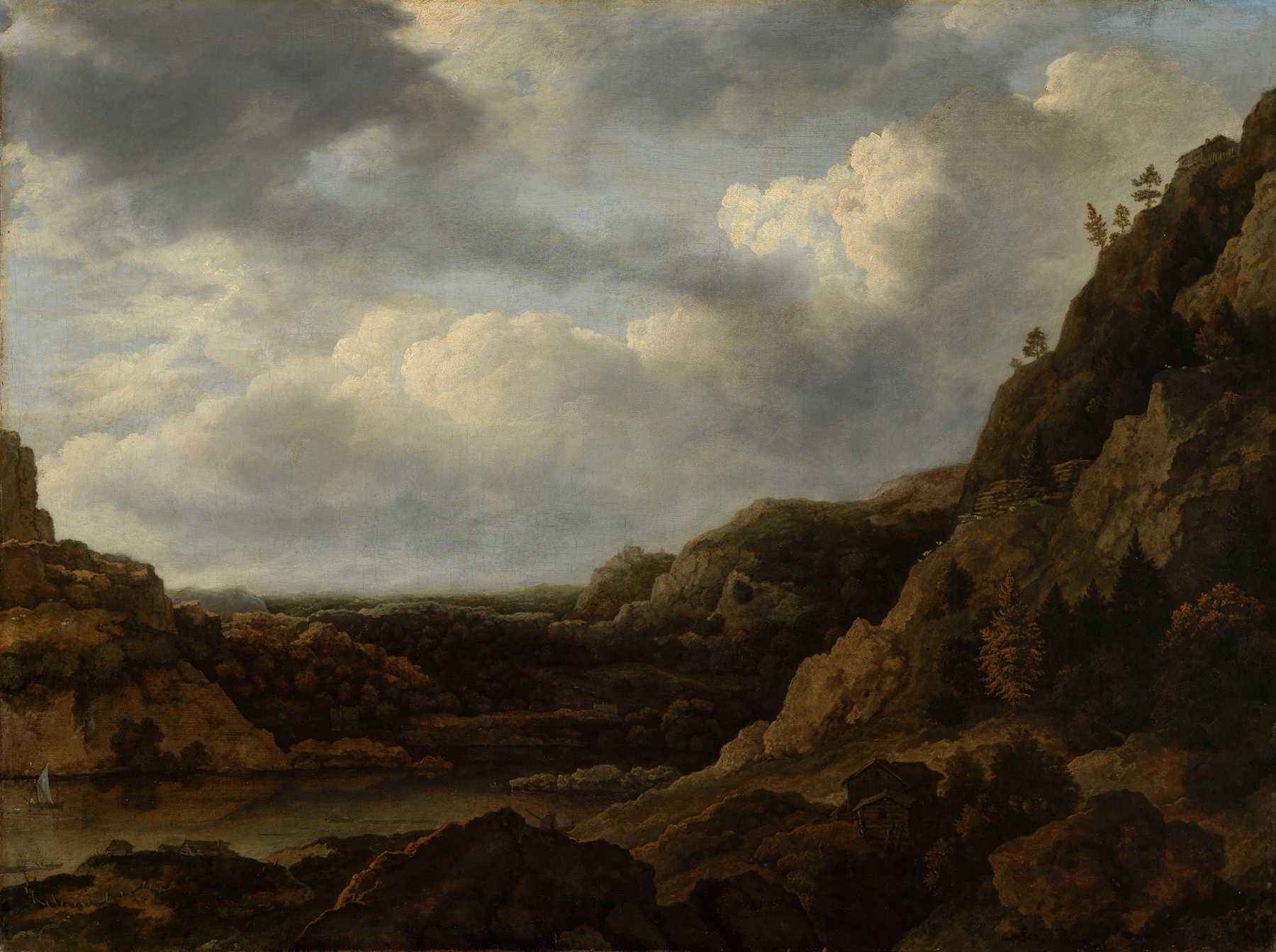
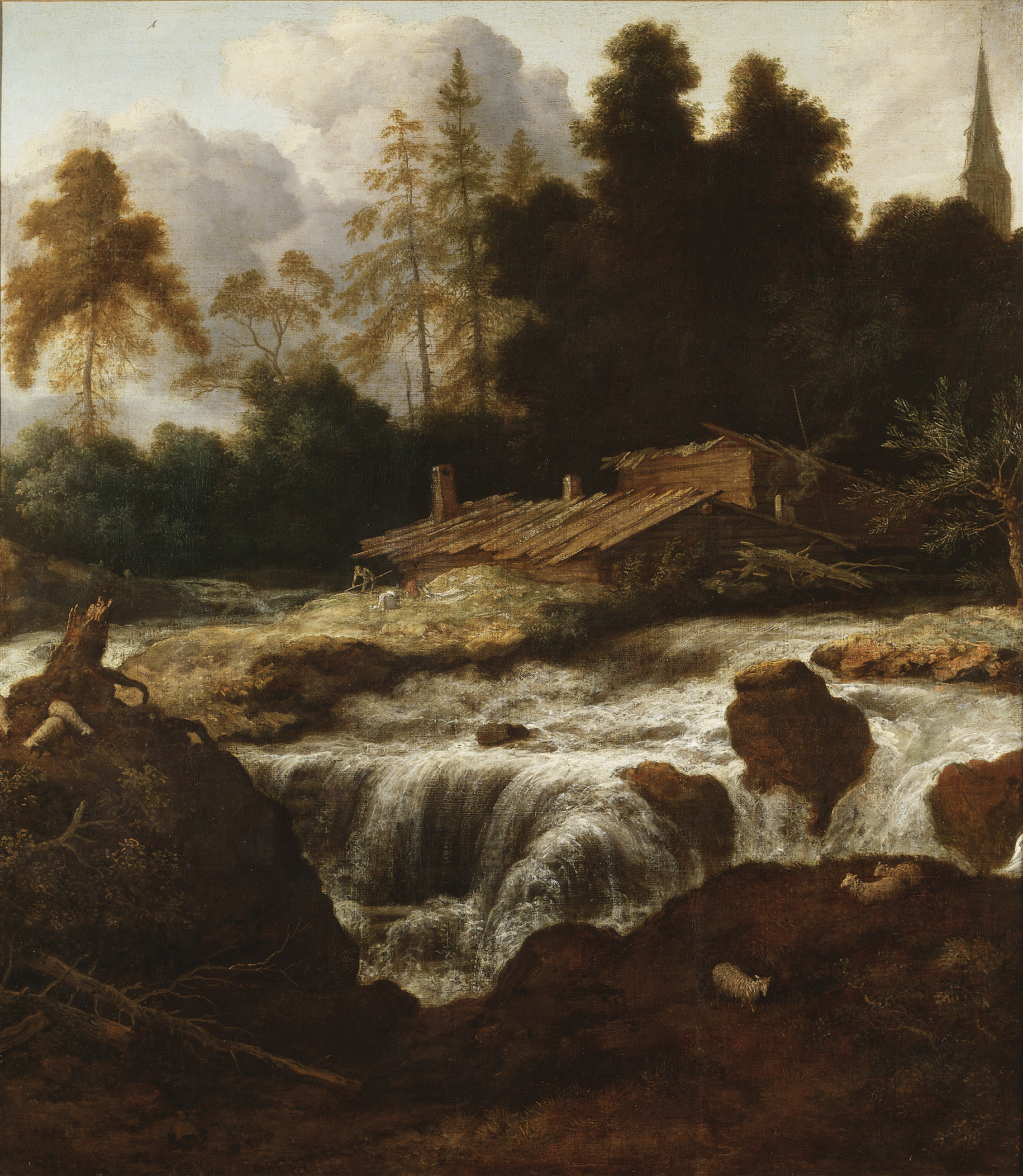
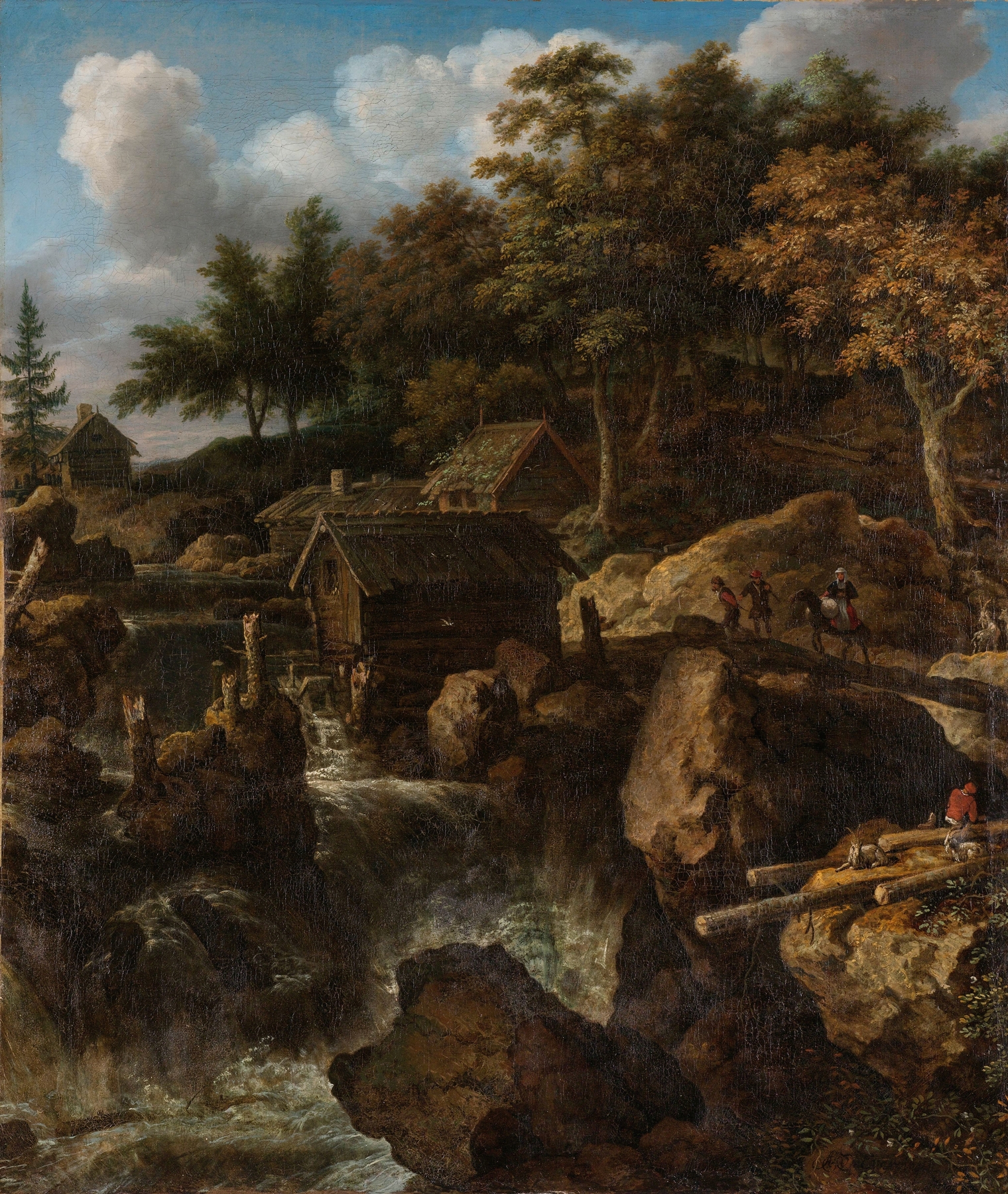
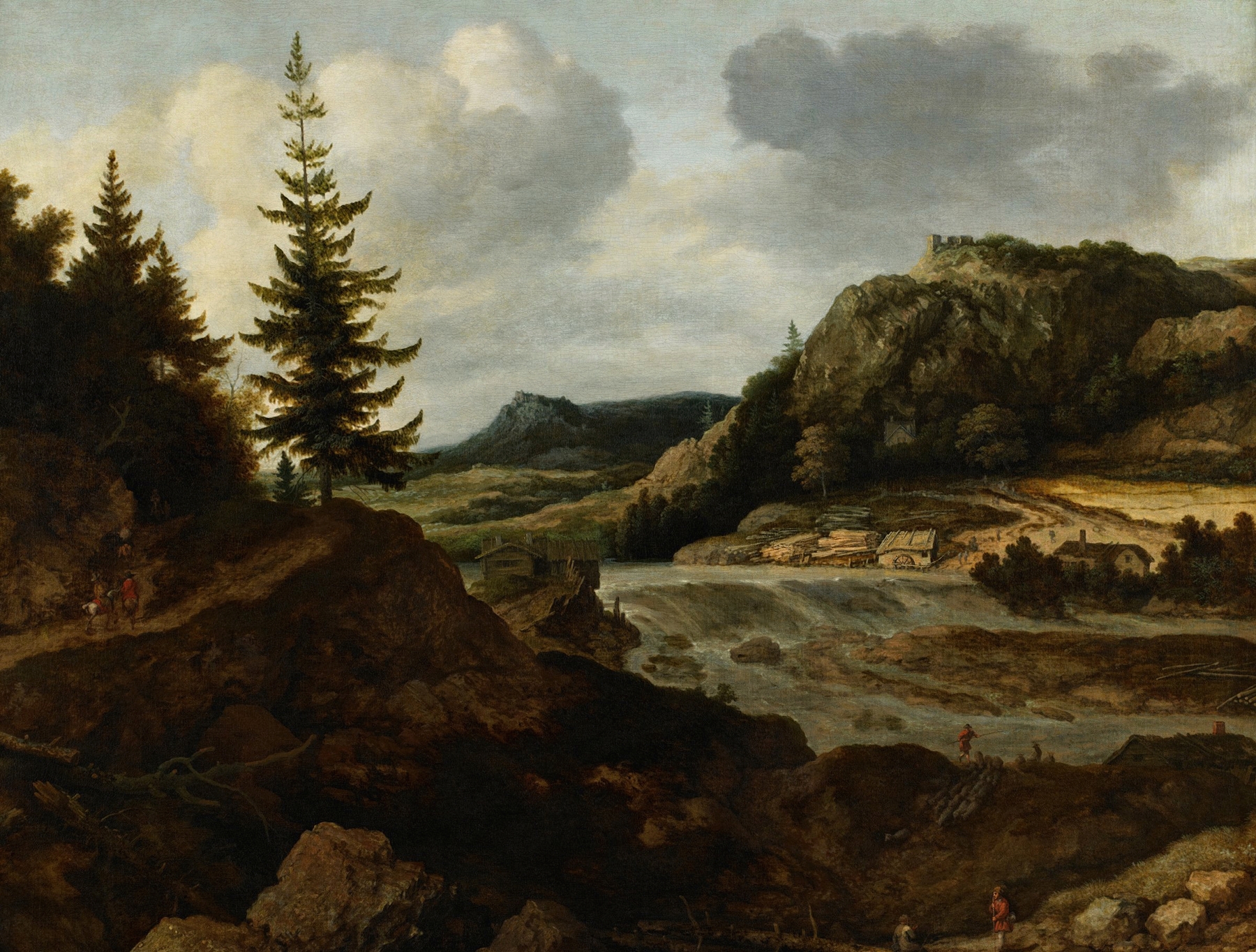
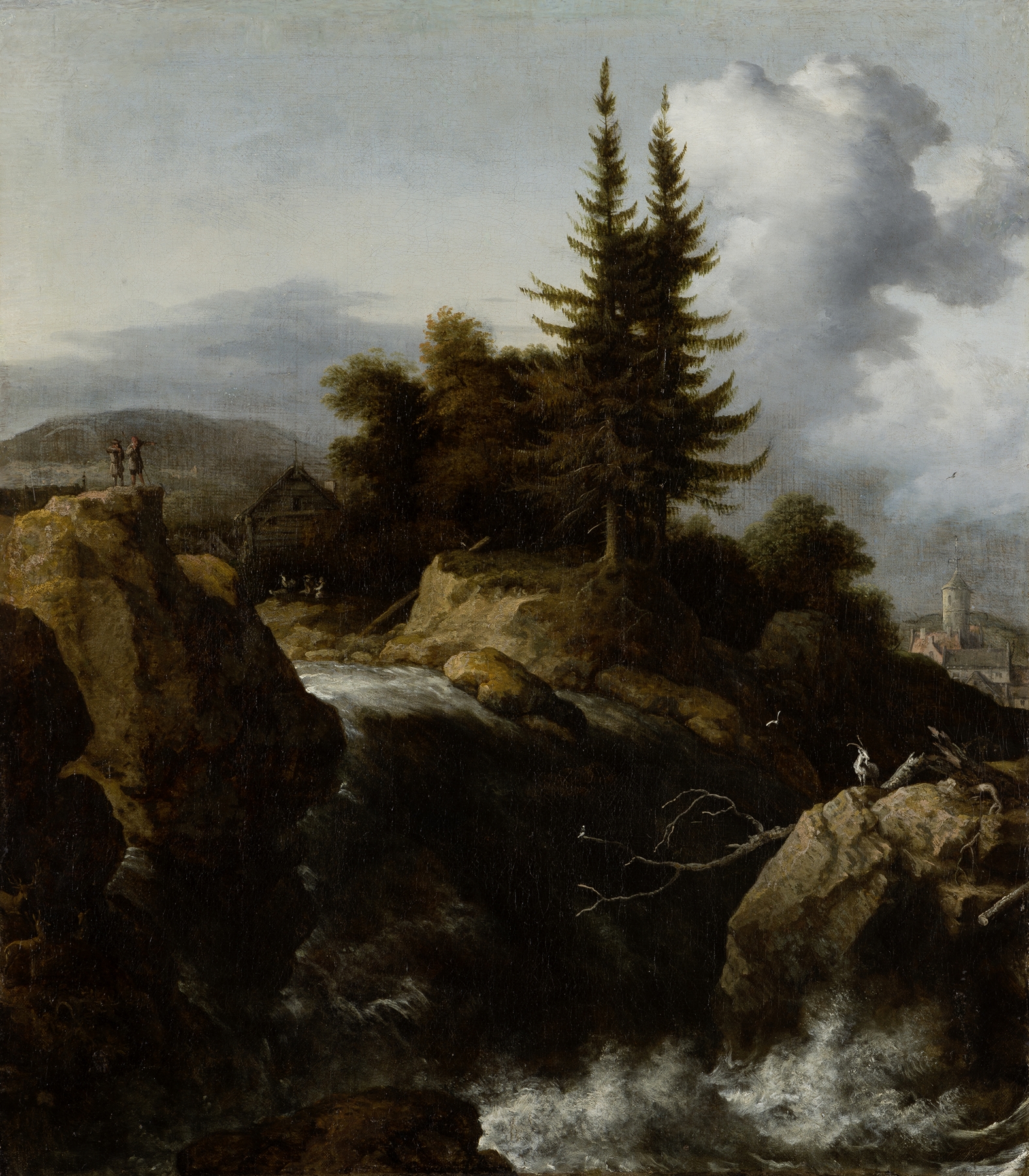
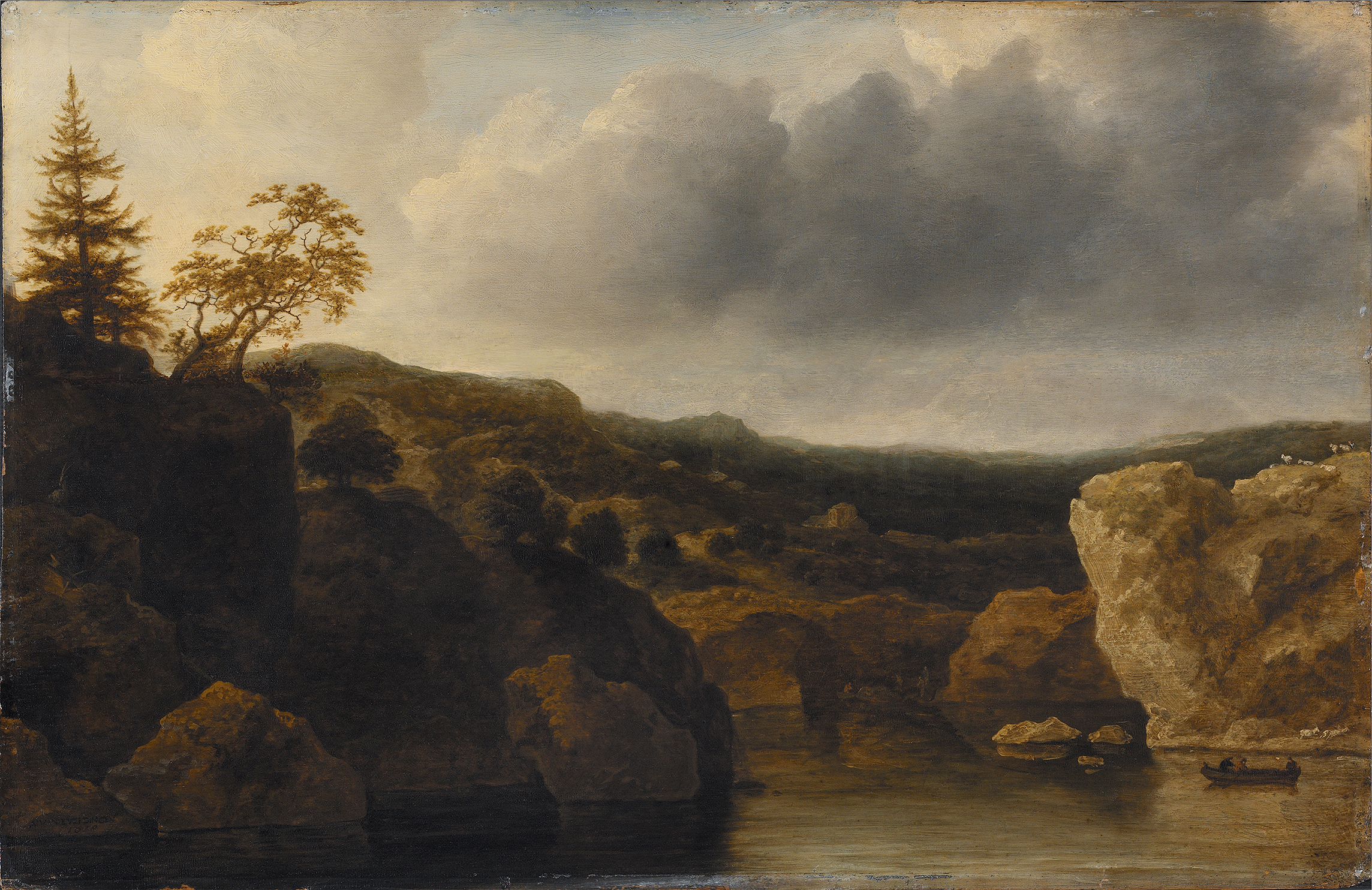
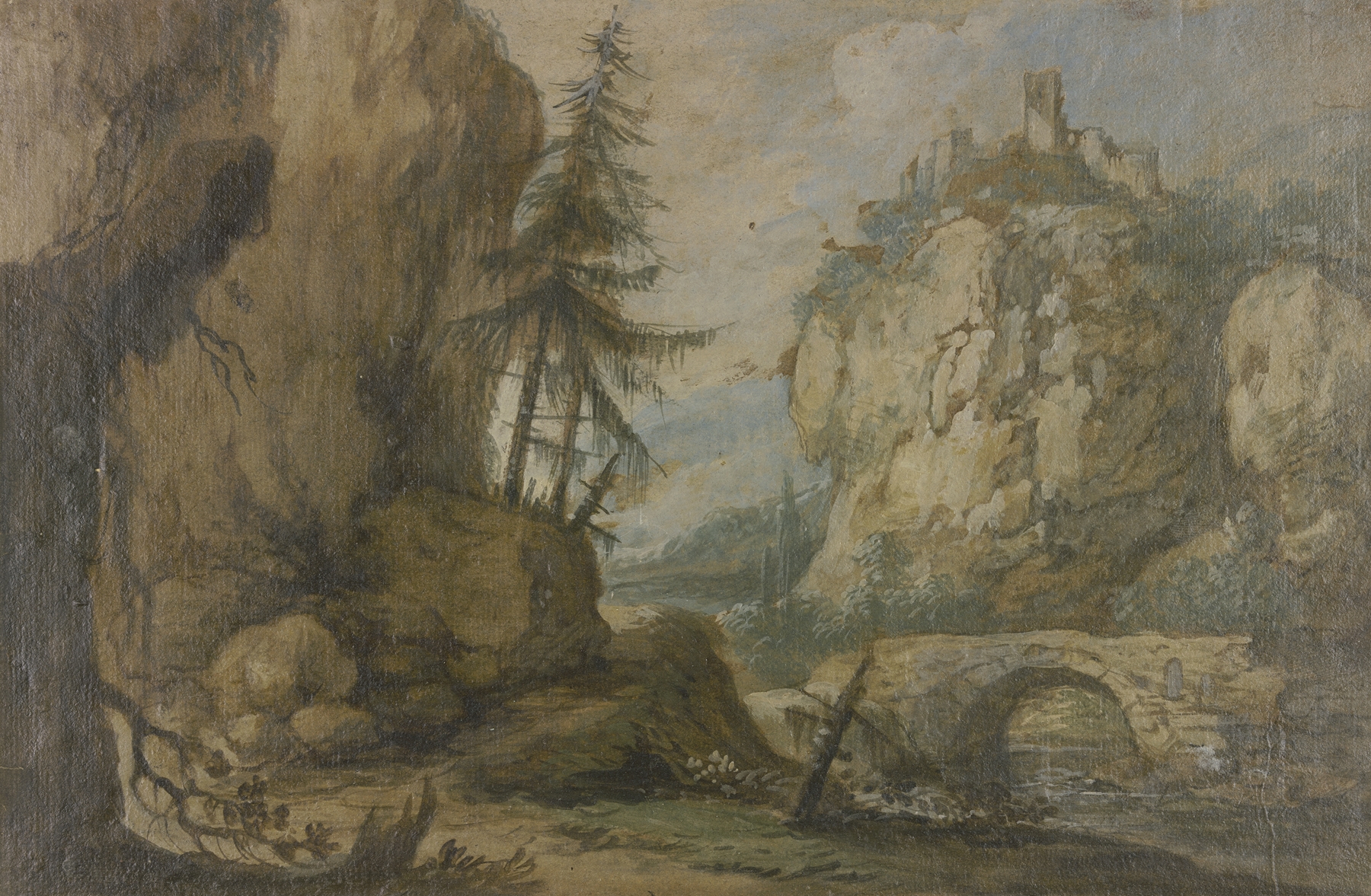
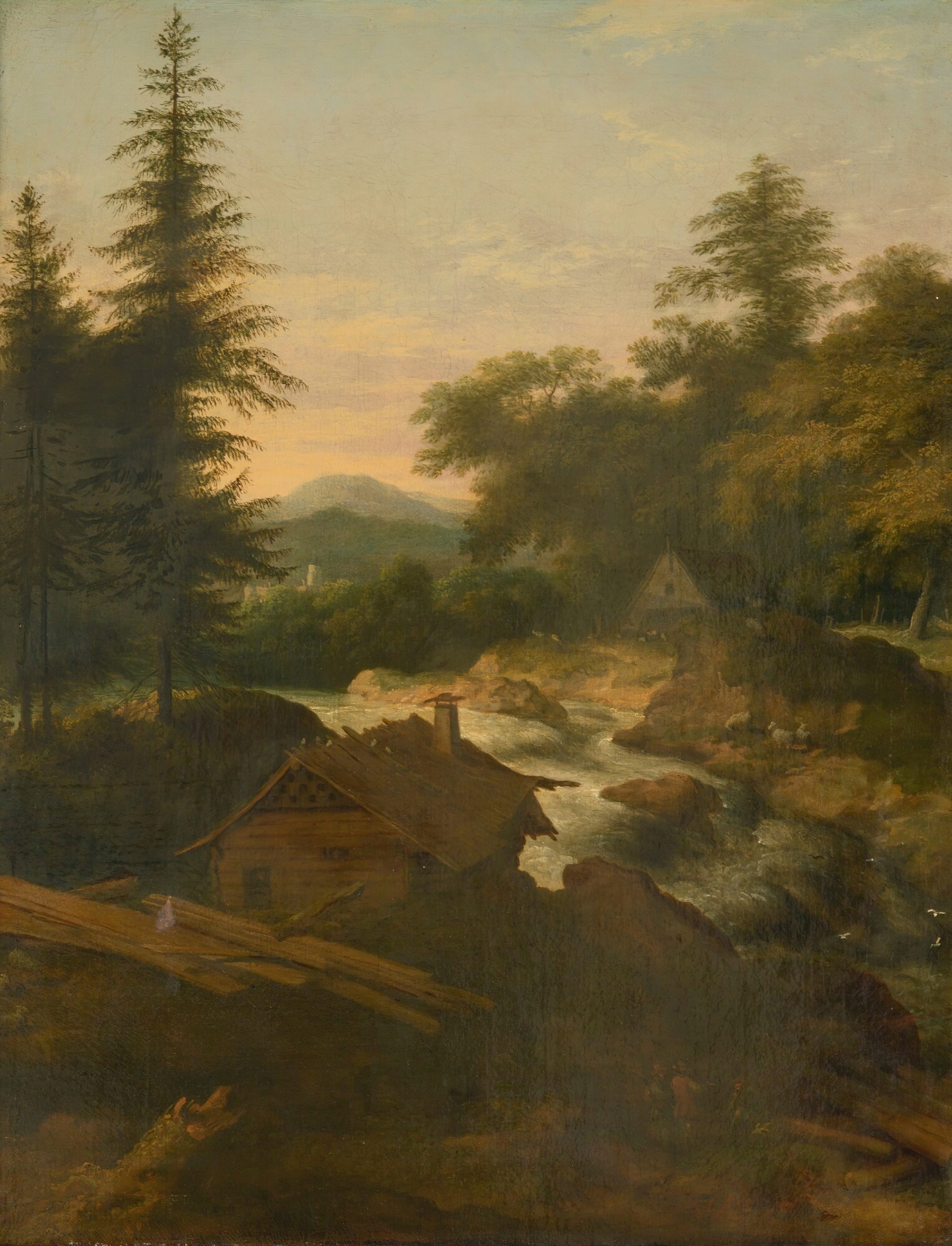
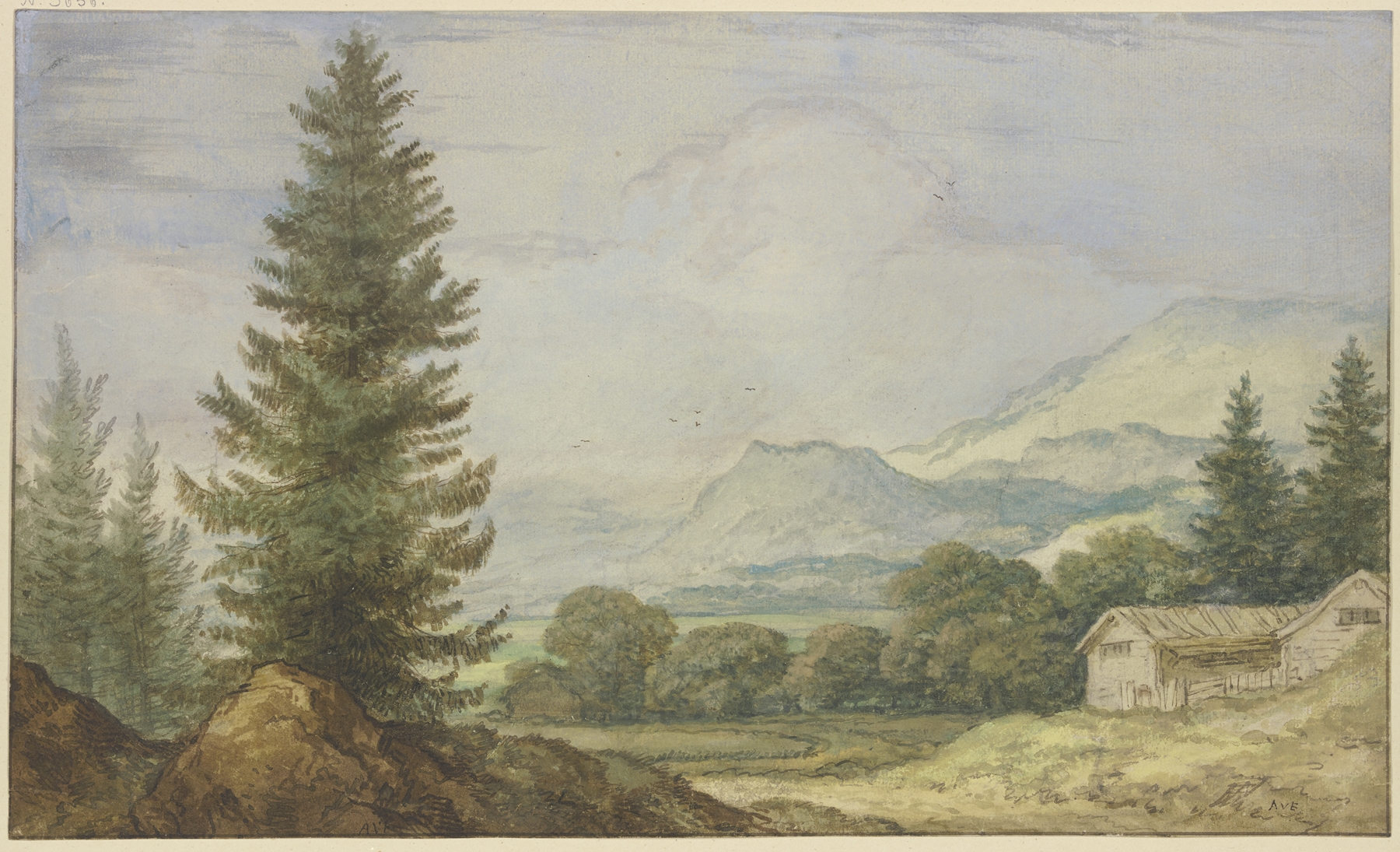
What if silence could speak through light? In the depths of nature, where tranquil landscapes often mask tumultuous emotions, the profound stillness of the scene invites contemplation and madness alike. Focus on the enchanting blend of colors that captures your attention first; look closely at the interplay of greens and blues that envelop the rolling hills and serene waters. Notice how the soft strokes create a sense of gentle movement, as if the landscape itself breathes. The light, dappled and radiant, dances across the canvas, illuminating the trees and reflecting in the water, yet casting long shadows that hint at an underlying tension.
The composition balances vast skies with the solidity of land, a harmony disrupted by the chaotic whispers of nature itself. As you delve deeper, consider the dichotomy present in this seemingly peaceful setting. The vibrant hues can evoke feelings of joy and serenity, yet the looming shadows and turbulent brushwork suggest a madness lurking beneath the surface. This duality reflects the internal conflict between the beauty of the landscape and the chaotic emotions it stirs within the observer.
The painting becomes a mirror, questioning whether tranquility can exist alongside turmoil. Created between 1650 and 1675 during a period when the artist was exploring Northern landscapes, this artwork reflects Allaert van Everdingen's fascination with the Dutch countryside. Amidst a thriving art scene, he captured the essence of nature while experimenting with light and shadow, revealing both the beauty and complexity of the world around him. His work resonates with an audience grappling with the same tension between calm and chaos.