Gek en de Dood — History & Analysis
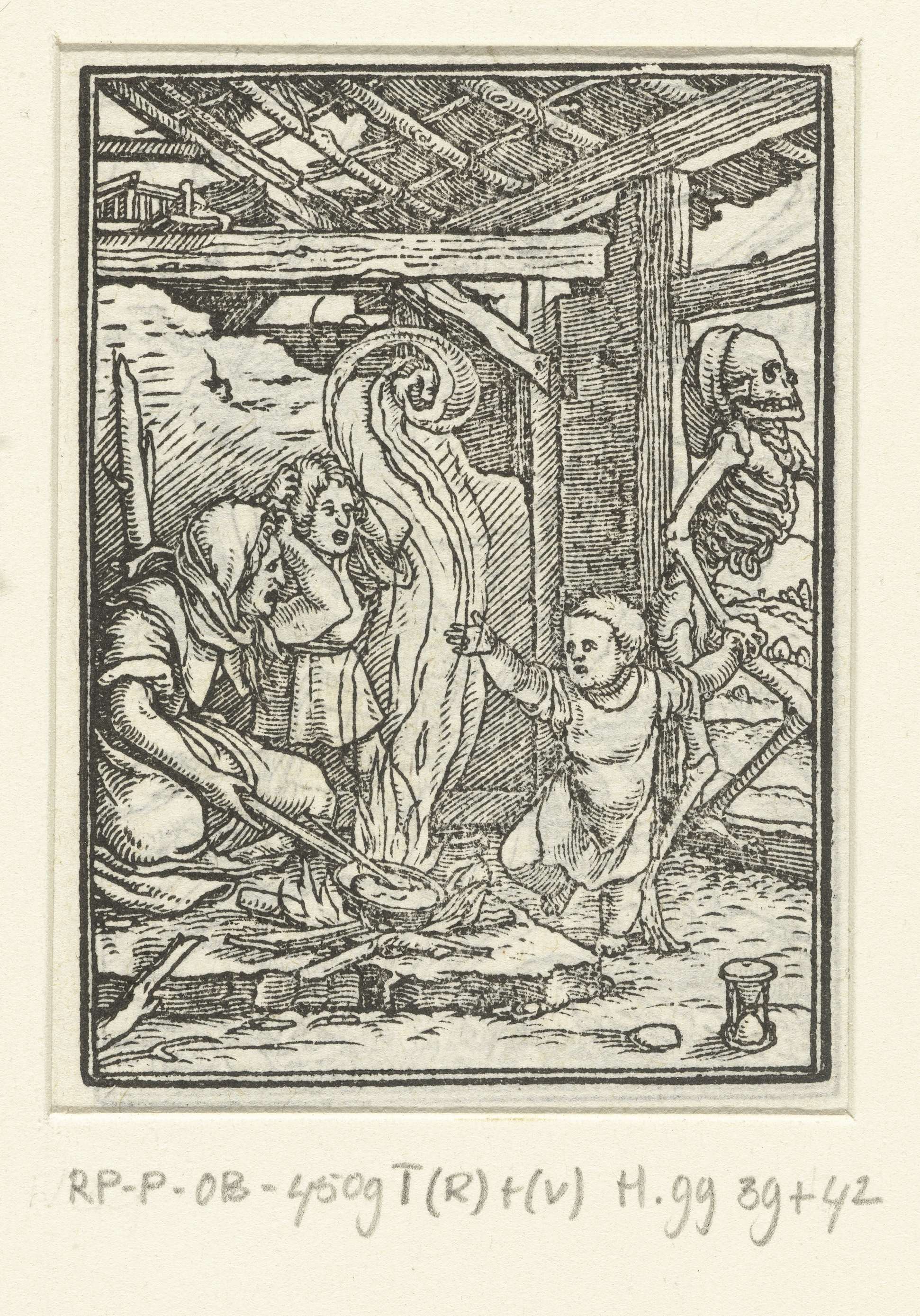
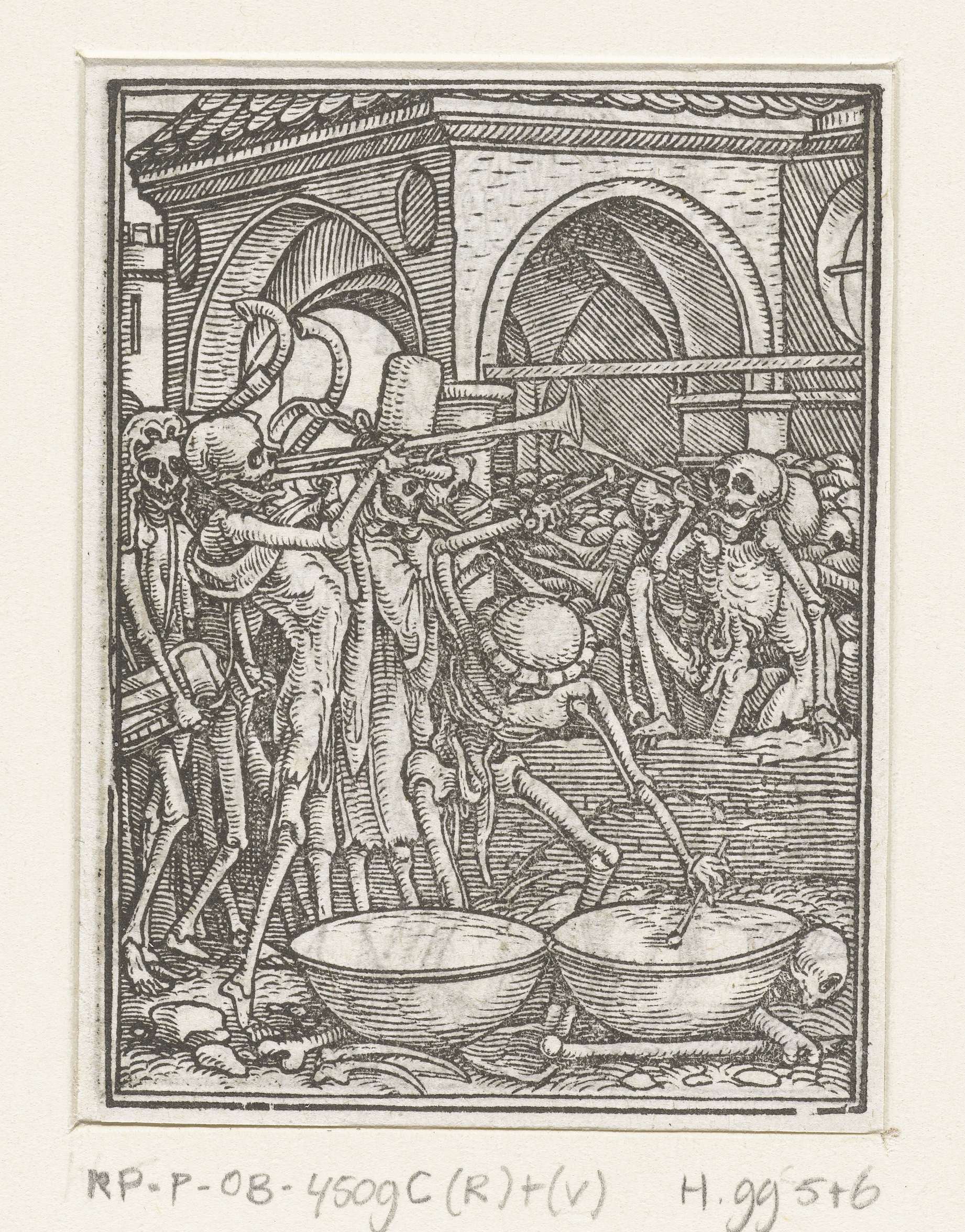
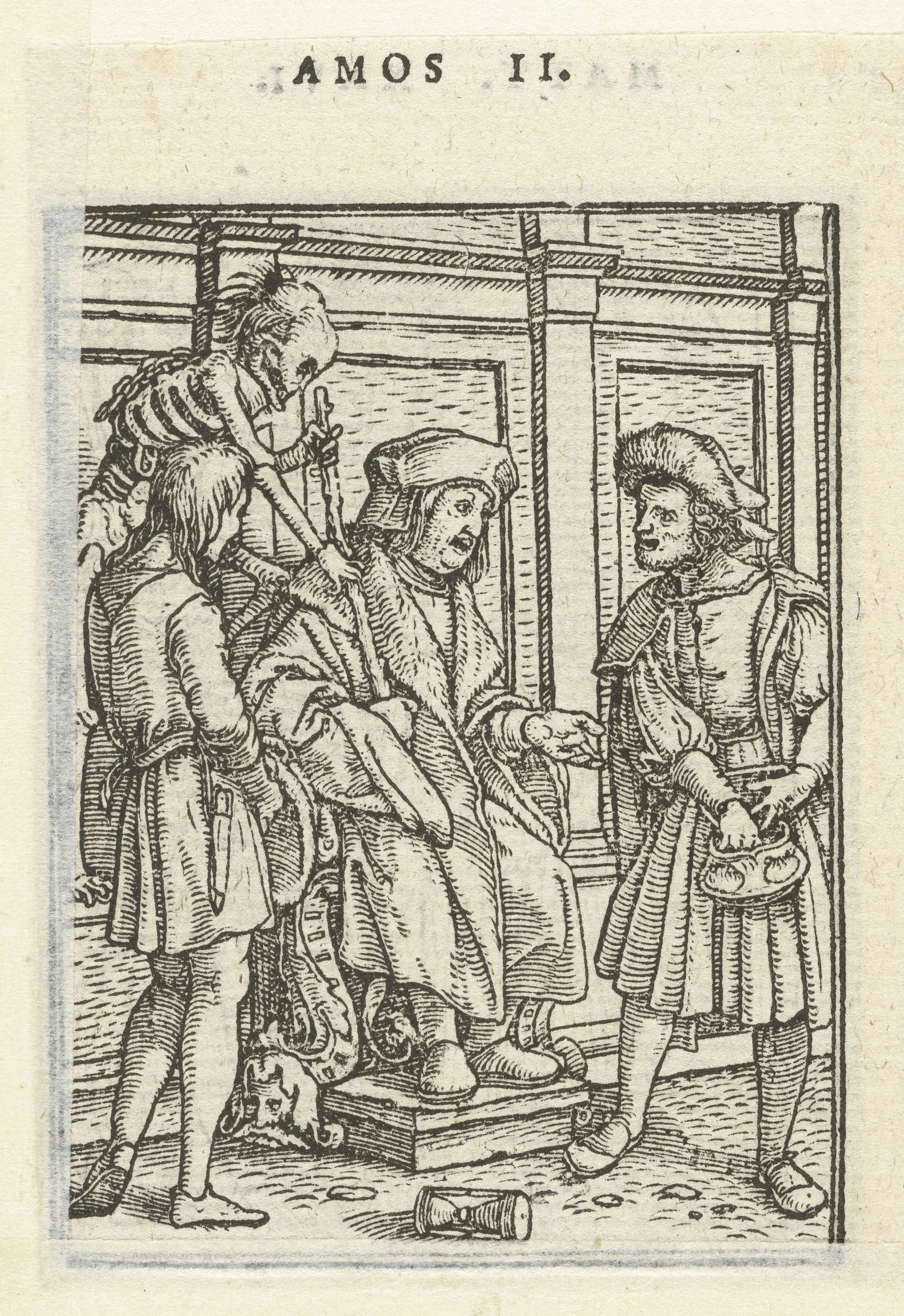
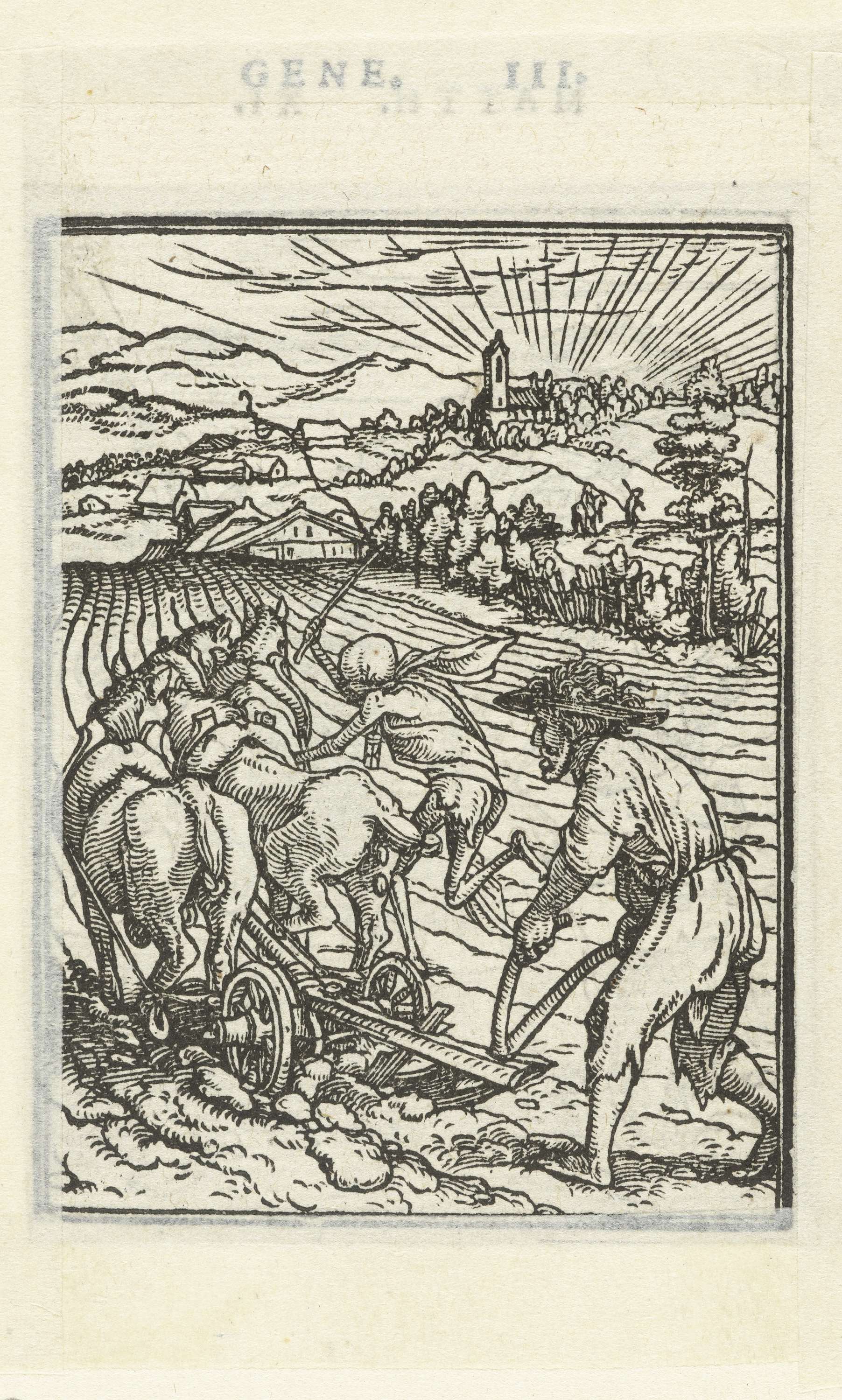
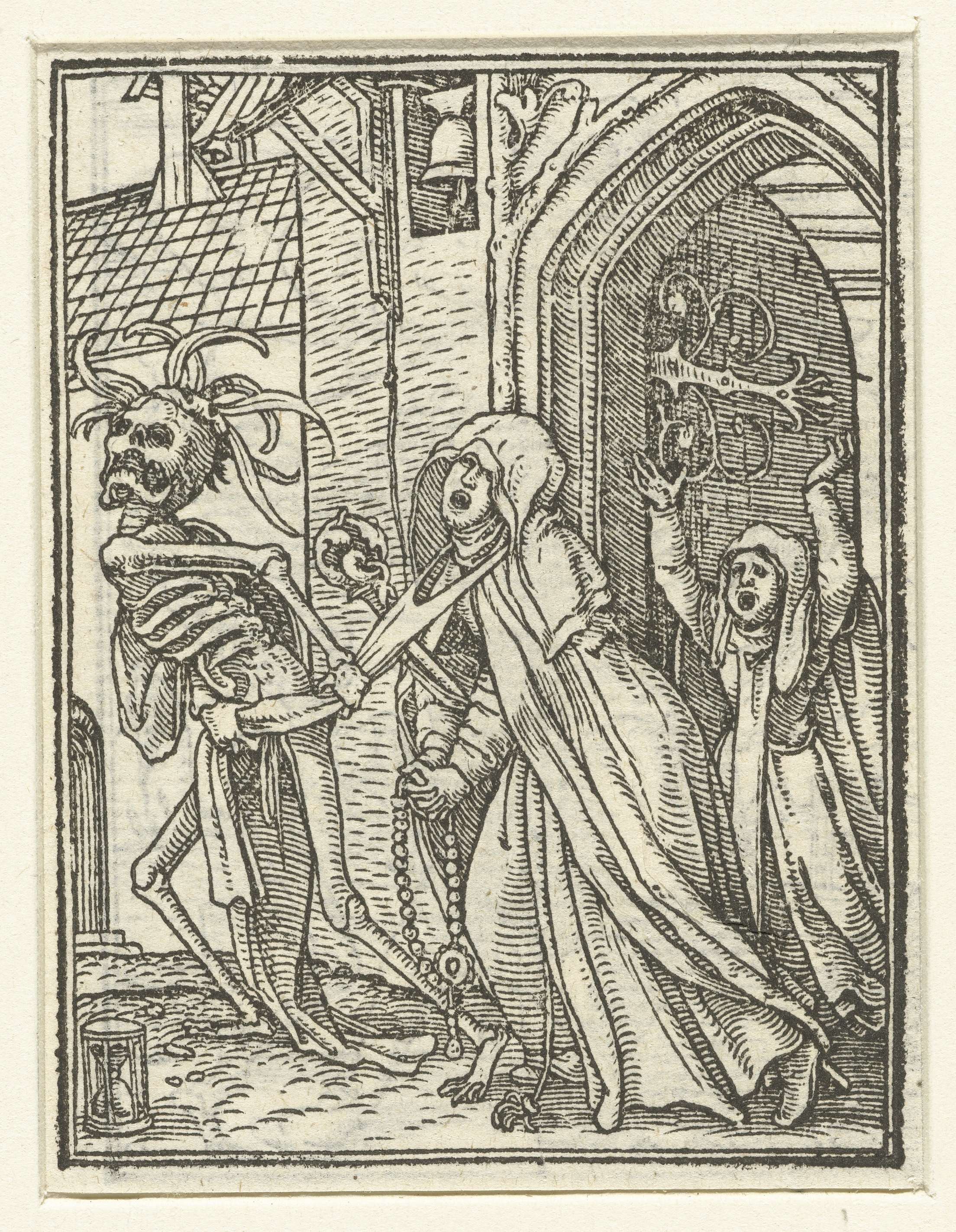
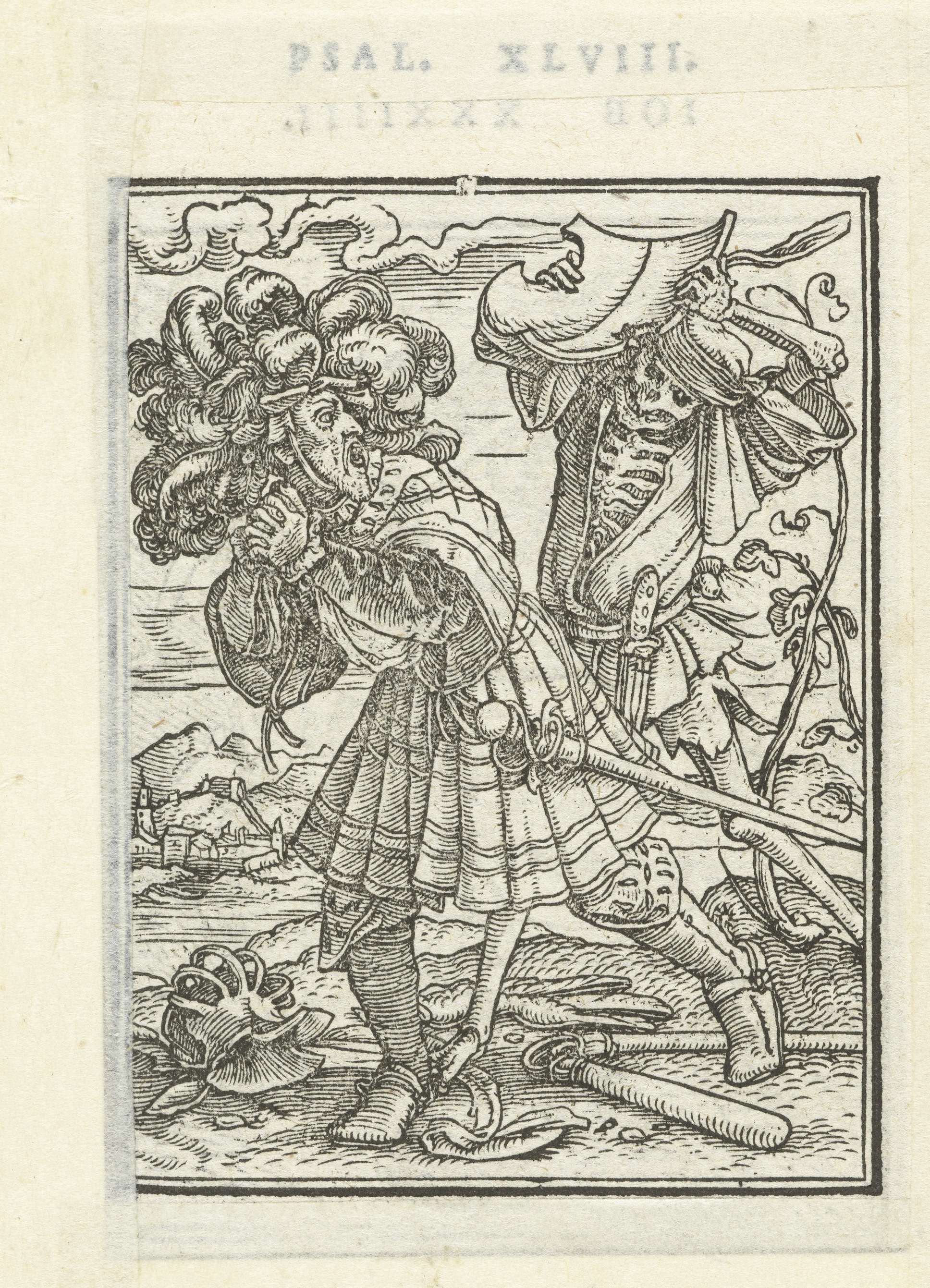
What if silence could speak through light? In a world dominated by the chaos of human thought, the stillness of a single moment can unveil the madness lurking beneath the surface. Look to the center of the composition, where the figure of Death looms ominously, cloaked in an ethereal shroud. The intricate details of the skull, glimmering softly in the light, immediately draw the viewer’s gaze, highlighting the fragile boundary between life and demise.
Surrounding this focal point, the muted palette of grays and browns creates a haunting atmosphere, while the interplay of shadows and light guides the eye across the canvas, revealing the weight of mortality. Within this striking imagery lies a profound commentary on existential dread and the human condition. The contrasting figures—a lively jester beside the somber skeleton—evoke the duality of life, where humor masks the inevitable end. The jester’s exaggerated gestures juxtapose the stillness of Death, emphasizing how laughter can often disguise deeper truths.
Each element invites us to ponder our relationship with madness, not just in the face of death but in our everyday lives. In 1547, Hans Holbein the Younger painted this work during a time of religious turmoil in Europe, where the Reformation brought forth drastic shifts in thought and belief. Living in Basel, he was influenced by the Renaissance’s exploration of humanism, and his art reflects a fascination with the macabre as well as the fleeting nature of life. Holbein's mastery of detail and psychological depth in Gek en de Dood captures this essence, revealing the potent echoes of madness that resonate through time.