Geneva from the Rhone. — History & Analysis
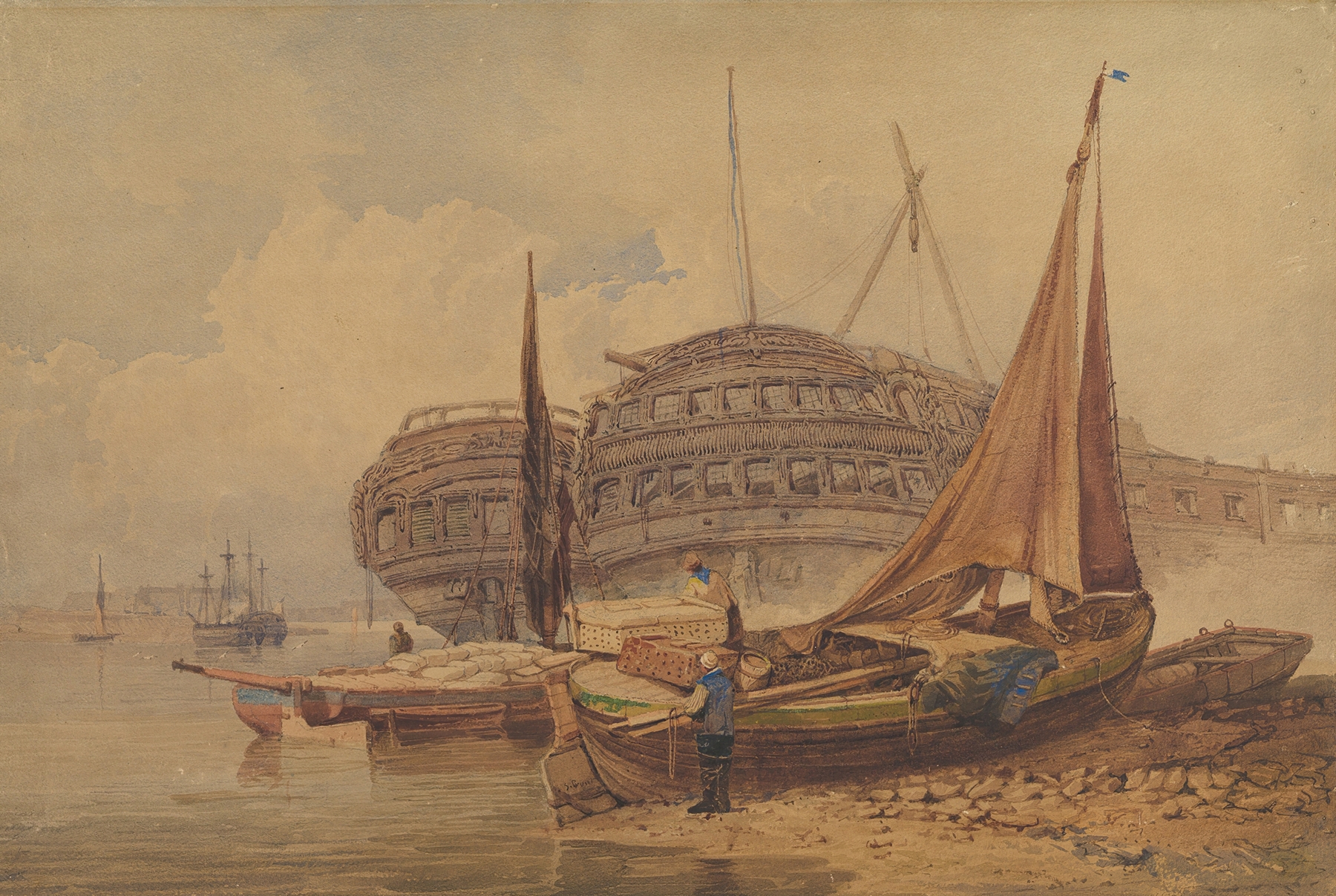
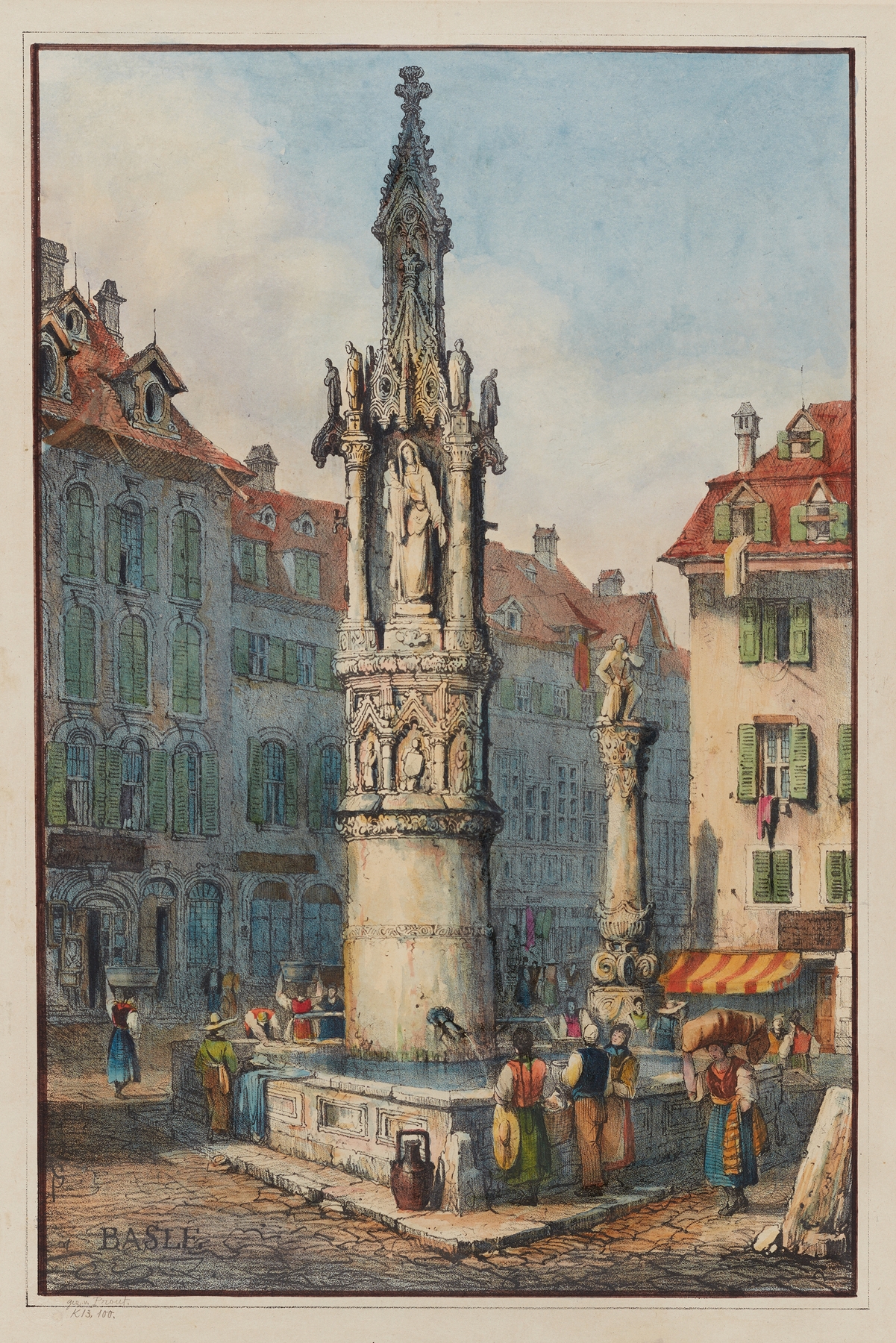
“Sometimes beauty is just pain, disguised in gold.” Every brushstroke in the landscape captures a fleeting moment, echoing the duality of existence—an invitation to confront both the charm and burden of legacy. Look to the foreground, where the shimmering waters of the Rhone catch the light, creating a mesmerizing dance of color. The river becomes a vibrant artery, flowing past the quaint architecture of Geneva, which stands proud and resilient. Notice how the blues and greens intertwine, whispering an unspoken bond between nature and civilization, while soft clouds hover above, their grays suggesting the passage of time and the weight of history.
Delve deeper into the nuances of this scene. The juxtaposition of the serene waters and the bustling life along the shore hints at the complexities of progress and tradition. The gentle ripples reflect a moment caught between stillness and movement, evoking a sense of nostalgia for what has been and a longing for what is yet to come. Each element, from the silhouettes of people to the intricate details of the buildings, tells a story of belonging and the imprint of time.
Samuel Prout created this evocative piece during a period marked by a growing interest in the picturesque and romantic landscapes of Europe. Active in the early to mid-19th century, he was influenced by the burgeoning Romantic movement, which sought to celebrate nature and human emotion. His work reflects the broader artistic shift of the time, as painters like him began to explore the interplay of light, atmosphere, and the human experience in ways that echoed their personal legacies.