Gezicht in de St.-Laurenskerk te Rotterdam — History & Analysis
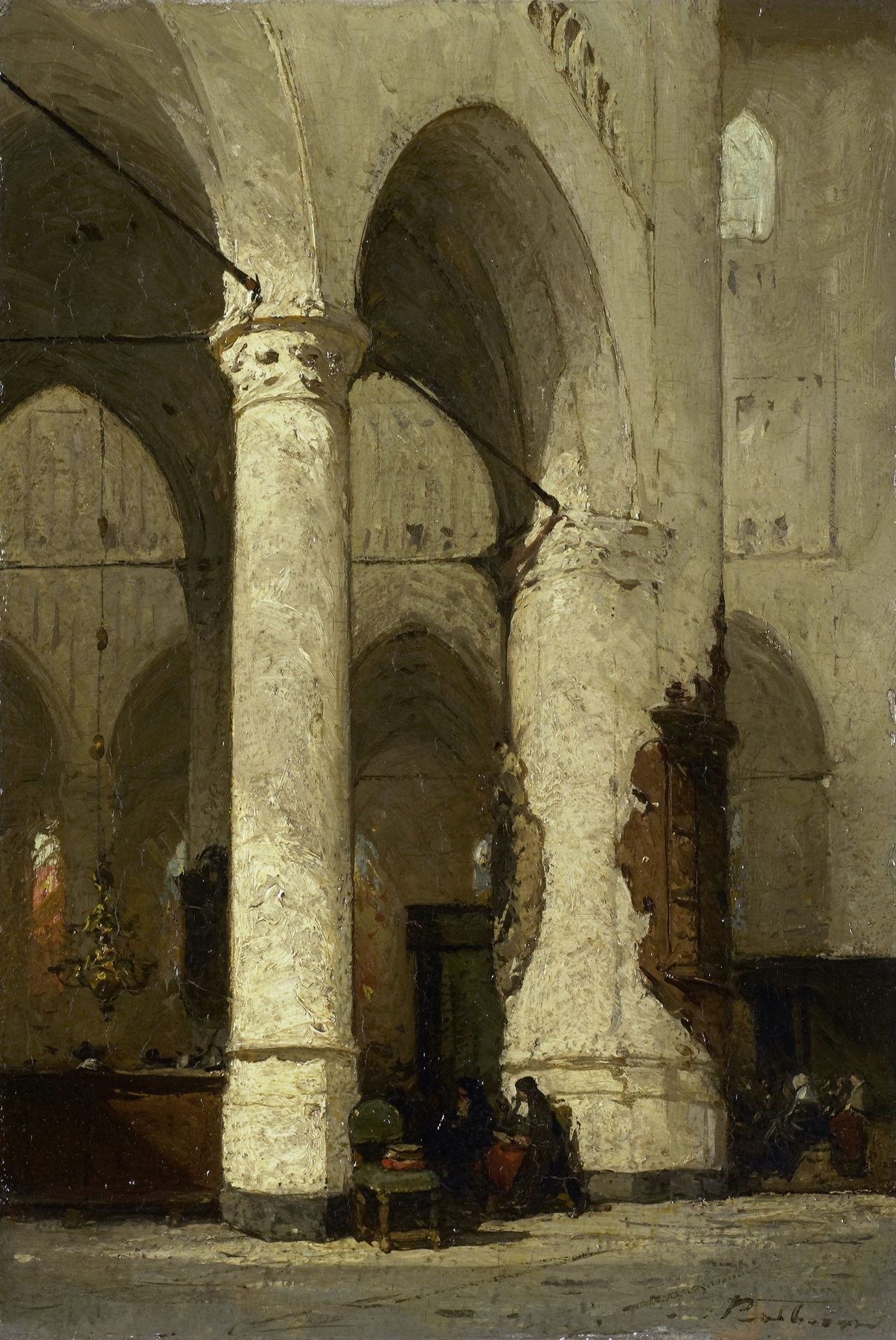
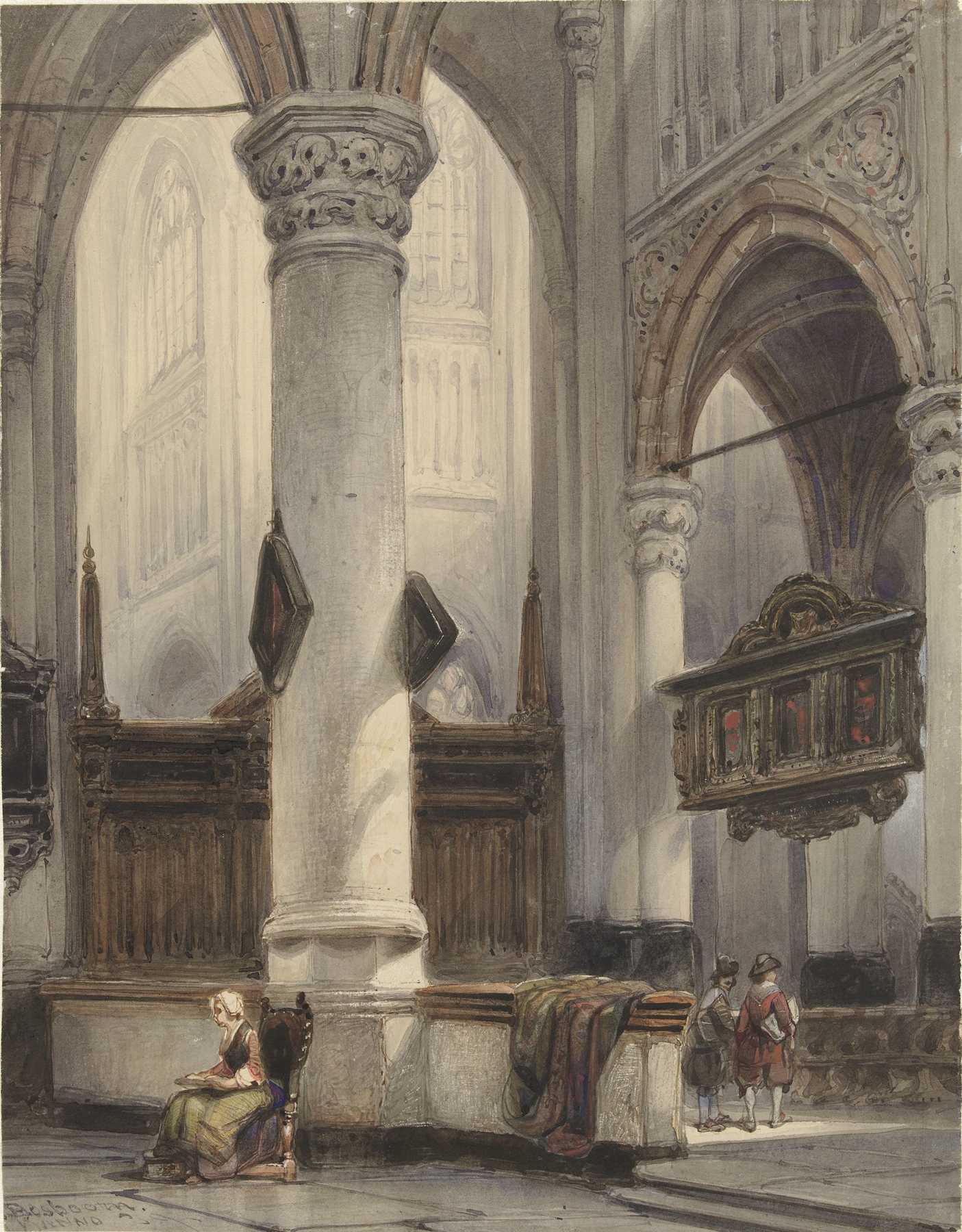
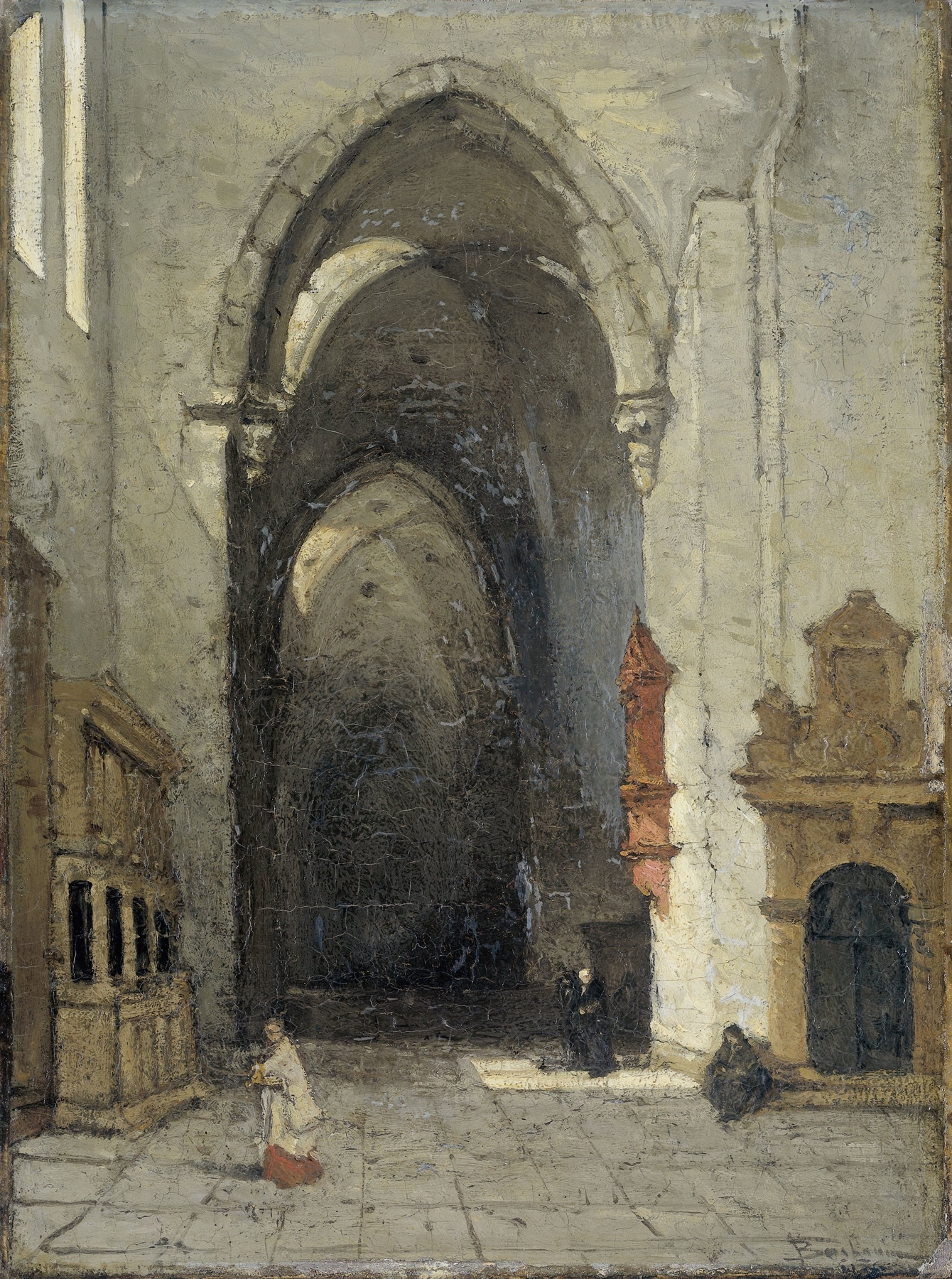
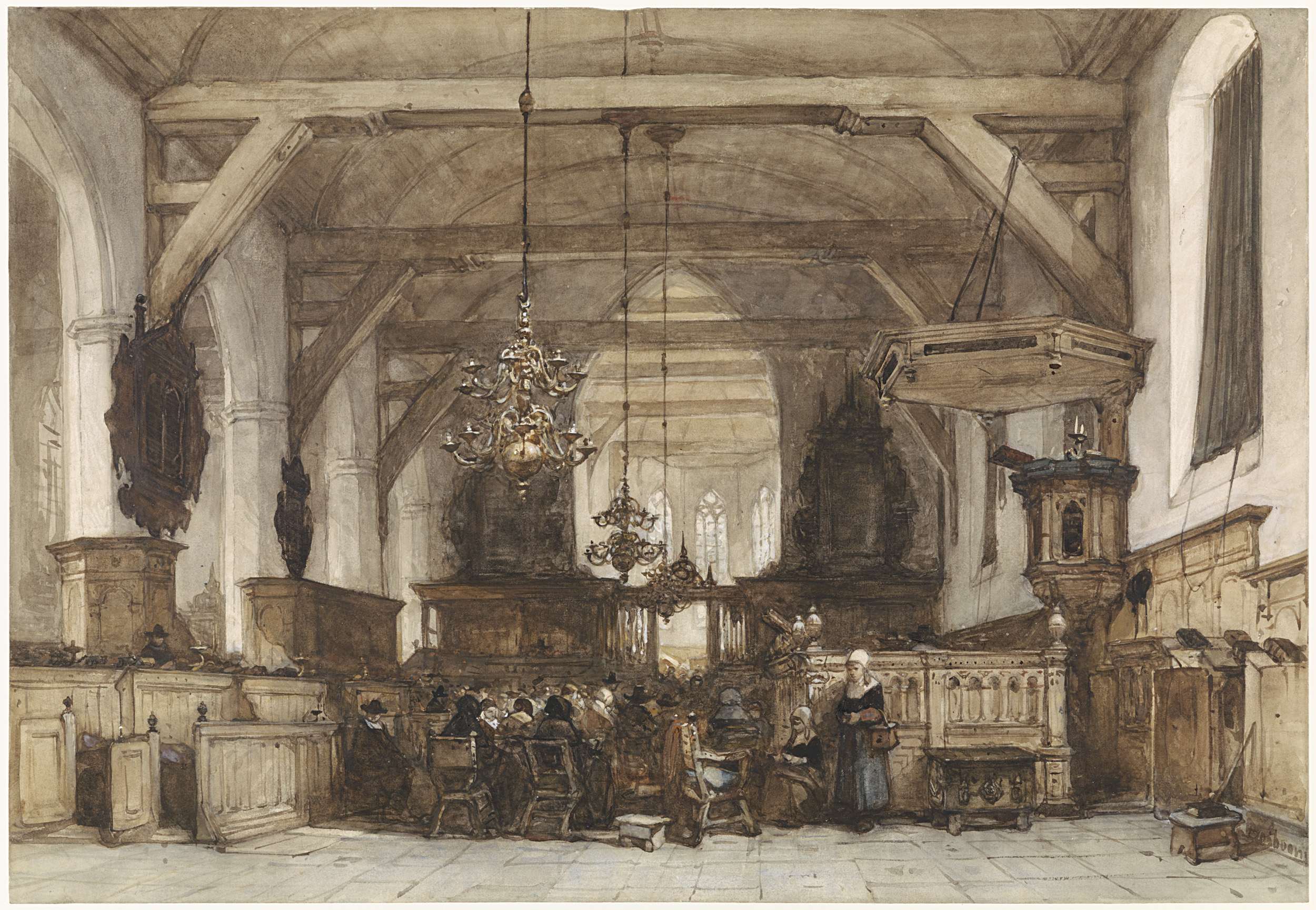
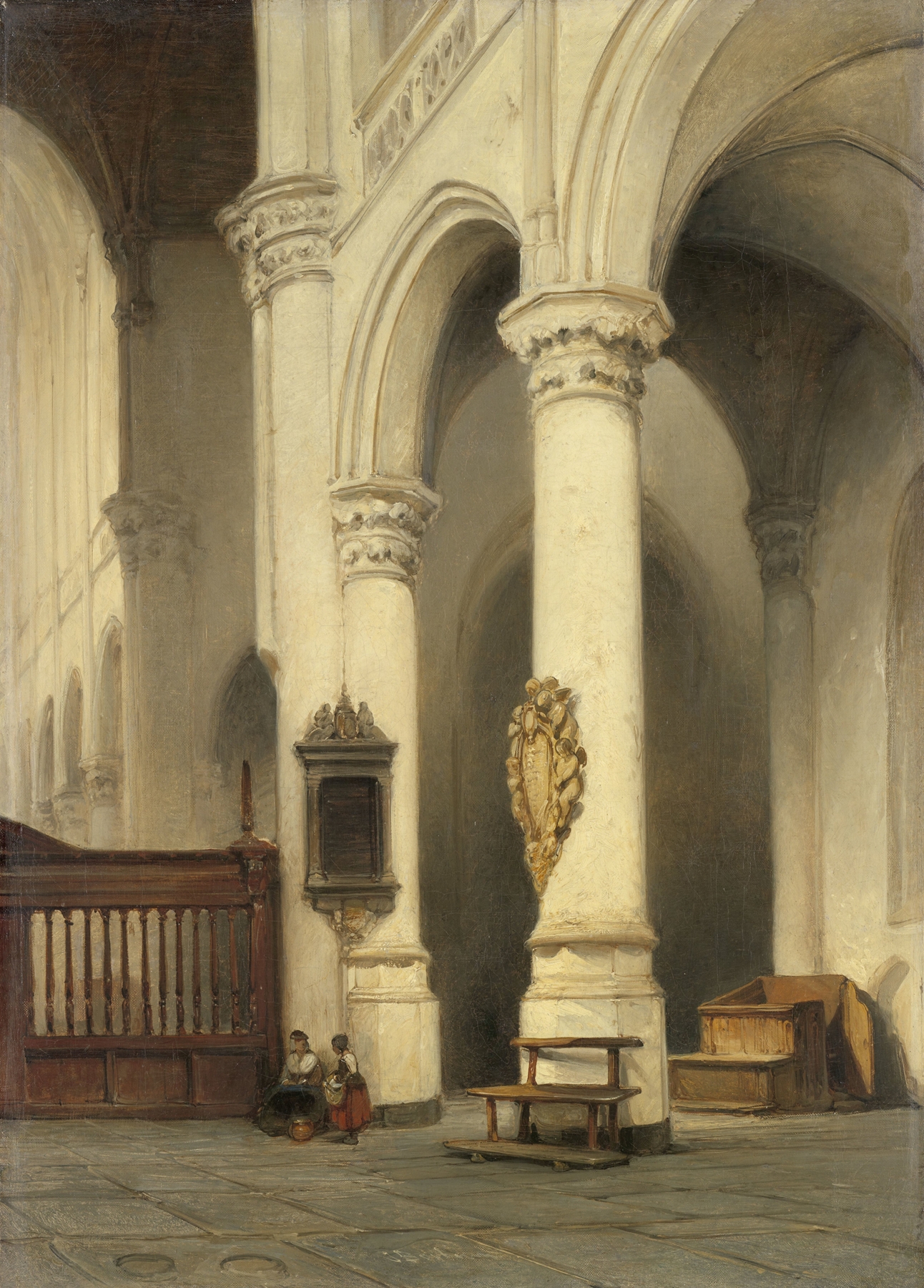
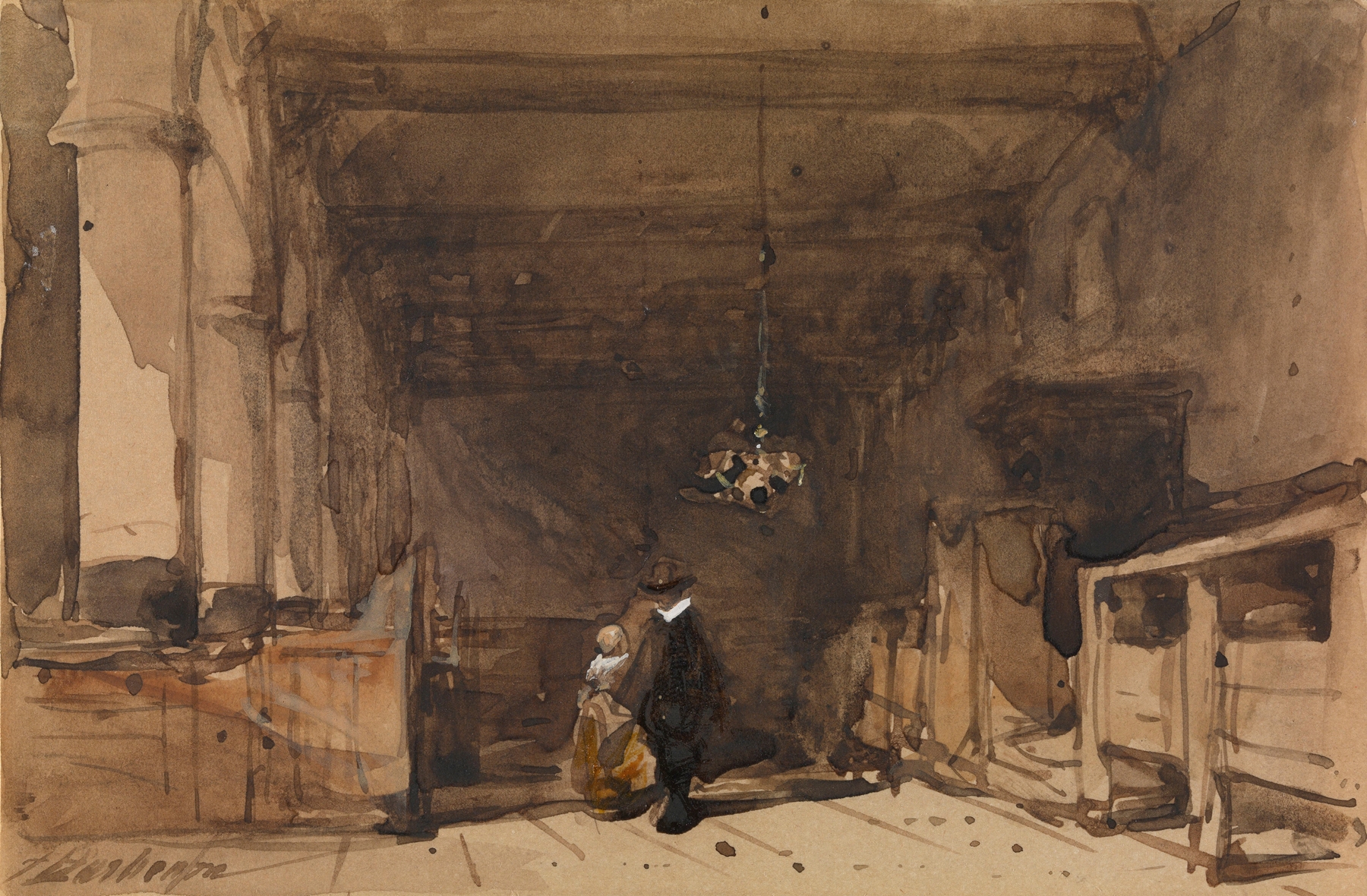
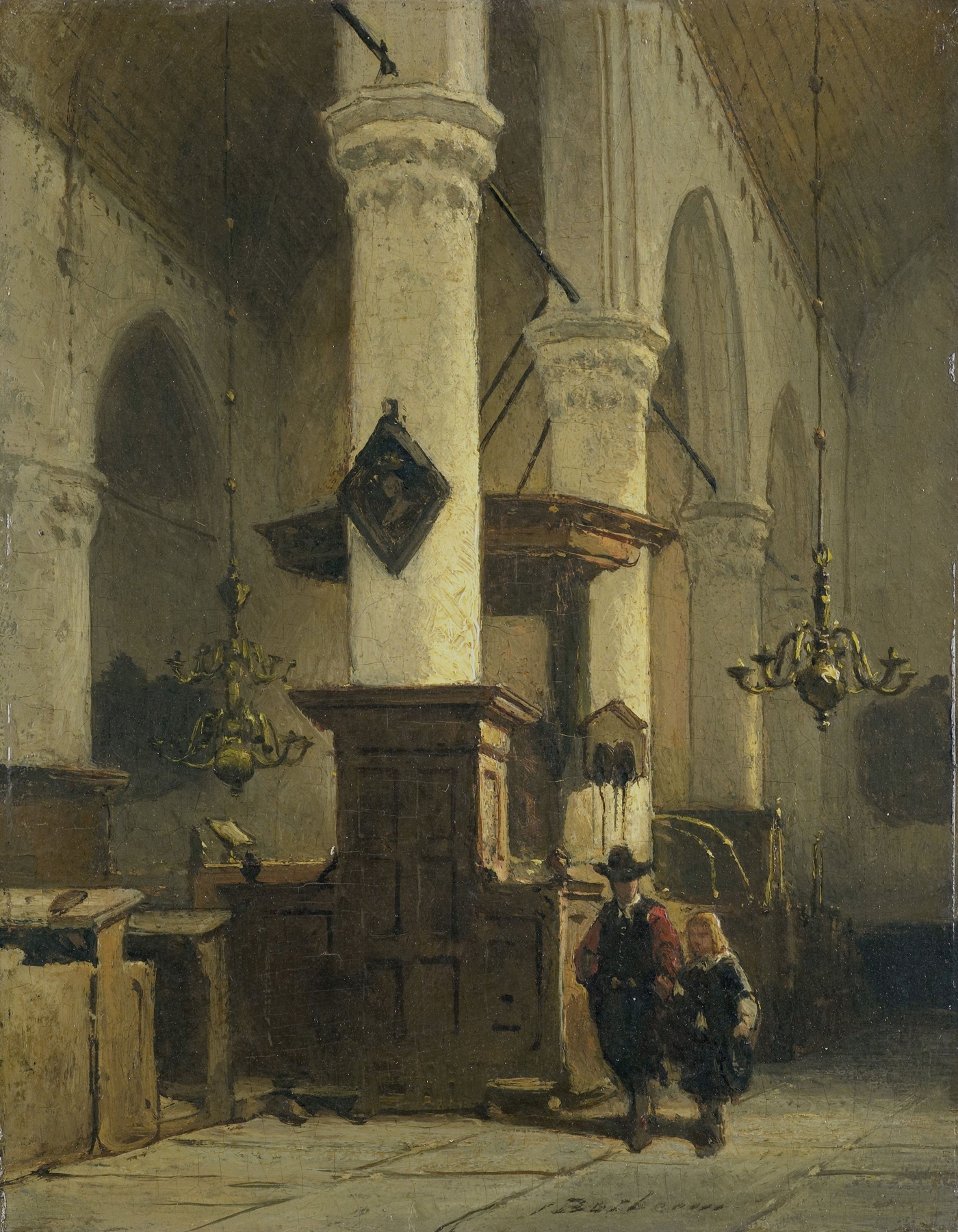
“Under the brush, chaos becomes grace.” In the hands of a master, the mundane transforms into a sacred experience, capturing the essence of creation itself. Look to the left, where the towering columns of the St. Laurenskerk rise majestically, their intricate details rendered with precision. The light streams in through the stained glass windows, casting a kaleidoscopic glow onto the cool stone floor.
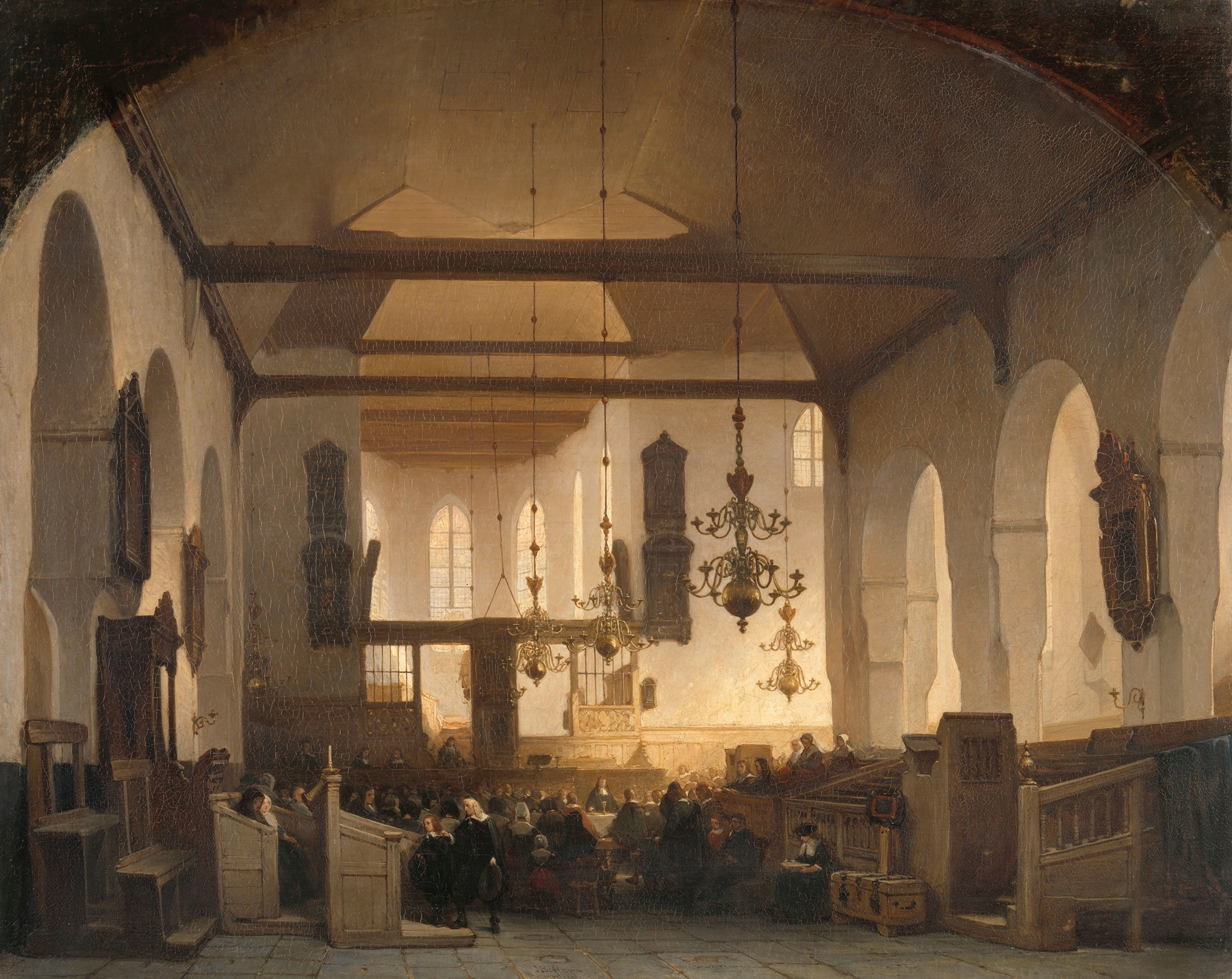
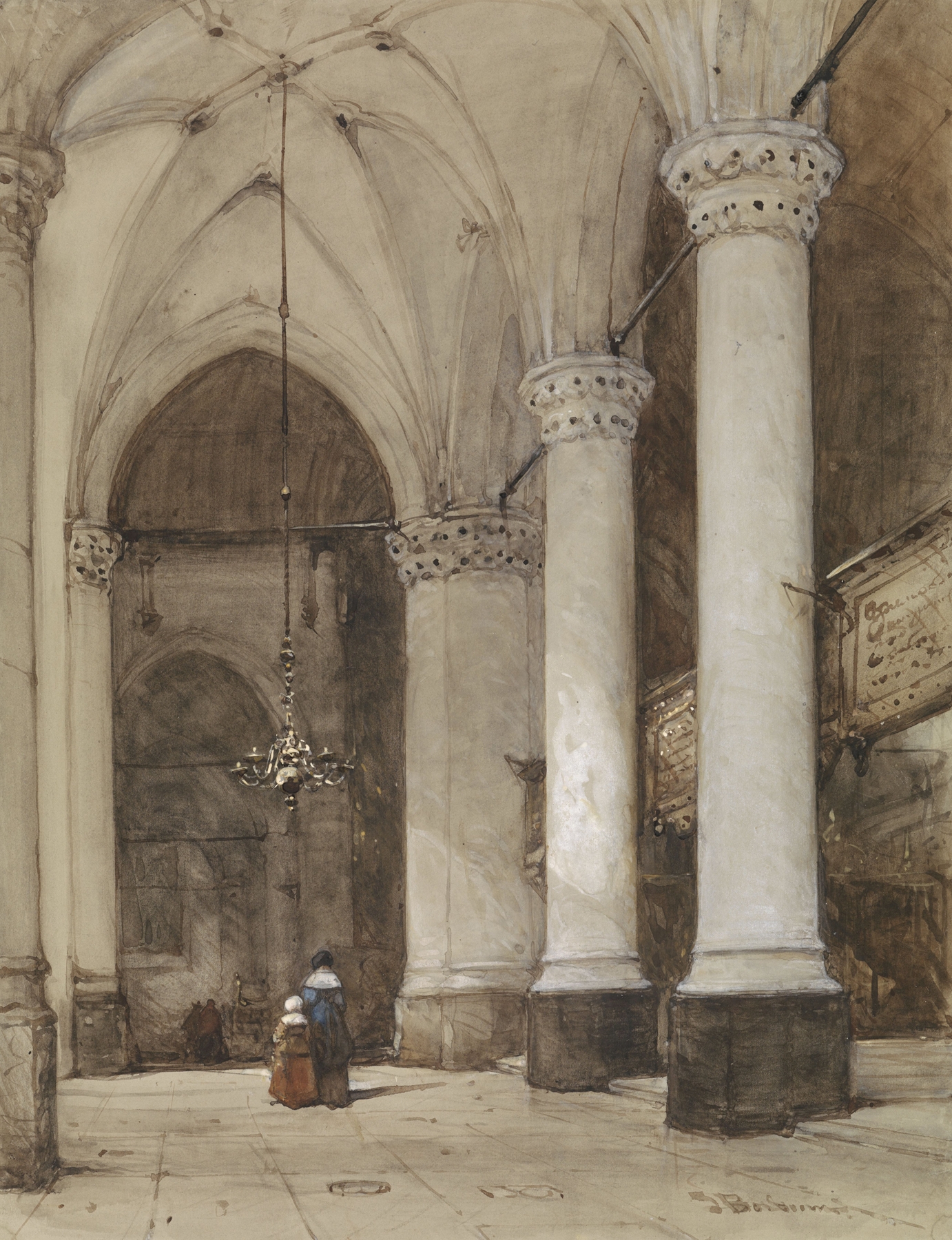
Notice how the artist employs a rich palette of deep blues and warm ochres, guiding your eyes deeper into the church’s expansive interior, where each shadow plays a vital role in the unfolding narrative. A sense of reverence permeates the air, as the juxtaposition of light and dark reveals the emotional gravitas of the scene. The luminous windows, celebrating celestial moments, contrast with the sturdy, grounded architecture, reflecting the dichotomy of the divine and the earthly. Amidst these elements, small figures congregate, their gestures suggesting prayer or contemplation, drawing the viewer into a dialogue about faith, architecture, and the passage of time.
Johannes Bosboom painted this work during a period of great artistic exploration in the Netherlands, particularly between 1827 and 1891. As a prominent figure of the Romantic movement, he sought to capture the spiritual essence of historical buildings, particularly churches, as they stood as symbols of cultural heritage during an increasingly modern era. This painting emerges from a time when Bosboom was deeply introspective, drawing inspiration from both the past and the evolving present of Dutch society.