Gondoliers In Front Of The Palazzo Cavalli-Franchetti, Venice — History & Analysis
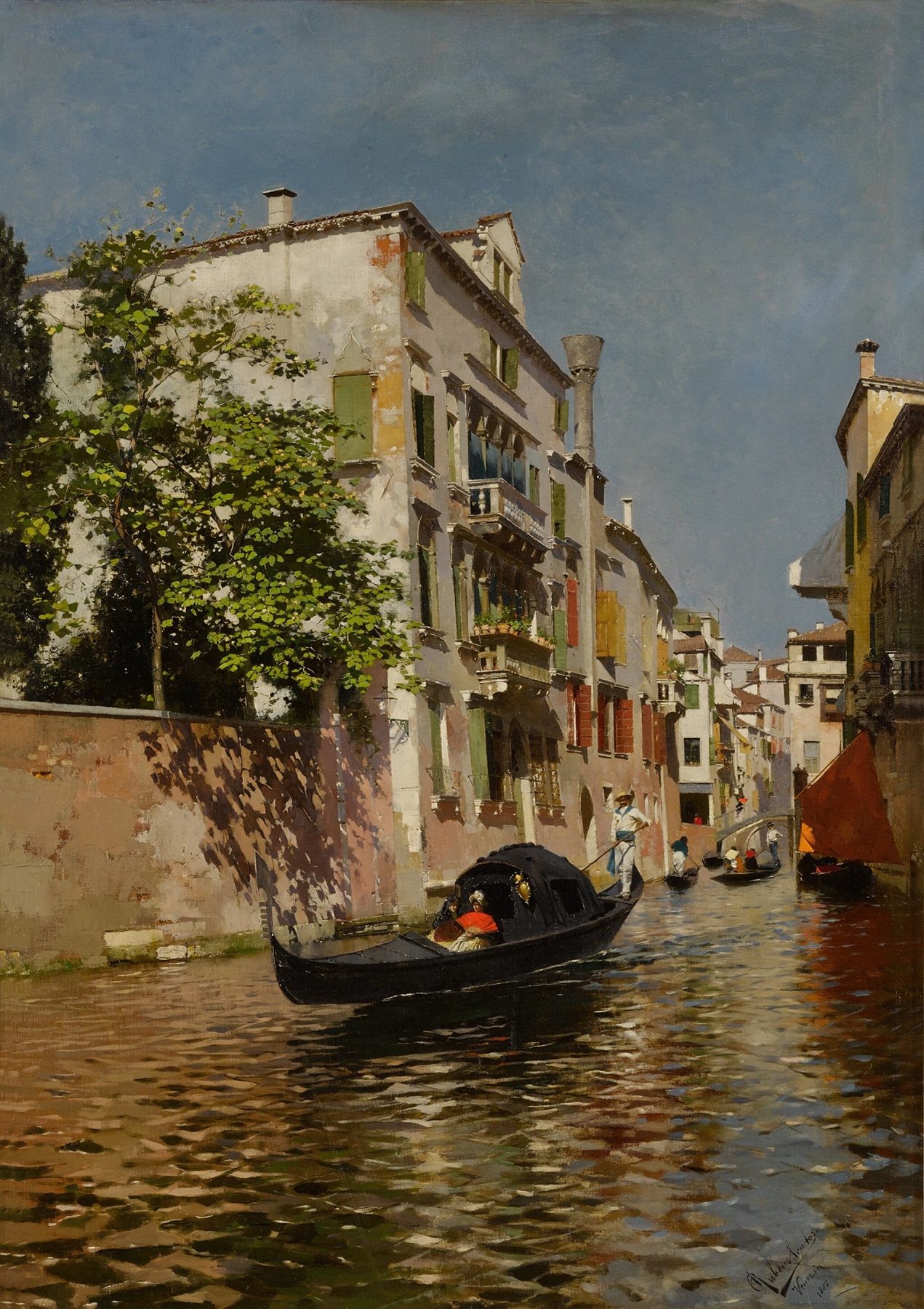
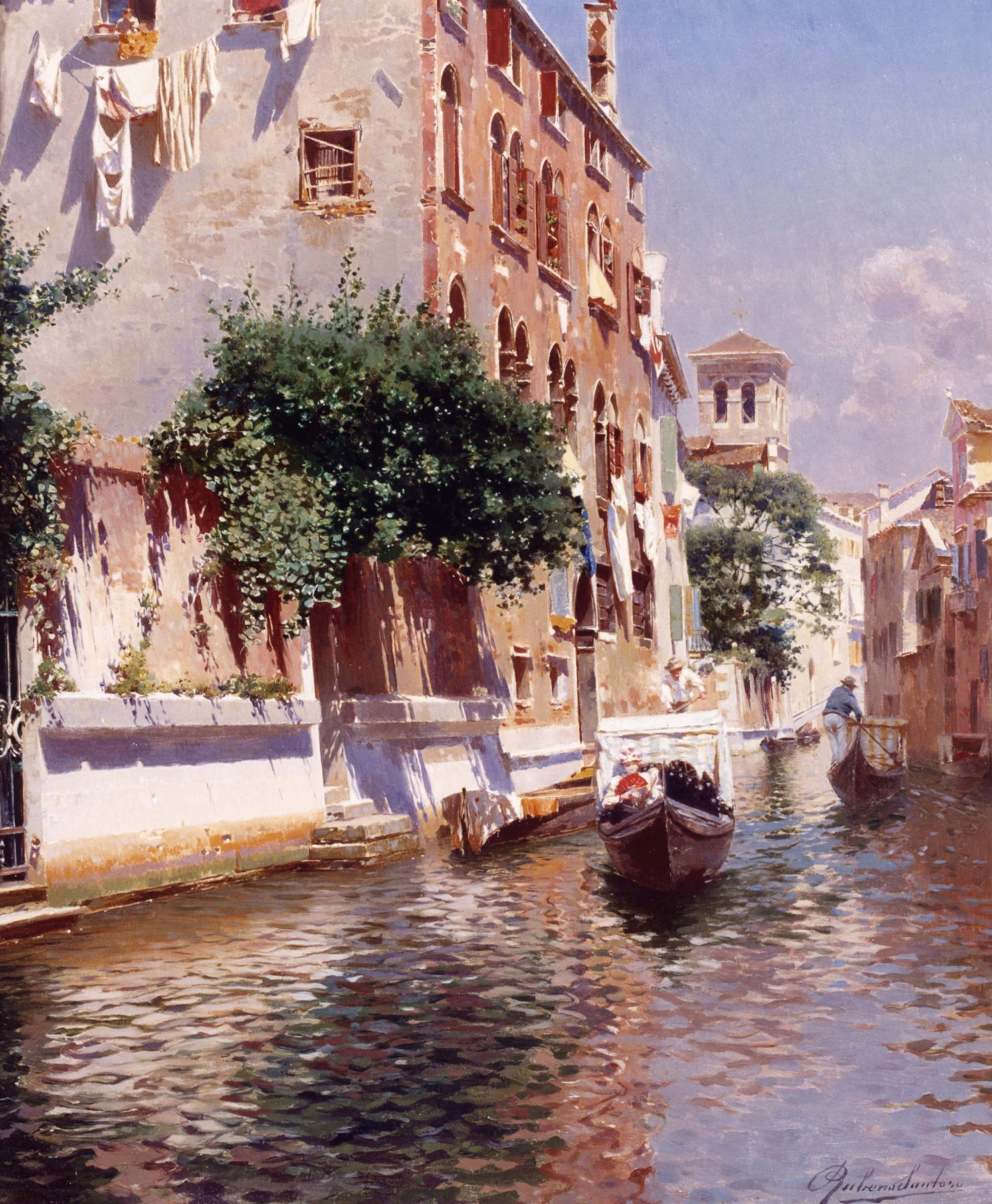
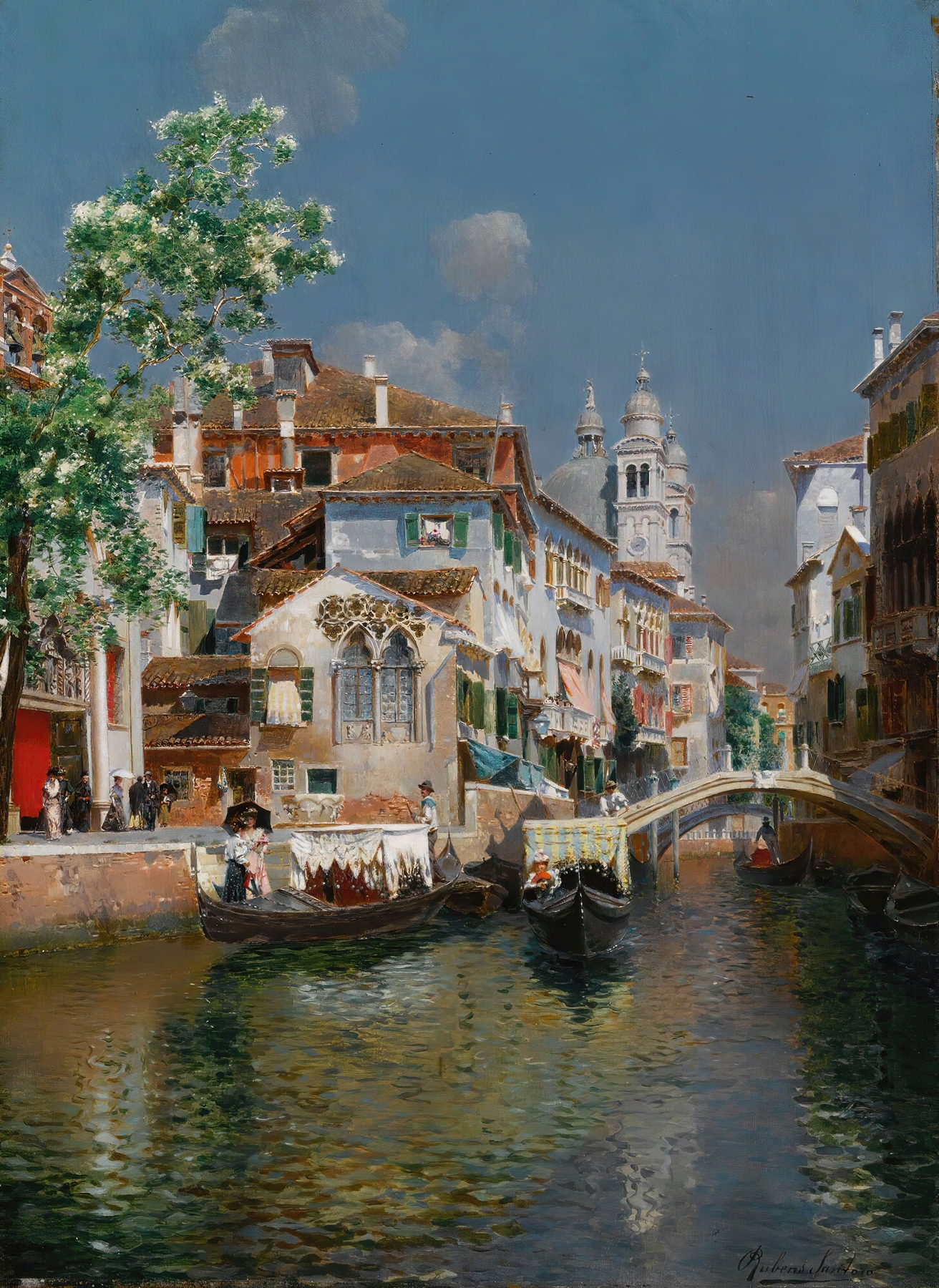
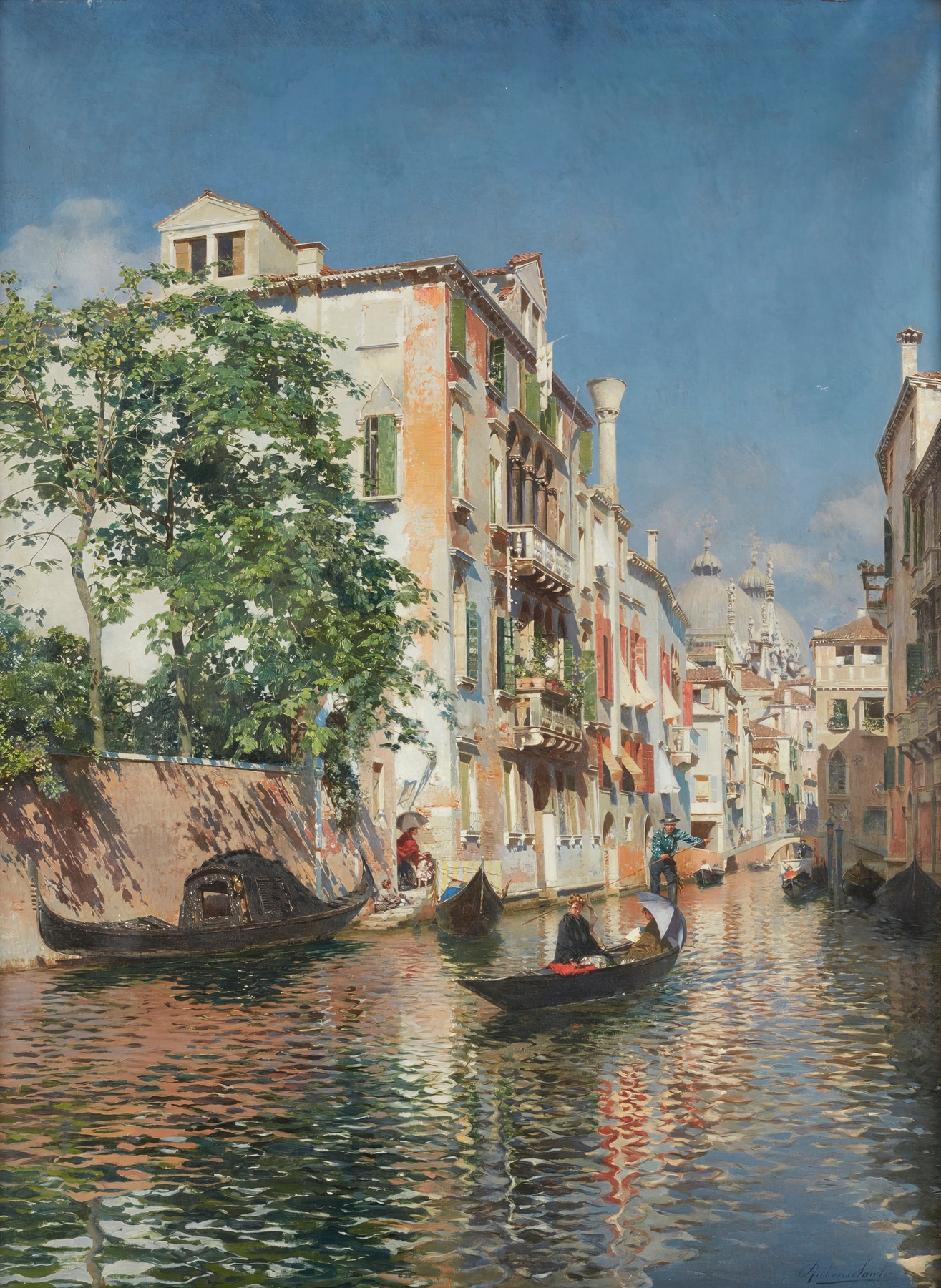
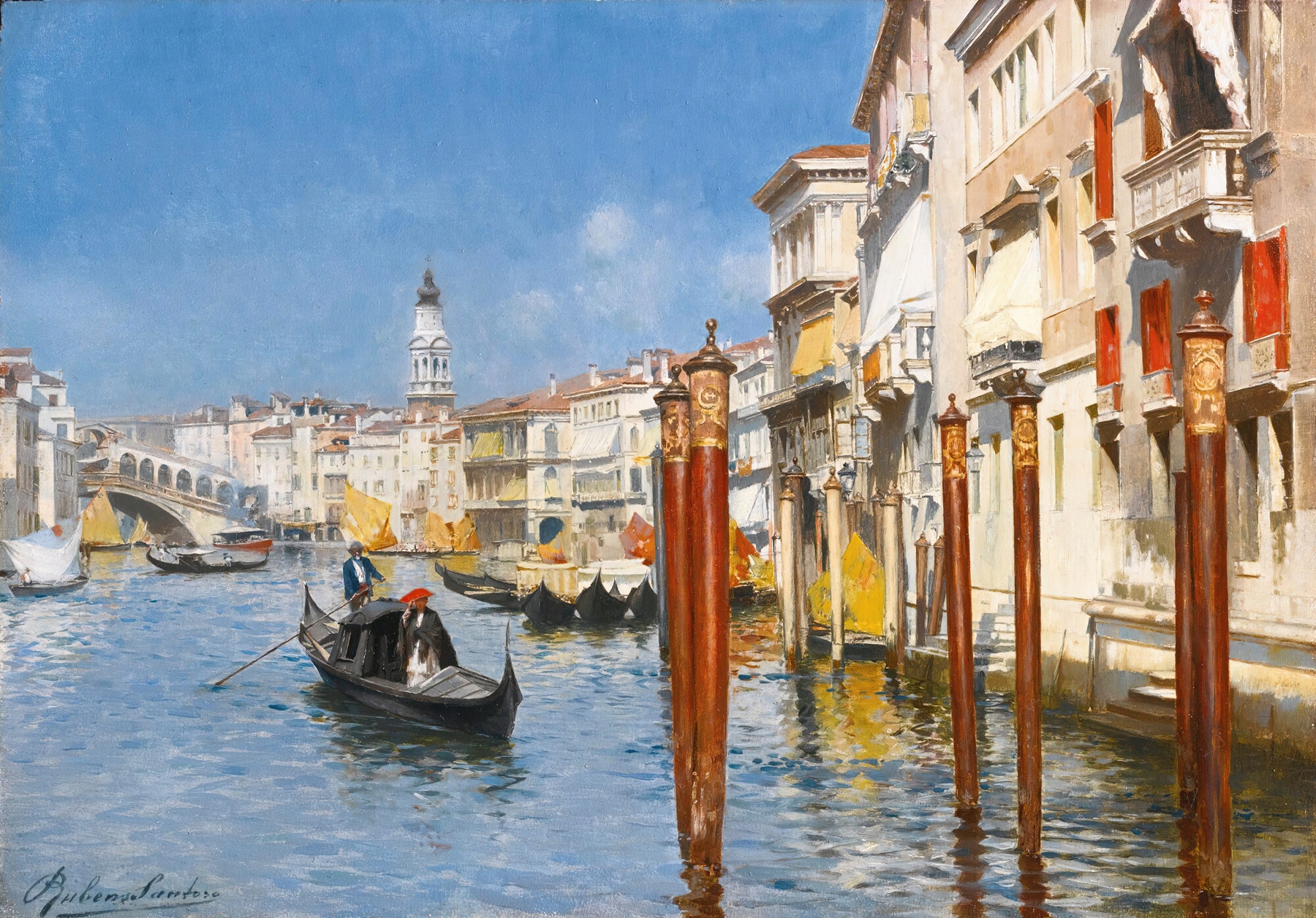
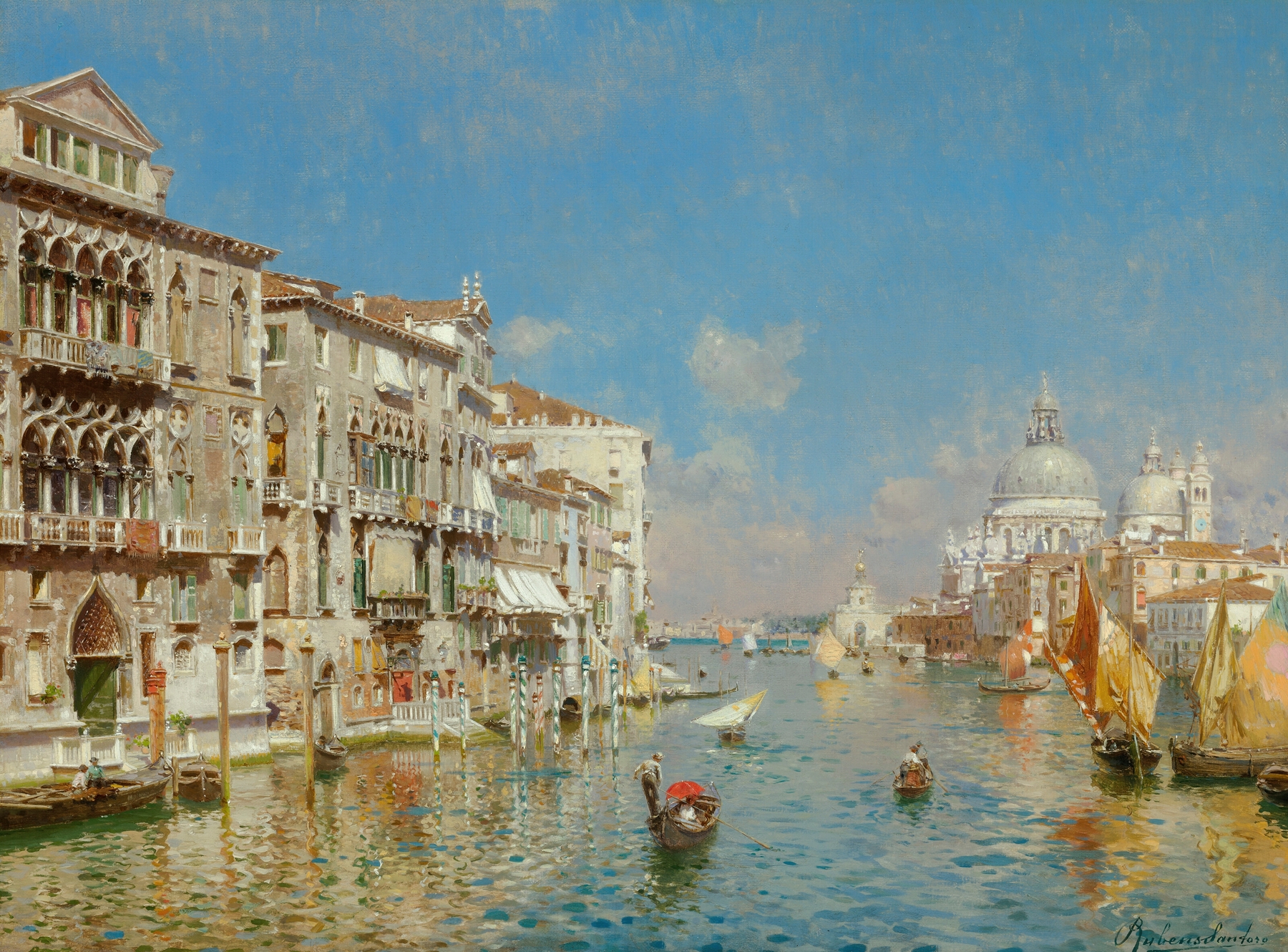
Is this a mirror — or a memory? In a moment suspended between reality and desire, the viewer stands before a scene steeped in vibrant ecstasy, inviting exploration of the depths of human experience. Look to the center of the canvas where the gondoliers reside, their graceful figures captured mid-motion, bodies elegantly poised against the backdrop of the serene waterway. Notice how the light dances across their vibrant attire, casting reflections that ripple through the water like whispers of a bygone era.
The Palazzo Cavalli-Franchetti looms majestically in the background, its architectural elegance harmonizing with the gondoliers' dynamic gestures, while the palette merges warm hues with glimmering cool tones, evoking a sense of harmony that feels both nostalgic and alive. Delve deeper into the subtleties: the shared laughter among the gondoliers contrasts sharply with the stillness of the grand palace, emphasizing a fleeting moment of joy against the timelessness of the Venetian architecture. The reflections in the water hint at layers of meaning, suggesting that what we see is shaped by our memories and emotions, with the ripples acting as barriers between the past and the present. Each brushstroke conveys a story, where light and shadow collaborate to unfold a narrative of connection and solitude.
Rubens Santoro painted this work during a period when he embraced the romantic allure of Venice, crafting canvases that celebrated both its beauty and vibrancy. Little is known about the specific date of this piece, but it is clear that Santoro's passion for the city informed his artistic vision, capturing the essence of Venetian life amidst the broader currents of late 19th-century artistic movements. At this time, Santoro sought to blend realism with the evocative charm of his surroundings, immortalizing moments of ecstasy within the everyday.