The Grand Canal With The Rialto Bridge, Venice — History & Analysis
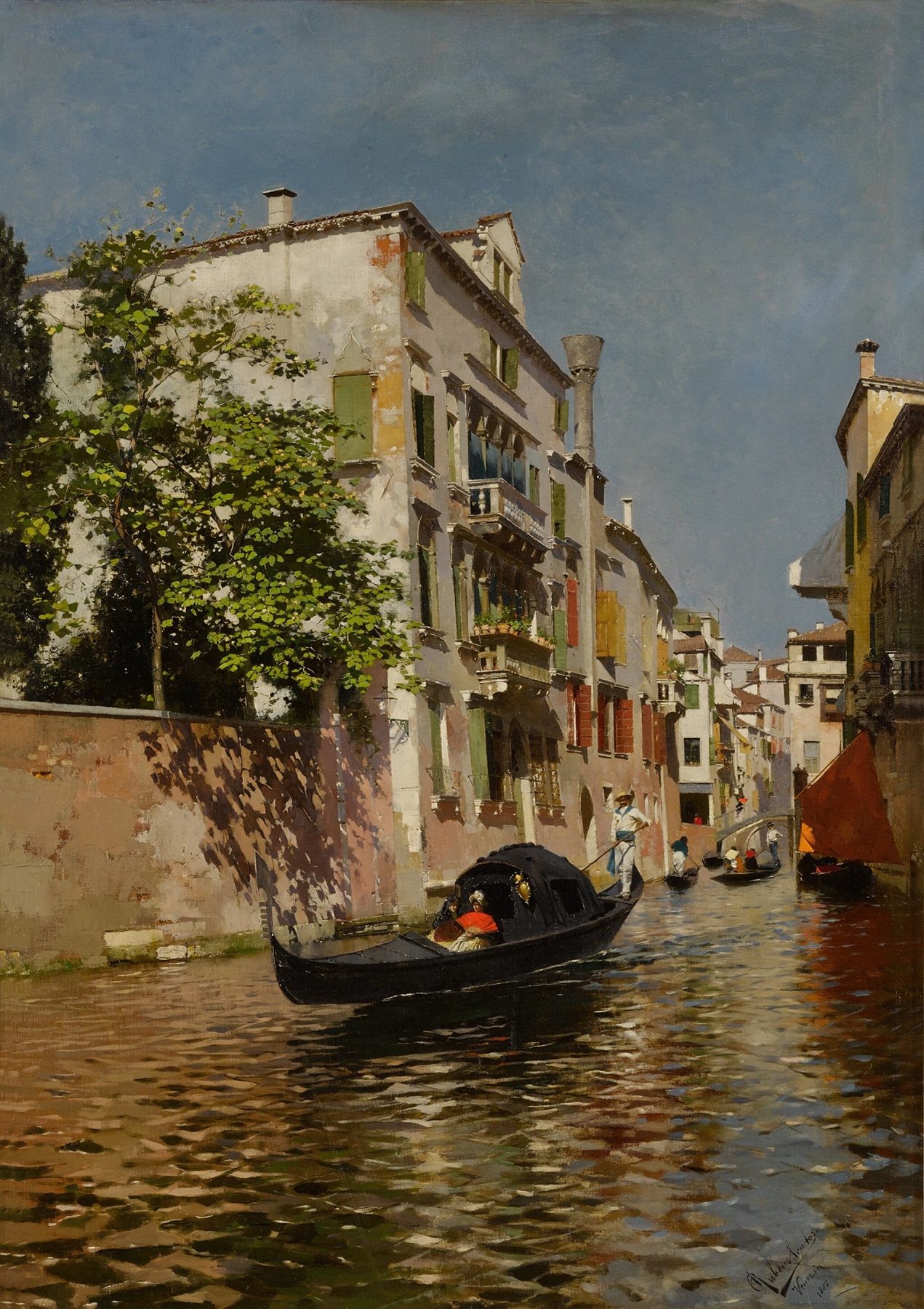
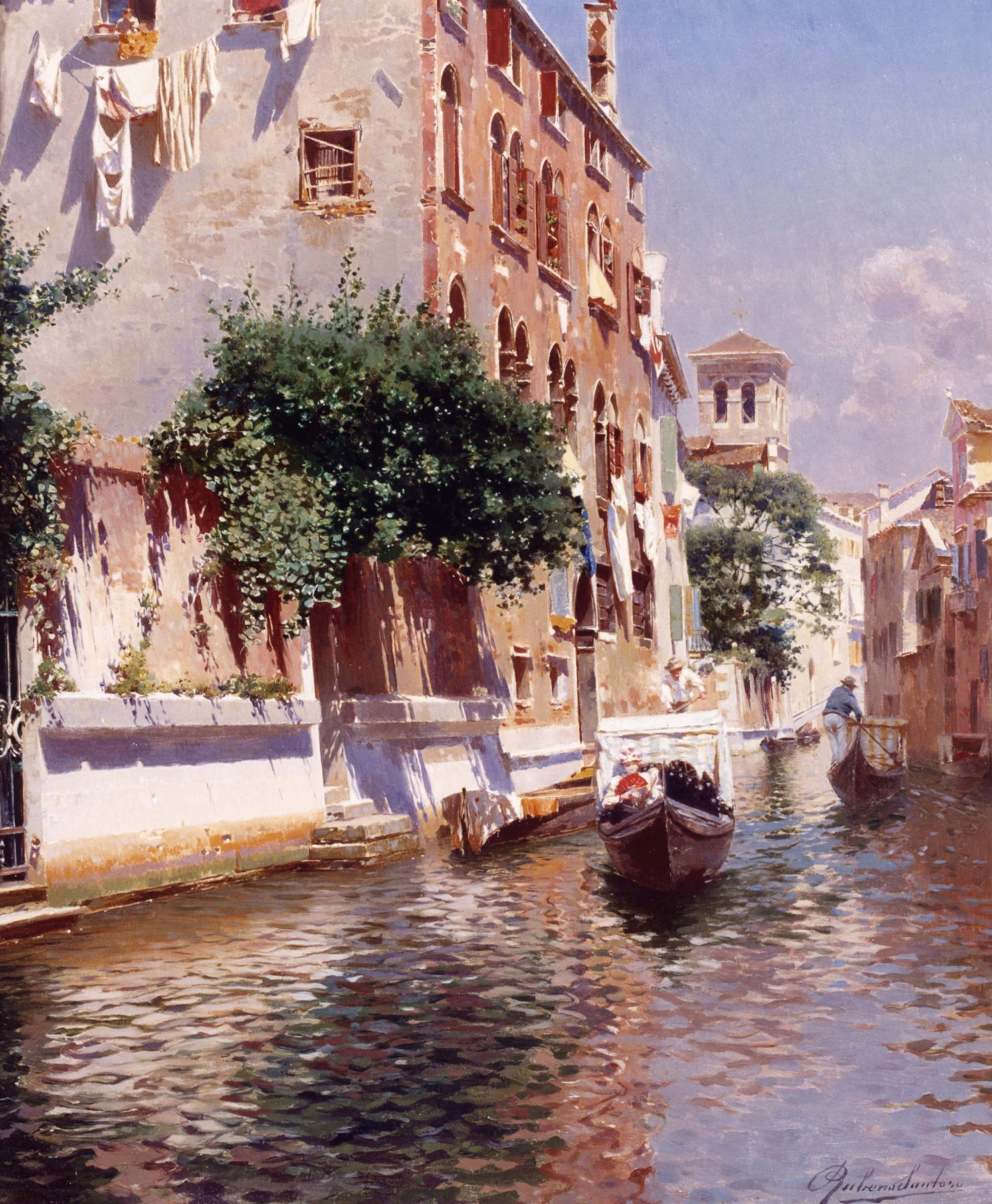
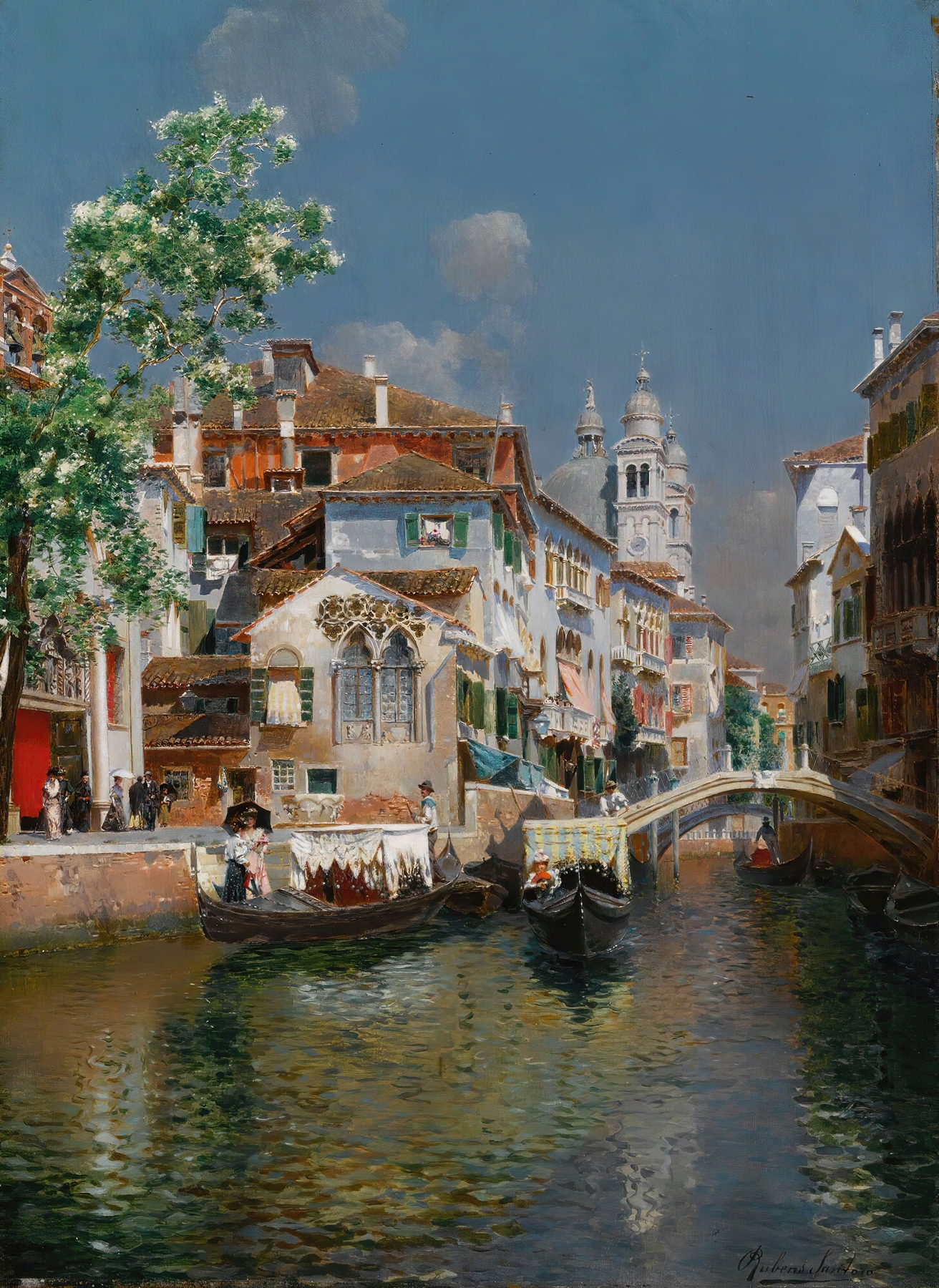
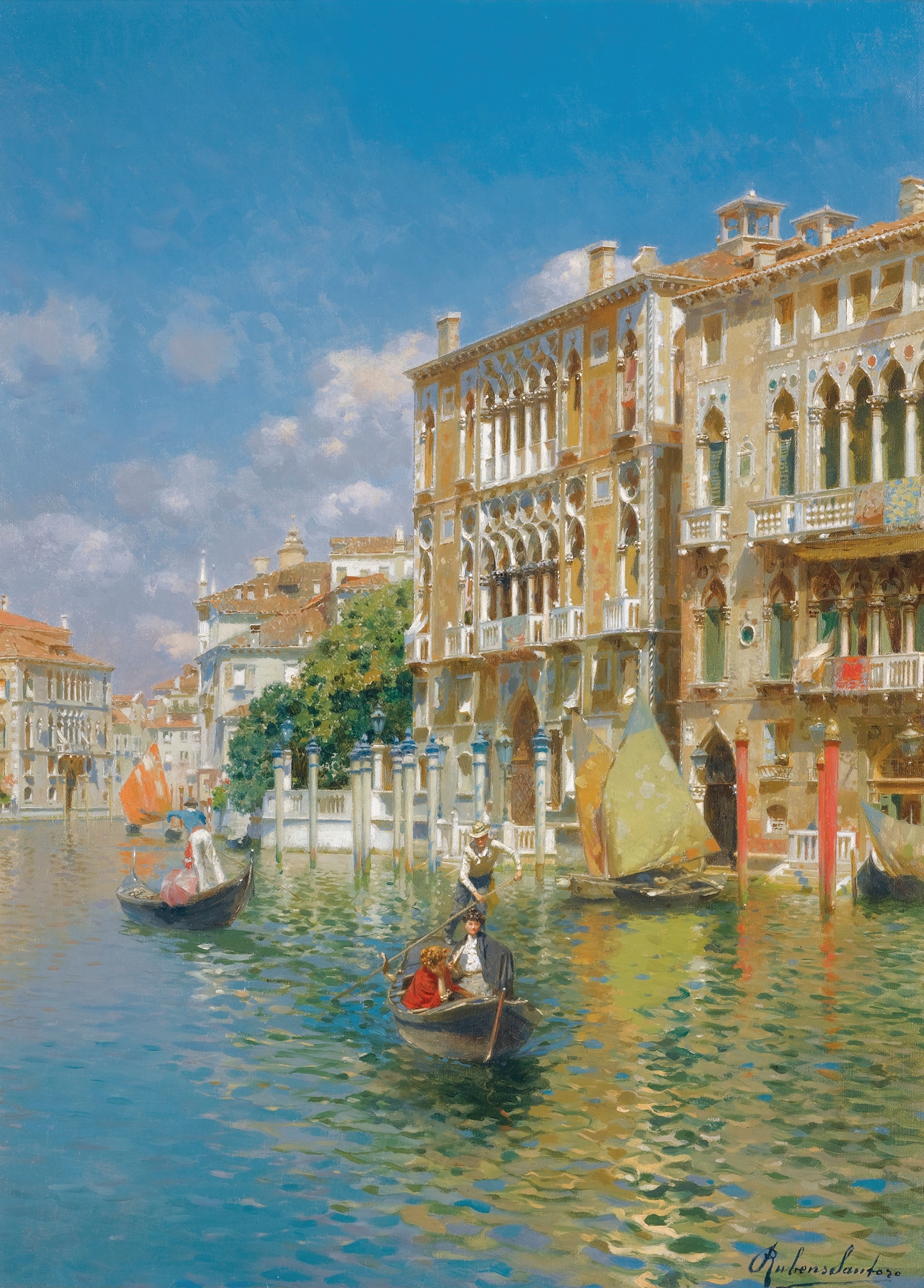
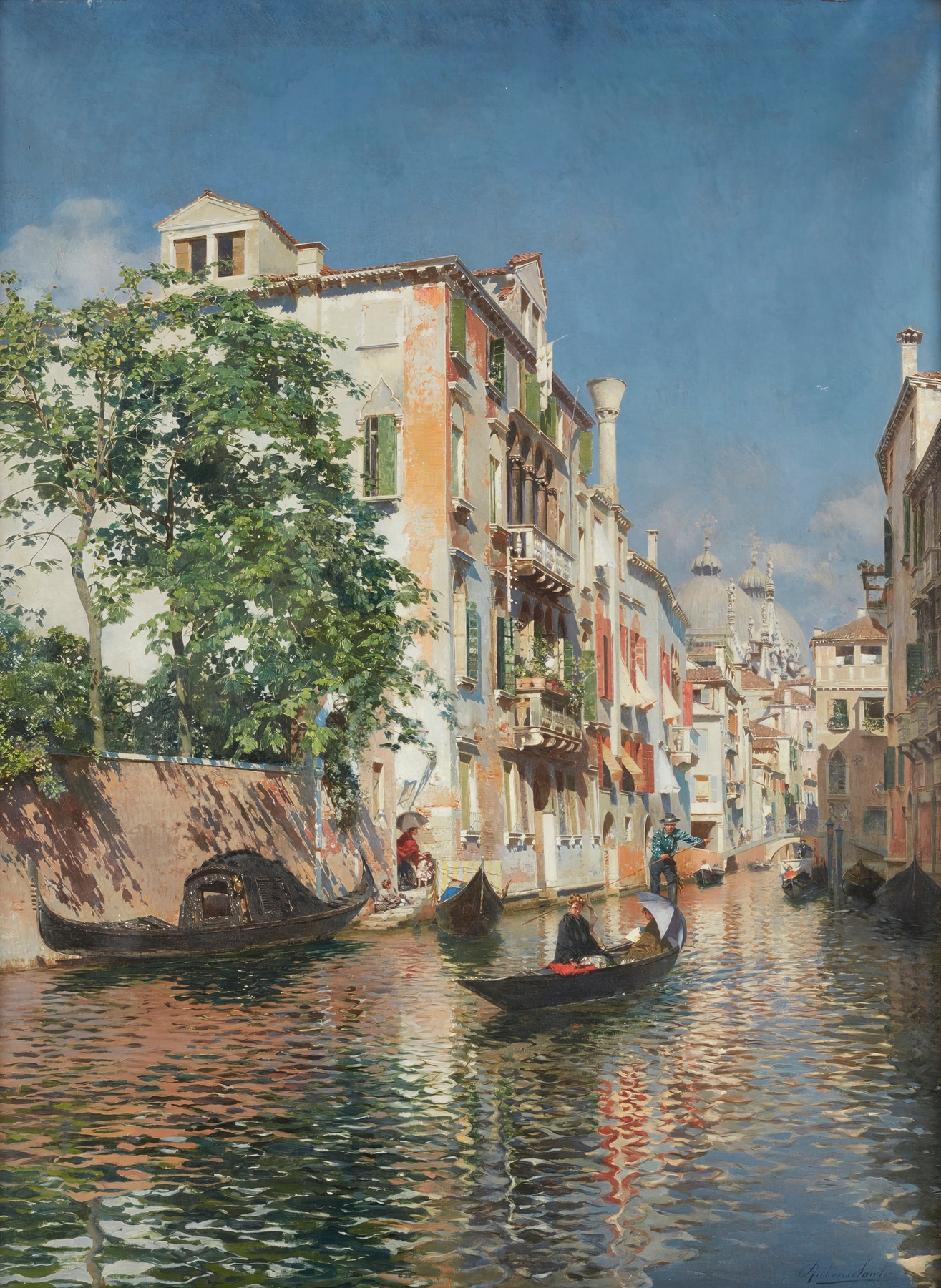
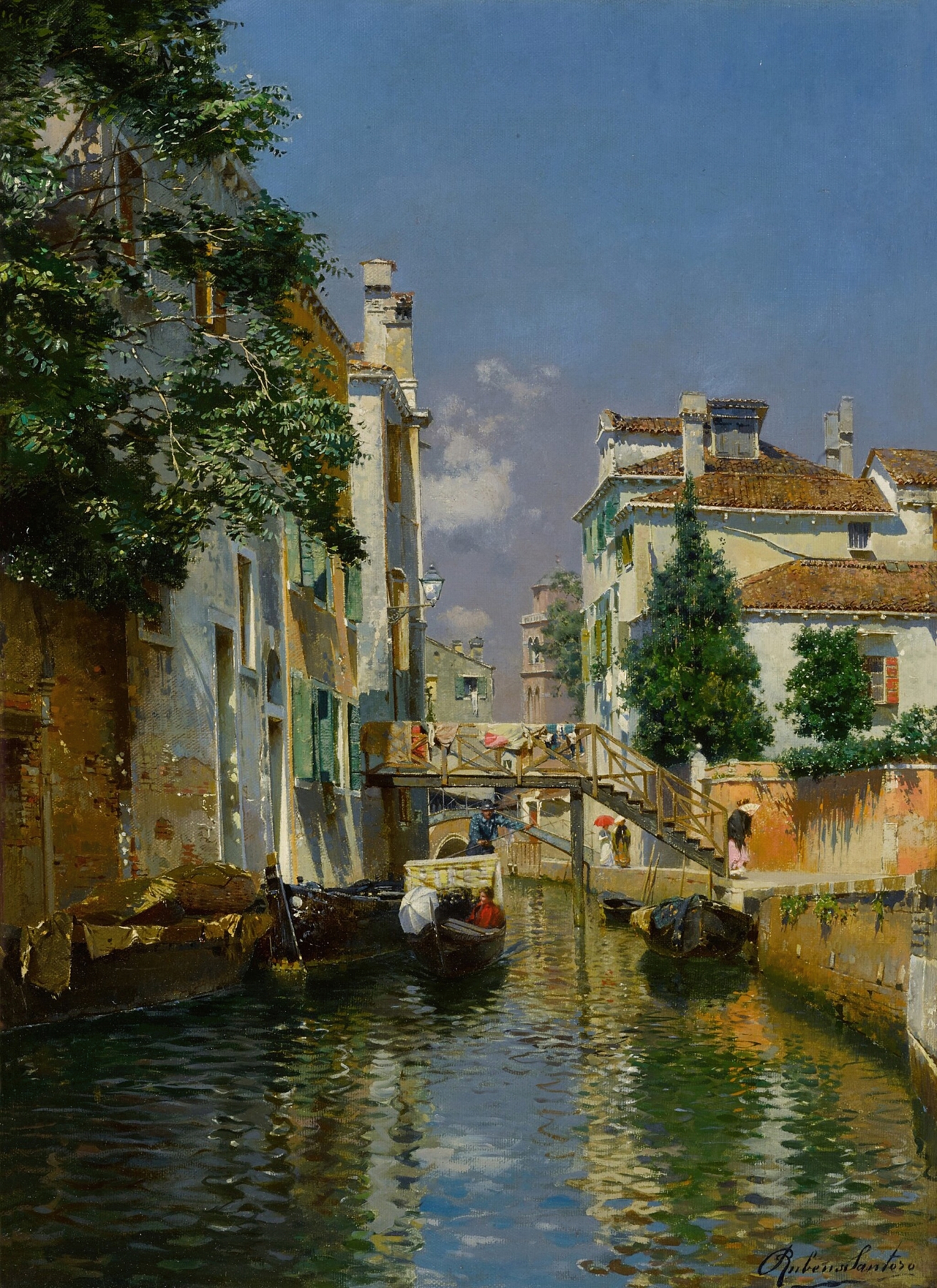
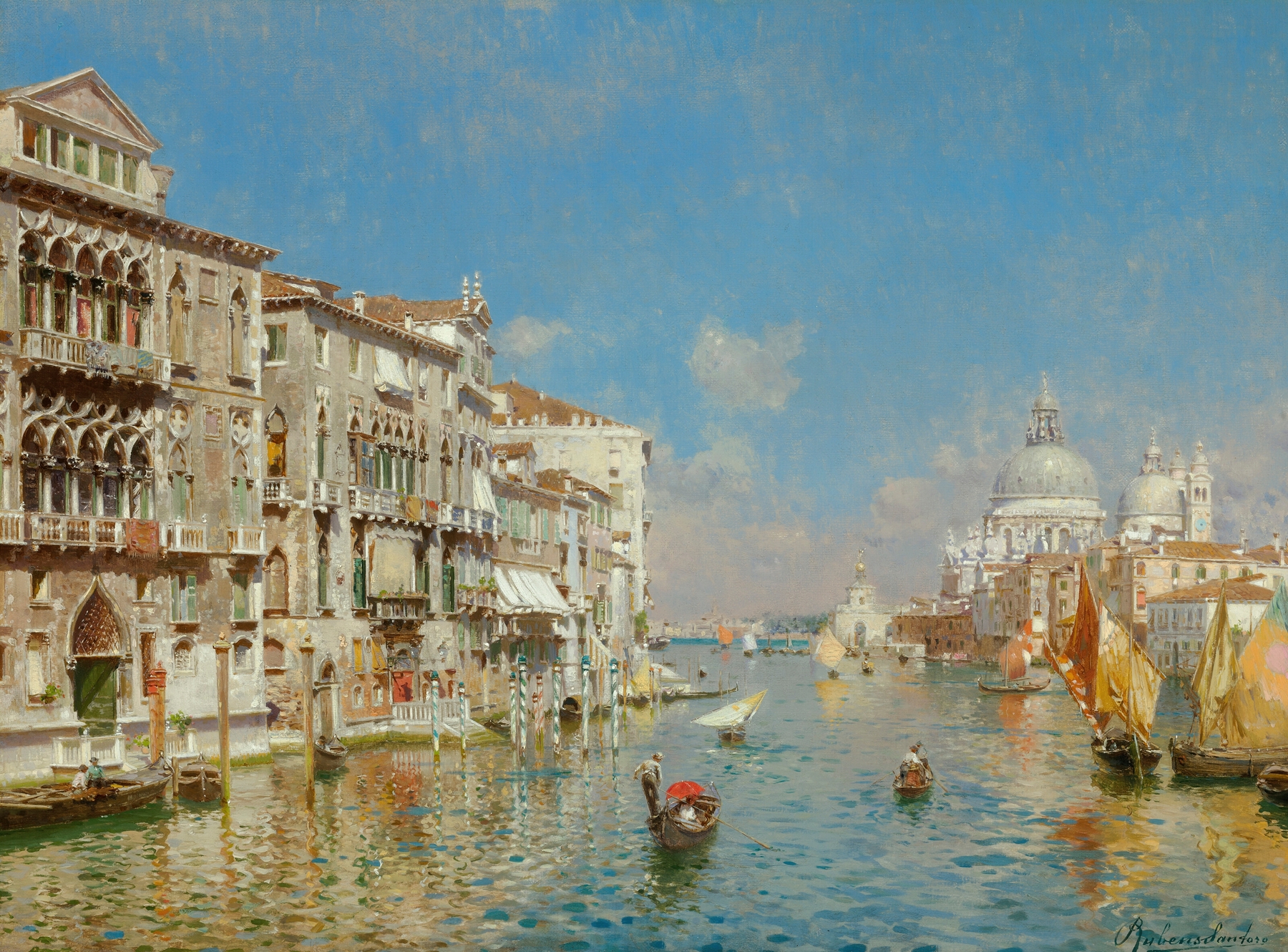
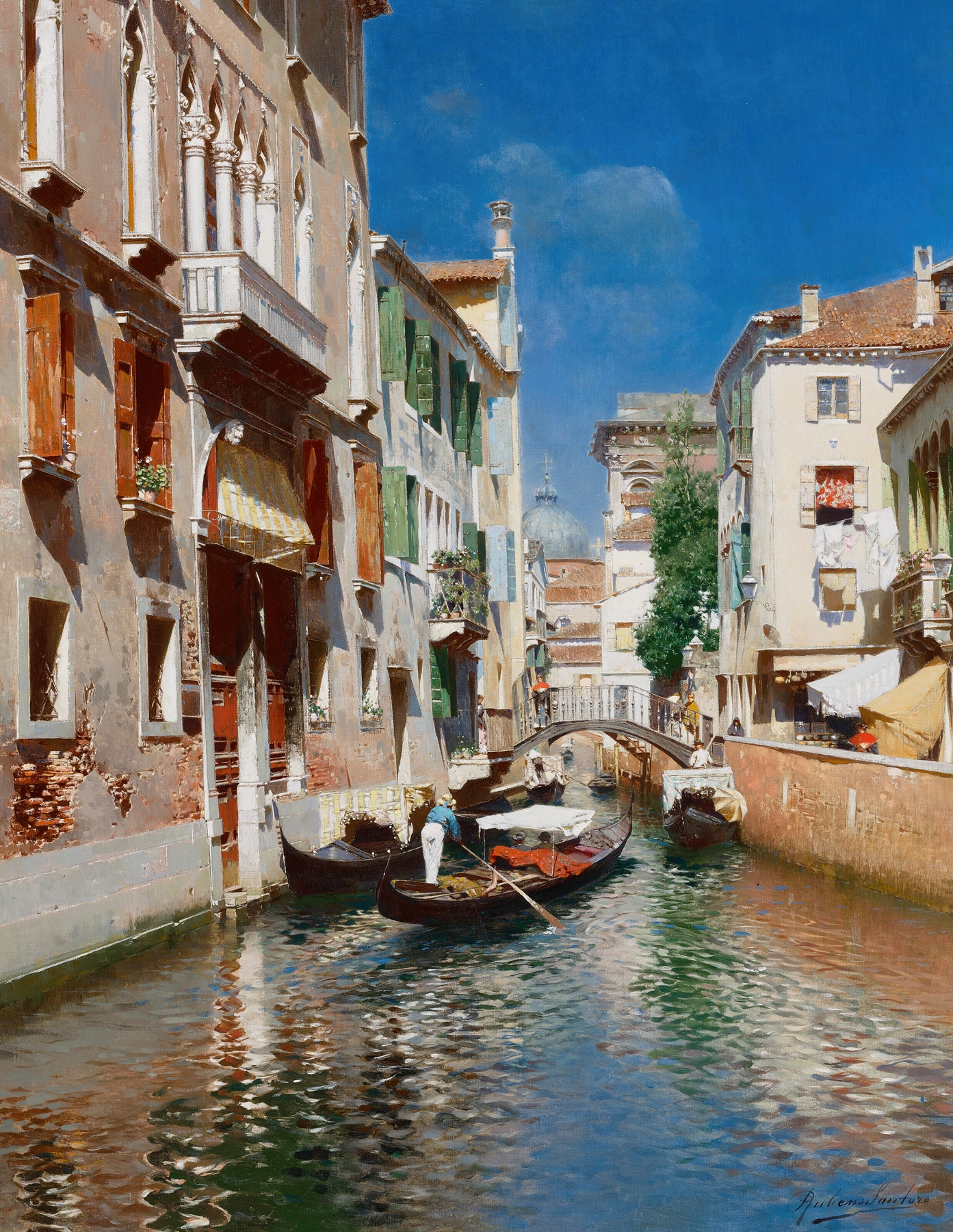
“Sometimes beauty is just pain, disguised in gold.” The shimmering waters of the Grand Canal cradle secrets beneath their surface, whispering tales of loss and longing in a city that has seen both love and sorrow. Look to the left, where the Rialto Bridge stands majestically, its arches forming a delicate embrace over the waterway. The vibrant hues of blue and gold reflect the sunlight, casting a warm glow that dances upon the canal, inviting you to trace the gentle ripples. Notice the figures dotting the scene — some animatedly engaged in trade, while others appear lost in thought — each a silent testament to the passage of time and the ever-present specter of nostalgia.
As you explore the artwork, consider the contrasts at play. The bustling activity on the bridge juxtaposes with the stillness of the surrounding waters, symbolizing the duality of life in Venice: a city alive with commerce yet haunted by the remnants of its glorious past. The distant palazzo, draped in shadow, serves as a poignant reminder of what once was, while the brilliant sky hints at hope—the tension between beauty and impermanence palpably interwoven into the fabric of the painting.
Rubens Santoro created this work amidst the vibrant art scene of early 20th-century Venice, a city at the crossroads of tradition and modernity. He was drawn to the rich history and fleeting moments of everyday life, seeking to capture the essence of a city that had inspired countless artists before him. During this time, Santoro was refining his technique, infusing his scenes with both realism and emotional depth, embodying the complexity of a city that had weathered centuries of change.