A Venetian Canal — History & Analysis
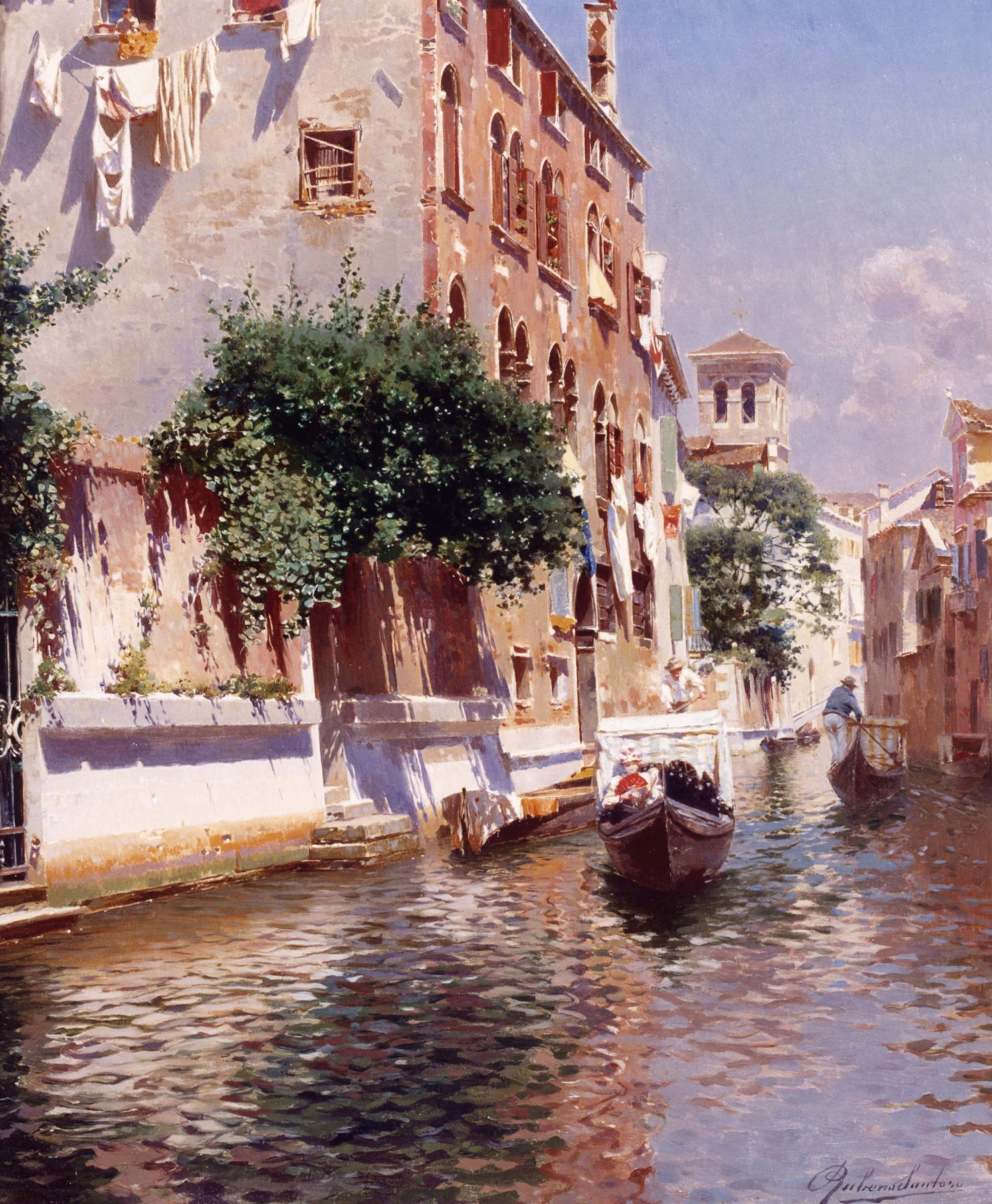
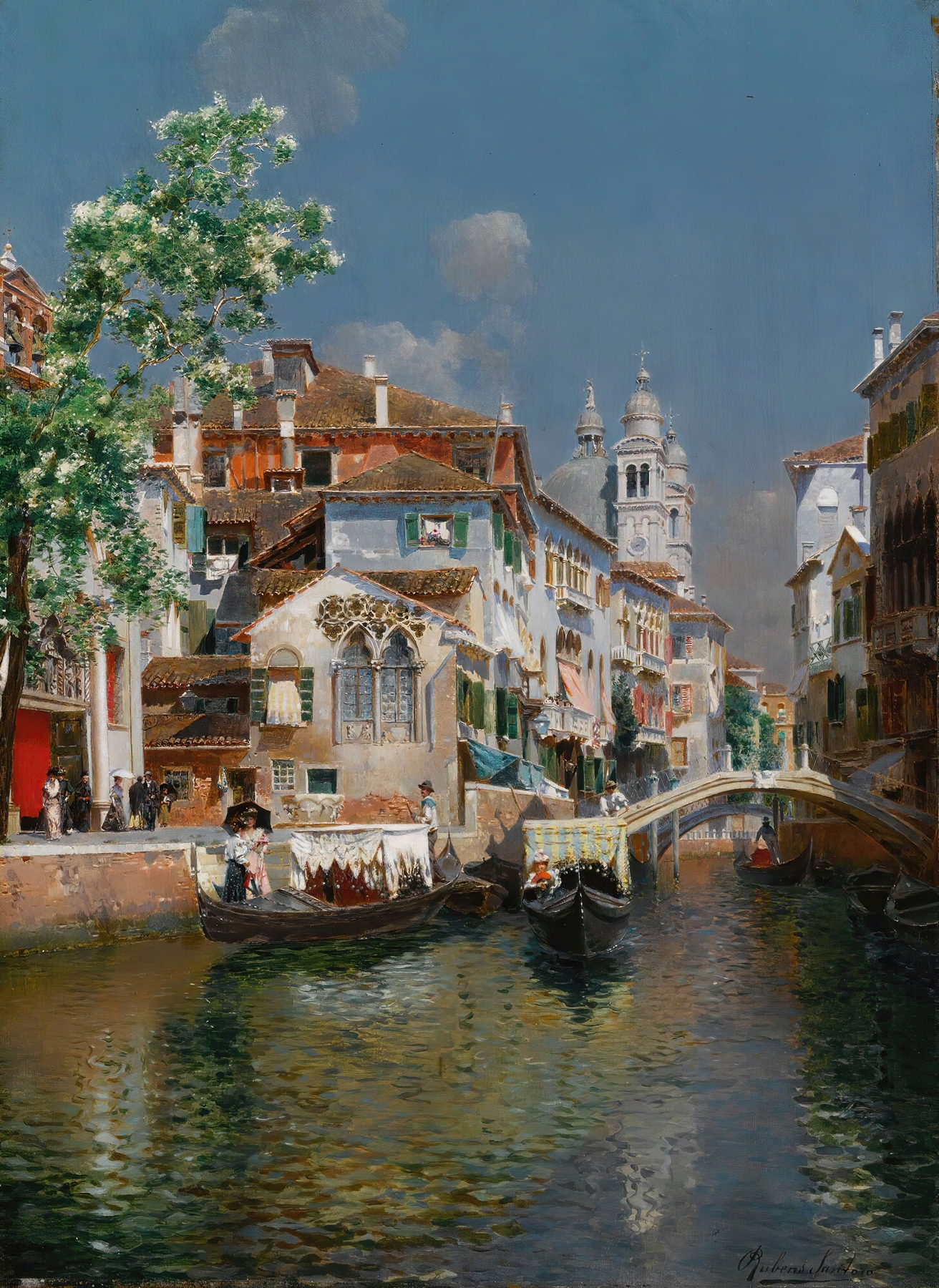
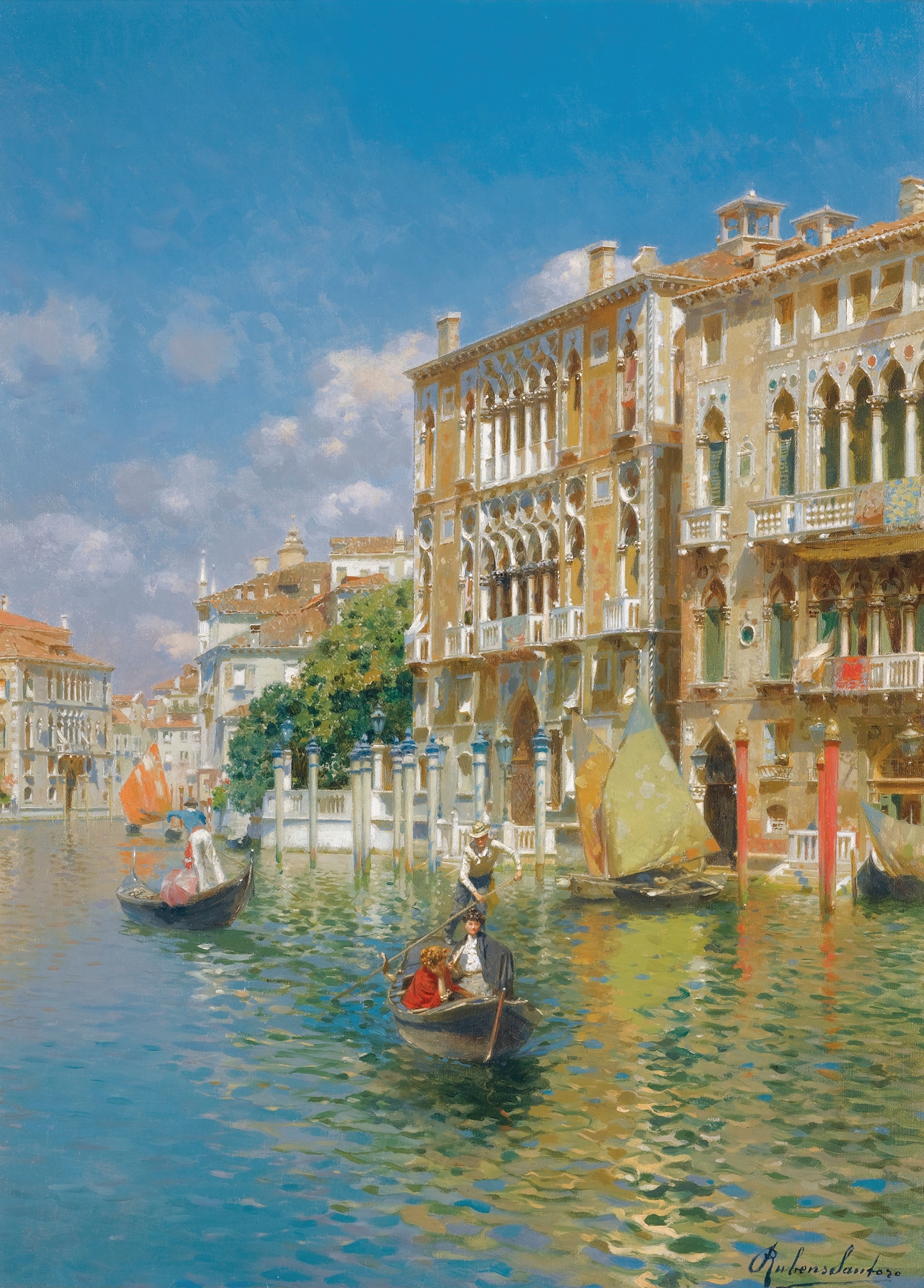
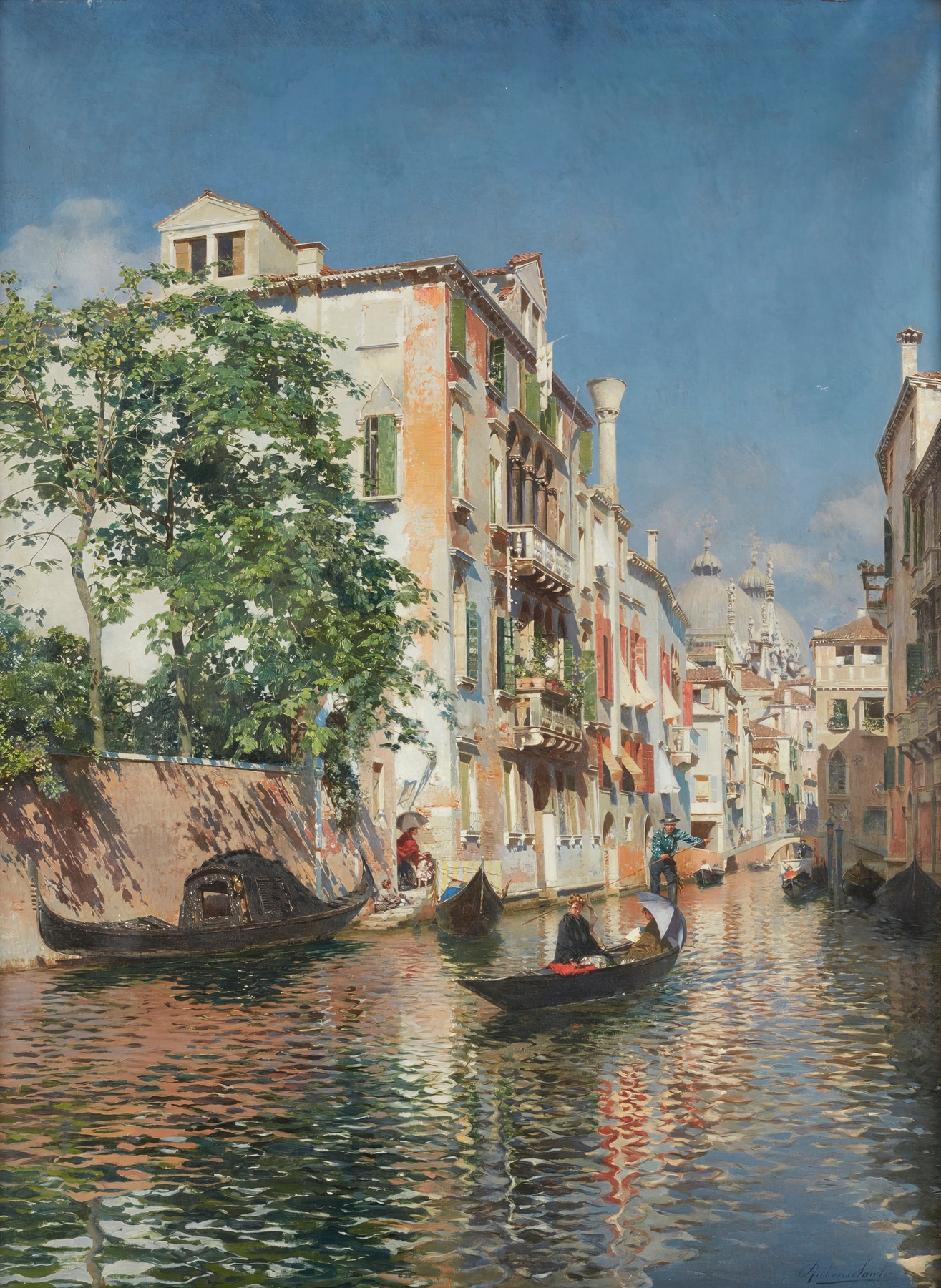
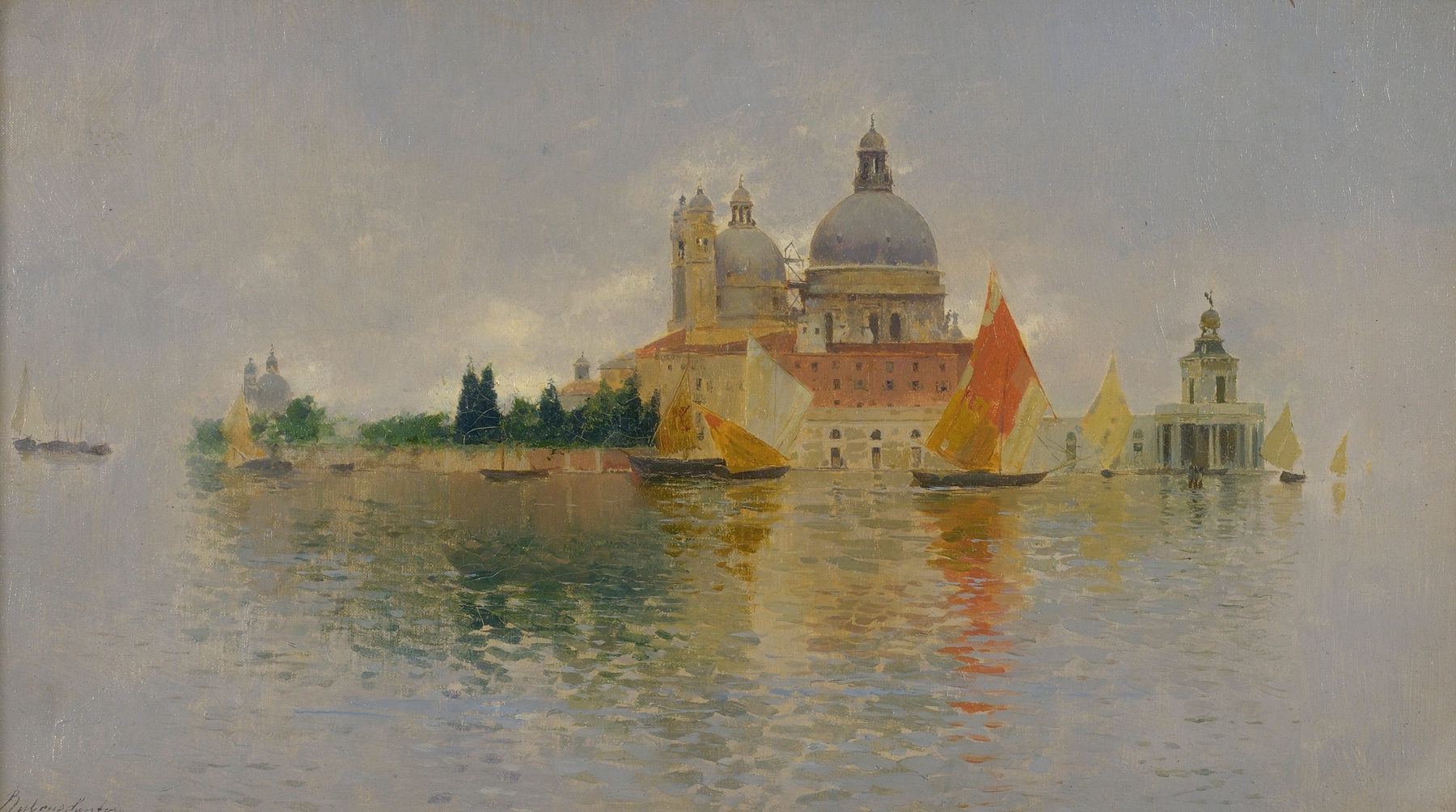
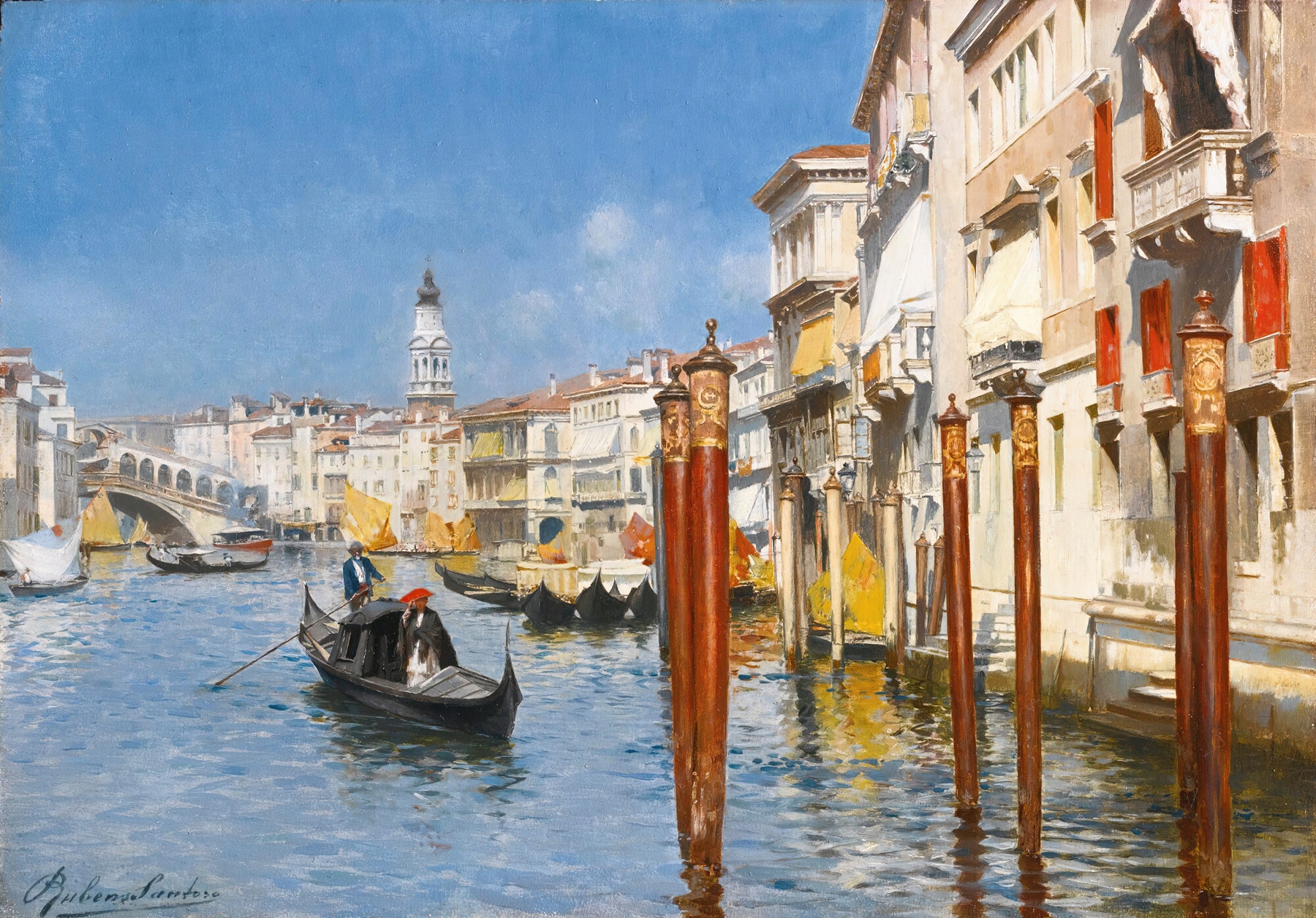
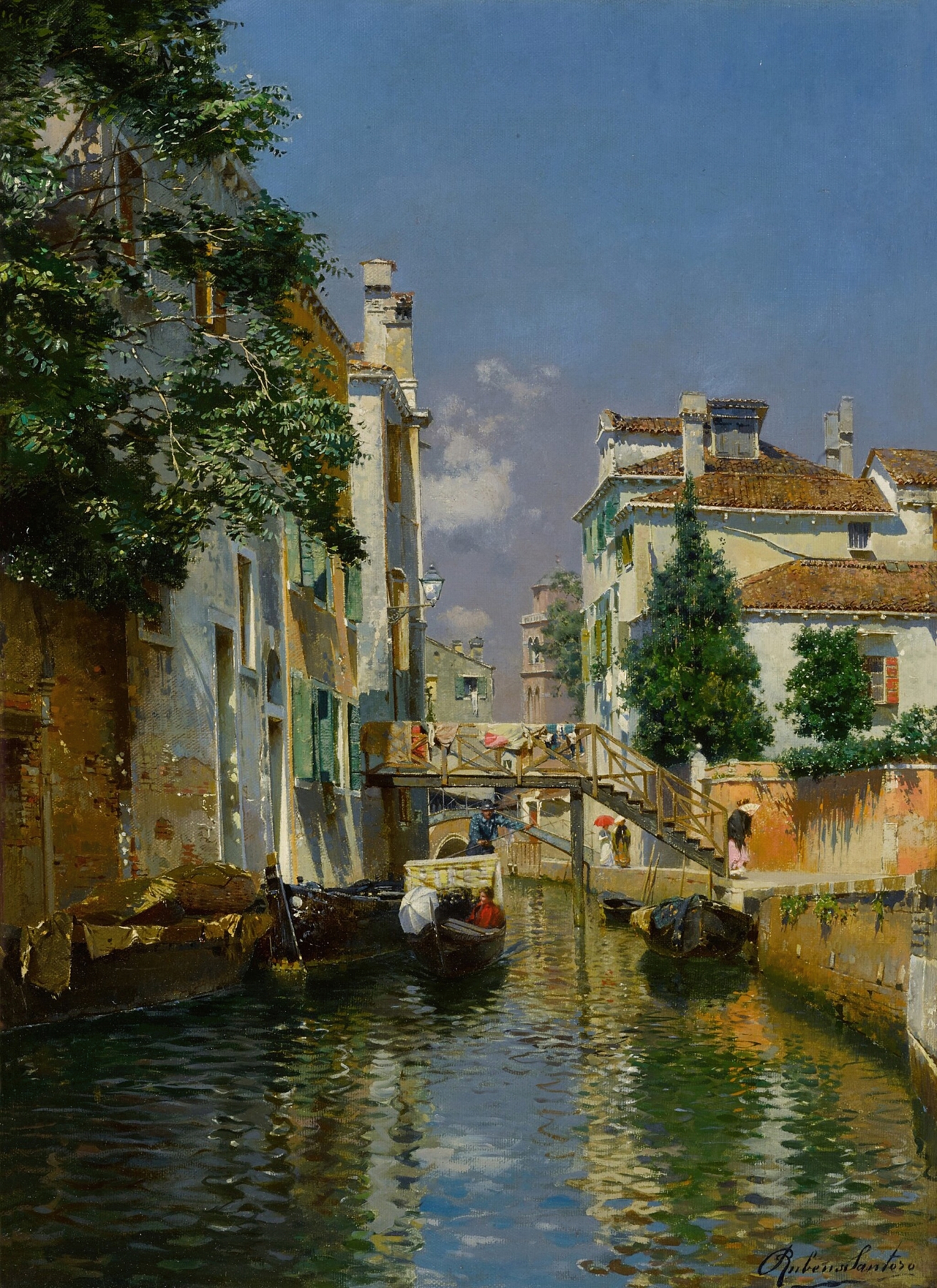
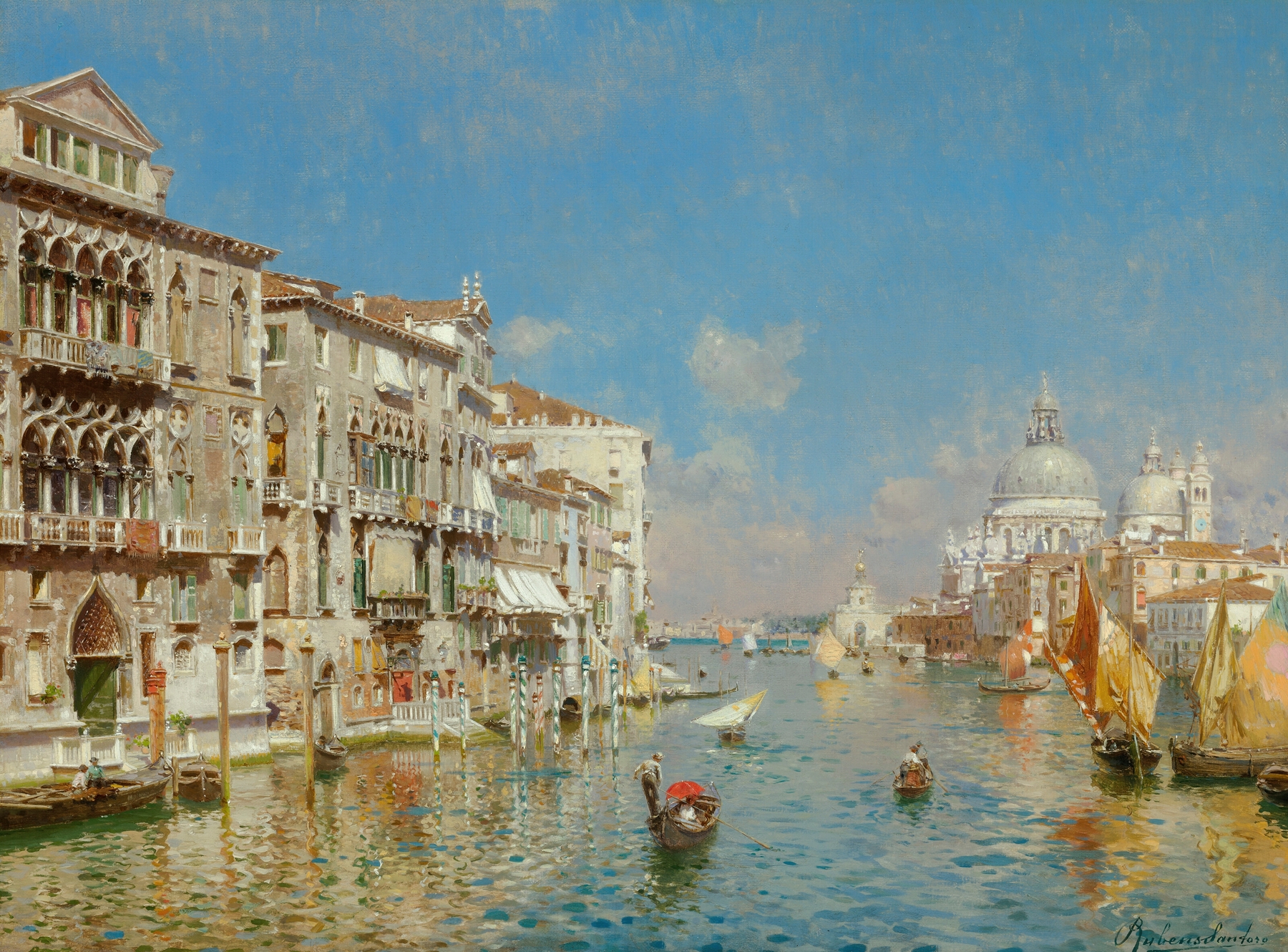
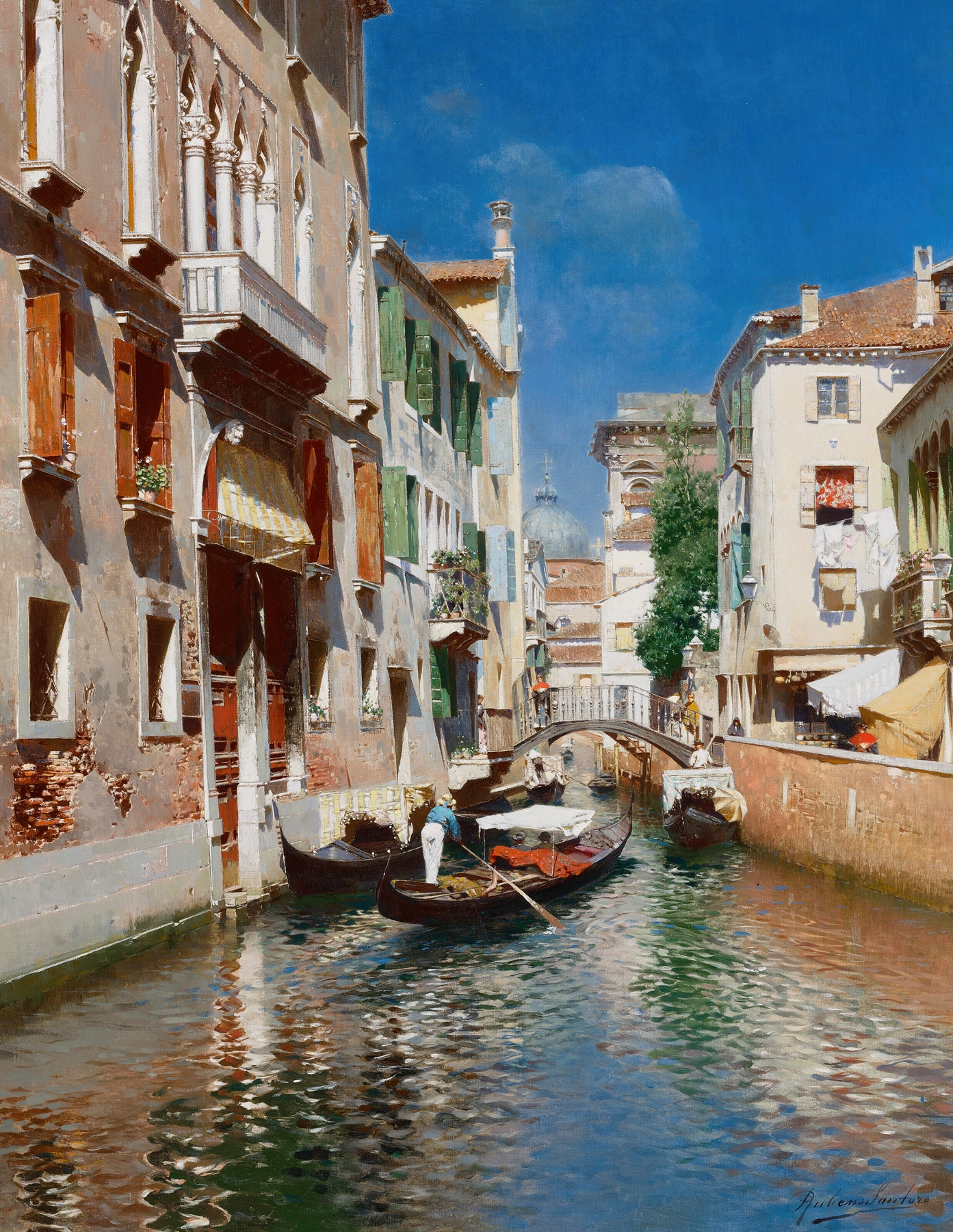
Could a single brushstroke hold eternity? In A Venetian Canal, the soft interplay of light and shadow breathes life into the stillness of the water, capturing a moment forever suspended in time. Look to the left at the delicate reflections dancing upon the surface of the canal, where the vibrant colors of the buildings spill like melted wax into the water. Notice how the brushstrokes vary; some are bold and sweeping, while others are tender and soft, creating a palpable texture that invites the viewer to feel the scene.
The rich hues of blue and gold evoke a sense of warmth, while the cool shadows hint at the passage of time, drawing your gaze deeper into the tranquil composition. Beneath this serene exterior lies a poignant tension, as the serene beauty of the setting contrasts with the inevitable weight of loss. The faded grandeur of the architecture suggests a world once vibrant, now quietly fading into history, echoing the impermanence of beauty itself. Each ripple in the water carries with it whispers of memories long gone, urging the observer to ponder what remains behind in the spaces we inhabit.
In 1888, Rubens Santoro painted this work while living in Venice, a city renowned for its canals and artistic heritage. During this period, Santoro sought to capture the ethereal quality of light that characterized Venetian landscapes, reflecting the broader movement in art that leaned towards Impressionism. His delicate handling of color and form resonates with the emotional depth of loss and nostalgia, reflecting a moment in his life when he was deeply engaged with the beauty and transience of his subjects.