Sailing Boats On The Lagoon, Venice — History & Analysis
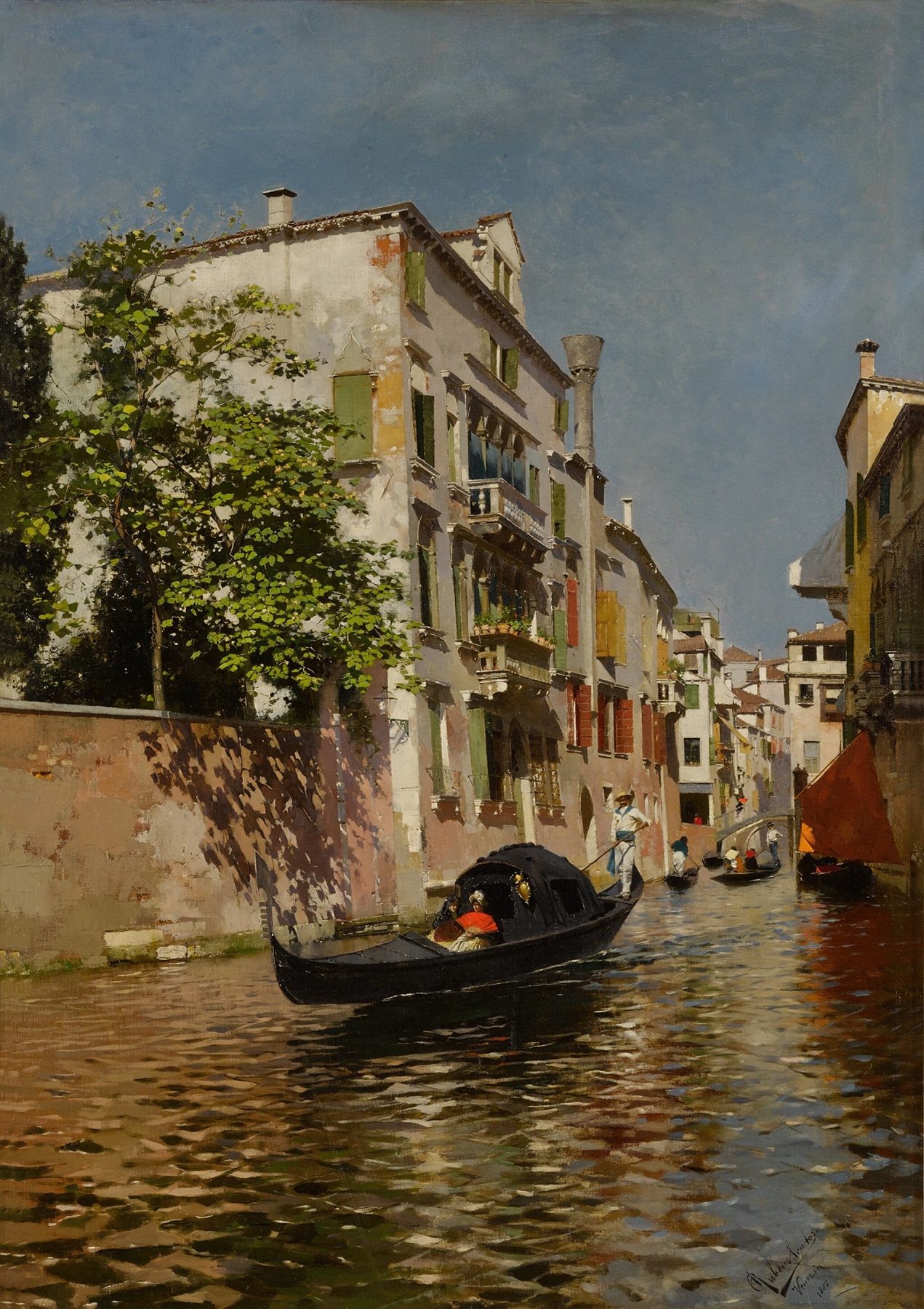
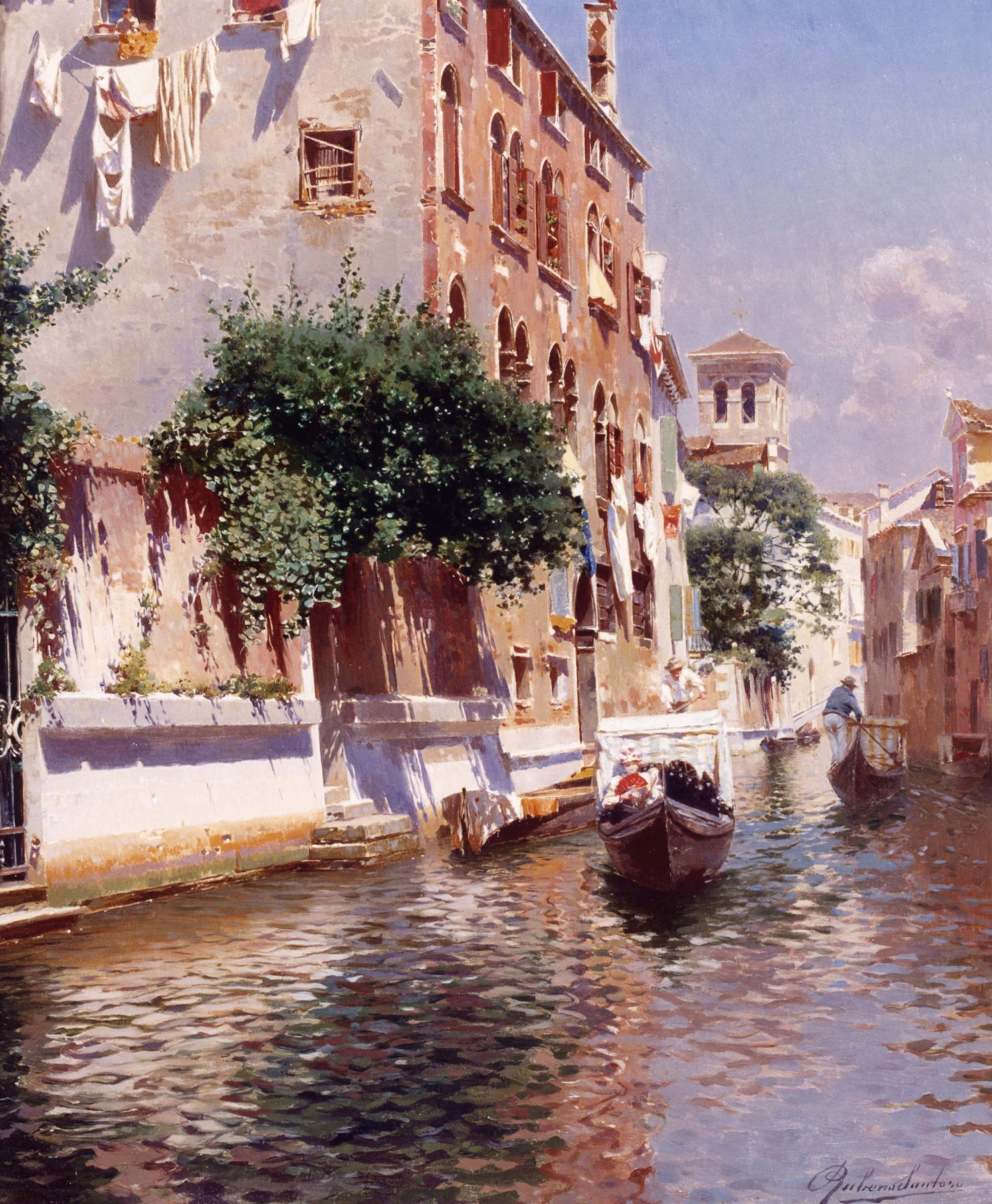
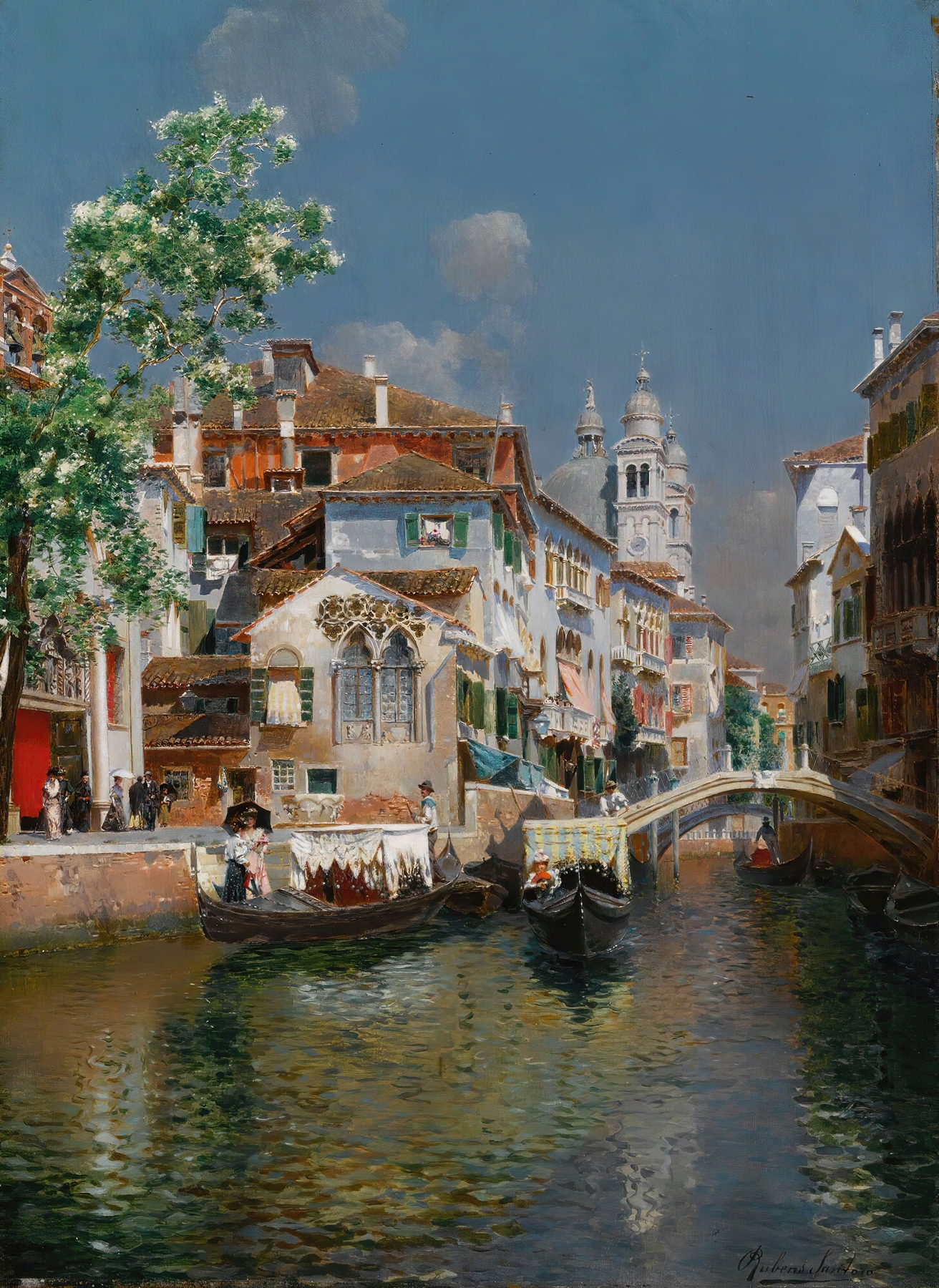
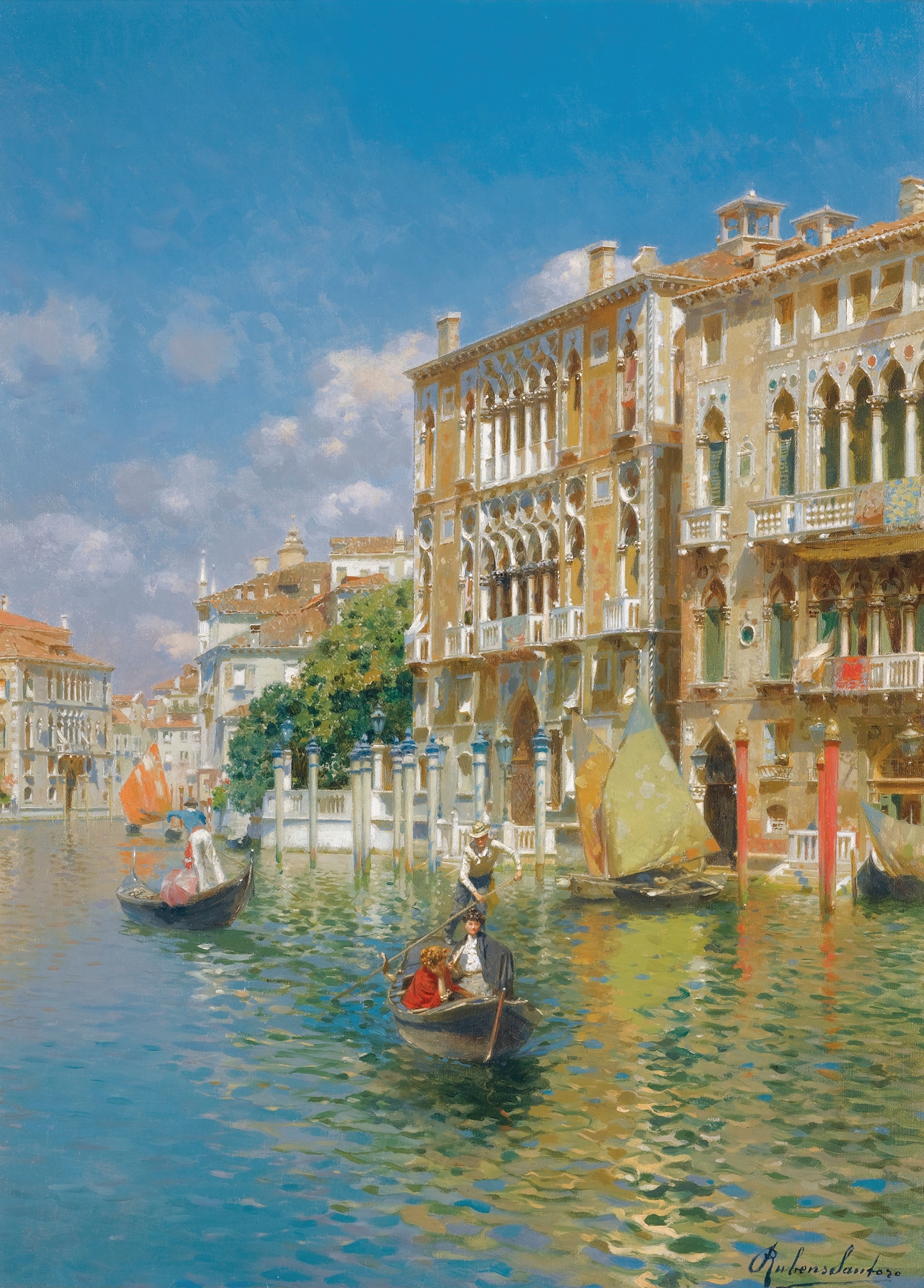
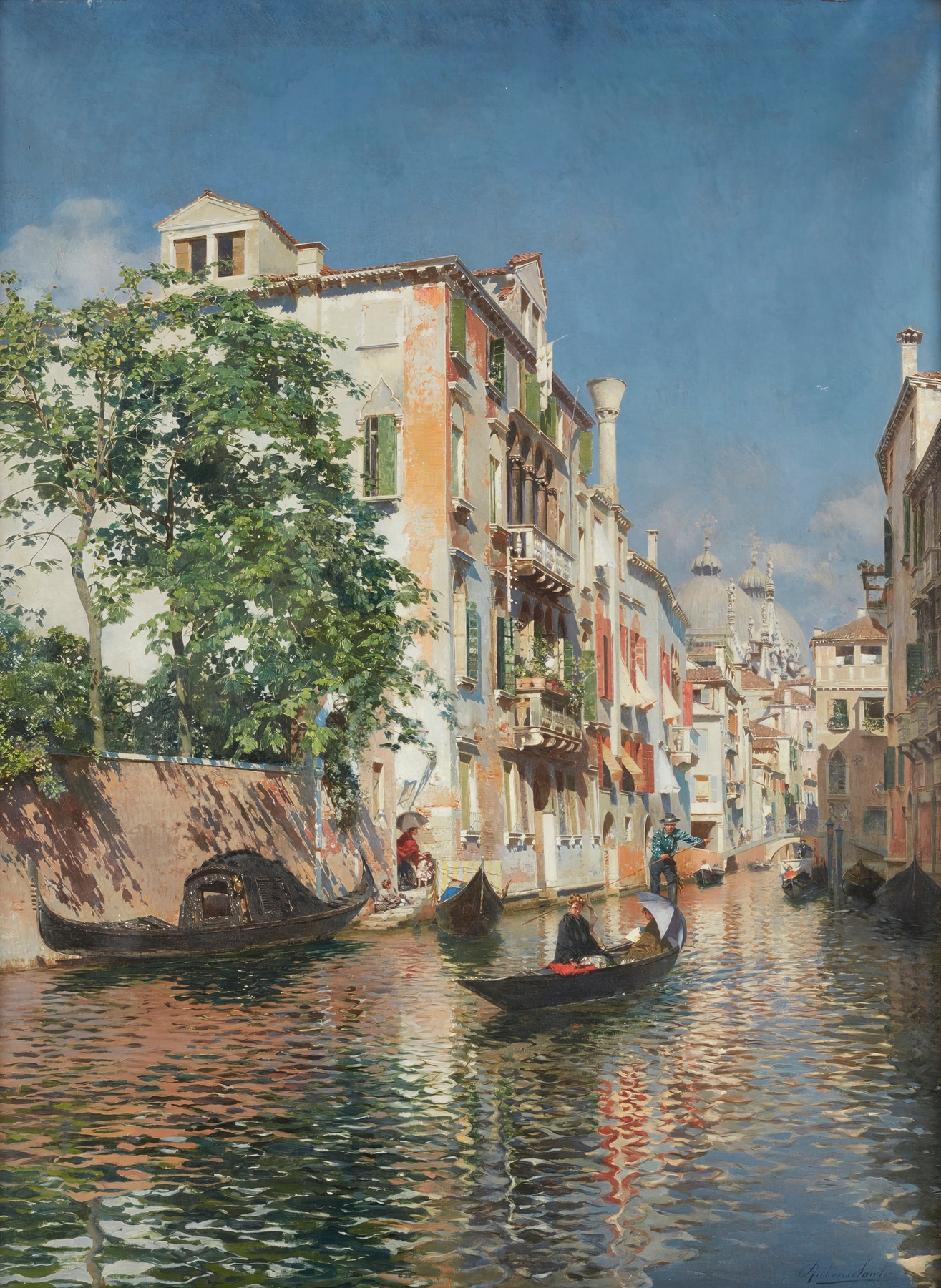
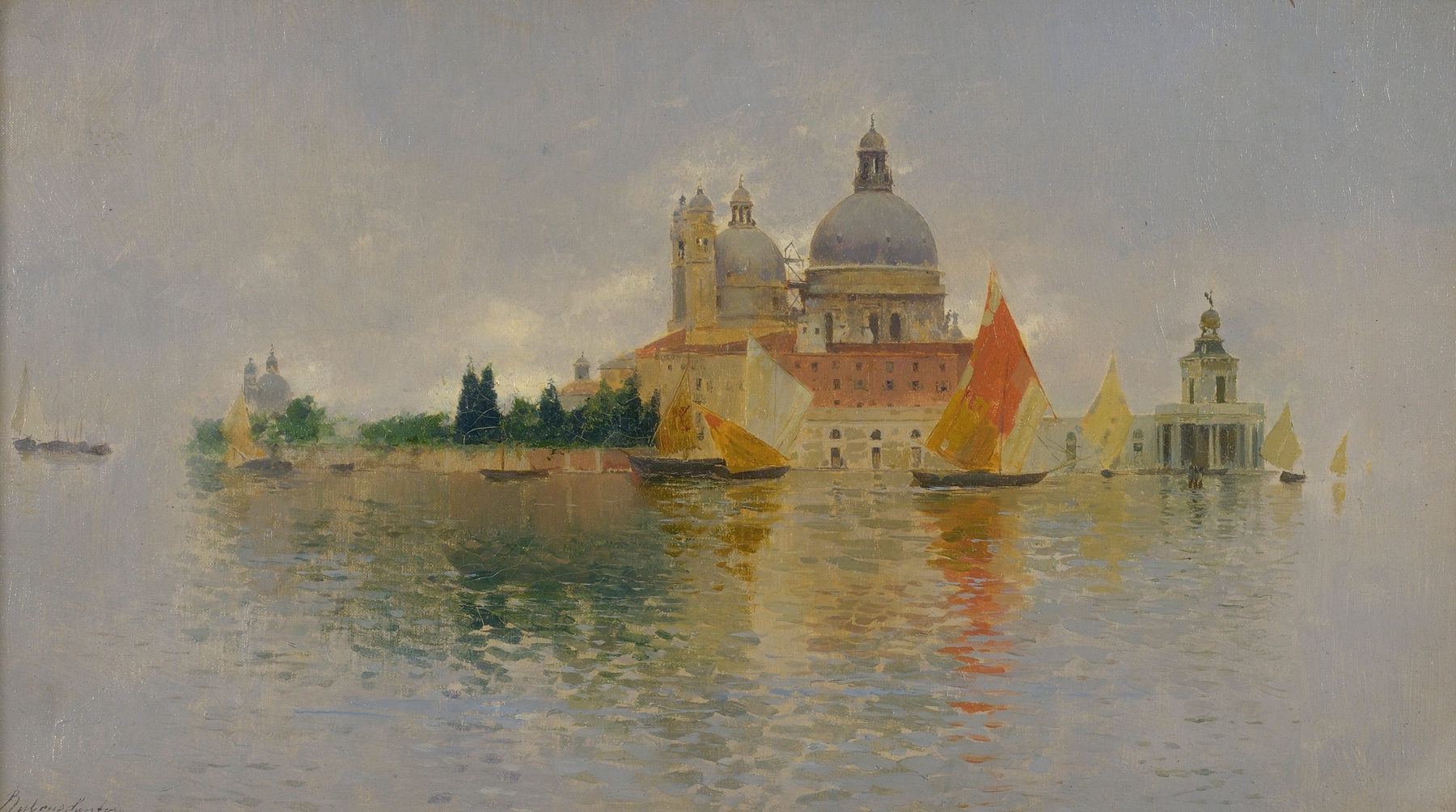
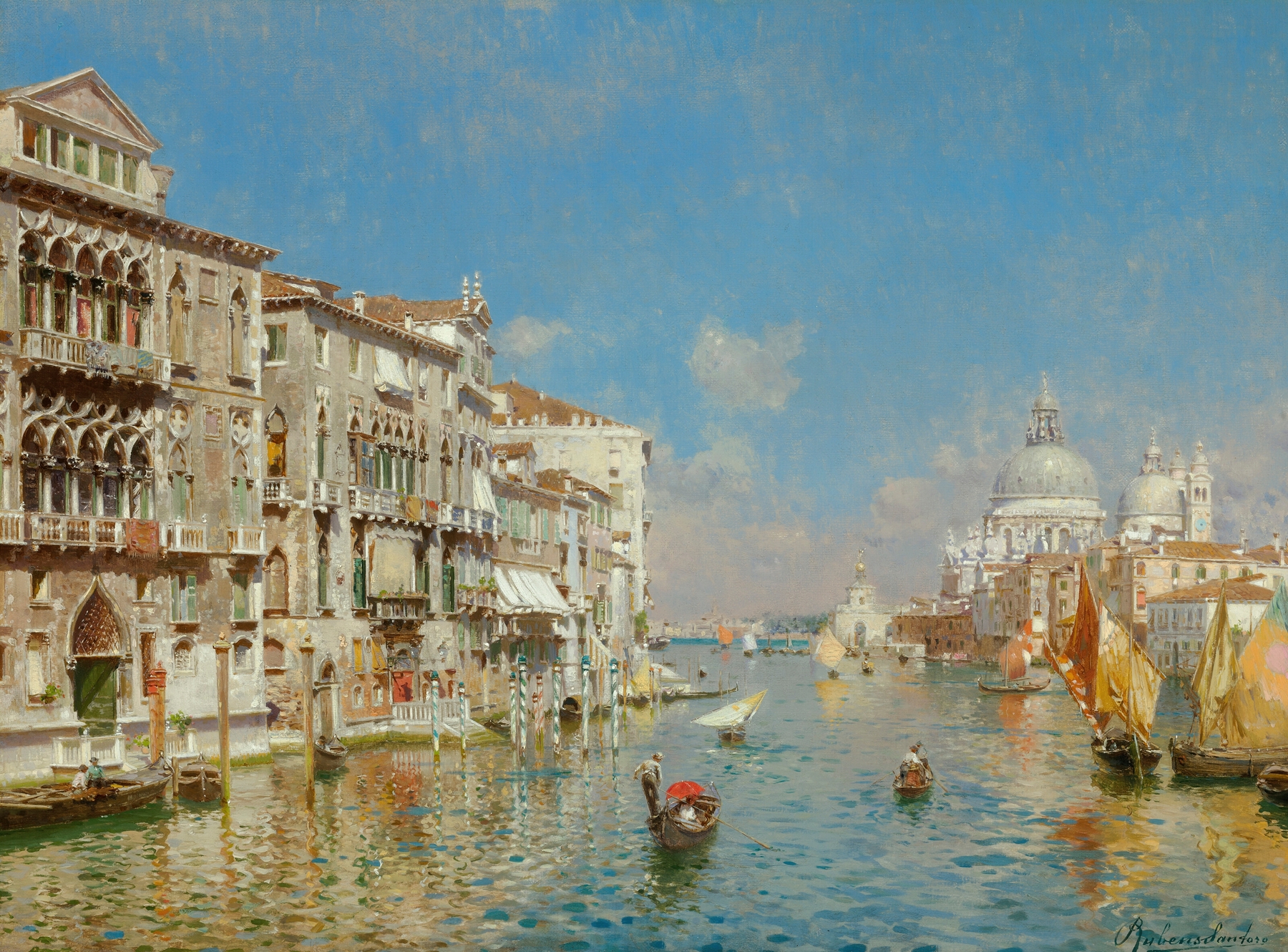
“The canvas doesn’t lie — it simply waits.” In each brushstroke lies a truth, a whisper of hidden emotions, a world layered with unspoken betrayals waiting to unfurl. Look to the shimmering water, where the gentle ripples dance under the soft Venetian light. You’ll find the sailing boats, their sails unfurled yet seemingly at rest, creating a contrast between motion and stillness. Notice how the hues of blue and green blend seamlessly, reflecting the sky above while hinting at the depth below — a metaphor for the unseen currents of betrayal that lurk just beneath the surface.
Explore the figures aboard the boats; their body language speaks volumes. There is a palpable tension in their stances, a subtle disconnection that invites speculation about their relationships. The bright palette juxtaposed against the deep shadows creates an emotional tug-of-war, illustrating not just the beauty of Venice but the complexities of human interaction. Each vessel seems to drift, simultaneously moving forward yet held back, embodying a larger narrative of trust and treachery.
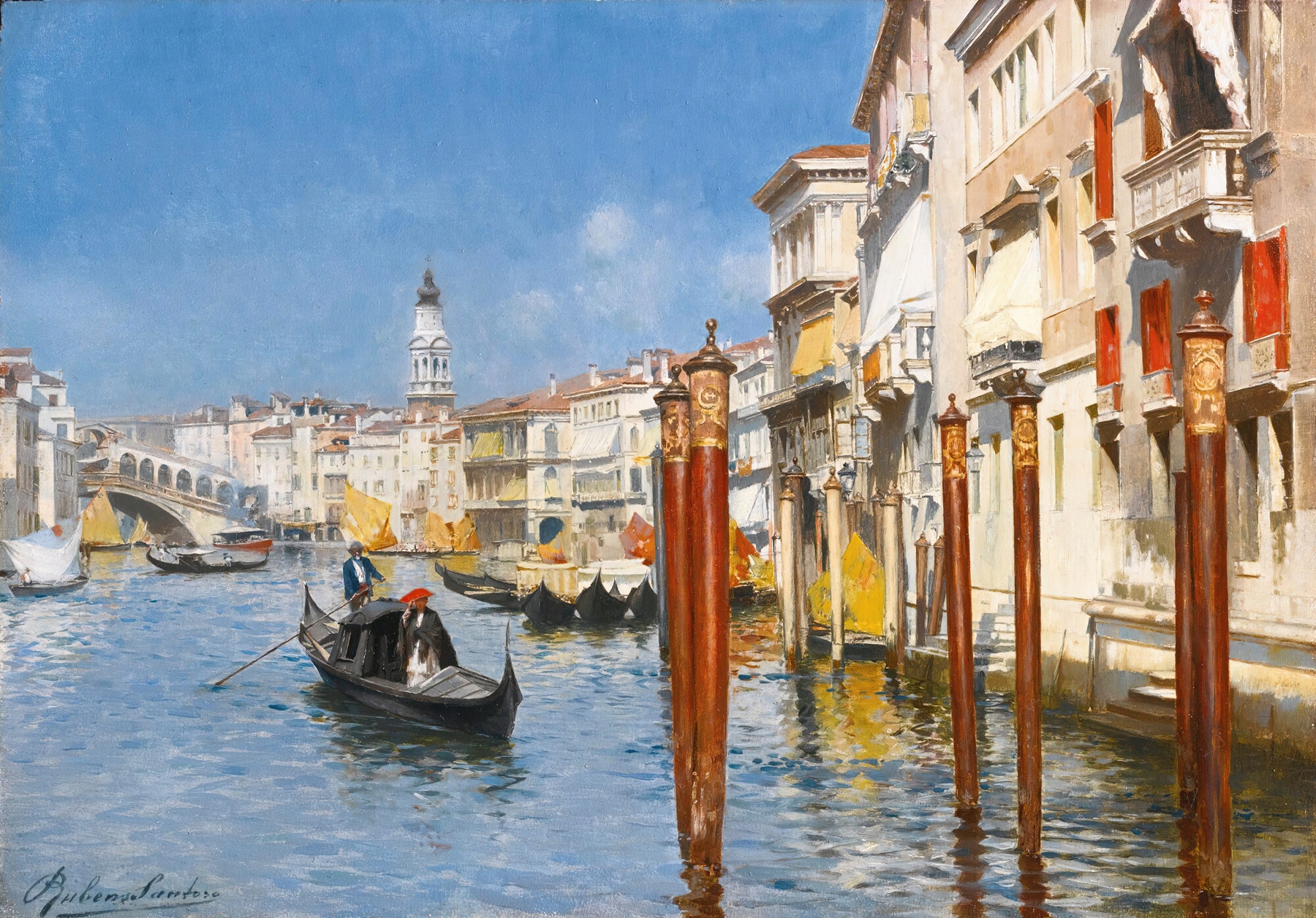
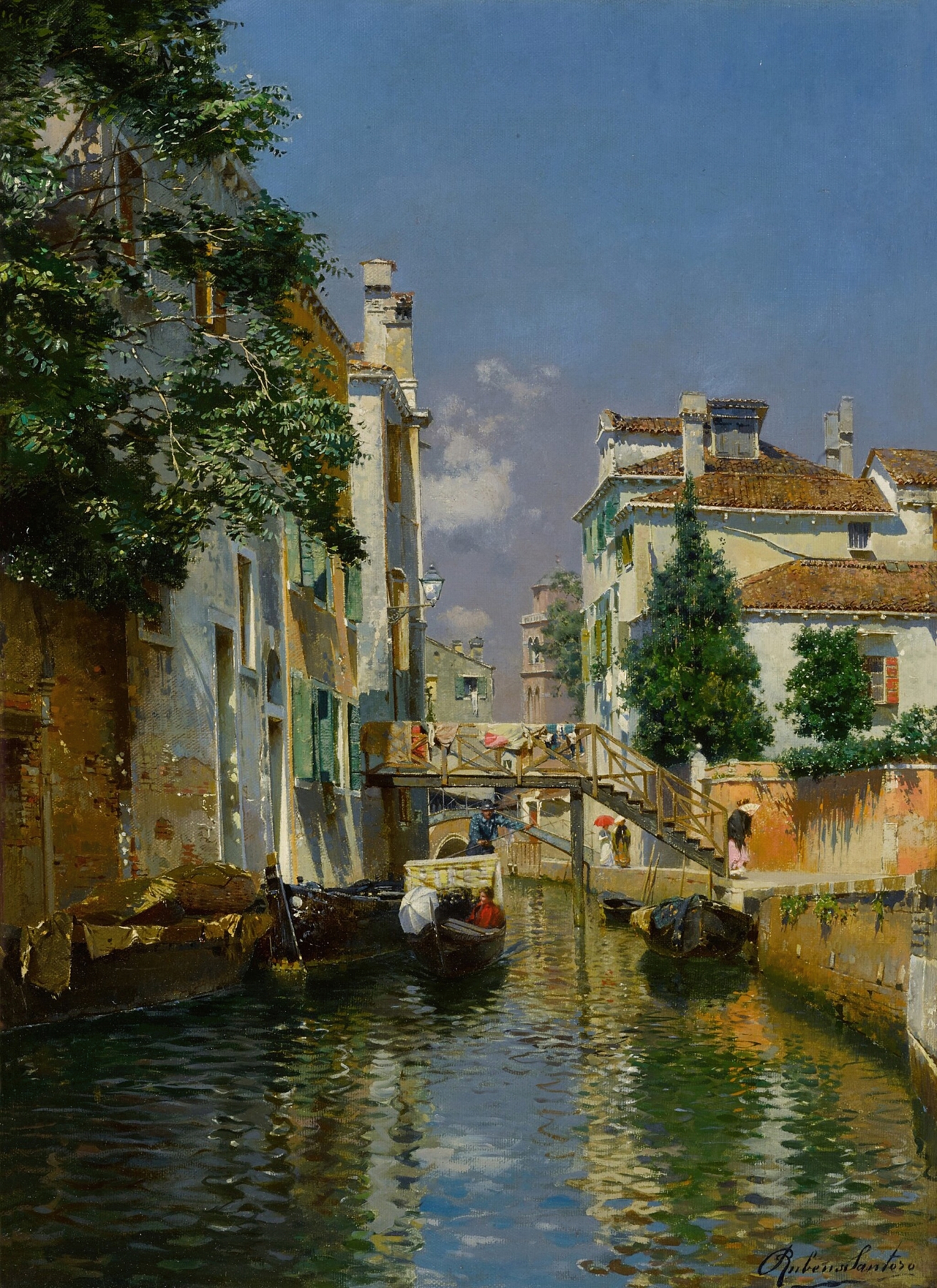
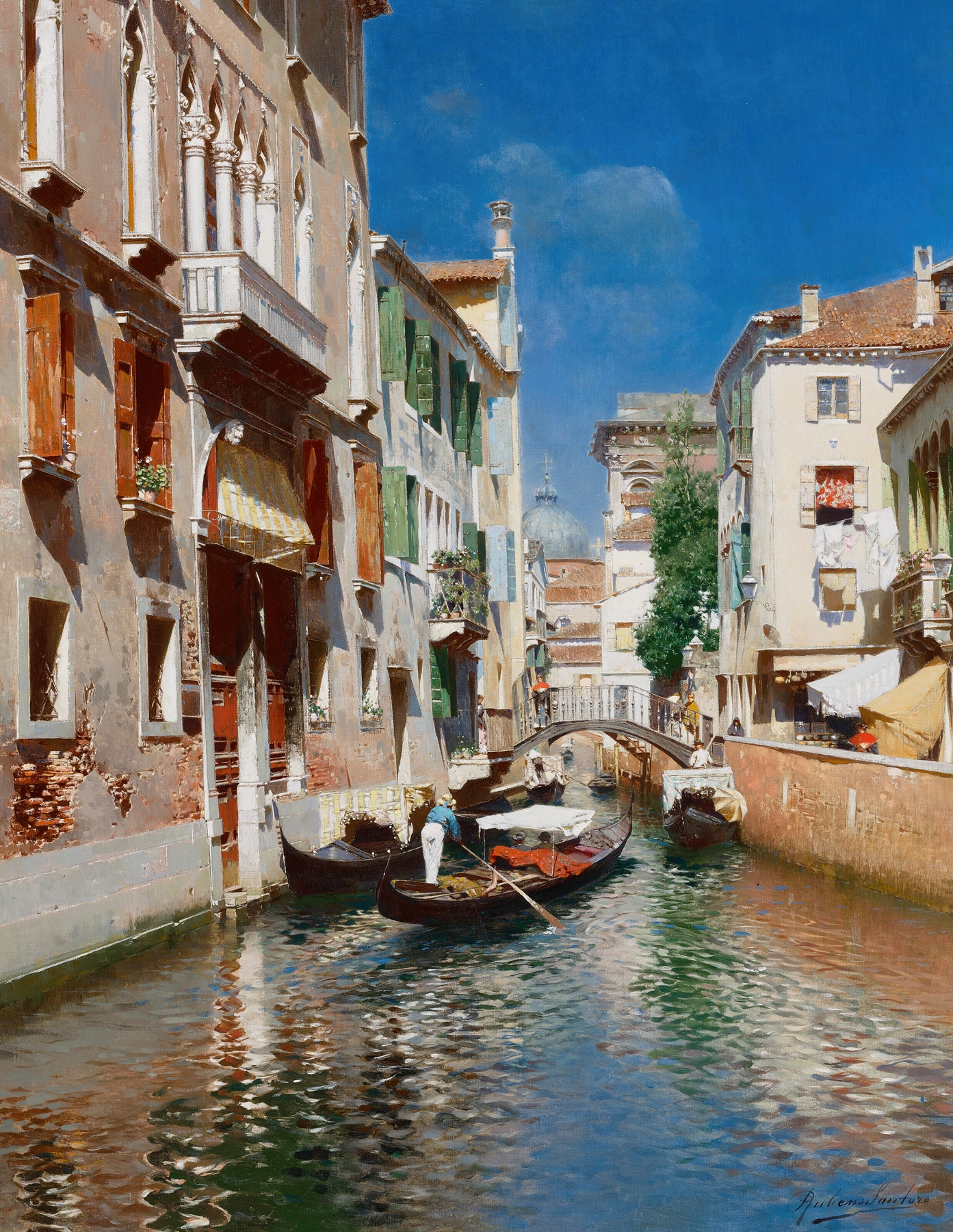
Rubens Santoro painted this work during a time when the Impressionist movement was blossoming, somewhere between the late 19th and early 20th centuries. Amidst the vibrant art scene, he found himself navigating the delicate balance between realism and the emerging avant-garde styles. Creating in Venice, a city renowned for its beauty and intrigue, he captured not only the picturesque scenery but also the underlying emotional tensions of the human condition, reflecting the complexities of trust in relationships.