The Grand Canal, Venice — History & Analysis
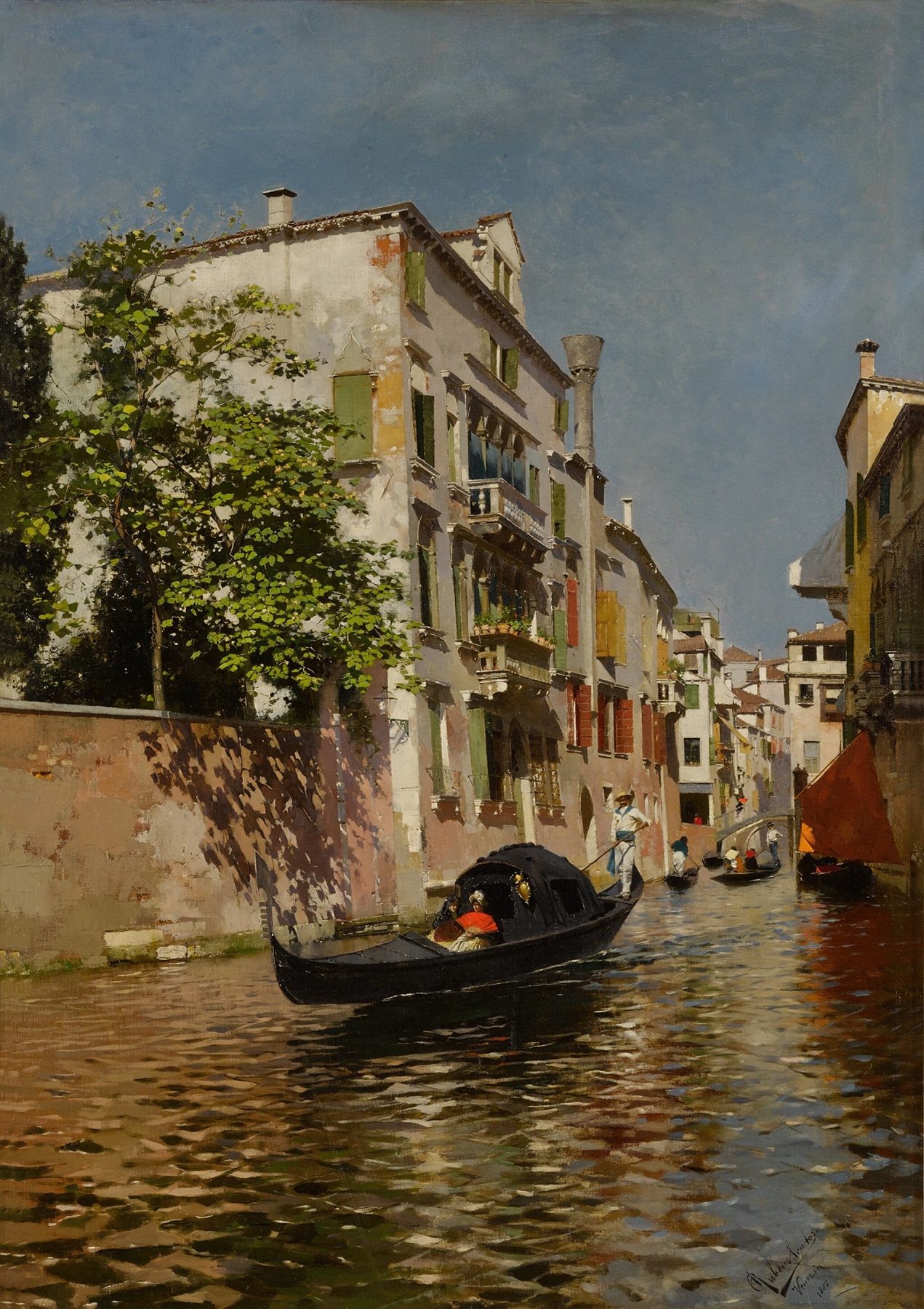
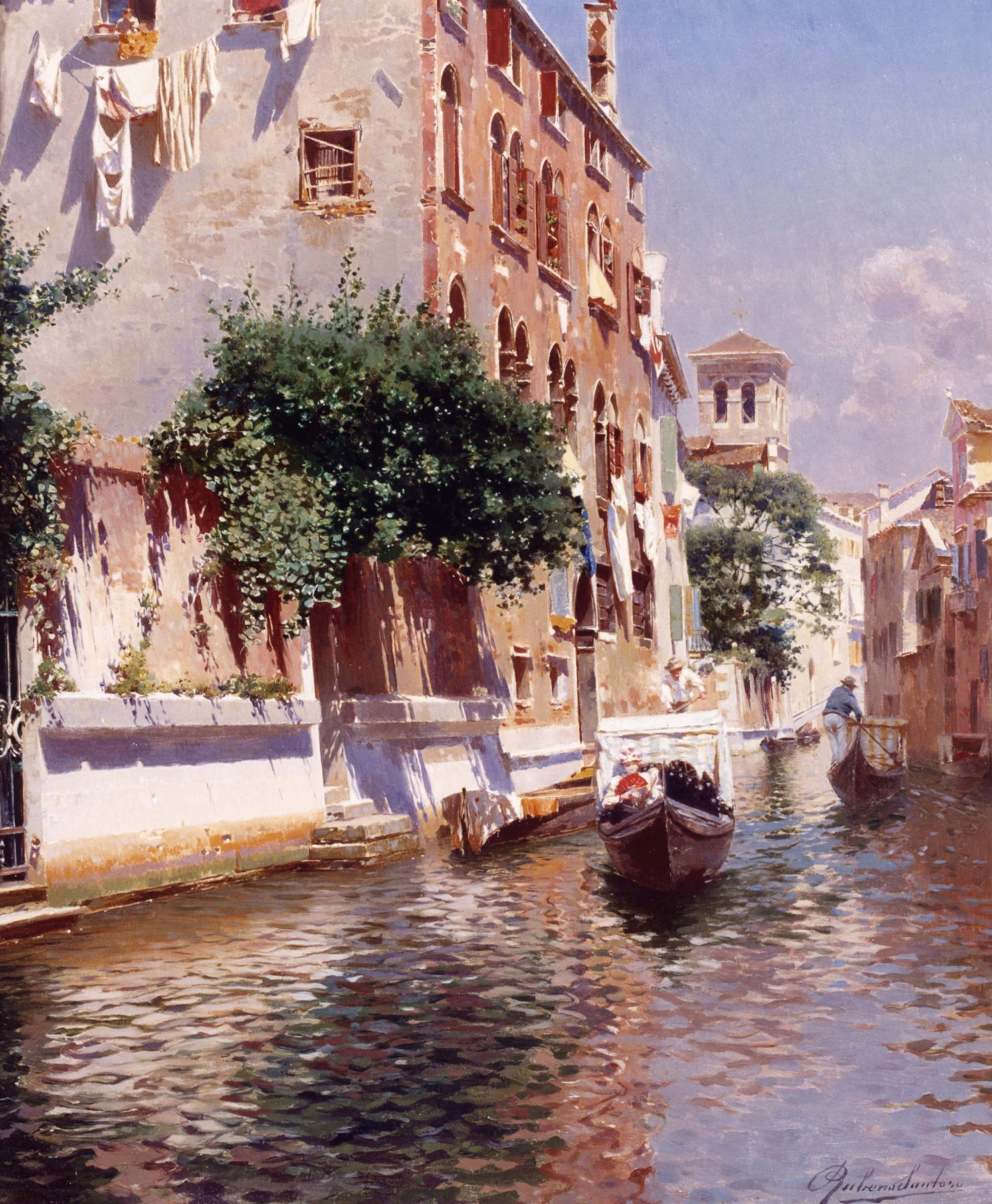
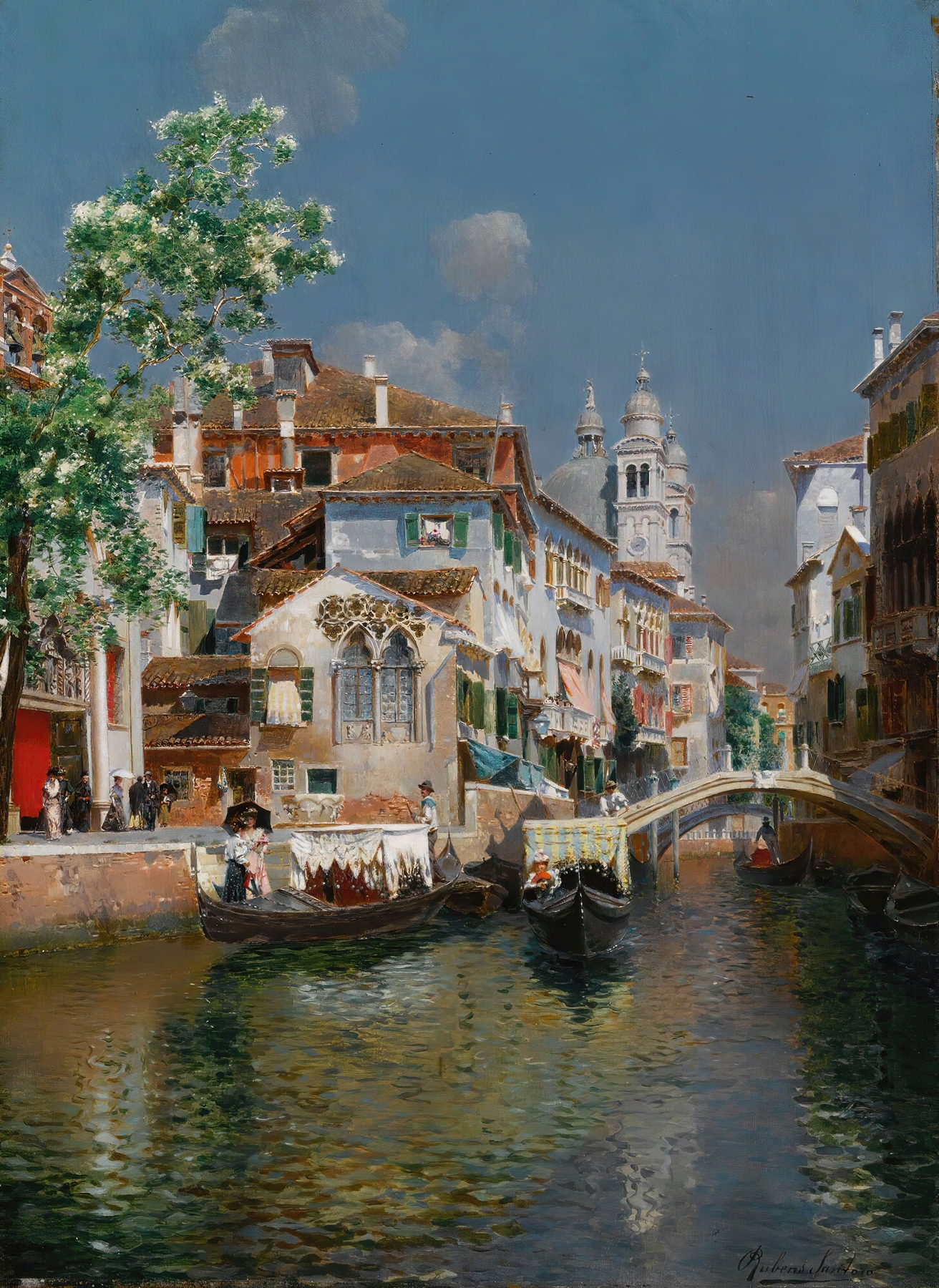
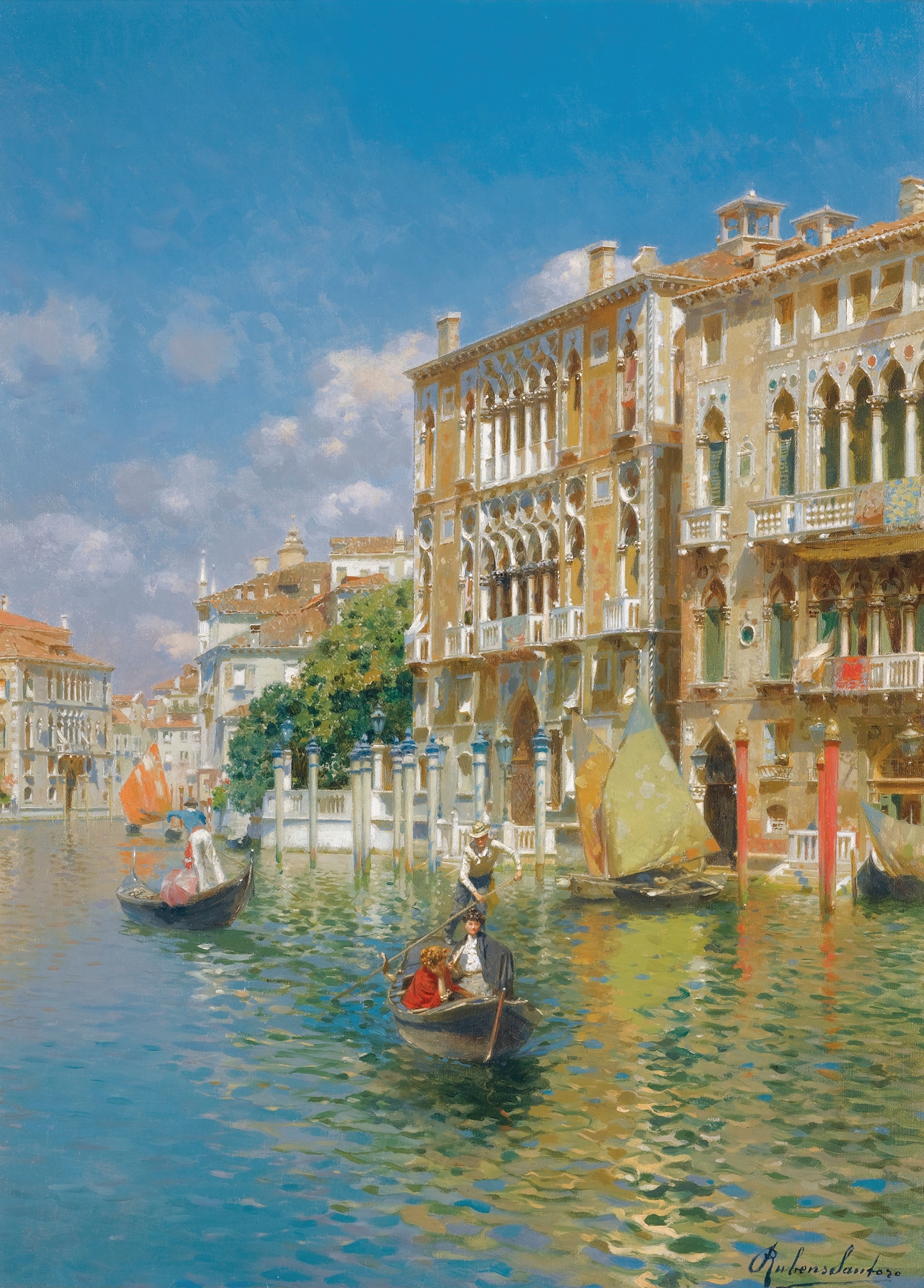
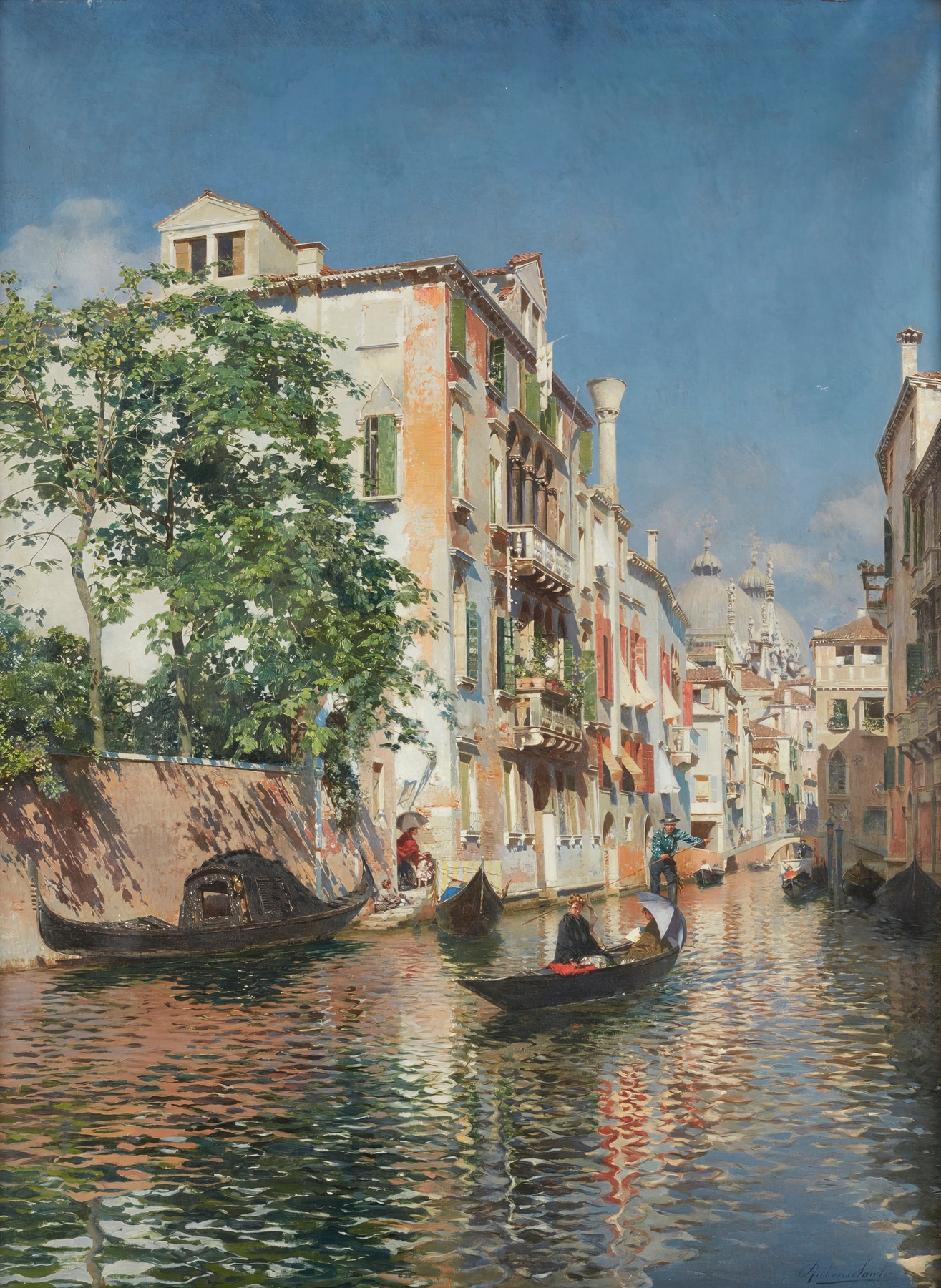
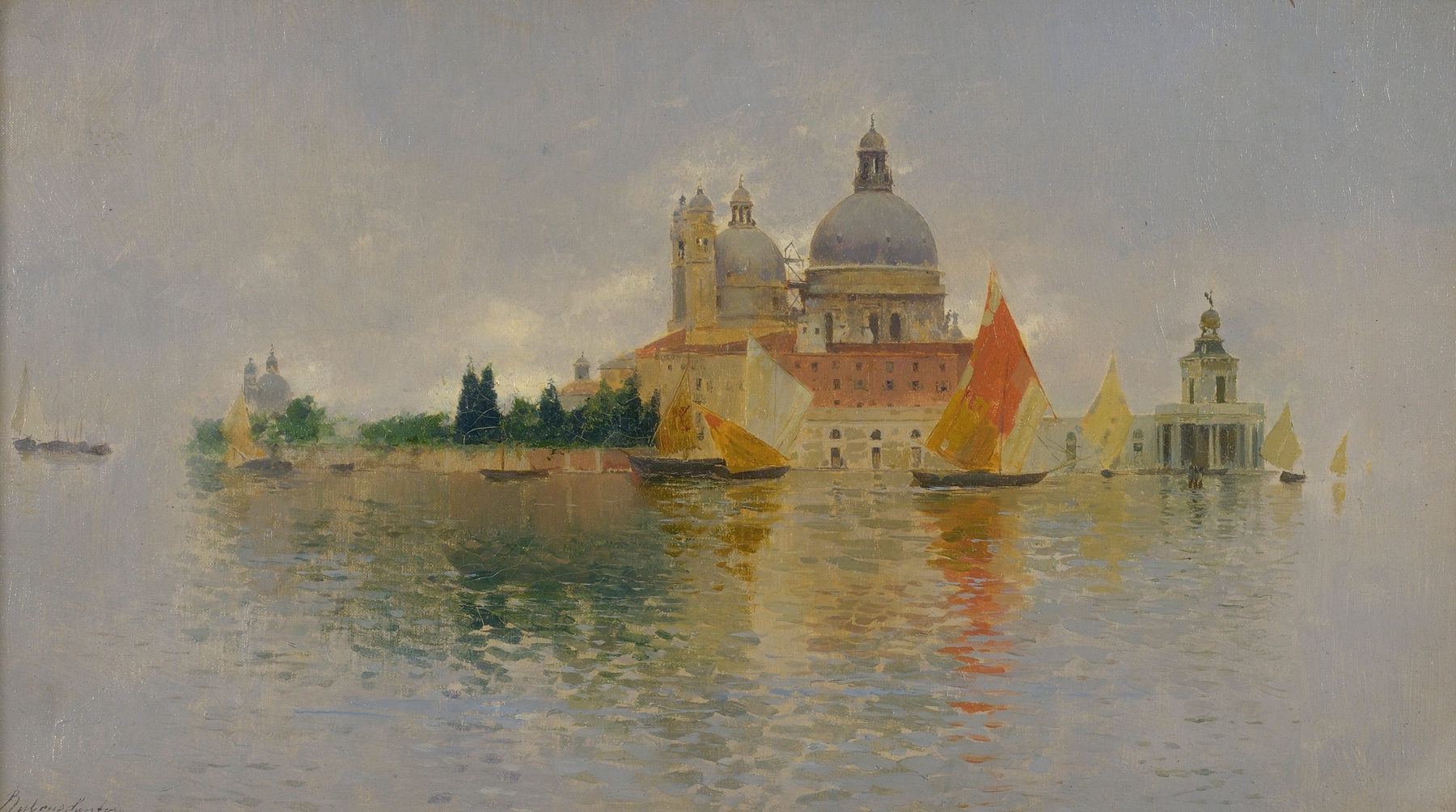
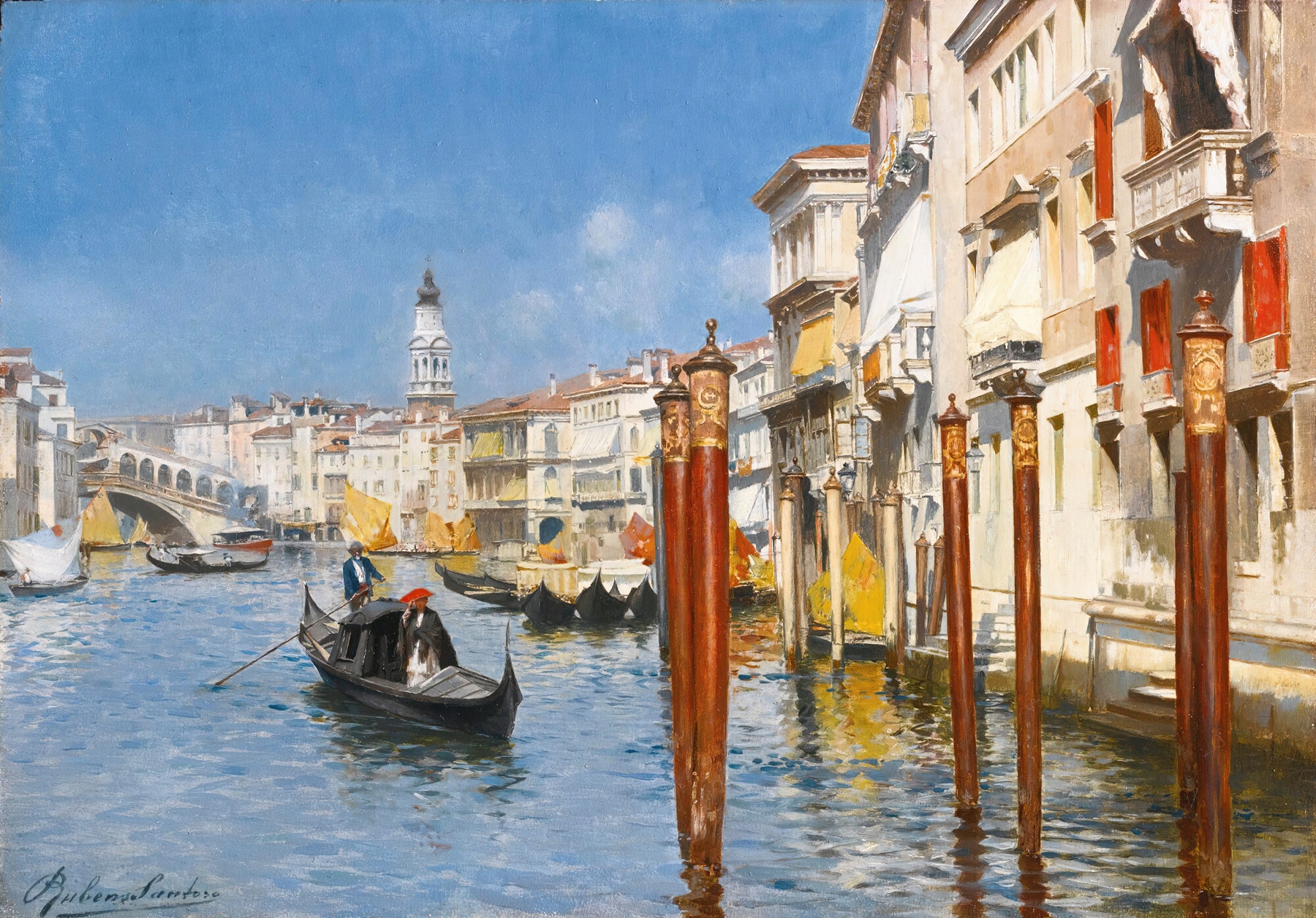
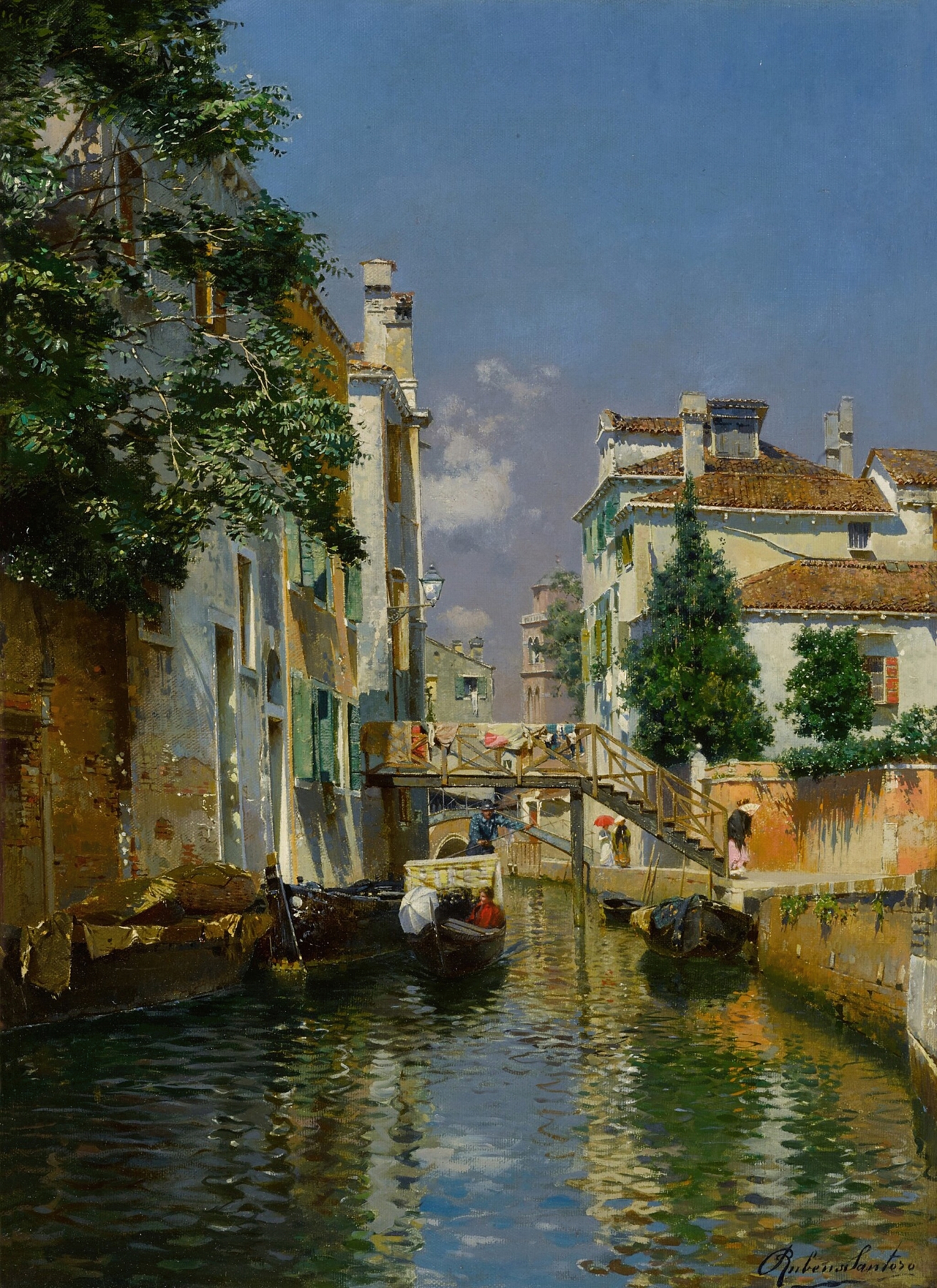
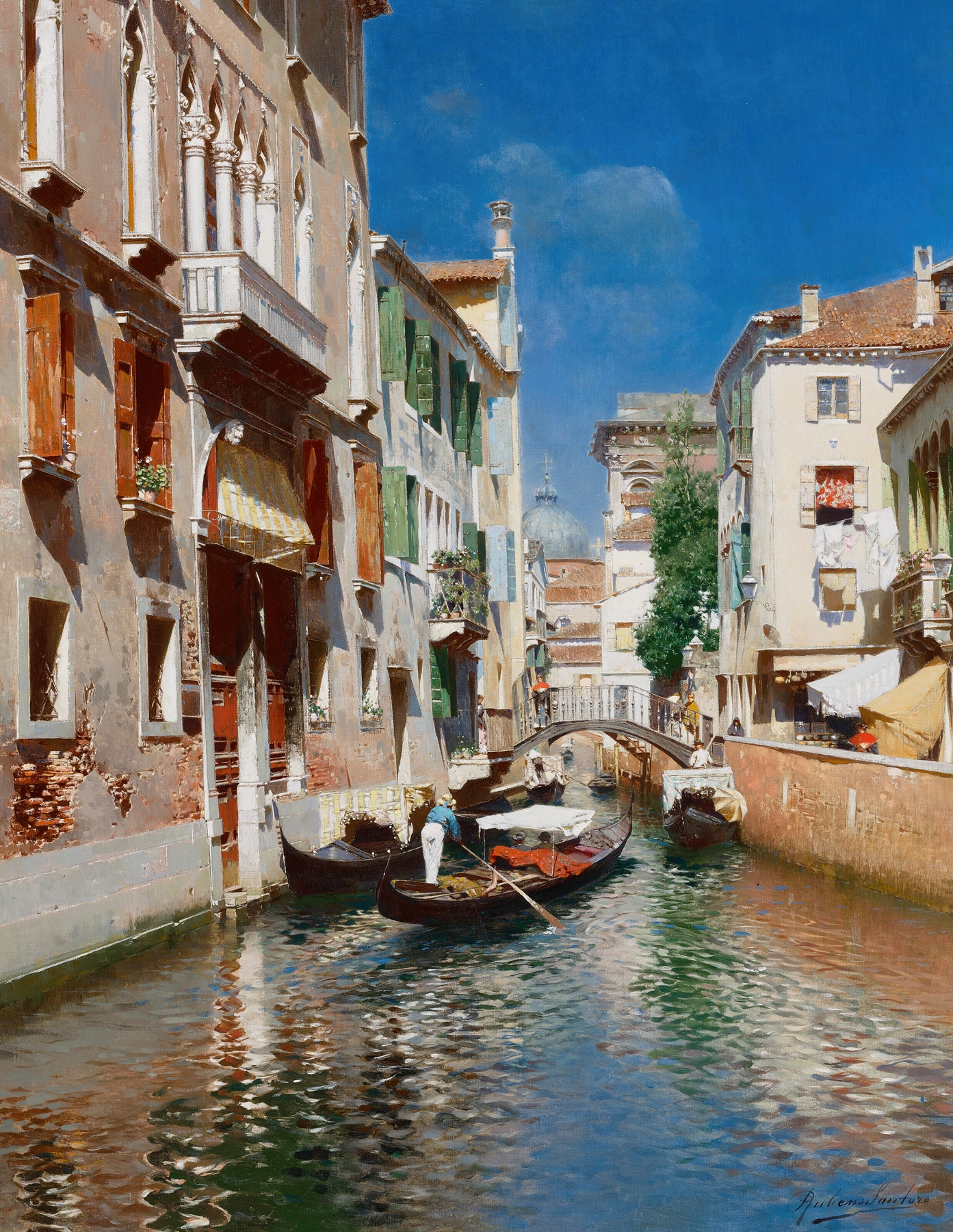
“Under the brush, chaos becomes grace.” In The Grand Canal, Venice, the delicate interplay of decay and beauty captures a moment subdued yet vibrant, as if the city breathes through the layers of paint. Look to the right at the weathered facades of the buildings, their intricate details rendered with a soft luminosity that evokes a sense of nostalgia. Notice how the light falls upon the canal's surface, rippling gently, reflecting the remnants of a once-majestic city. The palette blends muted earth tones with hints of cool blues, creating a harmony that speaks to both the allure and the impermanence of Venice, as time unfurls in soft strokes across the canvas.
Hidden within the swirling water and crumbling architecture lies a tension between the vibrancy of life and the inevitability of decay. This duality is further underscored by the silhouettes of gondolas, gliding silently through the scene—symbols of both tourism and the fading essence of a city adrift in history. Each brushstroke reveals a dialogue between light and shadow, suggesting that amidst decline, there remains a haunting beauty that invites contemplation.
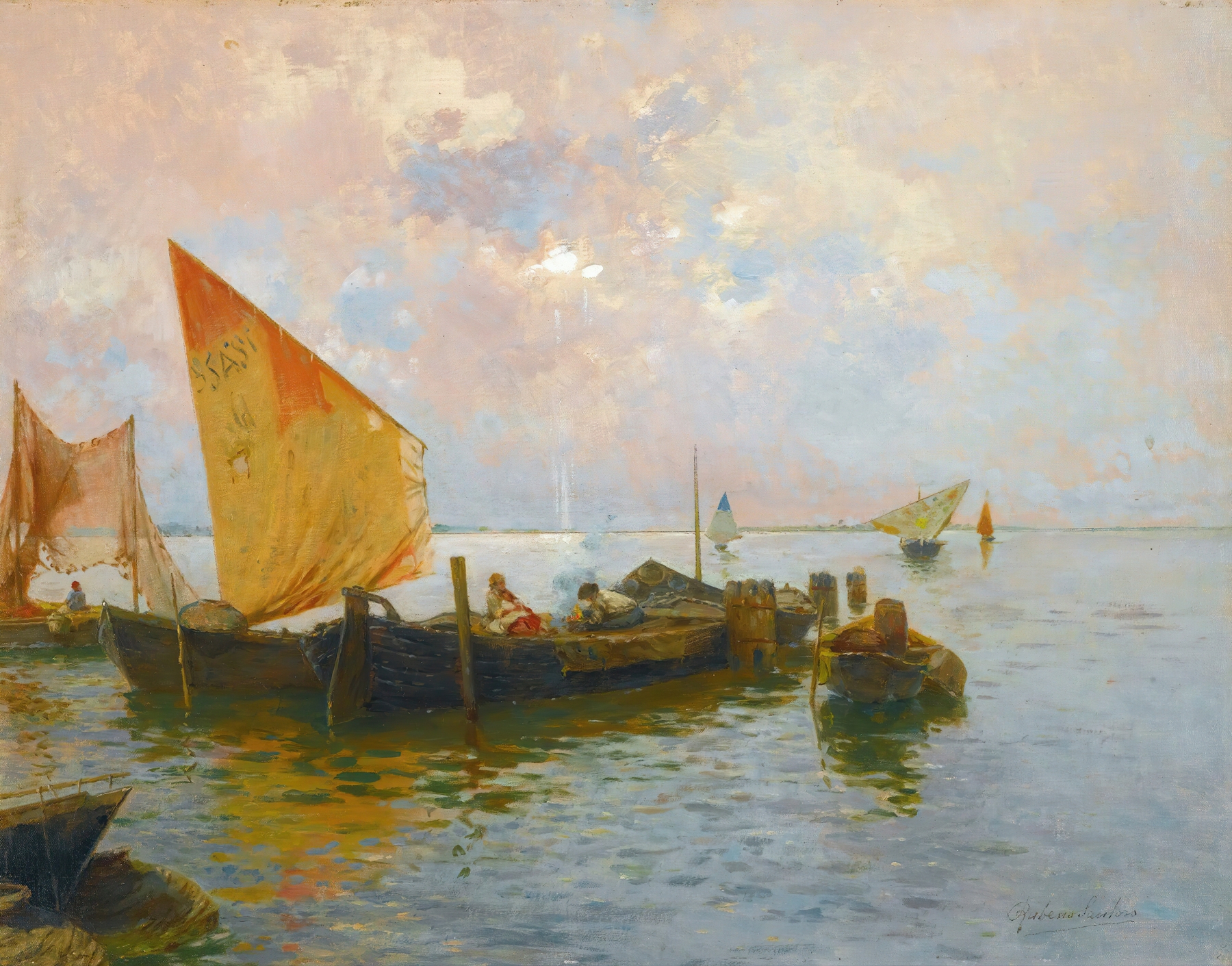
Rubens Santoro painted this piece during a time when Venice was grappling with the dual forces of decline and preservation. Active in the late 19th century, he sought to capture the essence of his surroundings with emotive realism, as the world around him transitioned into modernity. His work reflects both the artist's personal connection to the city and a broader aching awareness of the fragility of cultural heritage, immortalized in the chaos of his brushwork.