Punta Della Dogana — History & Analysis
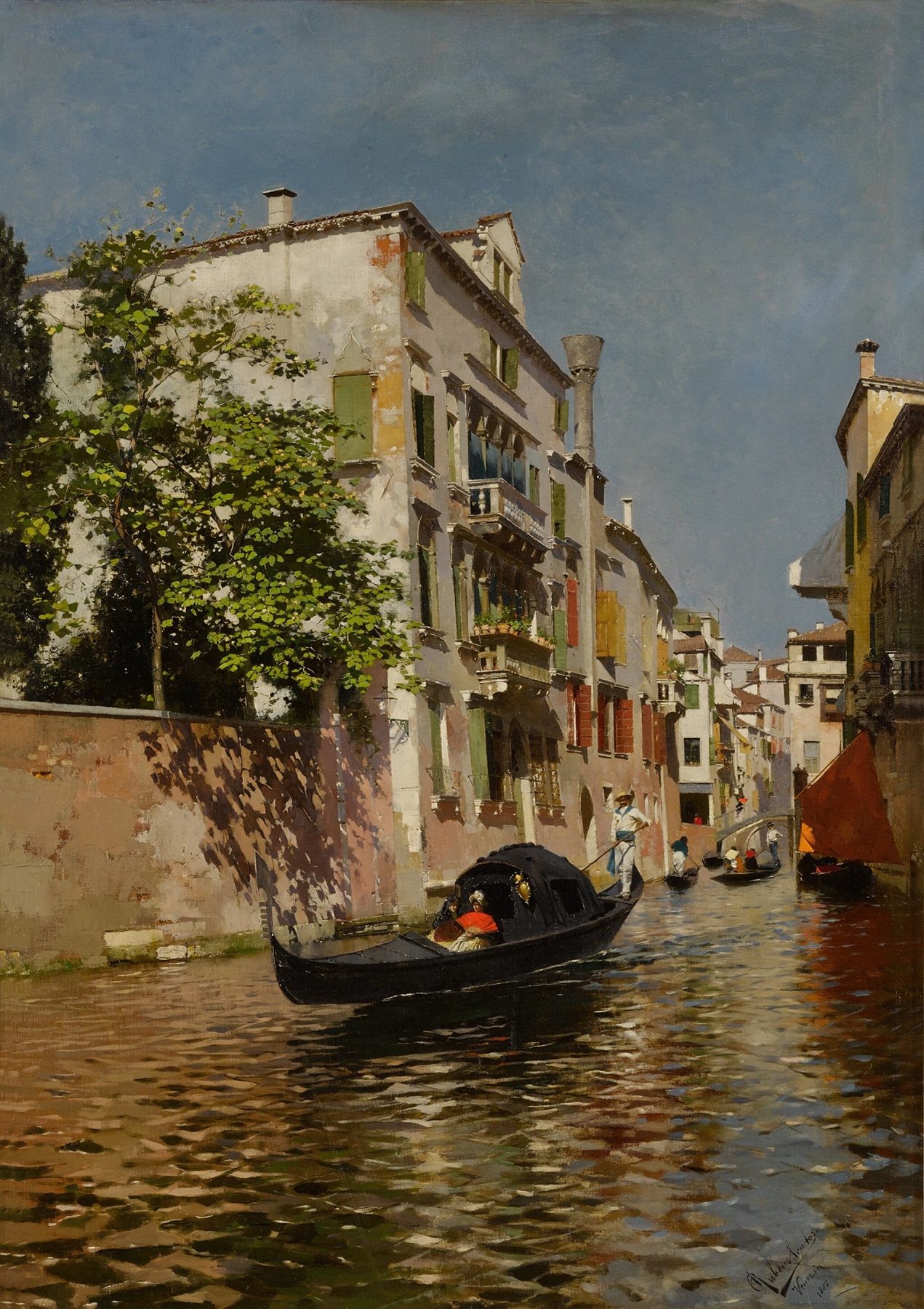
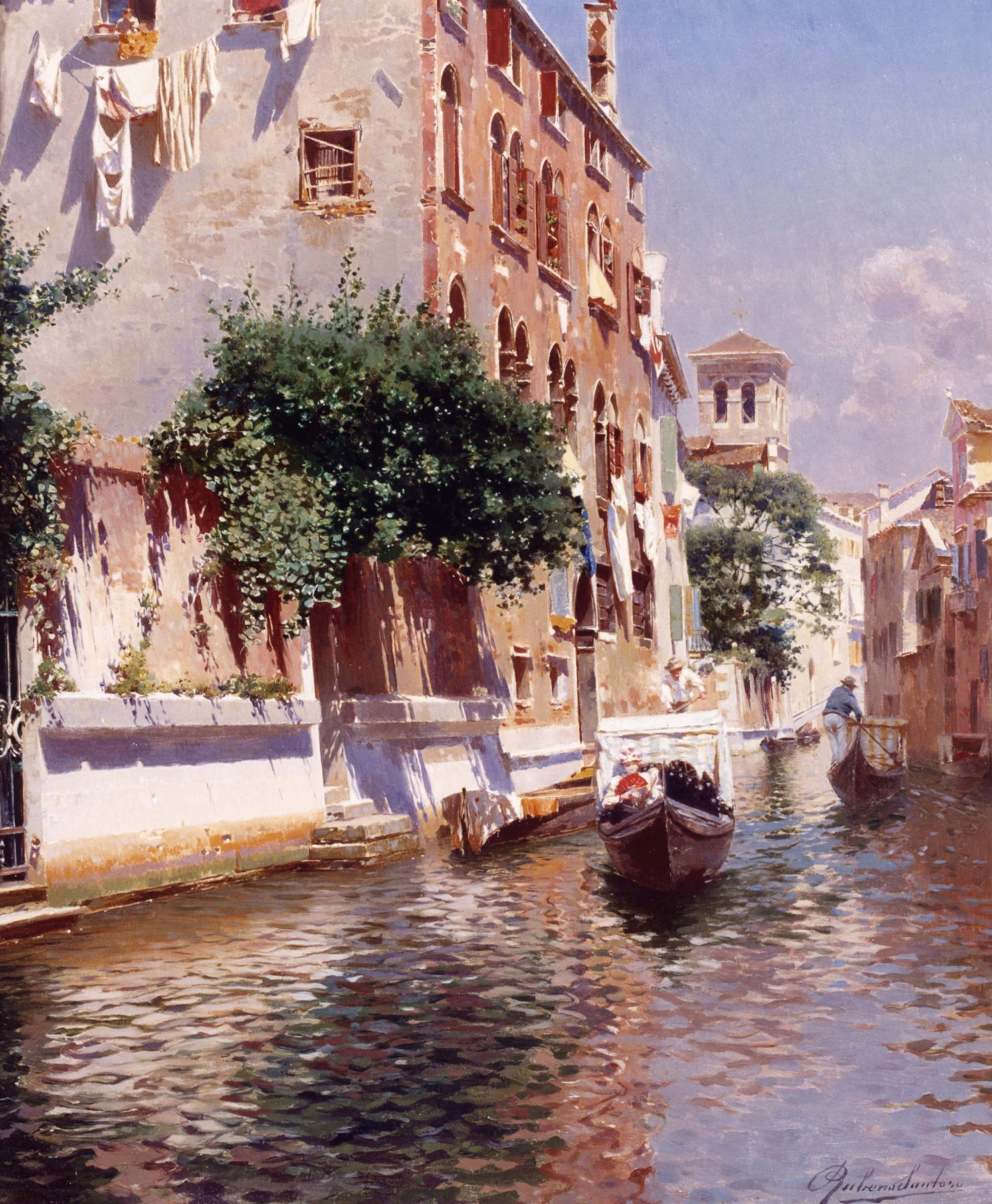
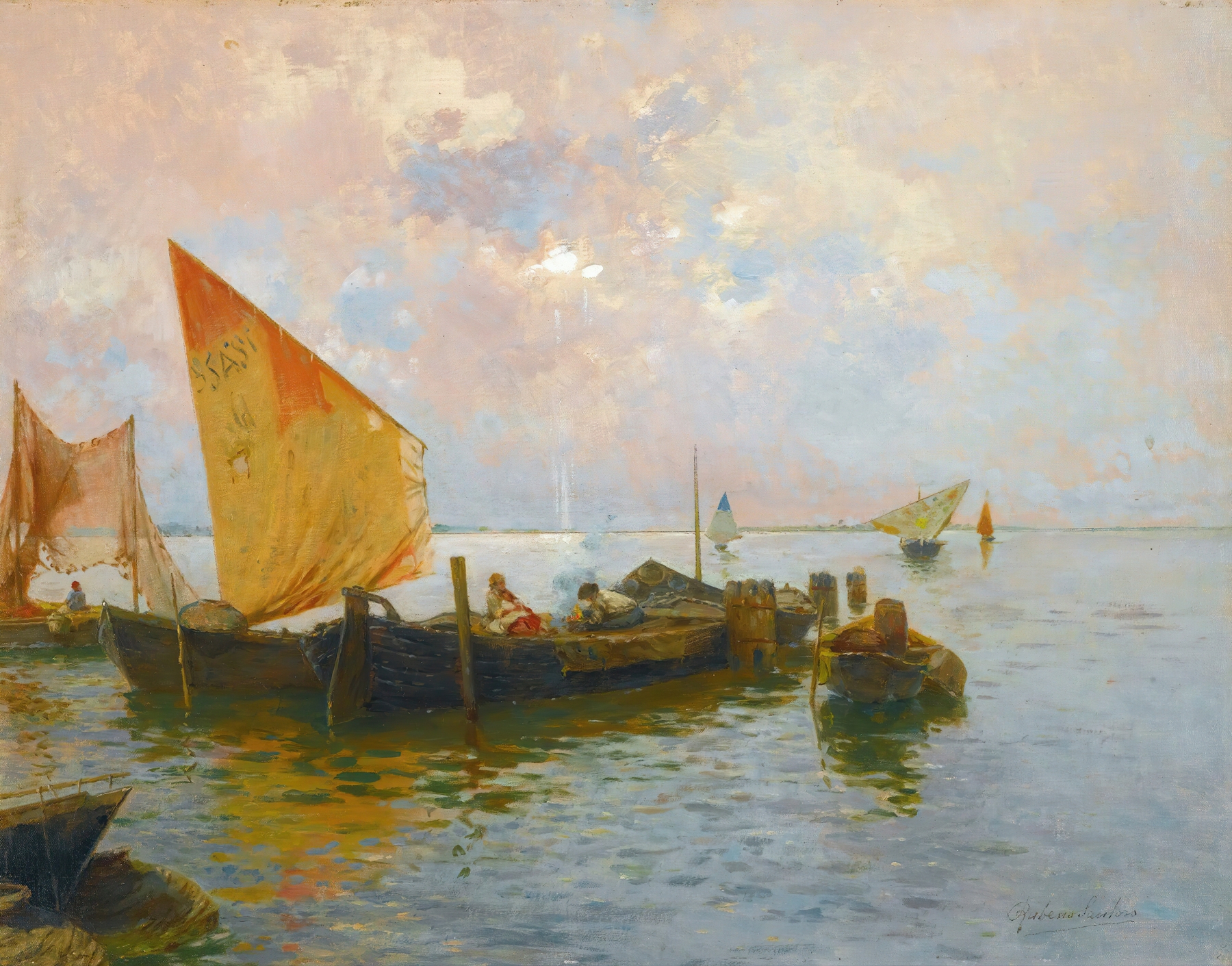
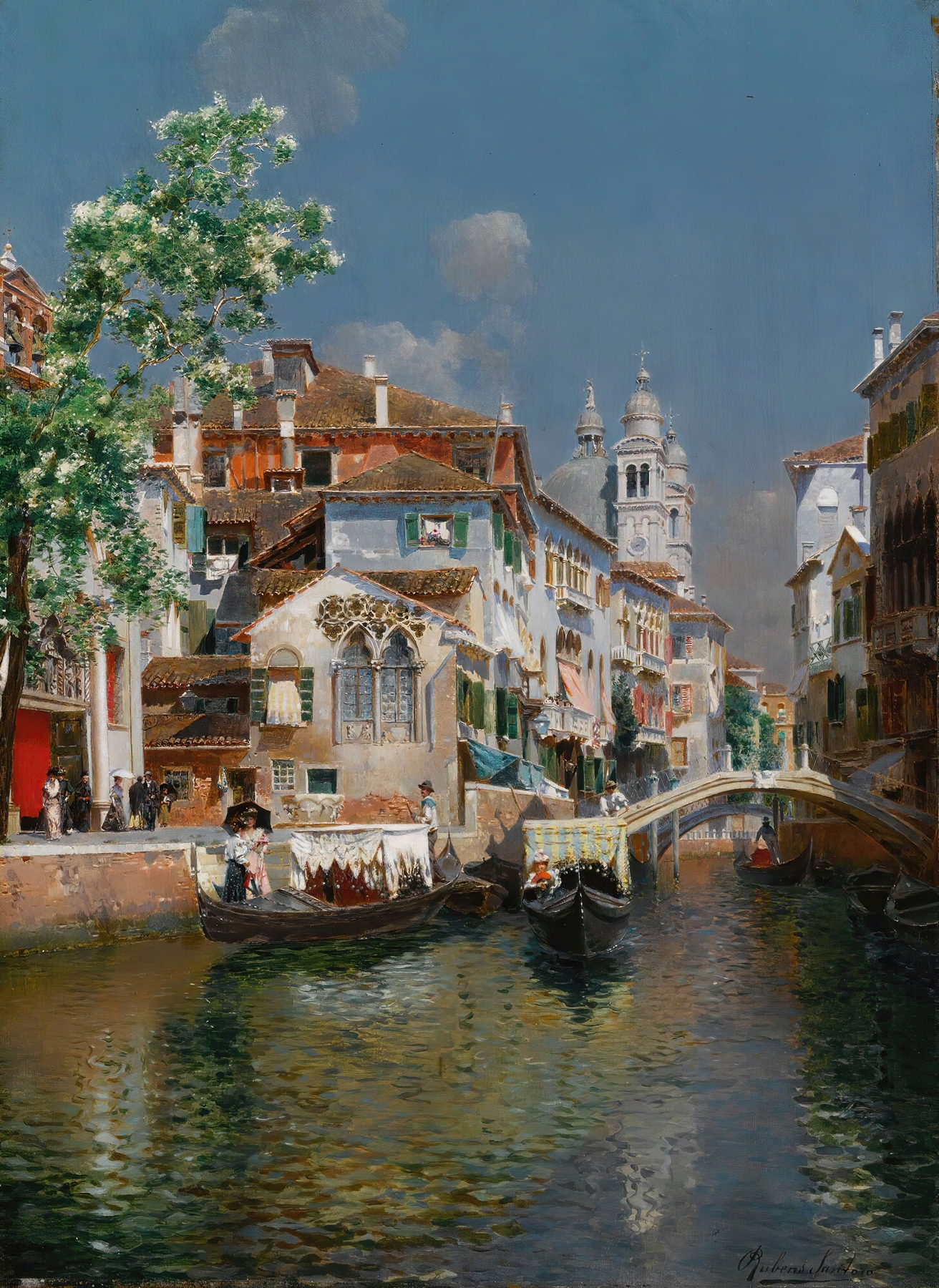
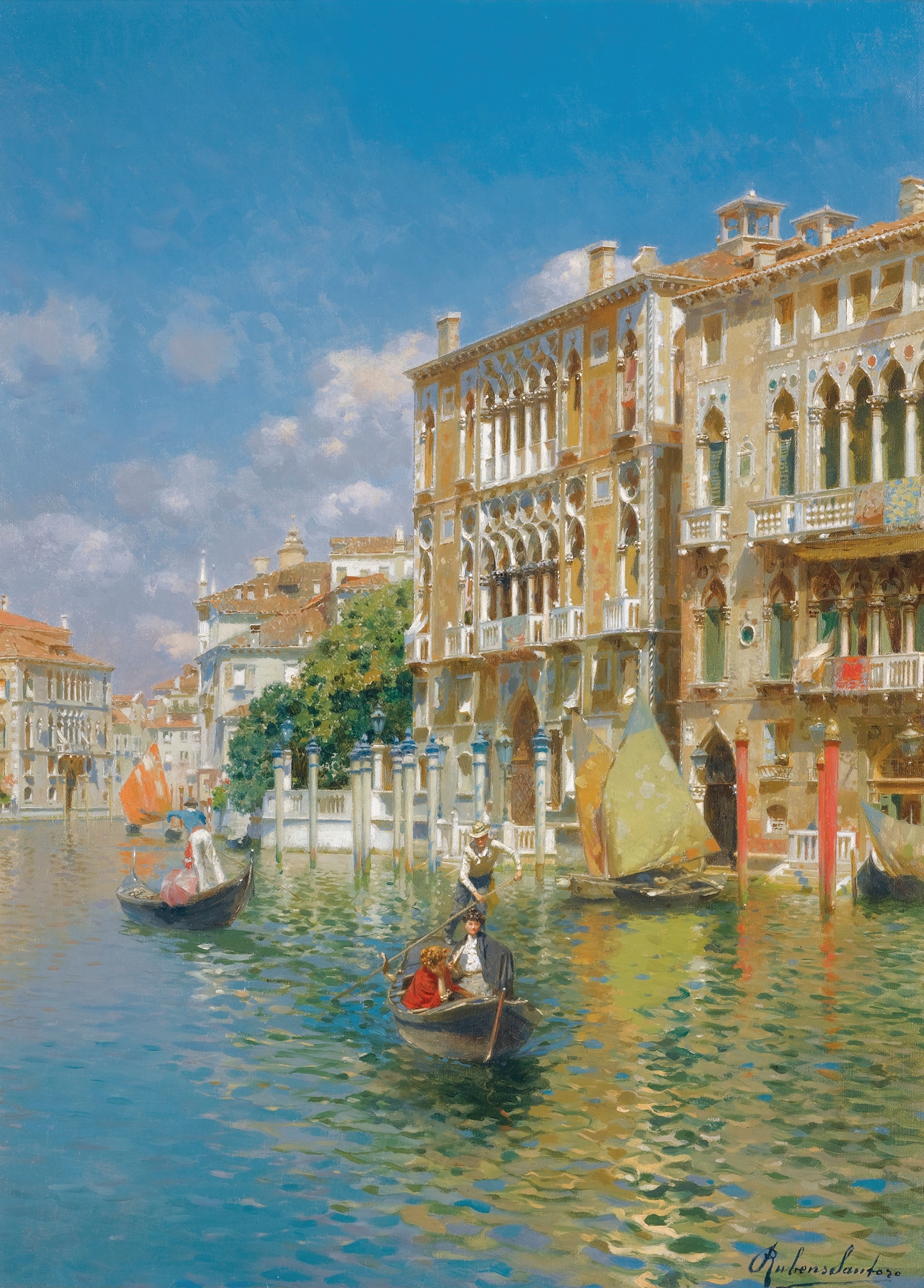
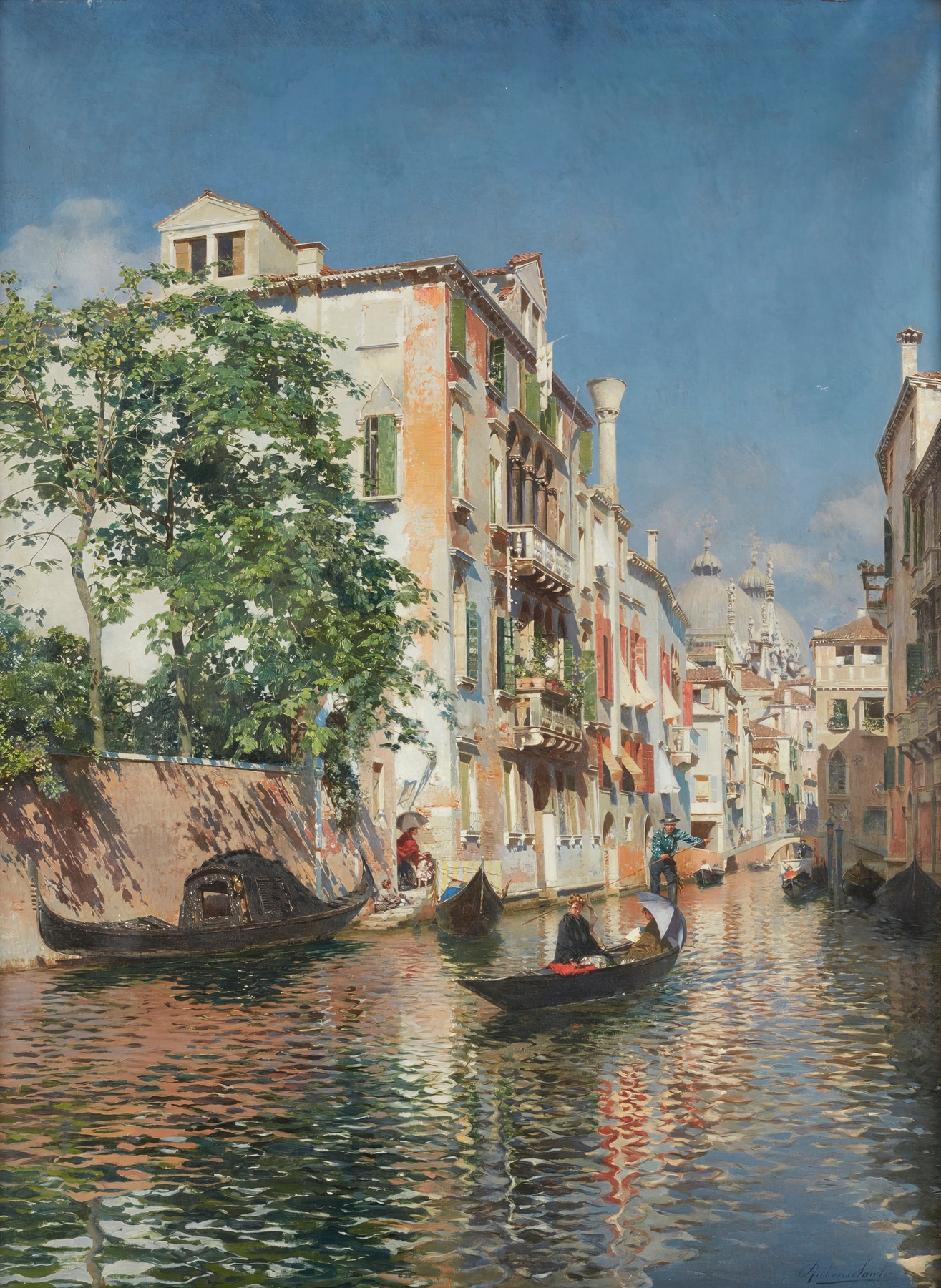
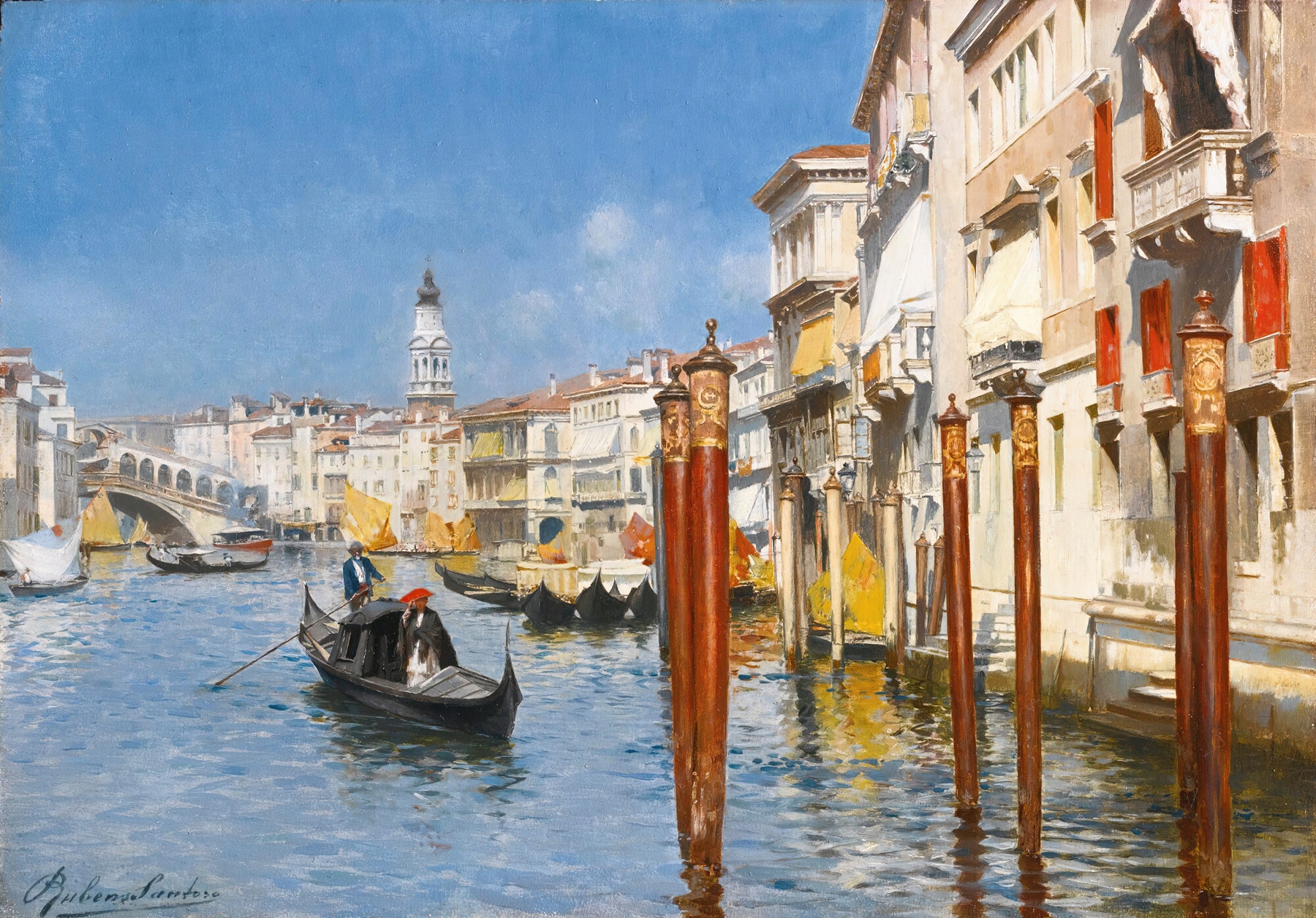
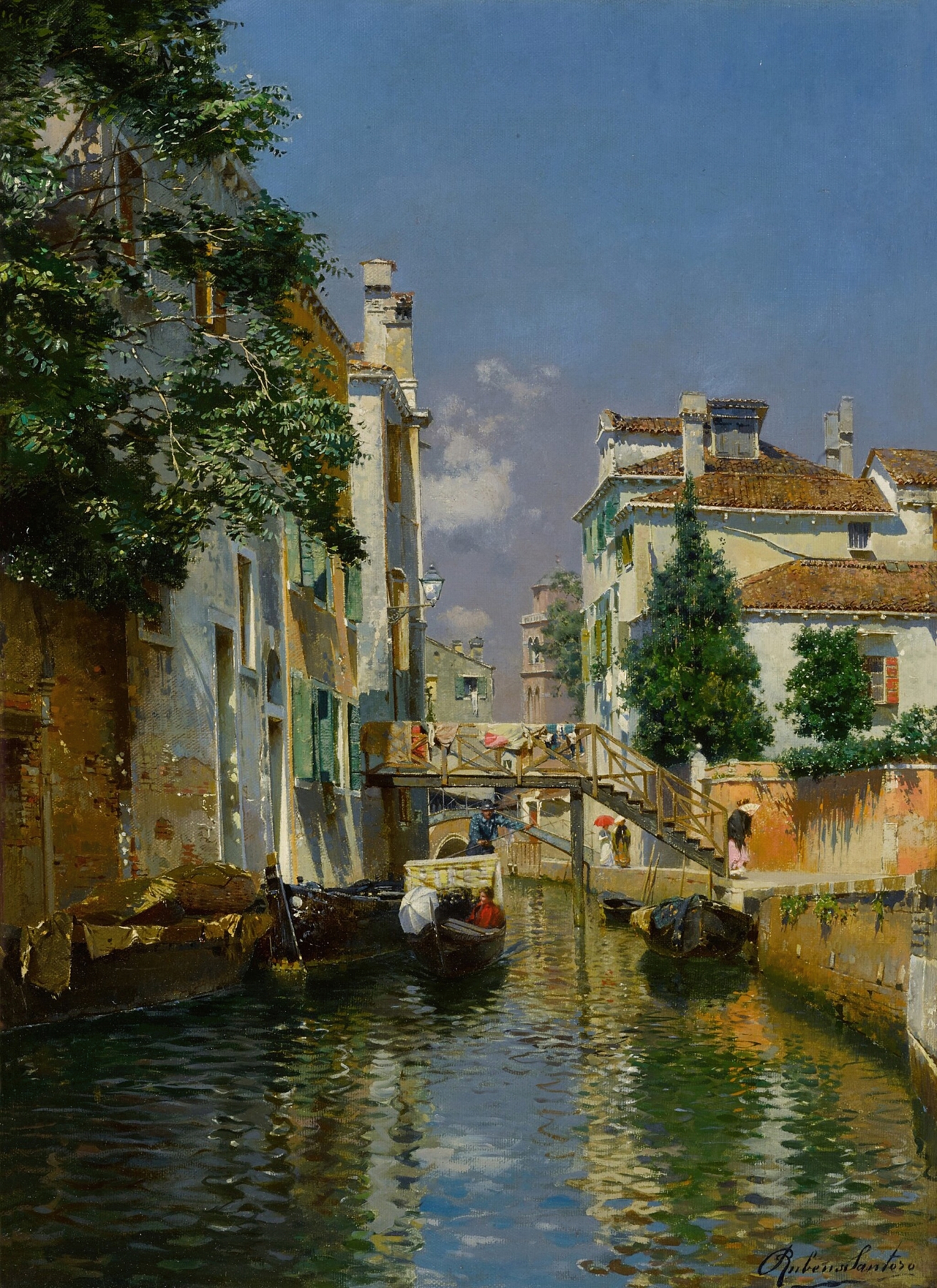
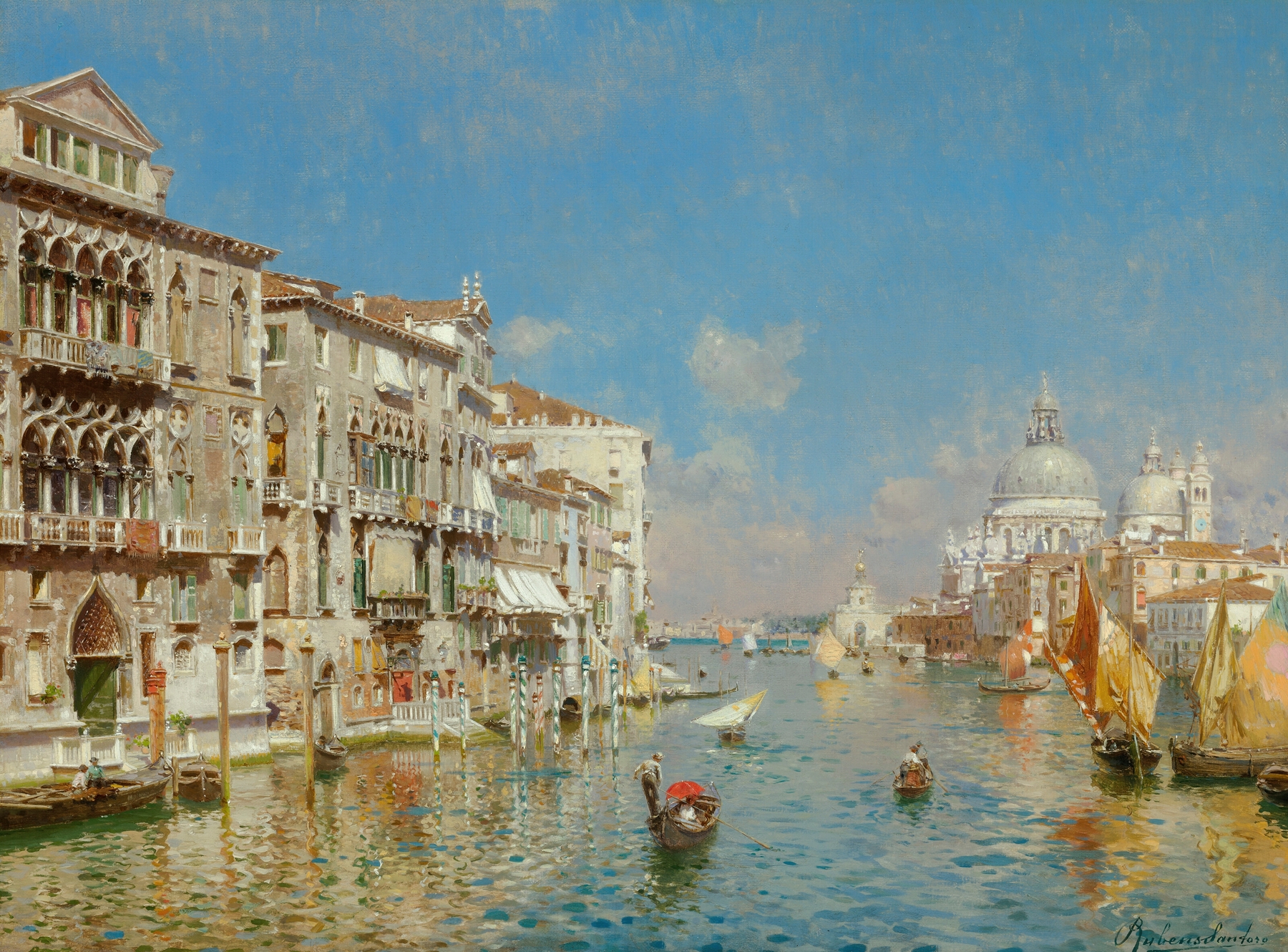
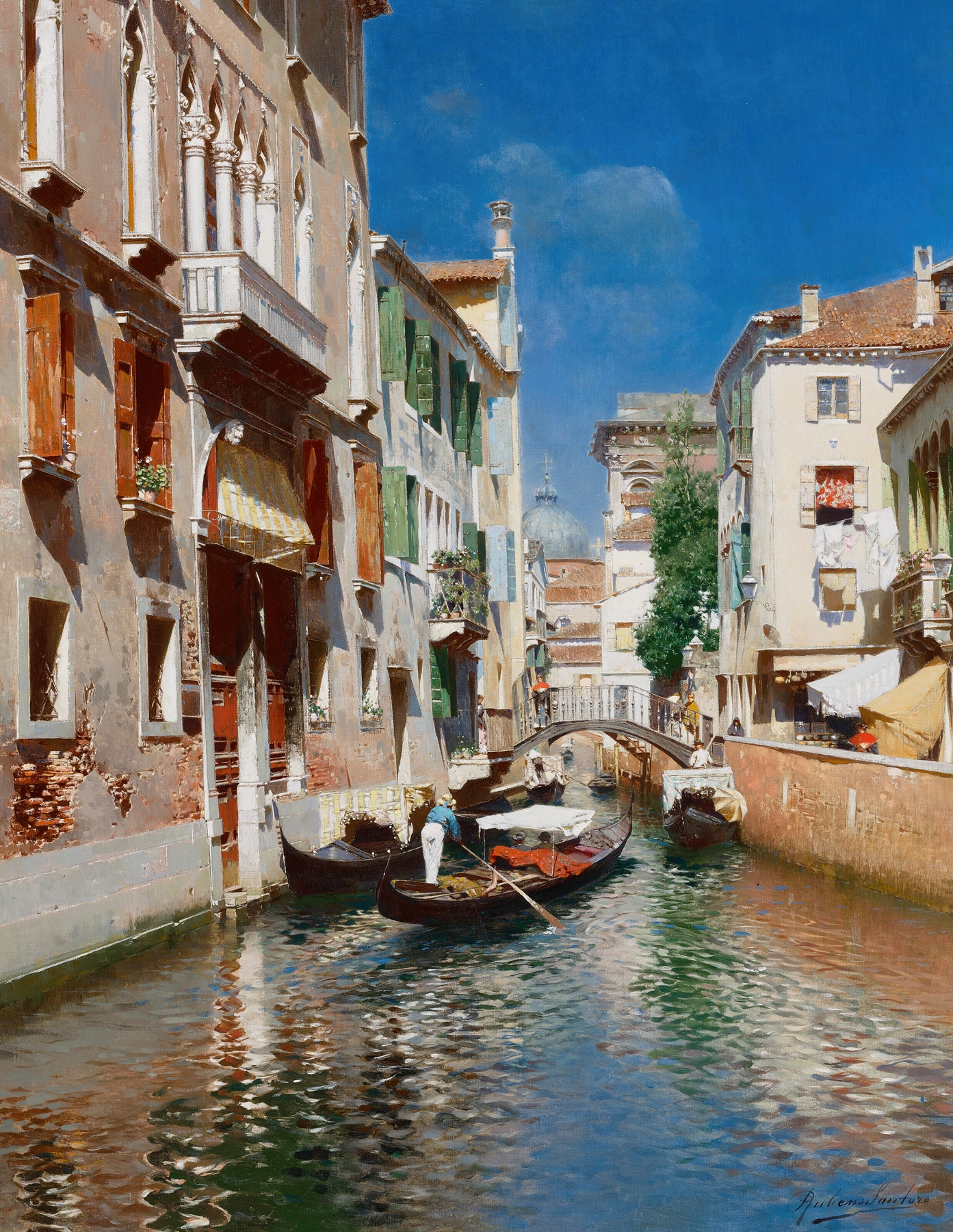
When did color learn to lie? It whispers secrets beneath the surface, shifting and shimmering in ways that challenge our understanding of reality. In the hands of an artist, it becomes a language all its own, weaving narratives that are as complex as they are beautiful. Look to the serene blues and greens that dominate the canvas, drawing the eye toward the gentle embrace of the water against the warm hues of the shoreline.
Notice how the brush strokes create a sense of movement, as if the waves are gently lapping at the edge of the painting. The interplay of light illuminates the scene, casting shadows that suggest depth and mystery, while the intricate details invite a closer inspection of the bustling life depicted in this coastal setting. Beneath the tranquil surface, a vivid contrast unfolds—a tension between nature’s serenity and the hints of human activity. The boats, though small, represent industry and commerce, reminding us of life’s ceaseless motion.
Each splash of color carries a weight of emotion, evoking nostalgia and longing for a moment frozen in time, while also hinting at the transience of both life and beauty. Rubens Santoro created this masterpiece in the early 20th century, a period marked by rapid change and experimentation in the world of art. Working in Italy, he was influenced by the vibrant colors and emotional depth of the region, blending impressionistic techniques with a personal touch that captured the essence of the scenes before him. His works during this time reflect a growing interest in color theory and the emotional resonance of color, setting the stage for future explorations in modern art.