A Venetian Canal, with Saint Mark’s Basilica in the Distance — History & Analysis
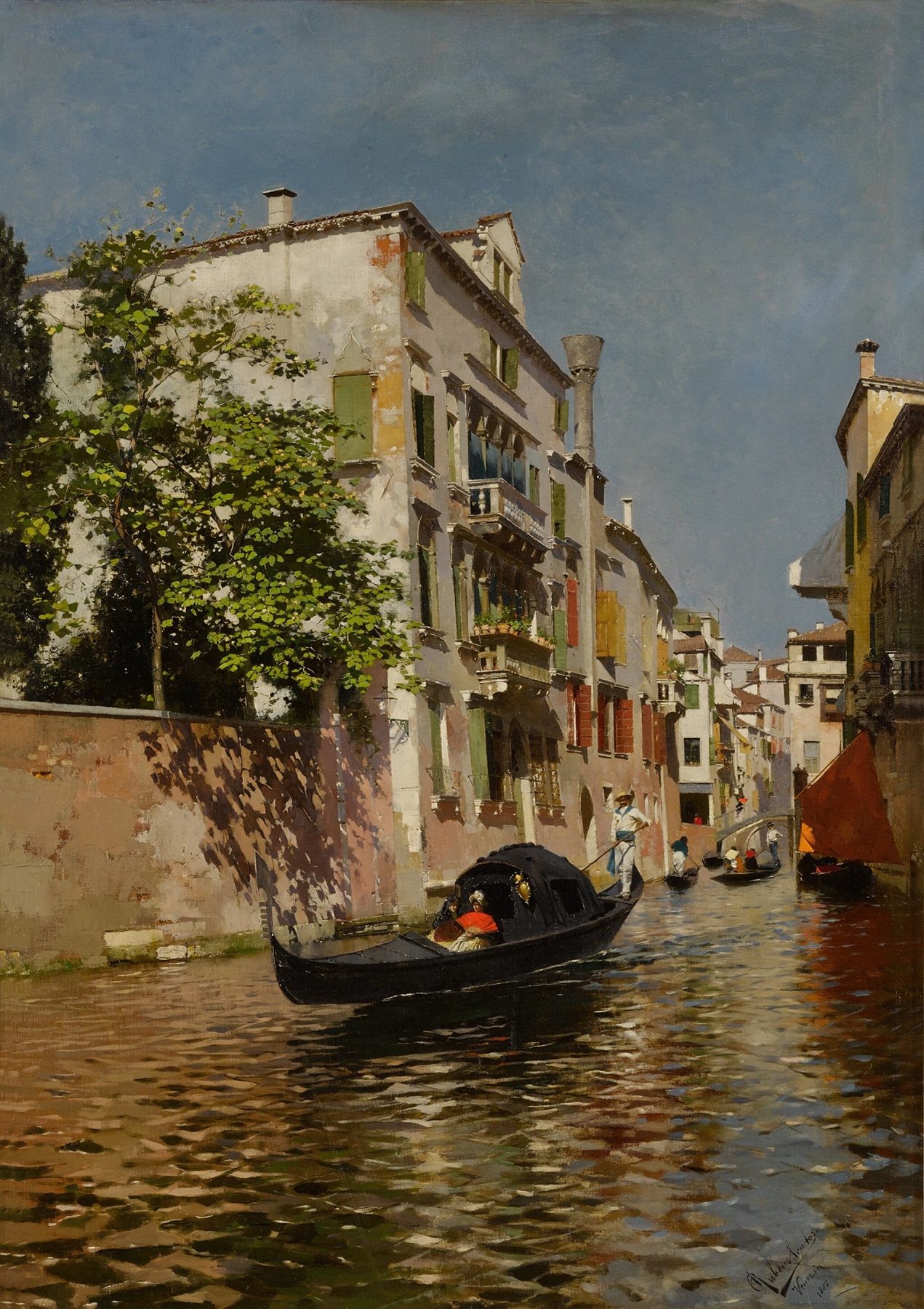
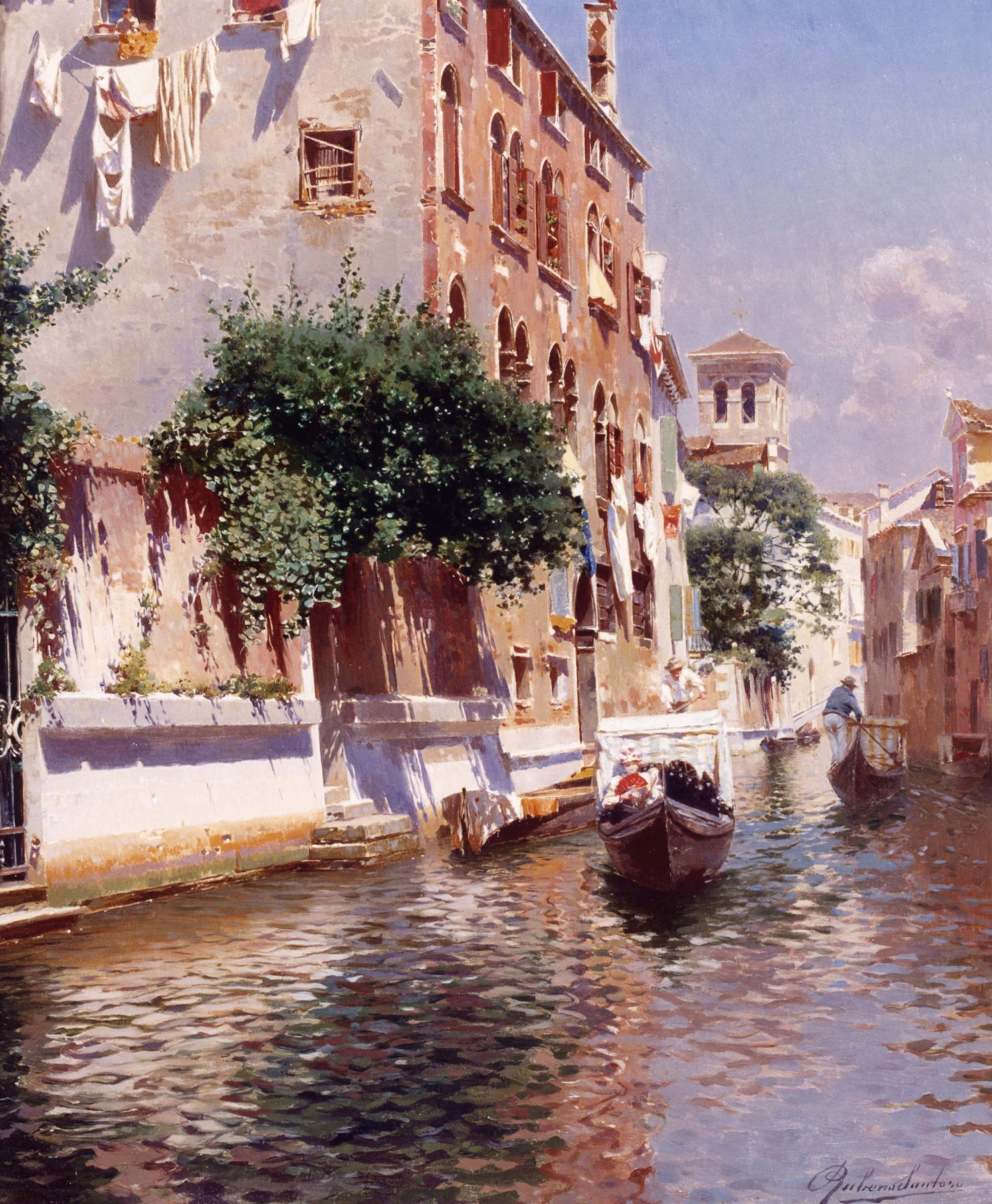
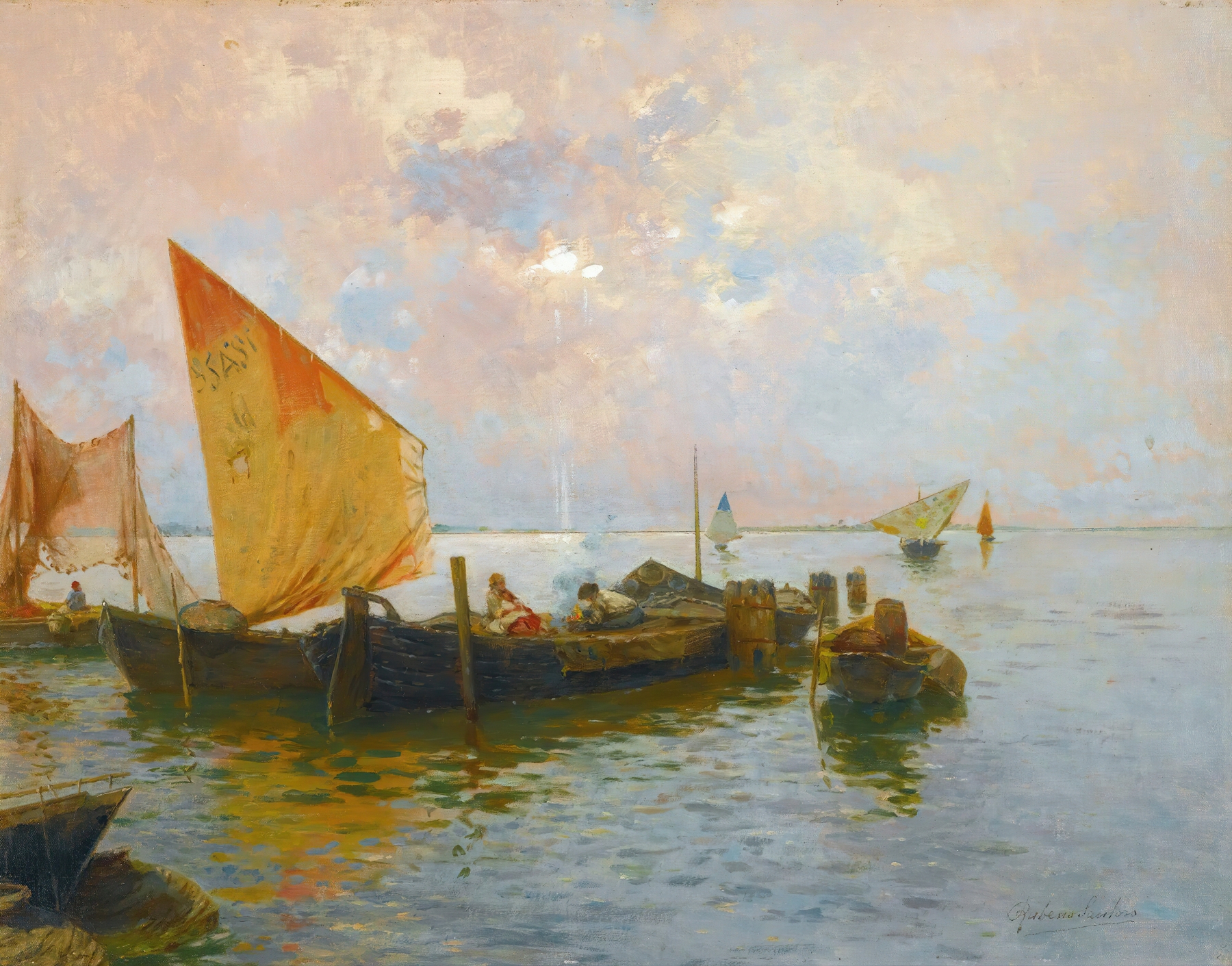
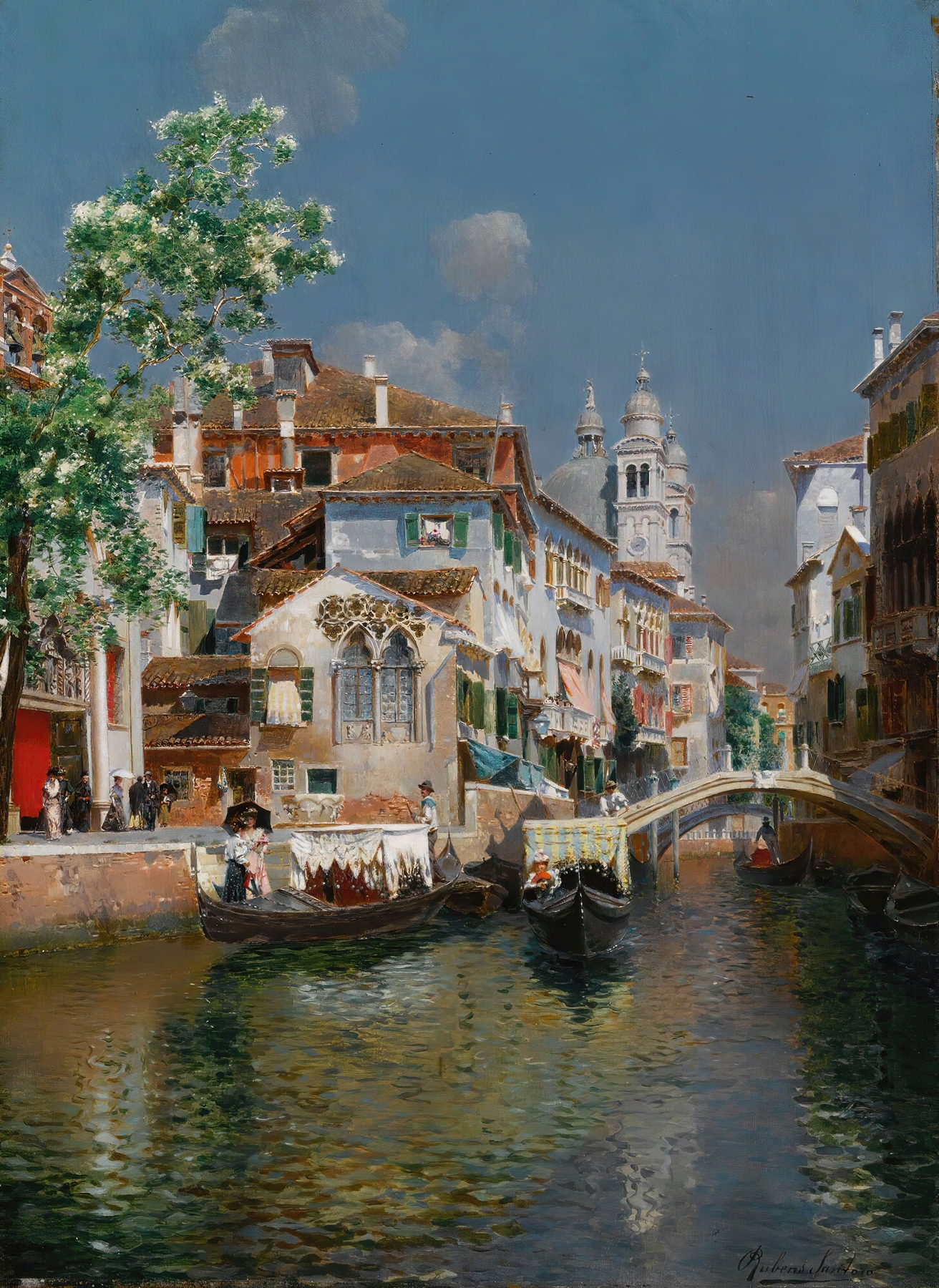
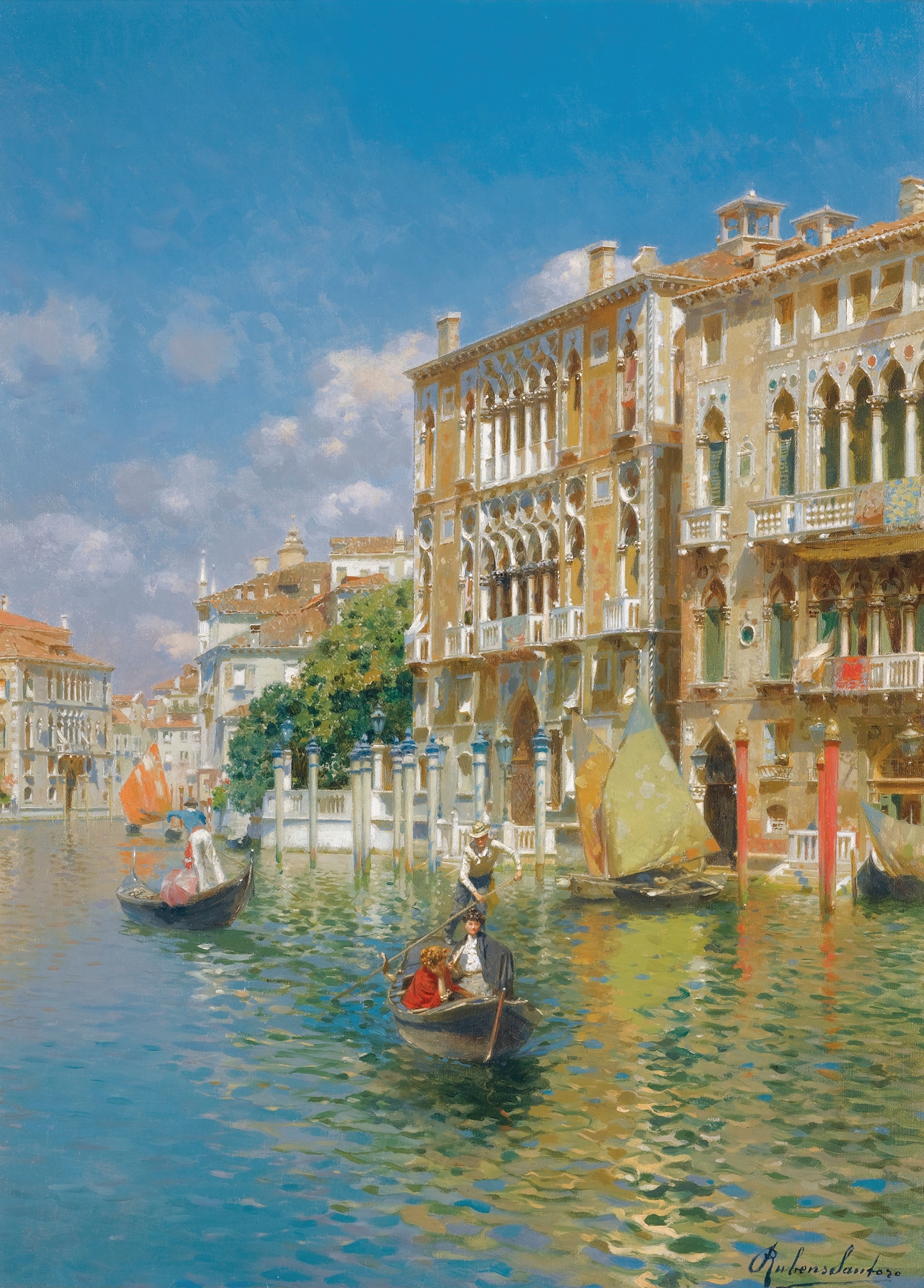
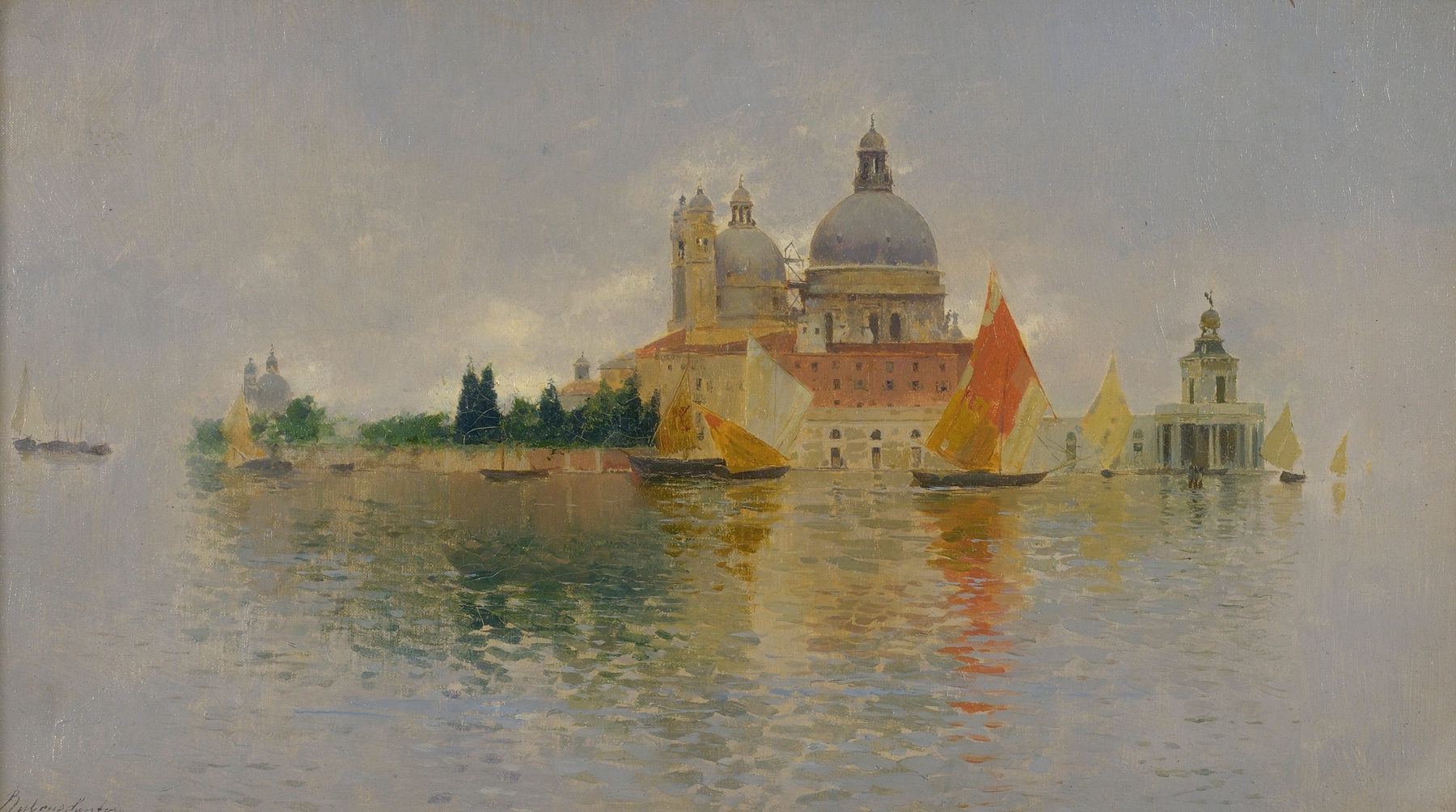
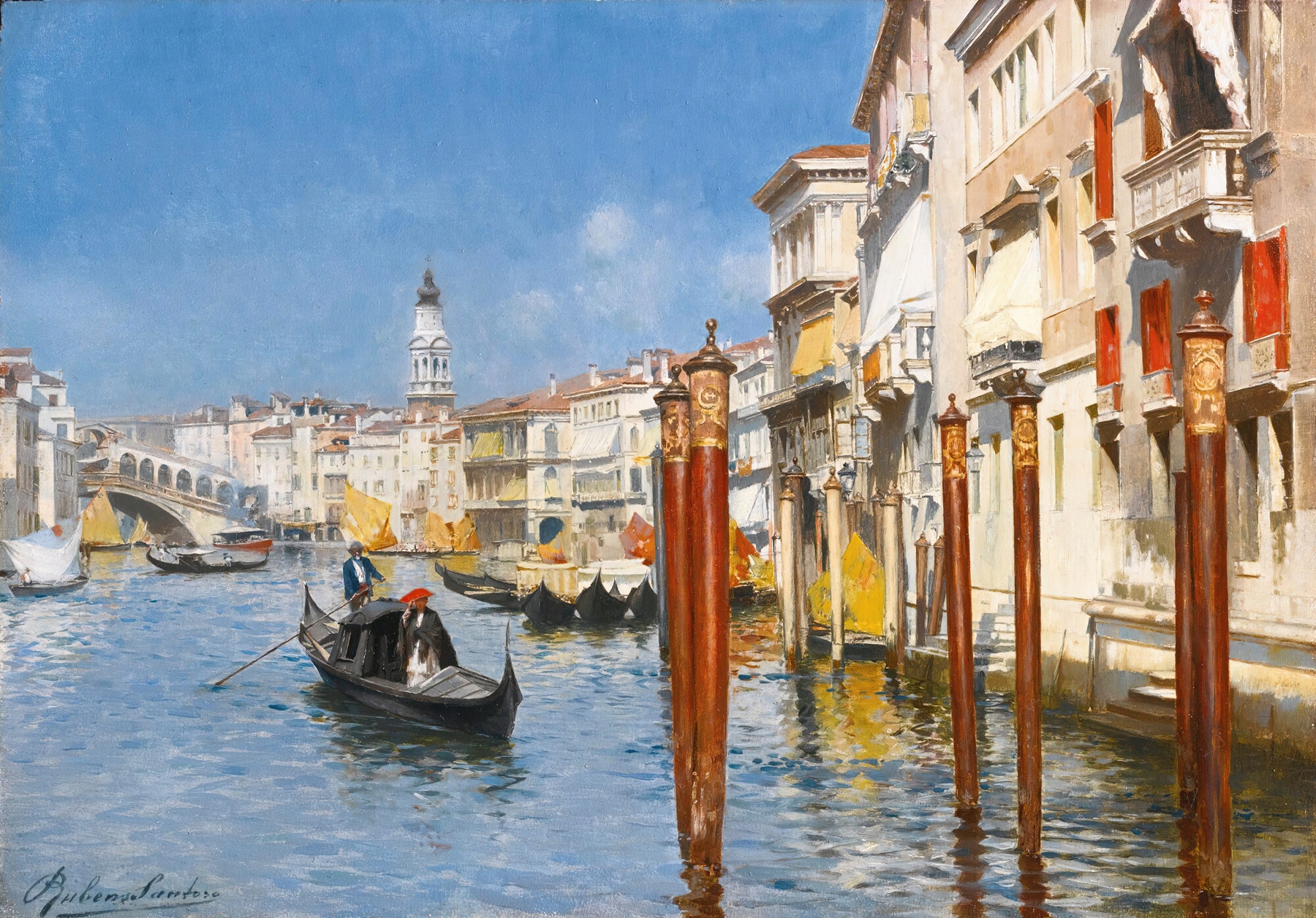
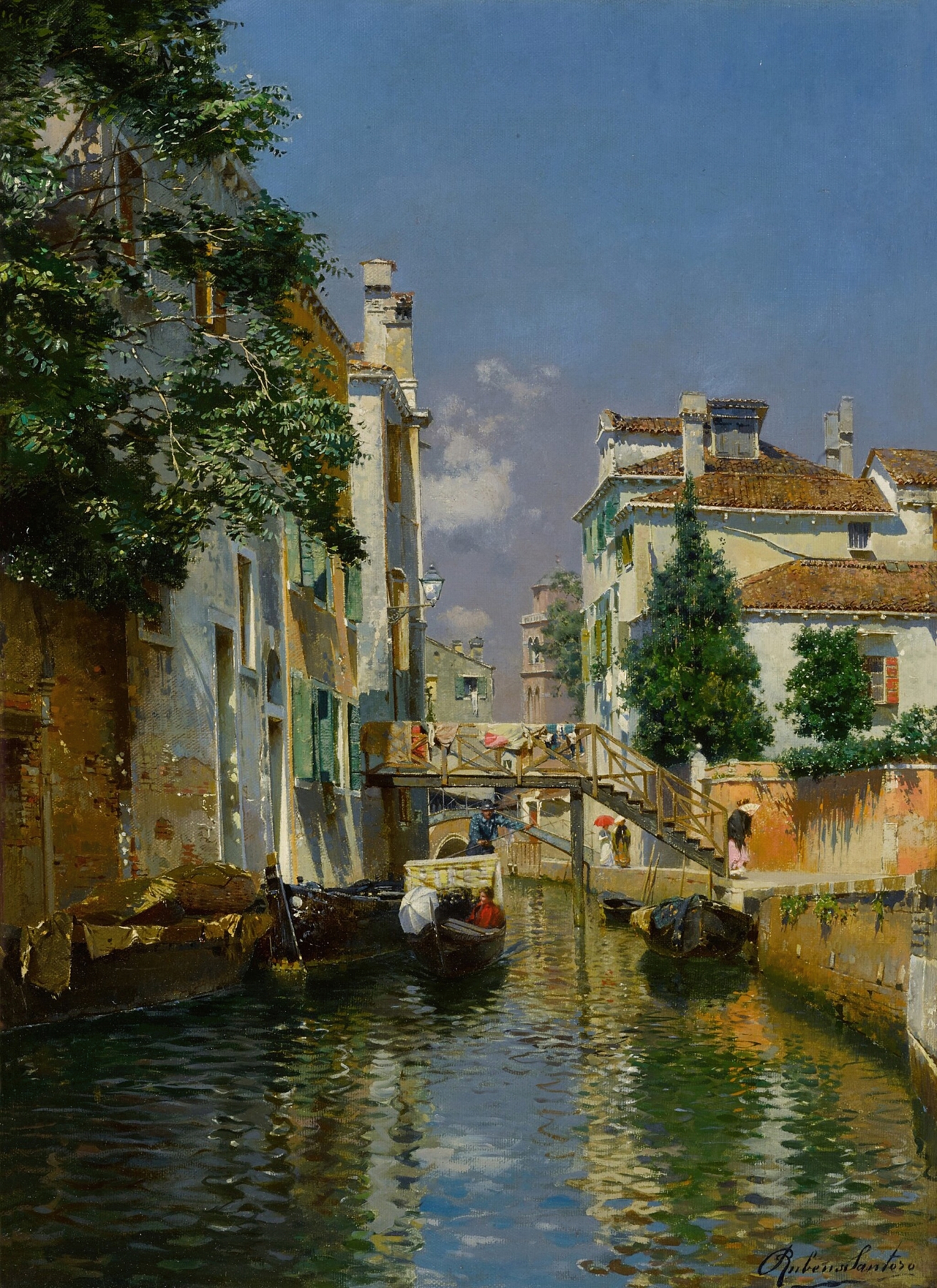
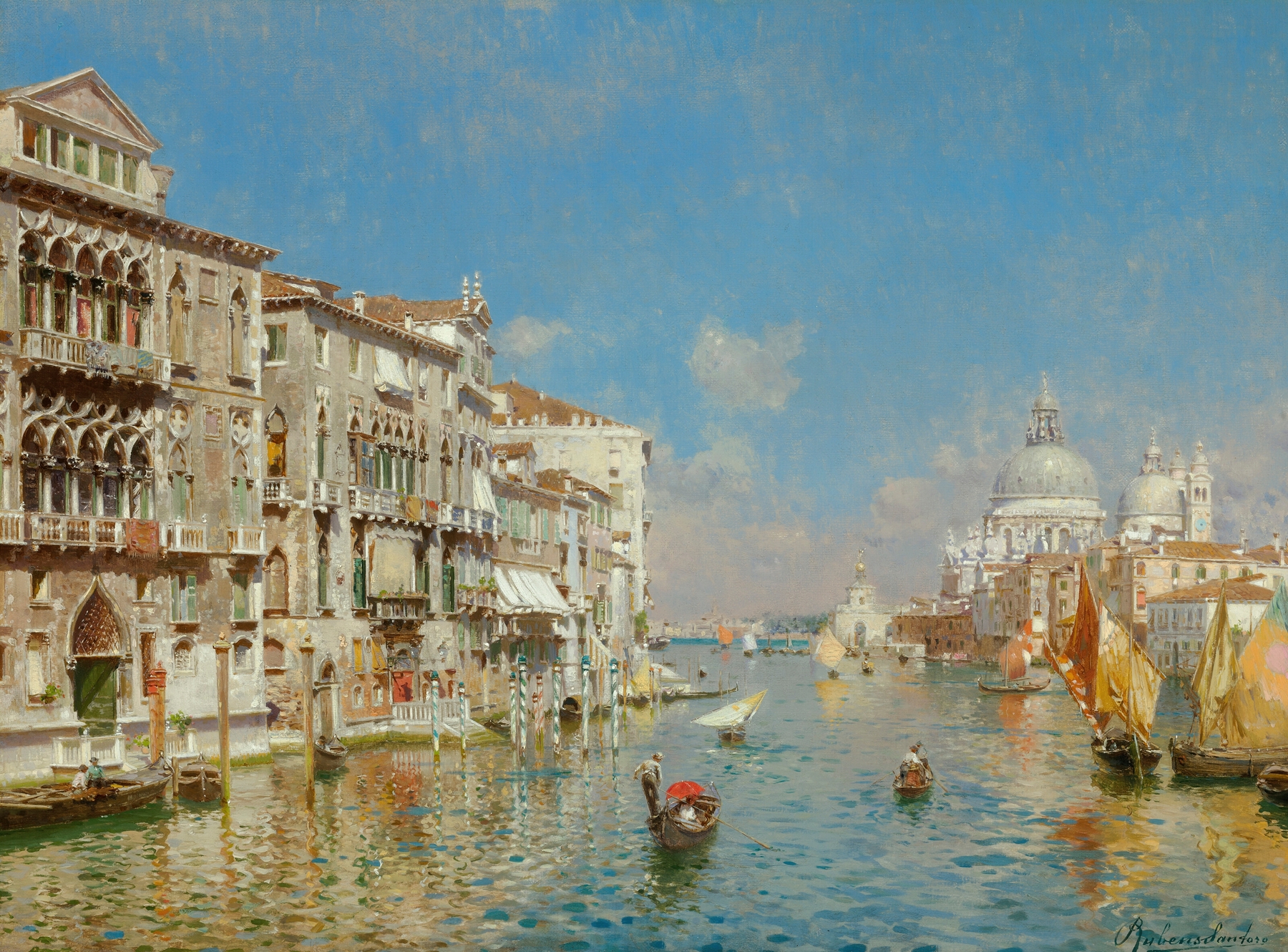
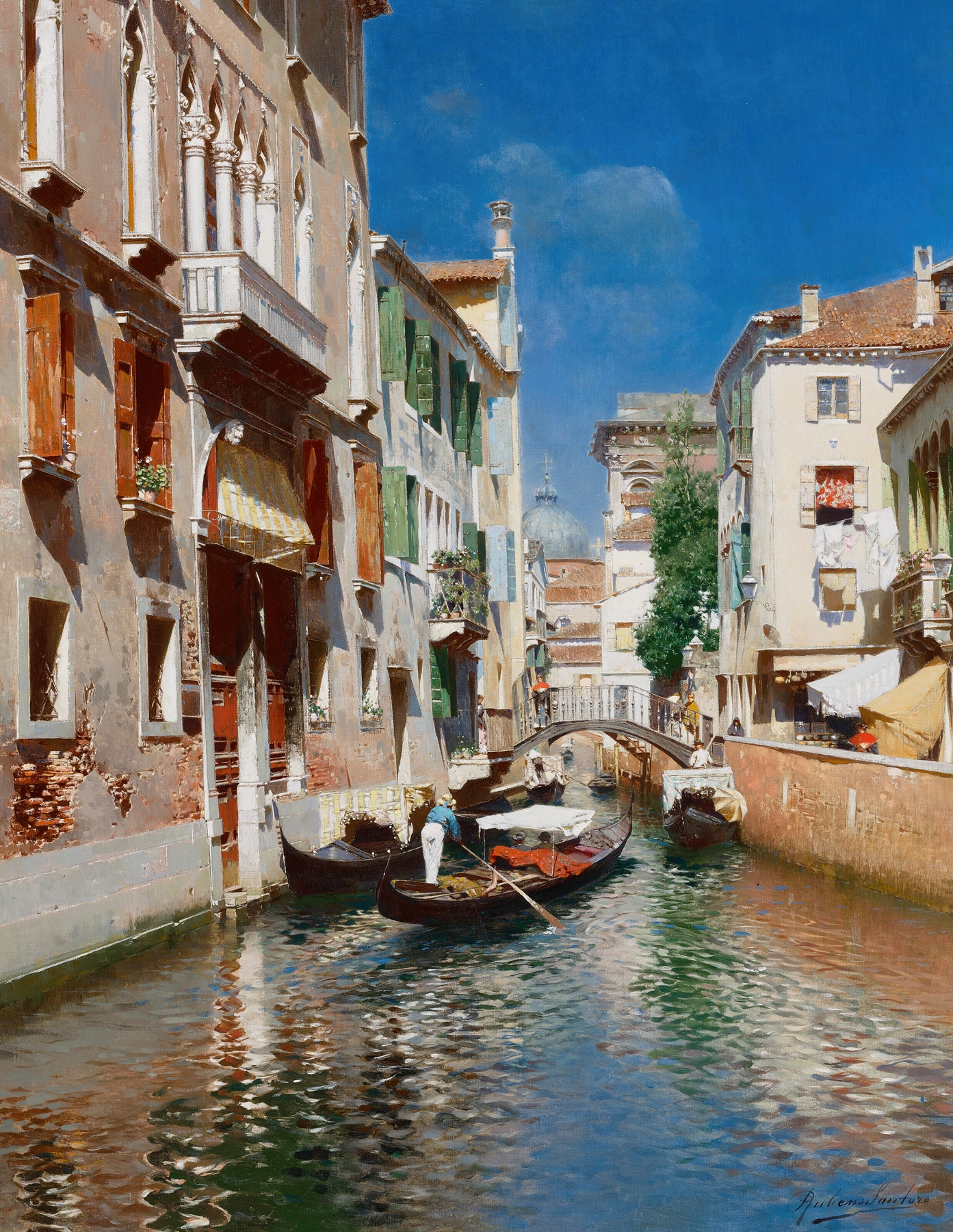
Who listens when art speaks of silence? In A Venetian Canal, with Saint Mark’s Basilica in the Distance, the stillness is almost deafening, echoing the madness that lurks beneath the calm surface of this serene landscape. Look to the shimmering waters that reflect the soft hues of dawn. The gentle brushstrokes create a delicate interplay between light and shadow, guiding your gaze toward the iconic silhouette of Saint Mark's Basilica, gracefully framed by the vibrant palette of the surrounding buildings.
The careful arrangement of boats, their stillness contrasting against the fluidity of the water, invites contemplation on the passage of time and the fleeting nature of life. Beneath the surface of this tranquil scene lies a tension between reality and illusion. The vibrant colors vibrate with an undercurrent of madness, suggesting a world teetering on the edge of chaos. The graceful arches of the basilica represent order, while the chaotic arrangement of boats hints at the unpredictability of human emotion.
Each element serves as a reminder of how beauty can coexist with turmoil, a juxtaposition that echoes the complexities of Venetian life. Rubens Santoro painted this piece during a time when he was deeply influenced by the artistic dialogues occurring in Europe, particularly the rise of Impressionism. The exact date remains unknown, but his work reflects a period where the interplay of light and color was being explored in new ways. Living in the vibrant milieu of Venice, Santoro captured both the city's outward beauty and the inner fervor that thrived just below the surface.