Venetian Backwater with the Campanile of San Geremia church — History & Analysis
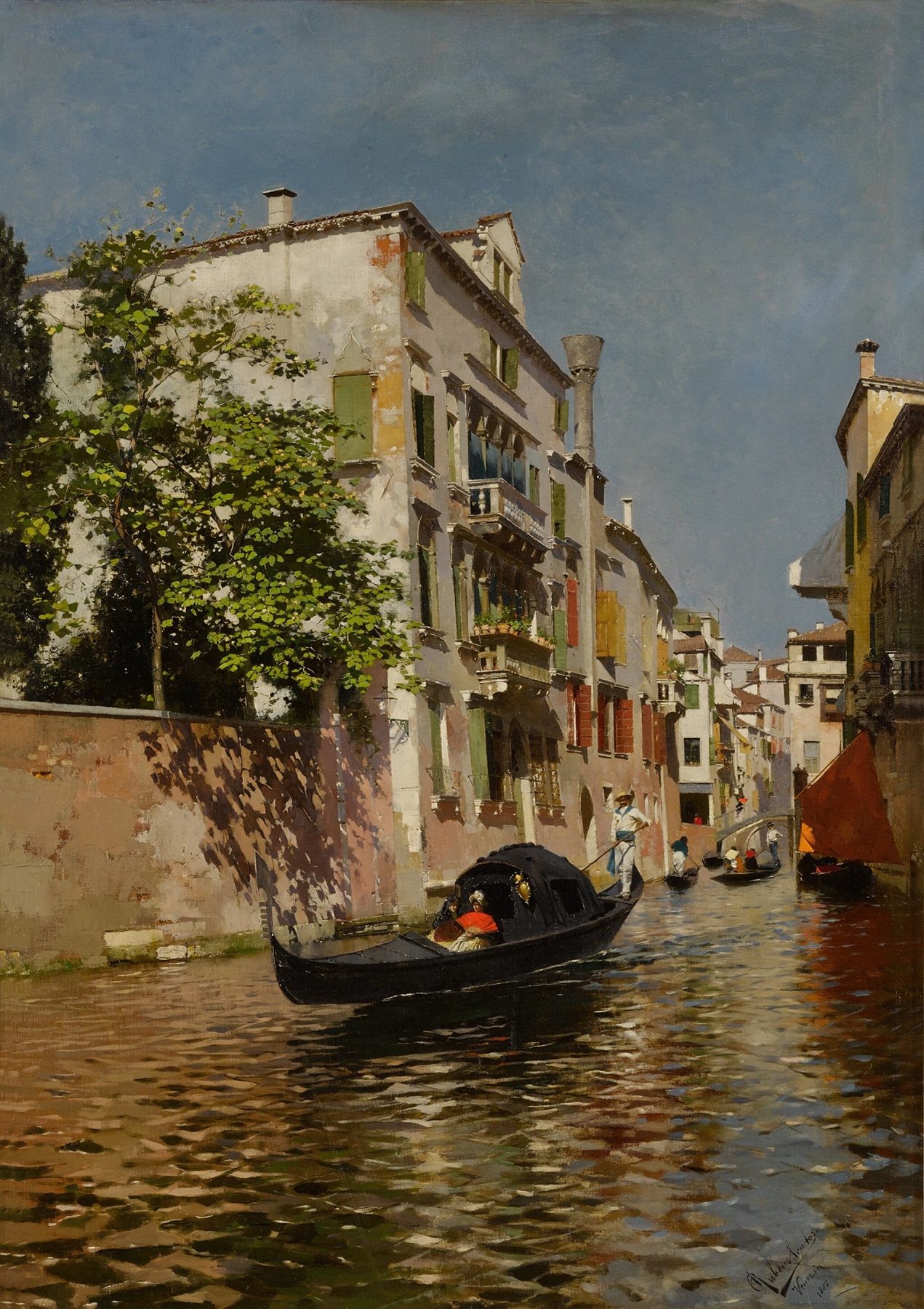
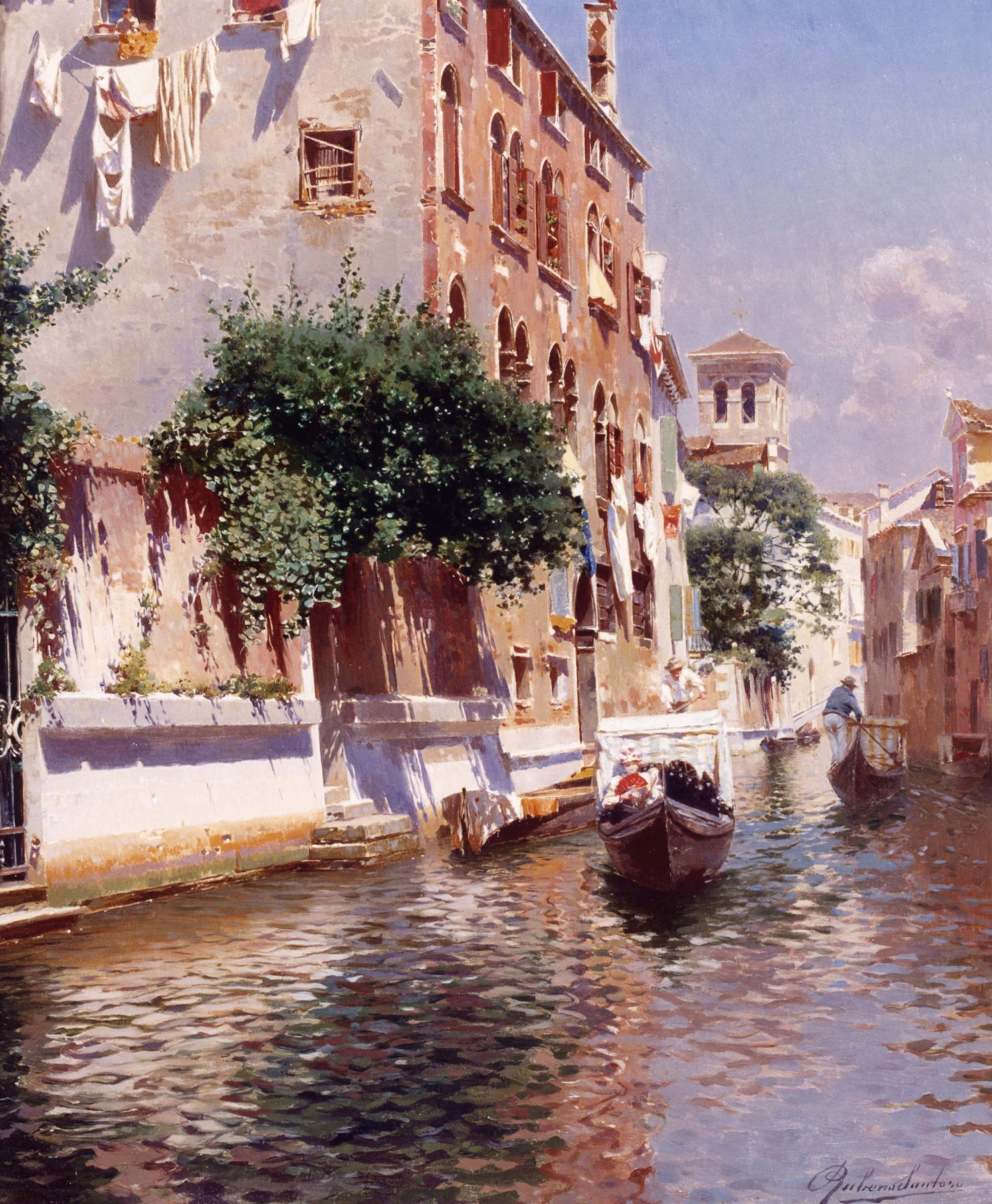
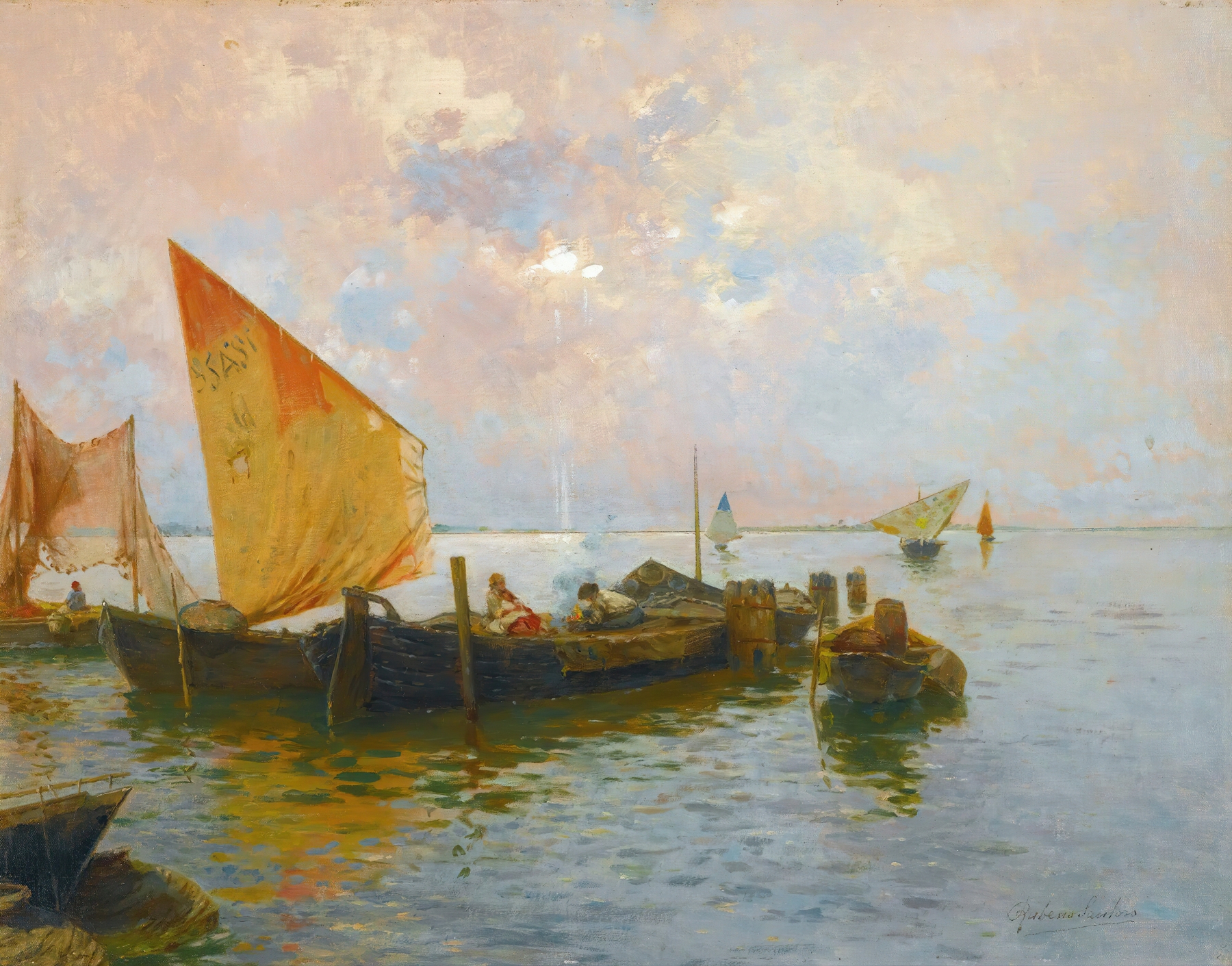
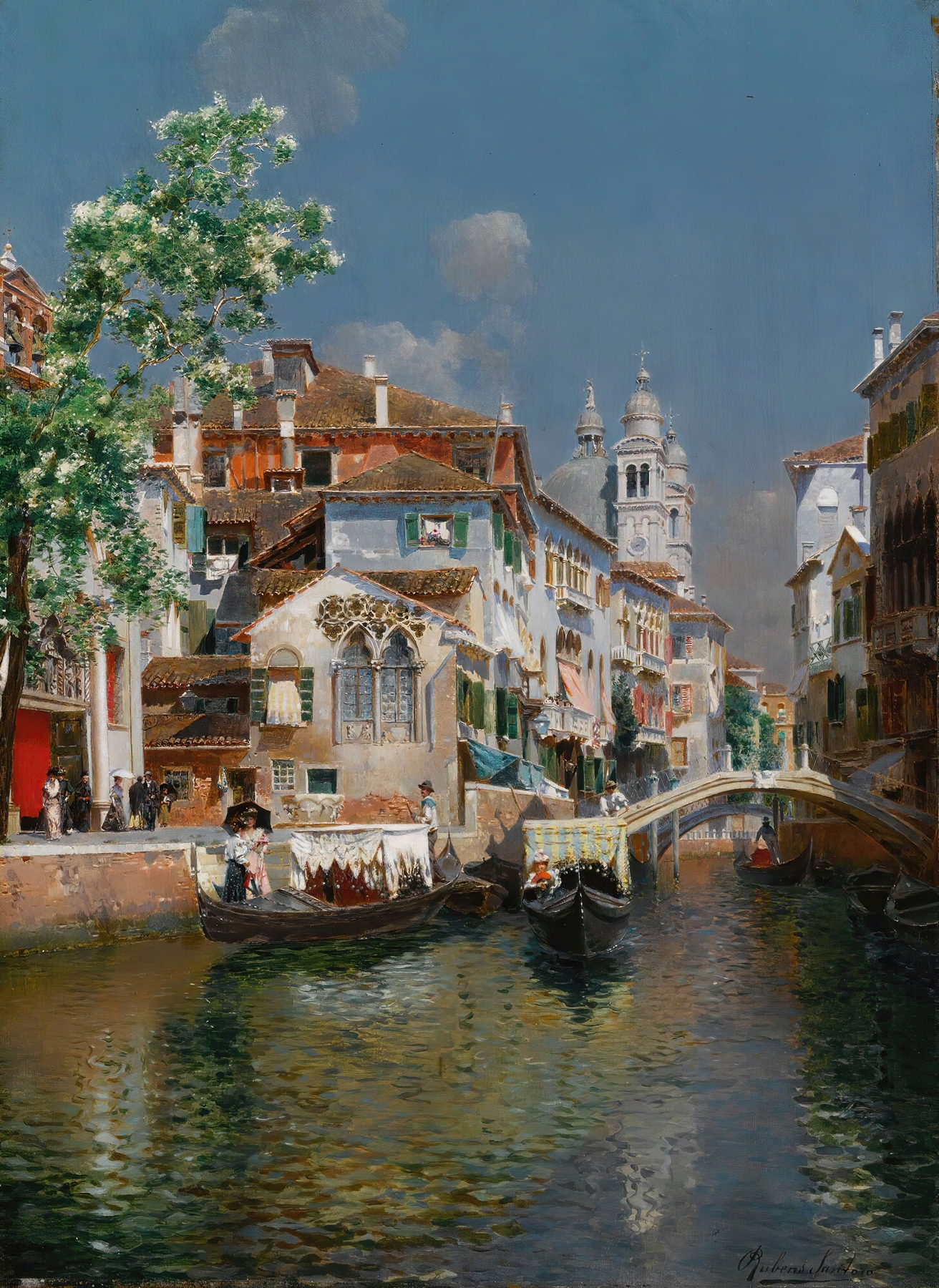
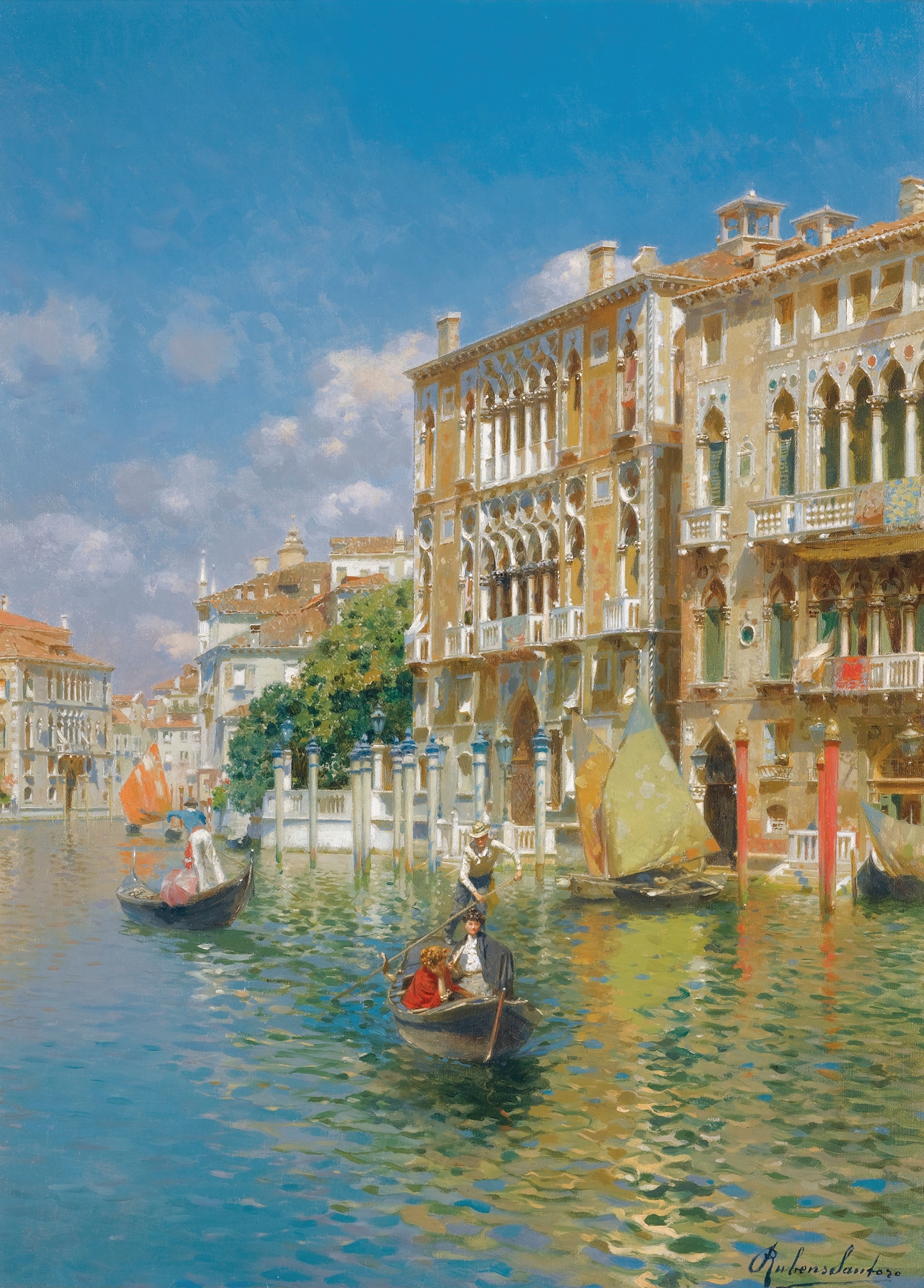
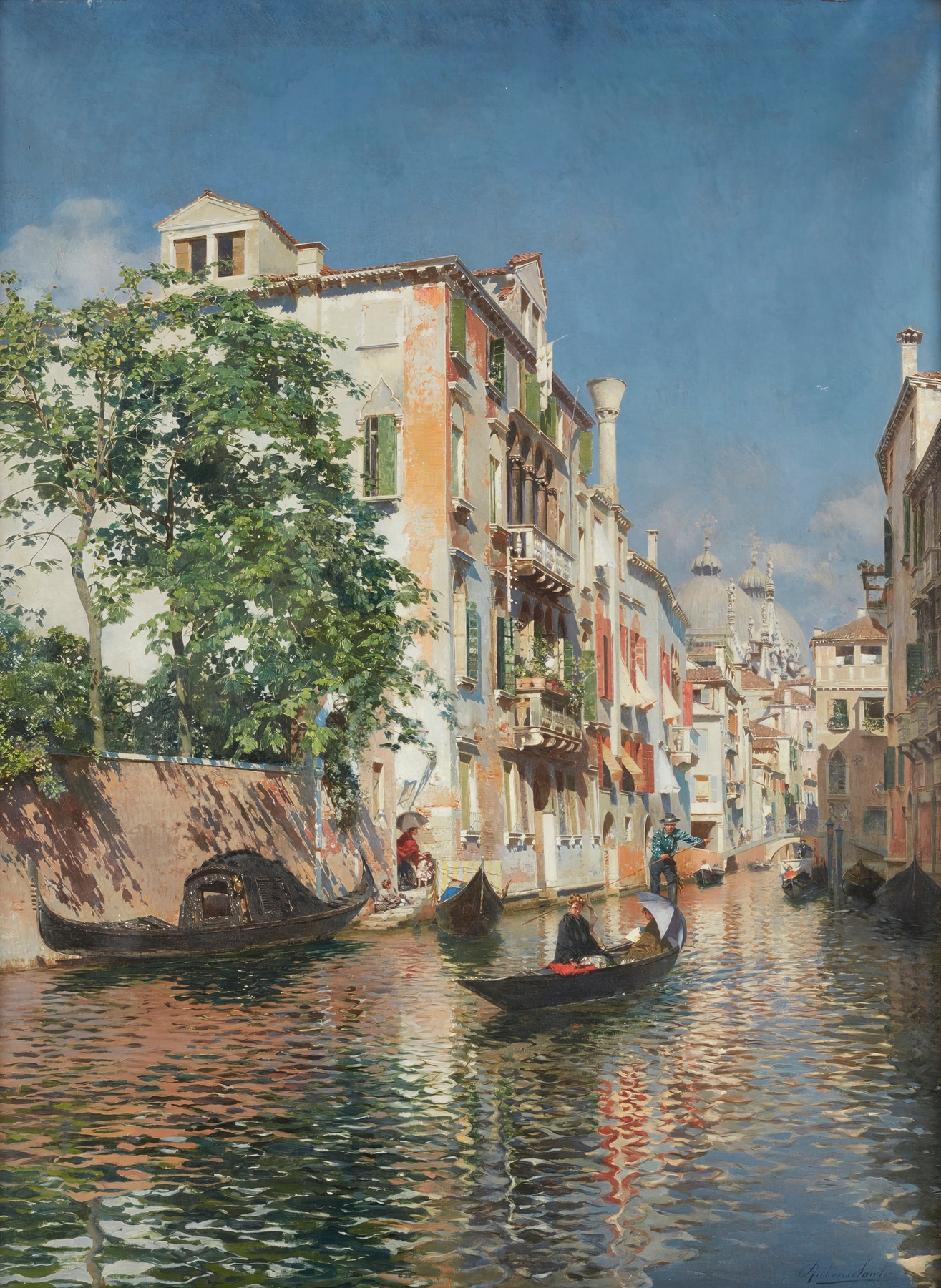
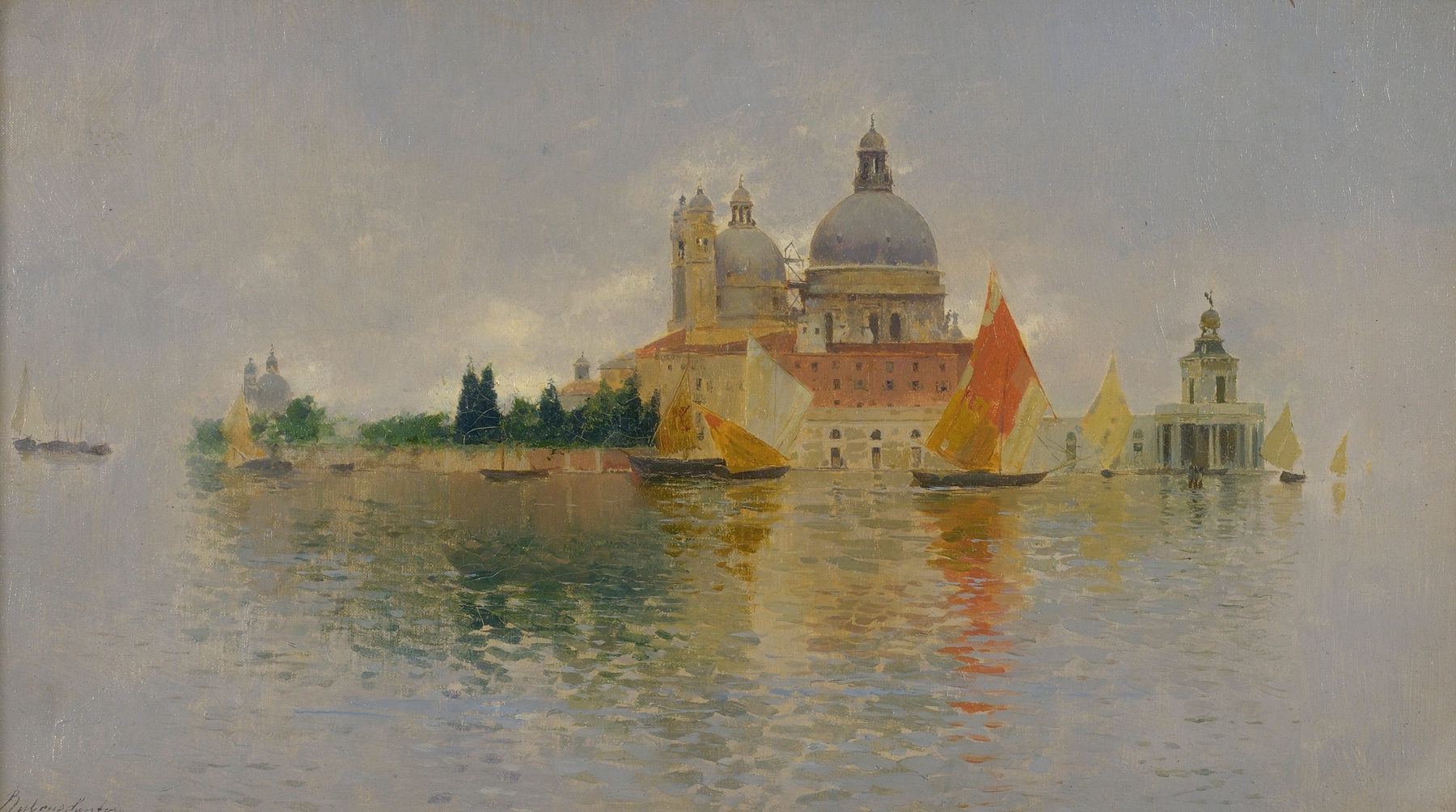
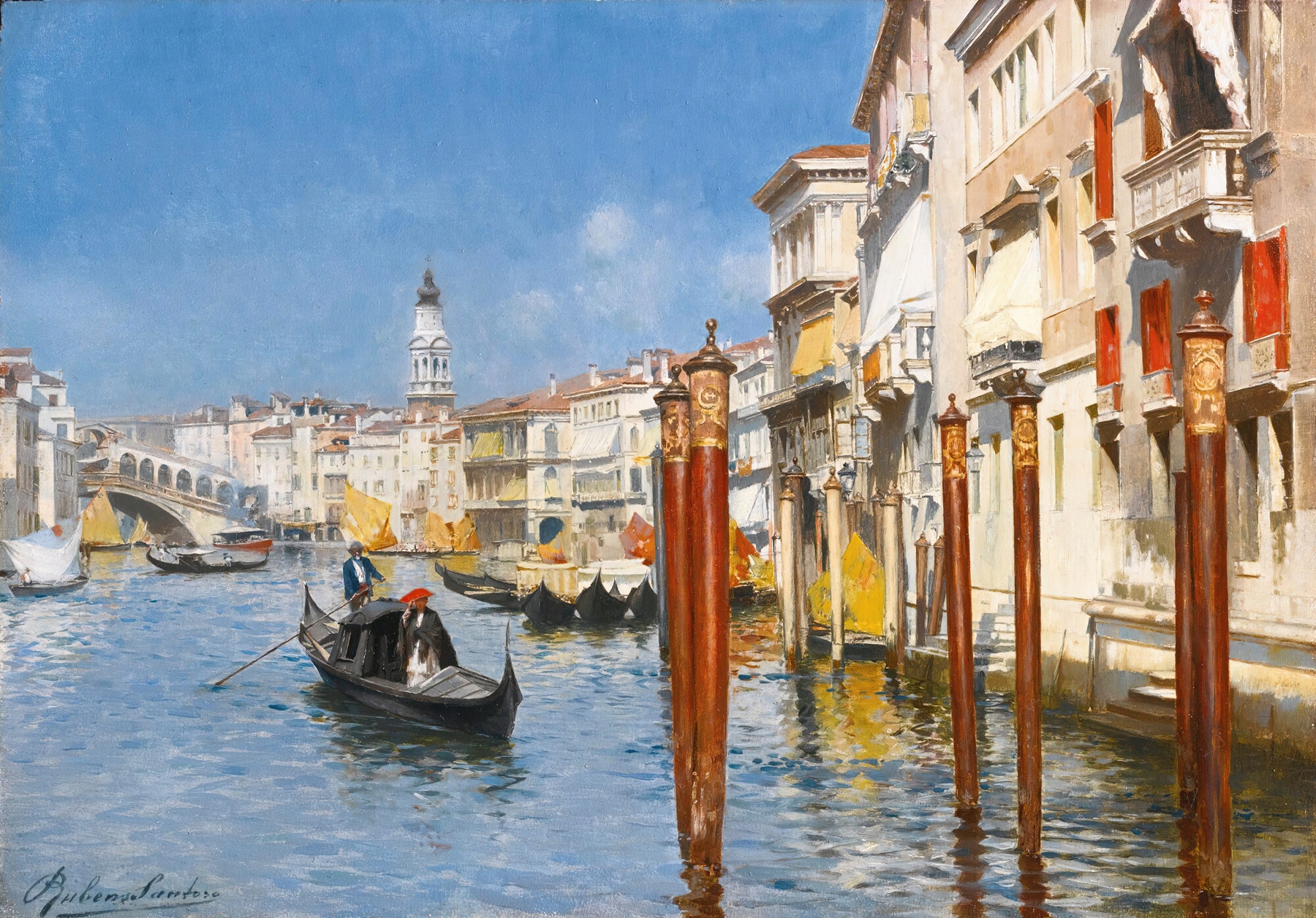
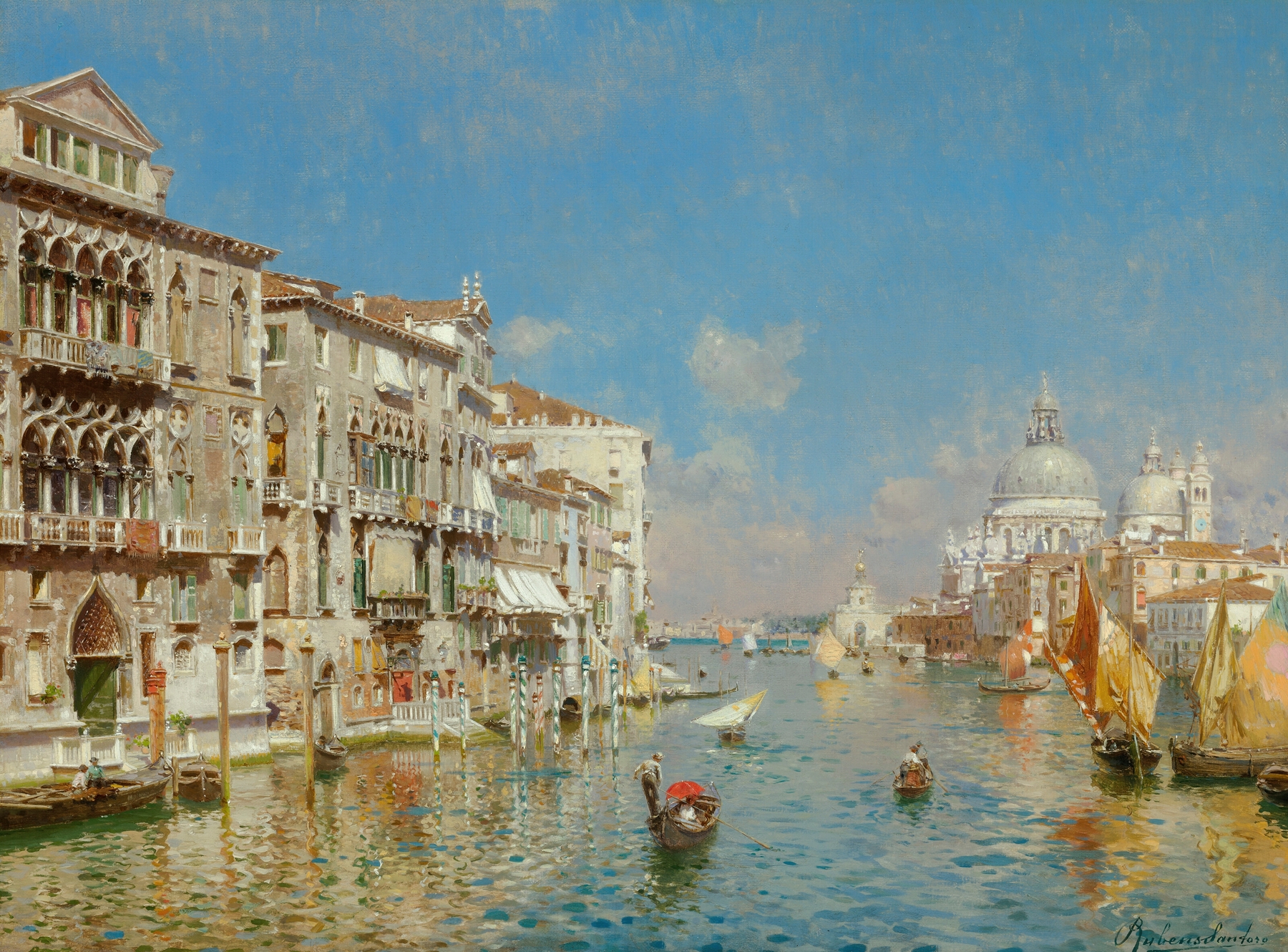
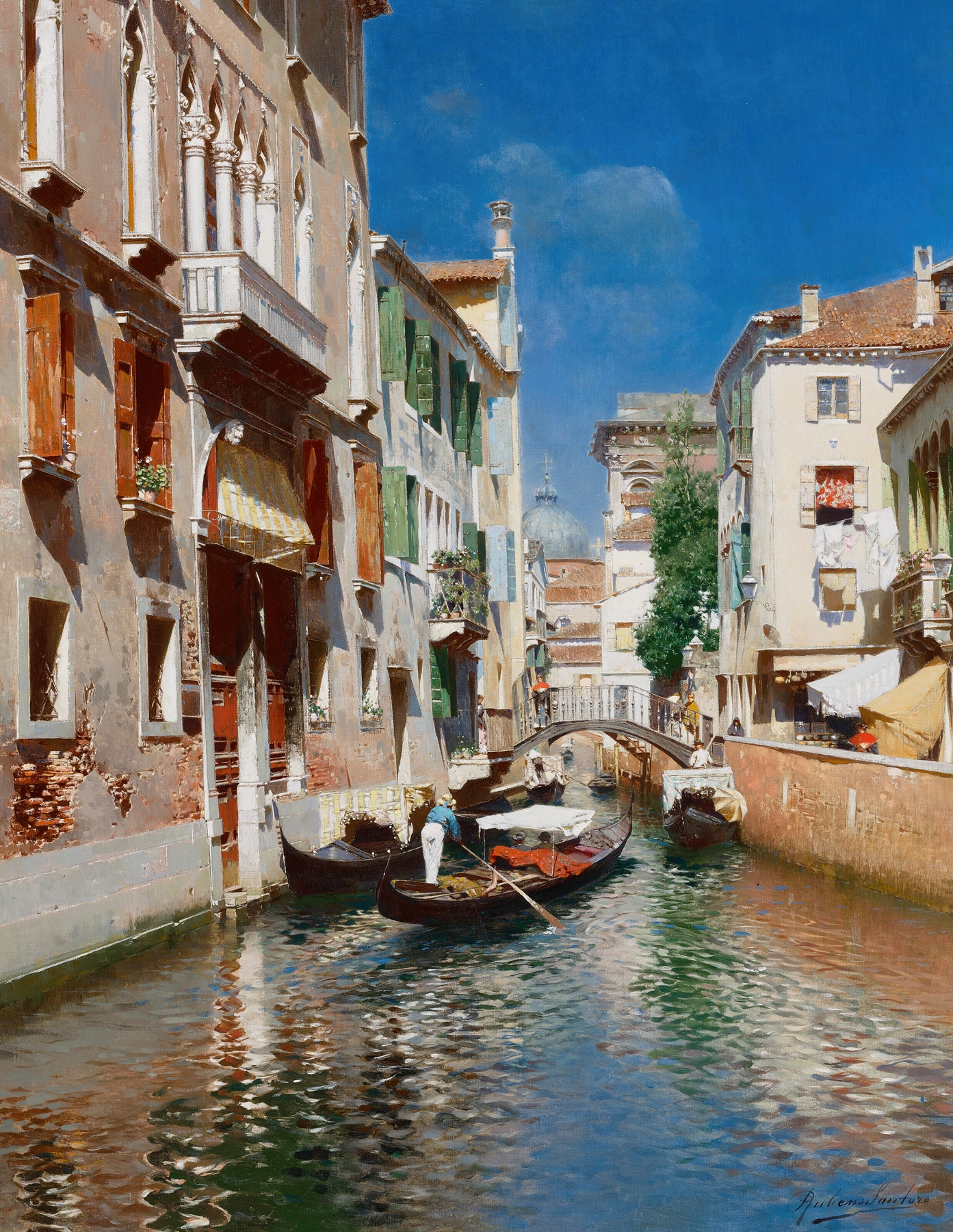
Could a single brushstroke hold eternity? The moment captured in this artwork feels like a whisper of time, where water and sky merge beneath a delicate sunrise, inviting viewers to ponder the infinite reflections of life. Look to the left at the shimmering surface of the water, where hints of soft pastels dance in gentle ripples. The artist employs a masterful blend of light and color, allowing the Campanile of San Geremia to emerge as a silhouette against the glowing backdrop.
Notice how the brushwork creates a sense of movement, guiding your gaze from the building's stately form to the tranquil depths below, each stroke a testament to nature's harmony. In this piece, contrasts abound: the solidity of the architecture juxtaposed with the fluidity of water; the sturdy lines of the campanile against the ethereal ambiance of dawn. This tension between permanence and transience evokes the fragility of our existence, encouraging a deeper contemplation of one’s place in the world.
The reflections ripple, suggesting that what appears stable may merely be a fleeting image upon an ever-changing surface. Rubens Santoro created this piece during a time of burgeoning artistic exploration in the late 19th to early 20th century, likely in Italy where he found inspiration in the serene landscapes and rich cultural tapestry. As artists began to embrace Impressionism, Santoro’s work reflected a shift toward capturing light and atmosphere, rooted in his romantic vision of Venice, an ode to both its beauty and its impermanence.