Graflegging — History & Analysis
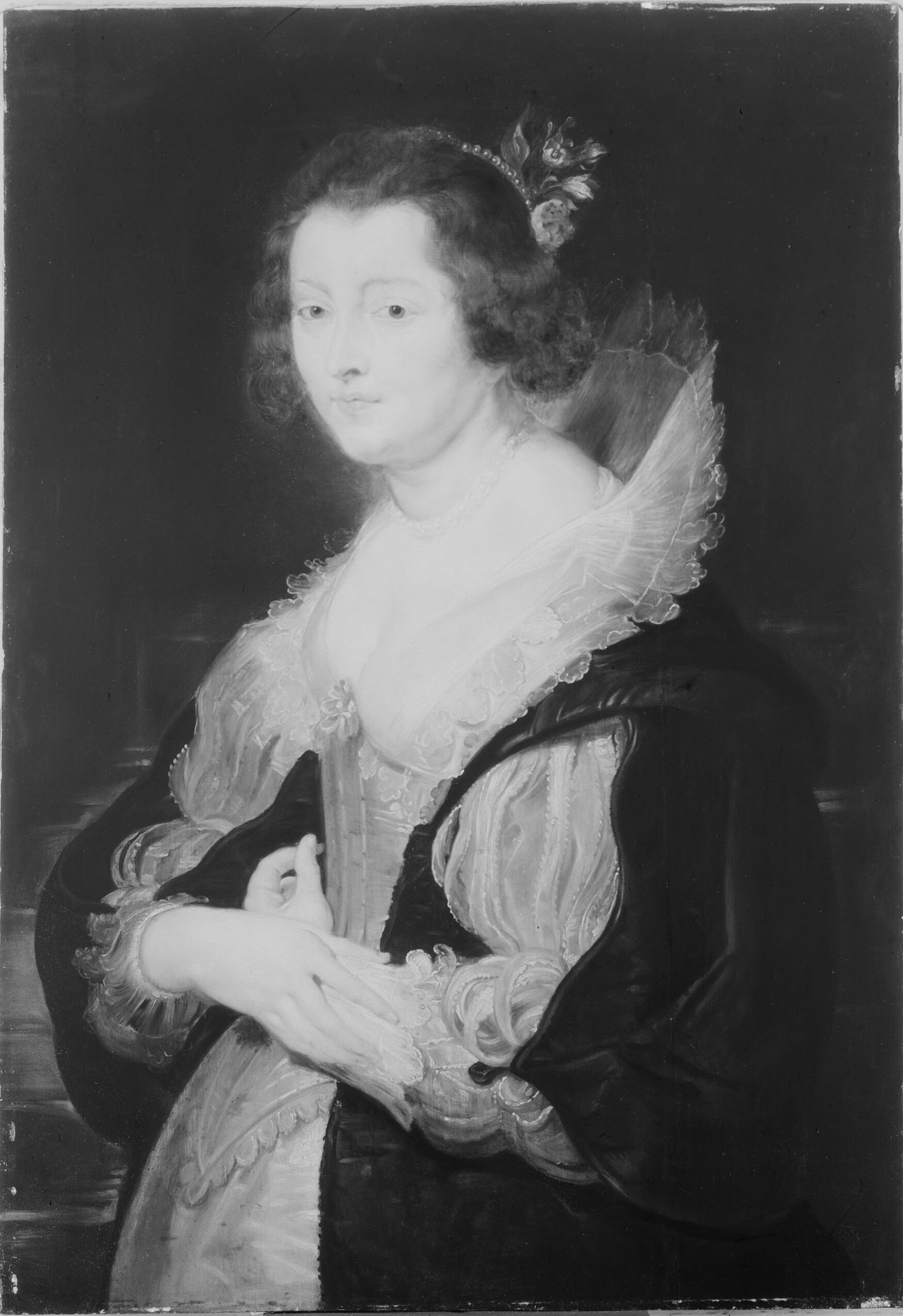
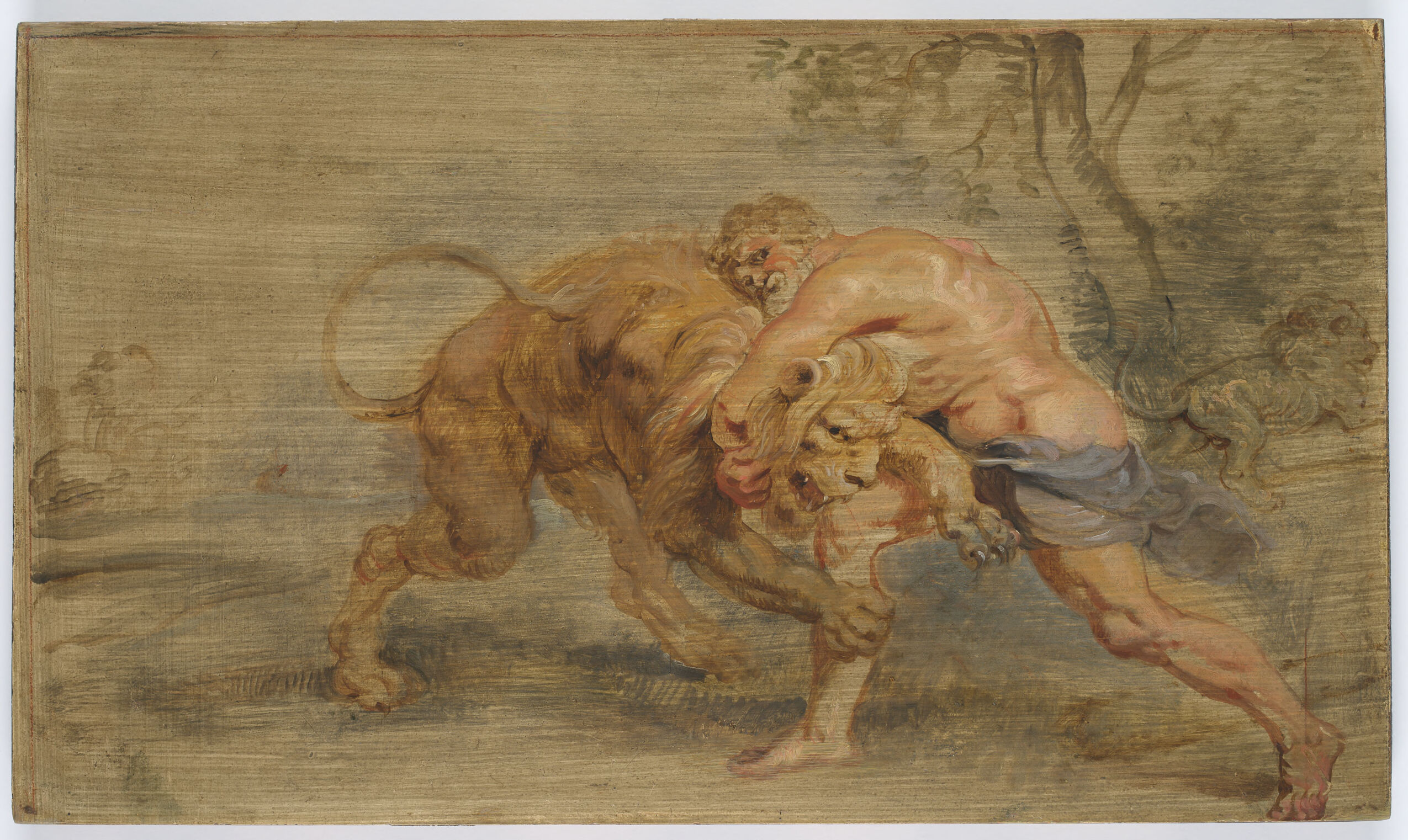
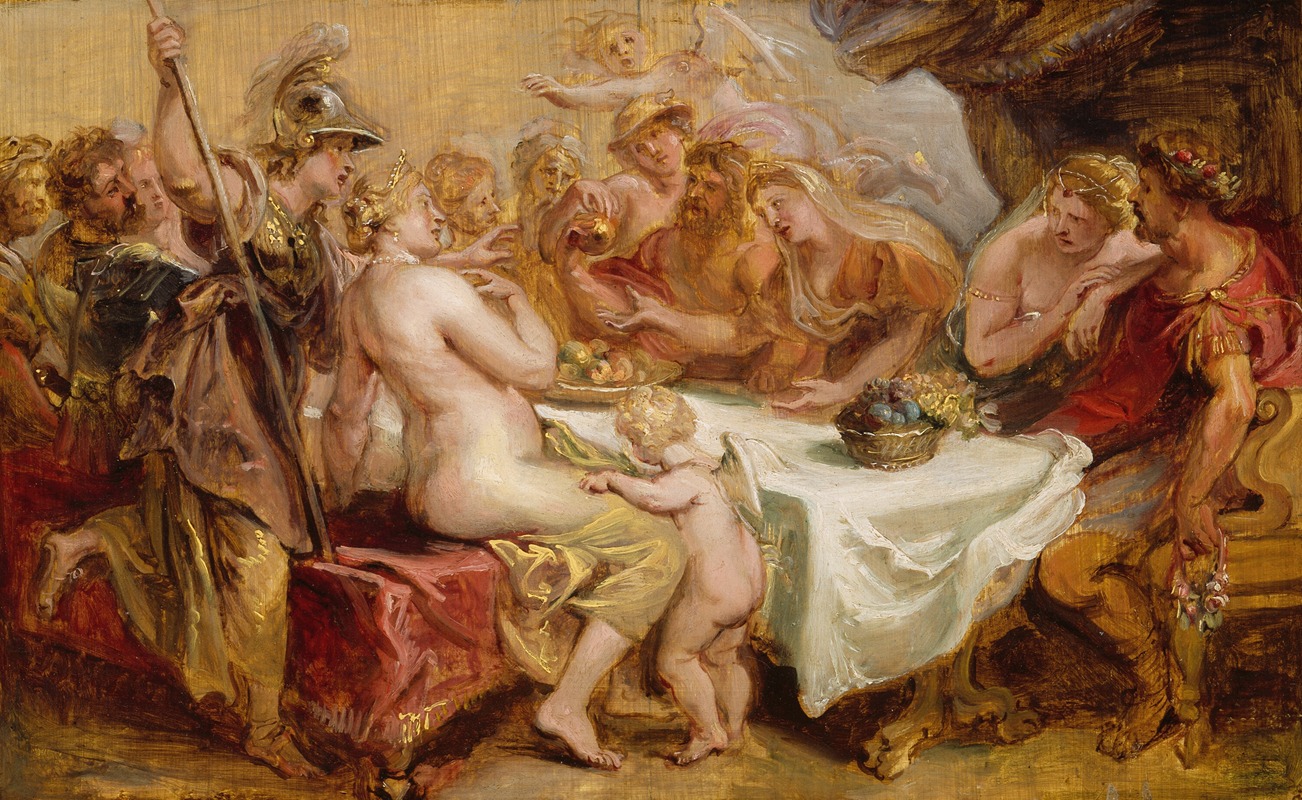
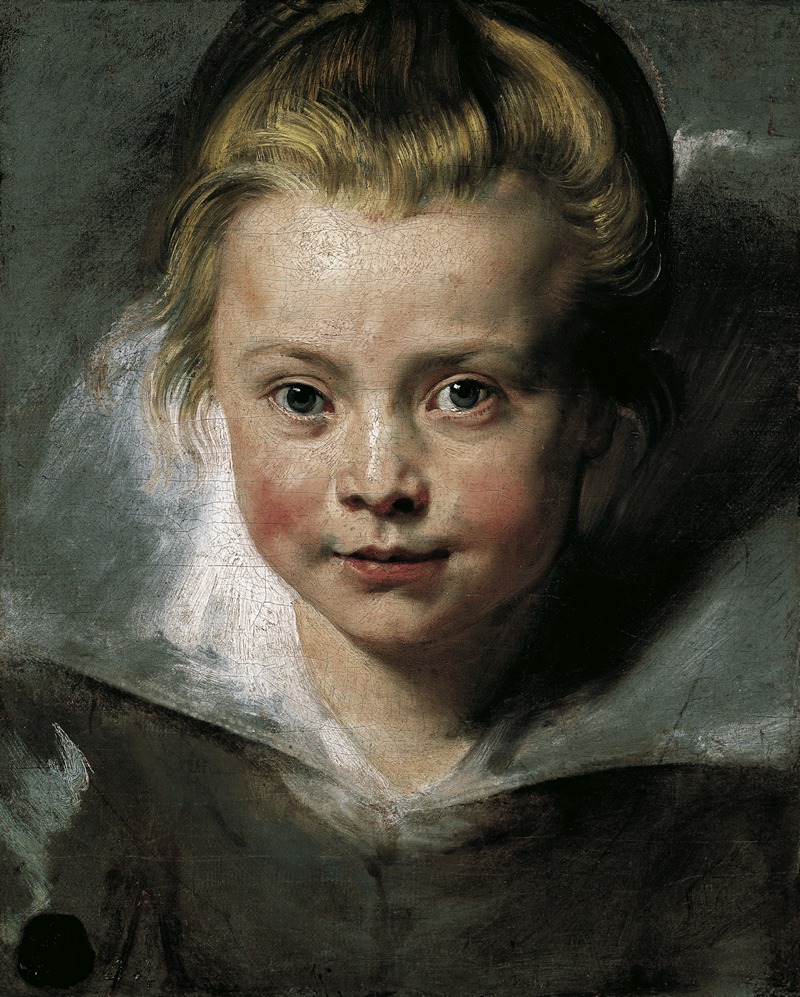
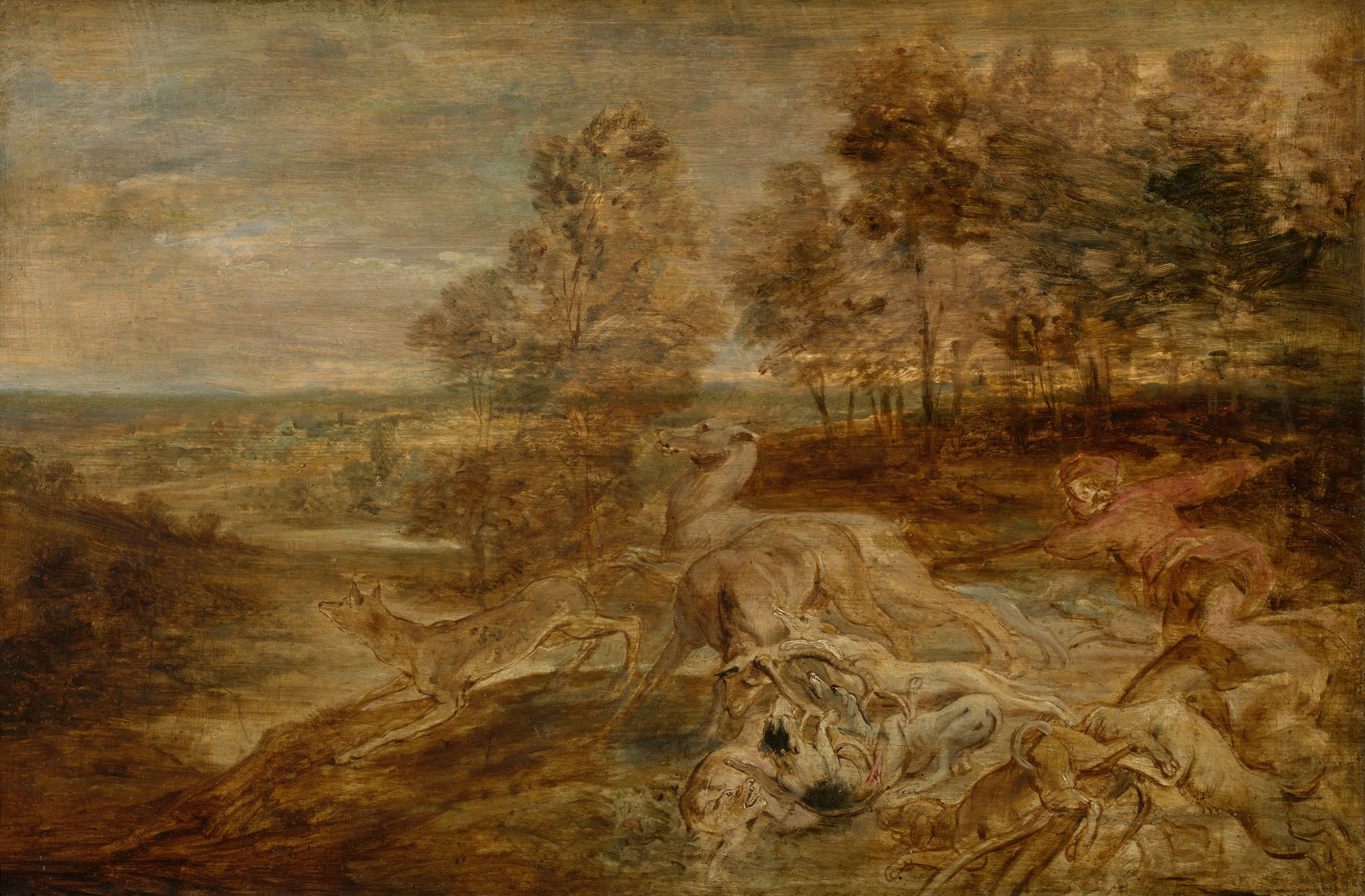
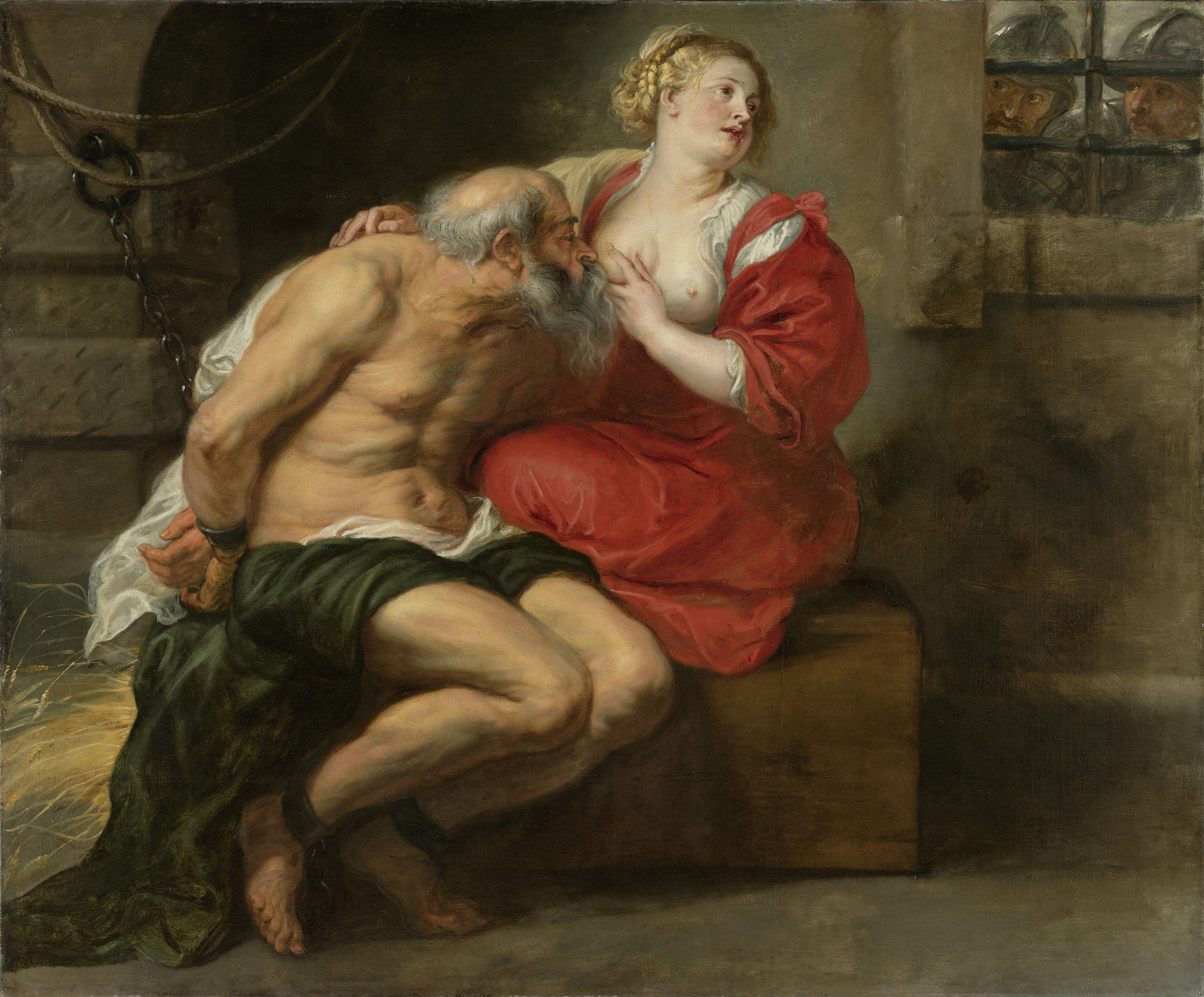
Could a single brushstroke hold eternity? In the realm of art, this question lingers as we confront the complex emotions woven into each piece. Graflegging, a masterwork by Rubens, encapsulates yearning, the desire for connection and understanding—a fleeting yet profound moment suspended in time. Look to the vibrant, swirling figures that dominate the canvas; their forms intertwine in a dance of emotion and longing. Focus on the delicate way light bathes the central figures, illuminating their faces with a soft glow that signifies both hope and sorrow.
The rich, warm palette draws the eye toward the myriad expressions captured in the characters, hinting at stories untold while the dynamic composition evokes a sense of movement that feels alive, breathing with the weight of their desires. Within this intricate tableau, layers of meaning and contrast emerge. The interplay between light and shadow conveys an inner conflict, while the distinct expressions of each figure reveal a spectrum of emotions—from joy to despair. Small details, such as the clasped hands or longing gazes, reinforce the themes of connection and separation, echoing the universal human experience of yearning.
Together, these elements create a complex narrative that resonates deeply, inviting contemplation on the nature of desire. Rubens painted Graflegging between 1615 and 1617 during a period of personal and artistic upheaval. Residing in Antwerp, he was at the height of his powers, navigating the tensions of the Counter-Reformation while championing a vibrant Baroque style. His mastery of color and form, combined with an innate understanding of human emotion, allowed him to capture the essence of yearning—a theme that transcends time, making his work eternally relevant.