Grande rue (High street) — History & Analysis
“Sometimes beauty is just pain, disguised in gold.” The streets may be bustling with activity, yet beneath the surface lies a narrative of tension, transformation, and the aftershocks of revolution. Look to the center of the canvas, where the high street unfurls like a ribbon of stories waiting to be told. The architecture is majestic yet tinged with melancholy, each building bathed in warm hues that suggest both prosperity and fragility. Notice how Horeau uses contrasting shades to breathe life into the street’s vibrant energy and the shadows lurking in its corners, reflecting the emotions of a society in flux.
Amidst the bustling figures and lively storefronts, there are whispers of discontent and hope. The interaction between the pedestrians—some lost in thought, others animated in discussion—speaks to the collective heartbeat of a community on the brink of change. The ornate details of the buildings, while beautiful, serve as a reminder of a past that may soon be eclipsed by the very revolution that is stirring in the air, hinting at a fragile beauty born from struggle.
In 1841, Horeau was navigating the shifting tides of artistic expression in France, a nation grappling with social upheaval and political turmoil. Living in Paris, he was influenced by the burgeoning Romantic movement while reflecting the ideals of realism. This period was marked by a desire to document the everyday, capturing the essence of urban life as it transformed—an echo of the revolution that was both imminent and vibrant in the streets he so vividly painted.
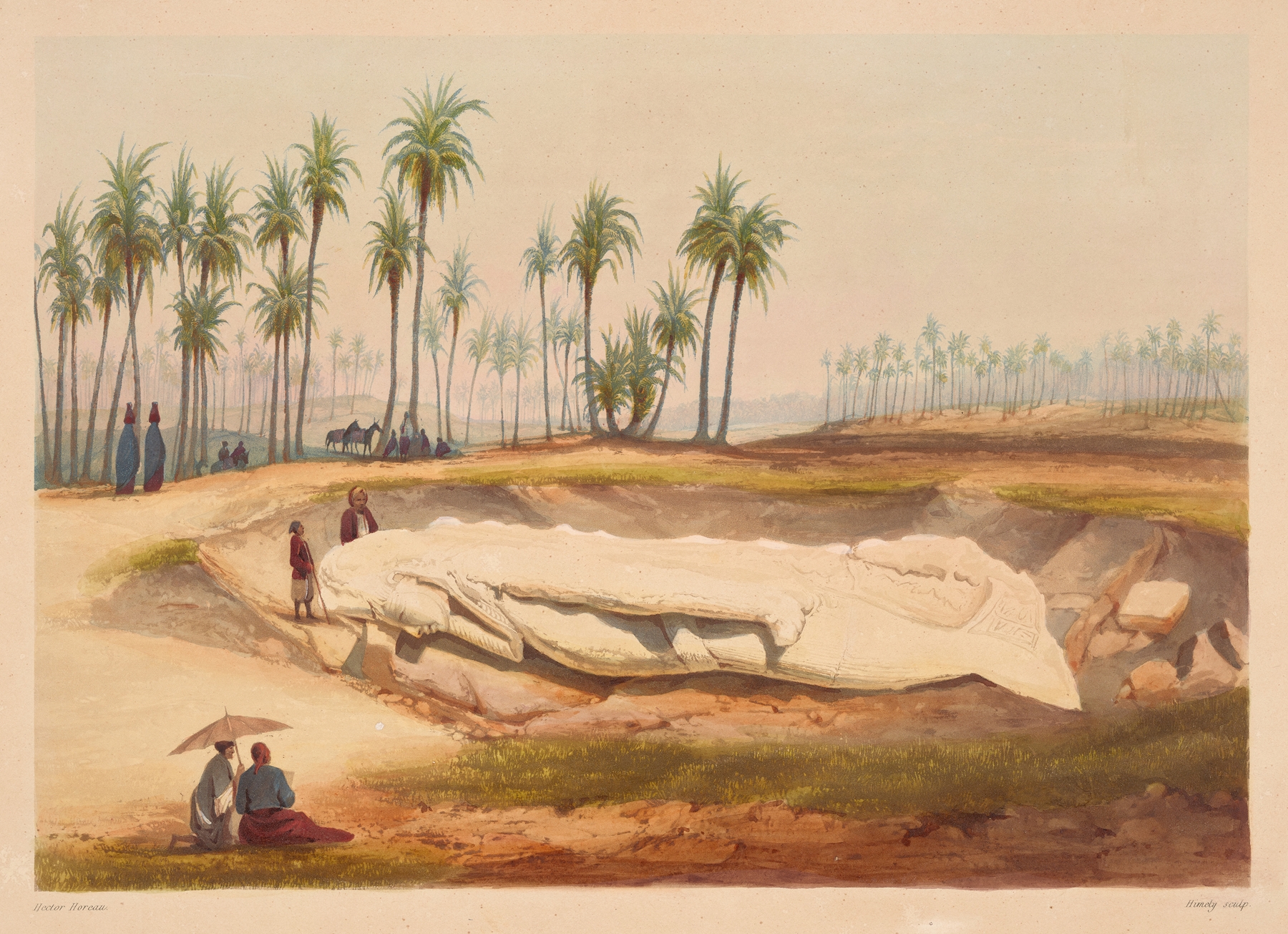
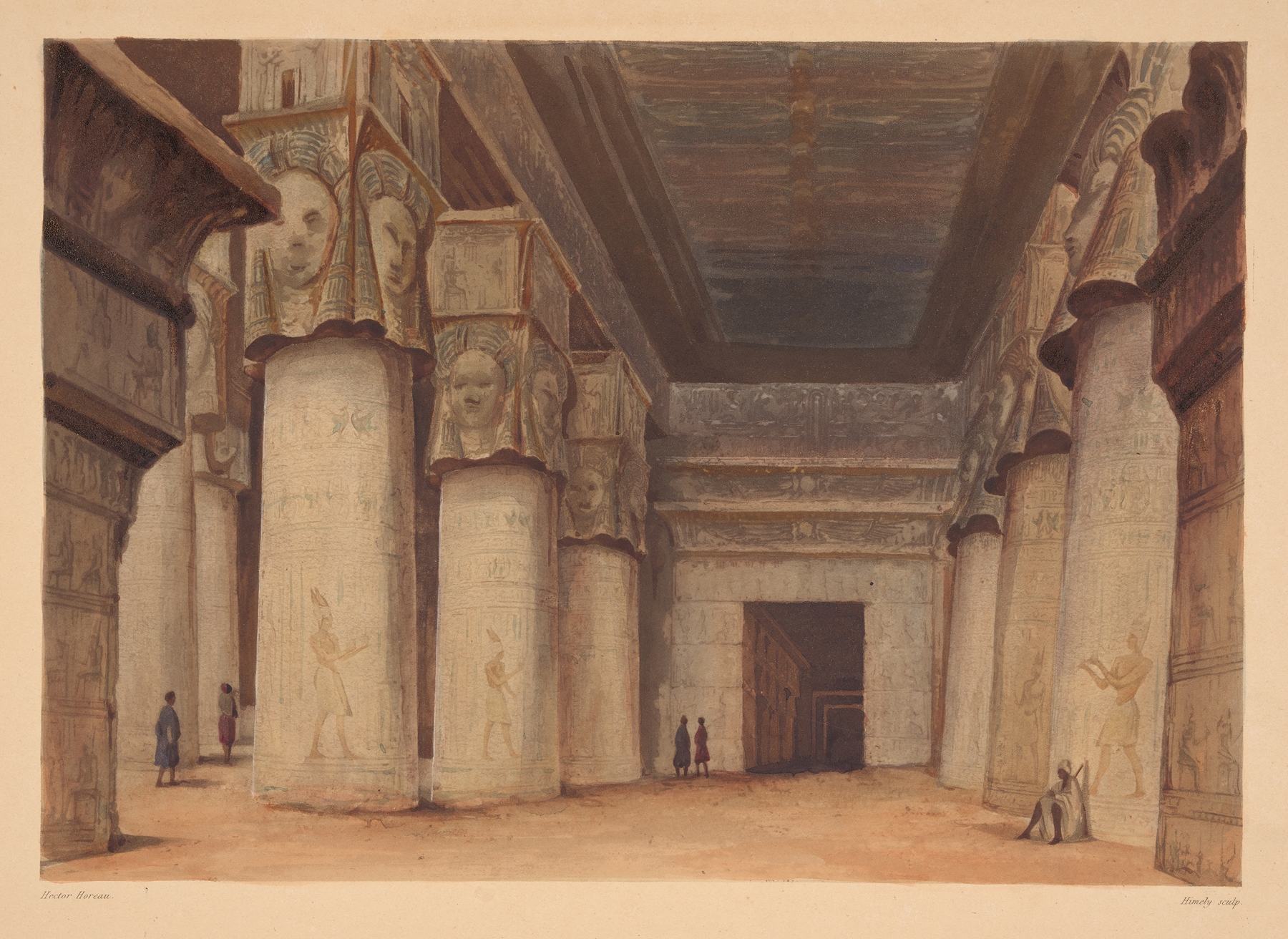
![Temple d’Ibsamboul [Interior view] (Temple of Abu Simbel), by Hector Horeau, public domain](https://froigstrpvutwqtqikzt.supabase.co/storage/v1/object/public/art-images/artworks/3156dbe8015f5681be442de2c2c50af40c84d5e10e8f68f04f9a54d6d857255f.jpg)