Graveyard Scene — History & Analysis
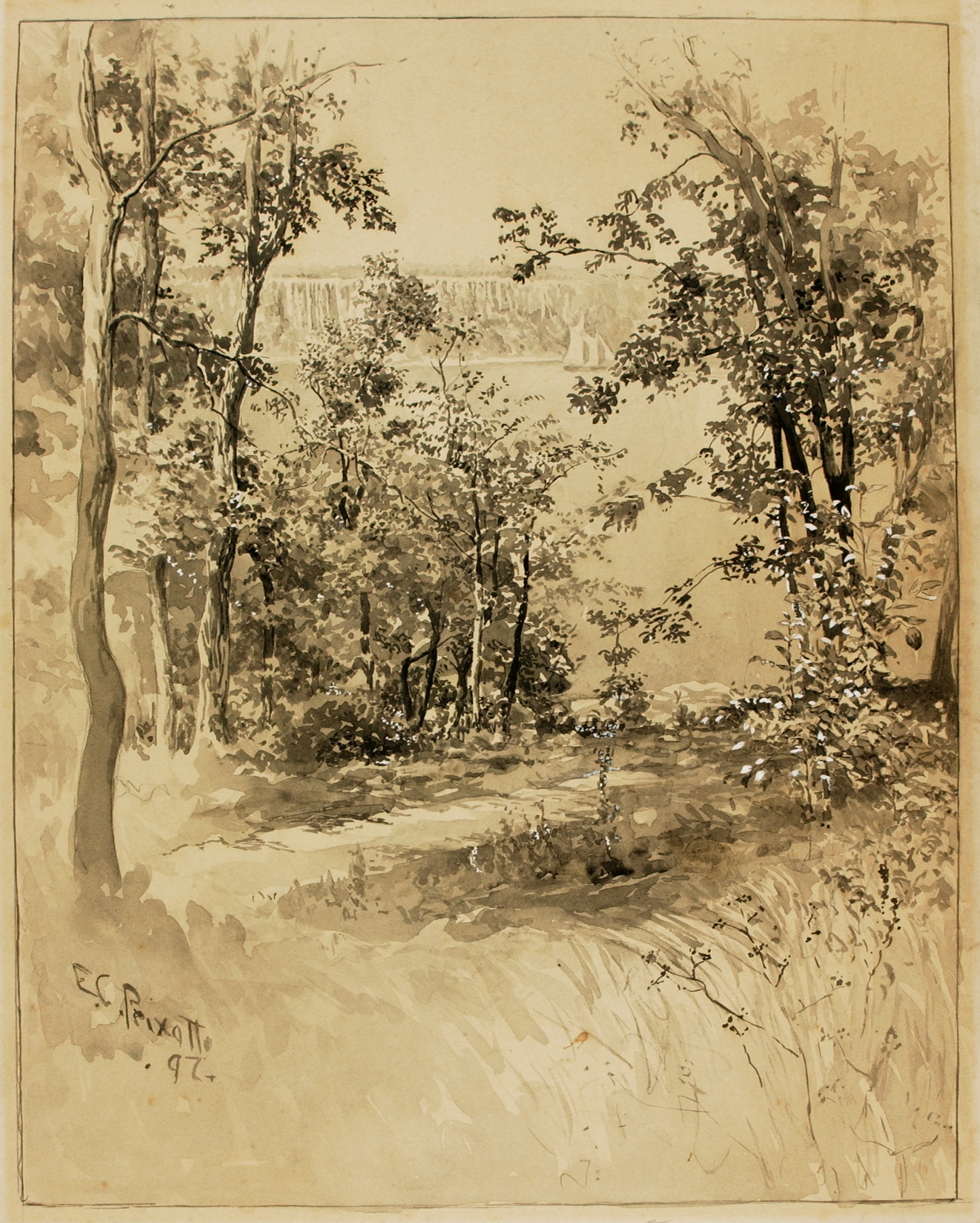
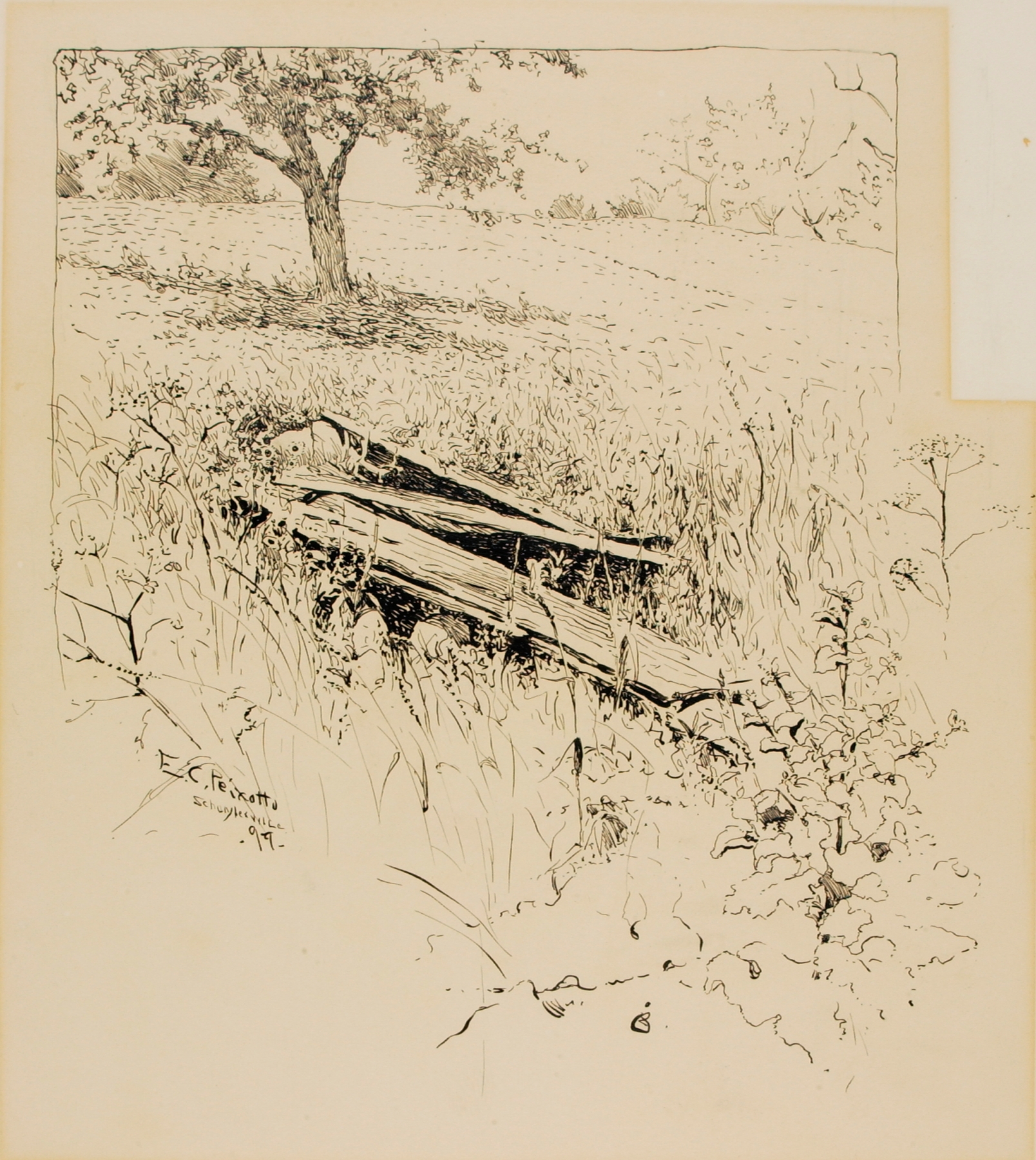
Could a single brushstroke hold eternity? In Graveyard Scene, the canvas resonates with the weight of transformation, capturing a moment where the boundaries between life and death blur. Look to the left at the weathered tombstones, each etched line marking a story long forgotten. The light dapples through the trees, casting gentle shadows that dance across the earth, highlighting the contrast between the vibrant greens of nature and the somber grays of the grave markers.
Notice how the soft, muted palette invokes a sense of calm, inviting the viewer to contemplate rather than mourn, while the composition draws your gaze along a winding path, guiding you deeper into this serene yet poignant world. Delve into the hidden meanings embedded within the scene. The juxtaposition of the living foliage and the still stones symbolizes the cycle of life and death, suggesting that nature's beauty persists even in the face of loss. The brushwork, fluid and intentional, conveys a sense of fleeting time, while the absence of figures allows the viewer to project their own reflections on mortality and remembrance, inviting a personal dialogue with the piece.
During the time Graveyard Scene was painted, Peixotto was exploring themes of nature and human existence, likely influenced by the socio-political changes of his era. Working in the United States, he was part of a movement that sought to infuse traditional landscapes with deeper emotional resonance. This period was significant as artists began to incorporate personal experiences and existential themes into their works, reflecting the changing tides of society and art.