Gravin en de Dood — History & Analysis
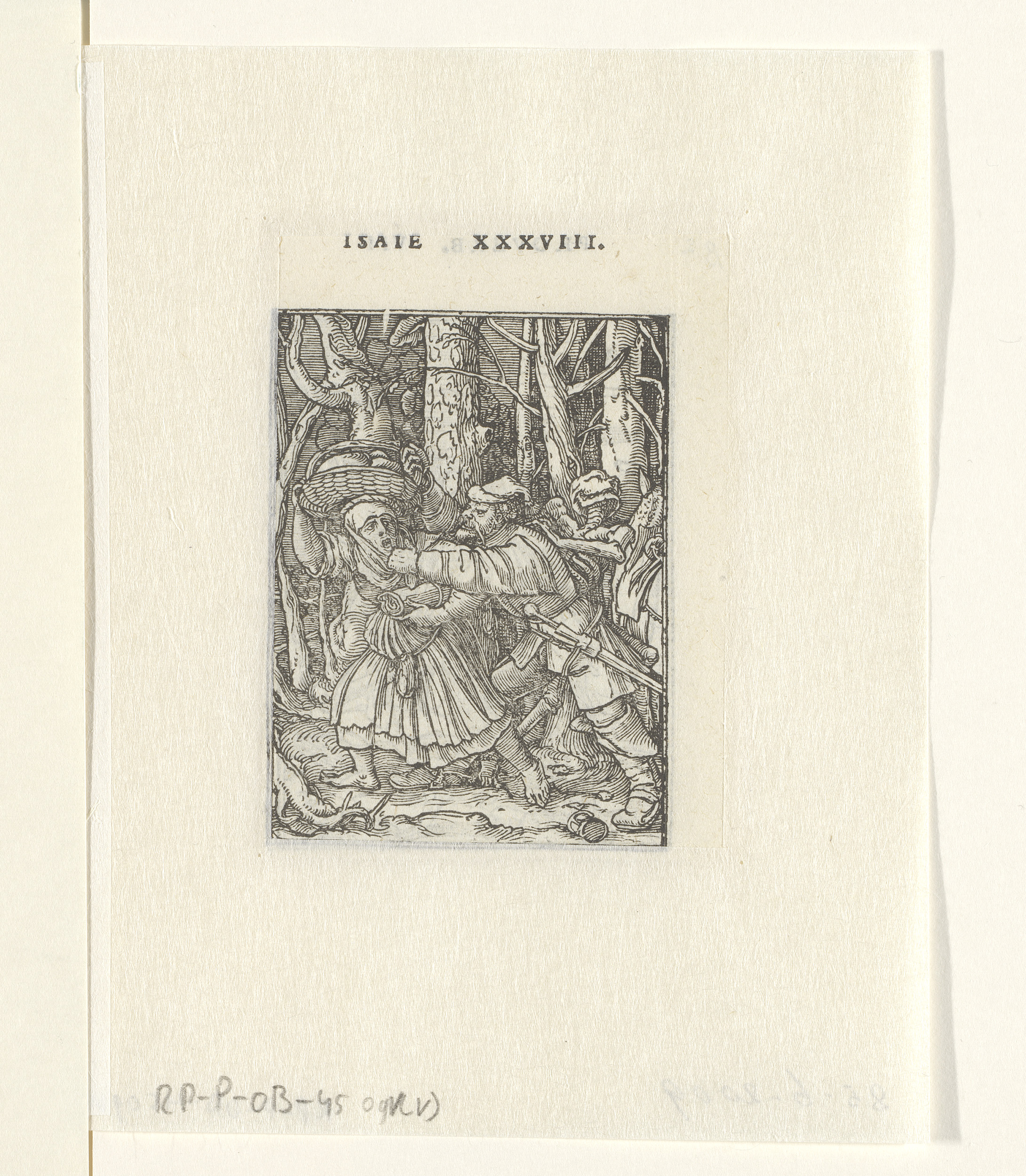
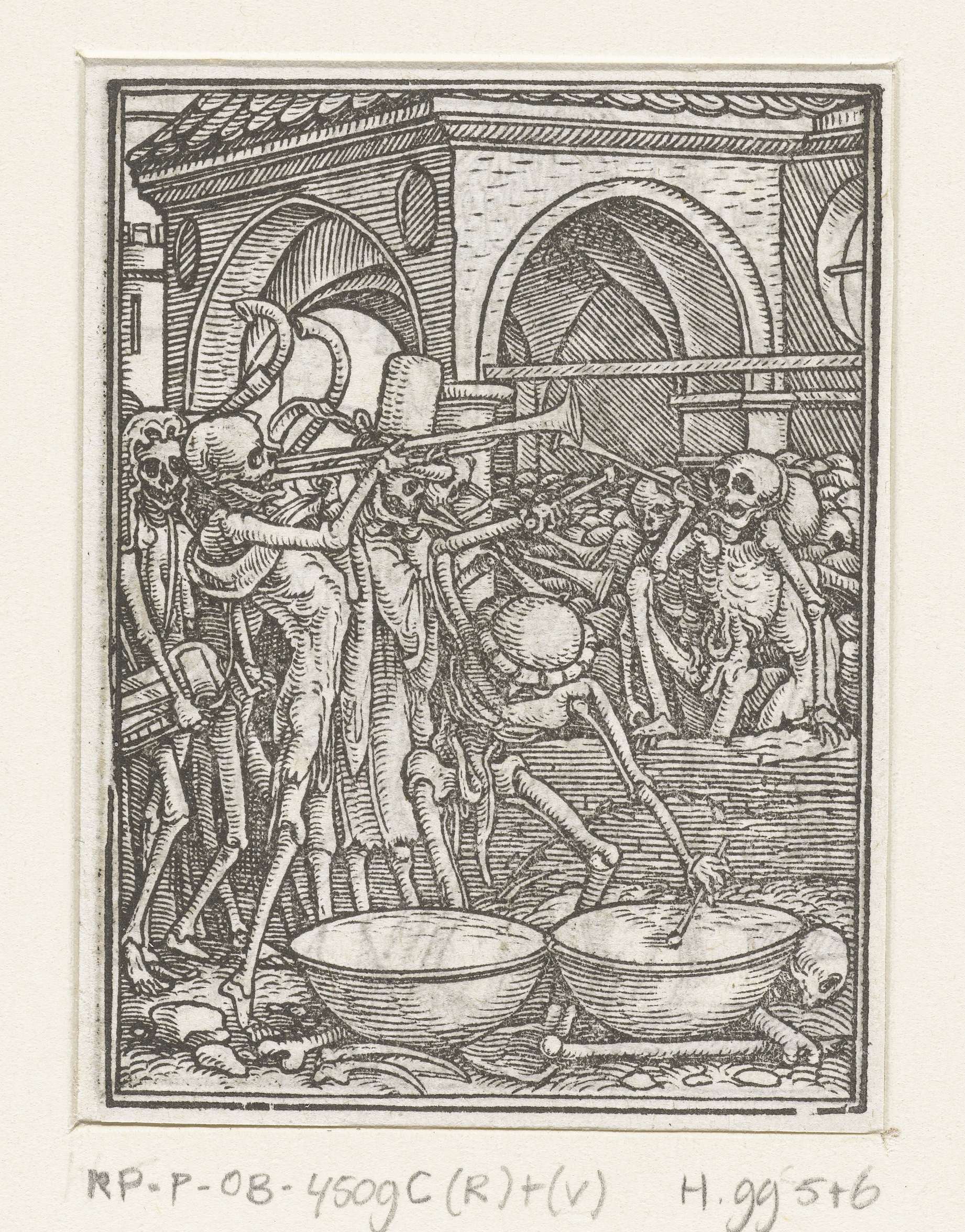
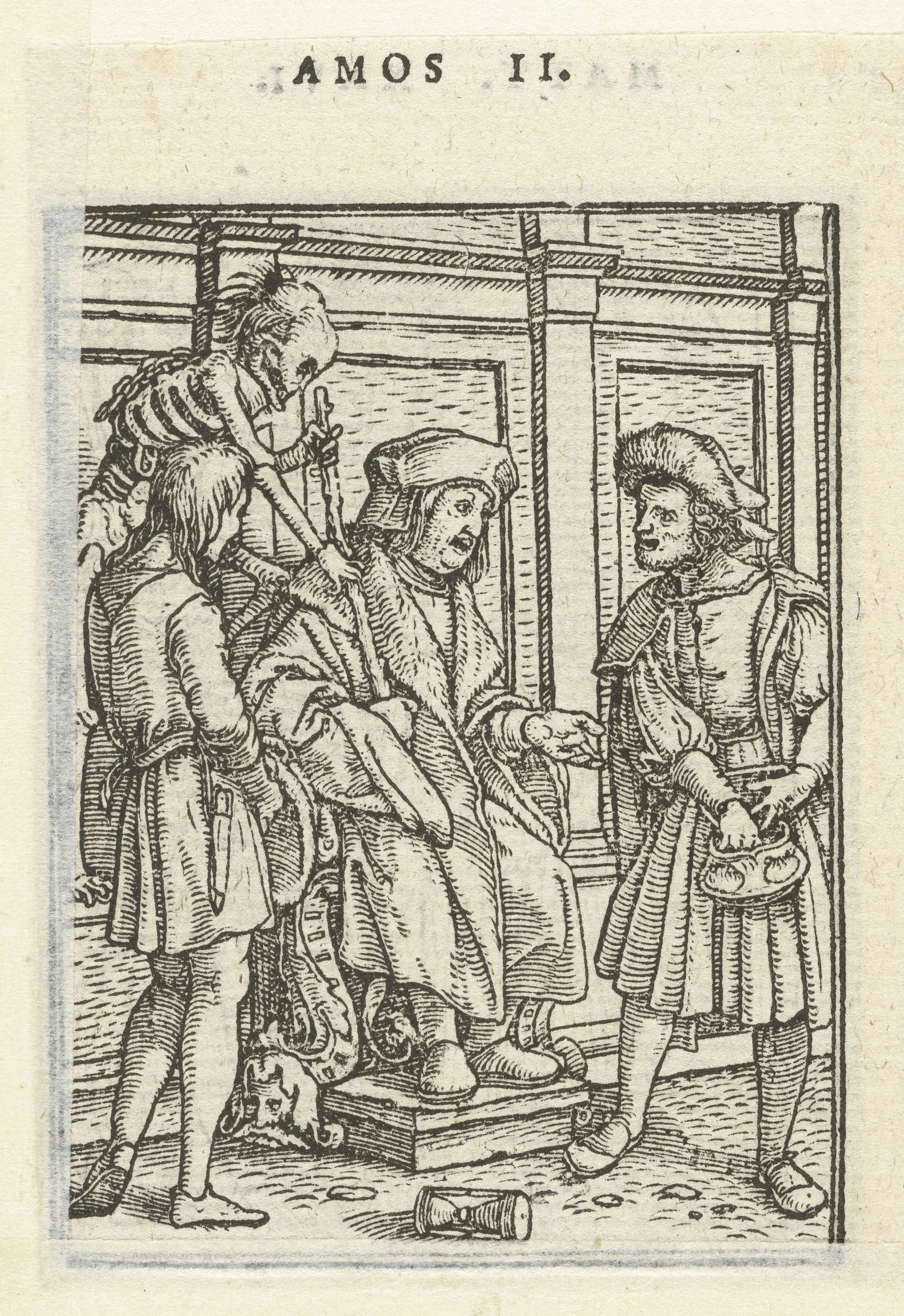
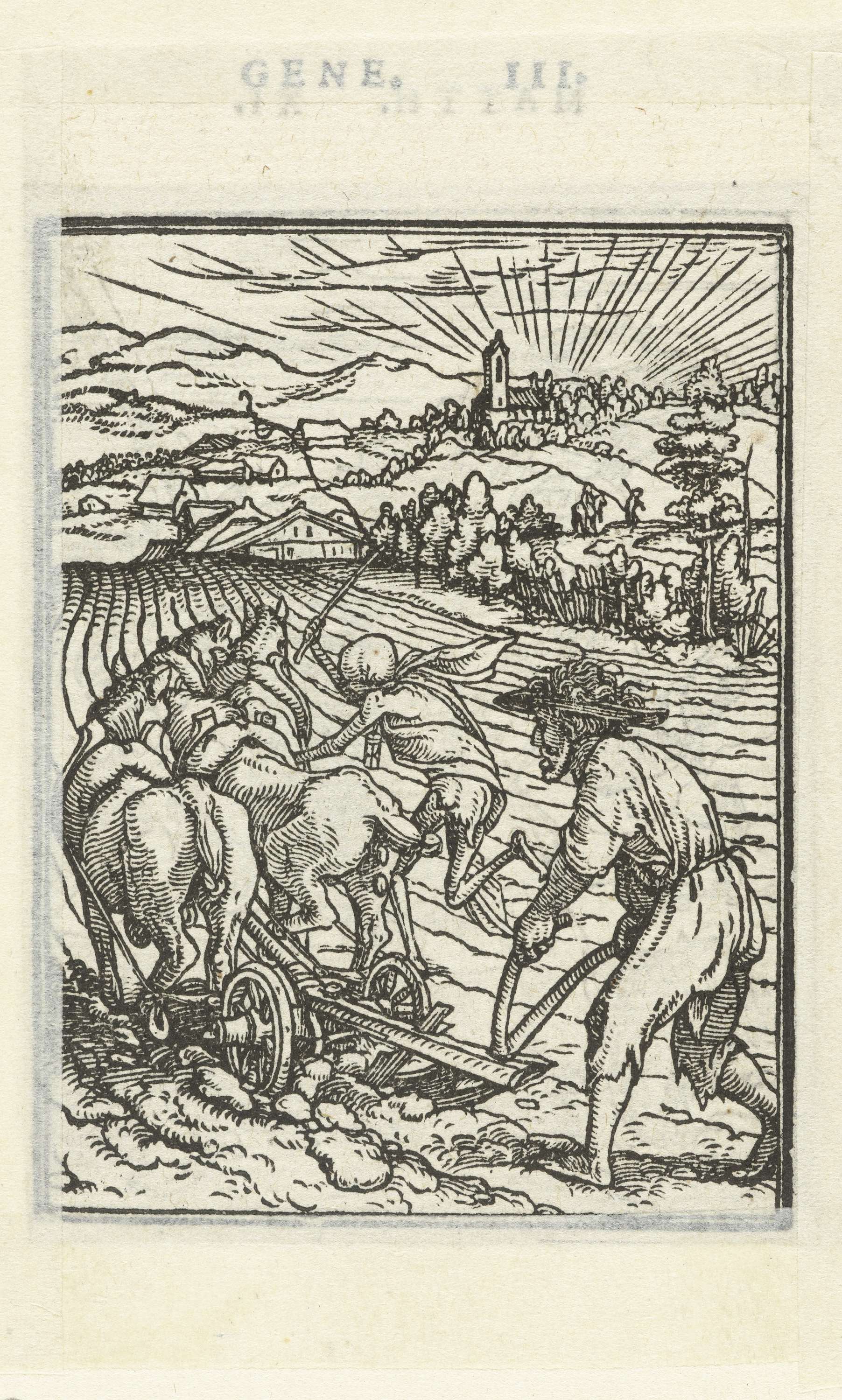
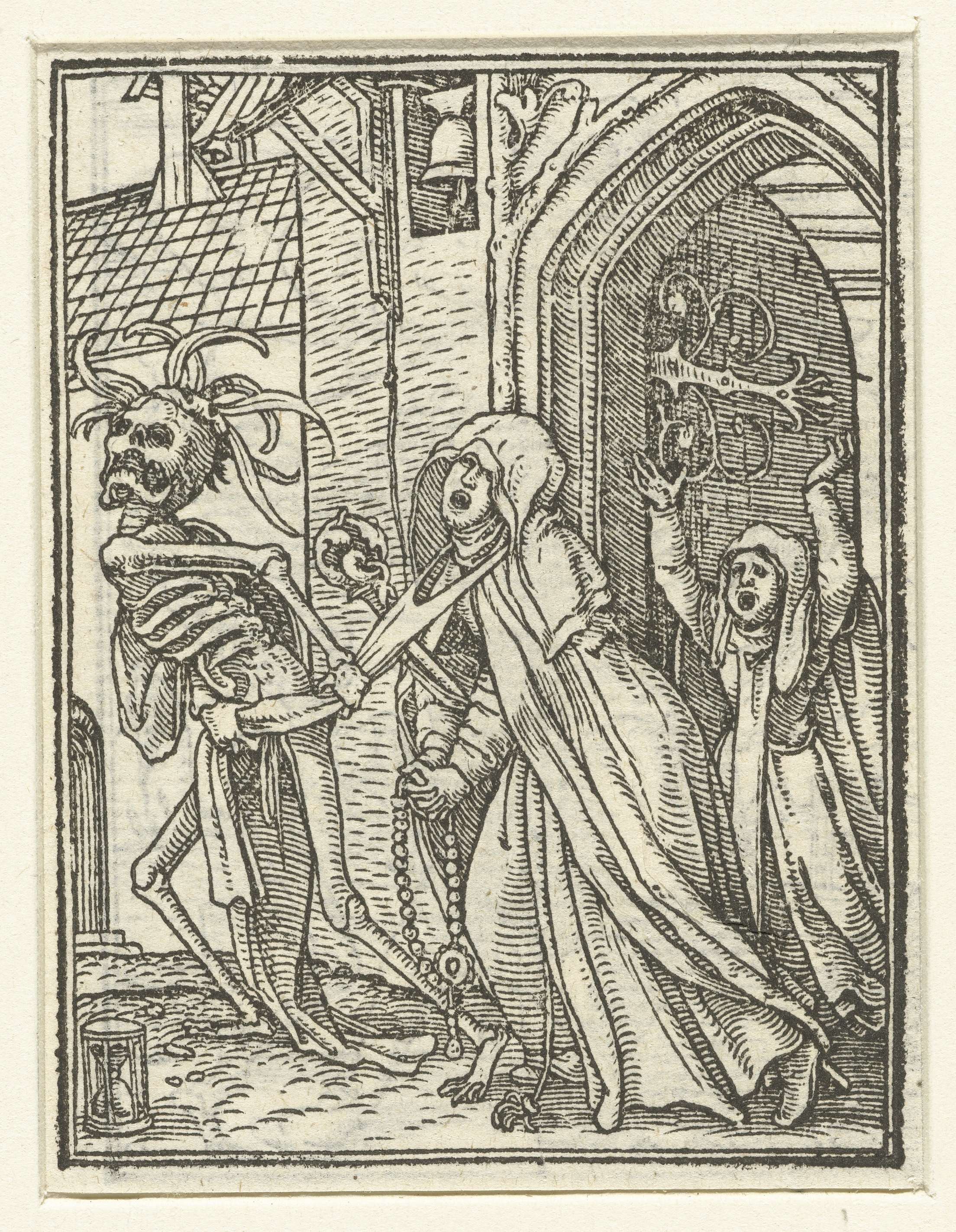
“To paint is to remember what time wants us to forget.” This sentiment resonates deeply within the layers of Gravin en de Dood, a work that invites contemplation of mortality and legacy in a world on the brink of revolution. Look to the left at the figure of the grieving woman, draped in a somber black gown, her expression a poignant interplay of sorrow and resignation. Notice how the light delicately illuminates her face, casting shadows that emphasize the depth of her grief. The stark contrast between dark hues and the muted palette reflects the duality of life and death, making the moment painfully alive.
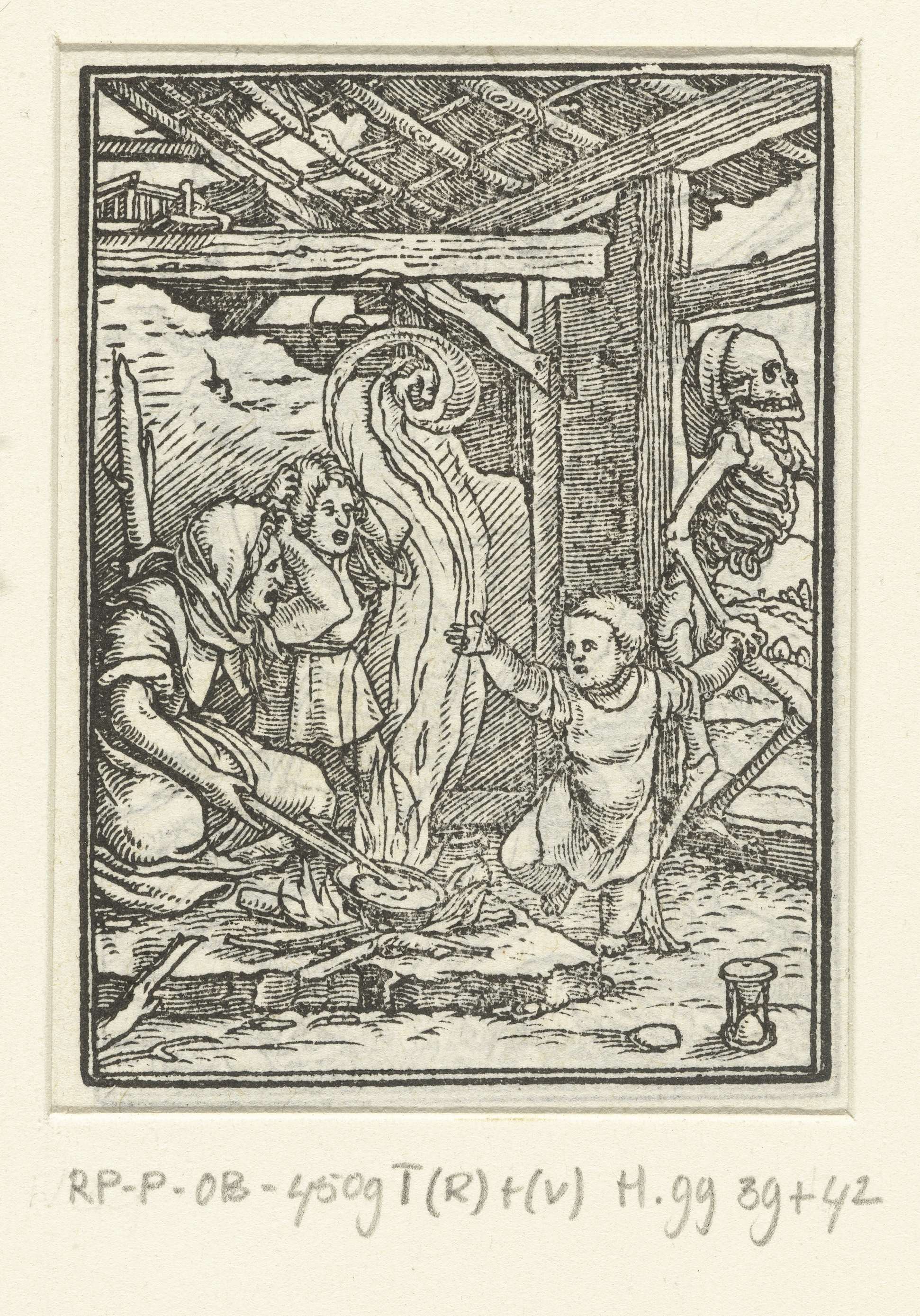
The central figure lays motionless, a reminder of the inevitability that binds all, while the elaborate details of the surrounding textile speak to the richness of life lost. Delve deeper into the symbolism woven throughout; the hourglass beside the deceased hints at the fleeting nature of existence, while the wilting flowers echo the transience of beauty and youth. Each element in the composition, from the intricate detailing of the woman’s attire to the stillness of the room, transforms this painting into a meditation on the emotional landscape of loss. The tension between despair and remembrance captures the essence of an era where change loomed on the horizon.
Hans Holbein II created this piece in 1538, during a time of profound transformation in Europe. The Reformation was reshaping the religious and cultural landscapes, and artists like Holbein were responding to the urgent need to address themes of mortality and human experience. Positioned at the intersection of art and history, this work reflects the societal shifts of the time while anchoring viewers in the universal truths of life and death.