Gray Weather, Grande Jatte — History & Analysis
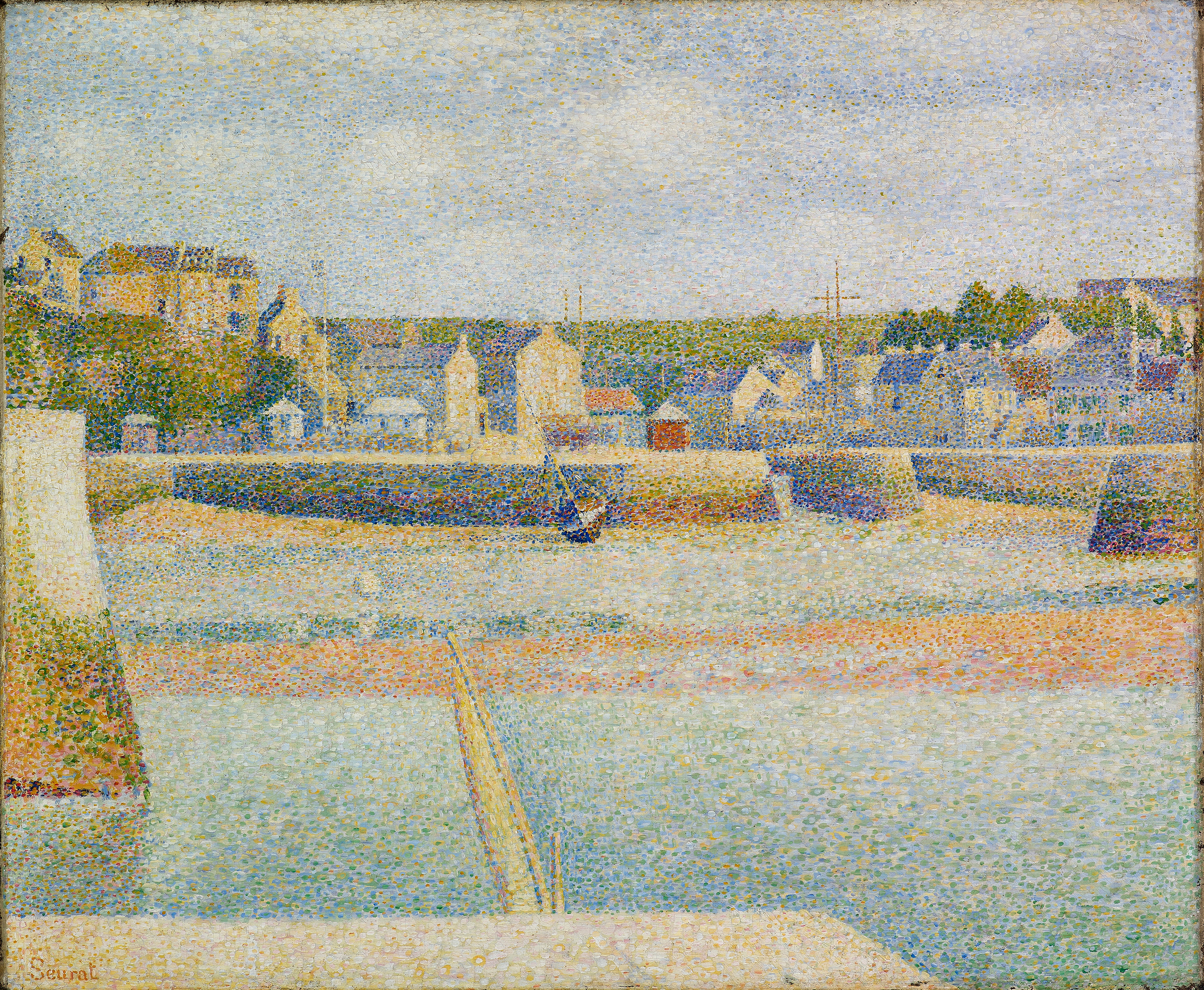
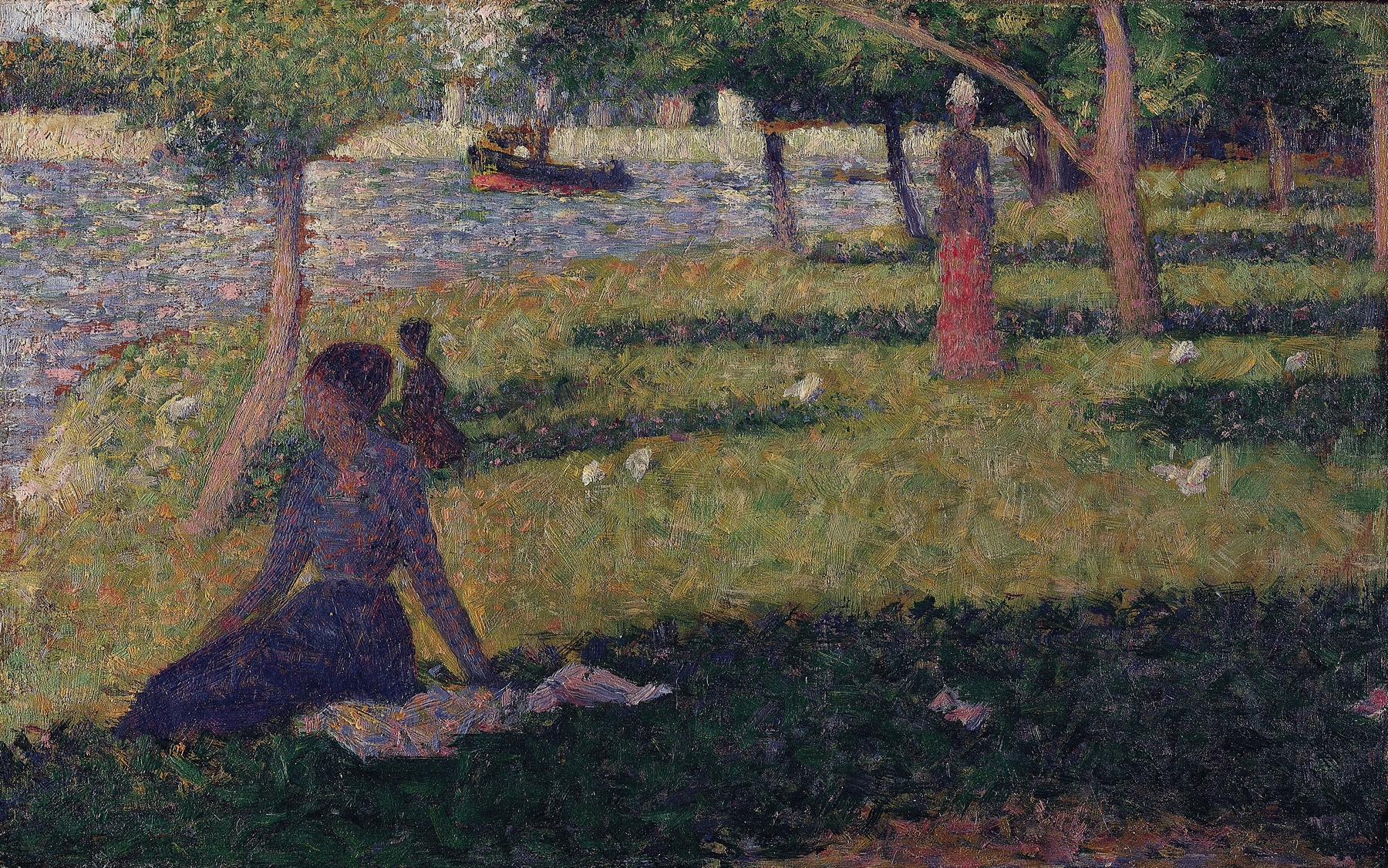
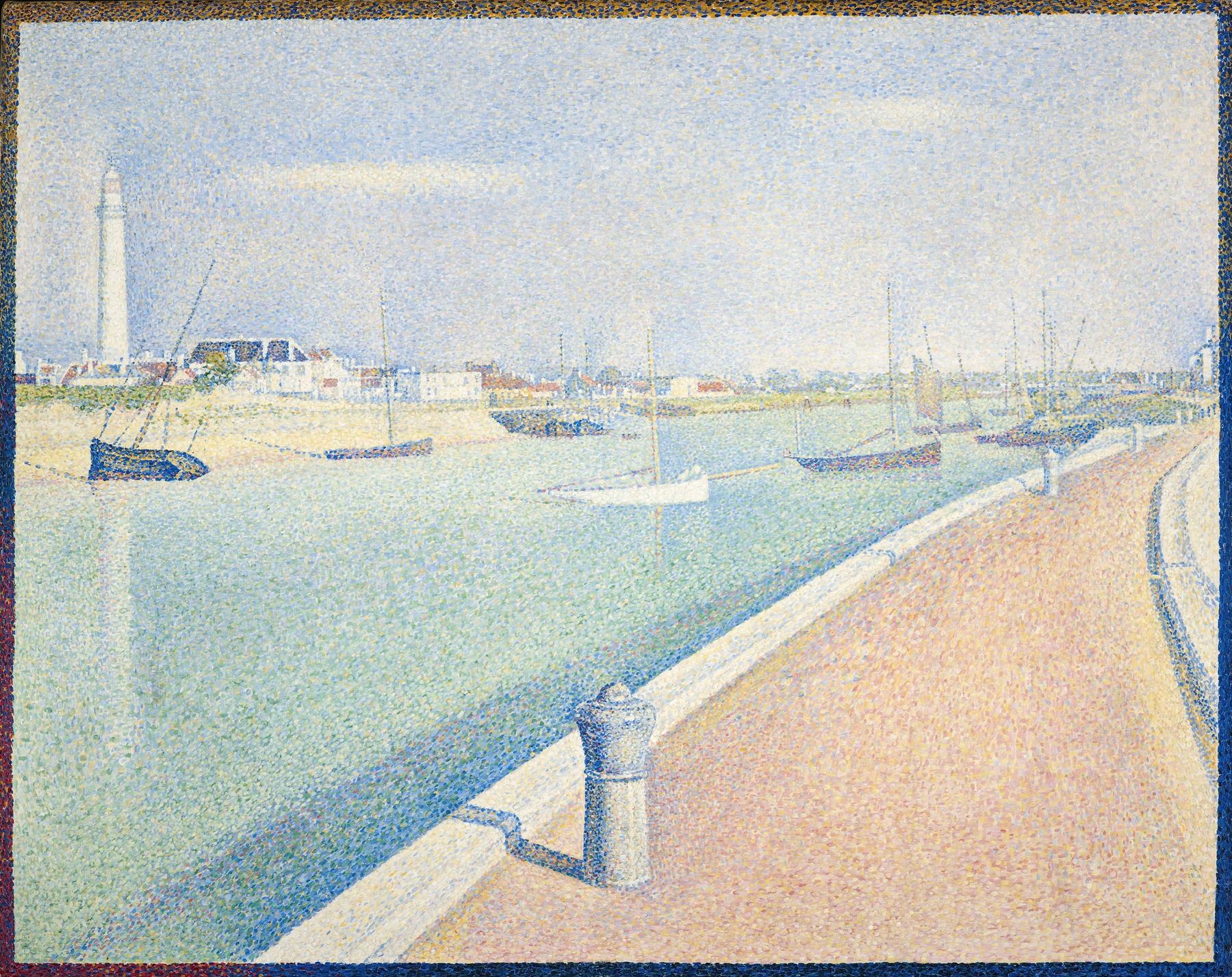
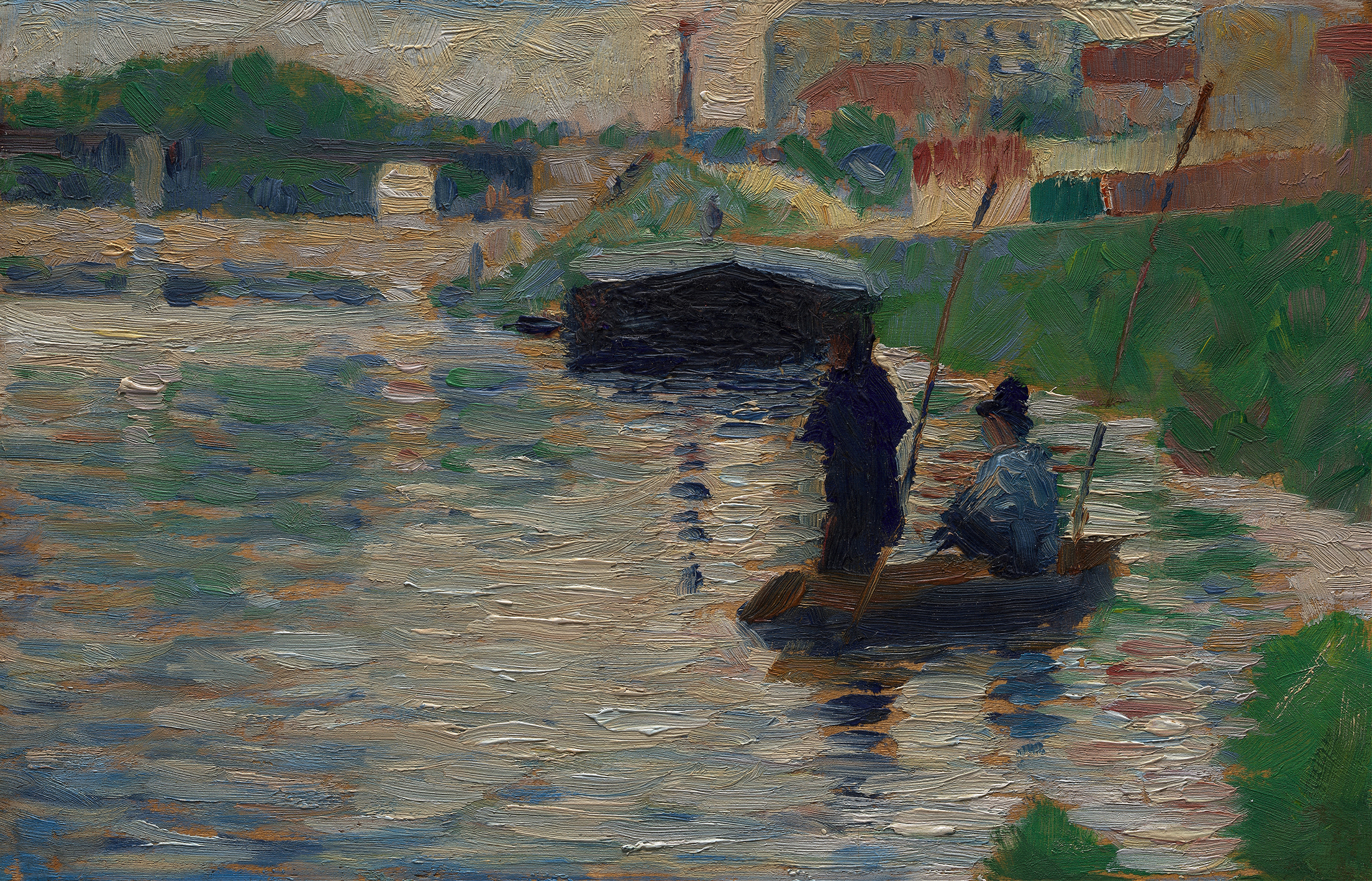
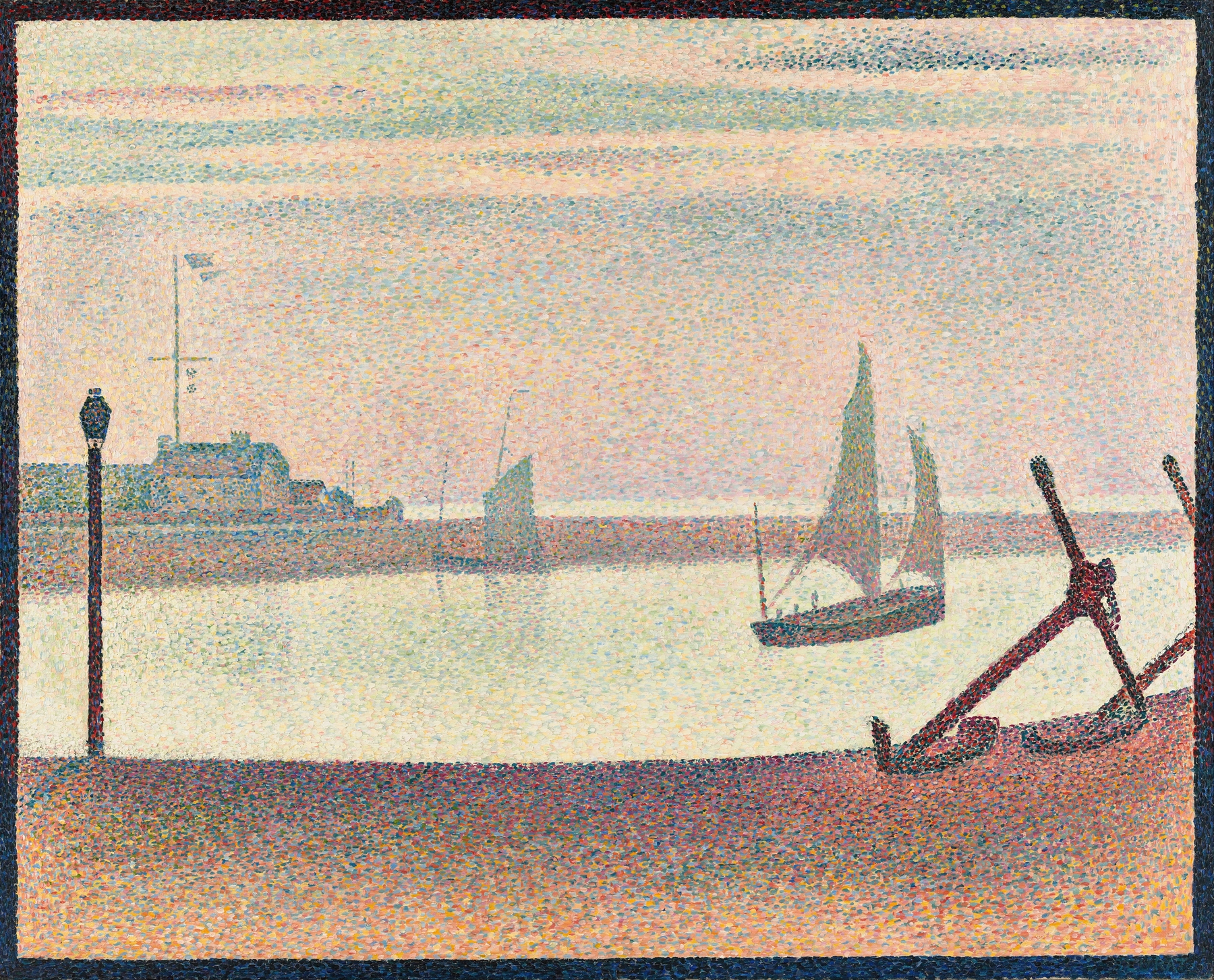
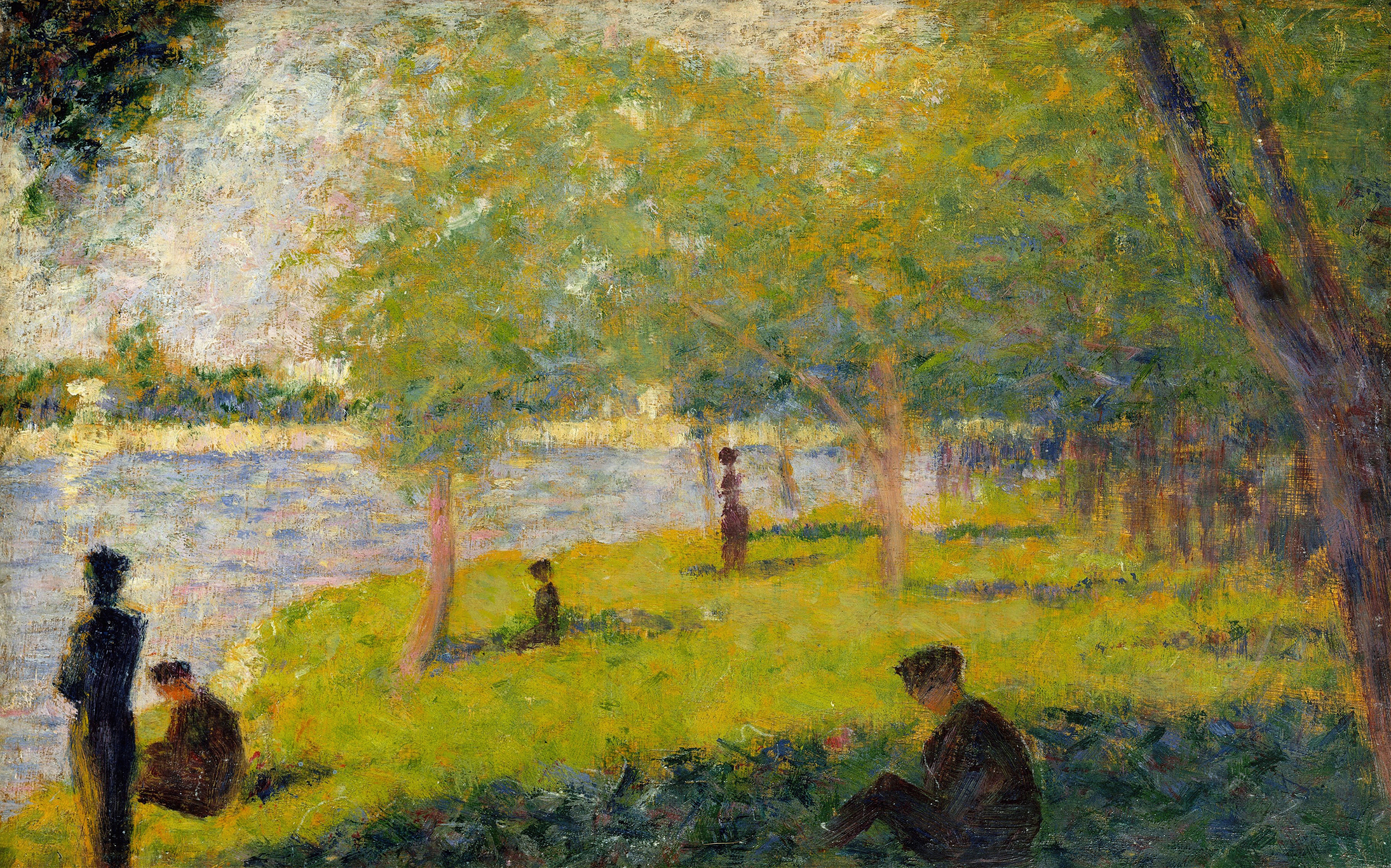
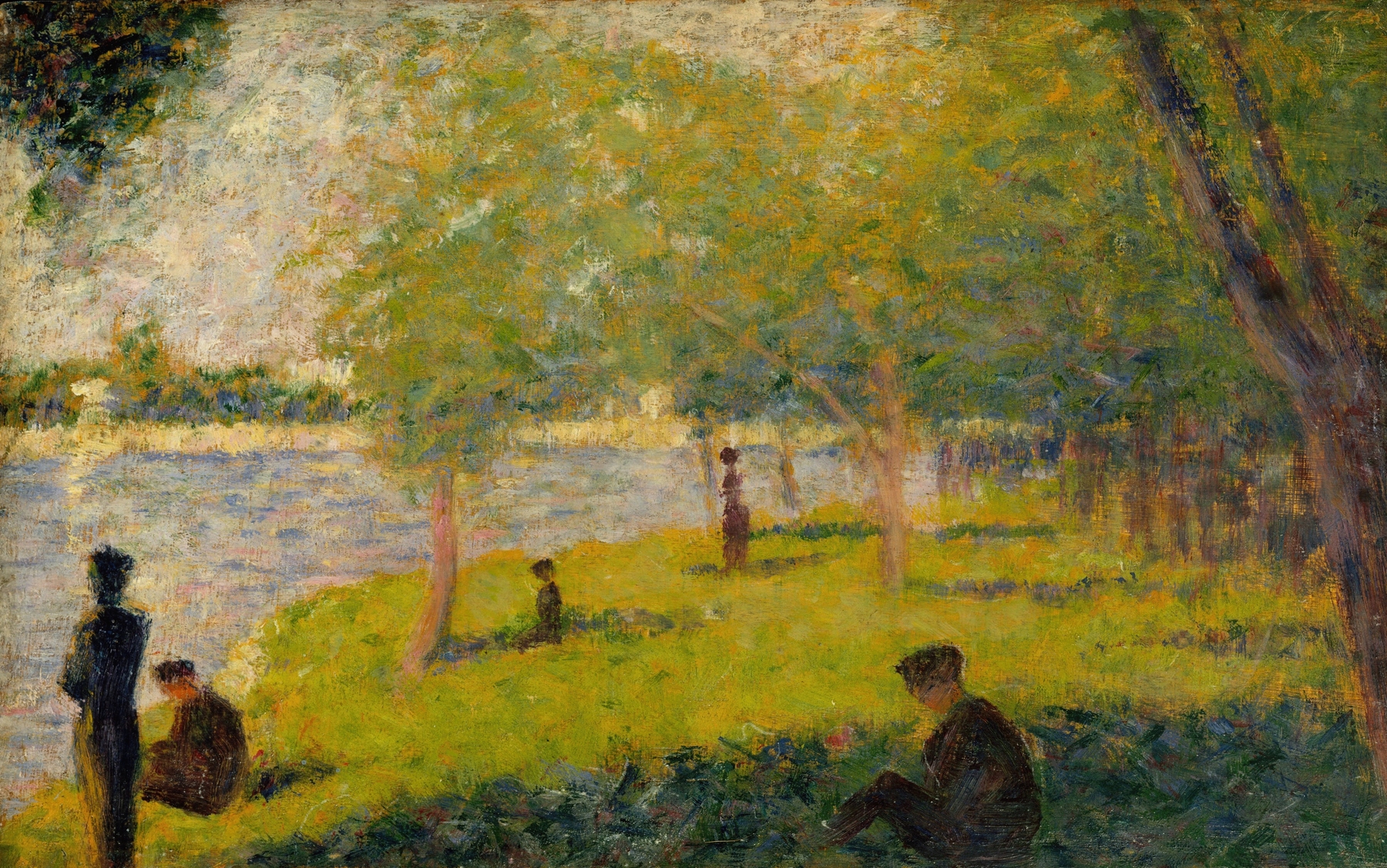
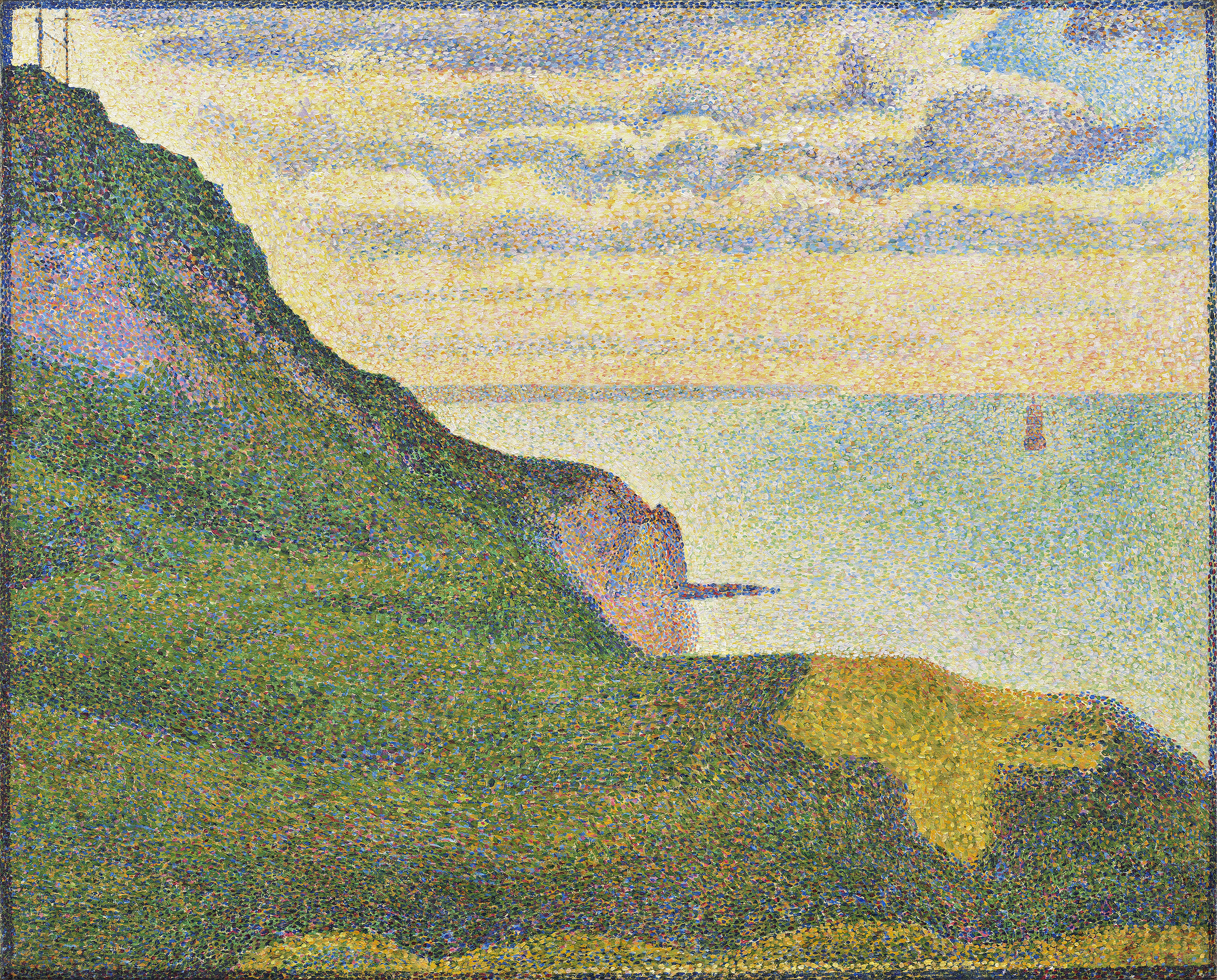
“Every brushstroke is a heartbeat remembered.” In Gray Weather, Grande Jatte, the delicate interplay between light and shadow reveals the fragility of human existence against the vast canvas of life. Focus on the soft grays that envelop the scene, drawing your gaze first to the horizon where the sky melds seamlessly with the water, its gentle ripples mirrored in the palette. Notice how the figures populate the left side, their forms appearing almost spectral, blending with the surrounding landscape. Seurat's meticulous pointillism creates a textured surface that invites the viewer to wander, each dot contributing to a sense of movement and stillness in unison, while the muted tones convey a quiet introspection.
Delve deeper into the emotional contrasts woven into the composition; the solitary figures suggest a longing for connection yet maintain a distance that speaks to isolation. The interplay of light and shadow not only captures the ephemeral nature of the day but also evokes the fleeting moments of joy and sorrow inherent in life. This gray weather reflects the complexity of human relationships, where beauty and melancholy coexist, reminding us of the fragility of our experiences.
Created between 1886 and 1888, the piece reflects Seurat’s experimentation with color and form during a period of artistic transition. While living in Paris, he was influenced by various movements, including Impressionism and Neo-Impressionism, as he sought to develop his own unique style. This time also saw a growing interest in the psychological dimensions of art, as artists began to explore themes of emotion and perception, setting the stage for modern art’s evolution.