Greenwood Lake — History & Analysis
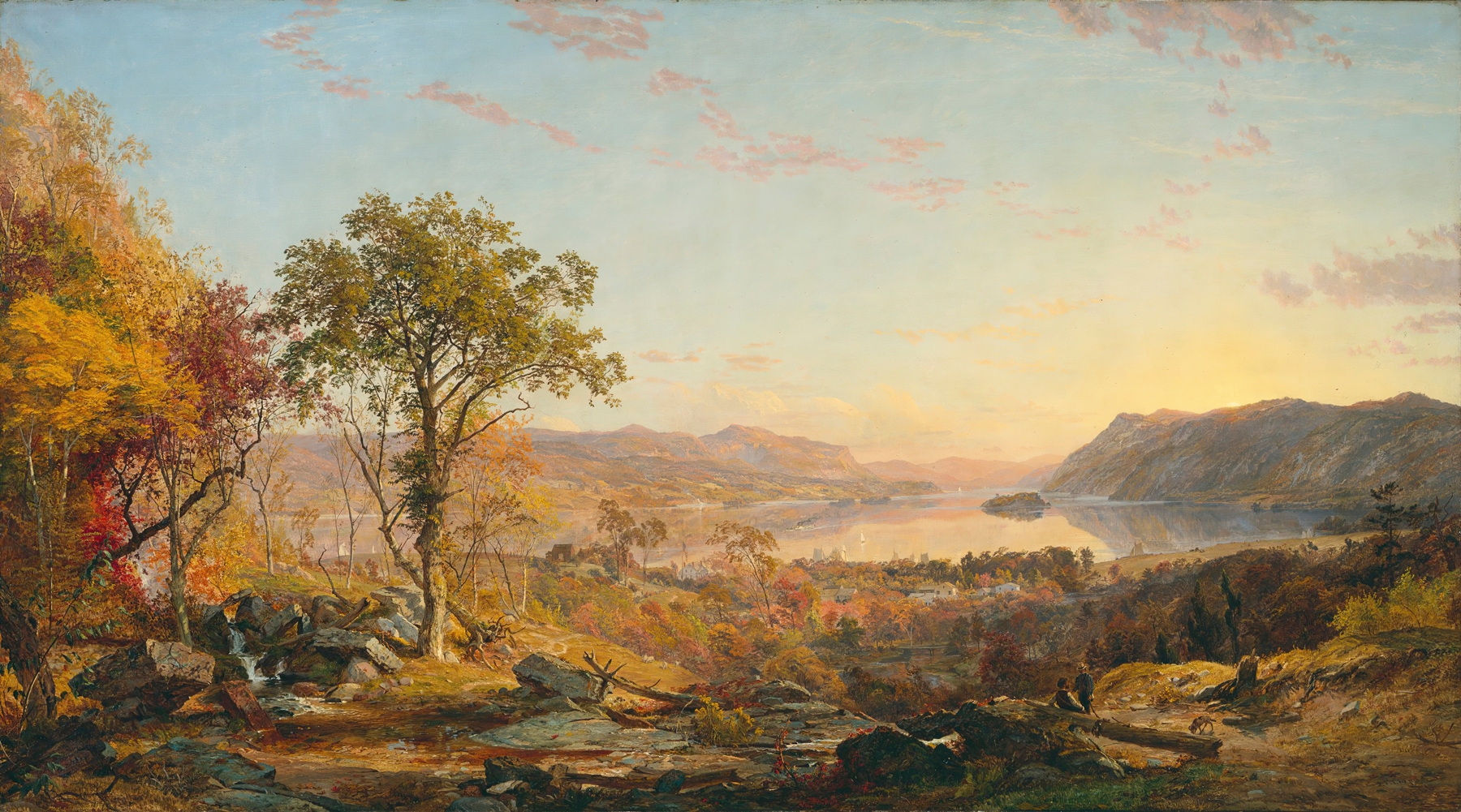
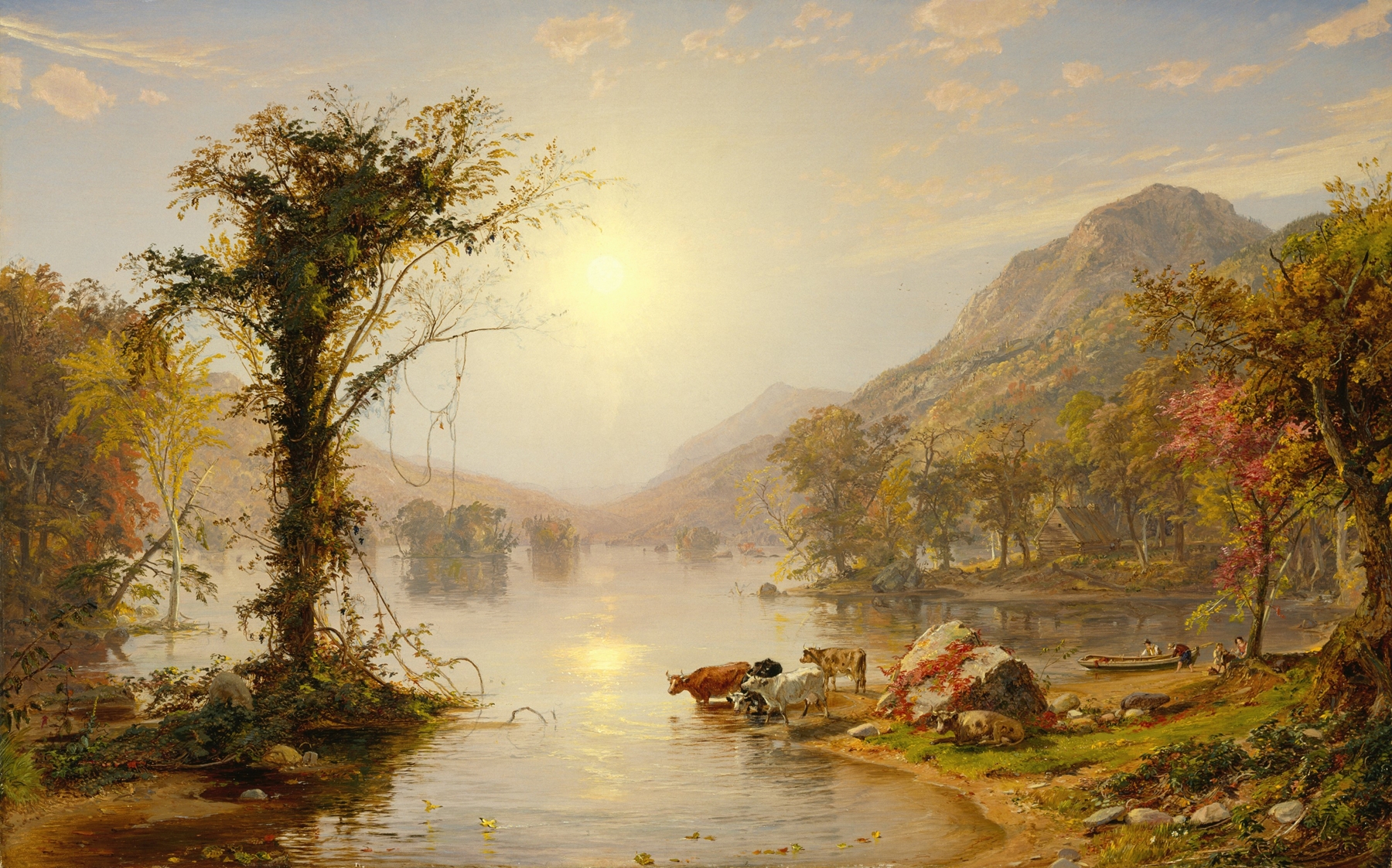
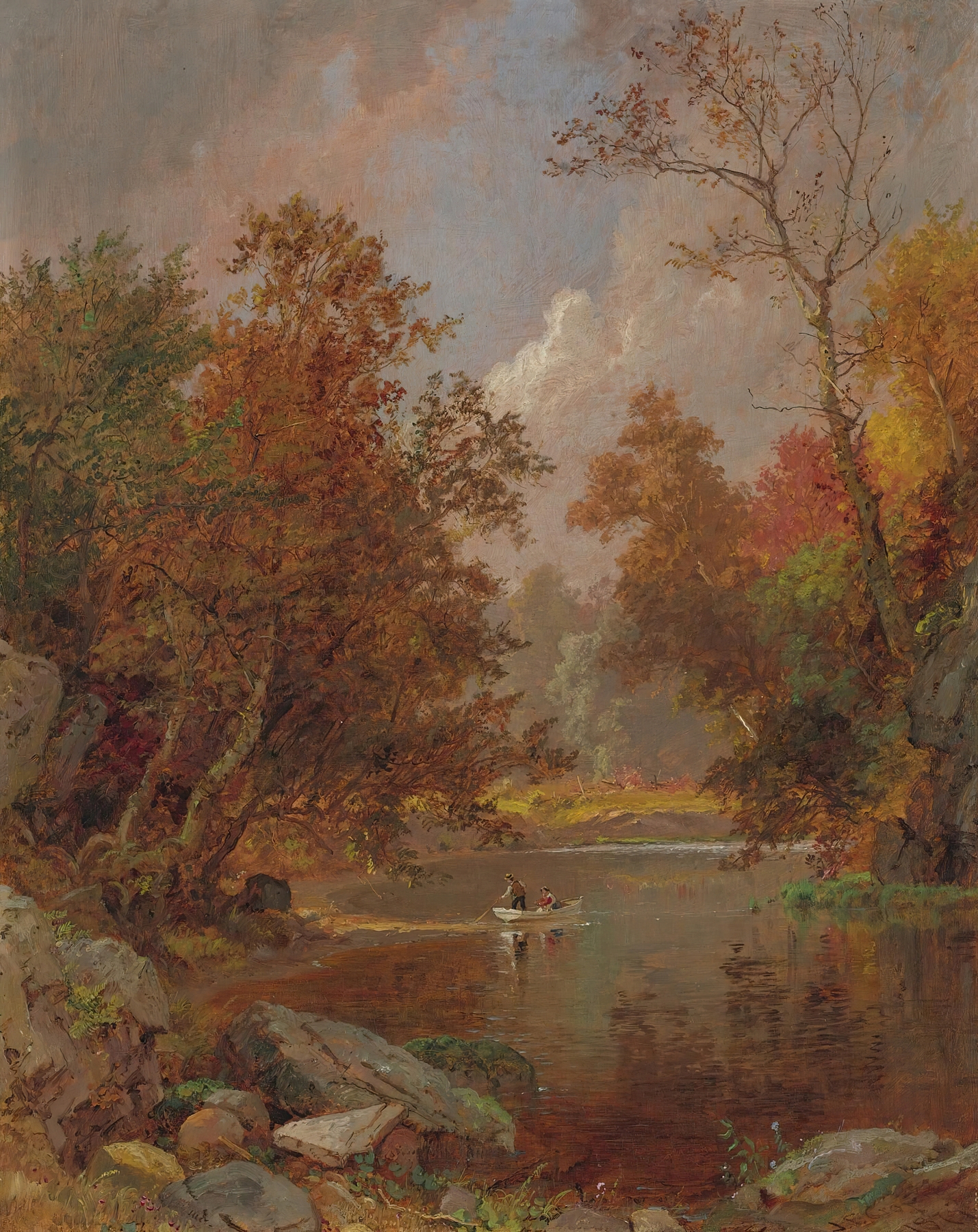
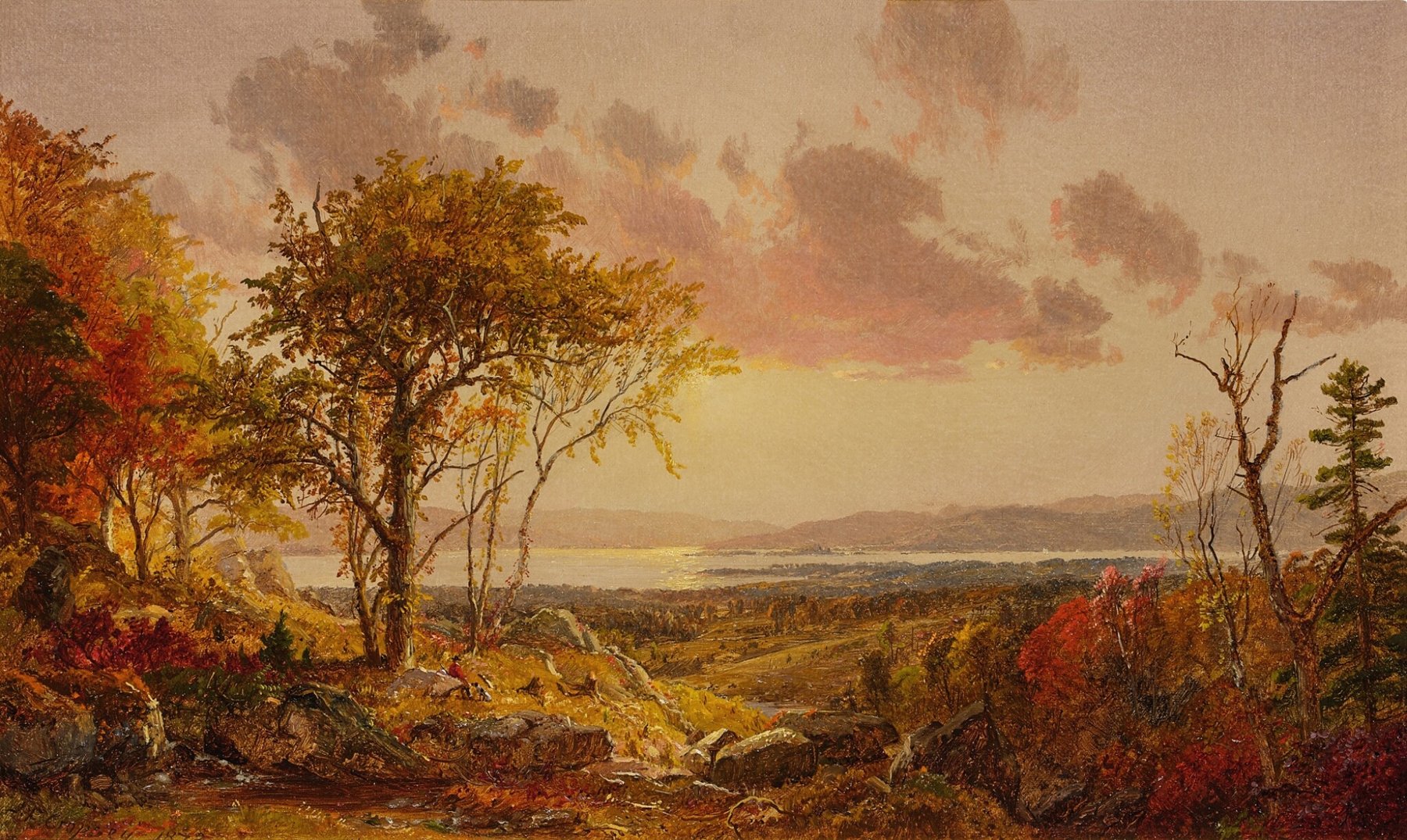
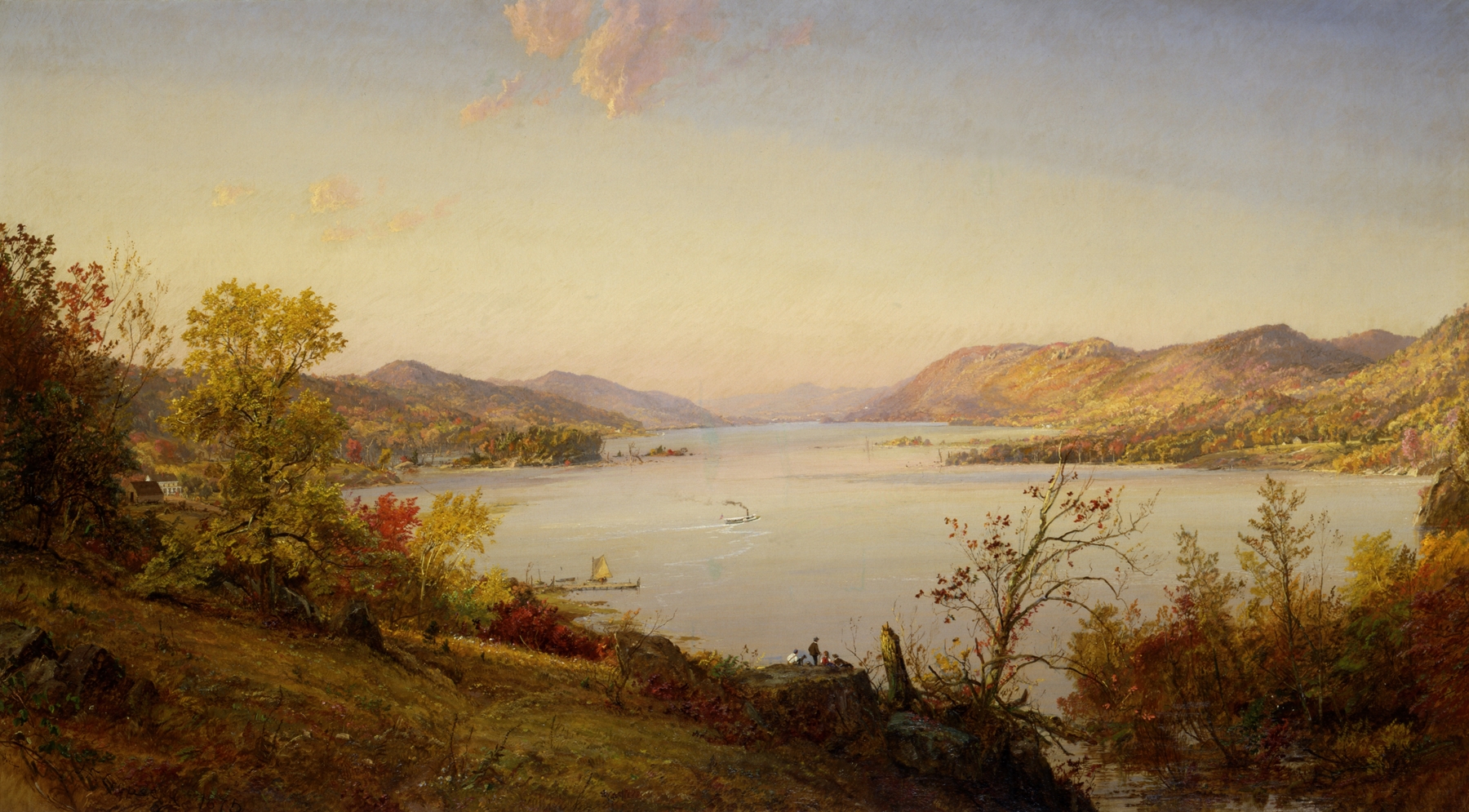
“Under the brush, chaos becomes grace.” The essence of decay enriches the canvas, revealing the beauty that lingers within the remnants of time. Nature's quiet resilience speaks volumes, inviting us to witness the interplay of life and decline. Look to the foreground, where the vibrant autumn foliage bursts into a symphony of reds, oranges, and yellows, drawing the eye with its warm embrace. The serene waters of Greenwood Lake reflect this kaleidoscope, shimmering under the soft light. Notice how the painter employs gentle brush strokes to capture the delicate ripples on the surface, hinting at a subtle breeze that breathes life into the stillness.
The distant hills, wrapped in a misty veil, add a layer of depth, inviting contemplation of what lies beyond the visible. Beneath the surface of this idyllic scene lies an exploration of temporality. The juxtaposition of the vivid trees against the still water speaks to the fleeting nature of beauty—a reminder that all things must eventually wither. Additionally, hints of decay are present in the gnarled branches and fallen leaves that dot the landscape, suggesting that even in beauty, there is impermanence.
This tension between vibrancy and decay evokes a sense of nostalgia, urging the viewer to reflect on their own experiences of loss and renewal. In 1875, Cropsey painted this piece during a period marked by his deepening connection to American landscapes and the Hudson River School’s ideals. Living in New York, he was influenced by the romantic portrayal of nature, seeking to celebrate the American wilderness while confronting the changes brought on by industrialization. This work stands as a testament to his artistic journey and the era's complex relationship with the natural world.