Grey and Silver–Liverpool — History & Analysis
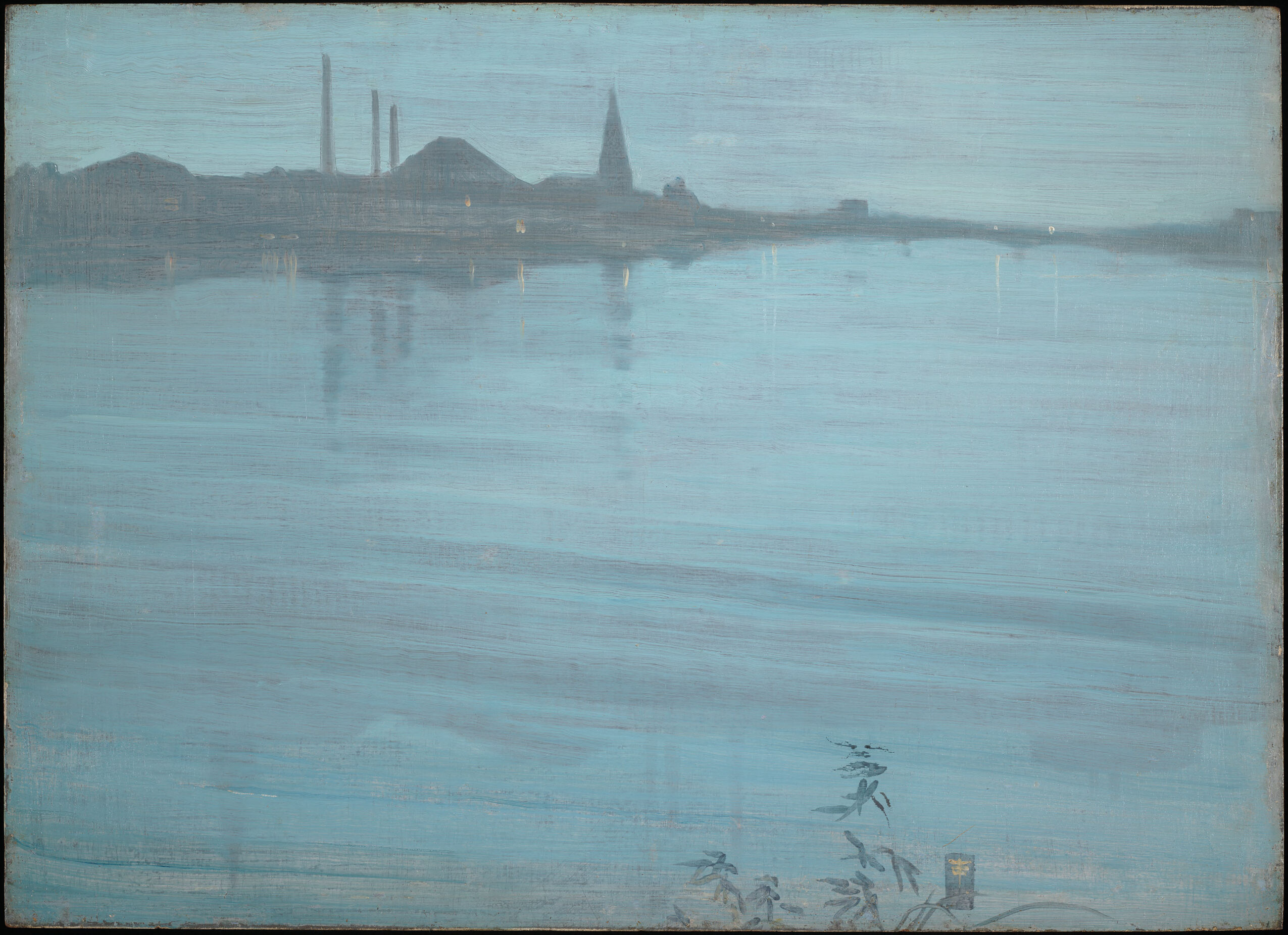
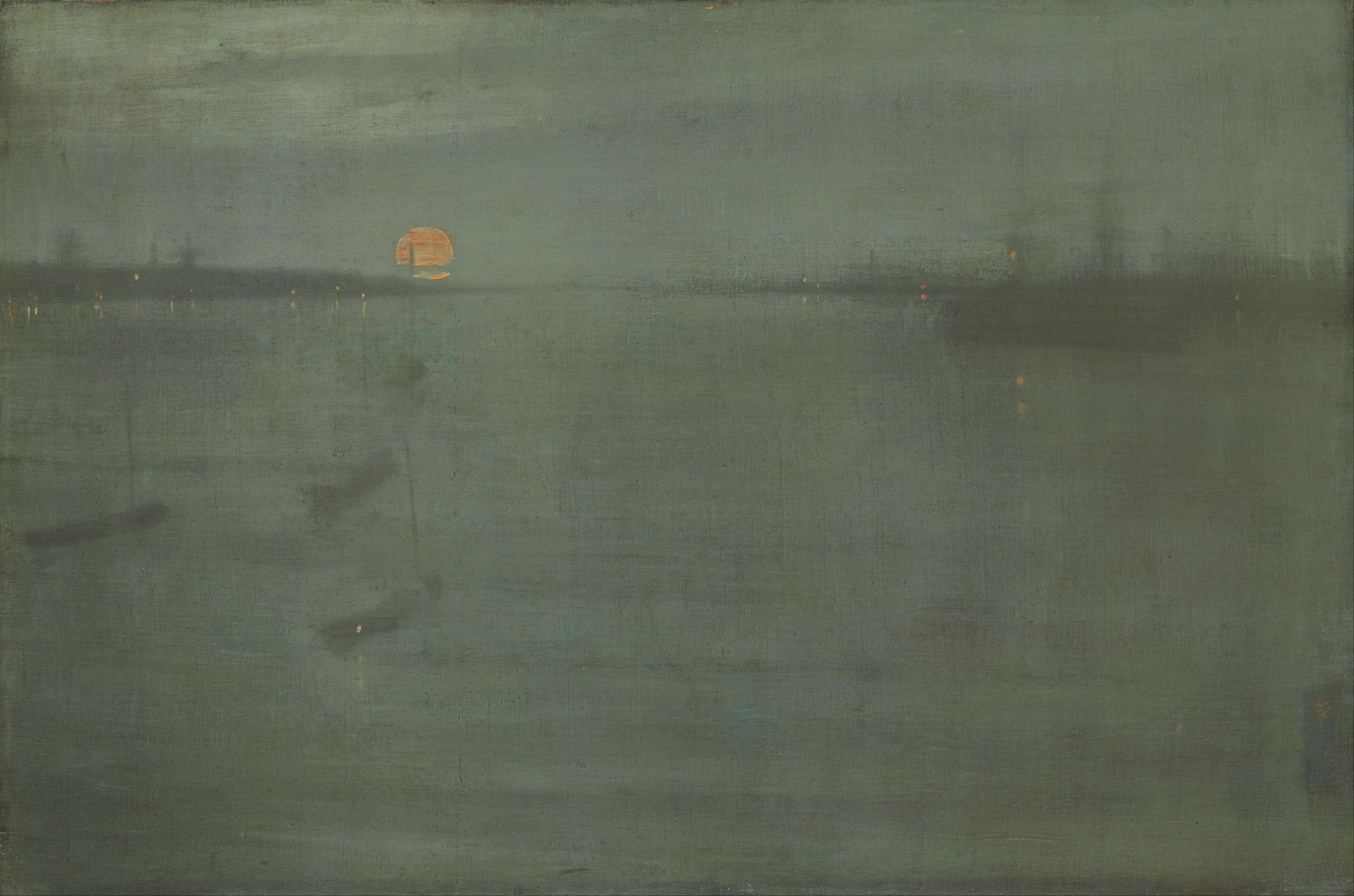
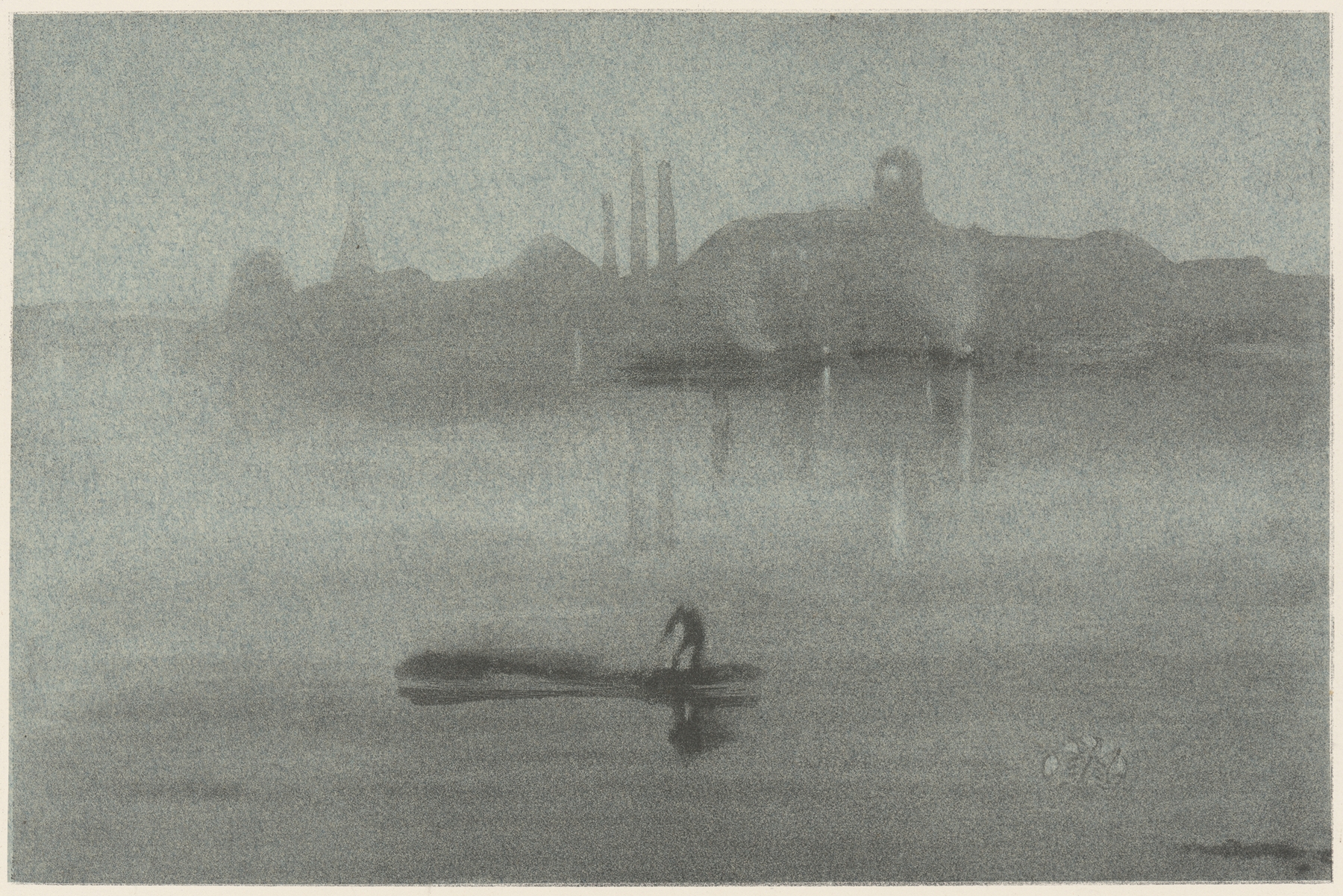
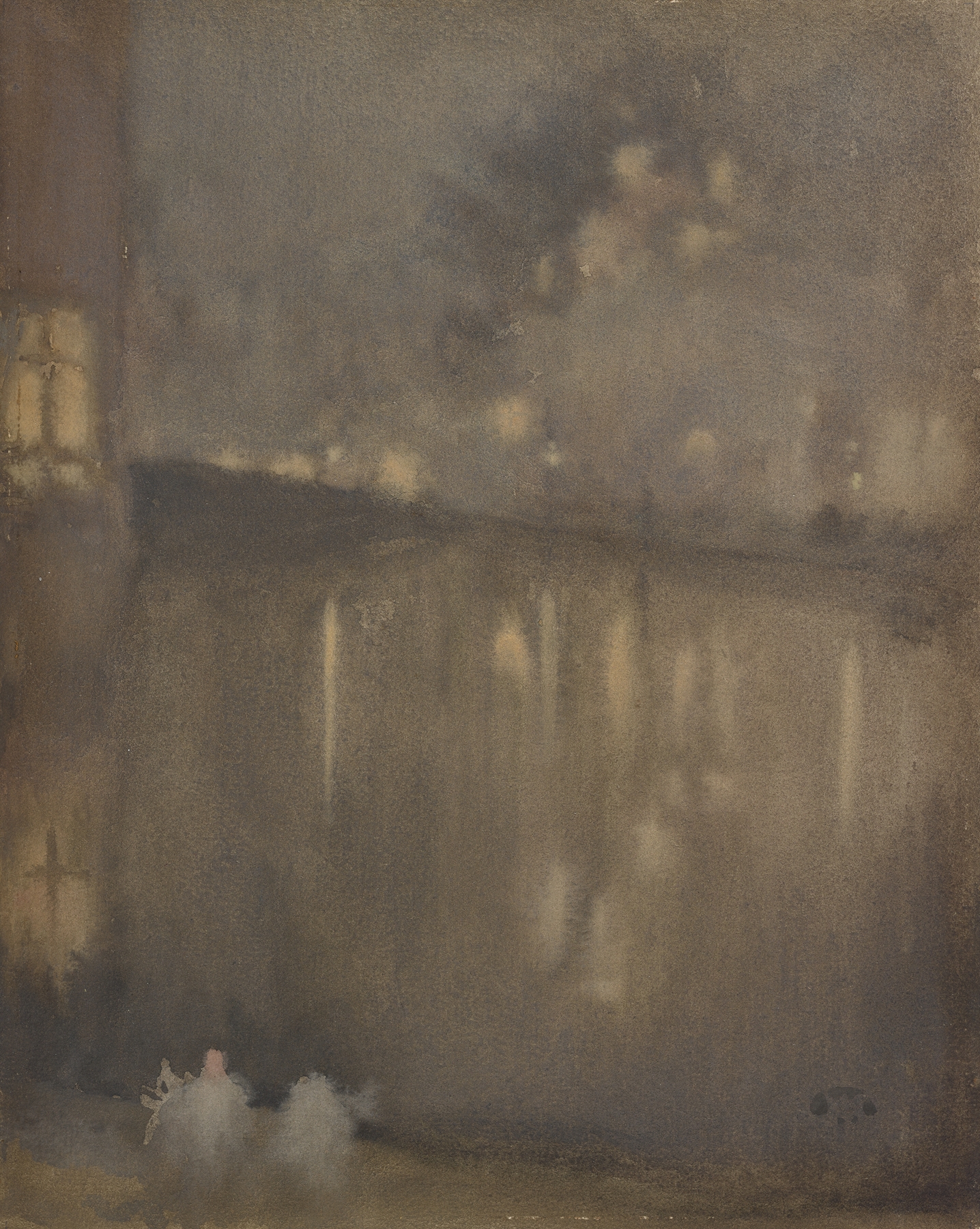
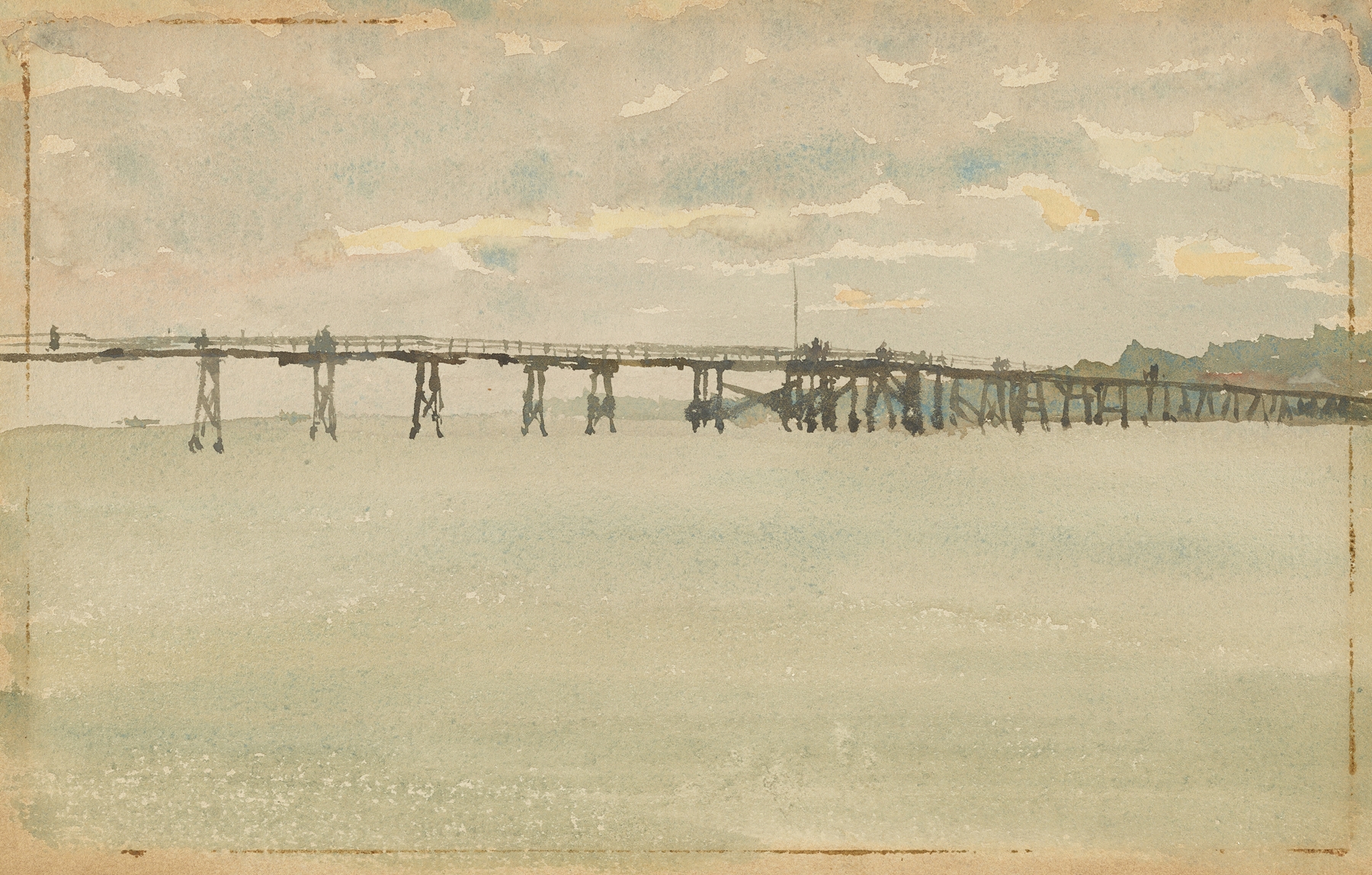
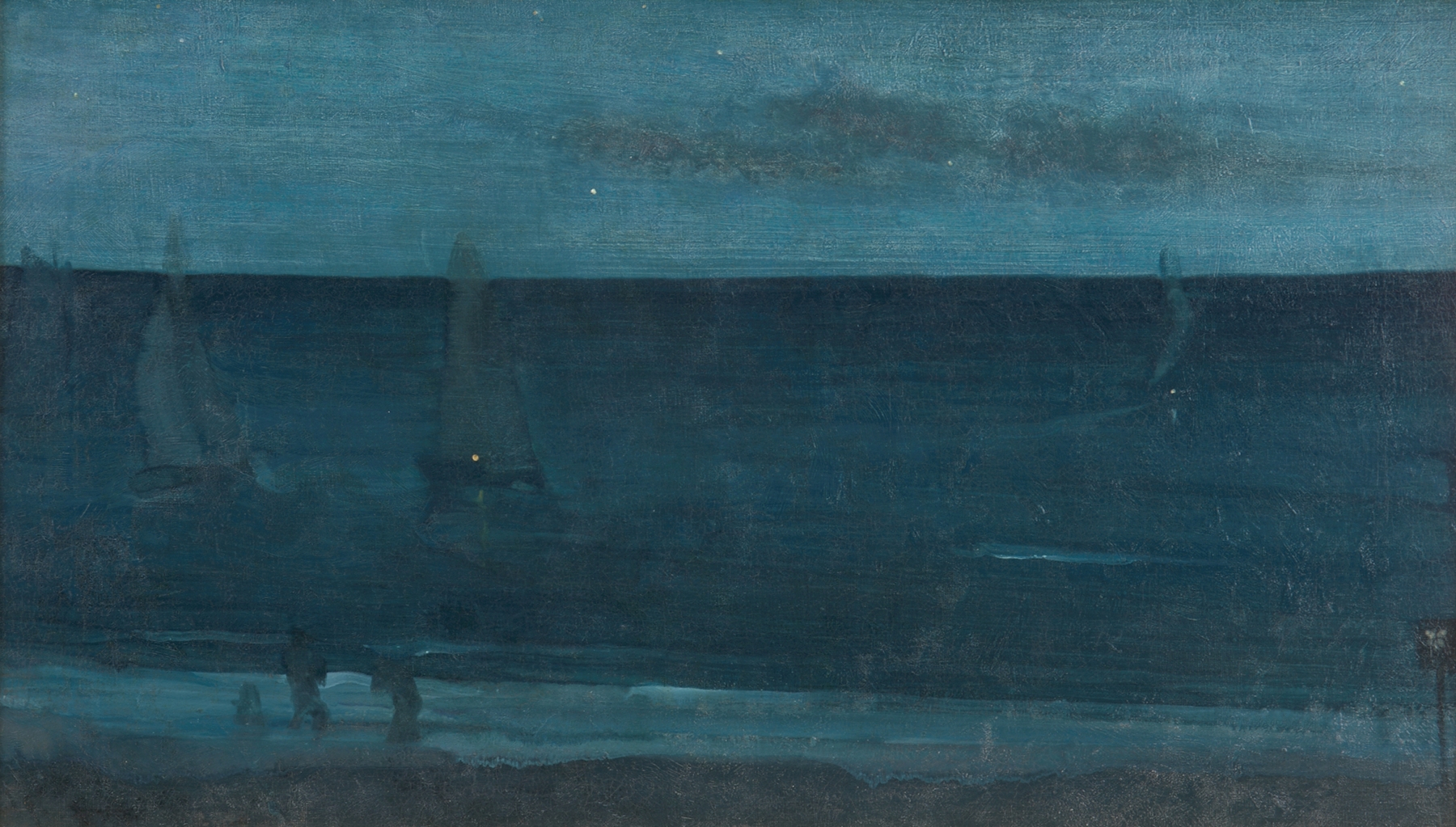
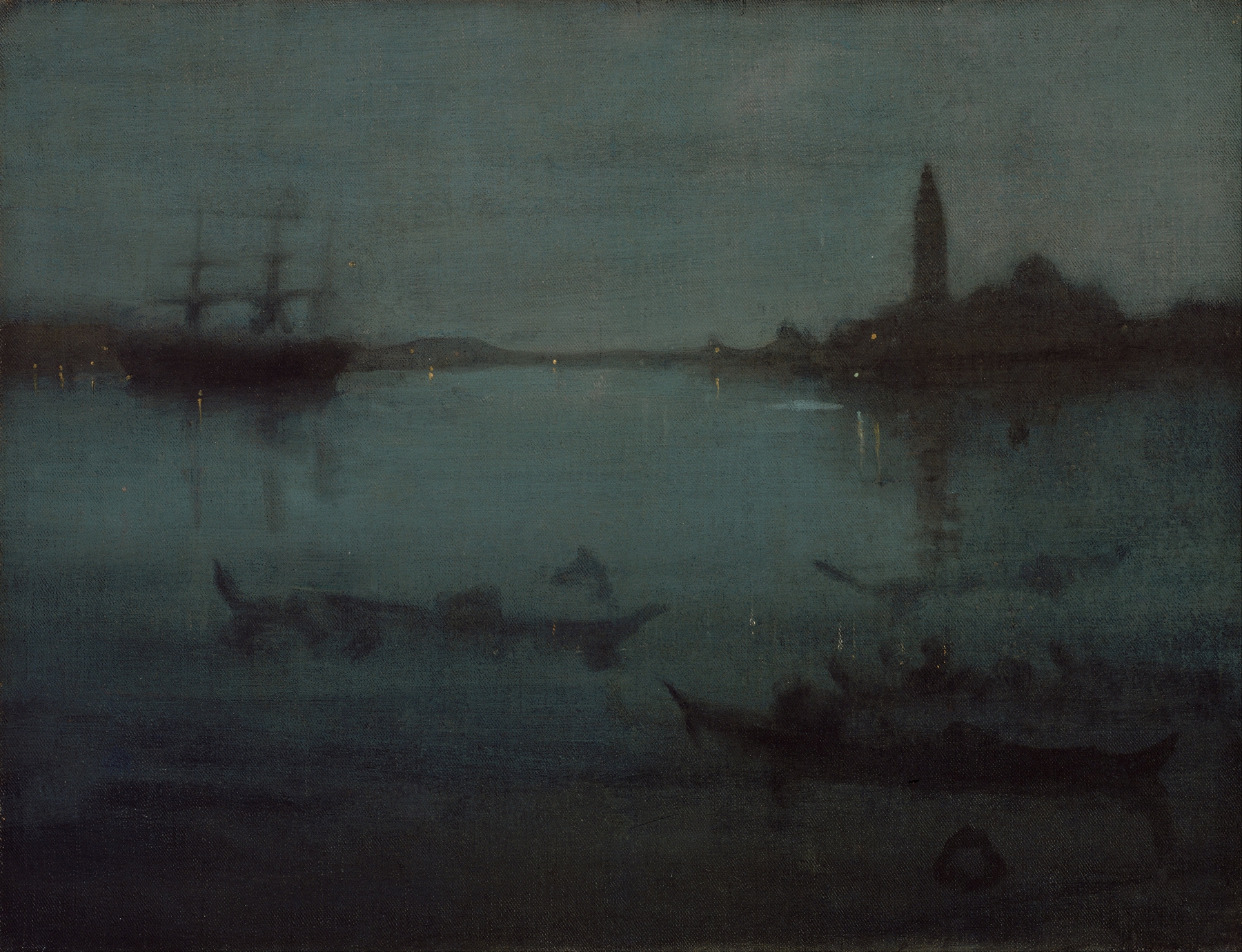
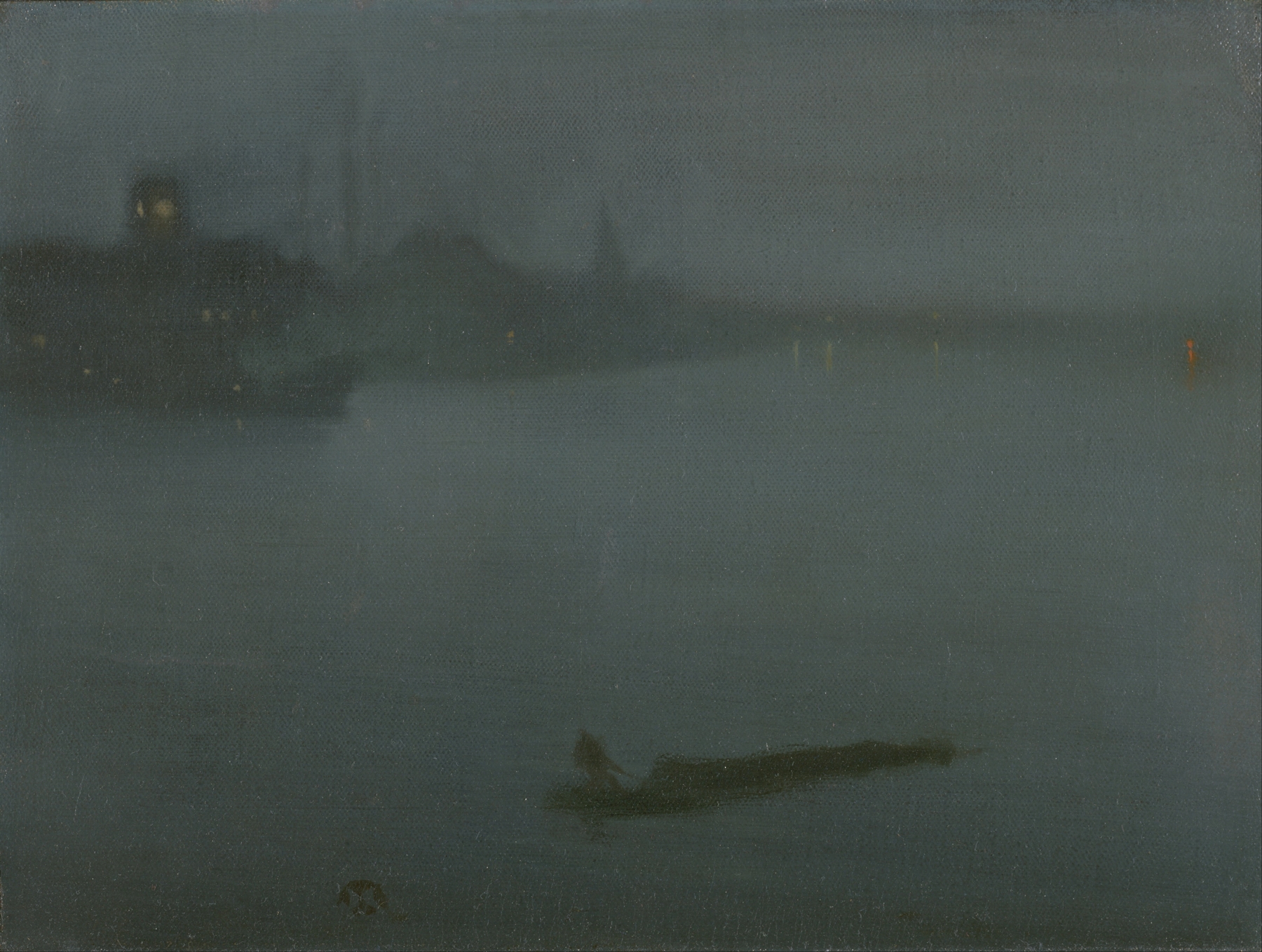
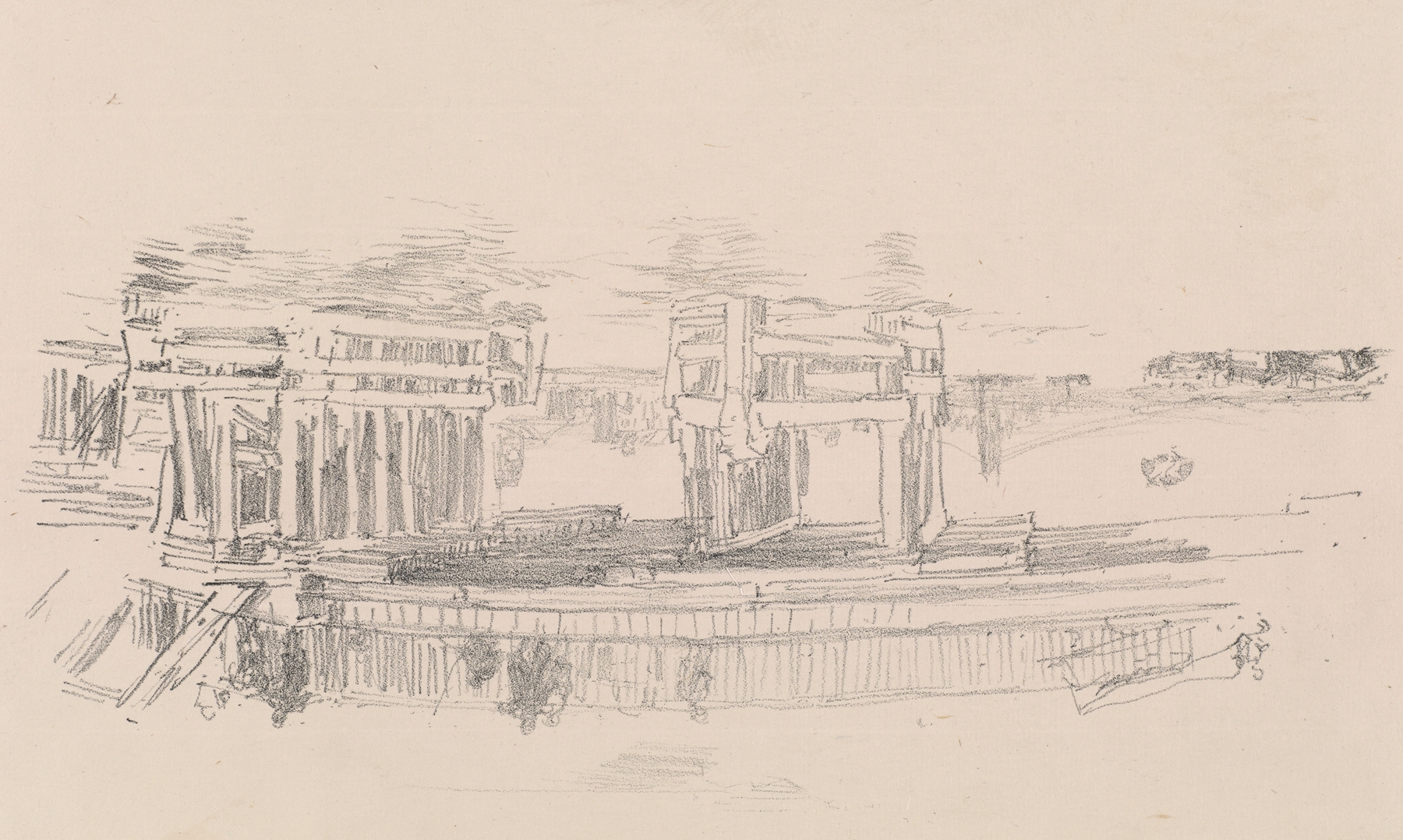
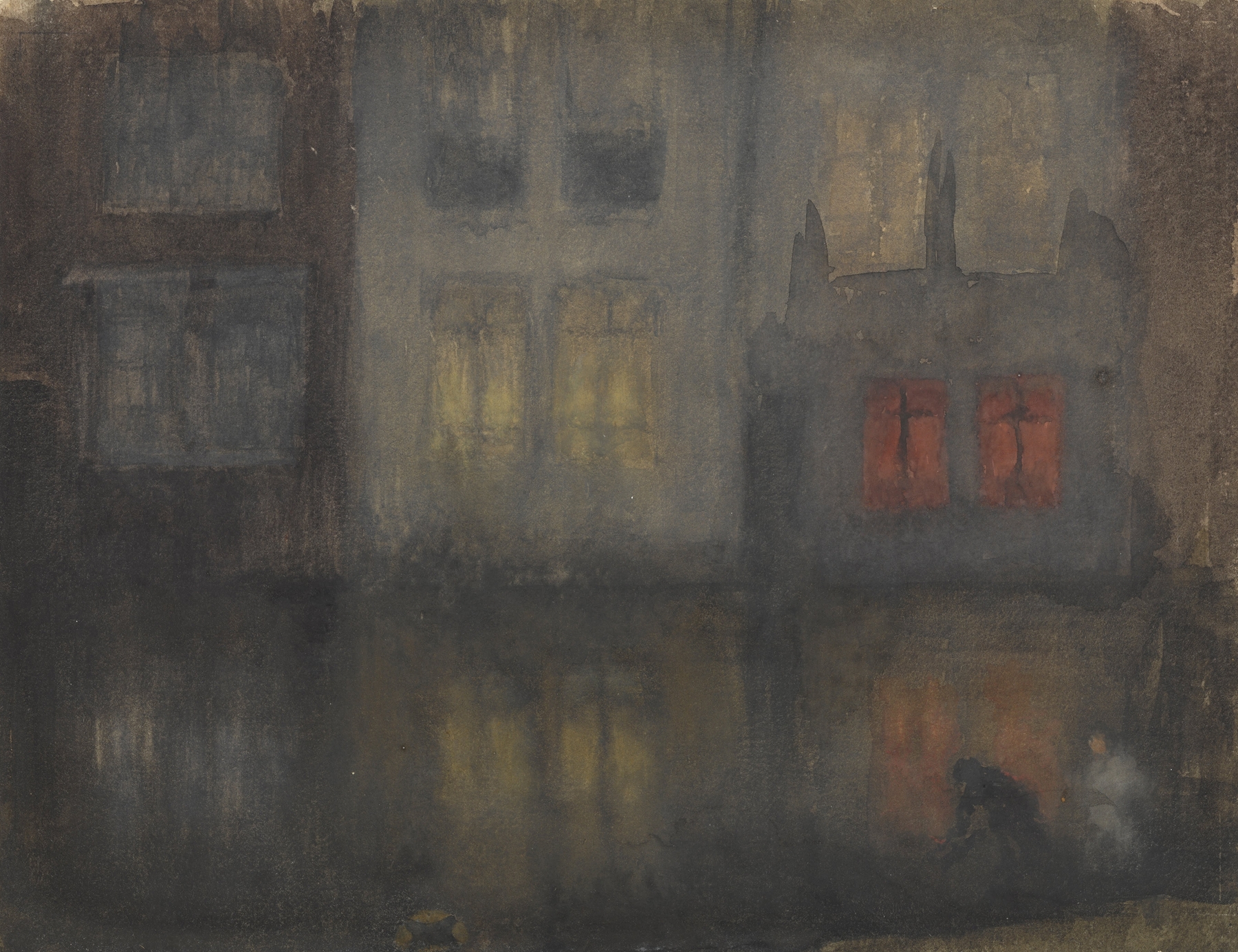
Could beauty survive in a century of chaos? This poignant inquiry underlies Grey and Silver–Liverpool, where the interplay of light and color unfolds a narrative steeped in obsession. First, look to the center of the canvas, where a delicate ship rises from the muted waters, its ghostly form almost merging with the horizon. The soft, luminous greys and silvers seem to breathe, enveloping the vessel in an ethereal embrace. The gentle brush strokes create a fluidity that draws the eye into the depths of an infinite sea, while the horizon blurs, inviting contemplation.
It is as if the artist captured a fleeting moment at dusk, where the boundaries of sky and sea dissolve, leaving the viewer suspended in tranquility. Yet, beneath this serene facade lies a tension, a contrast between the static ship and the dynamic, swirling clouds above. The tumultuous sky hints at the chaos of the external world, reflecting the uncertainties of the late 19th century. There’s an obsession with both the beauty of nature and the underlying turmoil, suggesting that tranquility can exist even amidst unrest.
The ship, eternally anchored yet vulnerable, symbolizes the struggle to find solace in an unpredictable age. Painted between 1881 and 1883, Whistler's work emerged during a period of artistic experimentation and social upheaval. Living in London, the artist was engrossed in the Aesthetic Movement, which championed beauty for its own sake. His exploration of light and atmosphere in this piece illustrates a pivotal moment in his career, where he sought to transcend the limitations of traditional representation, inviting viewers to find meaning in the interplay of form and emotion.