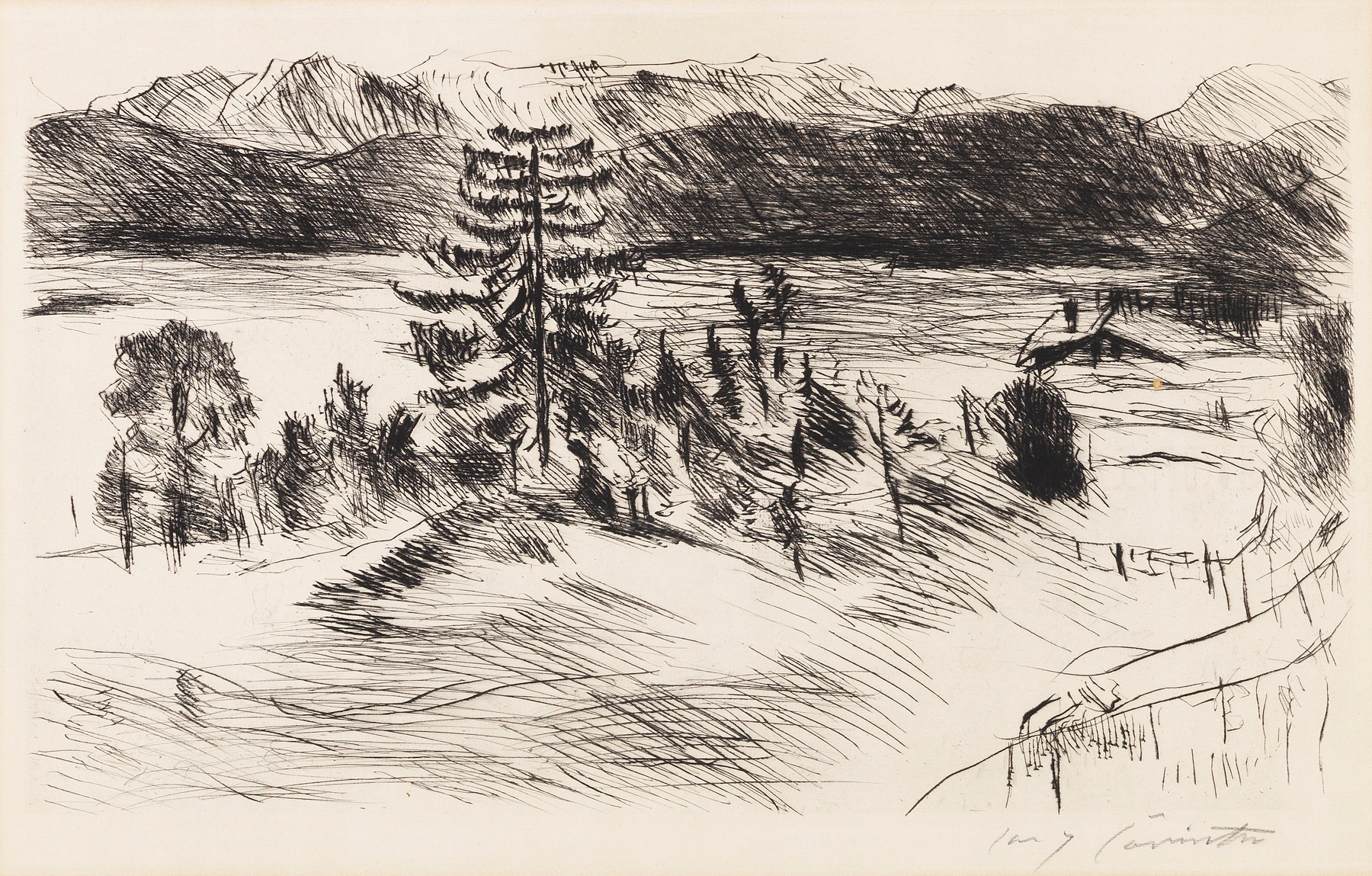
Große Walchenseelandschaft — History & Analysis
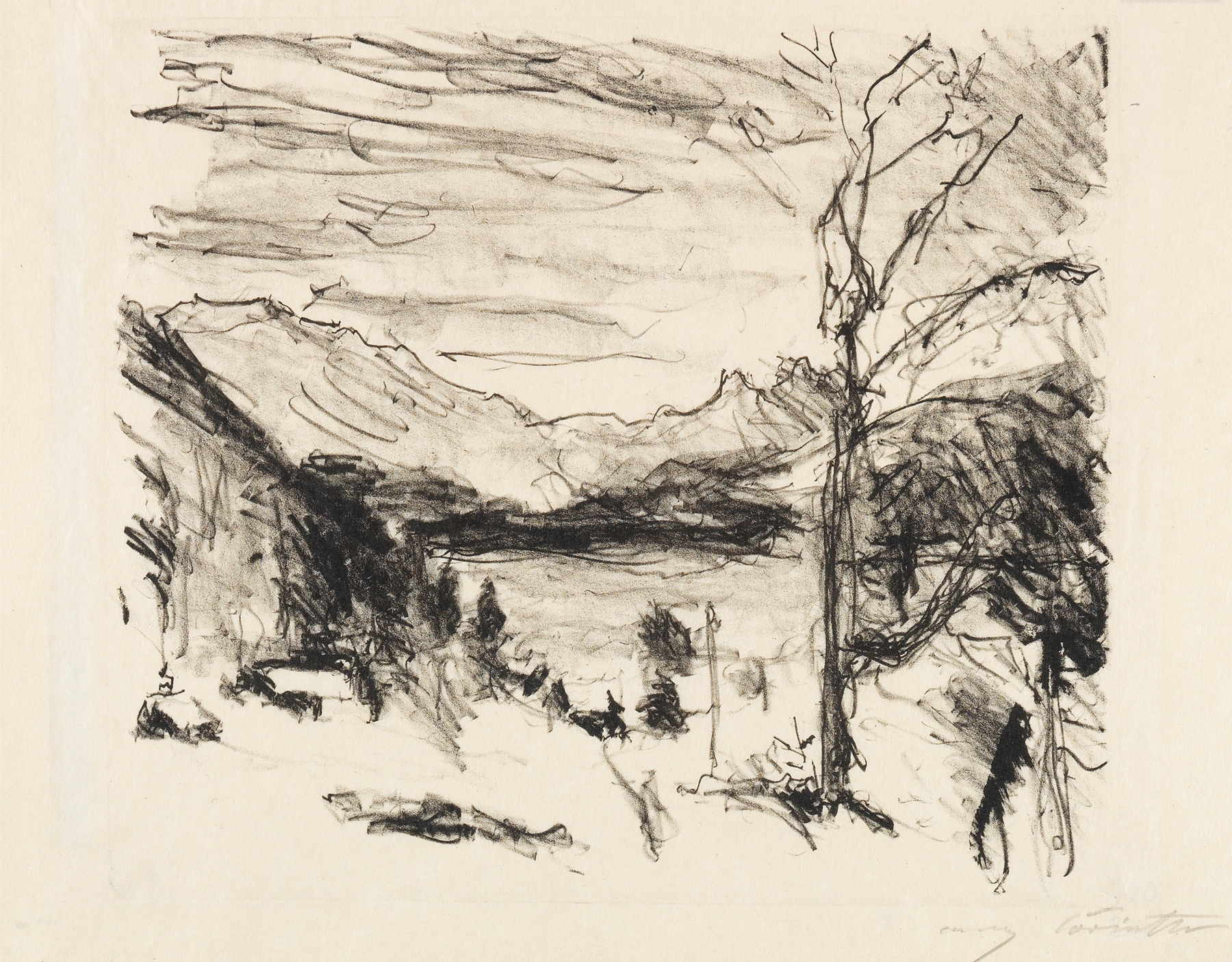
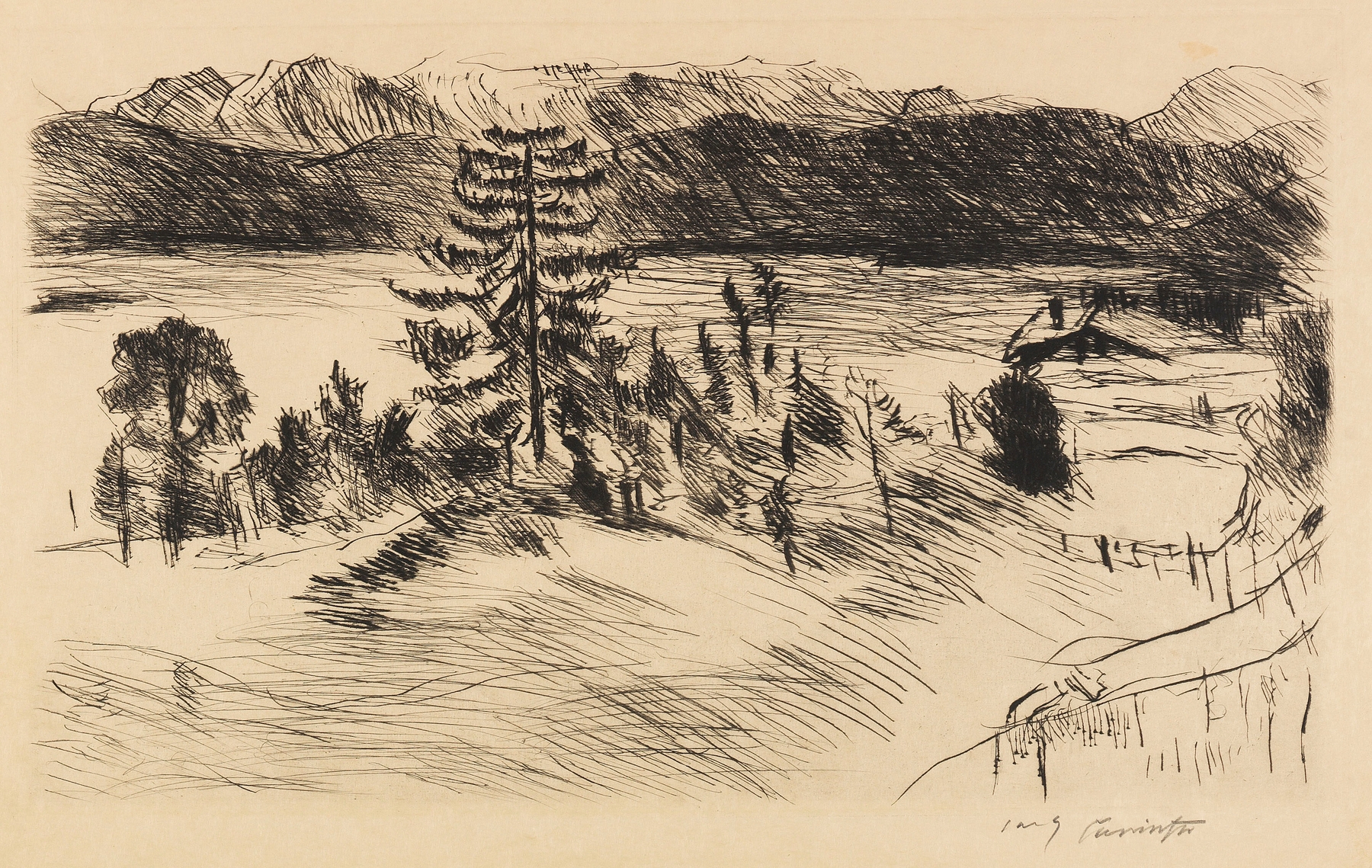
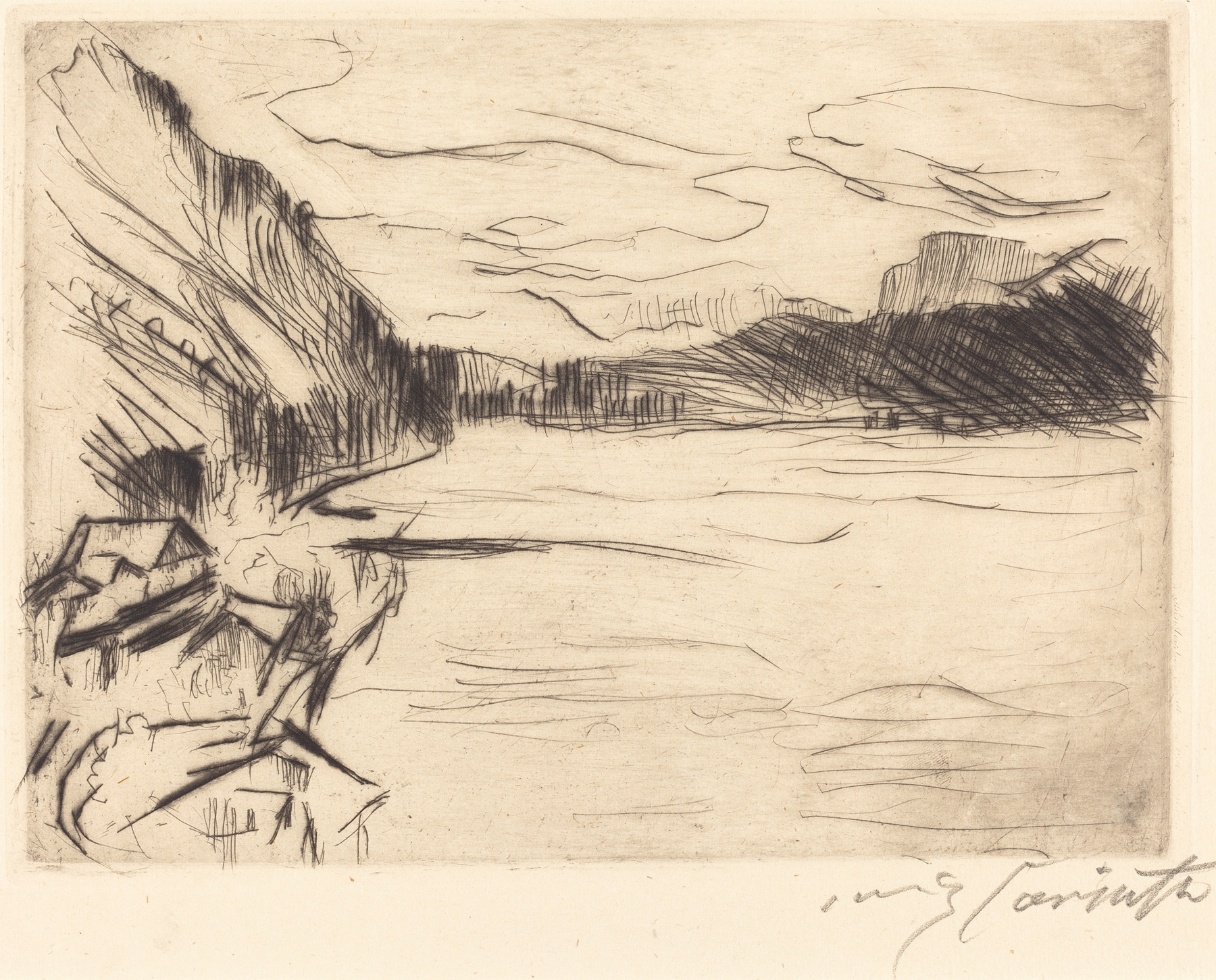
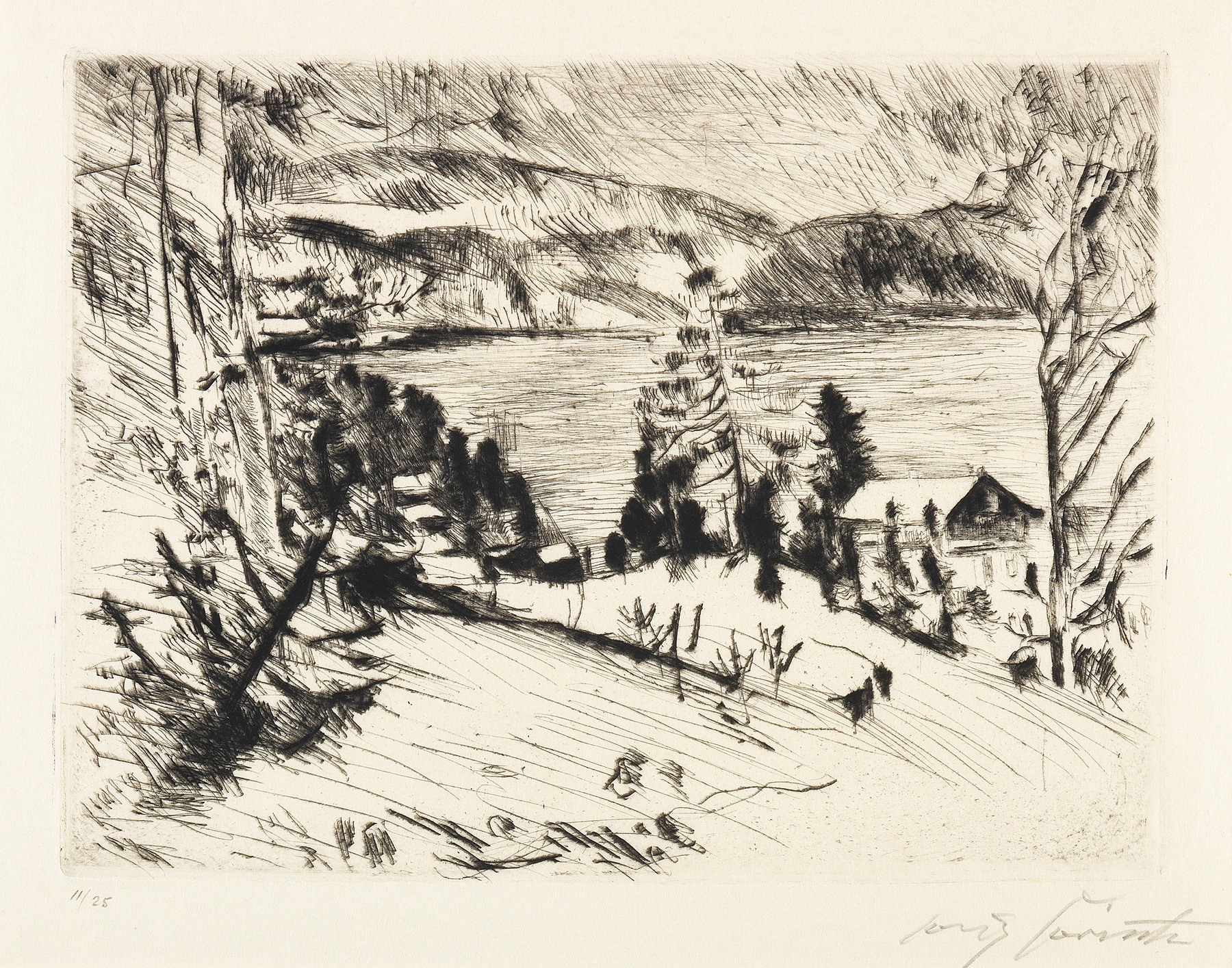
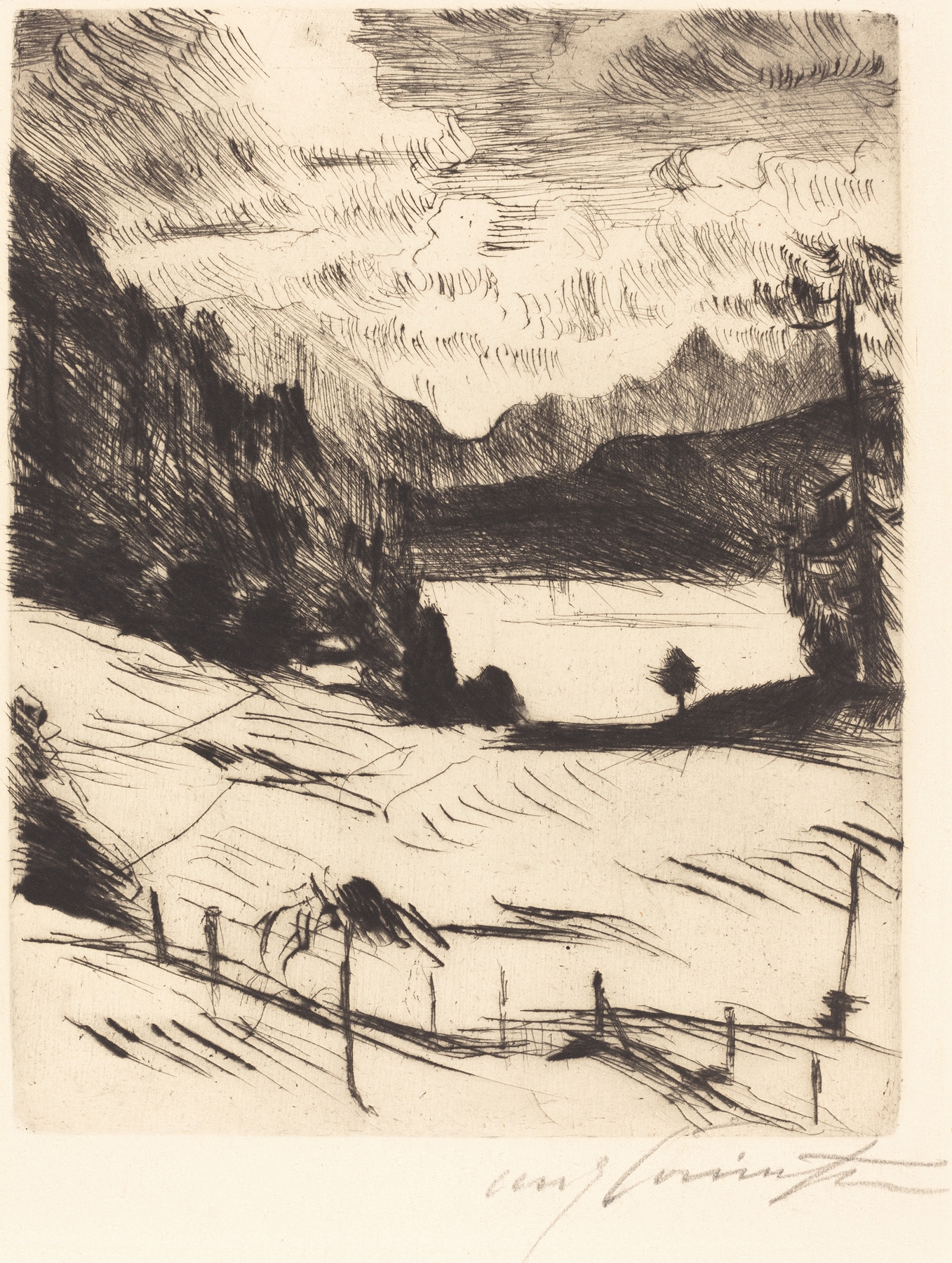
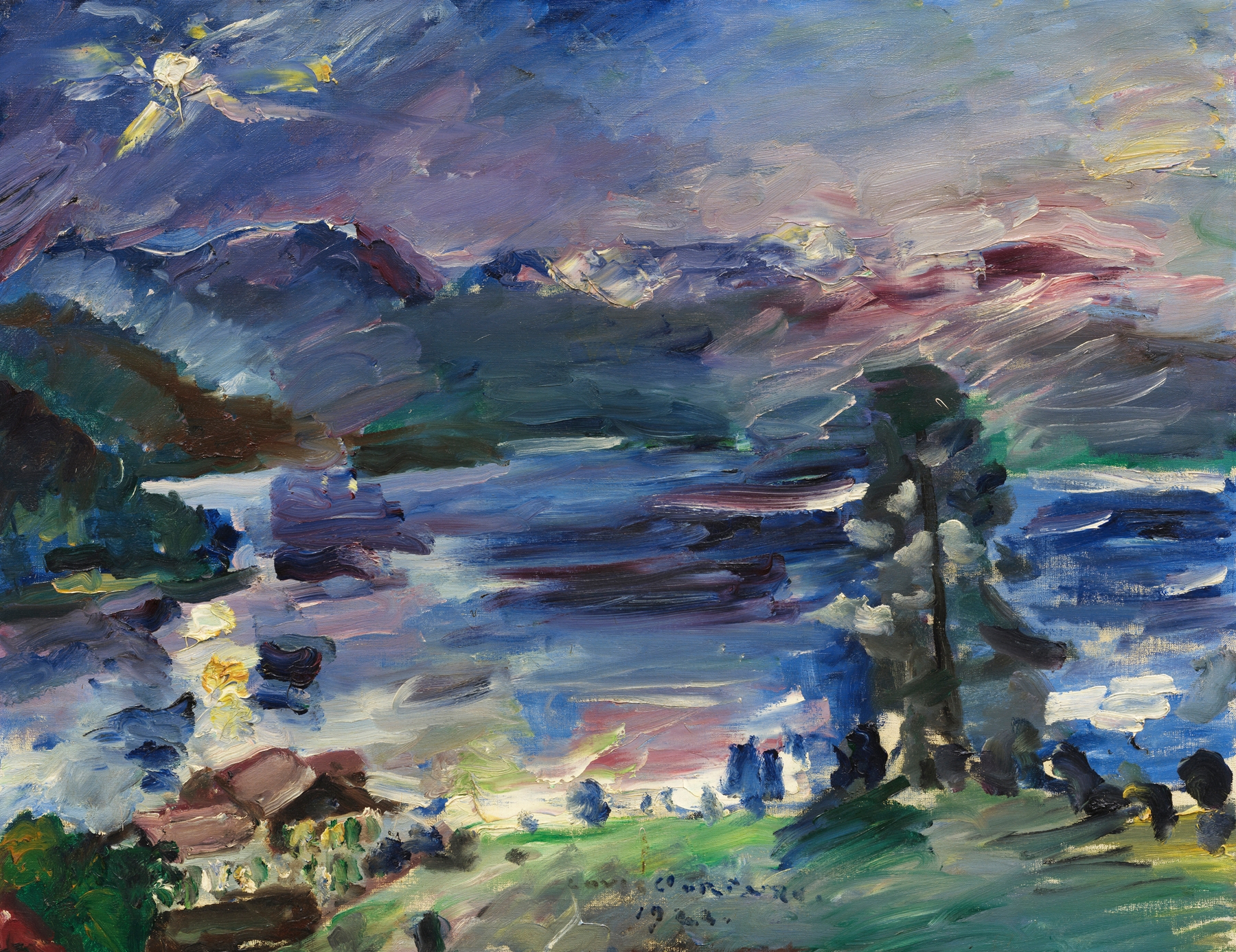
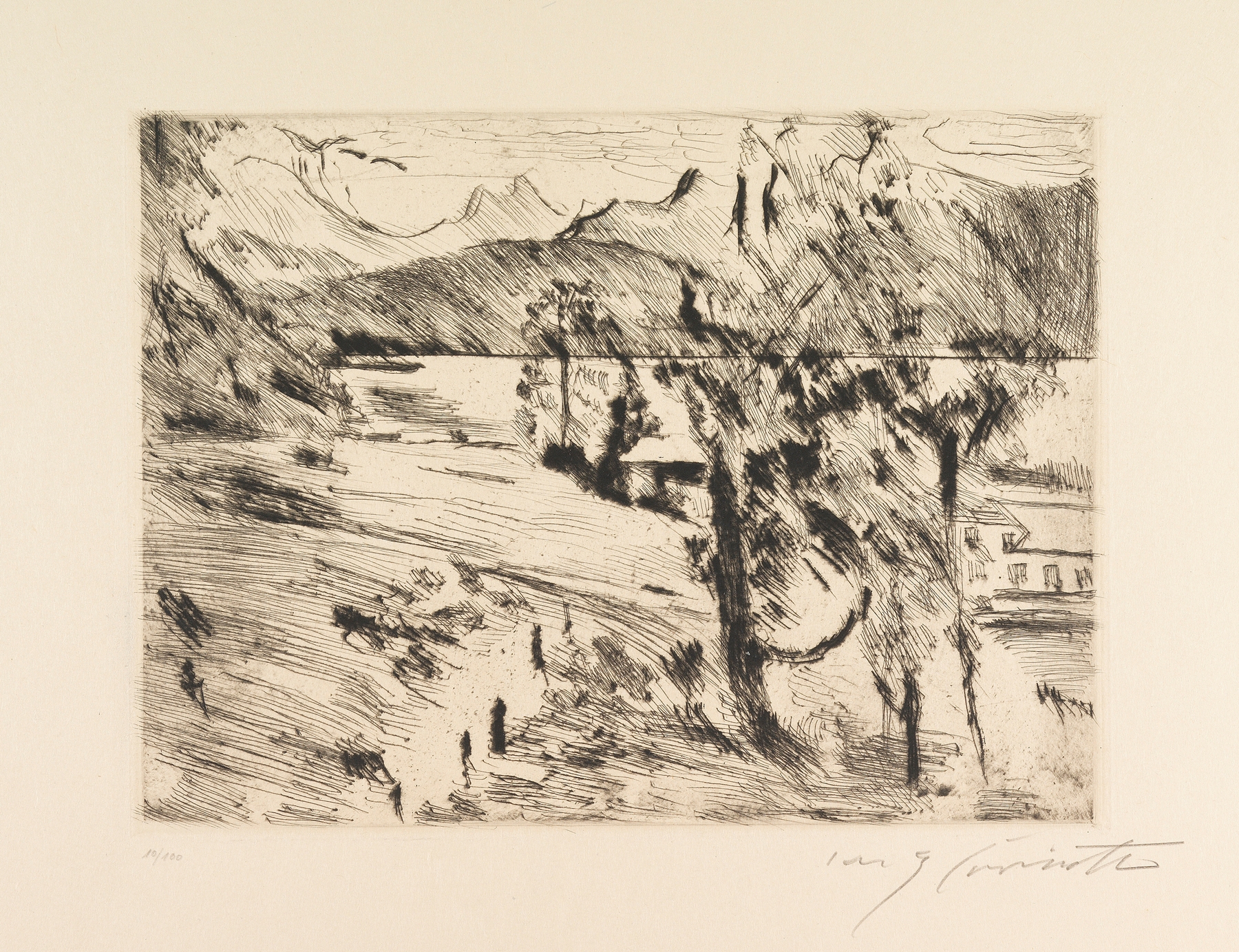
“Art reveals the soul when the world turns away.” In the quiet embrace of nature, dreams find their voice, spilling across the canvas and inviting contemplation. Here, the landscape breathes with an ethereal quality, beckoning viewers to ponder the mysteries that lie within. Look to the left at the gentle curve of the lake, where the water shimmers in a delicate dance of blues and greens, skillfully blended to evoke a sense of serenity. Notice how the distant mountains rise like guardians, their forms softened by atmospheric light that washes over the scene.
The interplay of shadow and sunlight captures a moment suspended in time, inviting the viewer to step into this tranquil world. Beneath the surface, hidden emotions stir—the vast expanse of the lake reflects both calmness and longing, a reminder of fleeting moments and the inexorable passage of time. The contrast between the vibrant foreground and the hazy background suggests a tension between clarity and obscurity, mirroring the complexities of human dreams. Each brushstroke reveals a layer of introspection, encouraging us to explore what lies beneath our own aspirations.
In 1923, Lovis Corinth painted this piece during a time of personal reflection and artistic evolution. Having faced health challenges and shifting artistic movements, he sought solace and inspiration in the landscapes surrounding Walchensee, Germany. This work reflects his mastery of color and form while embodying the emotional depth that characterizes his later career.