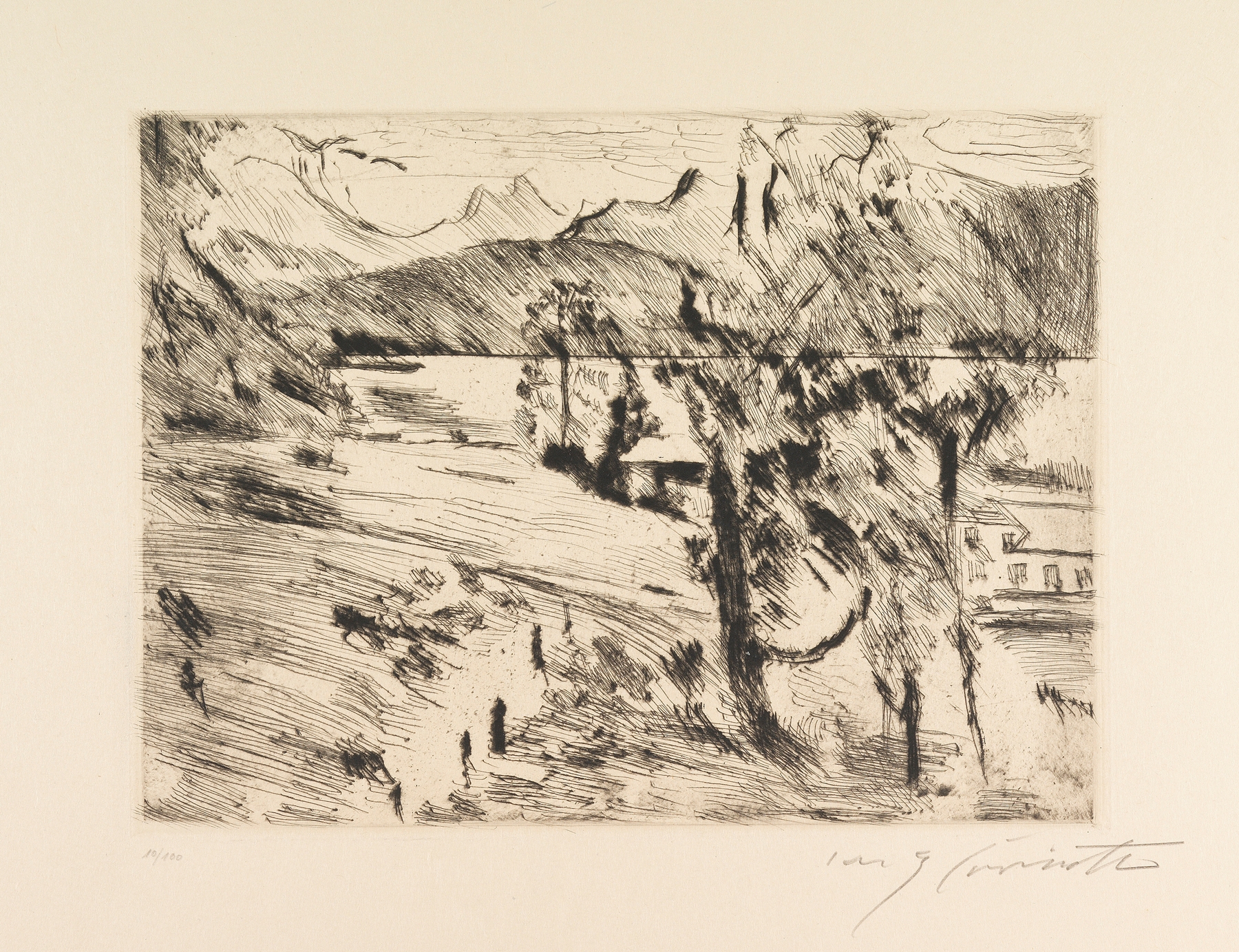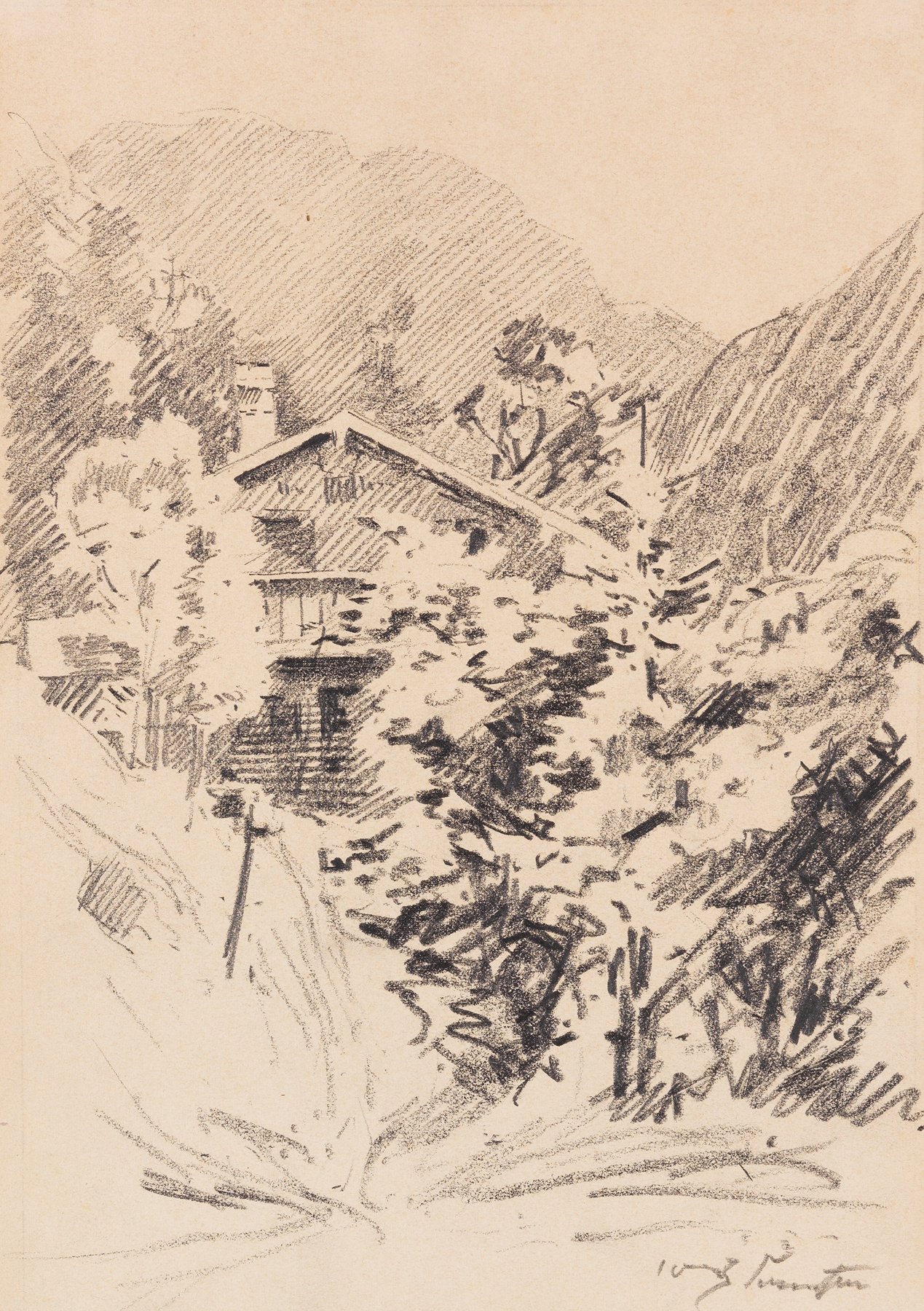
Walchensee — History & Analysis
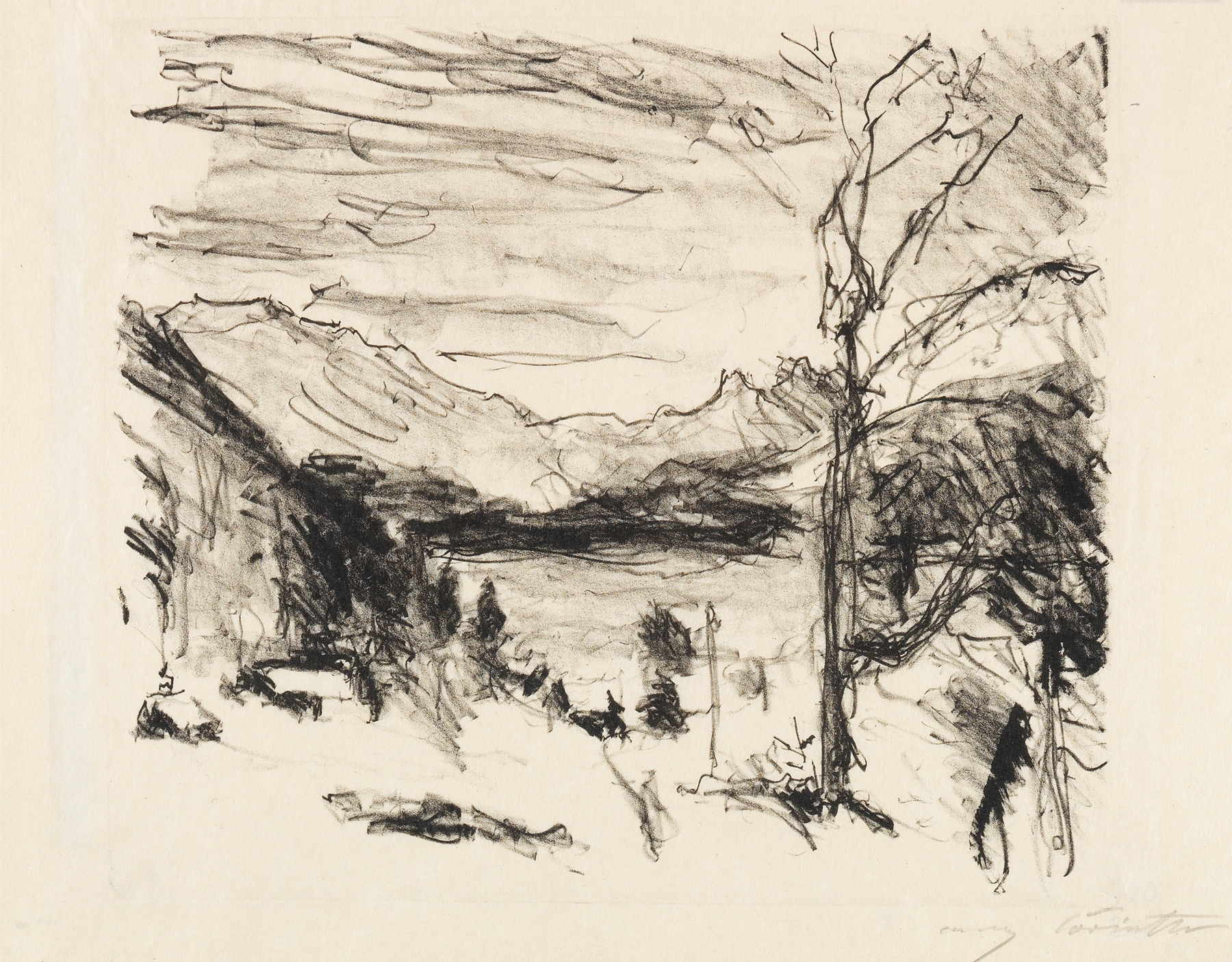
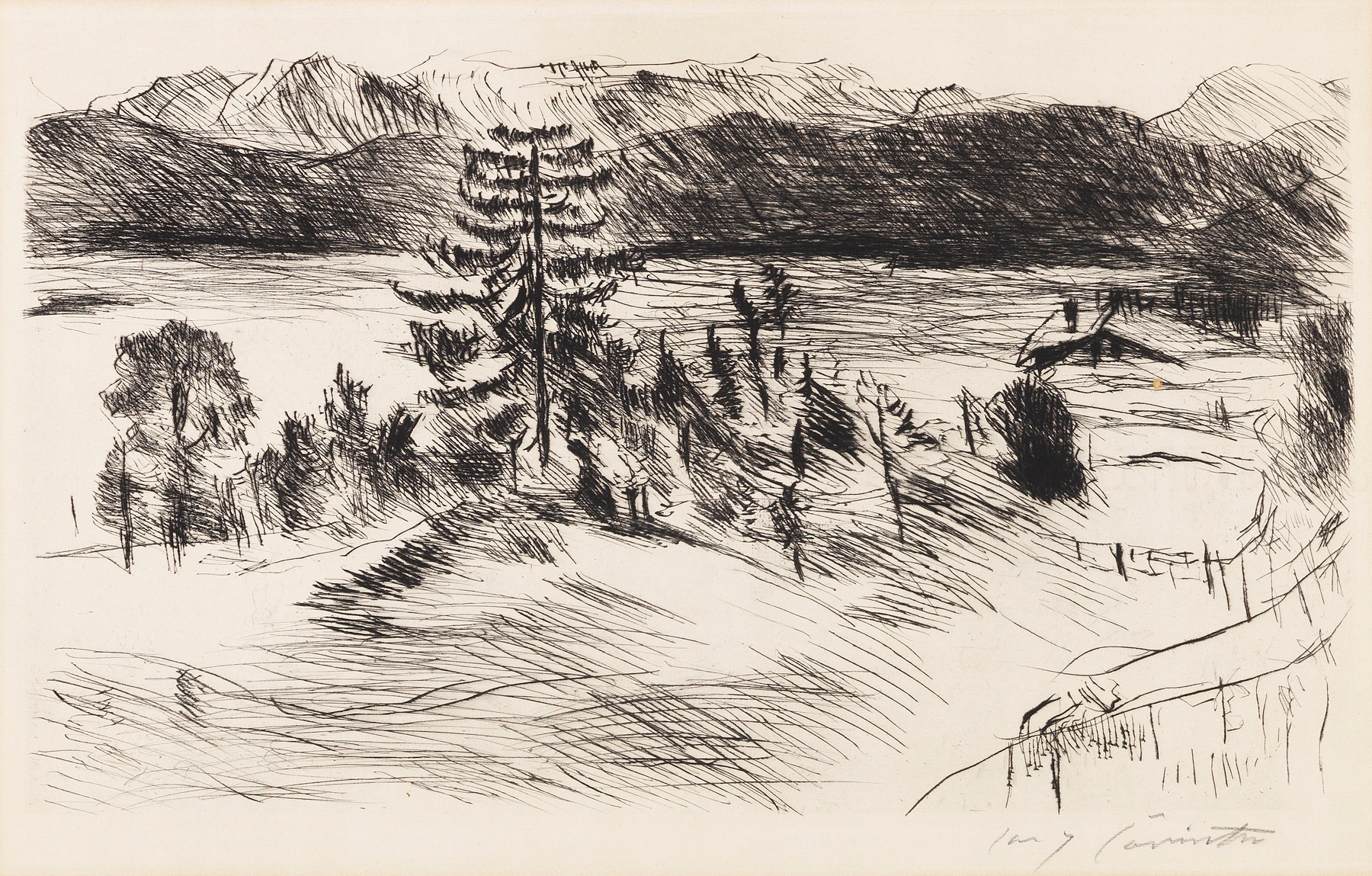
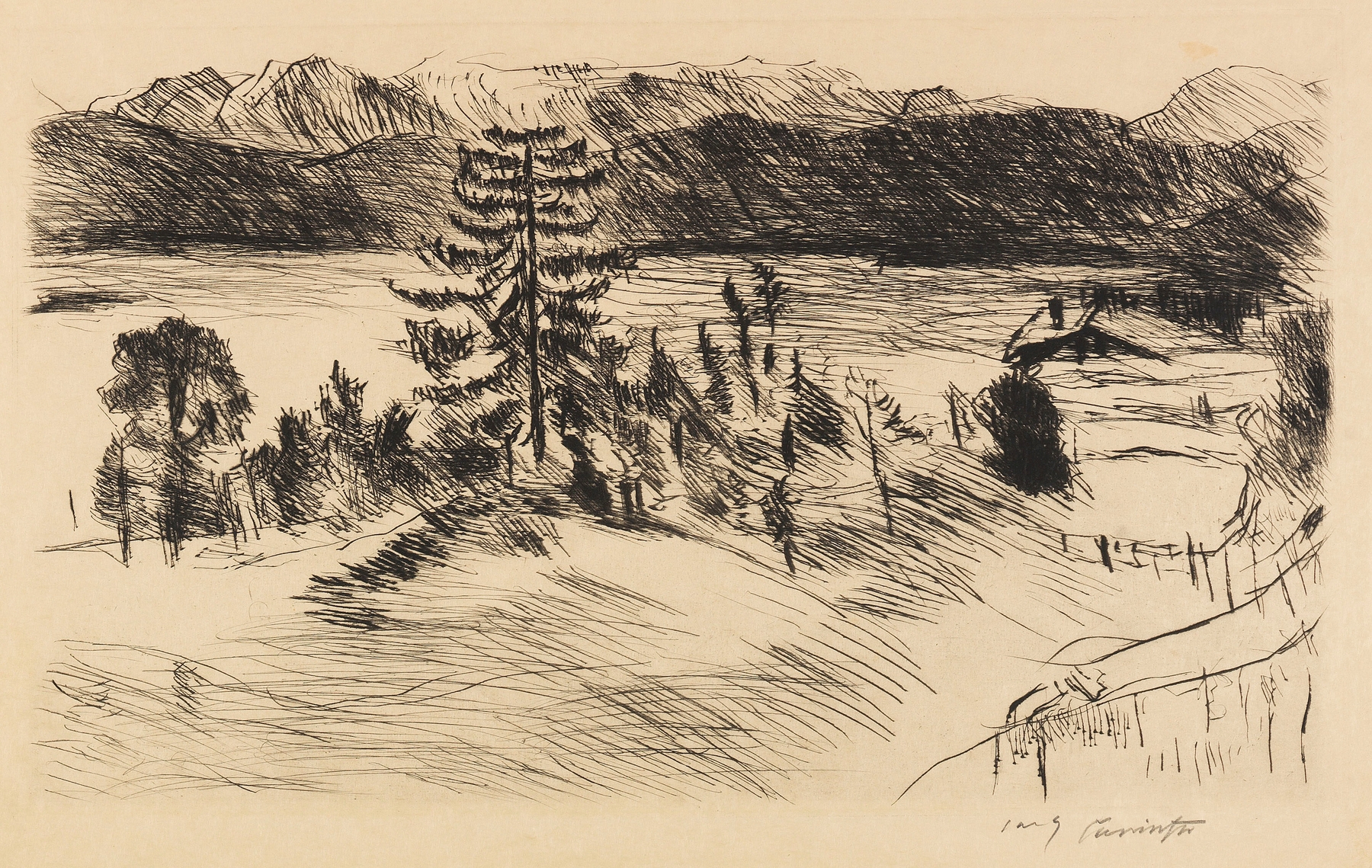
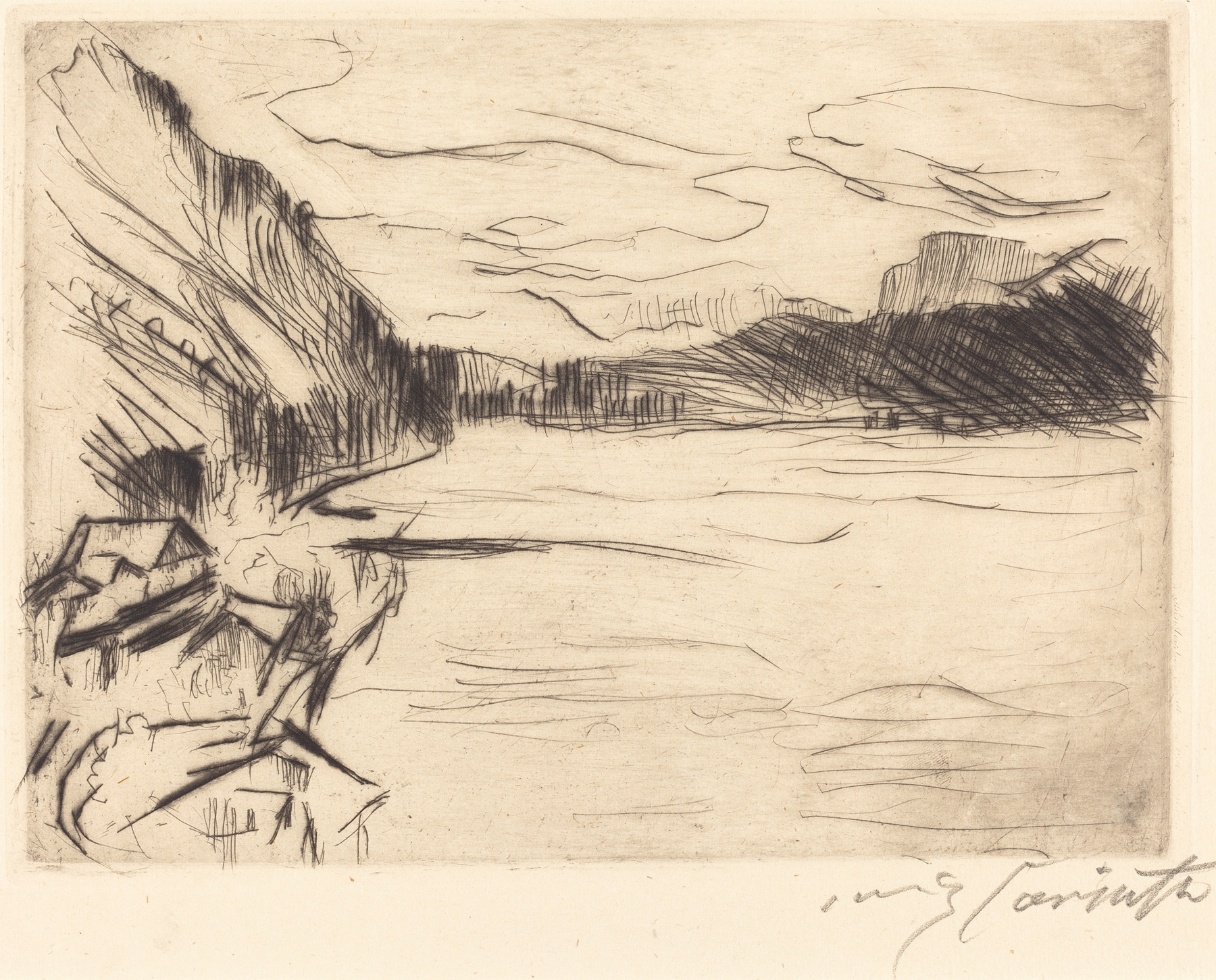
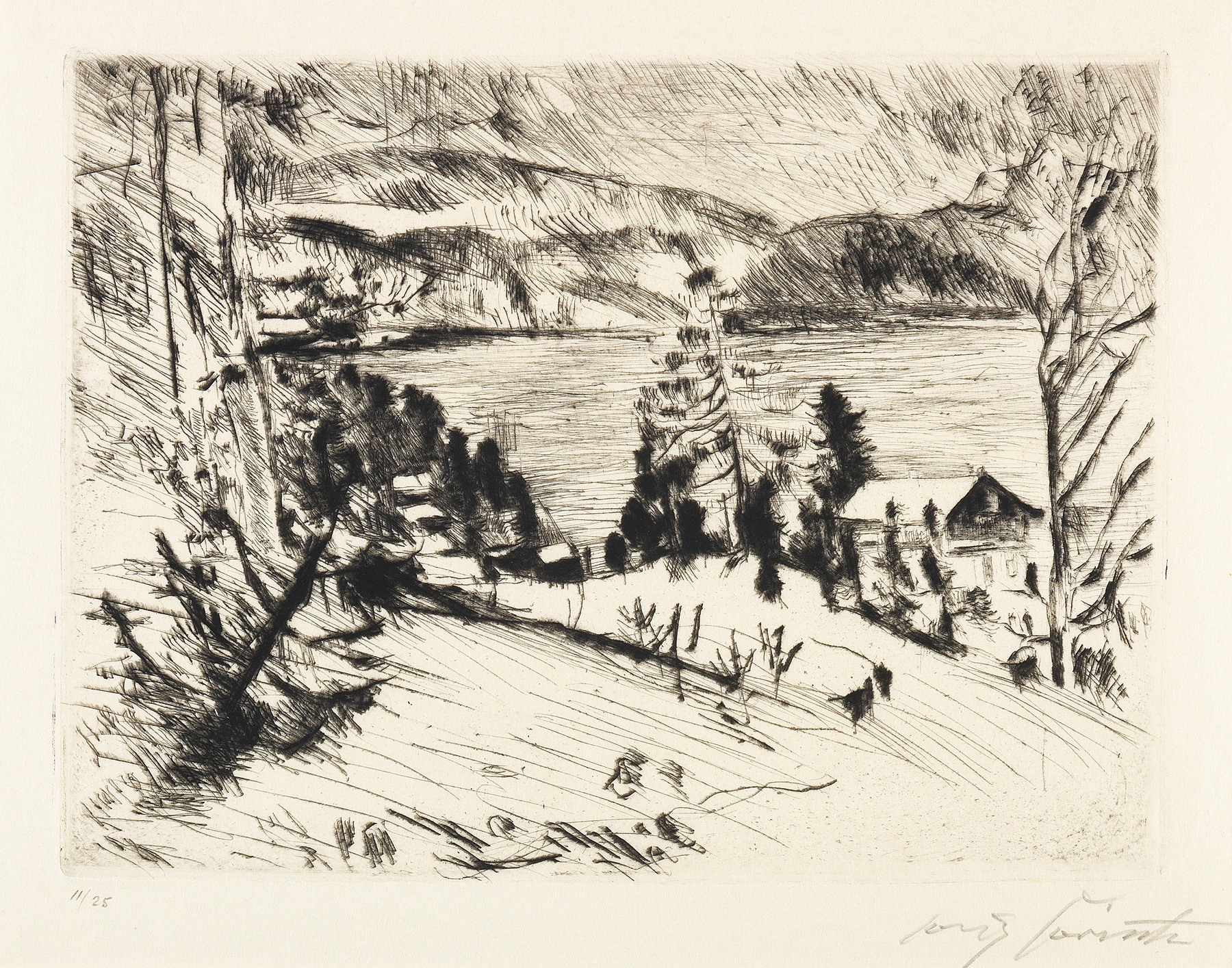
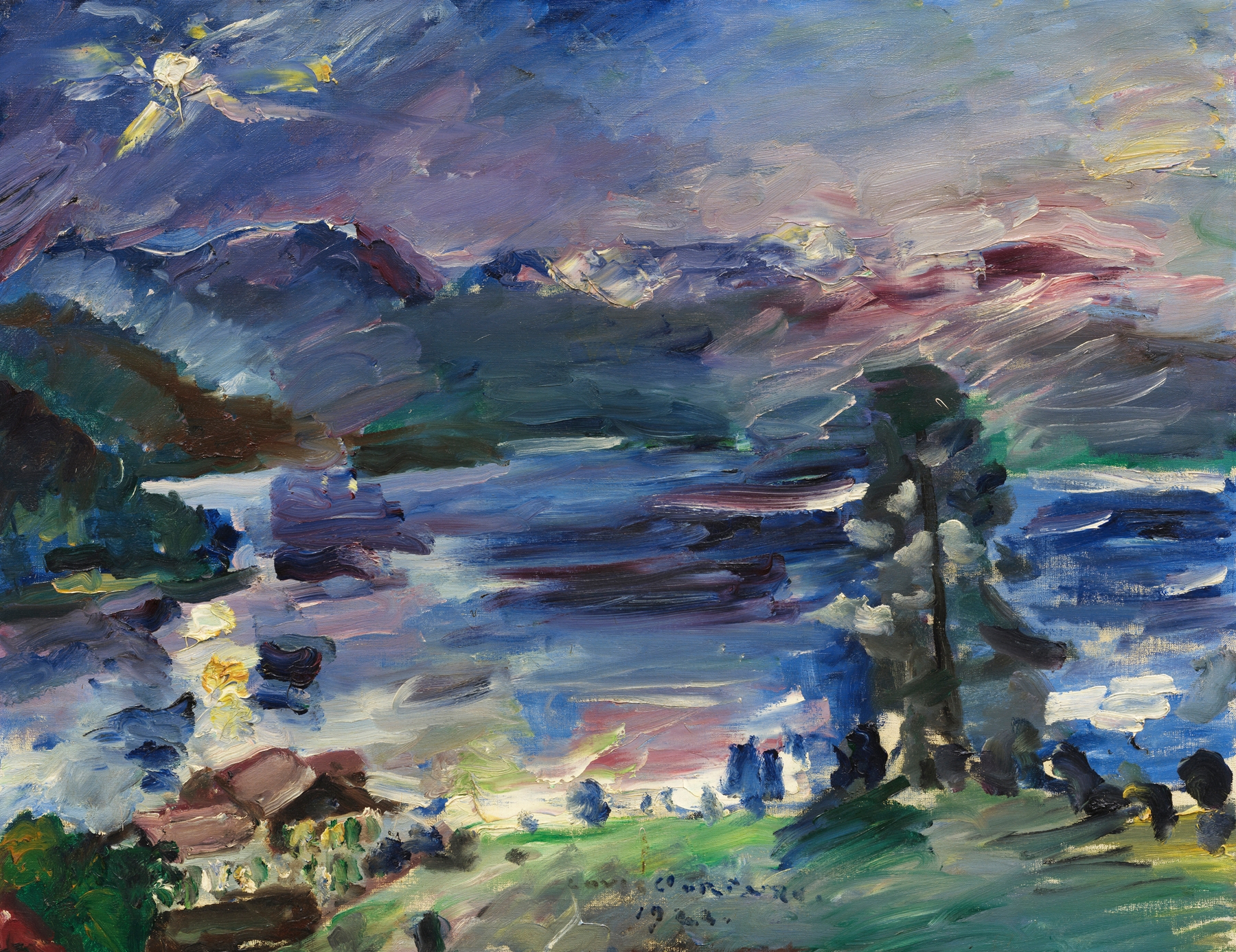
“The canvas doesn’t lie — it simply waits.” In the quiet aftermath of loss, we are left to confront our deepest truths. Each brushstroke can become a conduit for the emotions we dare not speak, revealing layers of grief hidden beneath the surface. Focus first on the tranquil expanse of water that occupies the lower half of the canvas, mirror-like and reflecting the soft hues of the sky. Notice how the gentle blues and greens blend seamlessly, evoking a sense of calm that contrasts with the emotional weight of the scene.
The distant mountains stand tall and stoic, their jagged peaks catching the light, while the delicate clouds drift lazily above, a testament to time’s unrelenting passage. Within this serene landscape lies a profound tension — the interplay of stillness and sorrow. The water, though calm, reflects the artist's inner turmoil, a reminder that beneath every surface, emotions churn. The layering of color reveals Corinth's masterful technique; the lighter shades evoke hope amidst despair, while the darker undertones hint at the shadows of memory, suggesting that grief is as inescapable as the changing skies.
In 1920, Lovis Corinth created Walchensee during a time of personal upheaval, following the losses of World War I that deeply affected his generation. Living in Germany, he was grappling with his own struggles, both physically and emotionally, as he dealt with his declining health. It was a period marked by experimentation in art, yet his work remained profoundly anchored in personal experience, as he sought to capture the essence of fleeting moments in a world reshaped by tragedy.