On the Walchen Sea (Am Walchensee) — History & Analysis

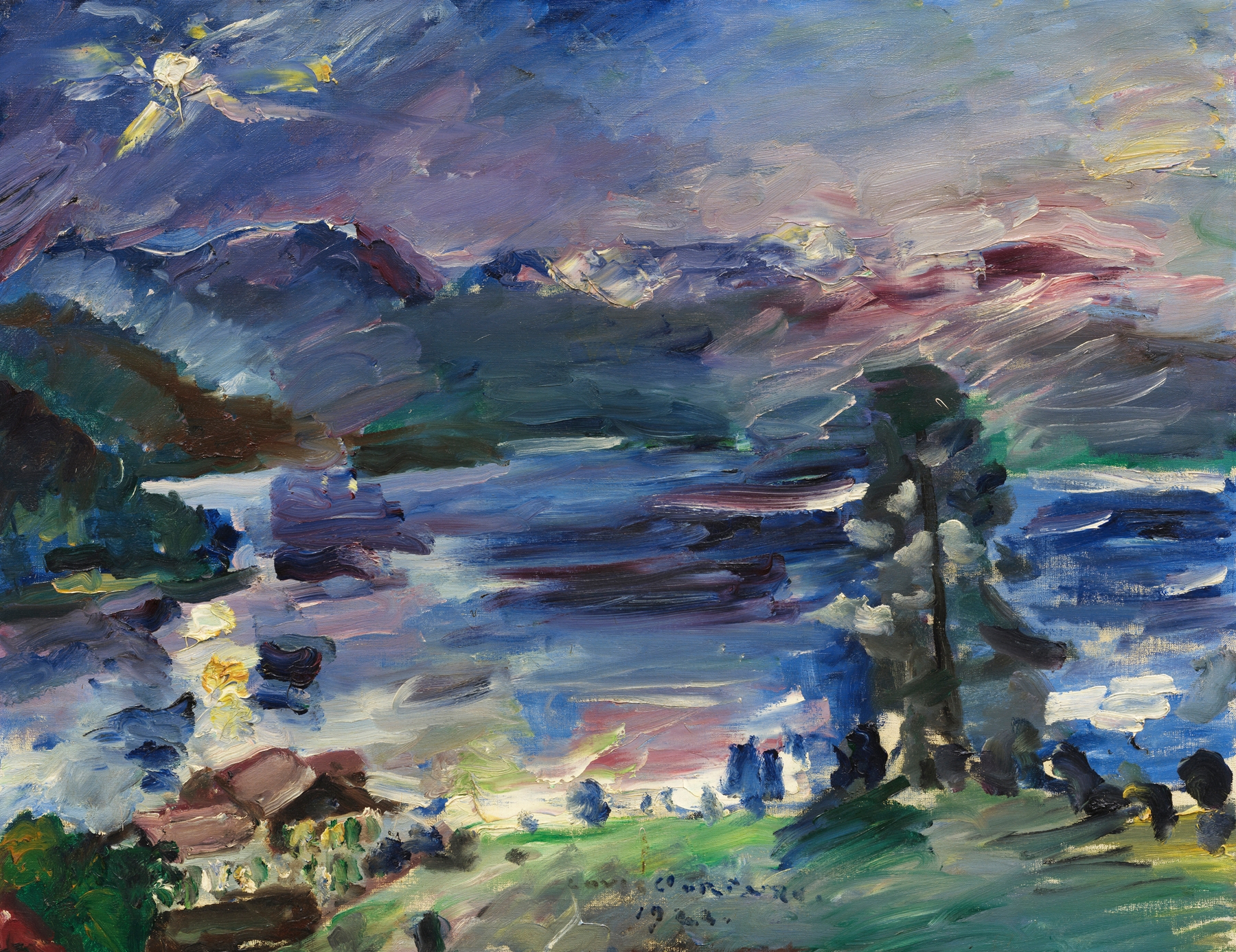
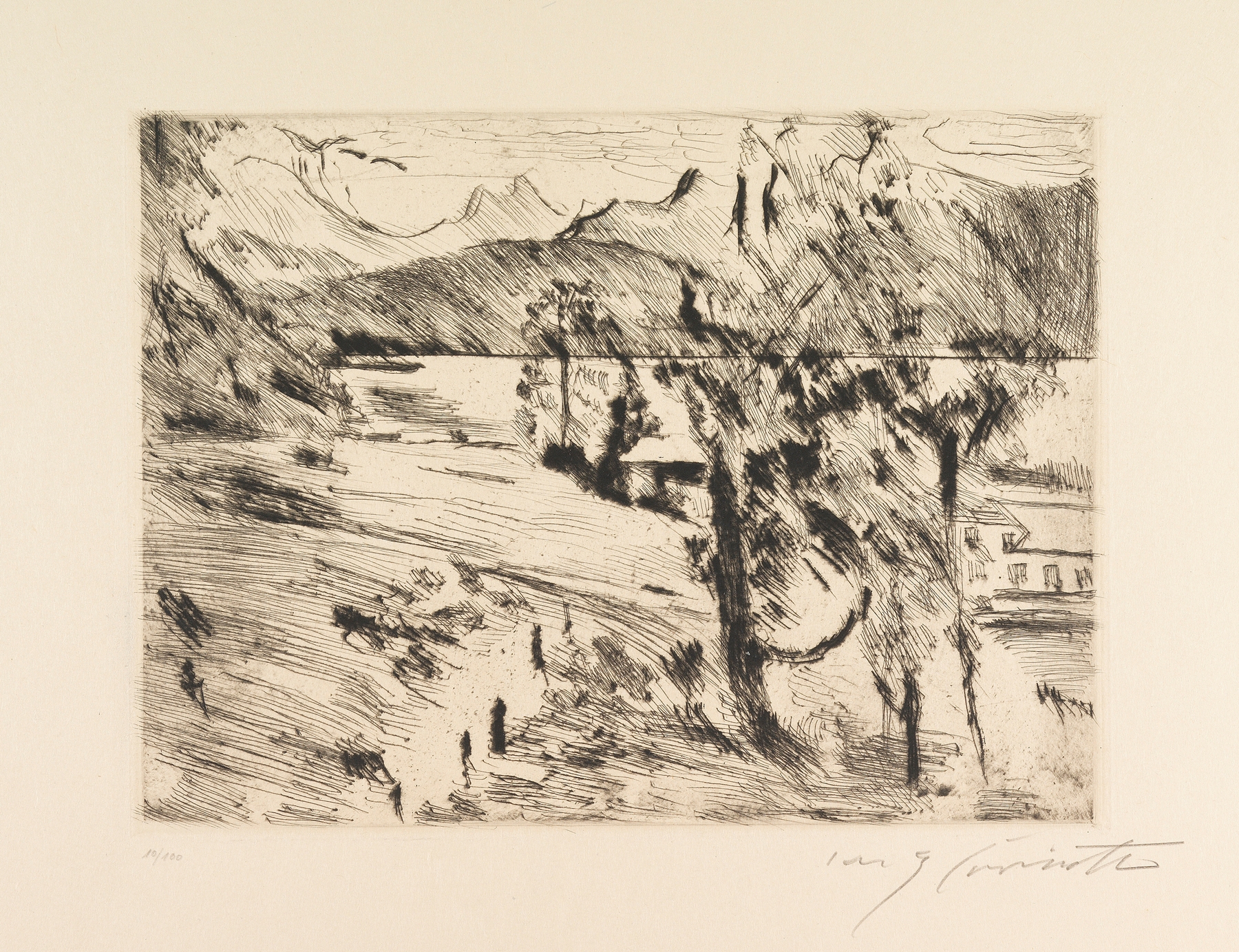
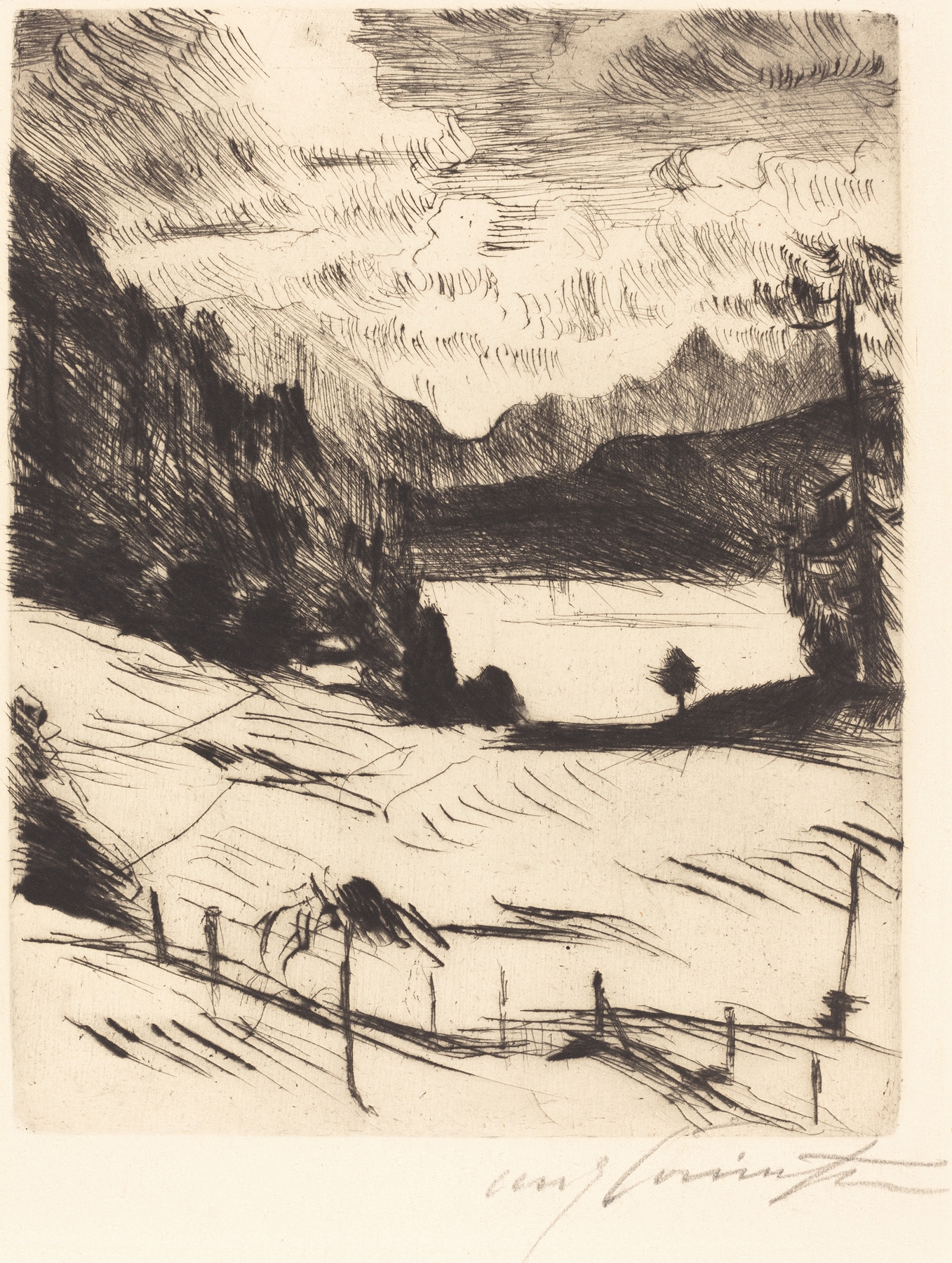
Could beauty survive in a century of chaos? As we gaze upon this enchanting canvas, one feels an undeniable glimmer of hope amid the turmoil of the early 20th century. Look to the left at the serene expanse of the Walchen Sea, its surface shimmering like liquid glass, reflecting the vibrant blues and greens of the surrounding landscape. The artist employs a palette of lush, bold colors that breathe life into the scenery, while the gentle, flowing brushstrokes echo the tranquil movement of water.
Notice the way light dances upon the lake, illuminating the scene with a luminescence that draws the viewer into this idyllic moment. Yet, beneath this picturesque beauty lies a subtle tension. The mountains in the background are rendered with a heavier hand, suggesting solidity and permanence, contrasting with the ephemeral nature of the lake and sky. The delicate interplay between these elements hints at the fragility of beauty itself, evoking a sense of urgency in preserving such moments against the harsh realities of existence.
Here, one can sense the conflict between serenity and the chaotic world beyond the canvas edges. In 1920, as Lovis Corinth painted On the Walchen Sea, he was grappling with personal health challenges following a stroke that had impacted his artistic output. At the same time, Europe was recovering from the devastation of World War I, a period marked by disillusionment and transformation in the art world. This painting, created in Bavaria, stands as a poignant reminder of the resilience of beauty and hope, capturing a moment that transcends the chaos around it.