Guirche — History & Analysis
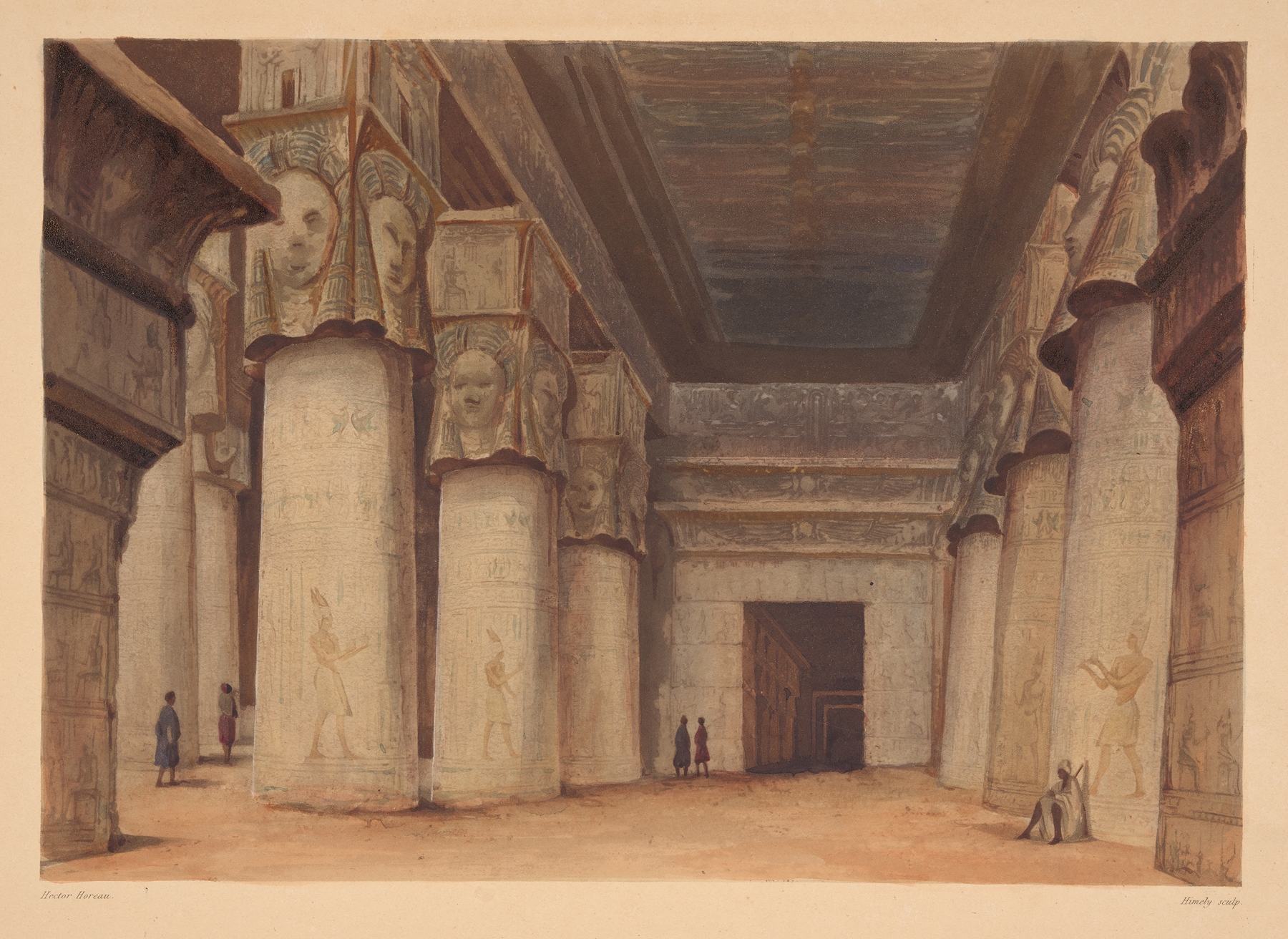
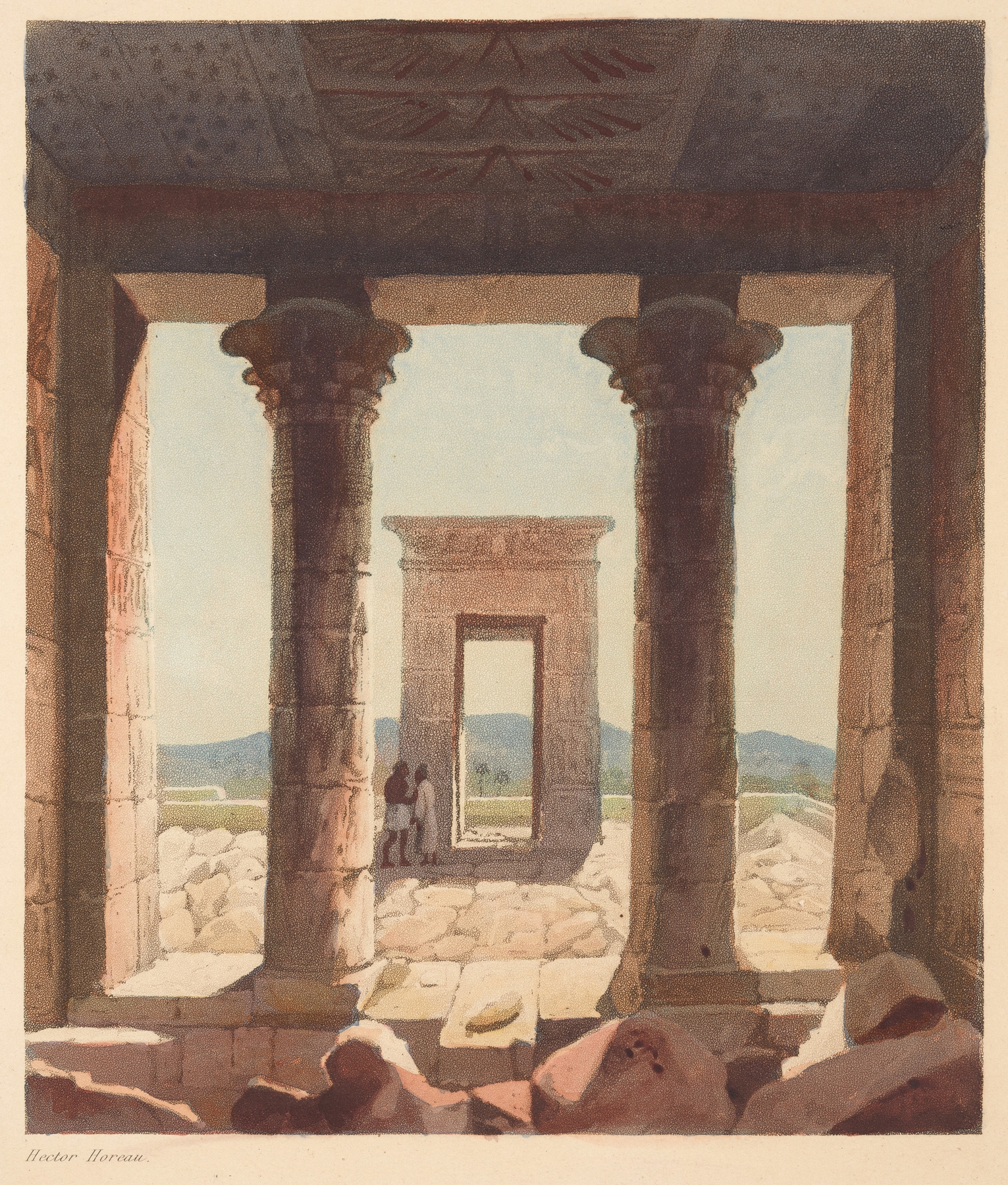
“Every brushstroke is a heartbeat remembered.” In the delicate world of art, fragility transforms into a tangible experience, painting stories of beauty and vulnerability. Look closely at the central figure, where the soft contours of form emerge from a gentle haze of color. The warm pastels envelop the subject, inviting you to trace the intricate details of their attire. Notice how the light dances over the fabric, creating a play of shadow and illumination that enhances their ethereal presence.
The subtle blending of hues reveals Horeau’s mastery, evoking a sense of intimacy and introspection. This piece captures an emotional tension between strength and delicacy. The poised figure, seemingly at ease, carries an undercurrent of uncertainty, reflecting the fragile nature of existence. The background, an abstract swirl of muted tones, suggests a world that is both inviting and transient—a reminder of the impermanence in life.
Each element harmonizes to illustrate the coexistence of beauty and vulnerability, urging viewers to contemplate their own fragile moments. In 1839, Guirche emerged from the hands of Hector Horeau during a time when Romanticism was flourishing, and artists were delving deep into themes of emotion and the human condition. Living in Paris, Horeau was influenced by the changing tides of society and art, exploring the delicate interplay between the two. This work stands as a testament to his keen observation and profound sensitivity, encapsulating a moment that resonates far beyond its canvas.
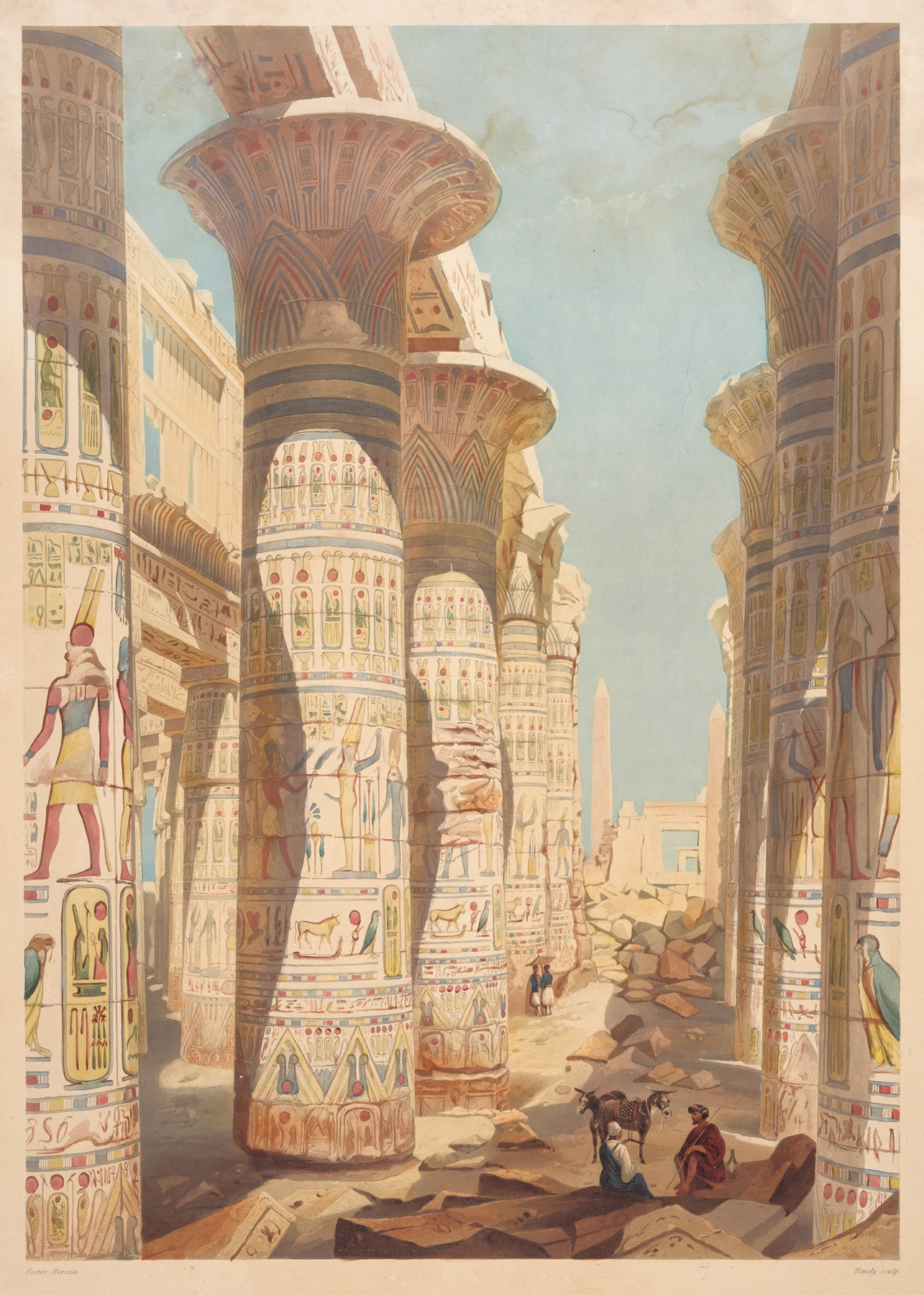
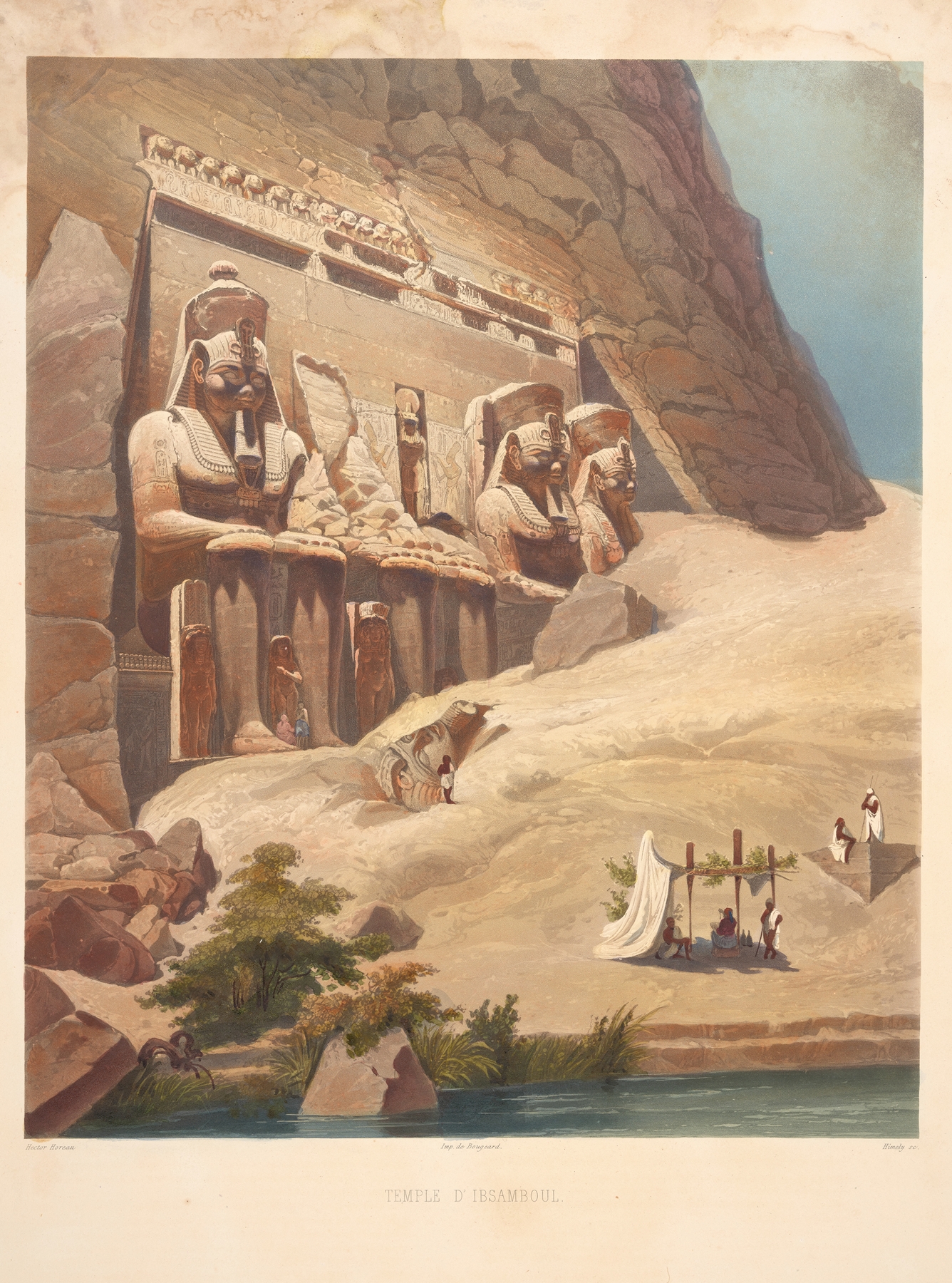
![Temple d’Ibsamboul [Interior view] (Temple of Abu Simbel), by Hector Horeau, public domain](https://froigstrpvutwqtqikzt.supabase.co/storage/v1/object/public/art-images/artworks/3156dbe8015f5681be442de2c2c50af40c84d5e10e8f68f04f9a54d6d857255f.jpg)