Haystacks and Barn — History & Analysis
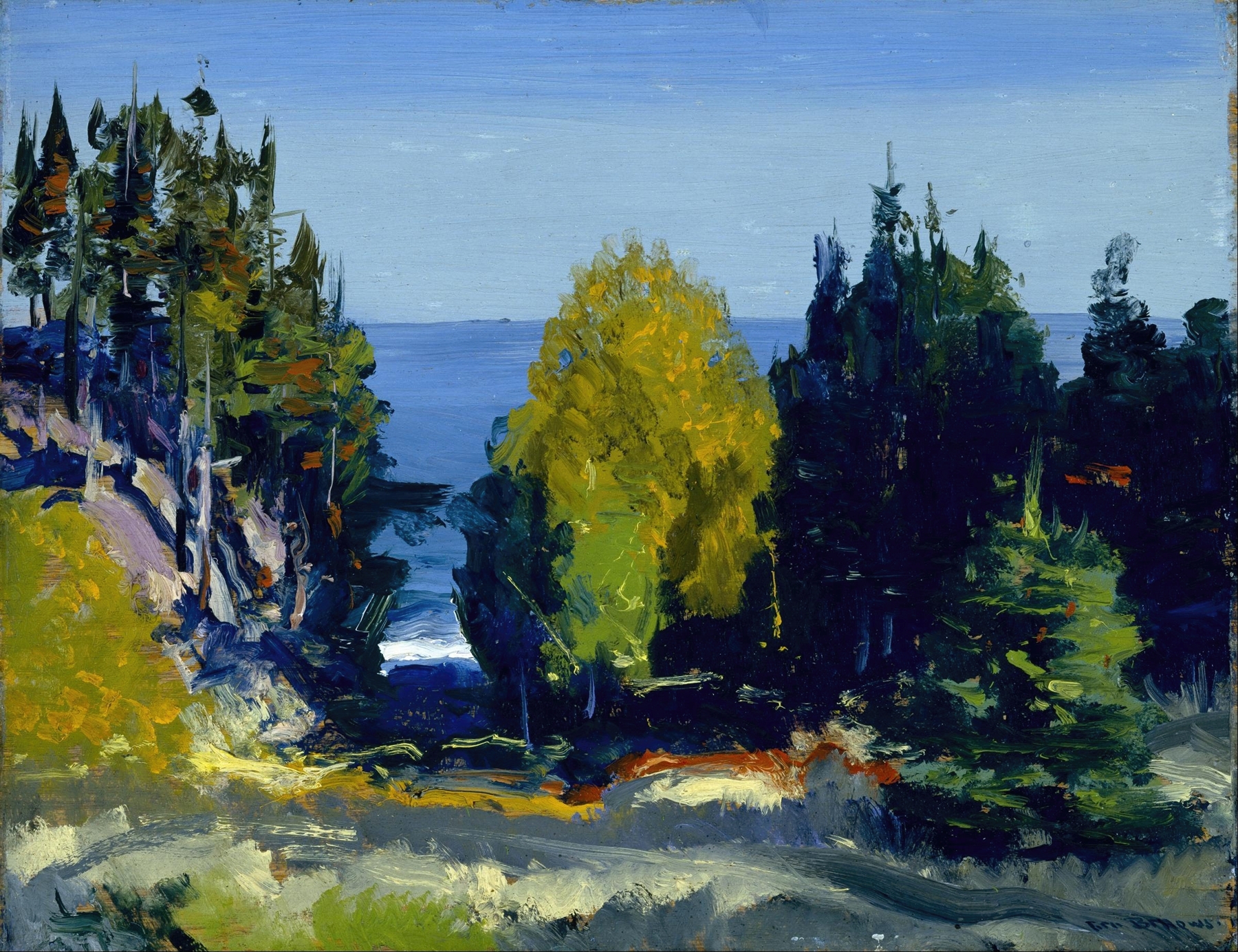
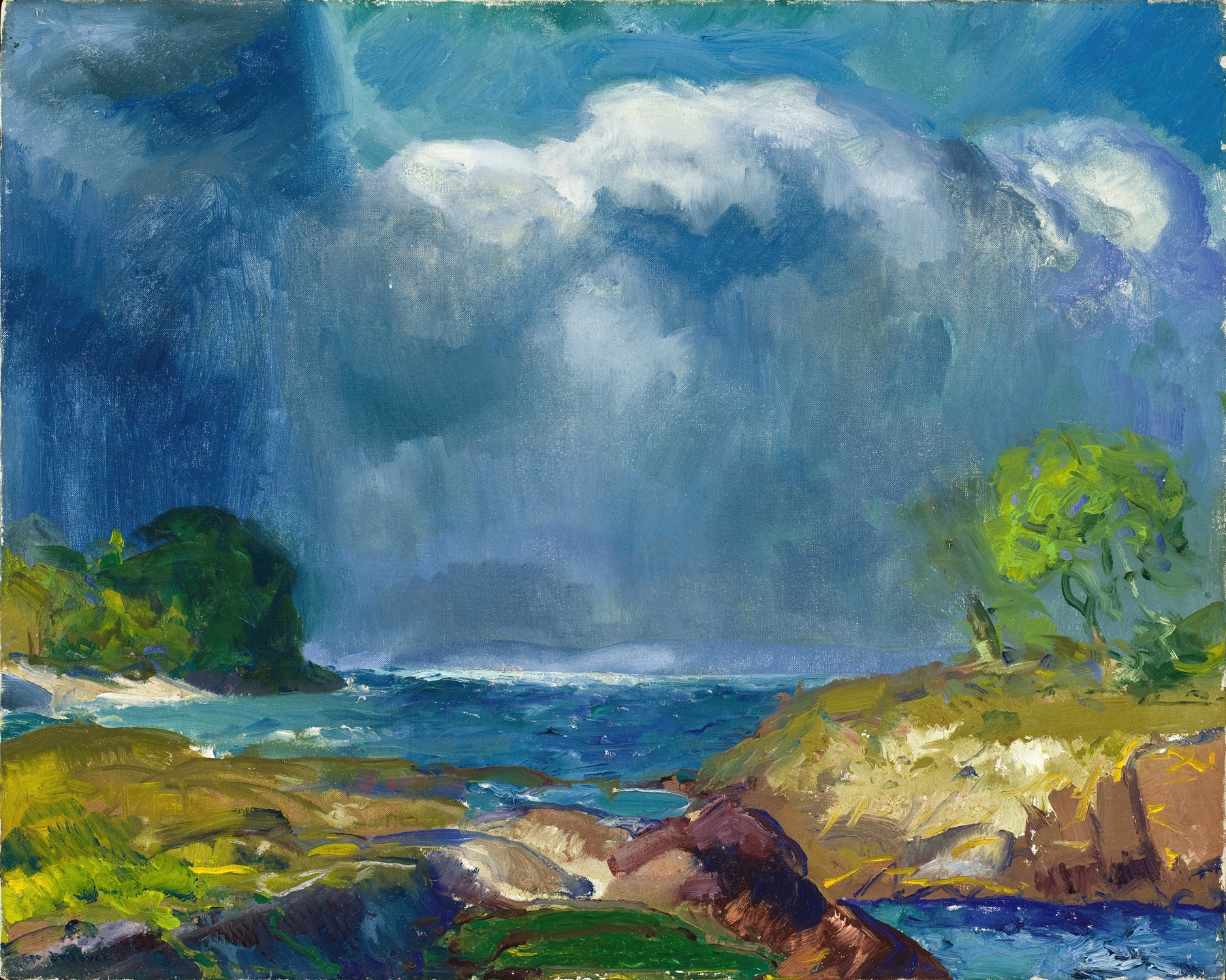
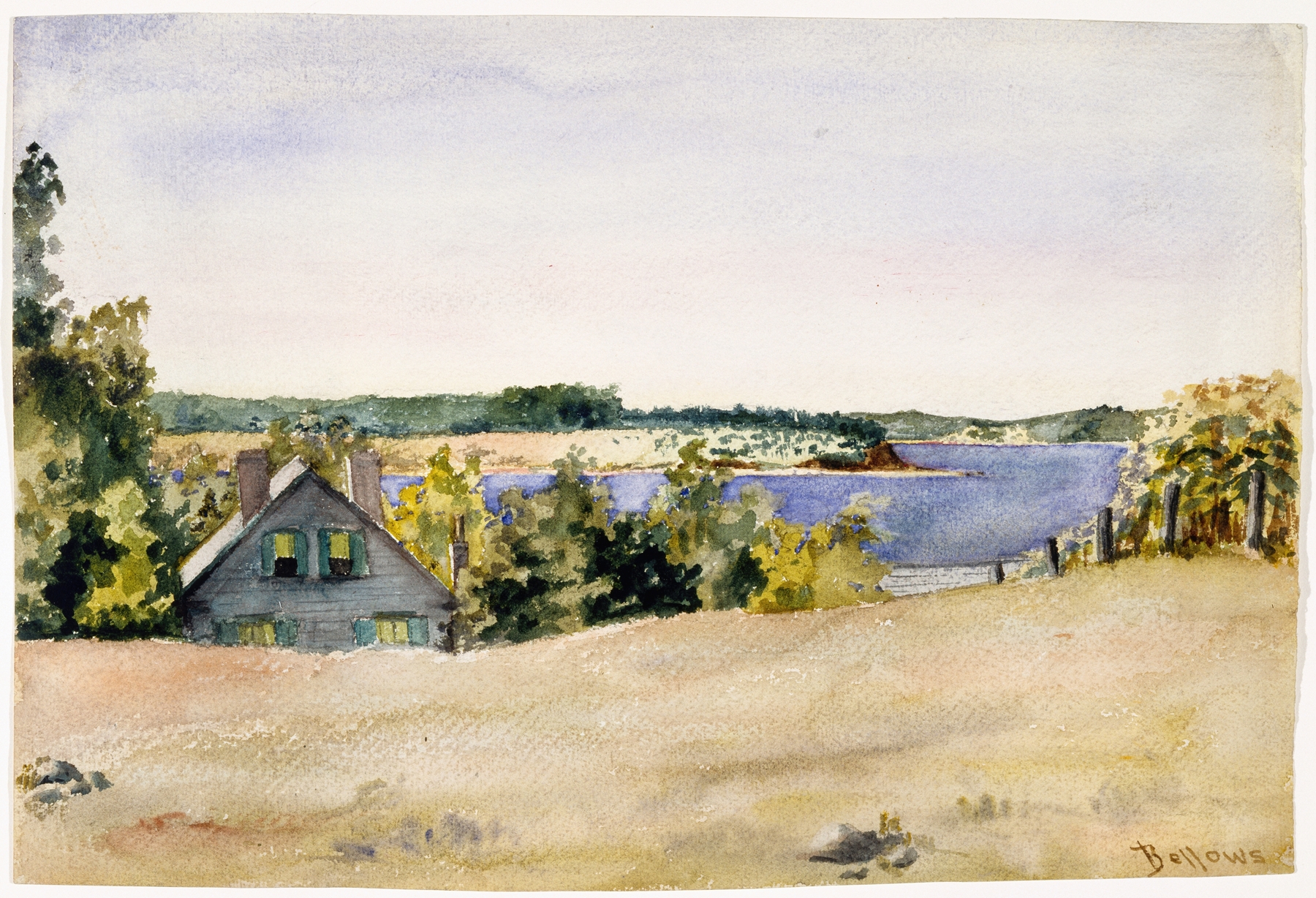
What if silence could speak through light? In the hands of a master, it can resonate throughout a canvas, evoking stillness amidst the vibrant chaos of life. Look to the left, where a sturdy barn stands resolute against a backdrop of soft, rolling haystacks. The rich, warm earth tones dominate the piece, while the dappled light dances across the landscape, creating a rhythm that breathes life into the stillness.
Notice how Bellows employs broad brushstrokes to convey texture, allowing tufts of hay to almost leap off the canvas with tactile energy, while the barn's solid lines emphasize stability within the fleeting nature of rural life. Delve deeper into the contrasts present in the work: the interplay of light and shadow symbolizes the duality of rural existence; it is both a sanctuary and a site of labor. The haystacks, symbols of abundance, carry an undertone of transience, reflecting the cycles of harvest and decay. This tension speaks to a broader shift in society, echoing the revolutionary changes in labor and life that were rippling through the early 20th century.
In 1909, George Wesley Bellows was living in New York City, an epicenter of cultural innovation. While he was deeply immersed in the Ashcan School movement, which focused on the realities of urban life, he was also drawn to the countryside, where he found a compelling narrative in rural landscapes. This painting captures his exploration of modernity against the timelessness of nature, revealing a moment of quiet reflection on the brink of change.