Herbstliche Waldlandschaft — History & Analysis
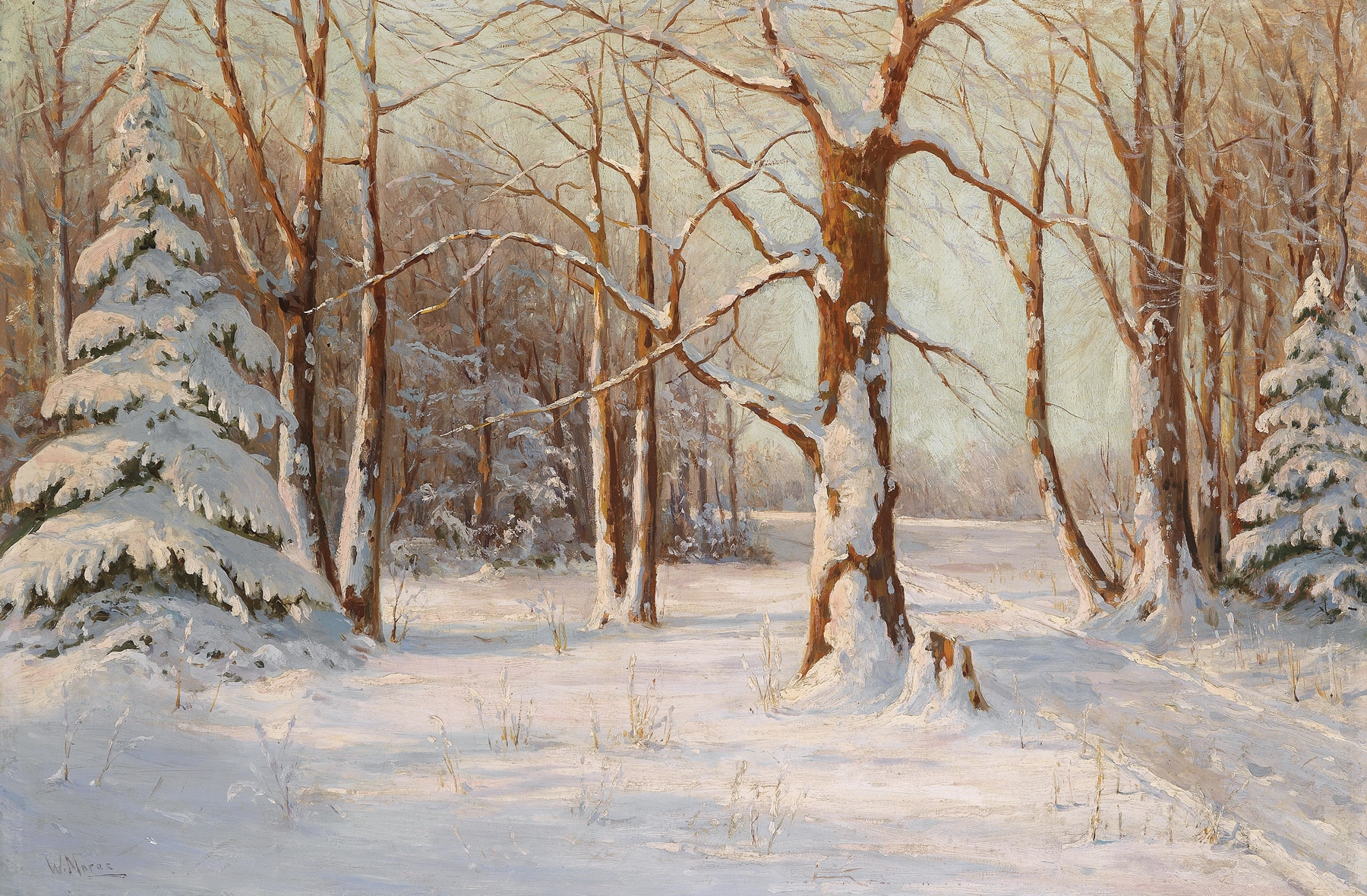
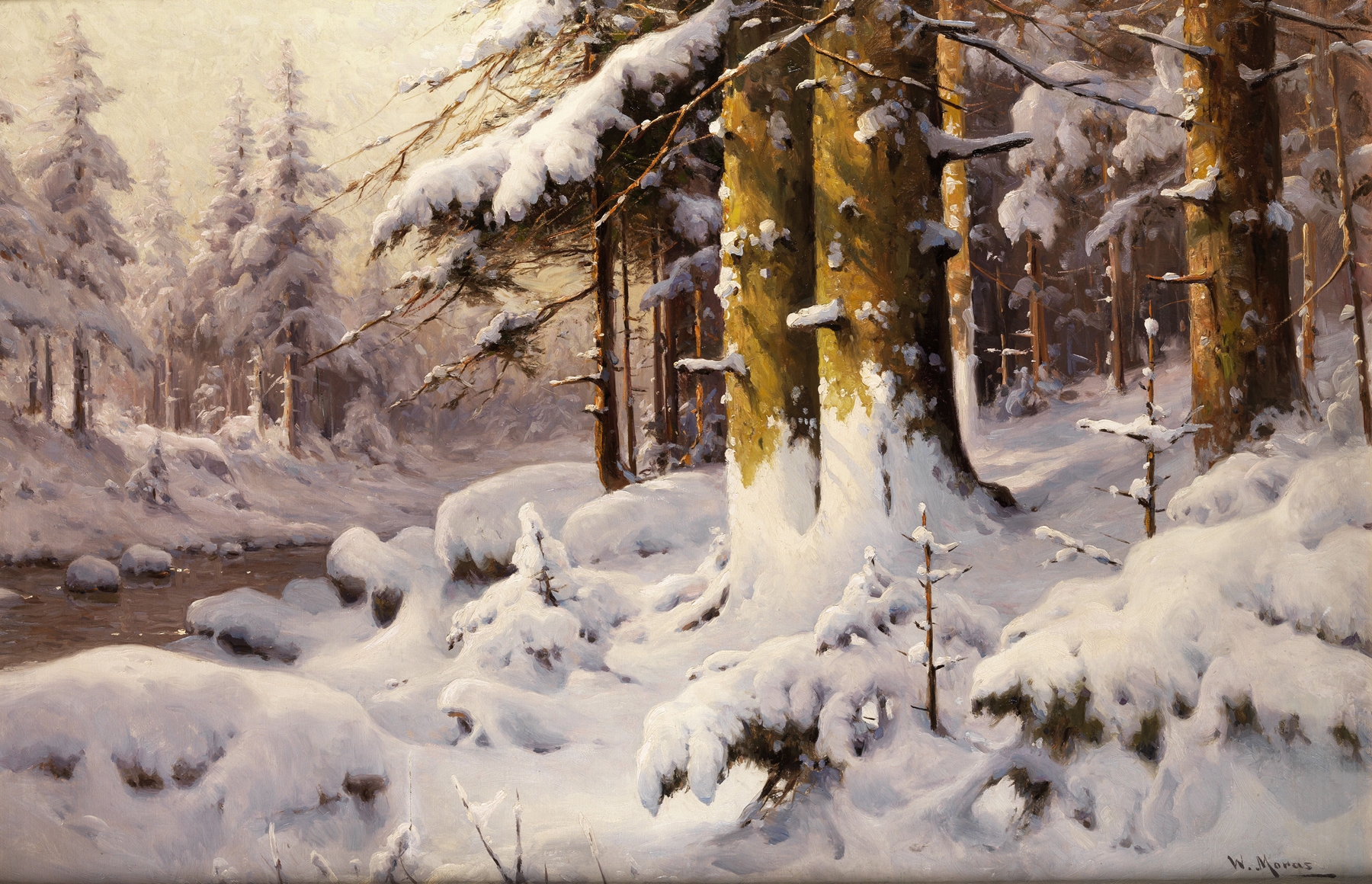
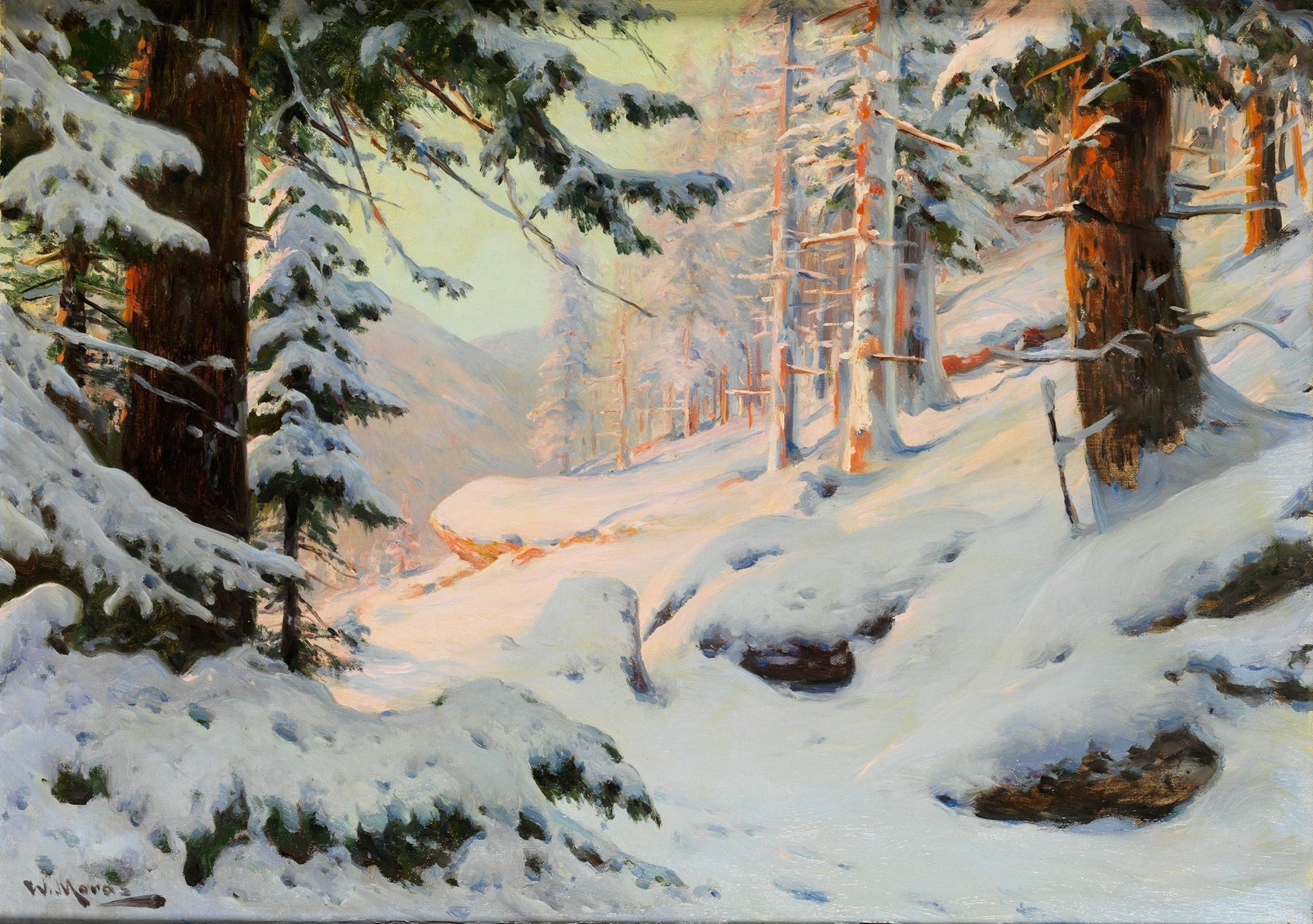
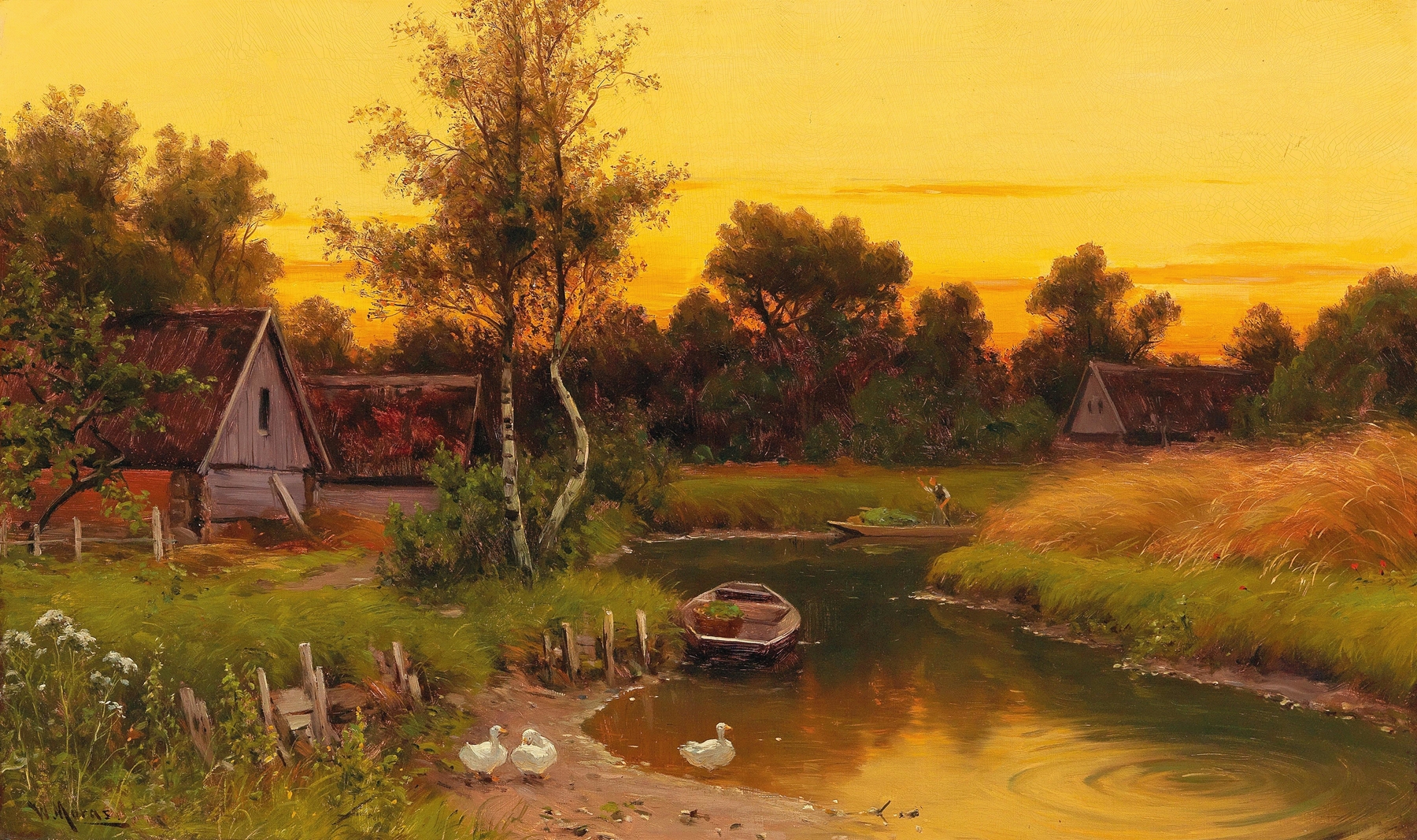
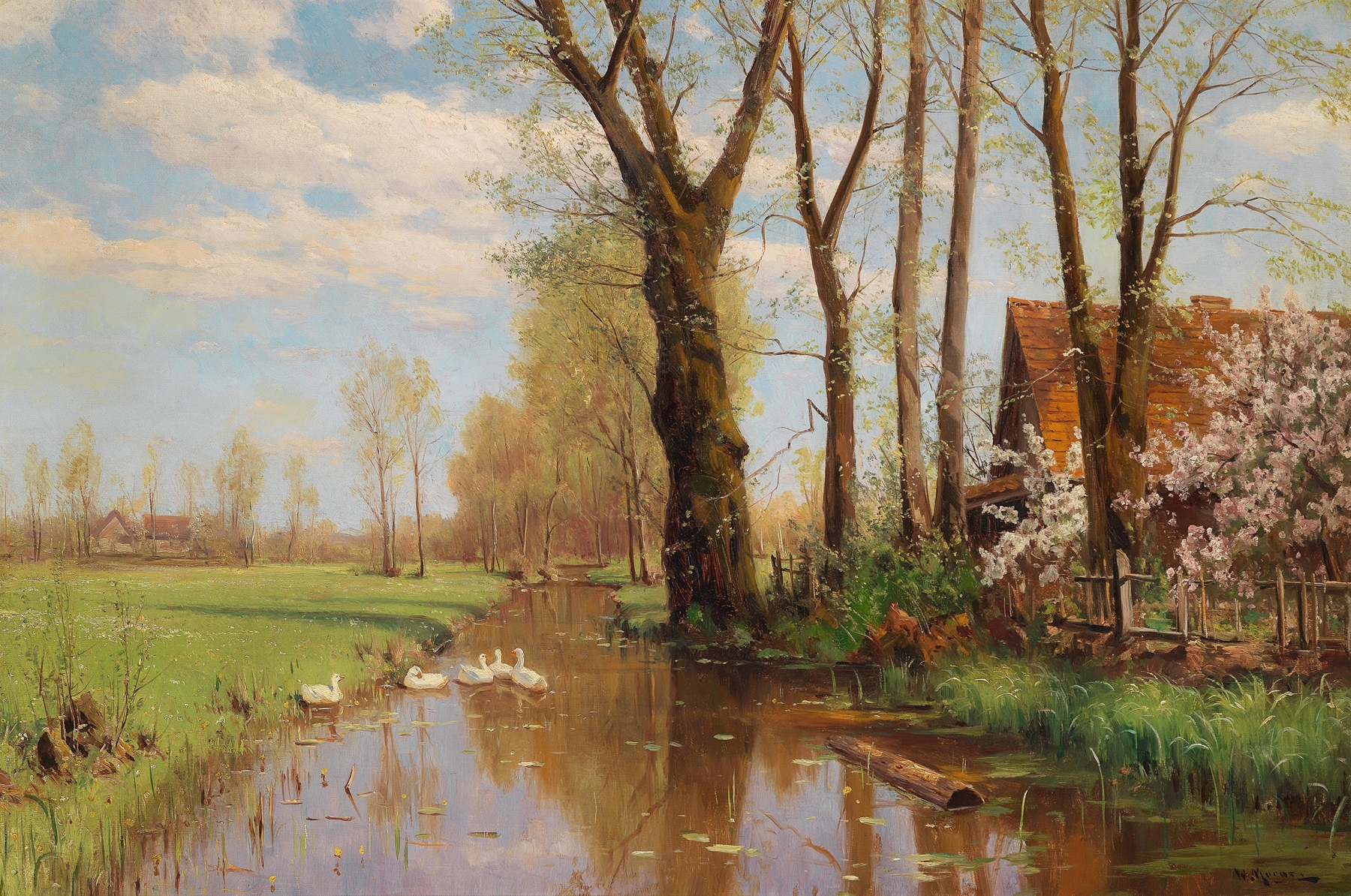
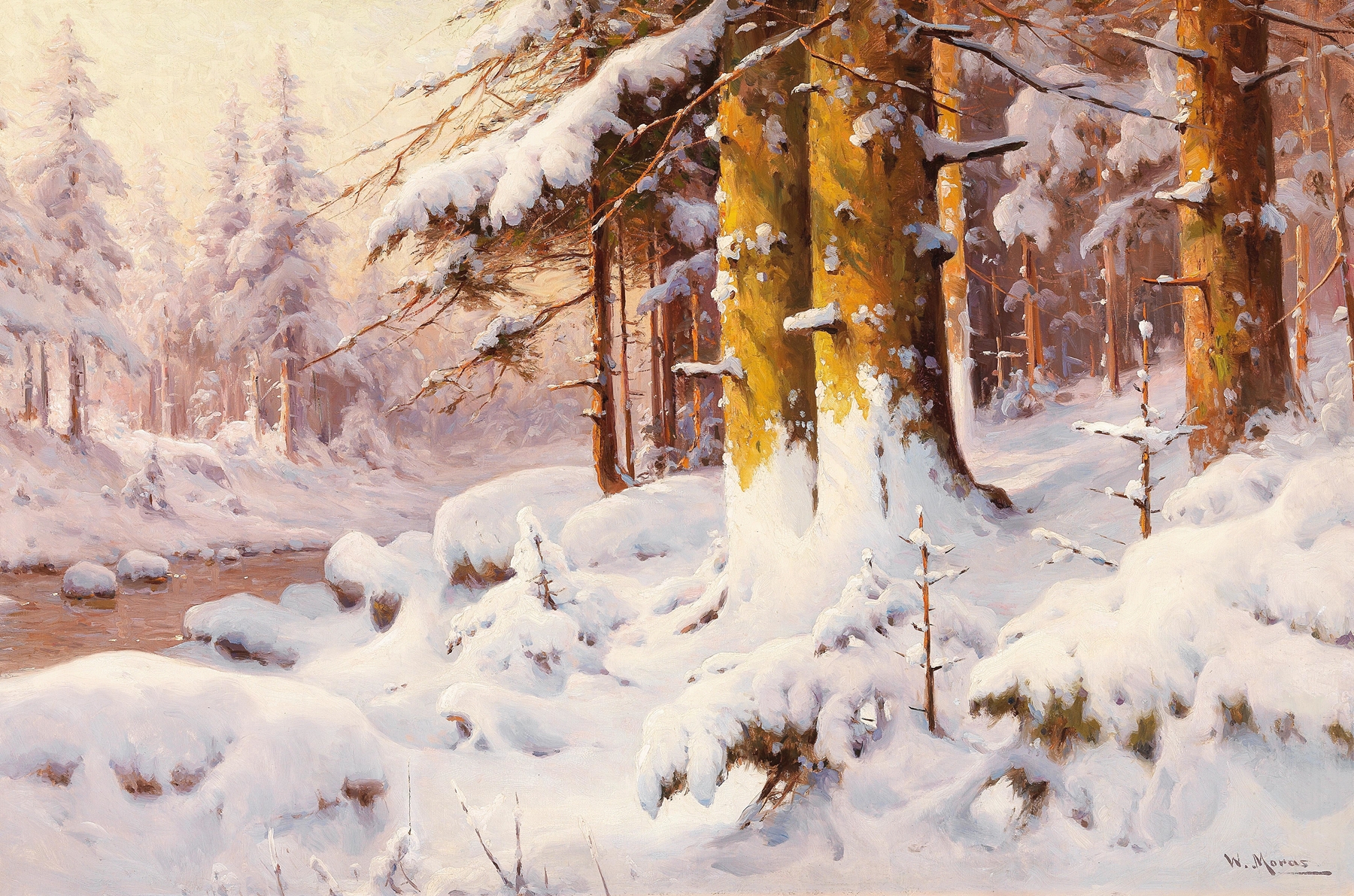
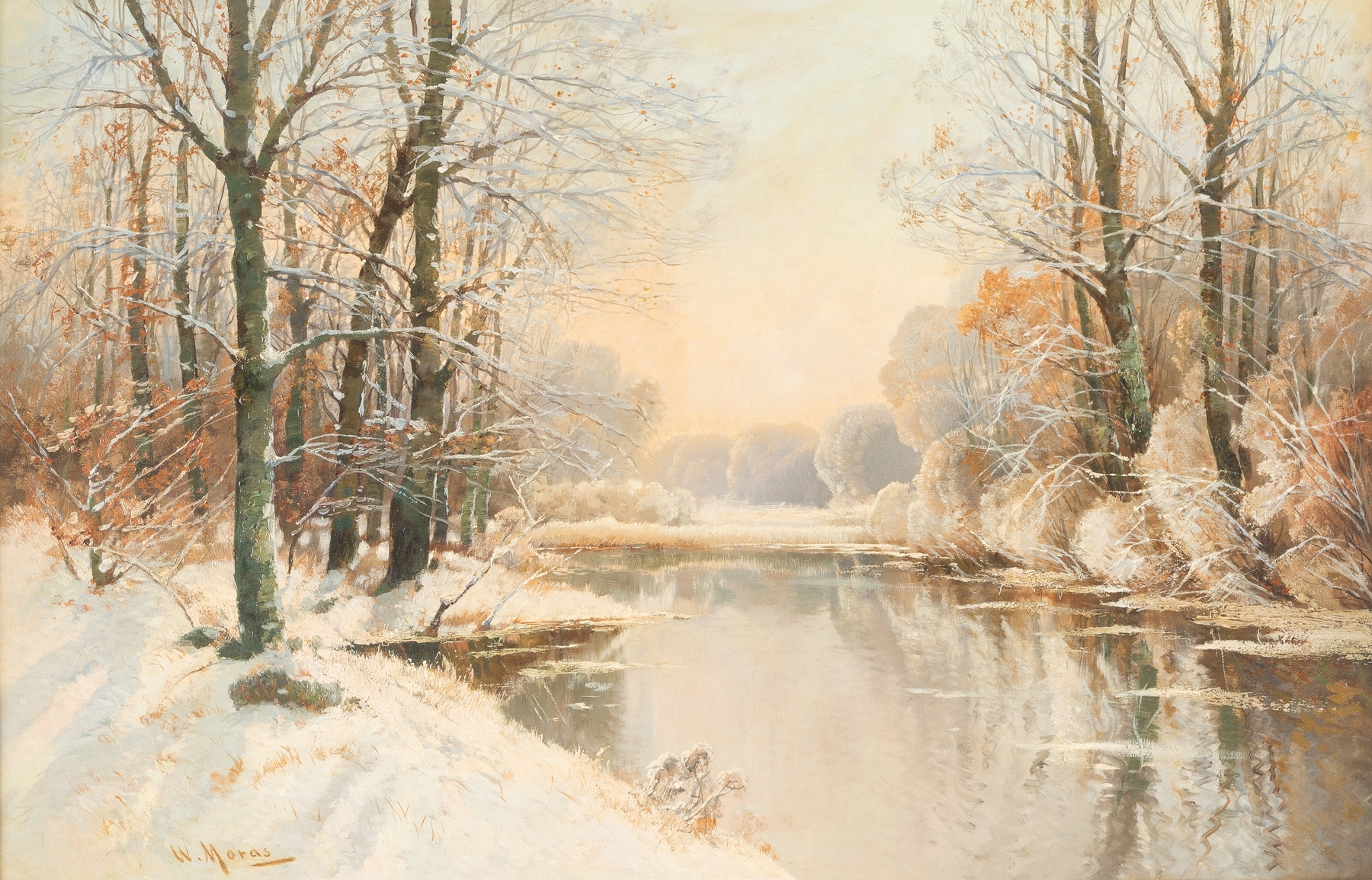
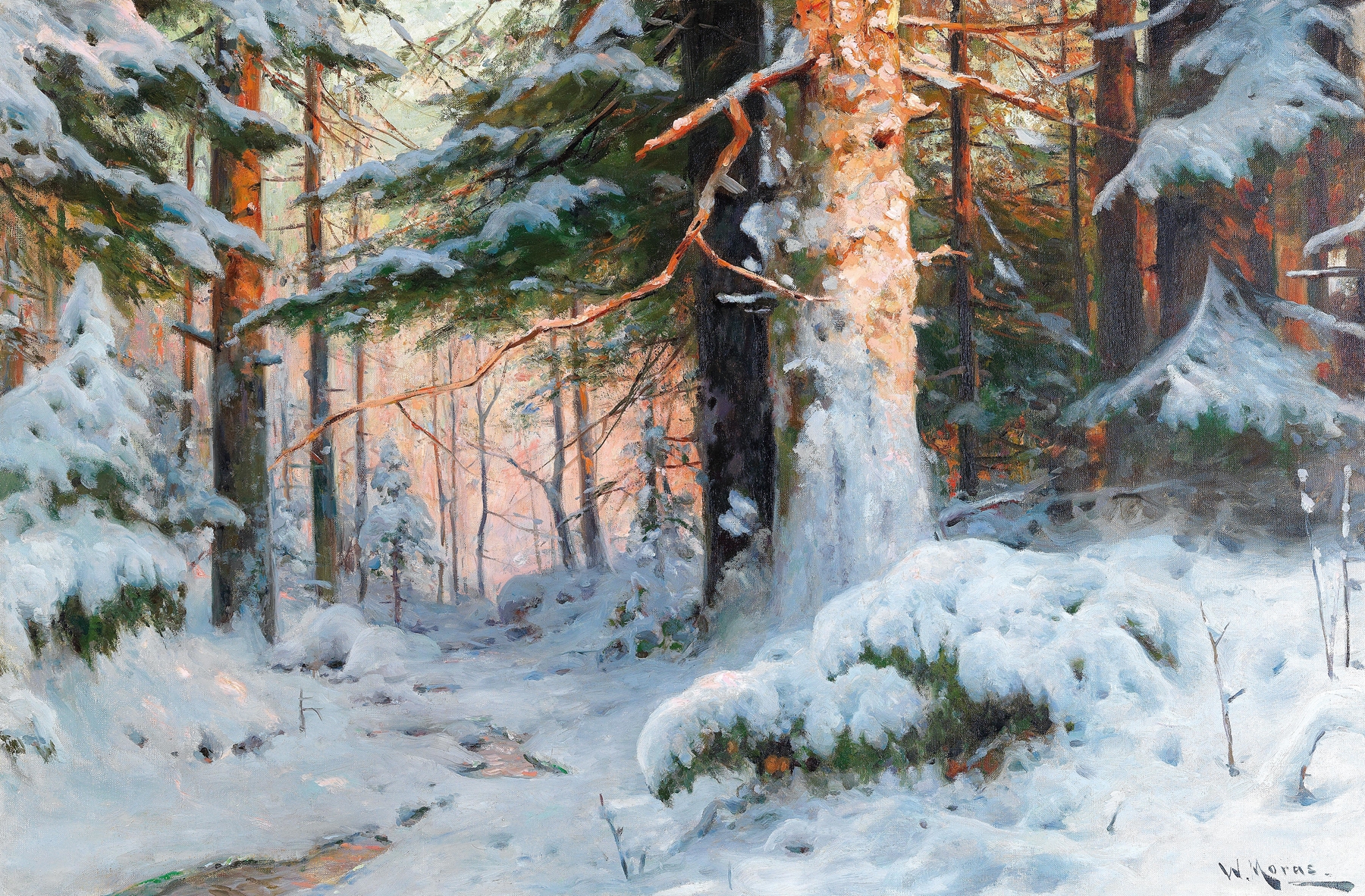
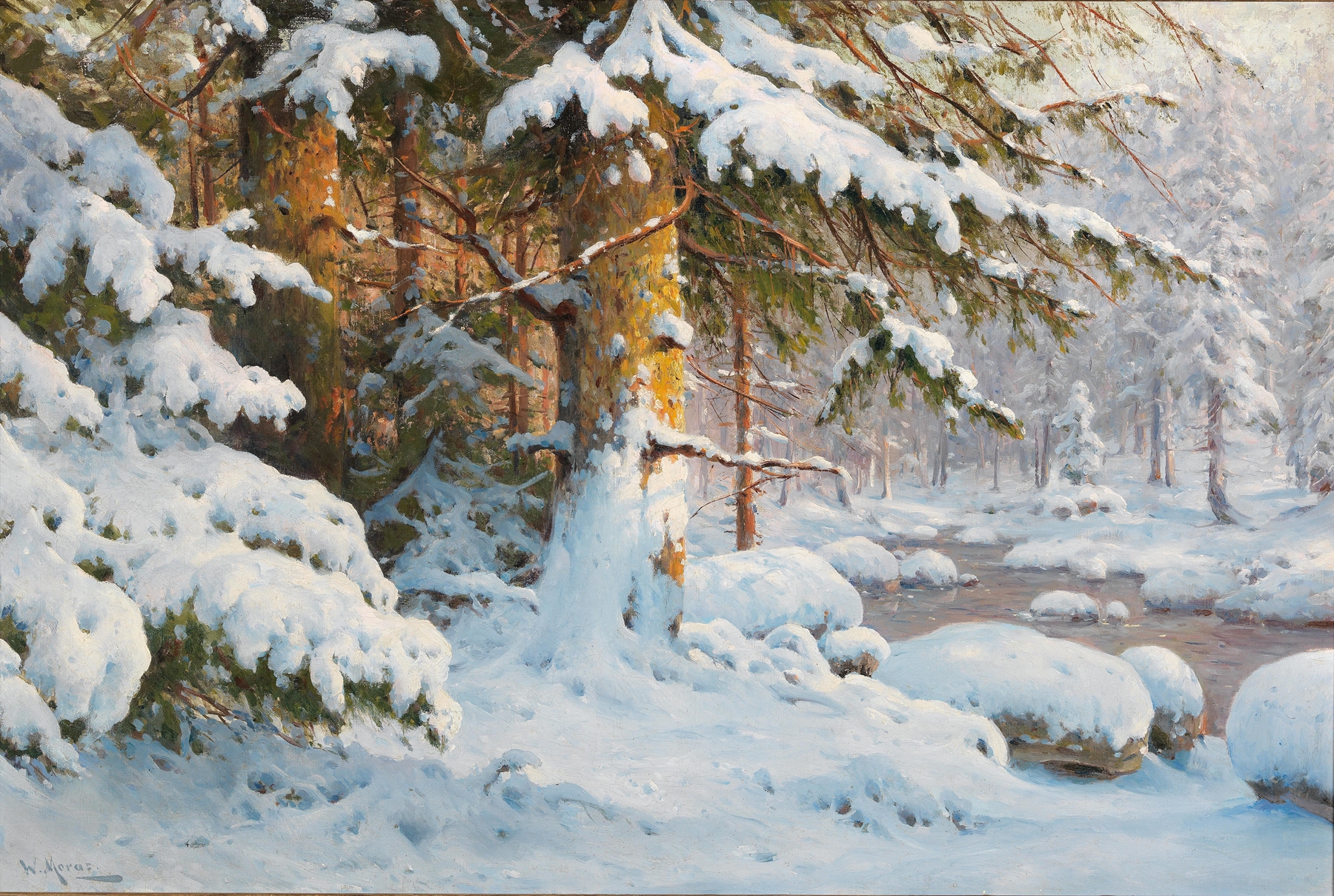
What if silence could speak through light? In Herbstliche Waldlandschaft, the stillness of the autumn woods resonates with a silent symphony, where every leaf whispers stories of change. Look to the foreground; the golden and burnt orange leaves dance gently in the breeze, creating a tapestry of color that beckons the eye. The brushwork here is fluid, capturing the essence of movement and evoking the sensation of air rushing through branches.
Notice how the soft, dappled light filters through the canopy, casting intricate shadows on the forest floor, a reminder of the vibrancy that lies beneath nature’s quietude. The composition draws you deep into the scene, as if inviting you to wander through this serene woodland. Hidden within the tranquility lies a profound reflection on transience. Each leaf, in its brilliant decay, symbolizes the cycle of life, a reminder that beauty often exists in transformation.
The subtle contrasts between warm and cool tones suggest the fleeting nature of autumn, while the gentle curves of the landscape echo the rhythm of motion—an invitation to embrace change rather than resist it. Every brushstroke seems to capture a breath, a fleeting moment that both stands still and moves forward. Painted during a time when the artist was deeply connected to nature and seeking to express its ephemeral beauty, this work emerges from a period marked by a renewed interest in landscape painting. The late 19th century was a time of transition, where artists like him sought to convey emotional depth through their depictions of the natural world, reflecting both personal and societal shifts in perception.