Winter II — History & Analysis
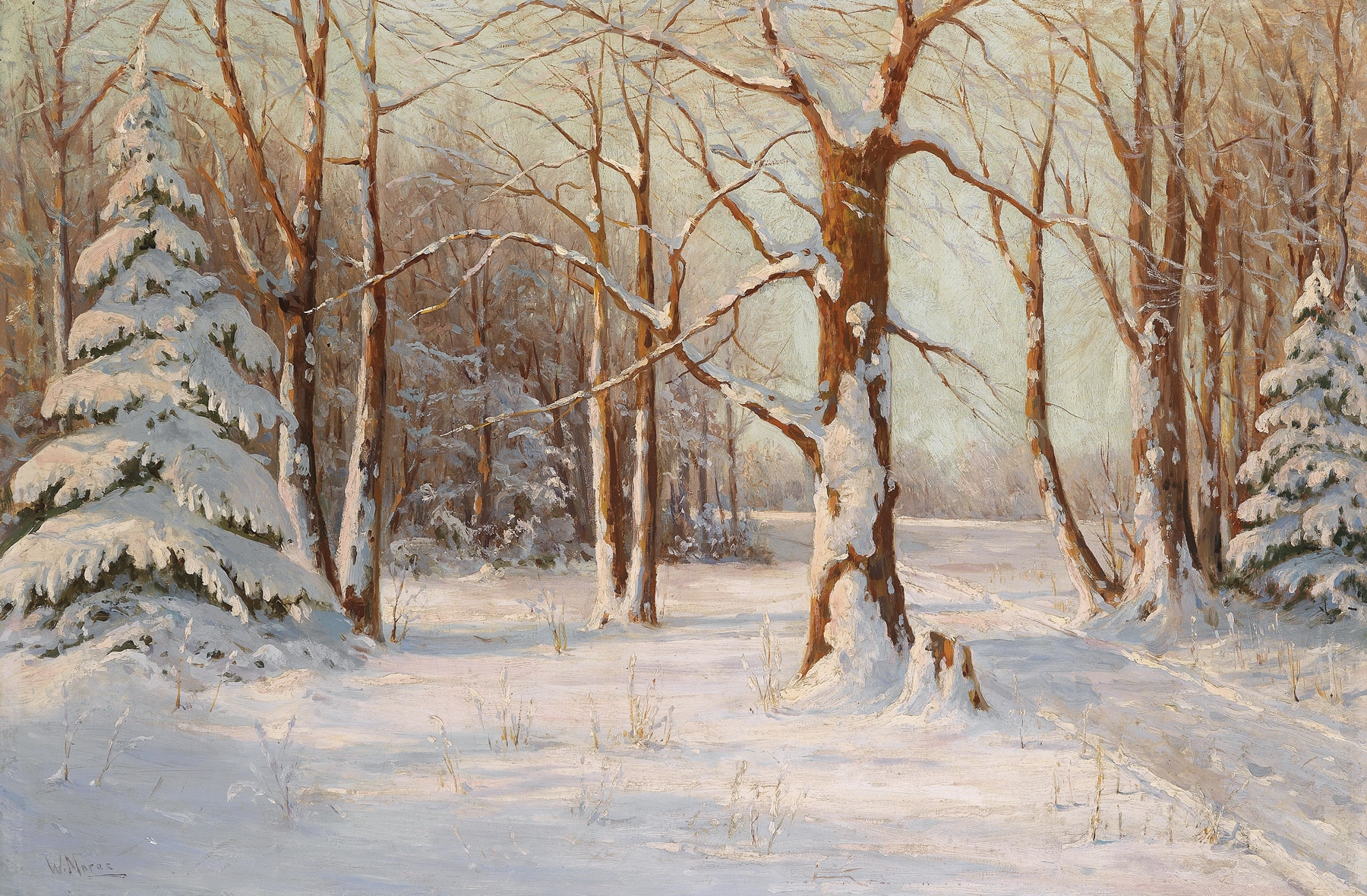
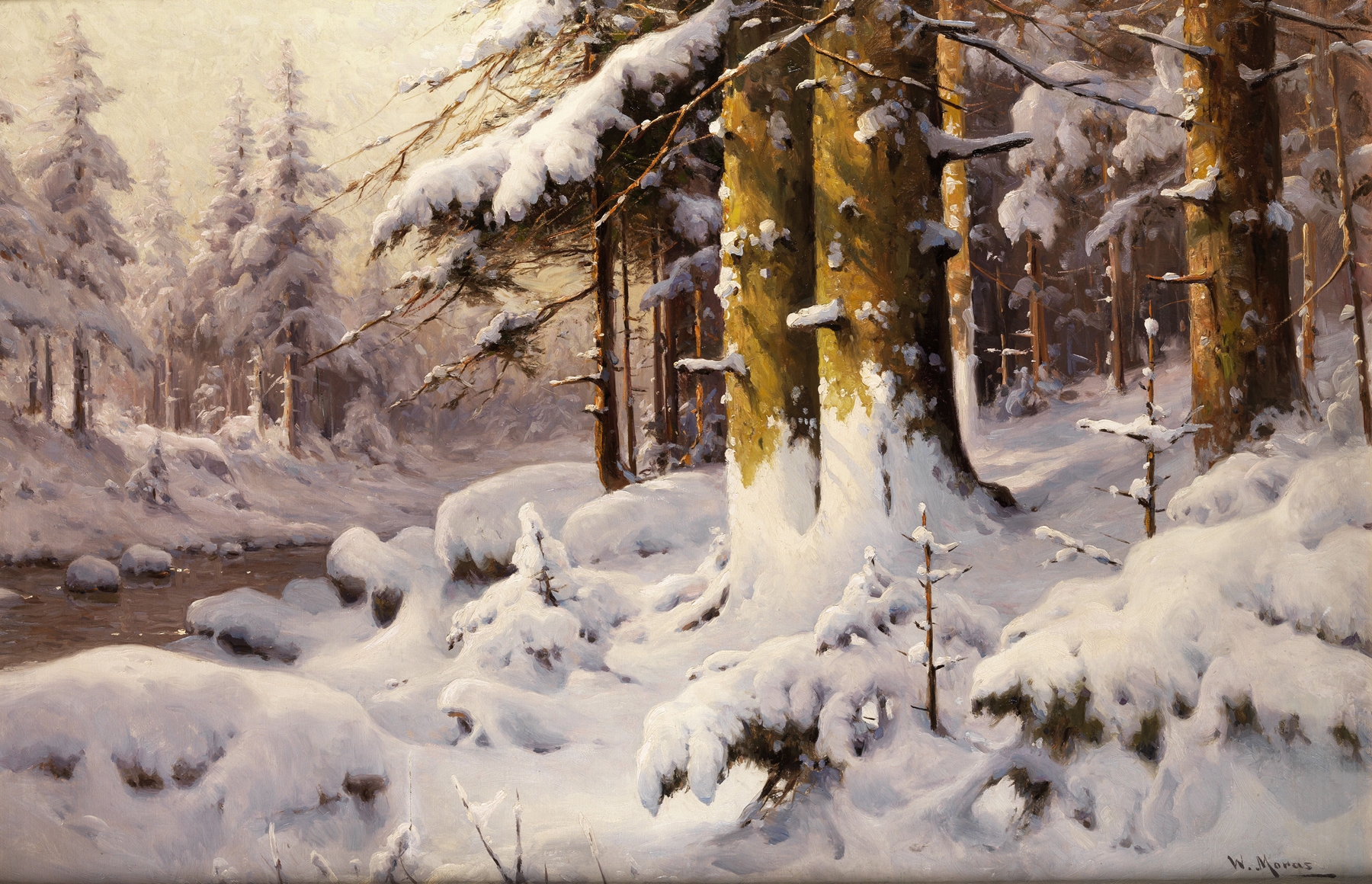
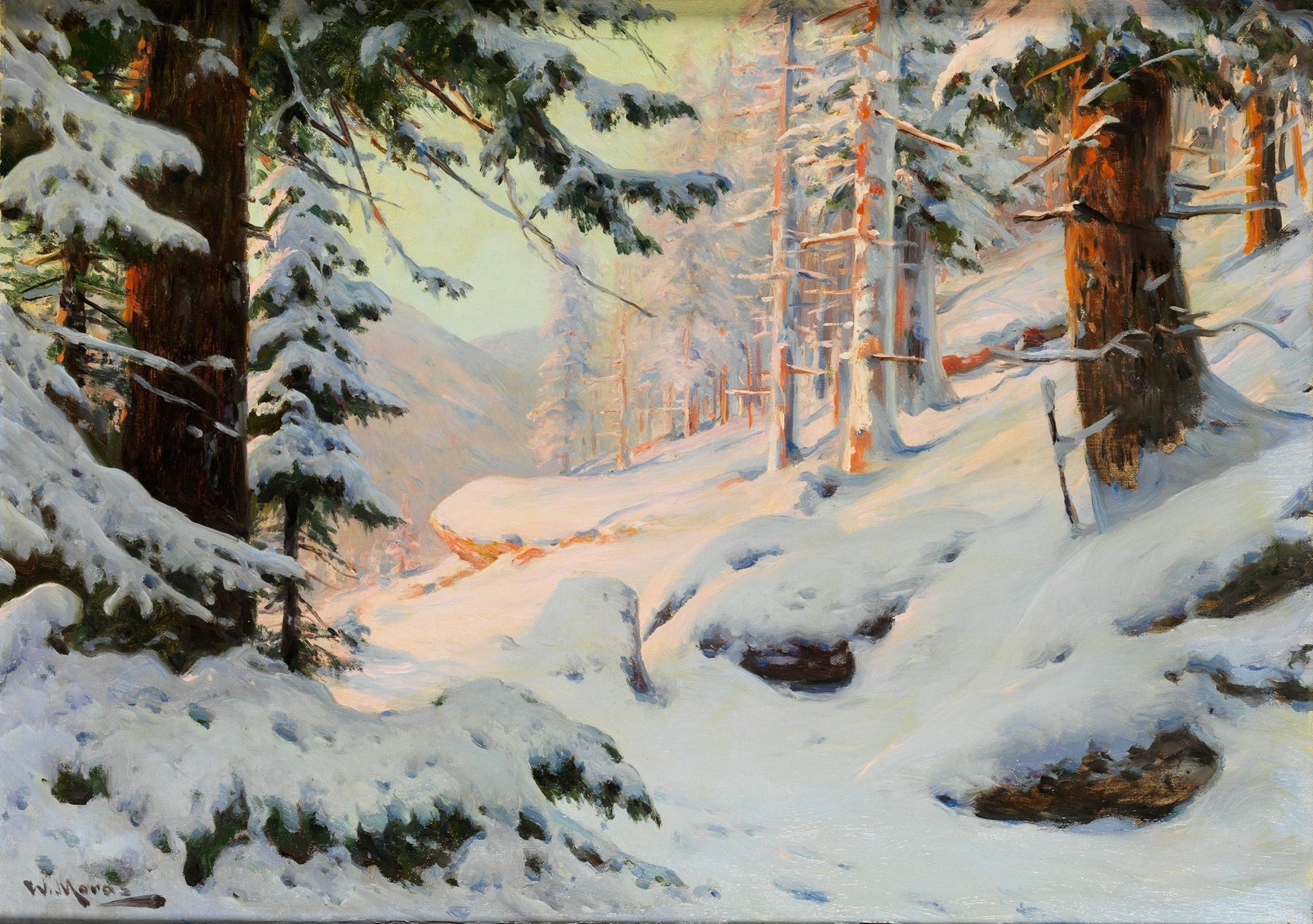
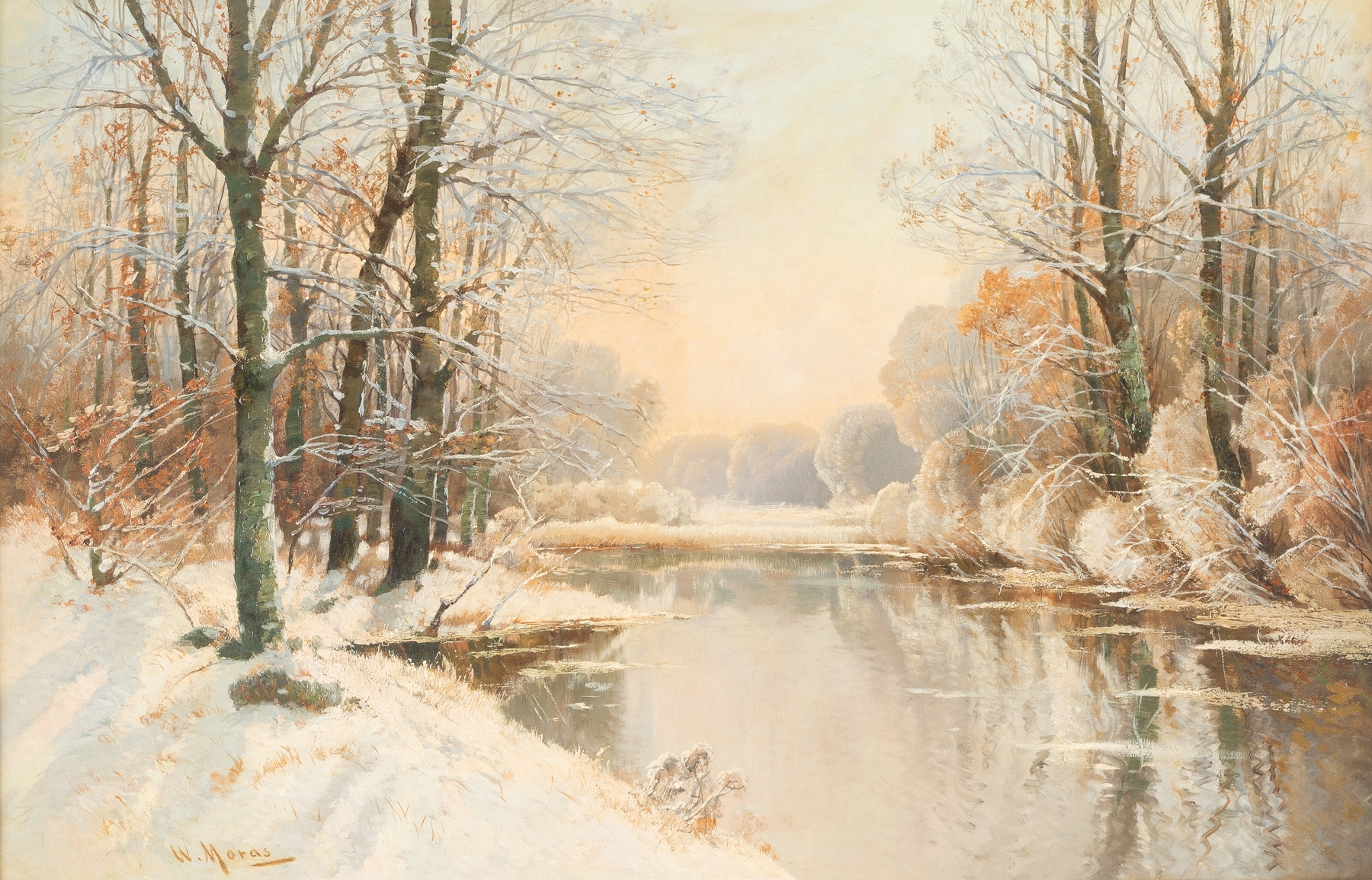
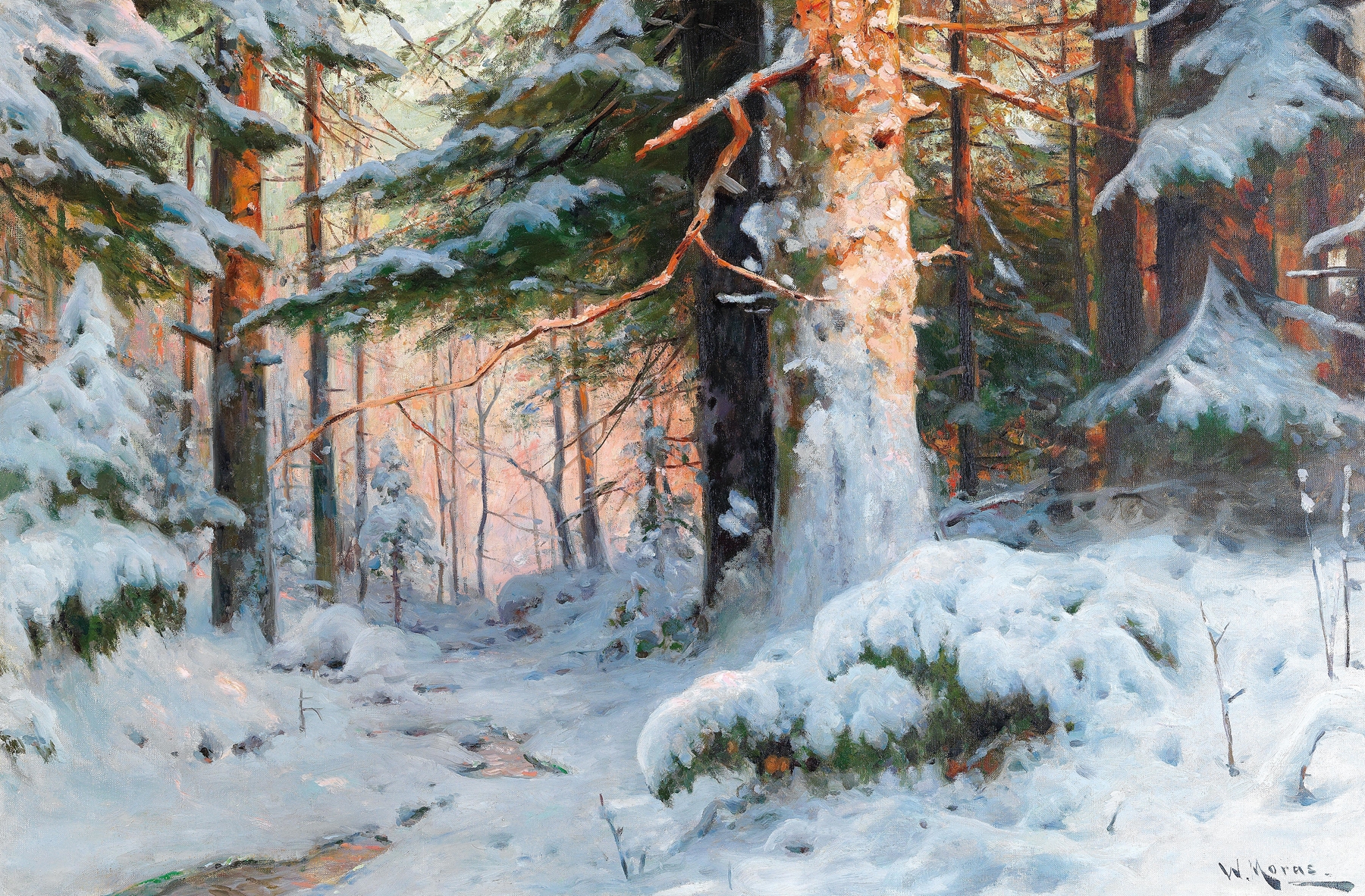
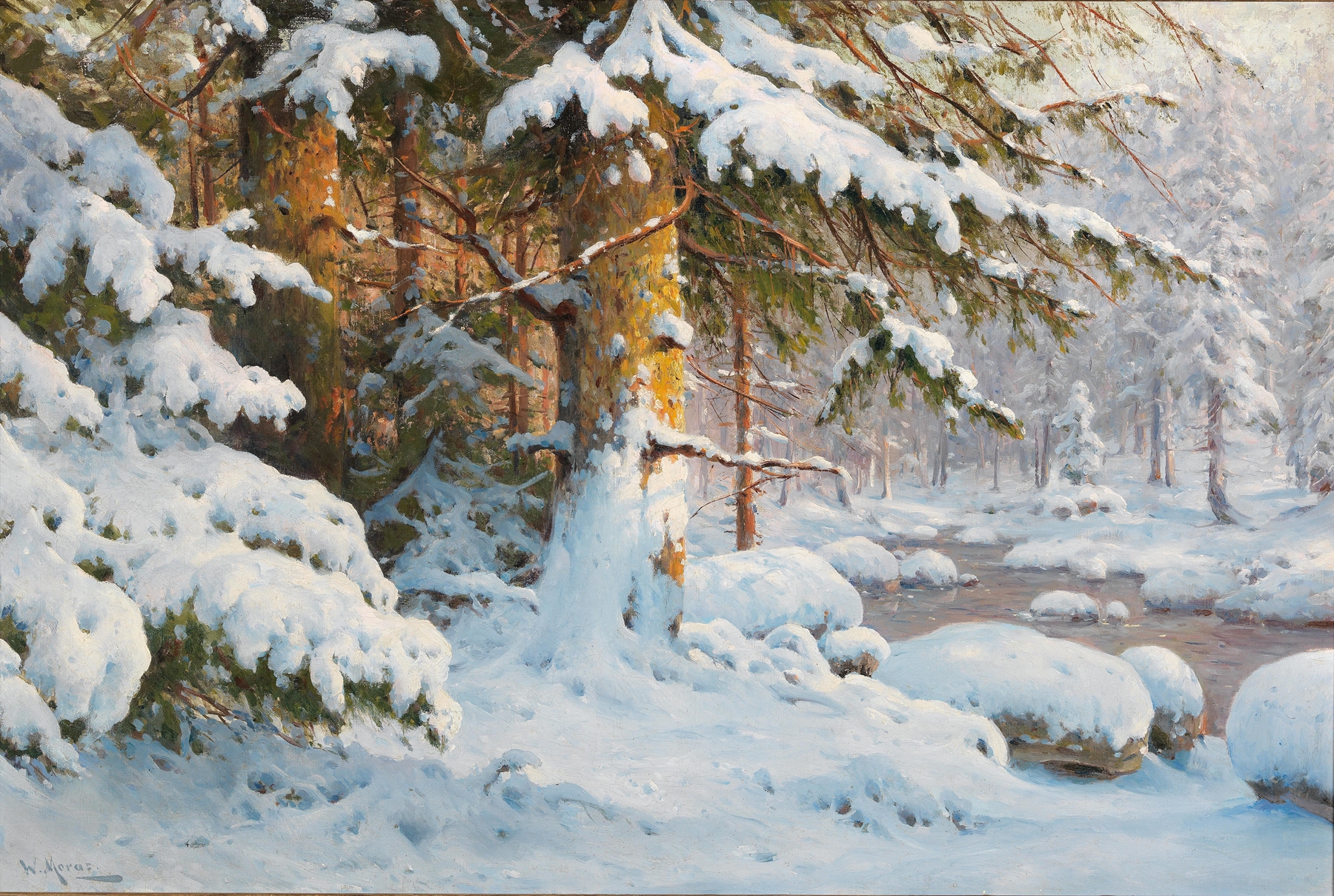
Can beauty exist without sorrow? In Winter II, a delicate balance between tranquility and tension speaks to the heart of human experience, echoing the bittersweet nature of life itself. Look to the foreground where a pristine blanket of snow captures your gaze, its uniformity disrupted only by the gentle rise of hidden terrain beneath. Notice how the soft blues and grays subtly blend into the stark white, creating an atmosphere that is both serene and haunting.
The trees, bare of leaves, arch gracefully against a muted skyline, their slender forms casting elongated shadows that hint at a deeper narrative lurking beneath the surface of this winter scene. Beneath the surface stillness lies an undercurrent of betrayal—a poignant reminder that even in the most beautiful landscapes, melancholy can reside. The stripped branches tell of loss and abandonment, while the untouched snow evokes a sense of isolation, as if the world is holding its breath, waiting for spring to thaw the emotions buried beneath. The almost oppressive stillness is a visual metaphor for the heaviness of secrets, suggesting that beauty and pain are inextricably linked.
Walter Moras created Winter II during a period when the art world was grappling with rapid changes, reflecting on the tension between tradition and modernity. His work, influenced by the natural landscapes of Germany, encapsulated the contradictions of life in a time marked by upheaval. As Moras painted this piece, he navigated personal and societal shifts, recognizing how the beauty of nature can mirror the complexities of human relationships.