Winter at Spreewald — History & Analysis
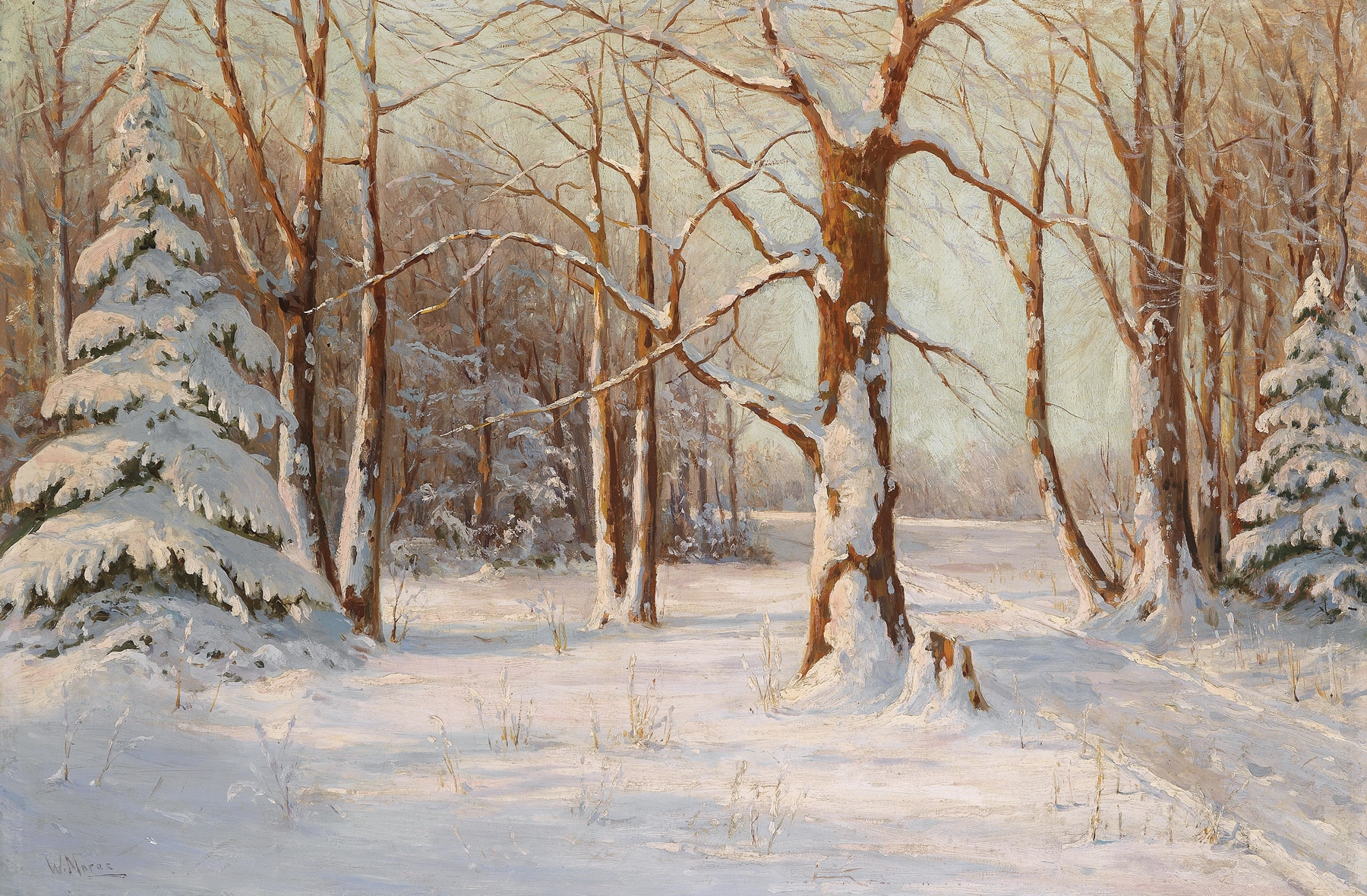
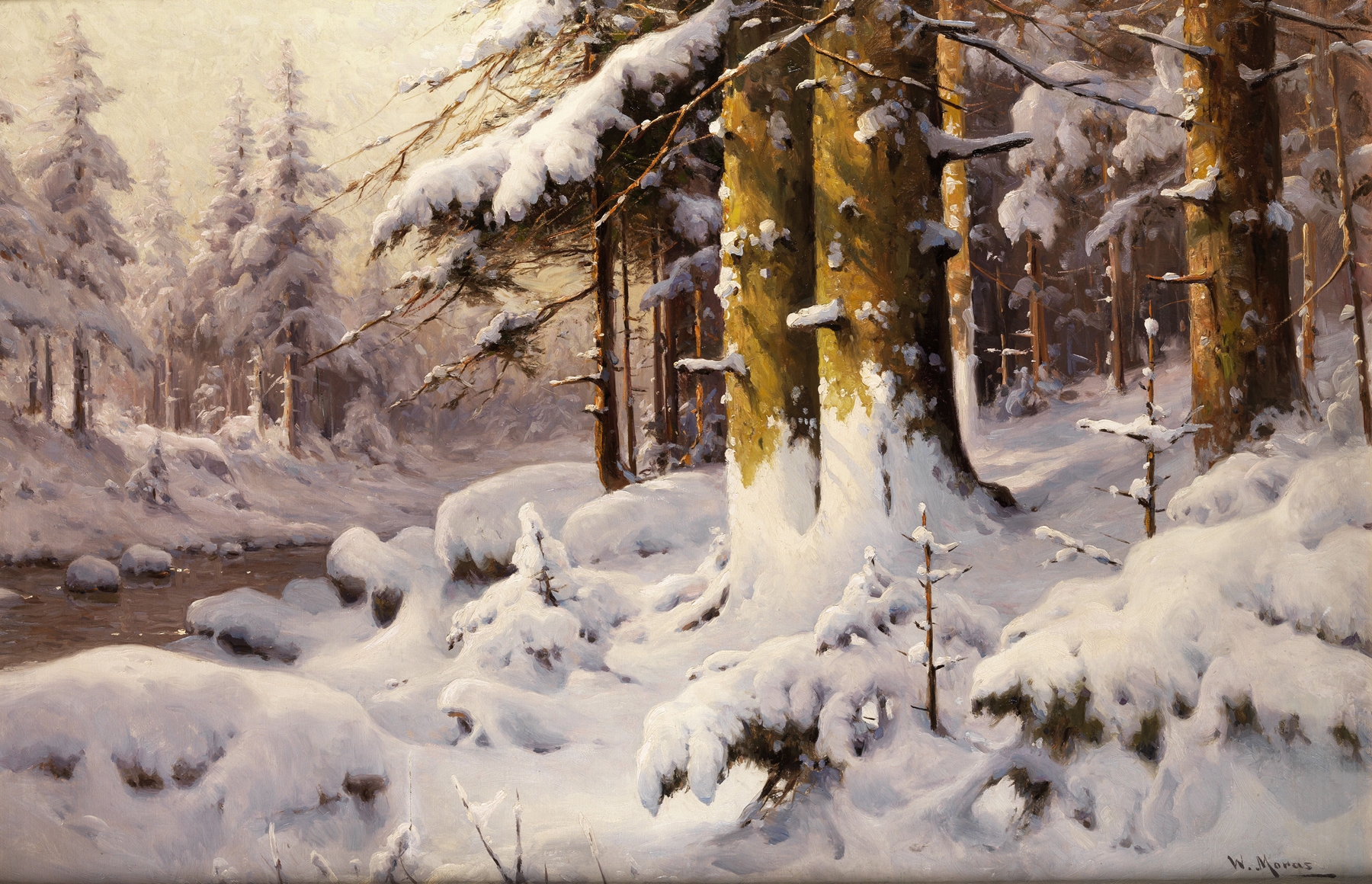
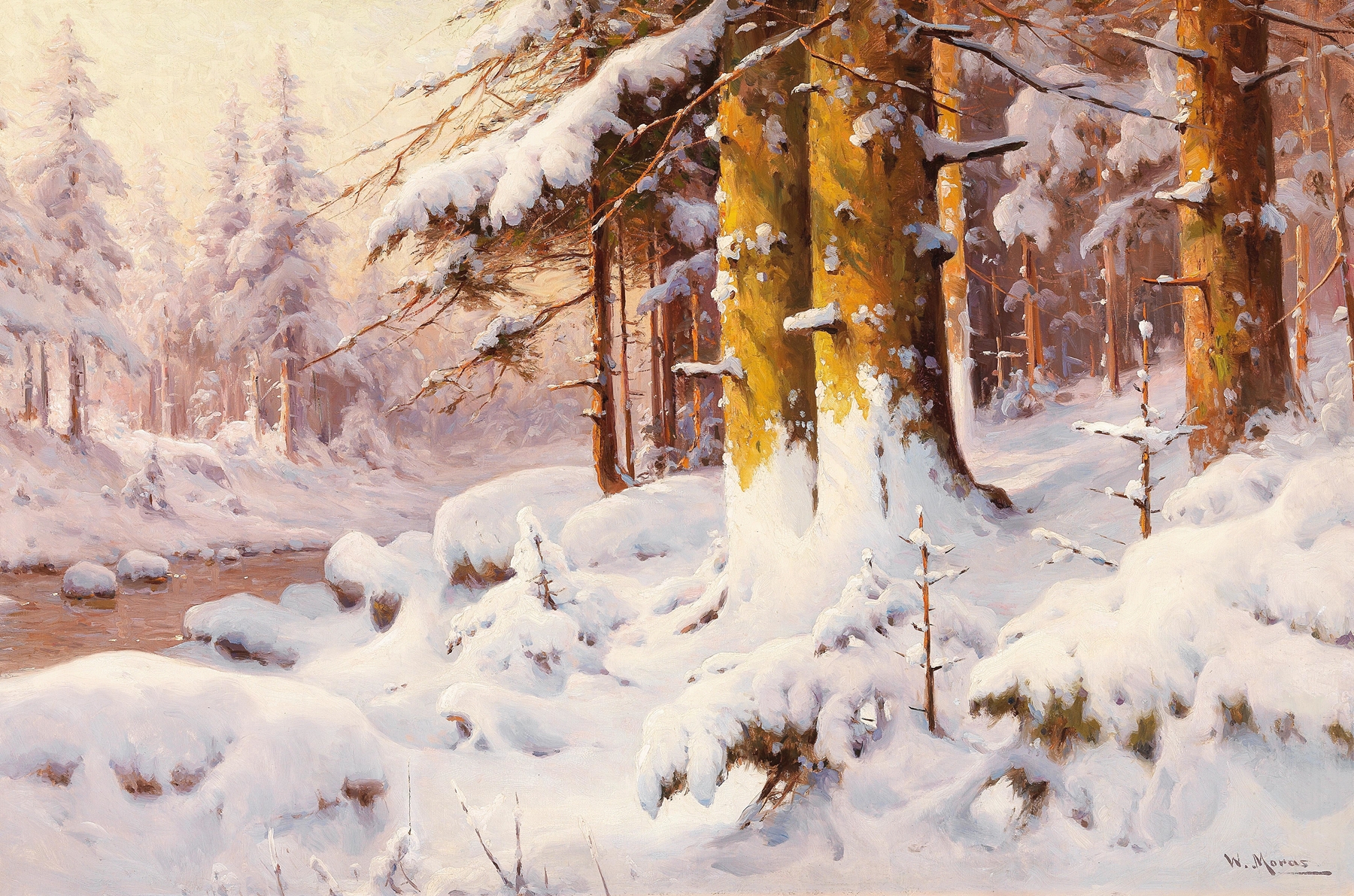
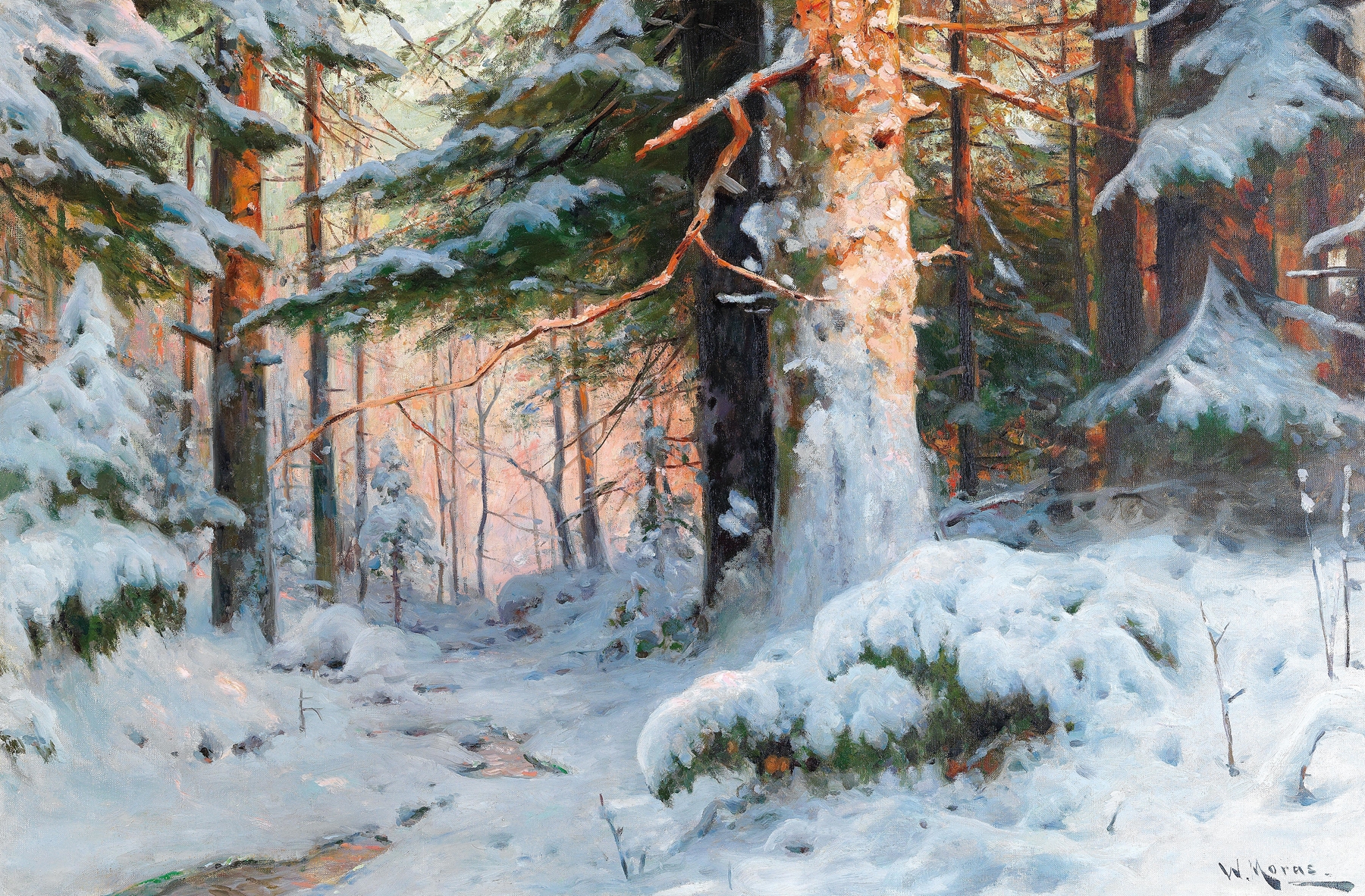
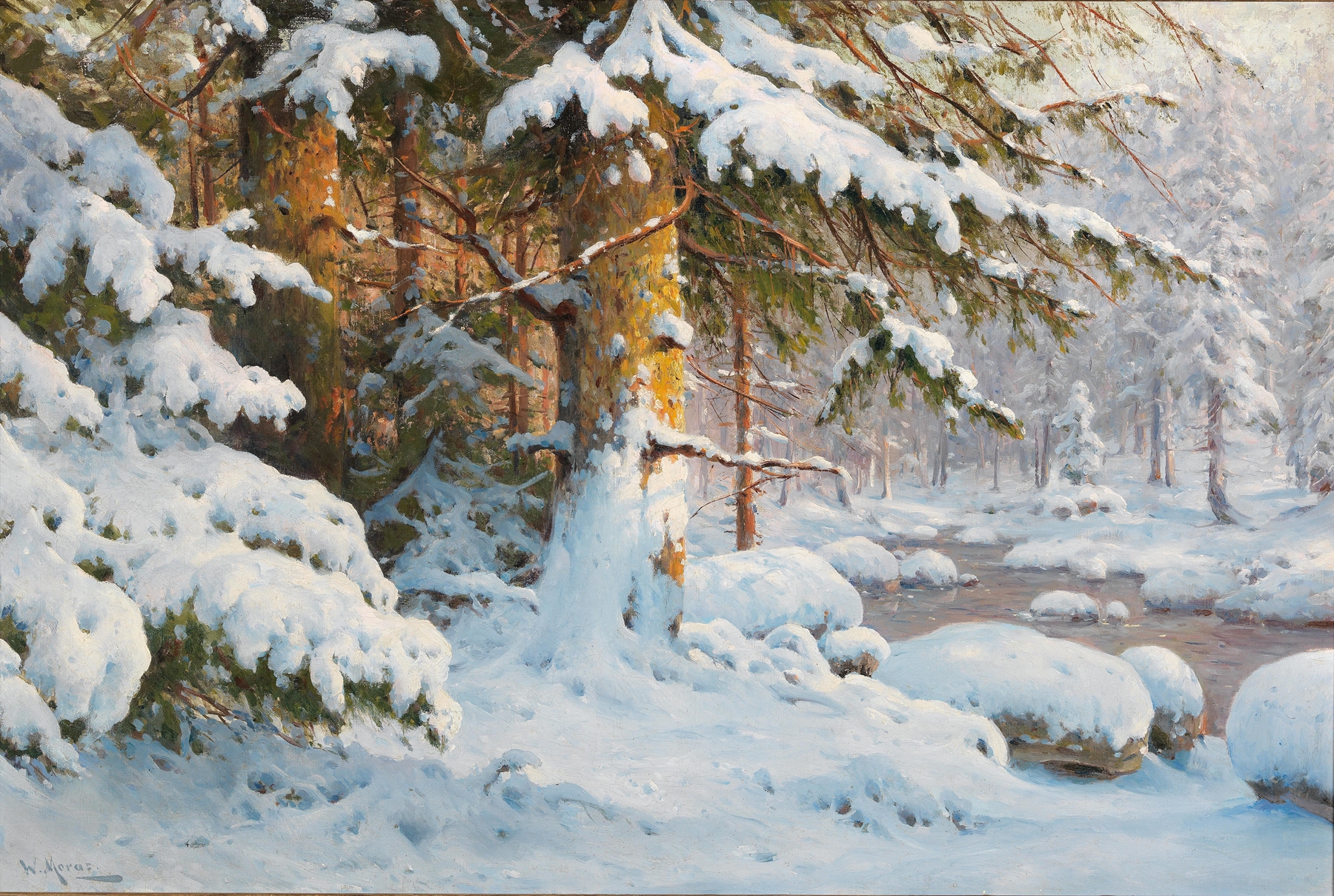
“Art reveals the soul when the world turns away.” What happens when winter's grip transforms a landscape into a silent observer of change? The stillness of Winter at Spreewald beckons us to explore the delicate balance between nature and emotion, inviting contemplation amid the chaos of life. Look to the center of the canvas where frozen waterways carve a path through a white carpet of snow. Notice how the muted blues and grays of the sky bleed into the icy surface, creating a mirror that reflects both the serenity and the starkness of winter.
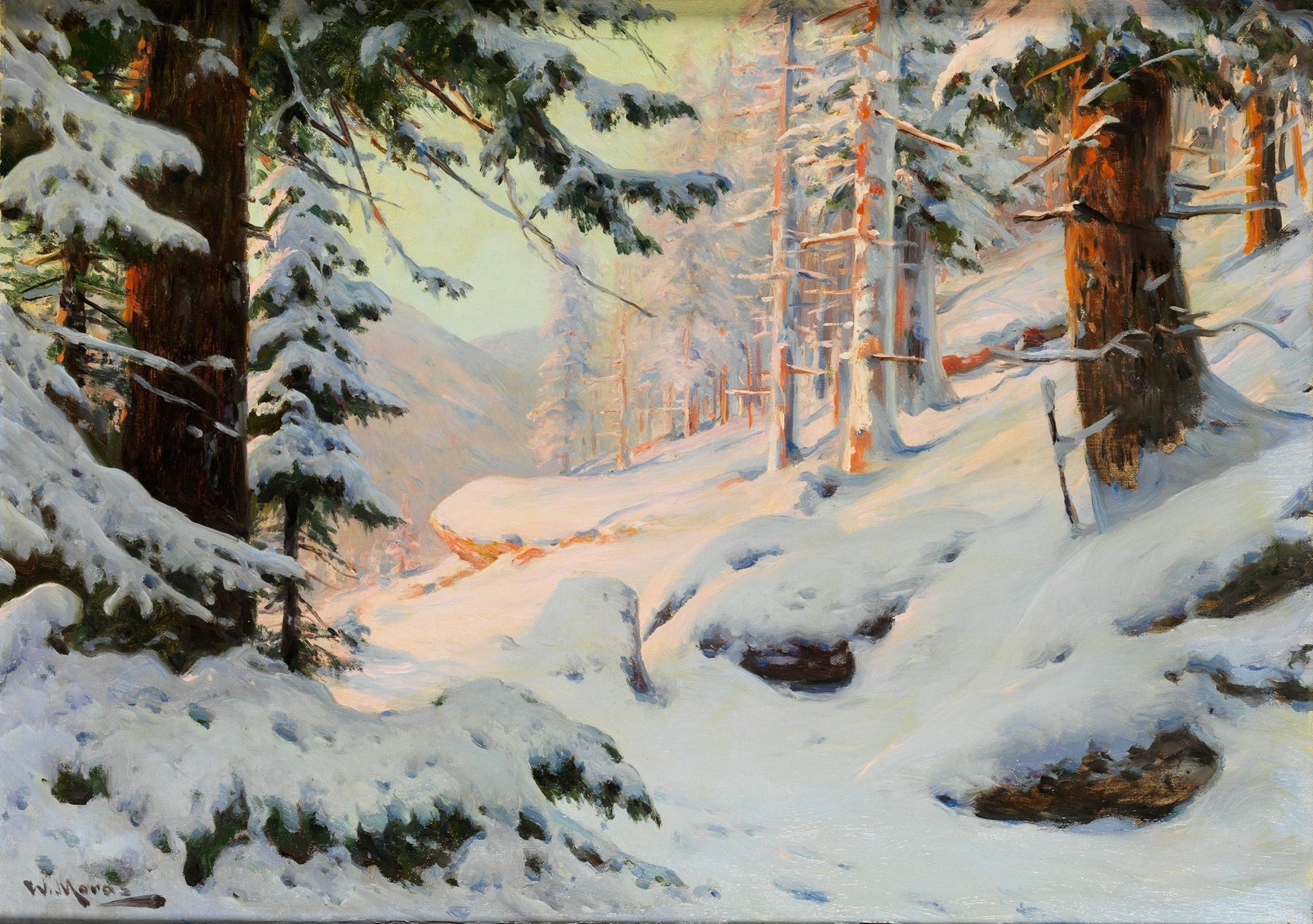
The trees, their bare branches stretching upward, seem to cradle the very air, while the soft brushwork suggests a gentle wind whispering secrets of the season into the viewer's ear. In this tranquil scene, there is a tension between stillness and the potential for upheaval. The starkness of the landscape speaks to a world on the brink of change, echoing broader revolutions in society. The untouched snow hints at freshness and renewal, yet the cold, unyielding nature of winter suggests isolation and solitude, challenging the viewer to reflect on their own environment and experiences.
Walter Moras painted this piece during a time when Europe was awakening to artistic freedoms, possibly in the early 20th century. While little is documented about his life during this period, his work reflects the emerging trends of Impressionism, where a focus on light and atmosphere plays a pivotal role in storytelling. This painting stands as a quiet testament to the transformative power of art amidst a world ready for revolution.