Winter sun — History & Analysis
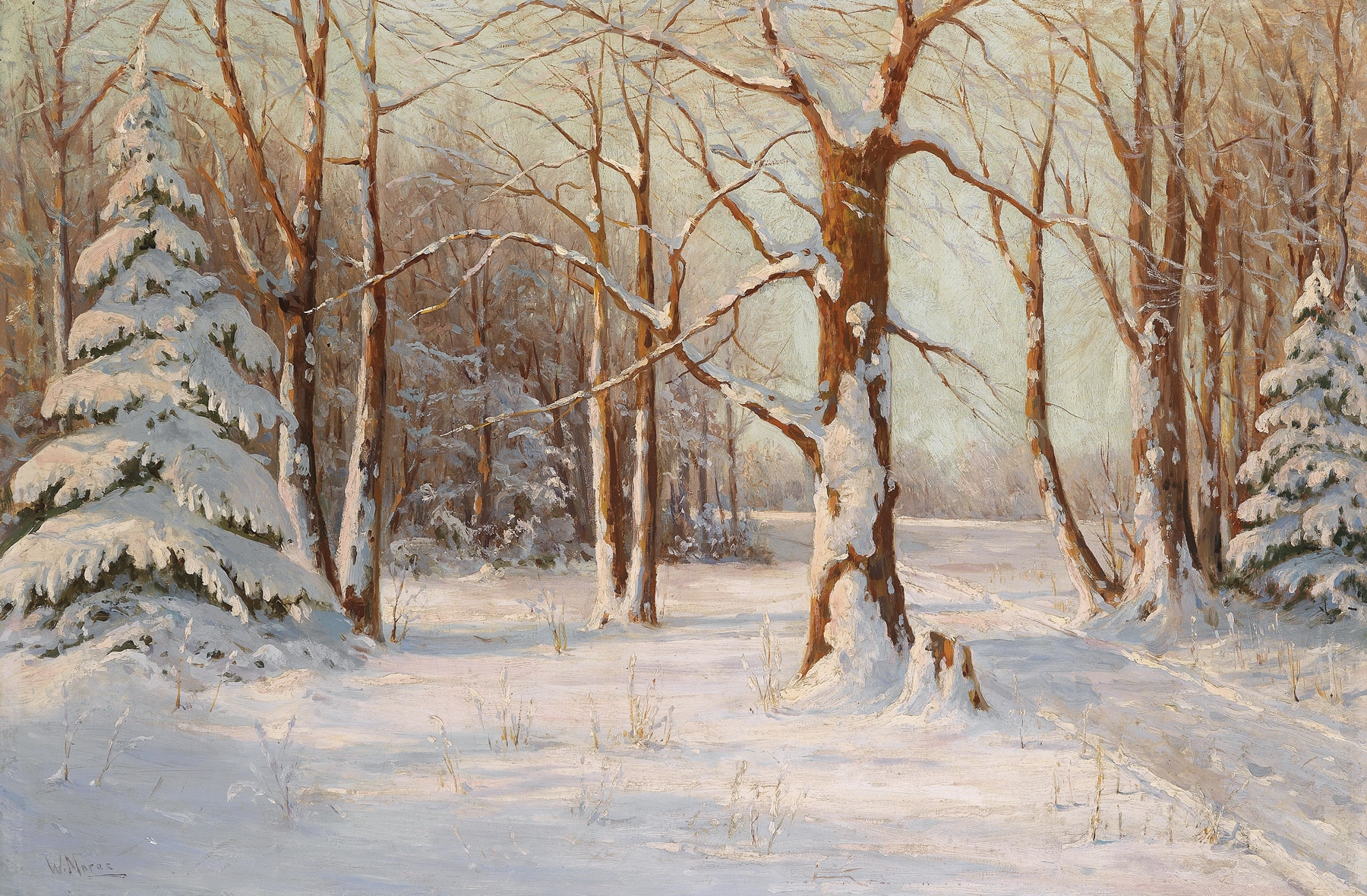
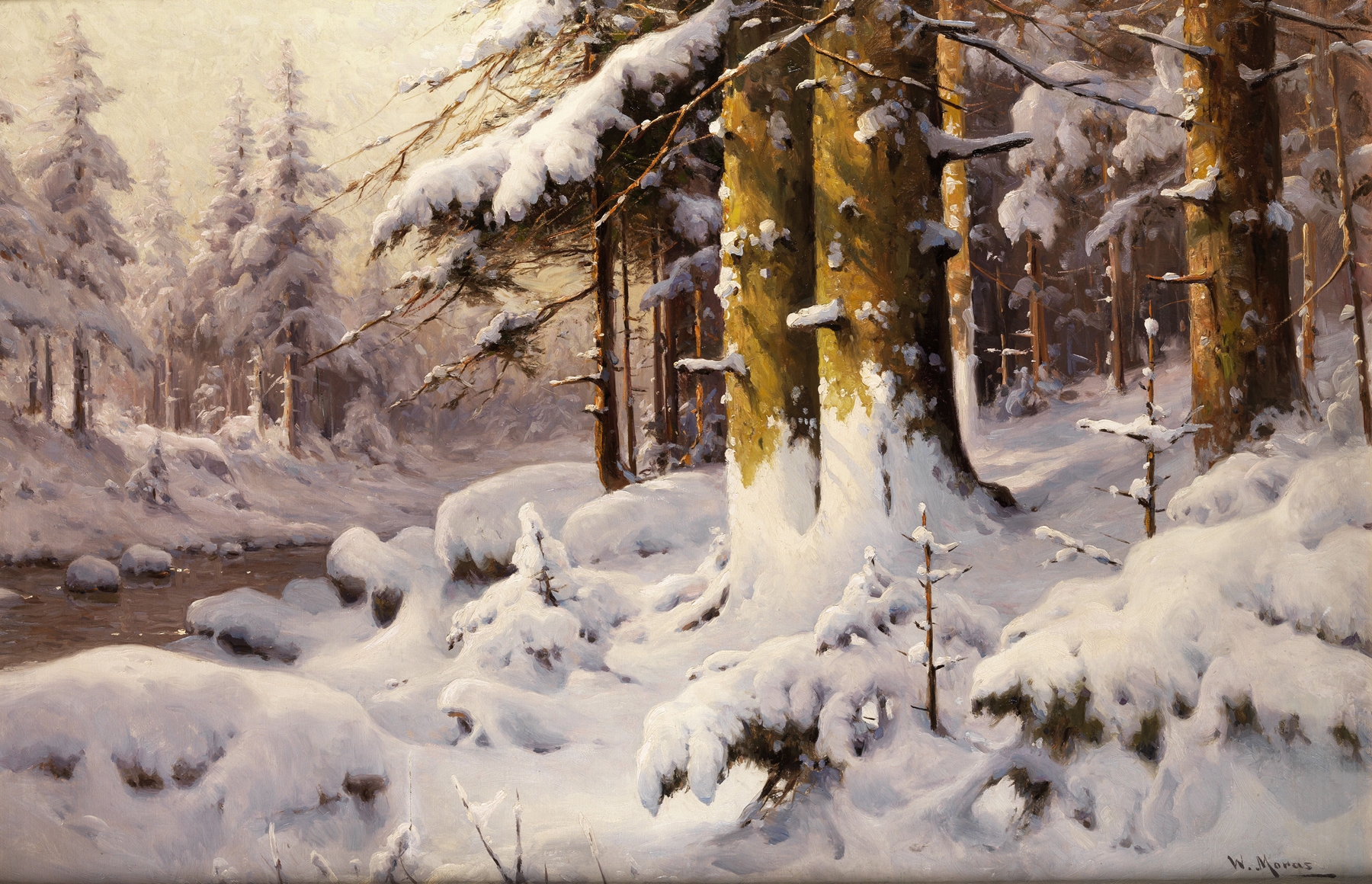
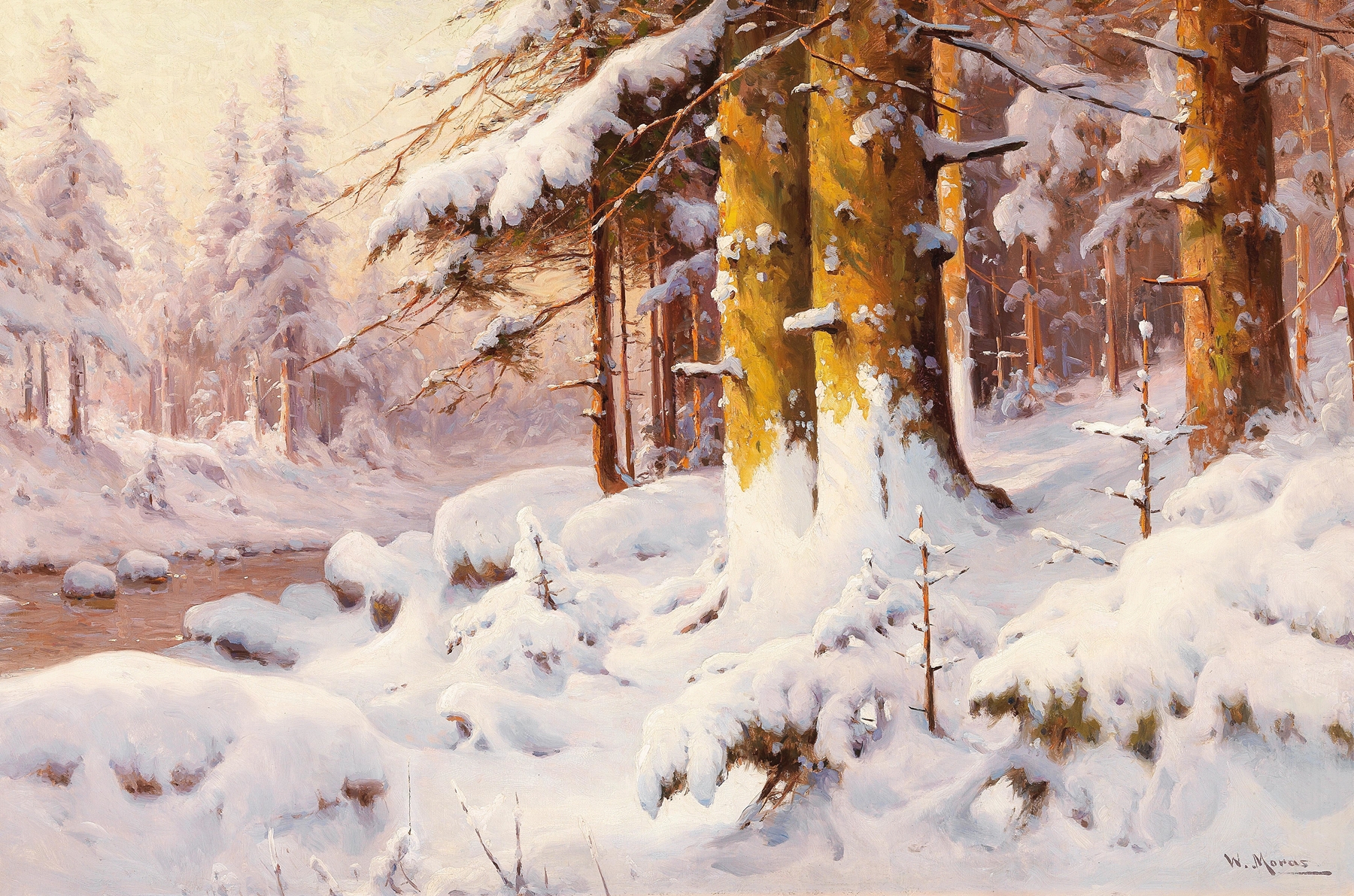
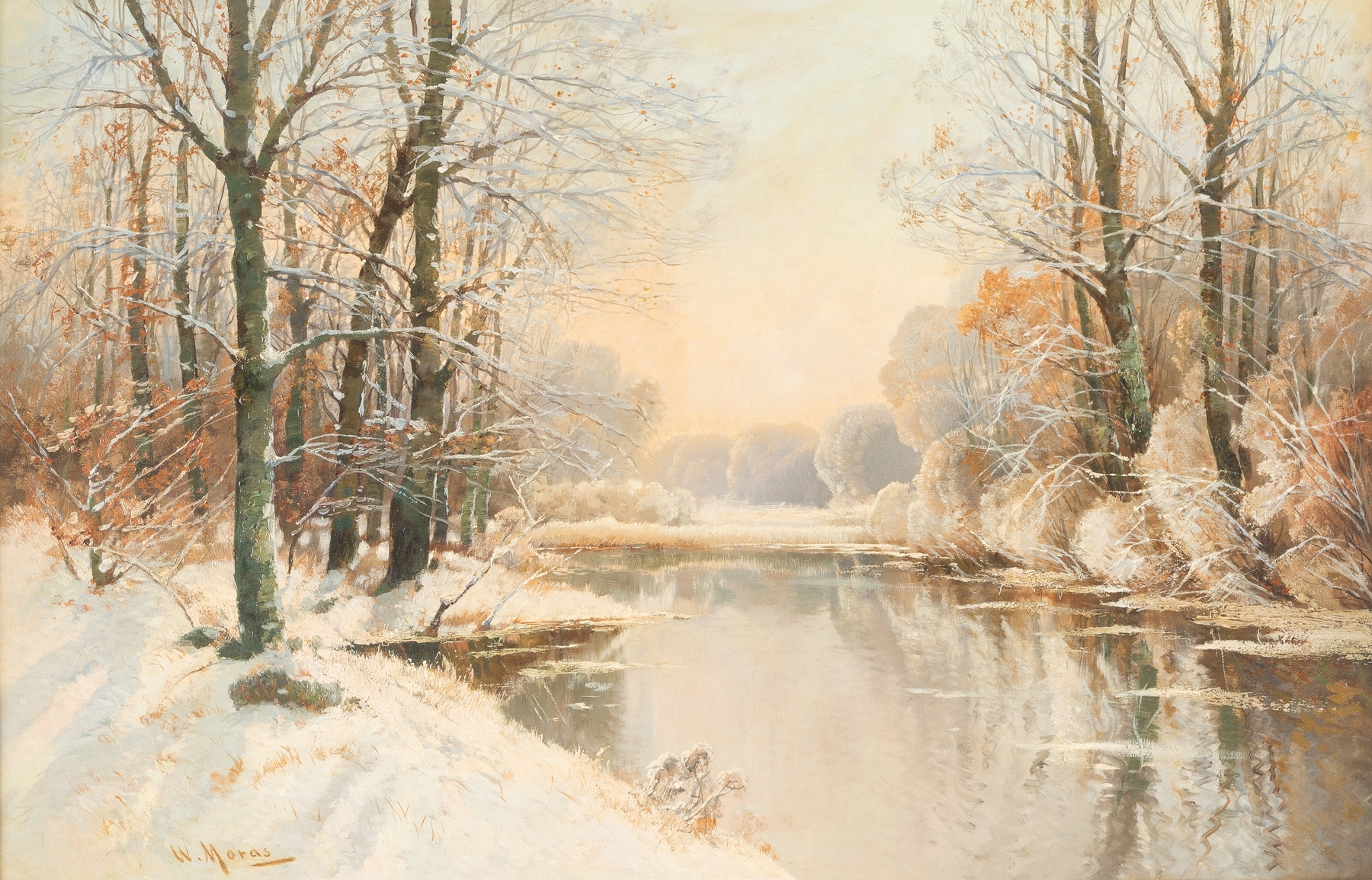
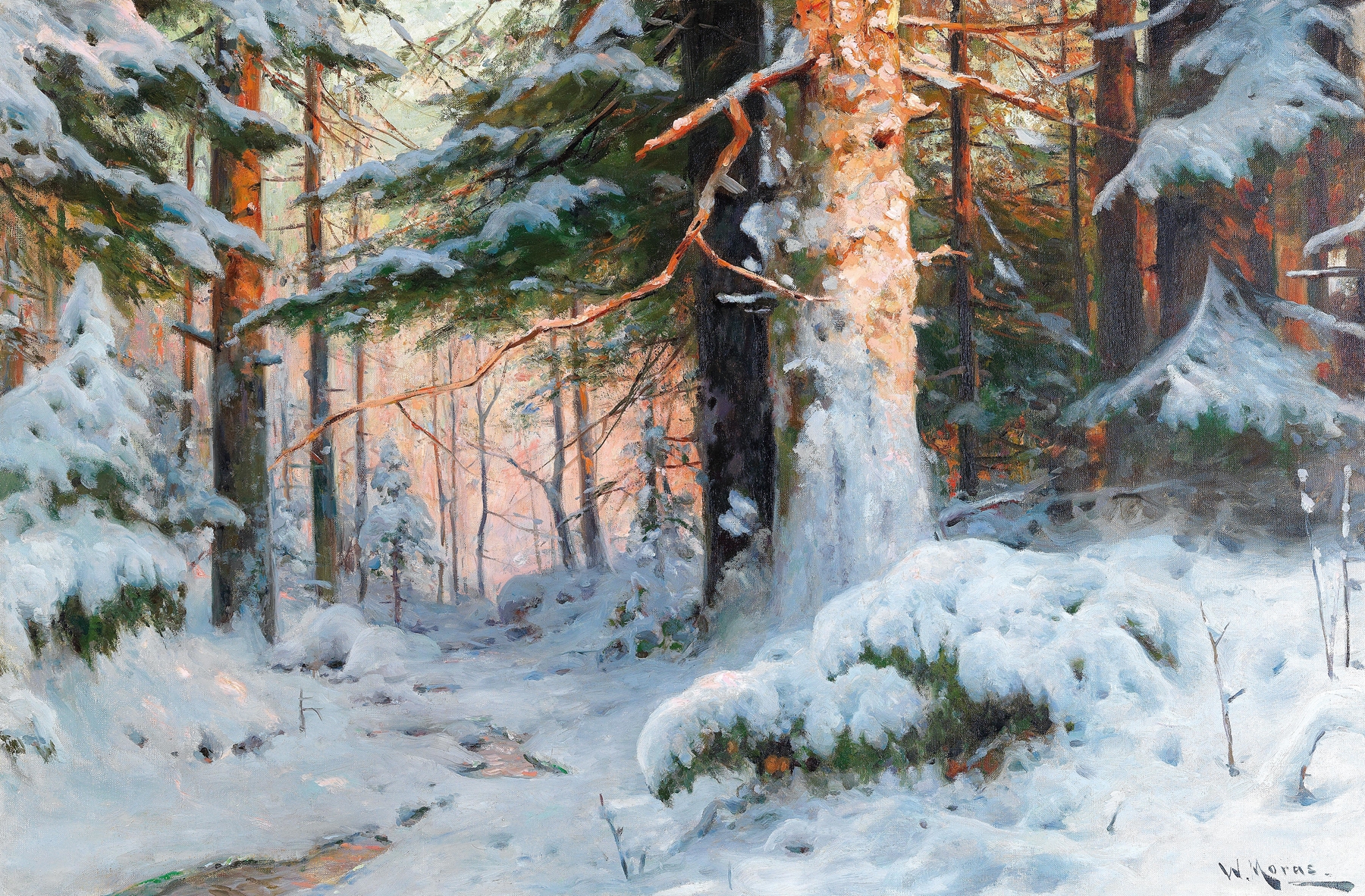
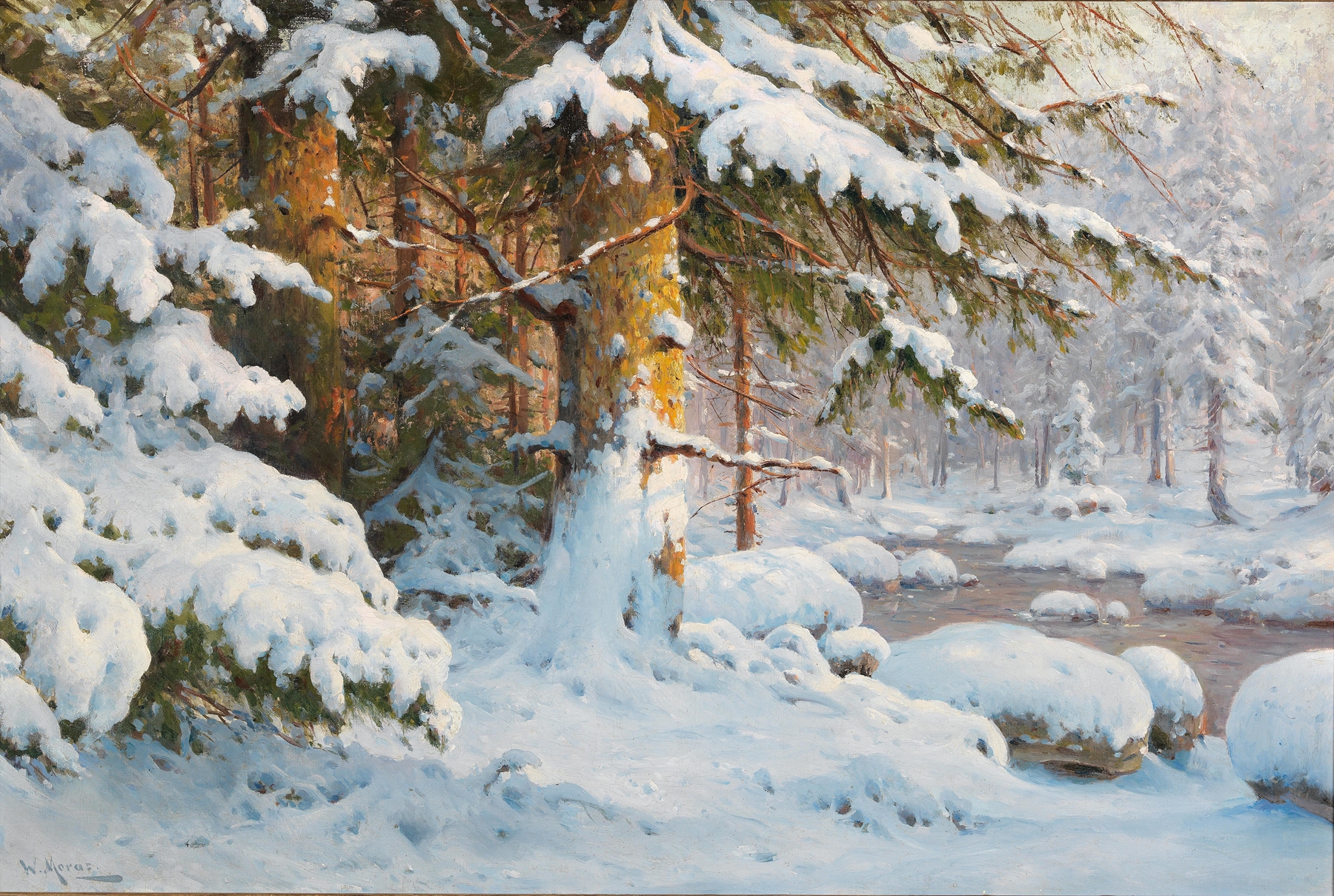
Can beauty exist without sorrow? In the quiet lull of winter, the landscape speaks of both desolation and exhilaration, inviting contemplation of the bittersweet dance between joy and melancholy. Look to the center of the canvas, where a soft sun hangs low in the sky, casting a gentle glow over a blanket of white snow. The brushstrokes are delicate, creating a shimmering effect as the light catches on the icy surface.
Notice how the muted palette of pale blues and grays is punctuated by warm, golden tones, instilling the scene with a sense of warmth amidst the chill. The composition draws the eye outward, inviting you to wander through the frosty expanse, while the subtle shifts in color evoke a feeling of both isolation and serenity. Delve deeper into this landscape, and you’ll find that the interplay of light and shadow reflects the duality of existence. The juxtaposition of the vibrant sun against the starkness of winter hints at the fleeting nature of beauty, suggesting that ecstasy often lies within a context of solitude.
Each brushstroke whispers stories of quiet reflection, underscoring how joy can bloom in the harshest of seasons, while the icy terrain serves as a reminder of life’s inevitable challenges. Walter Moras created this work during a period when the art world was increasingly exploring emotional landscapes and the relationship between humanity and nature. Though the exact date remains unknown, this piece likely reflects his pursuit of capturing ephemeral moments in the world around him, as he navigated his own artistic journey amid the changing tides of 19th-century European art.