Herd of Sheep at Pasture — History & Analysis
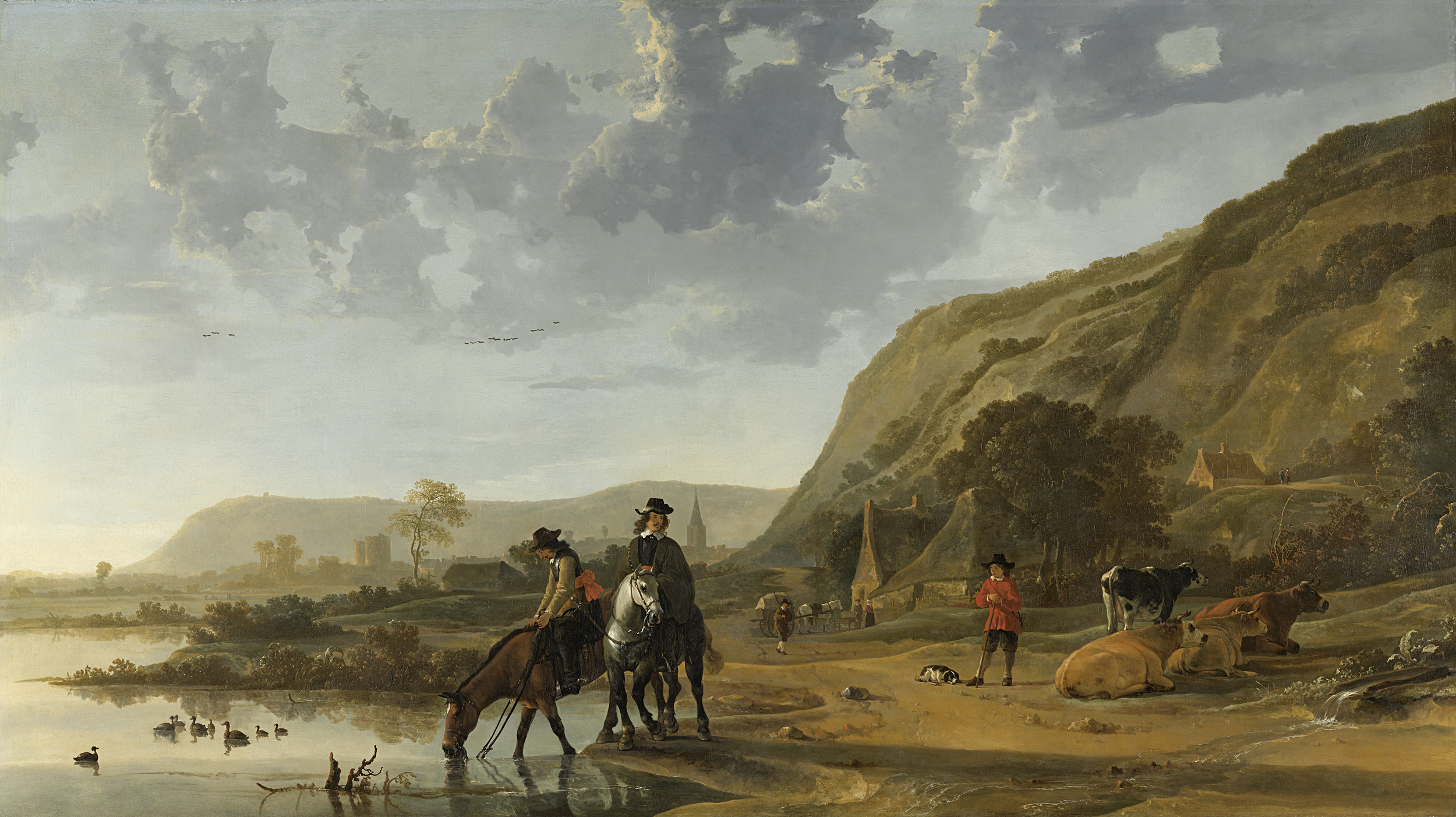
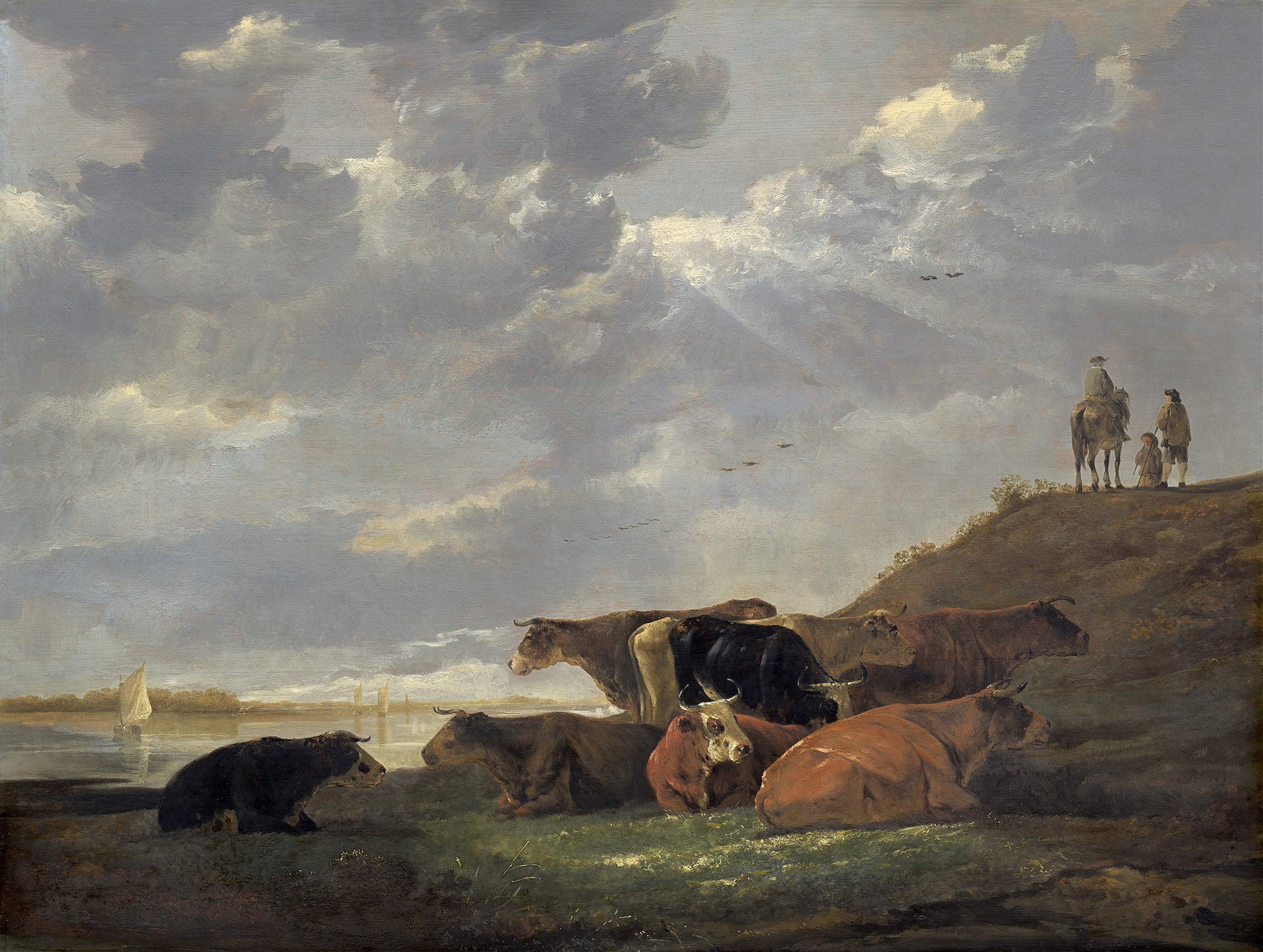
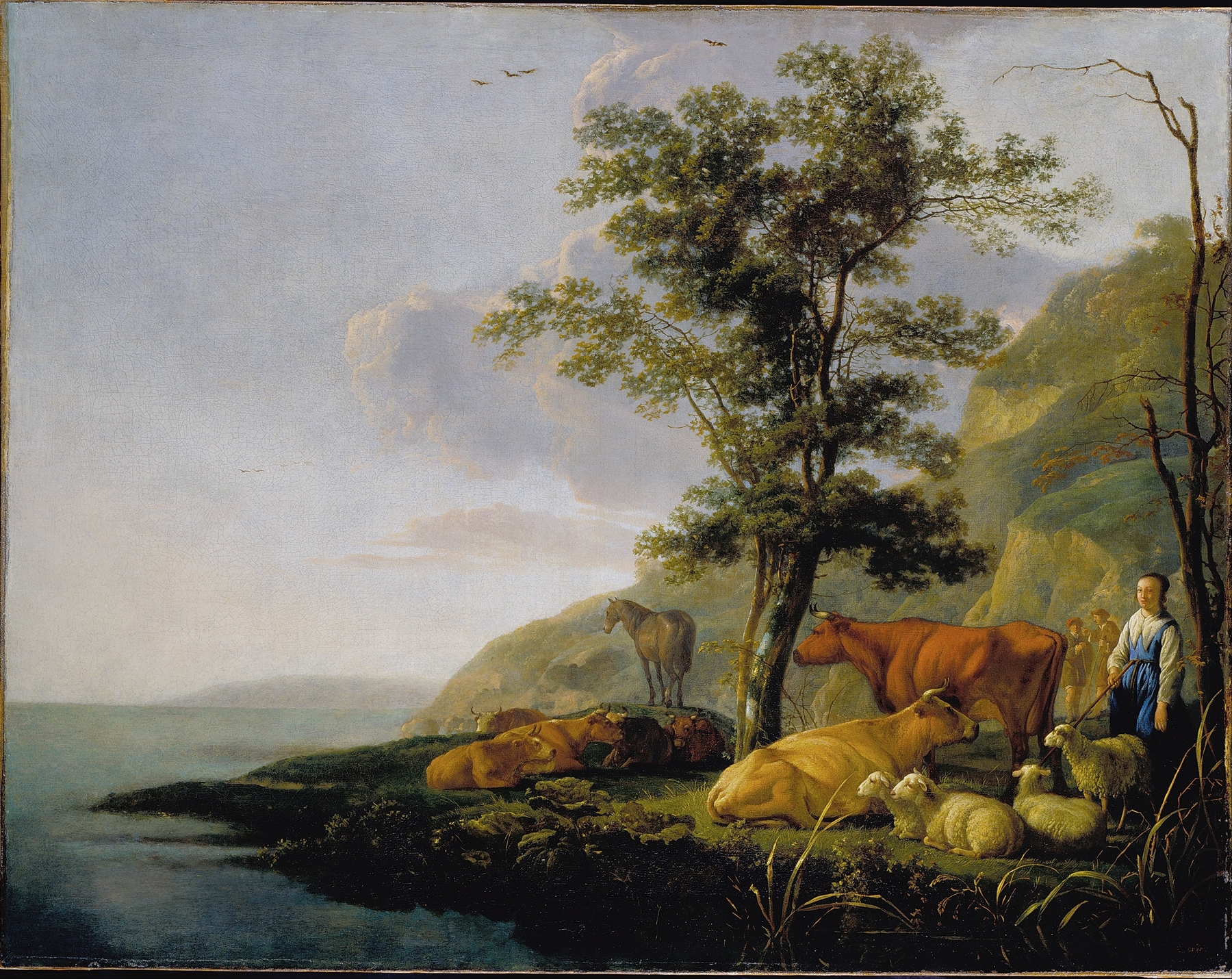
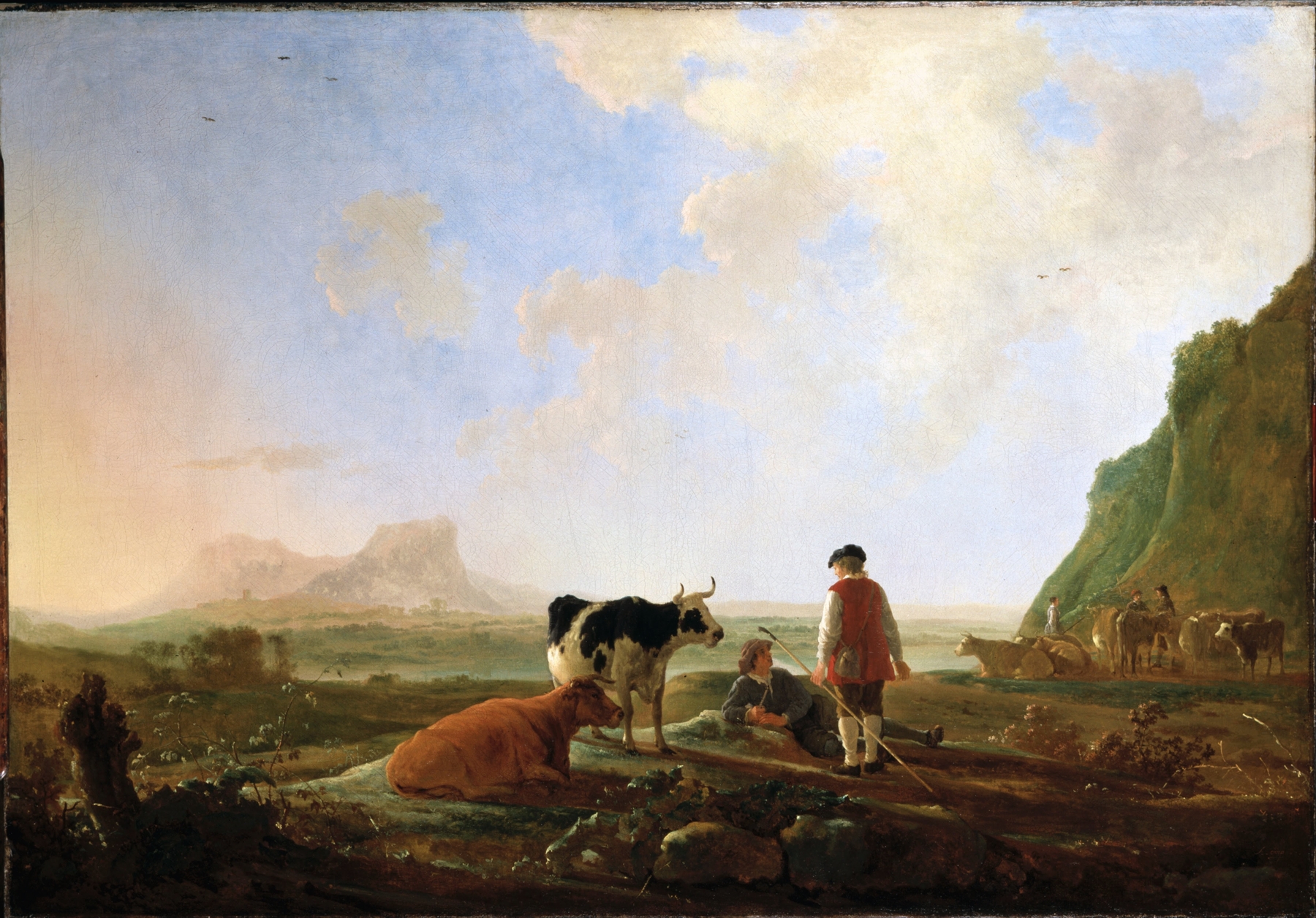
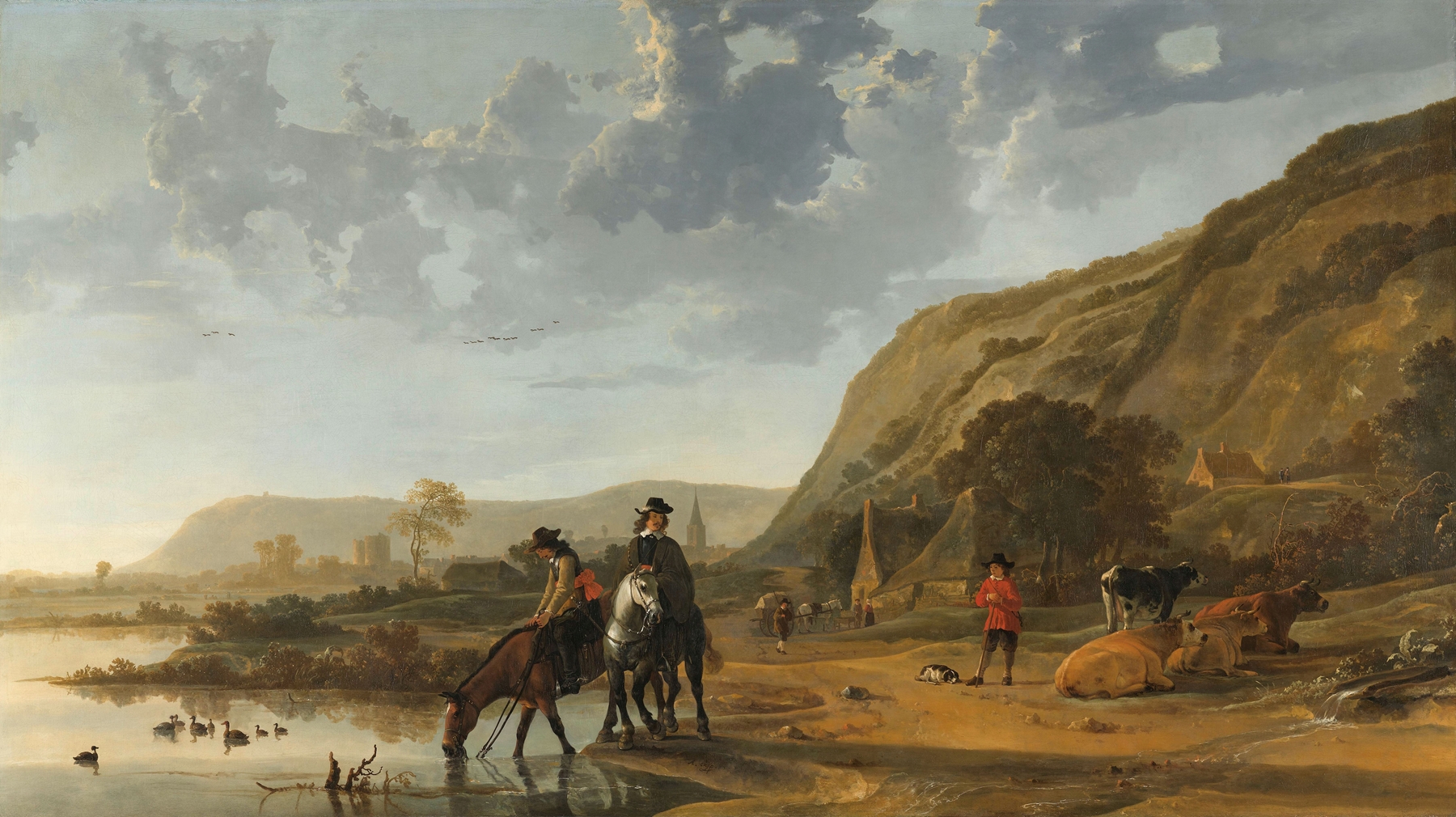
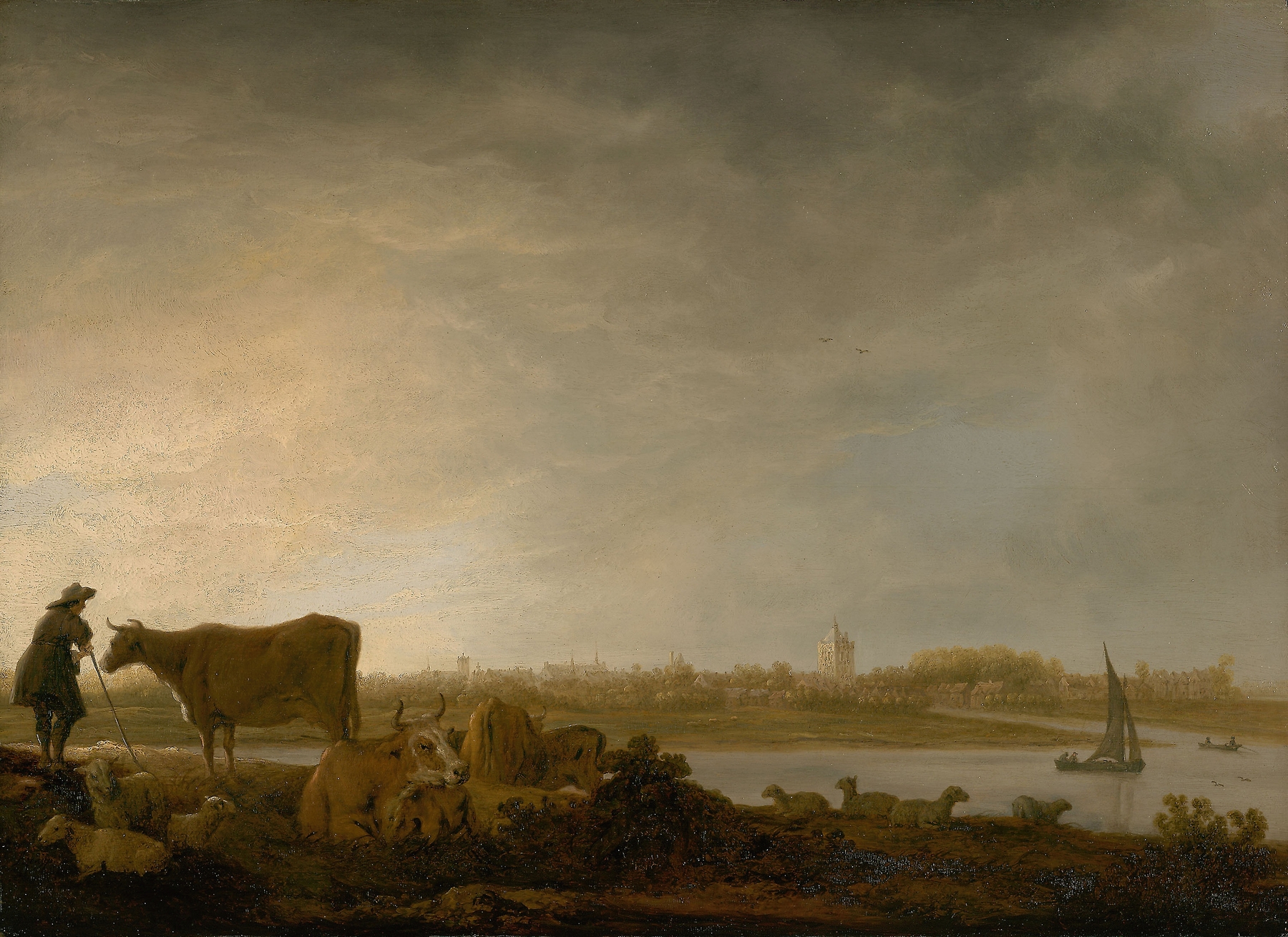
Can paint confess what words never could? Aelbert Cuyp’s Herd of Sheep at Pasture speaks in soft, pastoral tones, drawing the viewer into a world steeped in nostalgia and tranquility. Look to the left, where clusters of sheep dot the lush, green expanse. The subtle interplay of light and shadow creates a serene atmosphere; the golden rays illuminate the animals, casting gentle highlights on their woolly bodies.
Notice how the sky transitions from soft blues to warm oranges, suggesting either dawn or dusk, inviting contemplation of time and nature. The composition gently guides the eye through the expansive landscape, embodying a harmonious relationship between the livestock and their surroundings. Hidden within this idyllic scene are deeper reflections on simplicity and abundance. The tranquil herd is a reminder of the cyclical nature of life, yet there’s a hint of melancholy in the stillness, echoing the passage of time and fleeting moments.
Each sheep, seemingly content and at ease, represents not only pastoral beauty but also the longing for a simpler existence, evoking memories of rural life that resonate with many viewers. In the mid-17th century, when this piece was created, Cuyp was situated in the Netherlands, a country undergoing significant artistic and cultural shifts. His work emerged during the Dutch Golden Age, a period marked by flourishing art, trade, and exploration. Cuyp’s focus on landscape and pastoral themes reflects the growing appreciation for nature, as well as the desire to capture the essence of everyday life in a rapidly changing world.