Hermit in a rocky landscape — History & Analysis
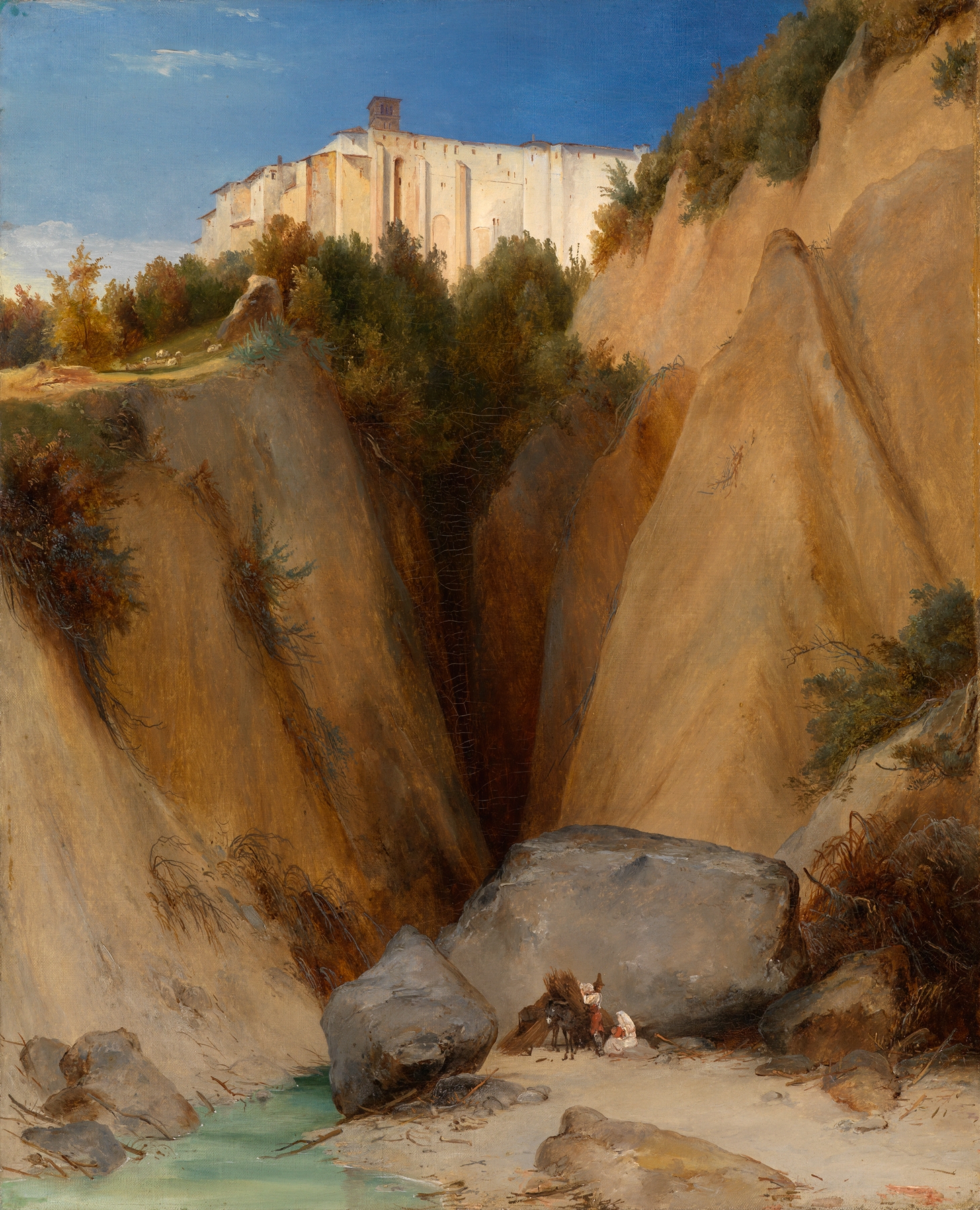
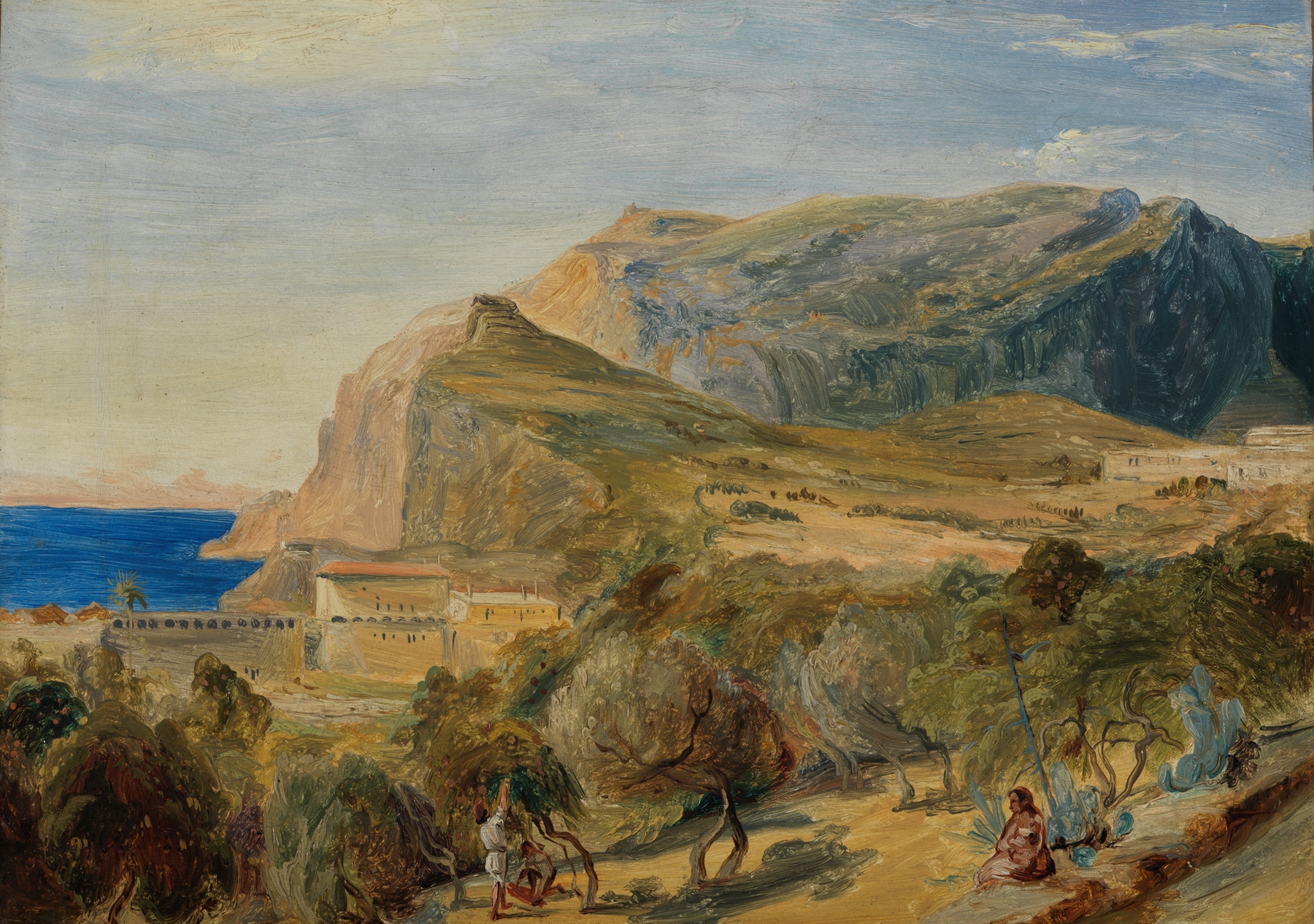
Could beauty survive in a century of chaos? In Hermit in a Rocky Landscape, the yearning for solitude is palpable, stirring a deep emotional resonance that invites self-reflection. Look to the left at the solitary figure, cloaked in a simple robe, standing amid jagged rocks and towering cliffs. The muted earth tones of the landscape contrast sharply with the striking white of his garment, emphasizing his isolation against the overwhelming forces of nature.
Notice how the light filters through the clouds, casting a gentle illumination that edges the scene with a hint of hope, despite the harshness of the environment. This careful interplay of shadow and light serves to heighten the tension between the hermit and his surroundings, creating a contemplative atmosphere that lingers. The painting encapsulates the profound struggle between man and nature, serving as a metaphor for the search for inner peace amidst turmoil. The rugged terrain reflects the formidable challenges faced by the hermit, while his presence suggests a poignant longing for connection—both to the earth and to the divine.
The stark beauty of the landscape resonates with feelings of nostalgia, hinting at the artist's own yearning for a simpler existence, untouched by the chaos of society. Created during a transformative period in the 19th century, when Romanticism was challenging the boundaries of traditional art, the artist painted this work as he sought his own identity within the art world. Blechen was inspired by the landscapes of Germany and Italy, drawing from his travels to imbue the work with a sense of both place and emotion. This particular piece reflects a moment of introspection in his life, echoing the broader artistic movement that was reshaping ideas about nature, solitude, and the human spirit.