Hertog en de Dood — History & Analysis
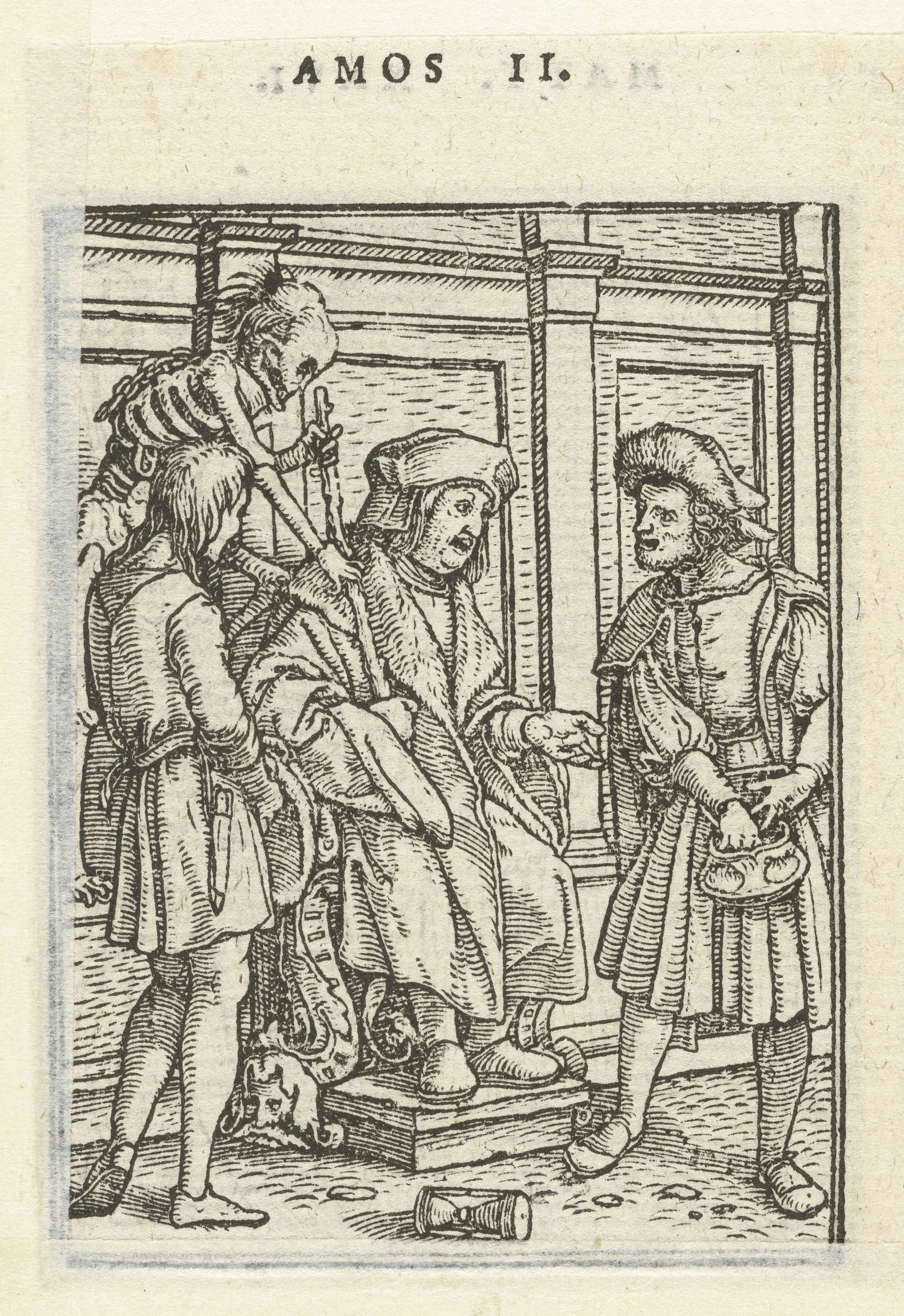
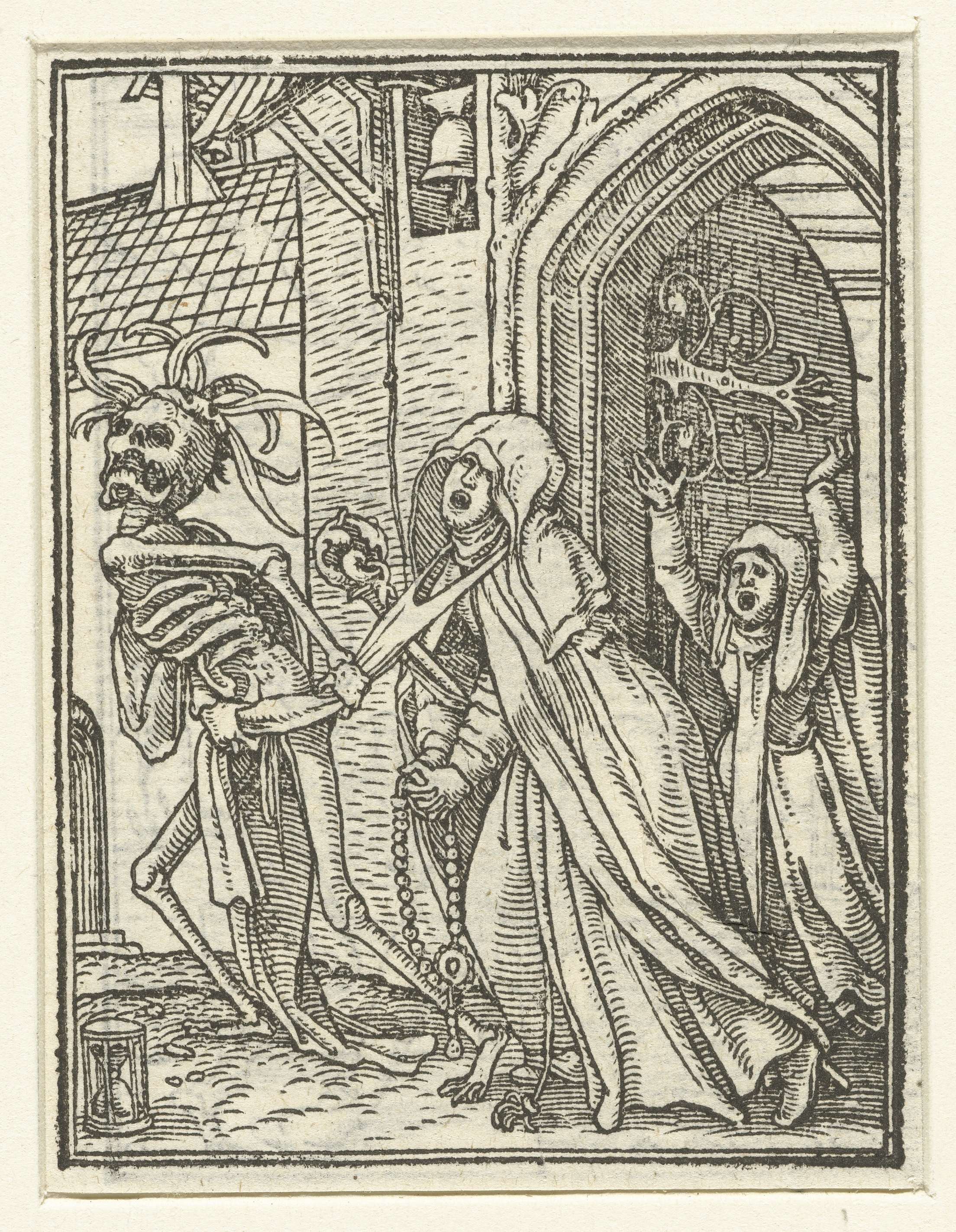
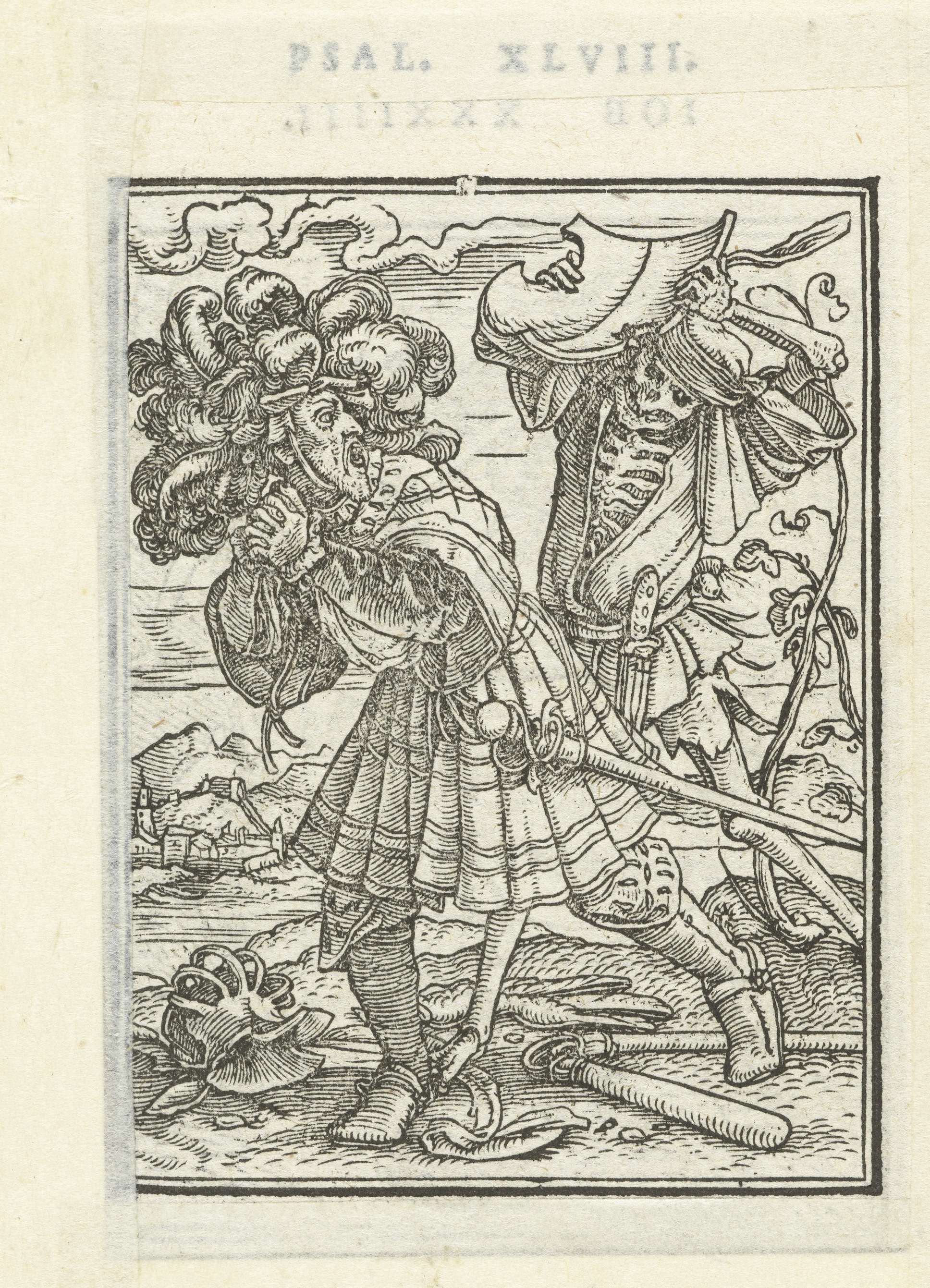
Who listens when art speaks of silence? In Hertog en de Dood, the tension between presence and absence resonates, reaching beyond the canvas to engage our very souls. Look closely at the central figure, the Duke, draped in rich, dark fabrics that absorb light rather than reflect it. Notice how the harsh contrast of the skeletal figure of Death lurking behind him pulls your gaze back and forth, creating a palpable sense of unease.
The subdued color palette, dominated by deep browns and muted greens, enhances the gravity of the scene, while the meticulous detail in both figures contrasts the vitality of the living with the stark finality of mortality. The work thrives on the dichotomy of life and death, whispering secrets about the human condition. The Duke's expression, a mask of contemplation, invites viewers to ponder the inevitability of fate, while Death’s bony hand, poised yet still, suggests the unspoken promise of what lies beyond. Each element — from the Duke’s opulent attire to the chilling presence of his fate — interweaves to amplify the silence that envelops the moment, challenging us to confront our own mortality.
Hans Holbein the Younger created this haunting piece in 1538, during a time marked by the Reformation's questioning of life, death, and the afterlife. Residing in Basel, he was renowned for his ability to blend moral lessons with striking realism. While art flourished, it was a period fraught with philosophical uncertainty, making this work both a reflection of personal contemplation and a broader inquiry into the nature of existence itself.