Het martelaarschap van Petrus — History & Analysis
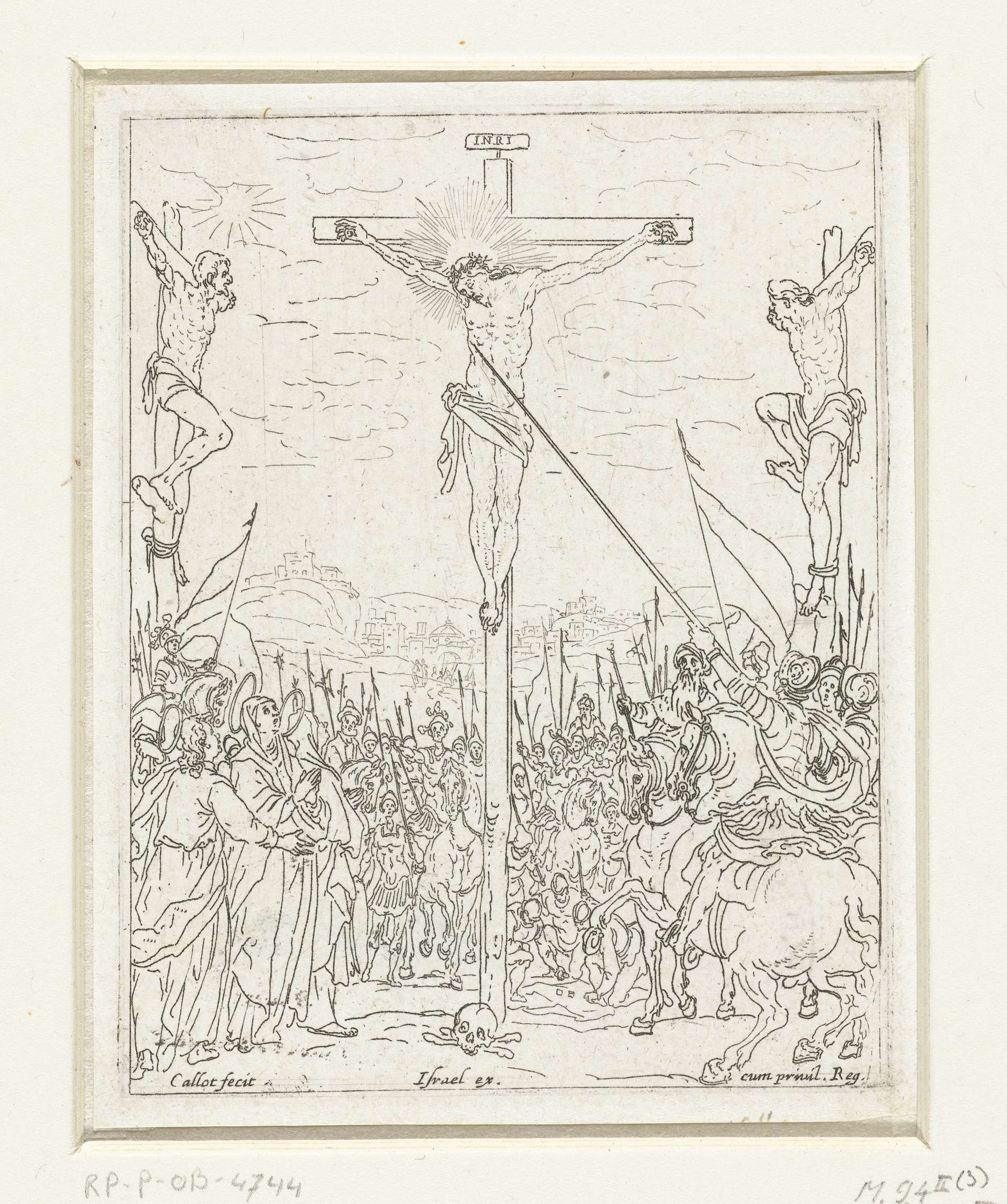
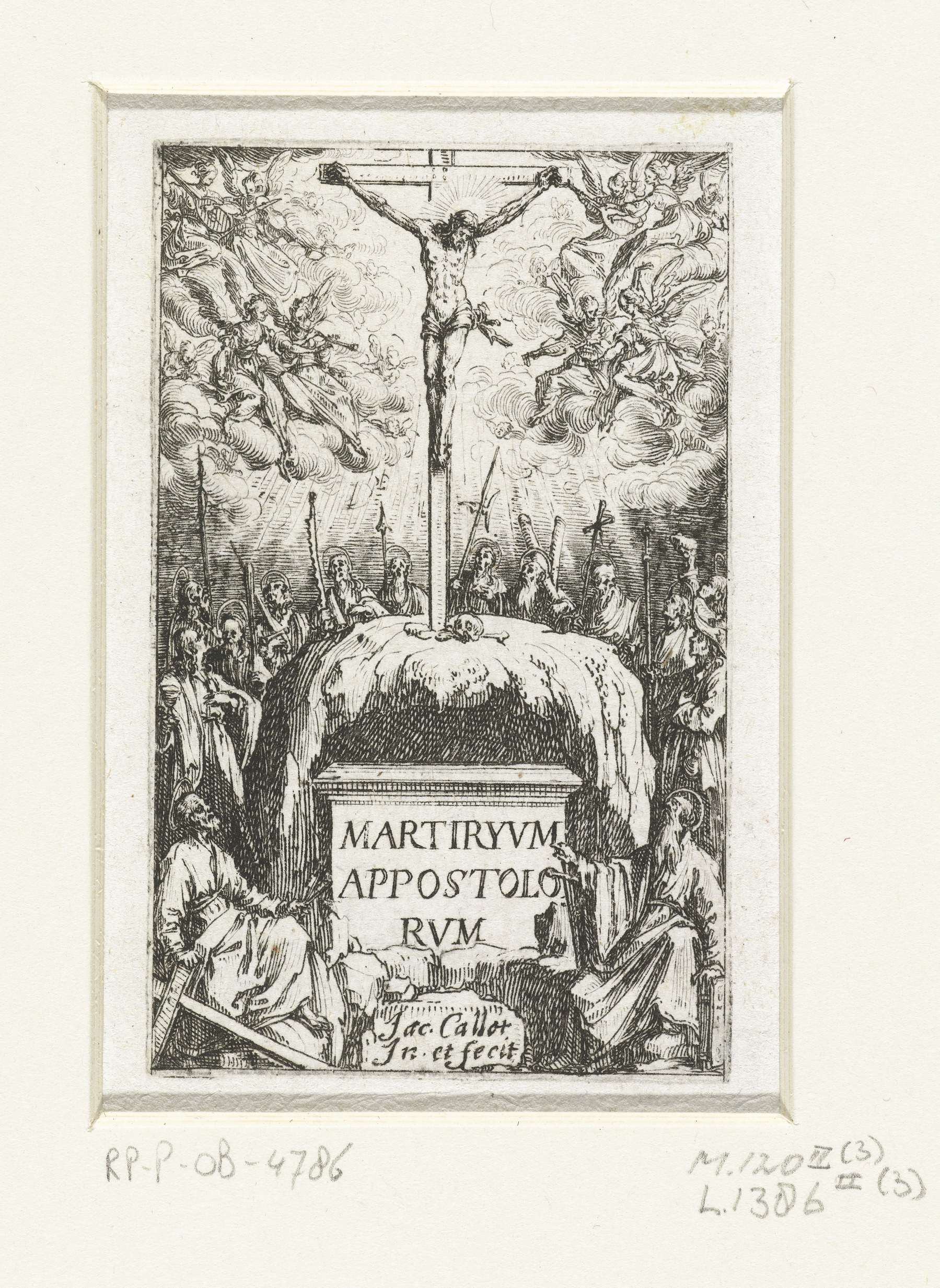
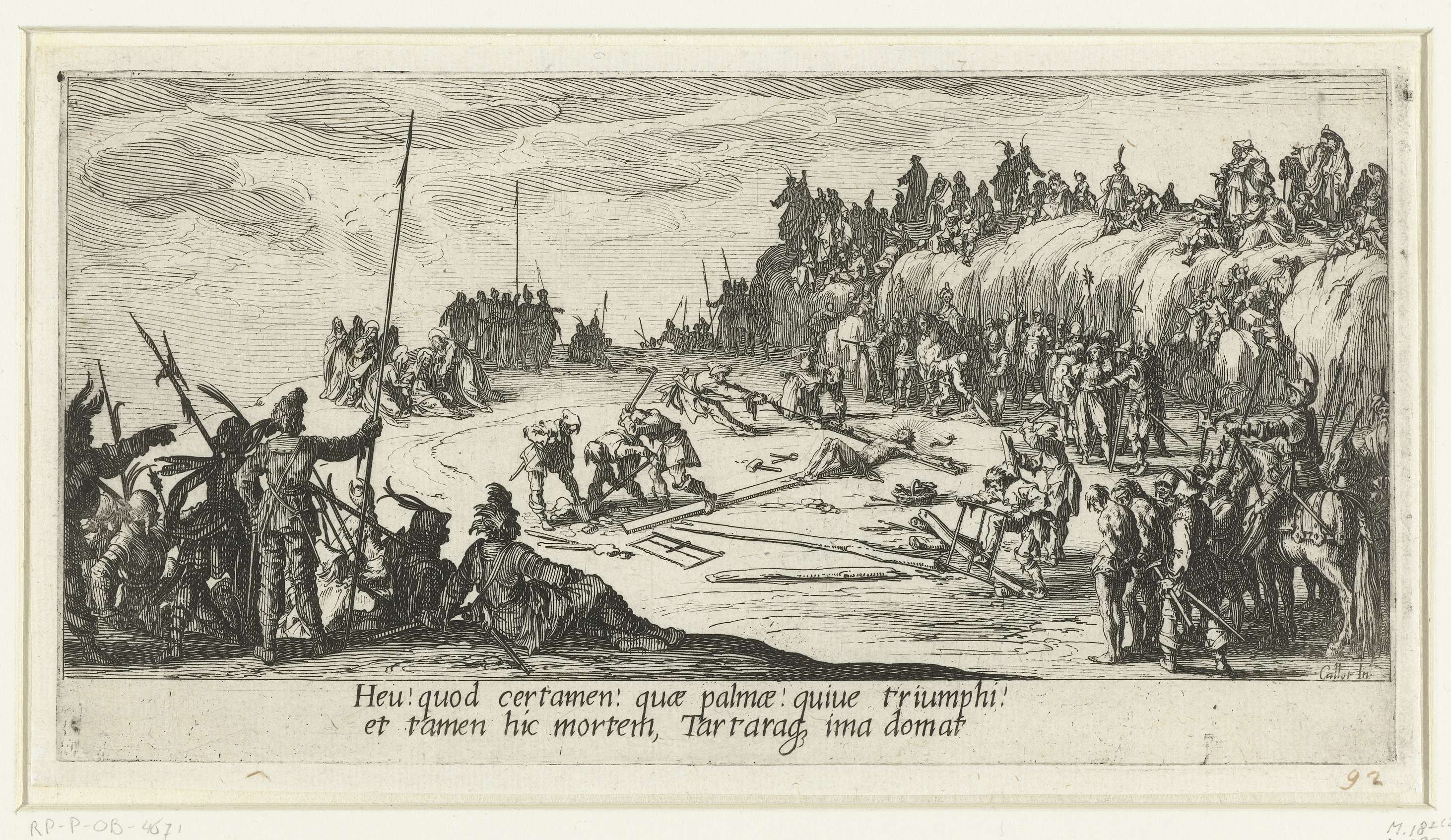
“Every silence here is a confession.” In the haunting stillness of Het martelaarschap van Petrus, divinity intermingles with human frailty, inviting contemplation on sacrifice and faith. The narrative unfolds quietly, drawing viewers into a realm where whispers of devotion echo through time. Look to the central figure, where the light captures the serene yet resolute expression of Petrus. His posture radiates strength amidst impending doom, while the surrounding darkness enhances the chaotic energy of the scene.
Rich, deep hues of red and gold contrast sharply with the somber background, guiding your gaze toward his outstretched arms, evoking a sense of both surrender and exaltation. In the shadows, notice the sentinels of doubt—spectators caught between reverence and horror. The faces surrounding Petrus reveal a spectrum of emotions: fear, worship, and despair.
This juxtaposition between divine purpose and human vulnerability creates a palpable tension, suggesting that faith does not exist in isolation but thrives within the tumult of human experience. Created between 1632 and 1634, during a period of intense religious conflict in Europe, the work reflects Jacques Callot's exploration of spirituality amid societal turmoil. In a time when art was a tool for both reflection and provocation, this piece encapsulates the struggles of faith, power, and the individual's place within the divine narrative, marking Callot’s significant contribution to Baroque art.