Hügelige Sommerlandschaft mit Kapelle und Personenstaffage — History & Analysis
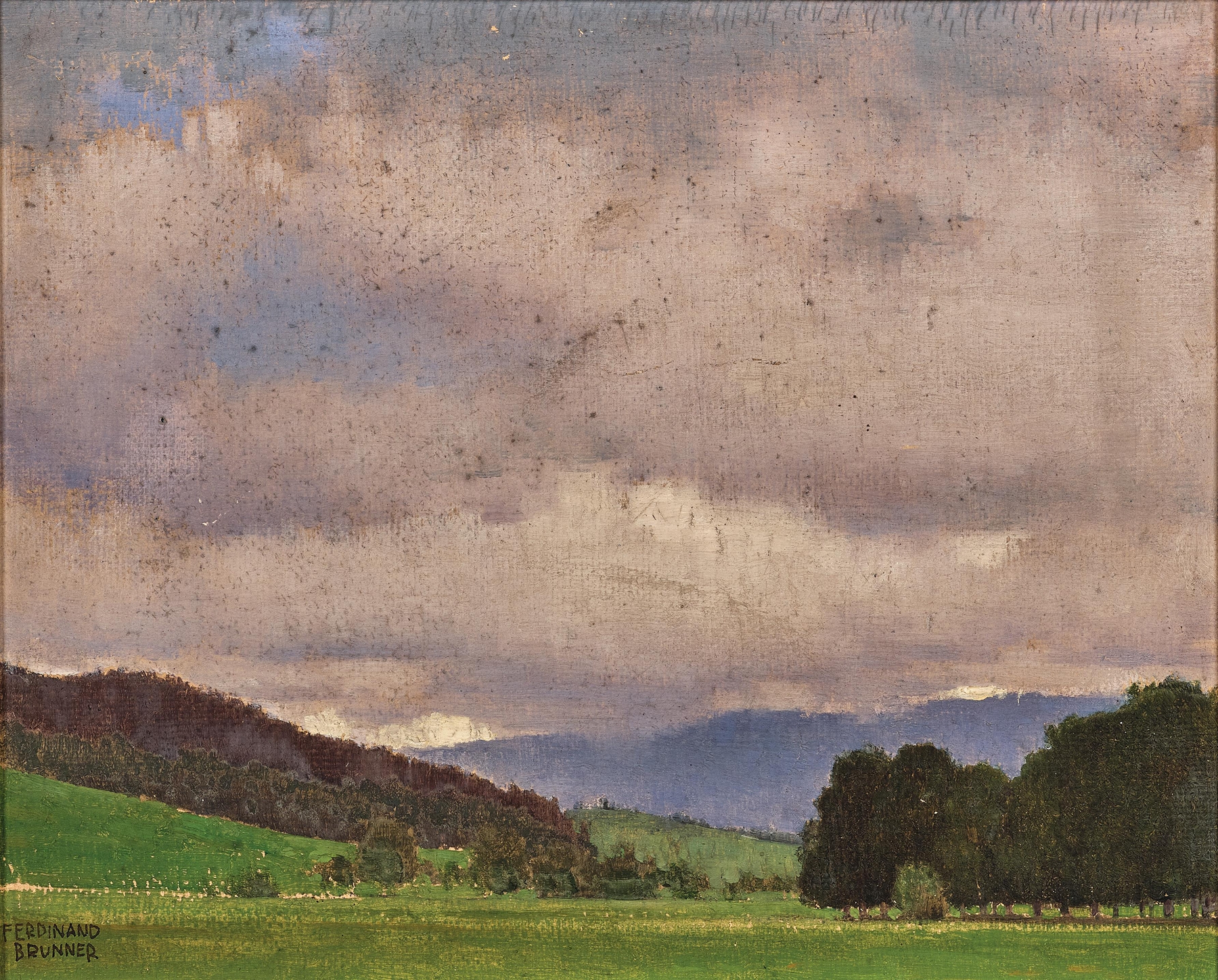
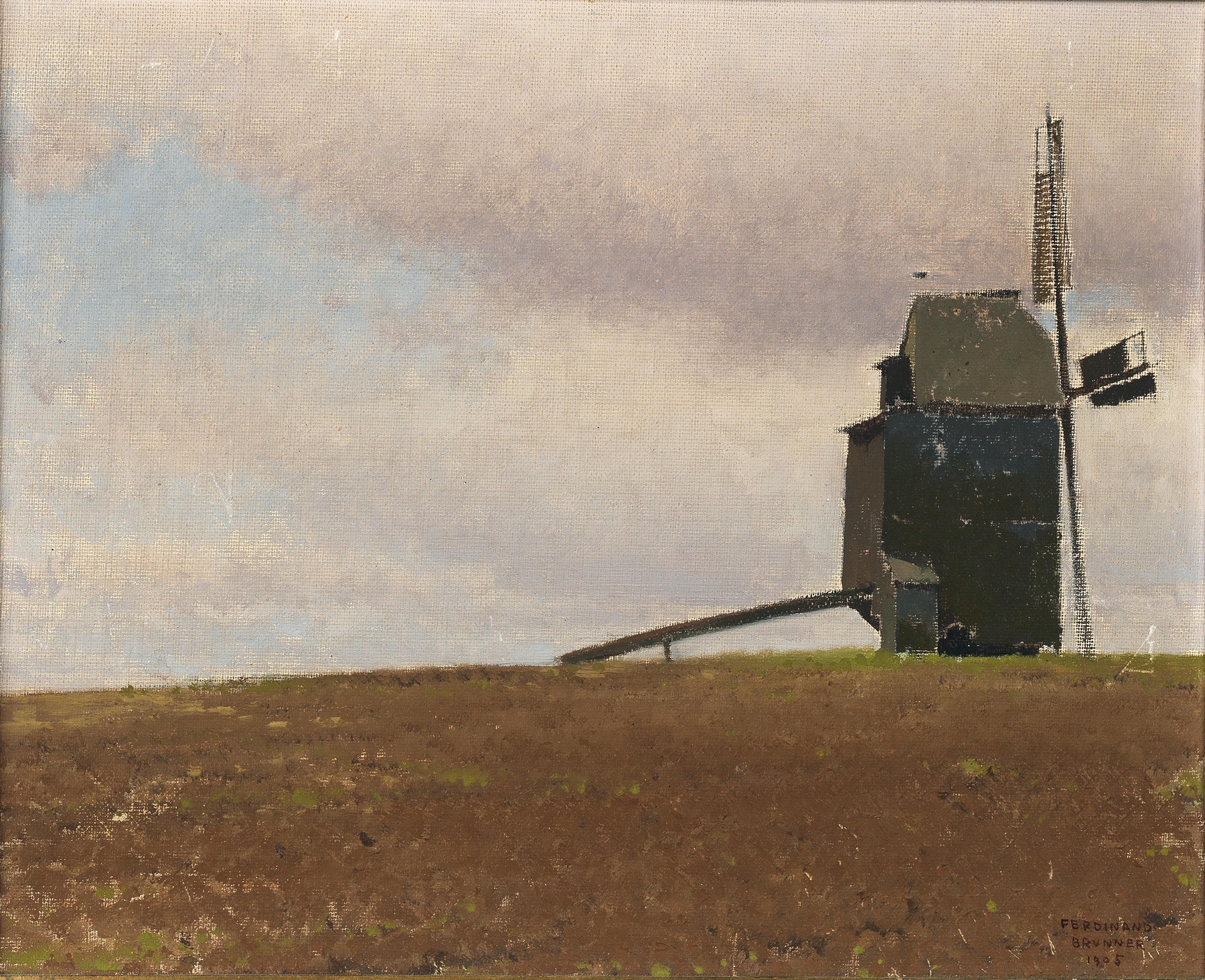
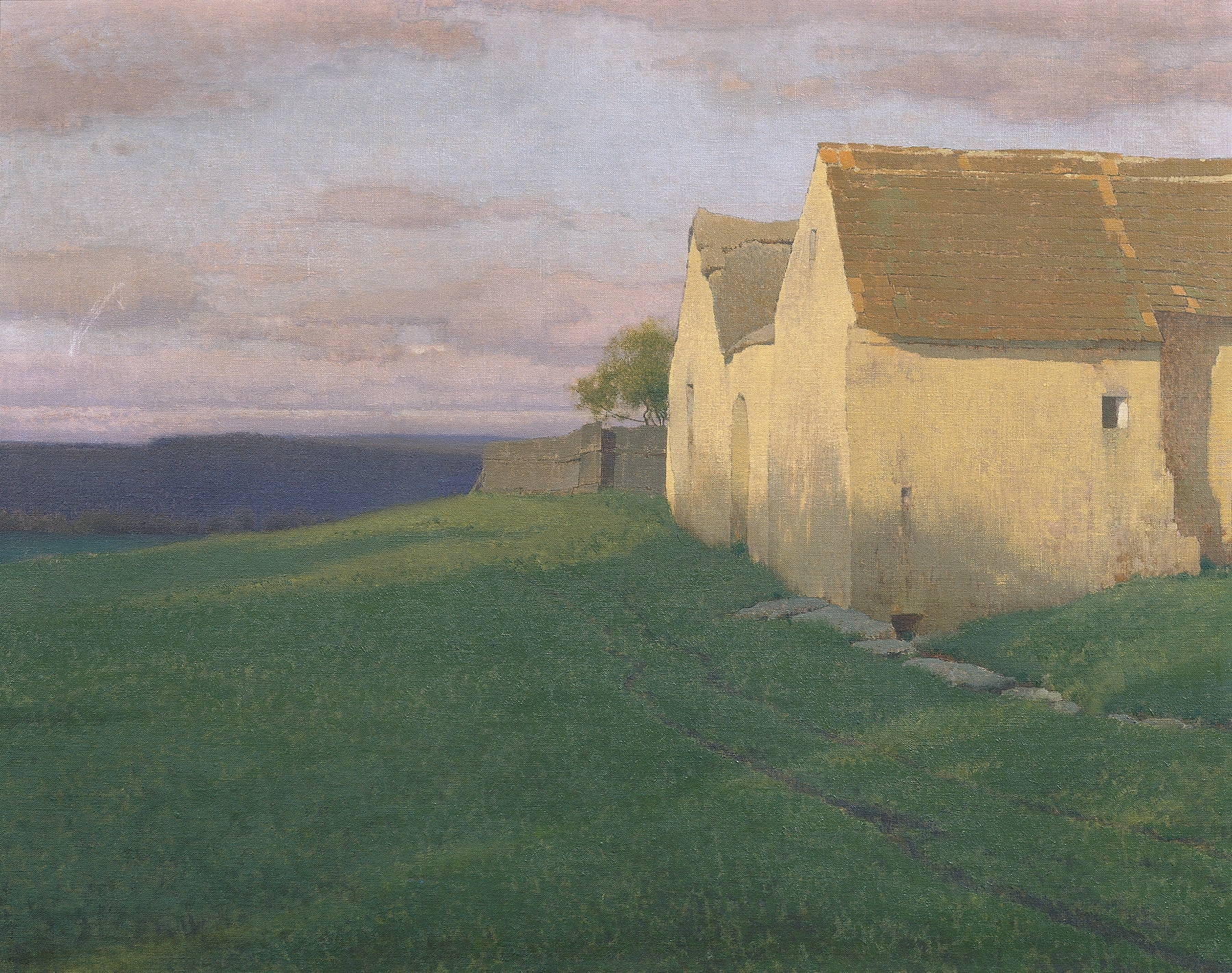
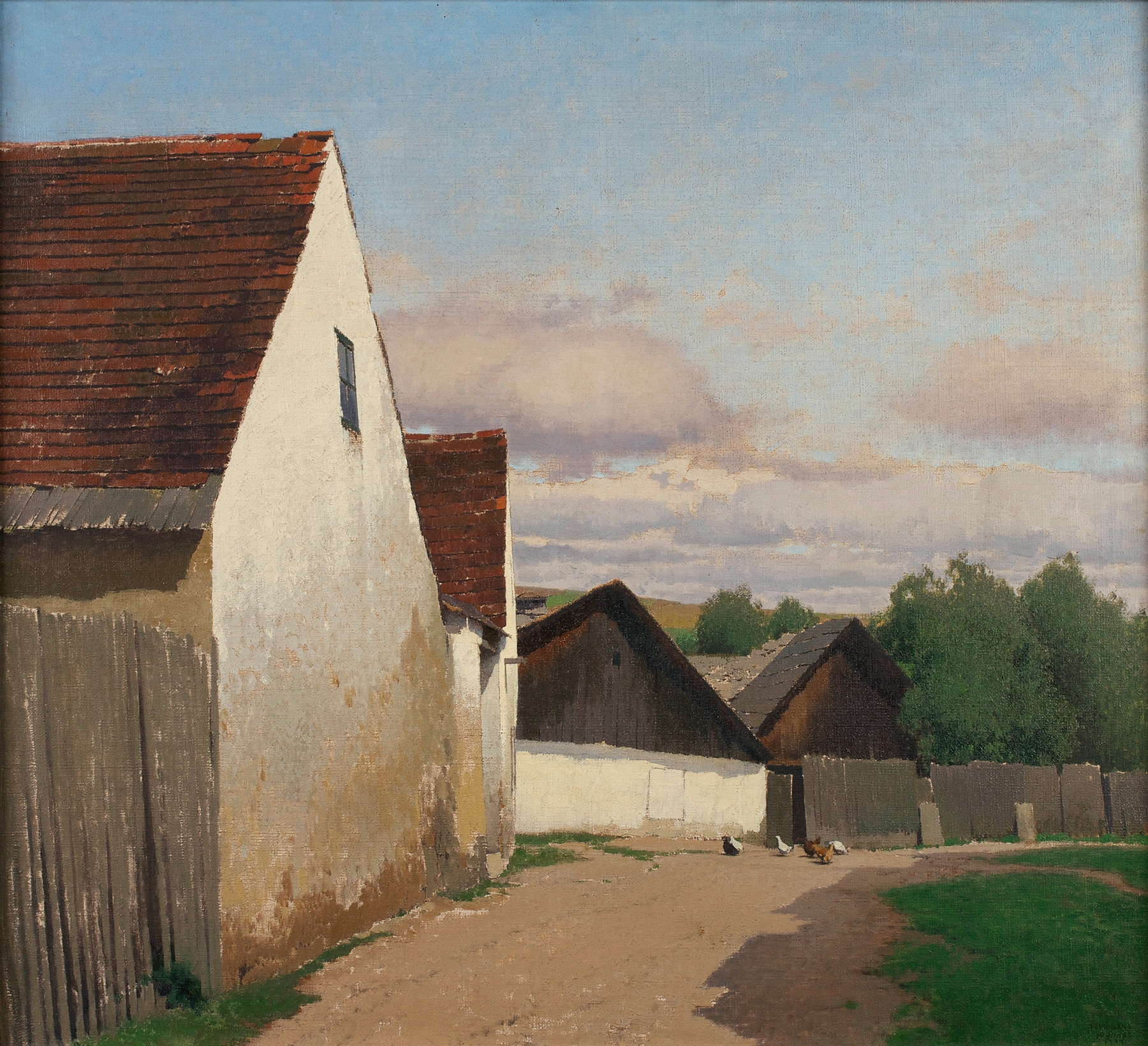
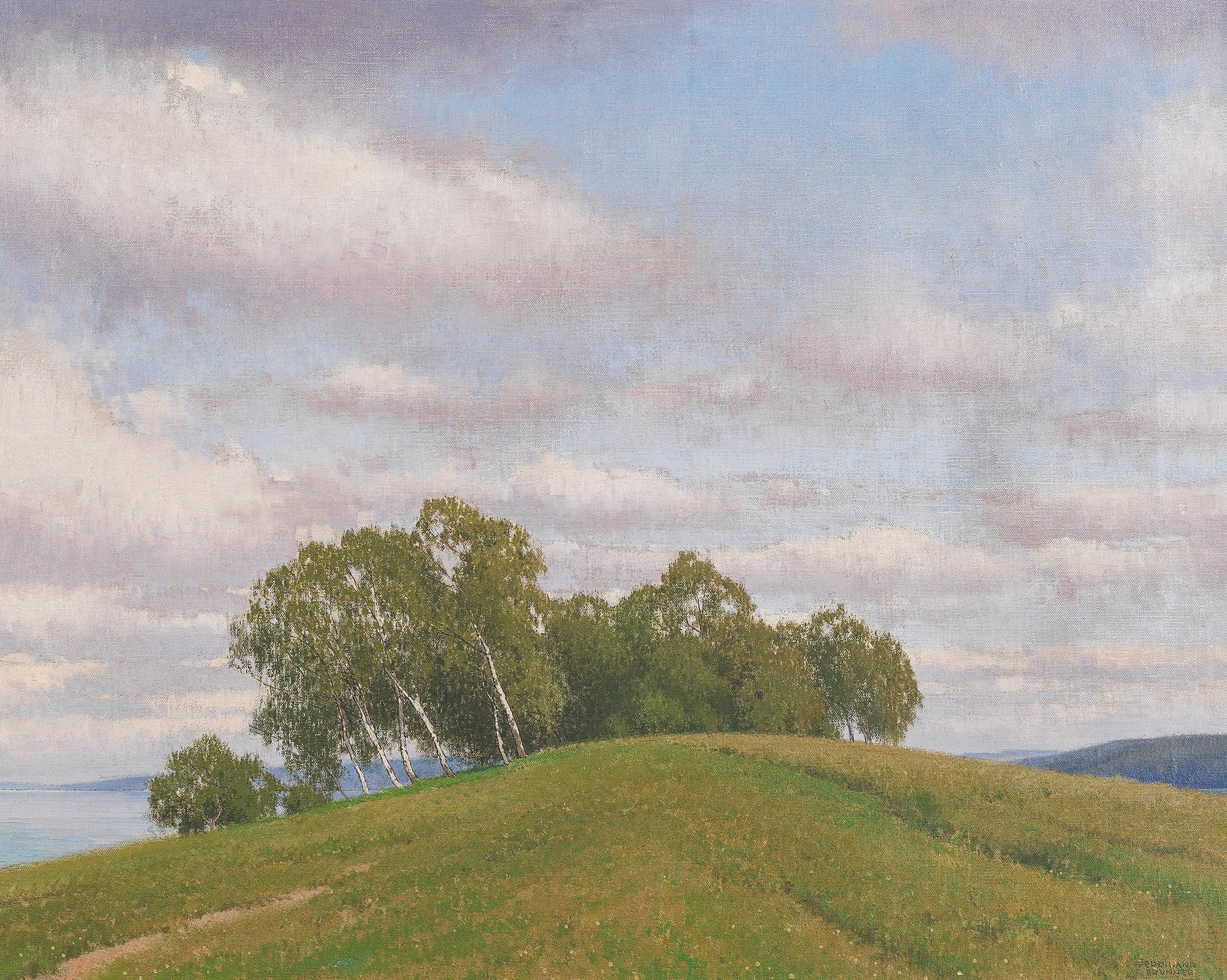
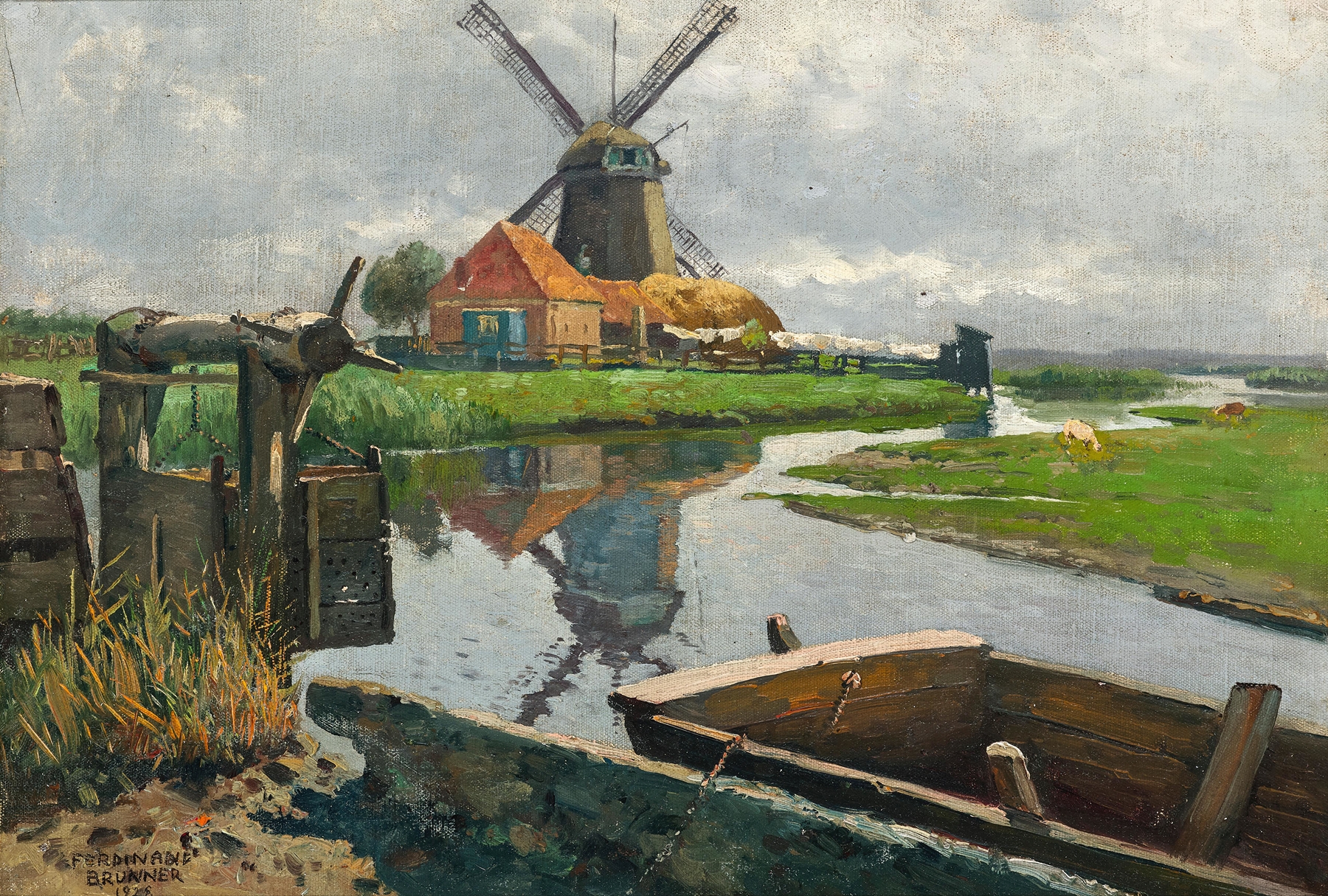
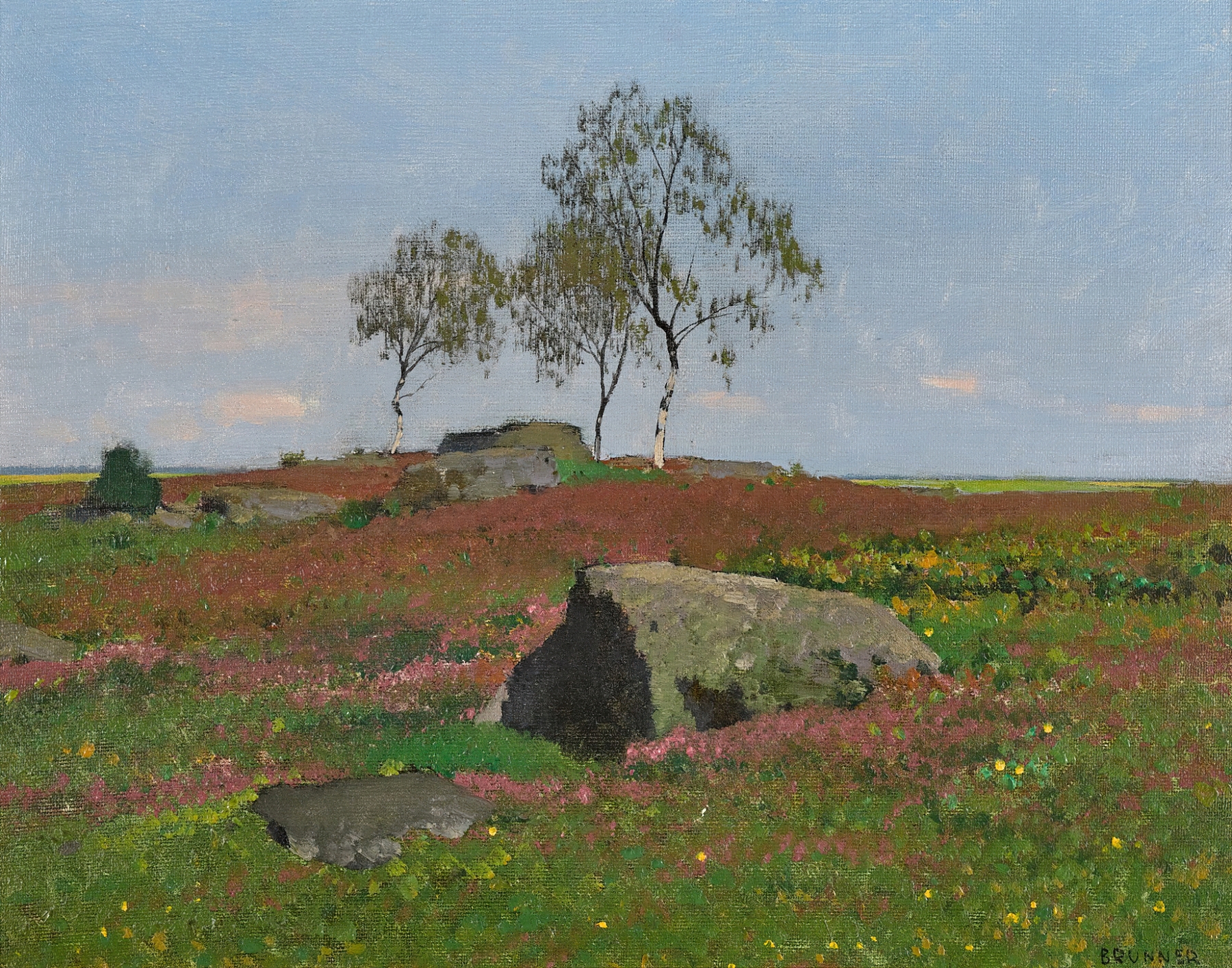
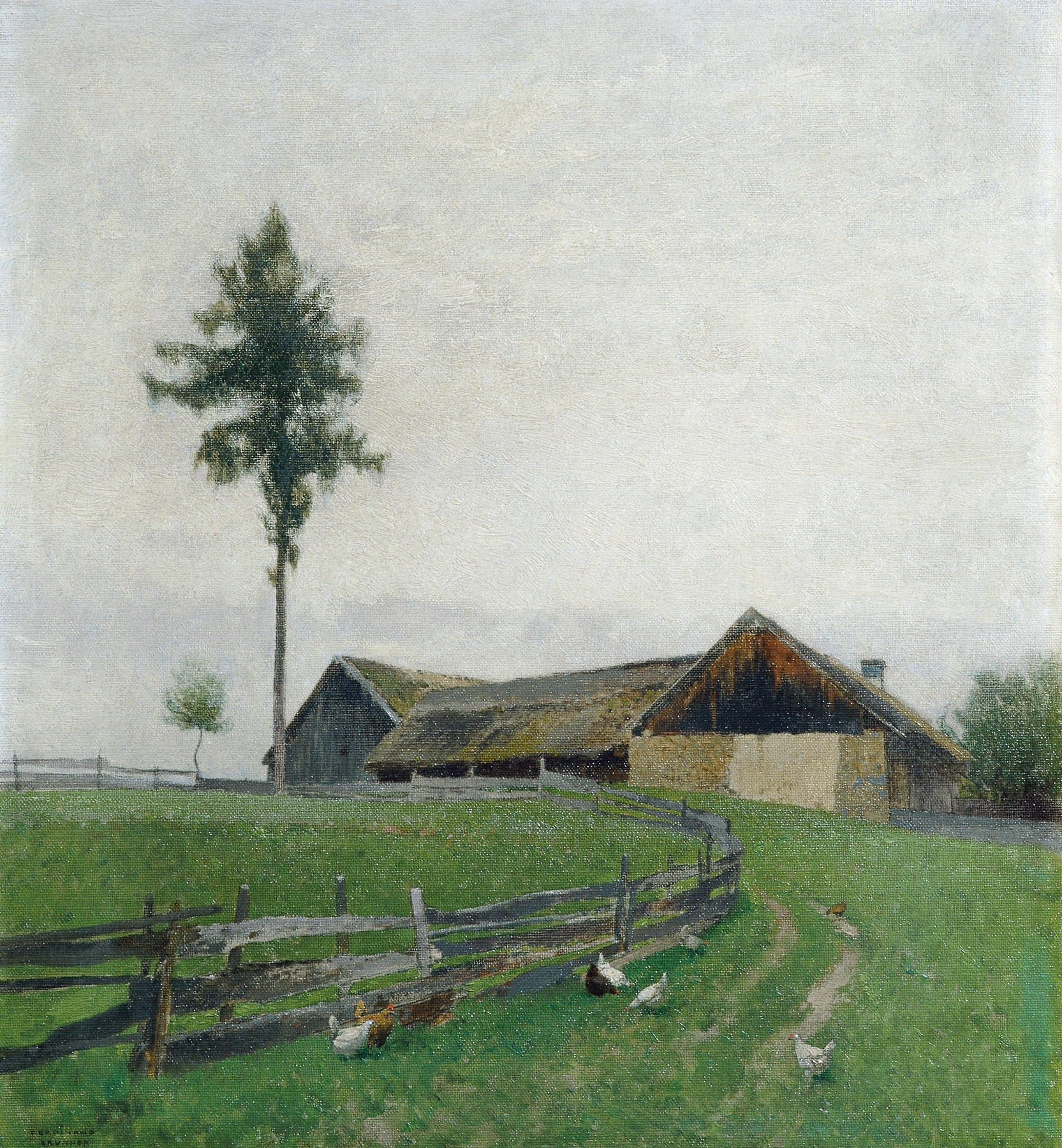
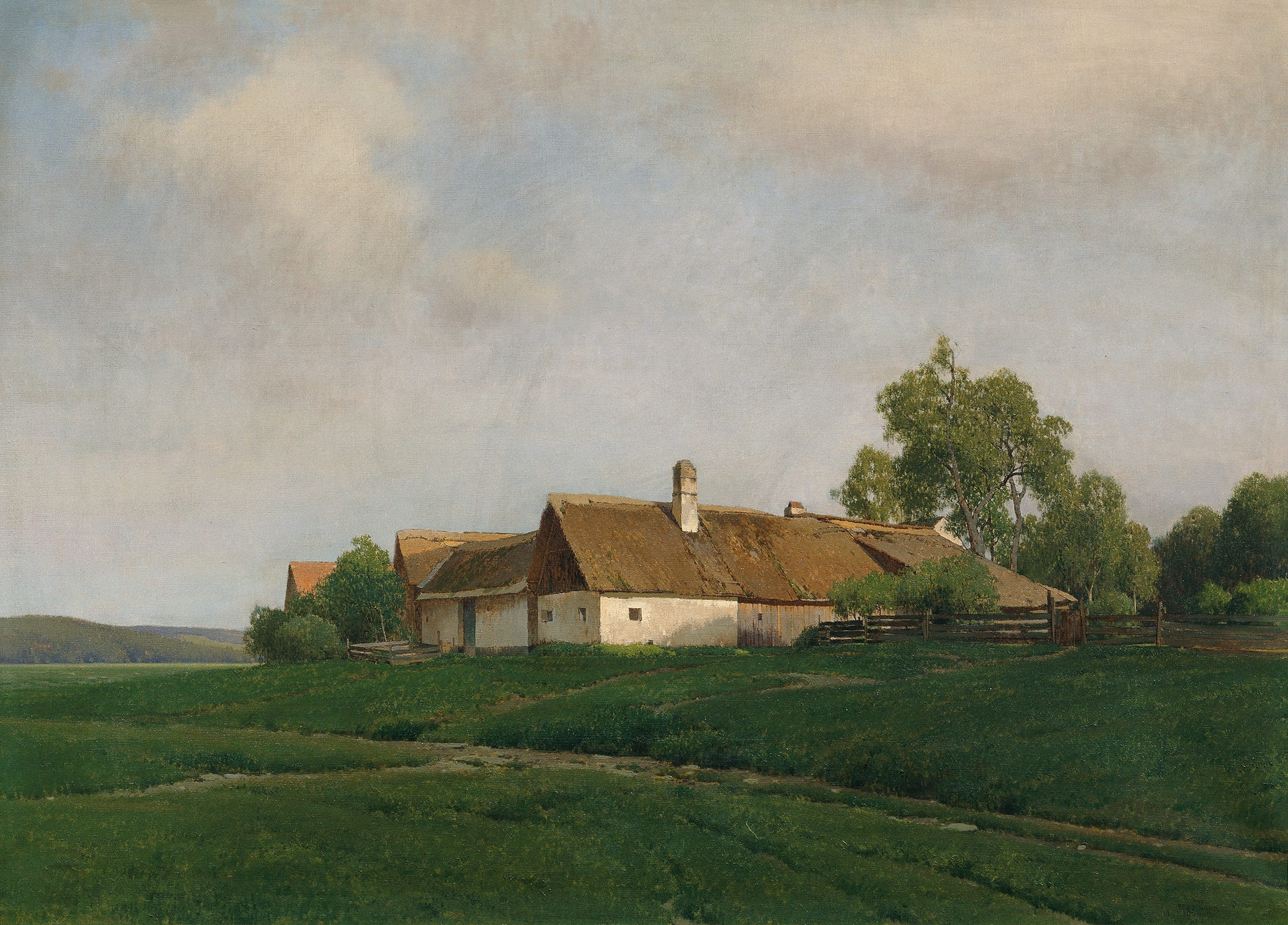
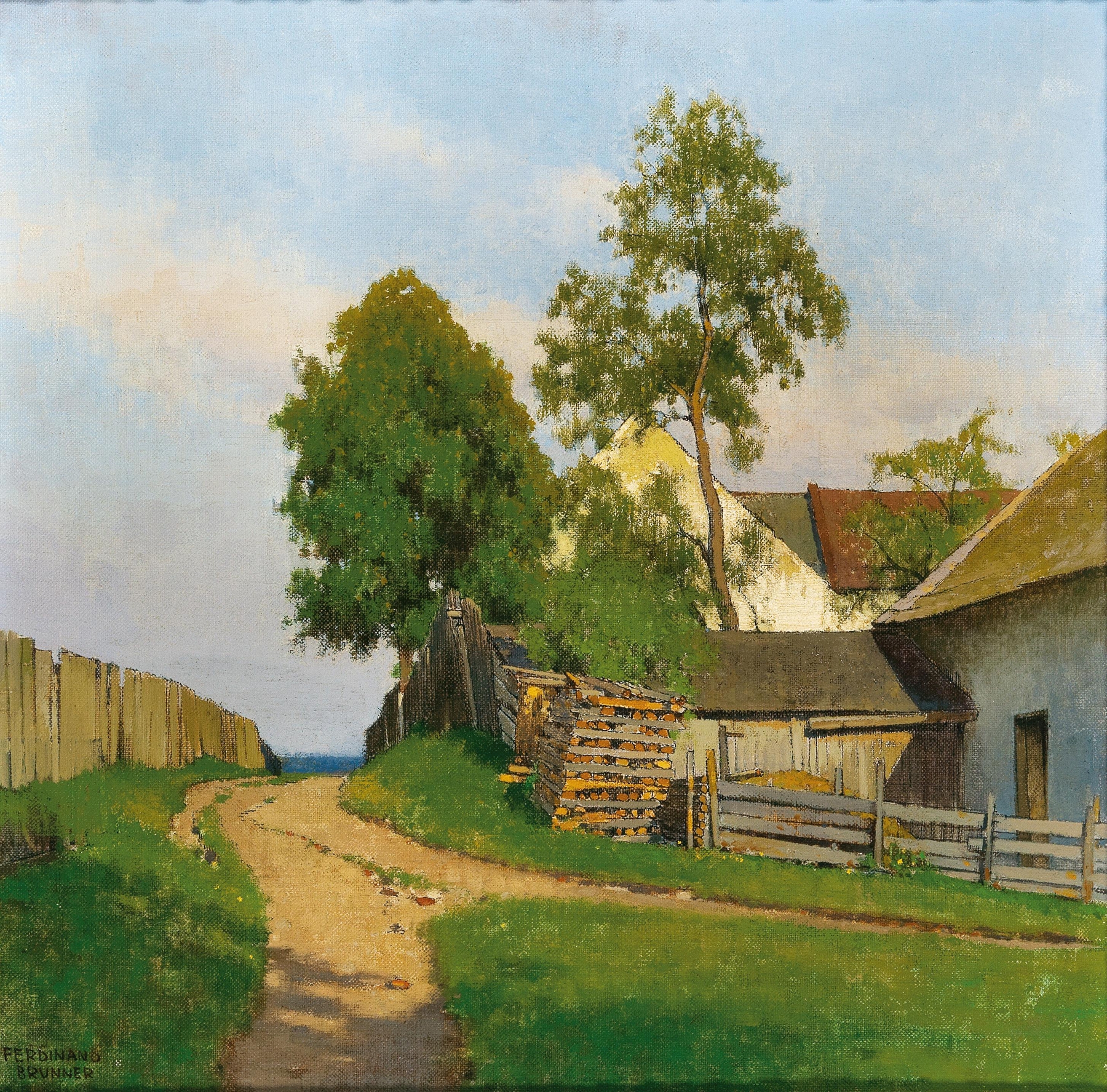
“To paint is to remember what time wants us to forget.” In the ebb and flow of existence, what remains when the memories fade and life whirls onward? There lies a poignant reflection in the interplay of landscape and humanity, a vivid yet fragile reminder of moments both cherished and lost. Look to the center of the canvas where the chapel stands, a humble sentinel amidst the rolling hills. Its soft, warm hues contrast with the verdant greens and muted earth tones that envelop it. The figures scattered throughout the scene, perhaps villagers or travelers, are rendered with delicate brushwork, inviting you to ponder their stories.
Notice how the dappled sunlight dances upon their forms, casting gentle shadows that evoke a sense of movement, as if they are caught in a fleeting moment of life. Yet, it is within the details that deeper emotions reside. The distant hills whisper of solitude, a reminder that even in the company of others, one may feel isolated. The chapel, while a place of gathering, also symbolizes the transient nature of faith and community, as the figures appear lost in their own thoughts.
Each brushstroke serves as a testament to the passage of time, revealing contrasts between the vibrant life of the landscape and the silent weight of unspoken farewells. Ferdinand Brunner created this evocative piece during a time when landscapes served not only as backdrops but as reflections of inner emotional landscapes. While the exact date remains uncertain, Brunner's work embodies the spirit of the late 19th and early 20th centuries, a period marked by a burgeoning exploration of human experience within nature. As art began to grapple with themes of memory and loss, it became a canvas for both personal and collective narratives, capturing the essence of what it means to be human.