High Tide on the Marshes — History & Analysis
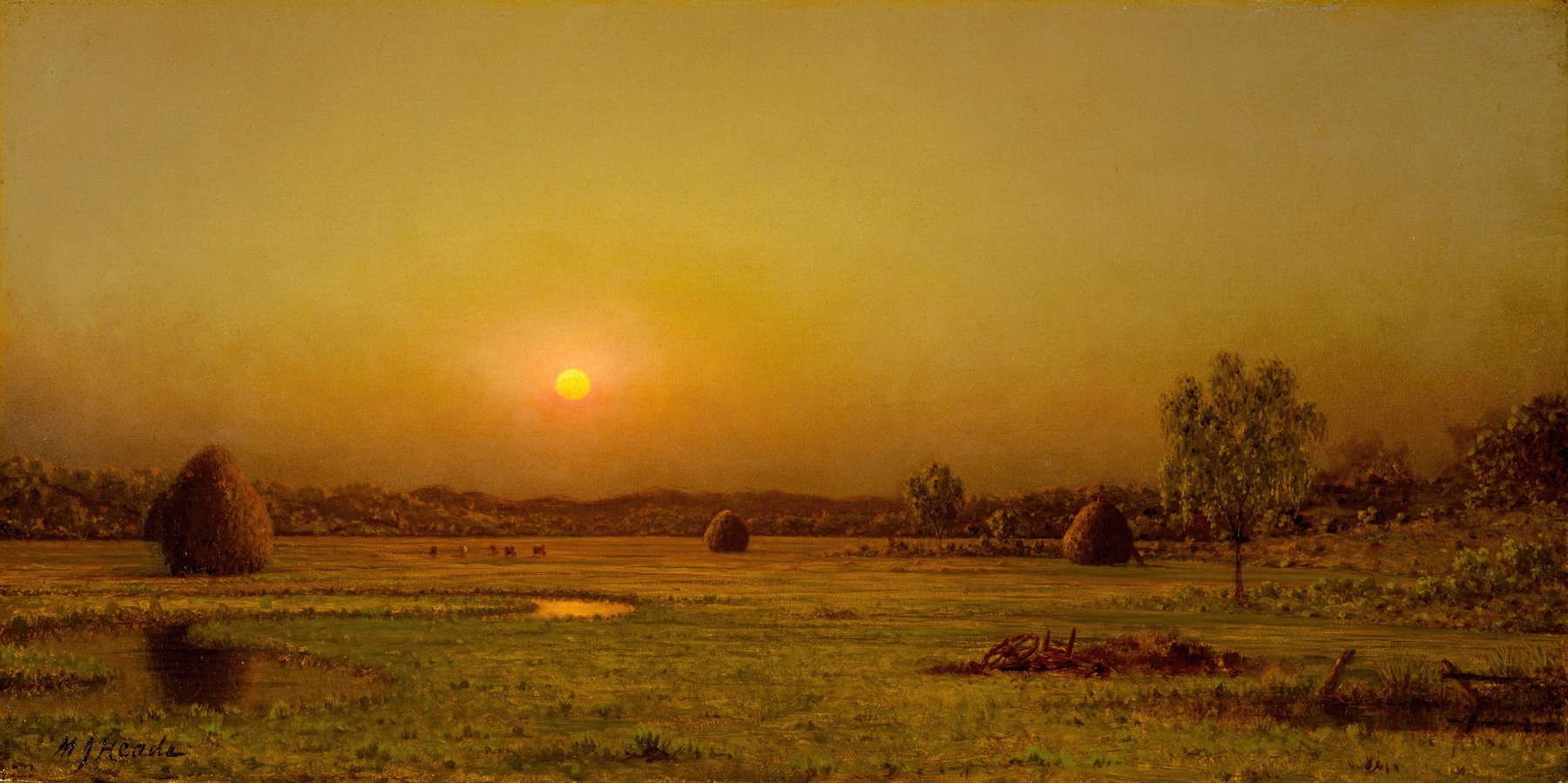
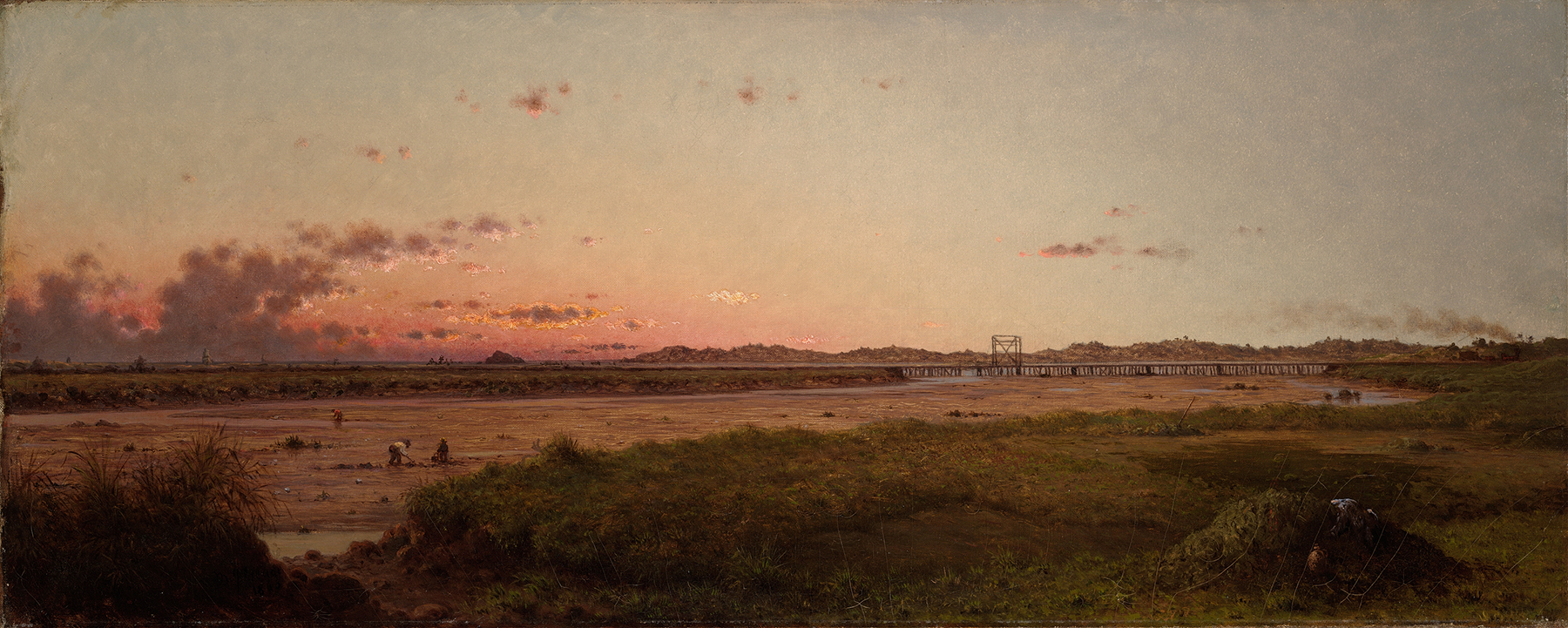
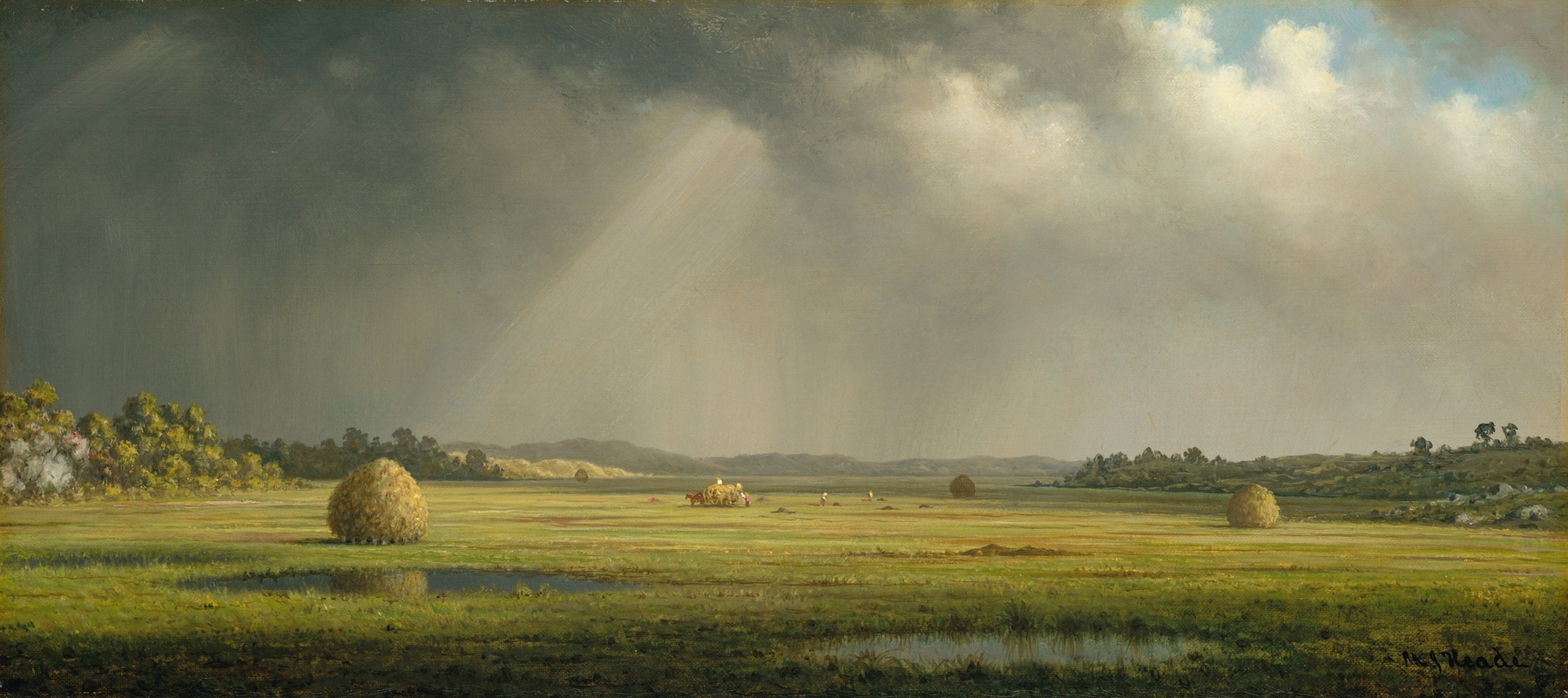
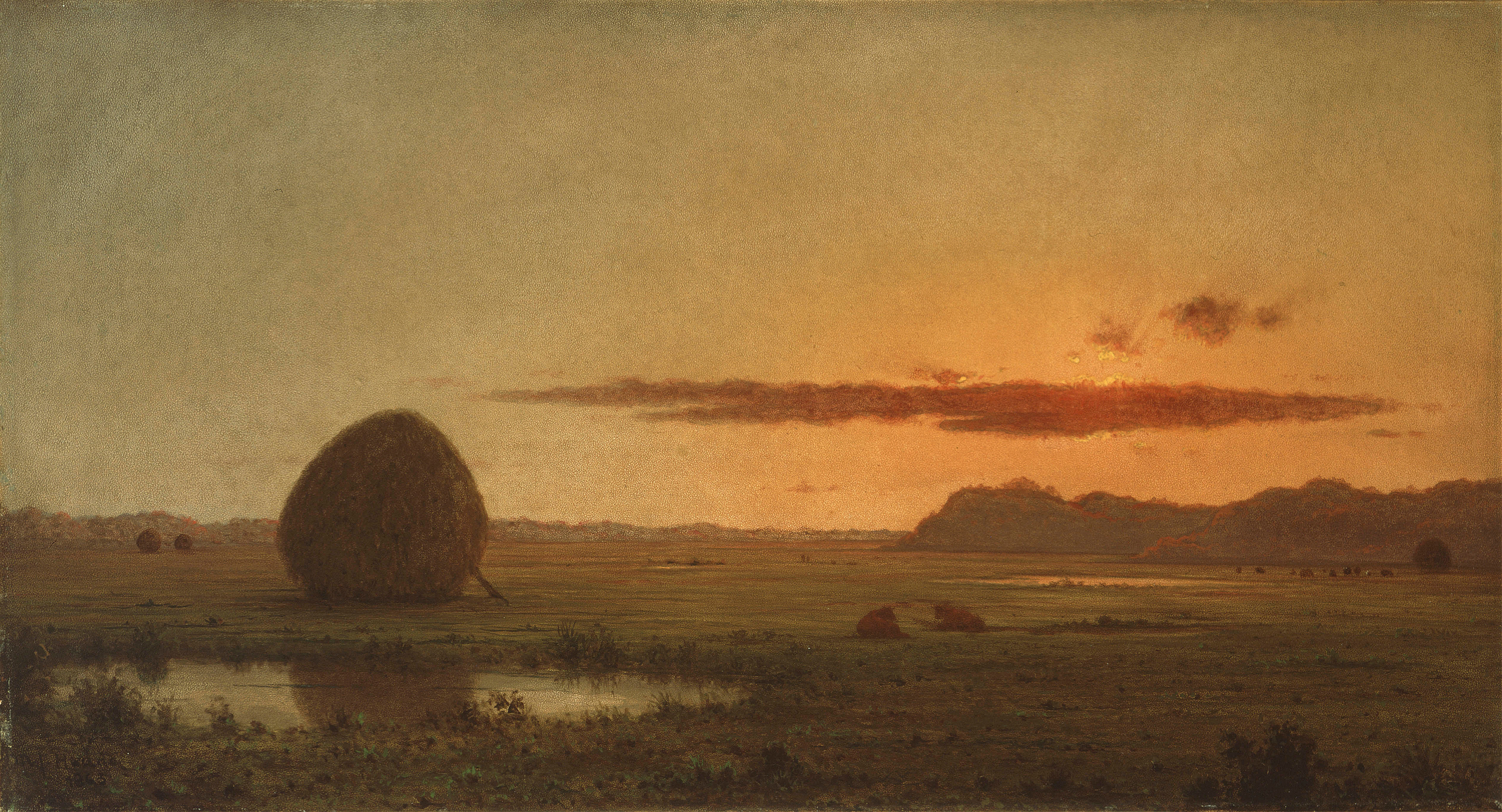
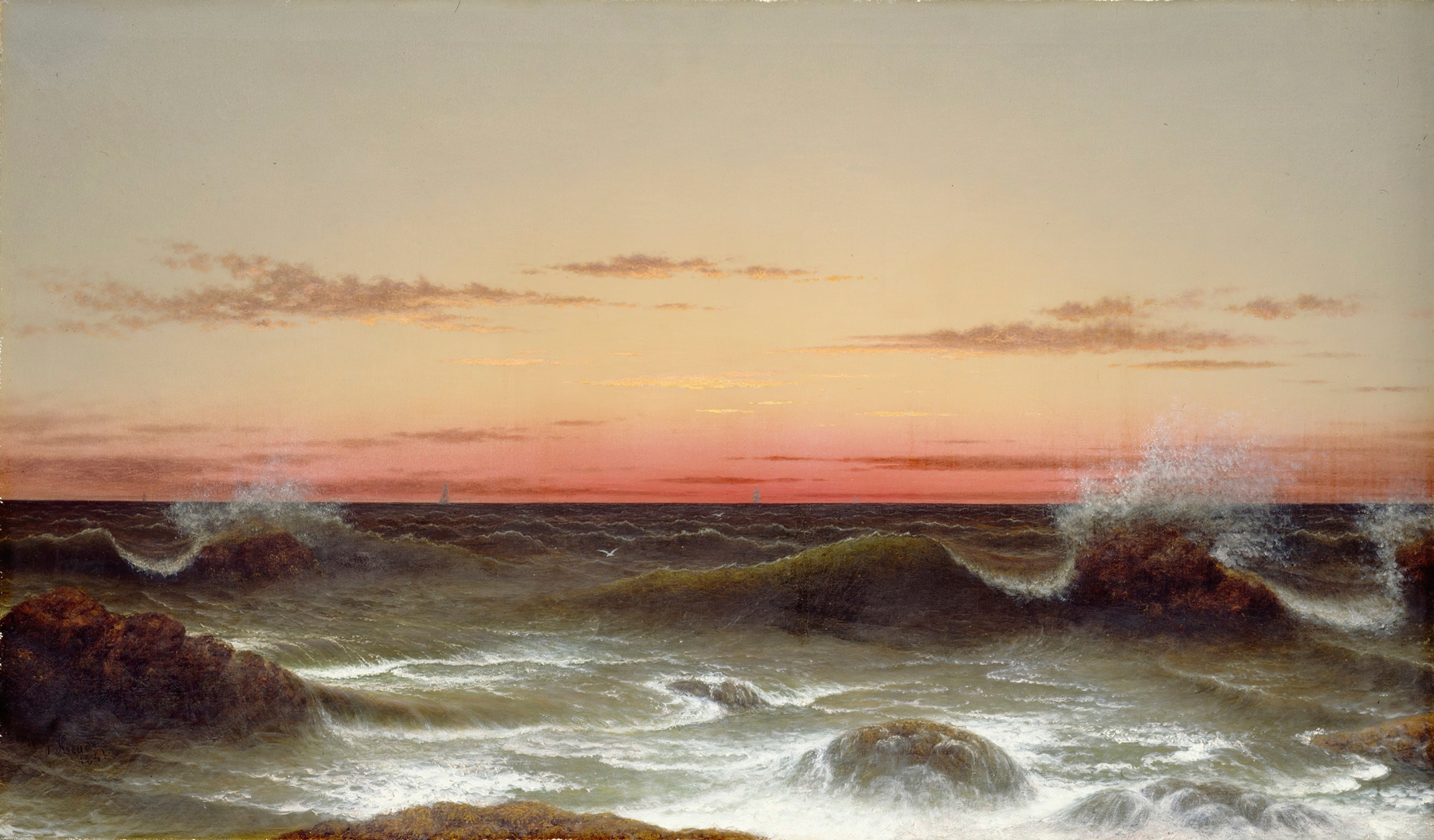
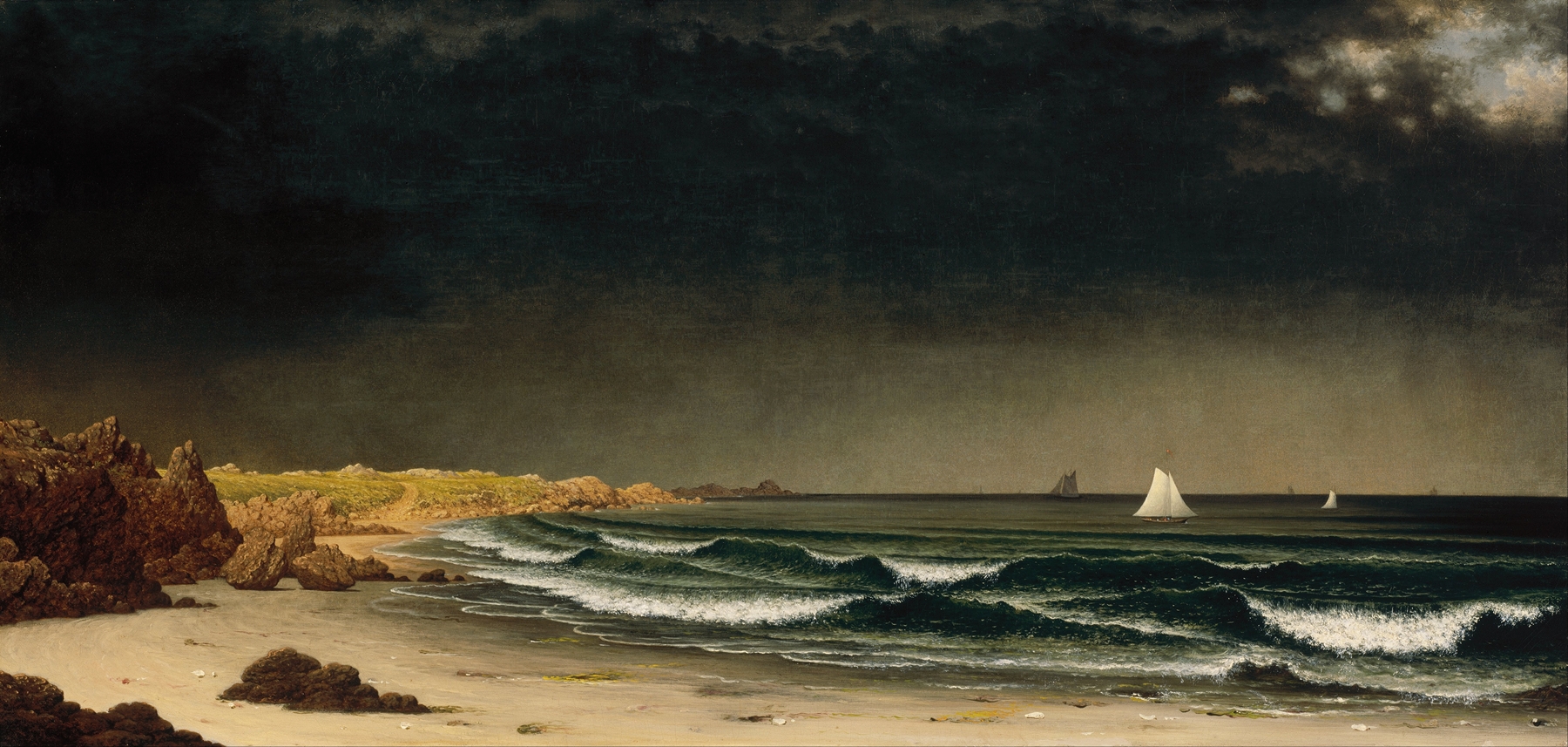
Can beauty exist without sorrow? In High Tide on the Marshes, the interplay of vibrant colors and serene landscapes invites us to ponder this profound question, capturing a moment where tranquility and emptiness coexist. Look to the horizon, where the sun dips low, casting a golden light across the waterlogged marshes. The warm hues of orange and yellow blend effortlessly with the cool blues of the sky, creating a striking contrast. Notice how the delicate brushstrokes evoke the rippling surface of the water, while the silvery grasses sway gently in the breeze, leading your eye deeper into this atmospheric scene.
Each element draws you further into the landscape, yet an underlying stillness hints at a quietude that feels both inviting and isolating. In this composition, the juxtaposition of vibrant life against the vast emptiness of the marsh speaks to the transient nature of existence. The high tide encloses the flora in a watery embrace, suggesting both nourishment and a sense of suffocation. Furthermore, the absence of human presence amplifies the feeling of solitude, forcing the viewer to confront their own reflections amidst the expansive beauty.
It’s a reminder that even in the most exquisite landscapes, a silent yearning for connection lingers. Martin Johnson Heade painted High Tide on the Marshes in 1872, during a time when he was deeply influenced by the aesthetic movements around him. Working in Massachusetts, Heade focused on the interplay of light and landscape, a reflection of his fascination with the natural world. This period was marked by a growing appreciation for American art, and Heade’s innovative techniques would go on to lay the groundwork for future explorations in the genre of landscape painting.