Hillingdon Church, London — History & Analysis
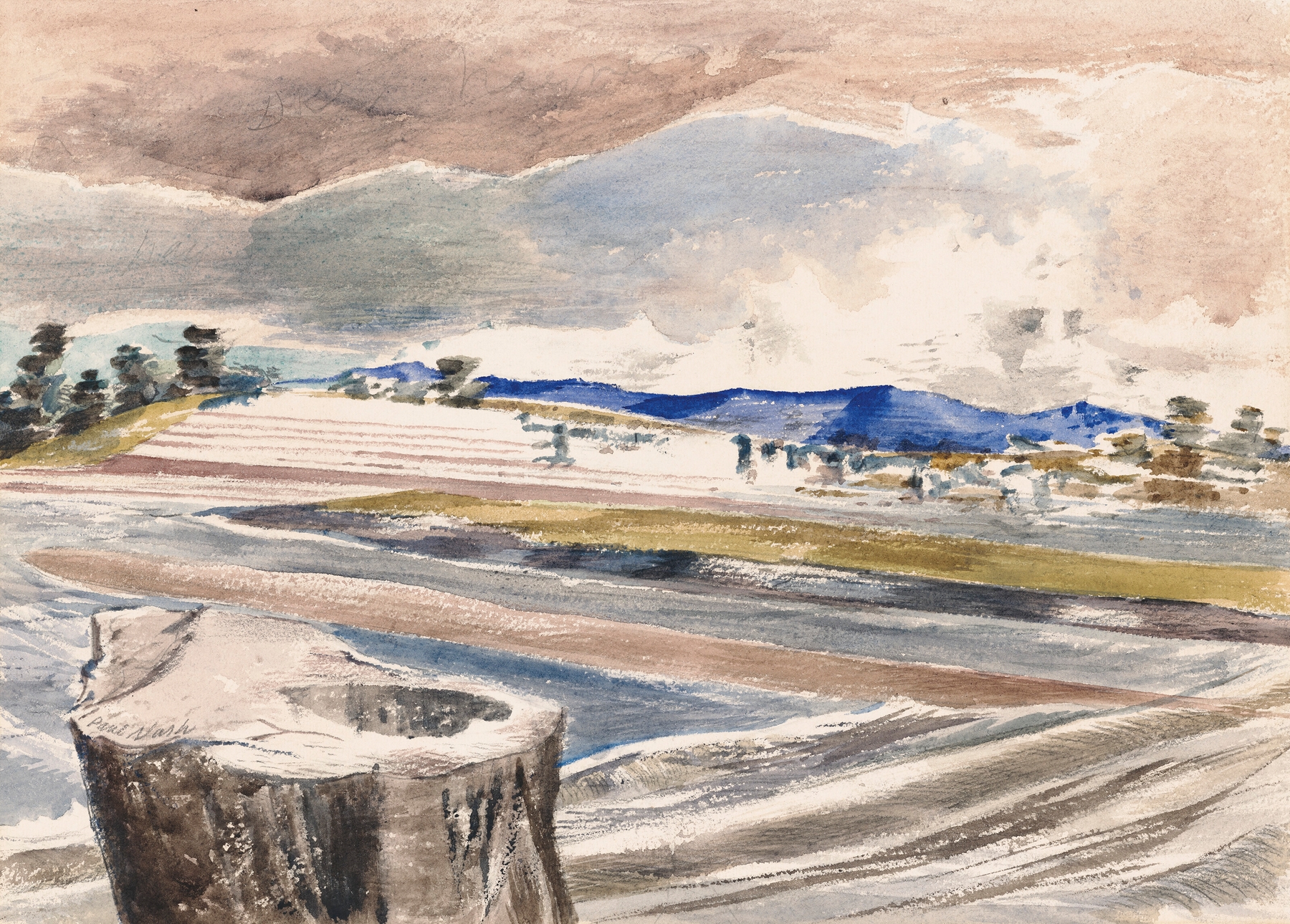
“Between color and silence, truth hides.” In the quiet embrace of a churchyard, the specter of mortality lingers, cloaked in the stillness of unyielding stone and fading foliage. Focus on the stark contrasts that define the scene — the grey, solid structure of the church against the melancholy hues of the surrounding landscape. Look to the left at the gnarled branches stretching above, their skeletal forms echoing the passage of time. Notice how the muted palette creates an atmosphere of introspection, revealing the duality of life and death that weaves through the architecture and nature alike.
The tension between the enduring stone and the ephemeral beauty of the foliage speaks to the fragility of existence. Here, the church stands as a monument to faith and stability, yet nature's encroachment hints at inevitable decay. Each detail—from the weathered gravestones to the creeping shadows—conveys a profound meditation on mortality, prompting viewers to reflect on their own transient lives.
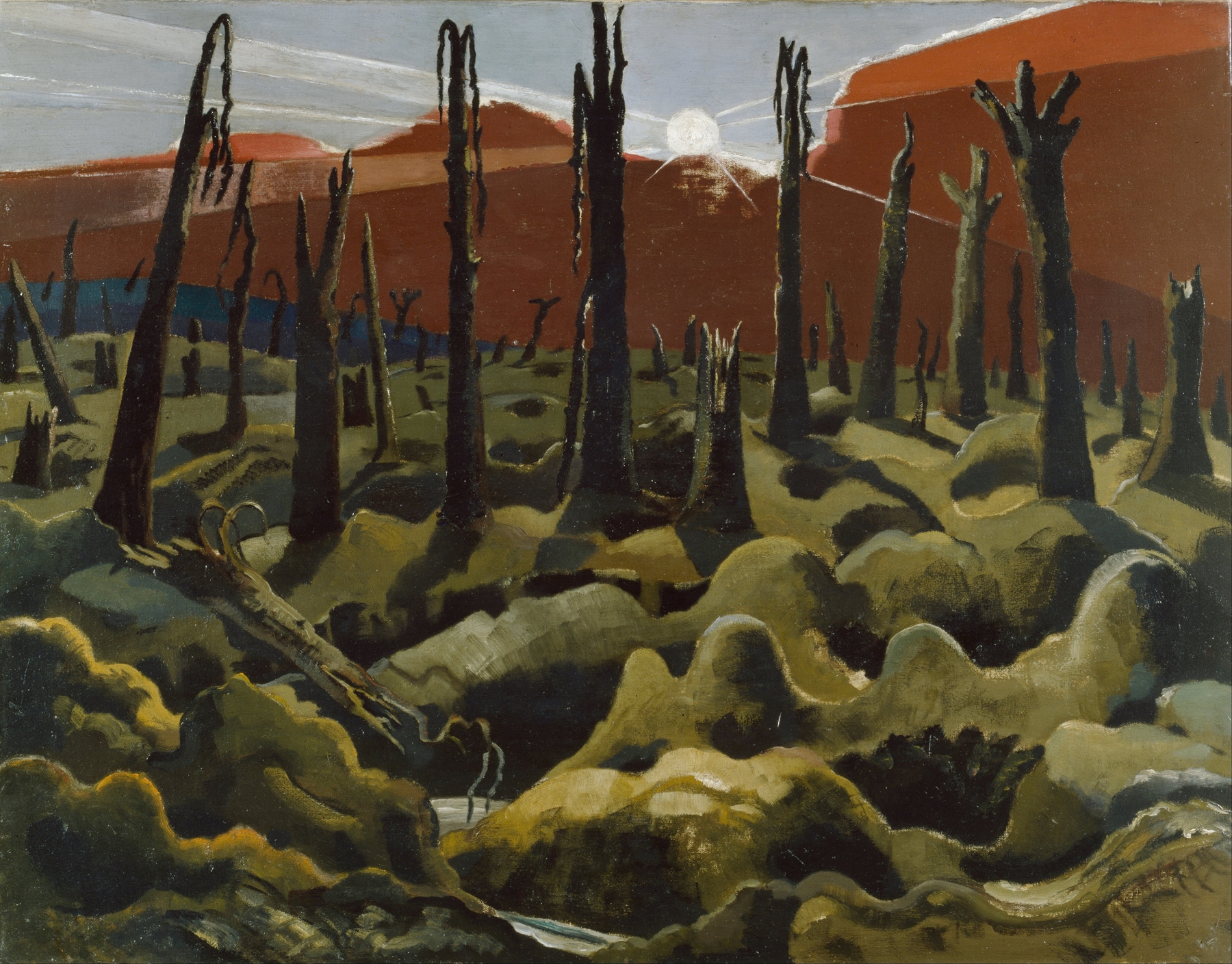
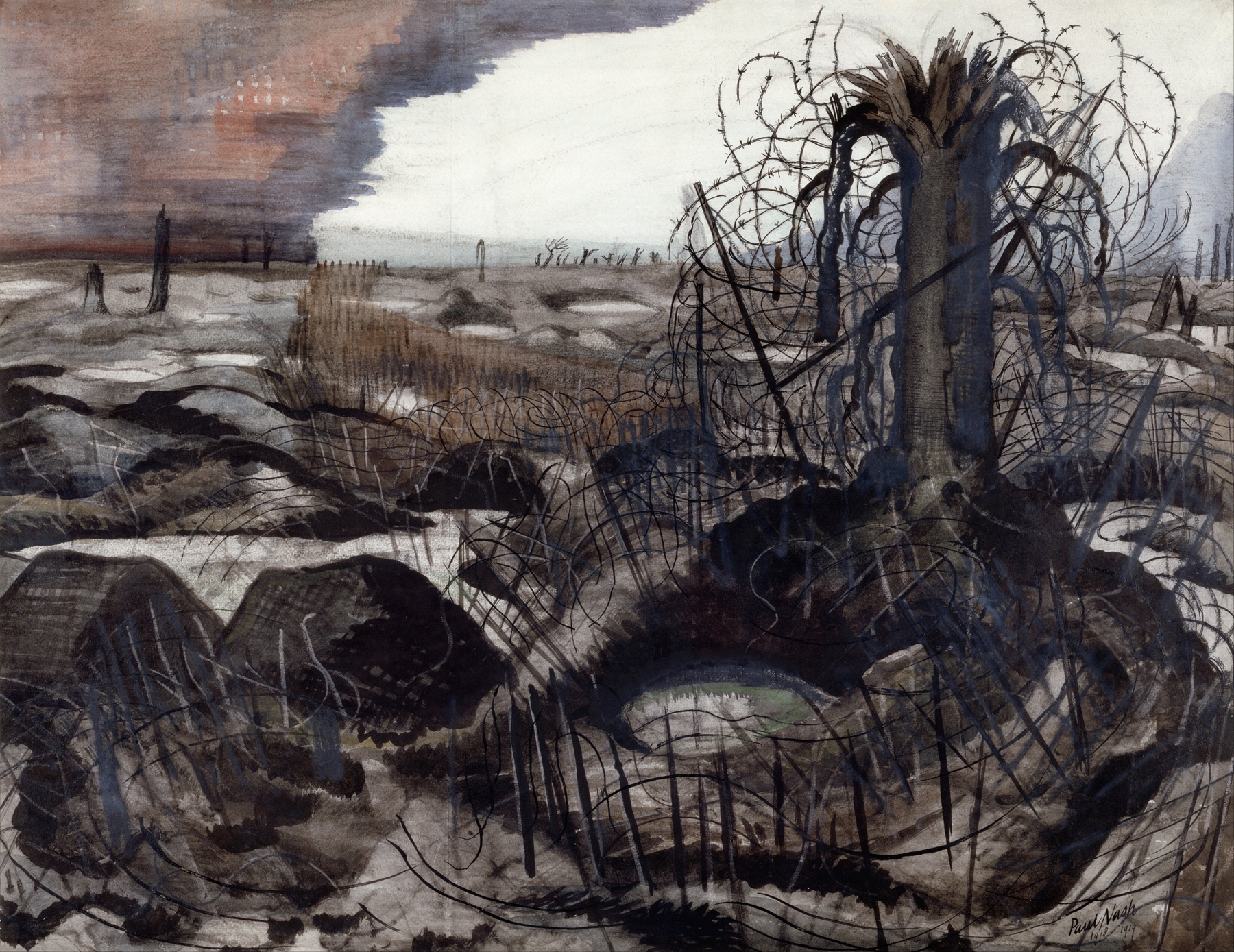
In the mid-1920s, while residing in England, the artist crafted this piece during a period marked by a shift towards modernism in art. In the aftermath of World War I, Nash grappled with themes of destruction and renewal, capturing the juxtaposition of the human experience and the natural world. His exploration of these elements in Hillingdon Church, London resonates with the contemporary yearning for meaning amidst the chaos of life.