Hochbahnhof Bülowstraße bei Nacht — History & Analysis
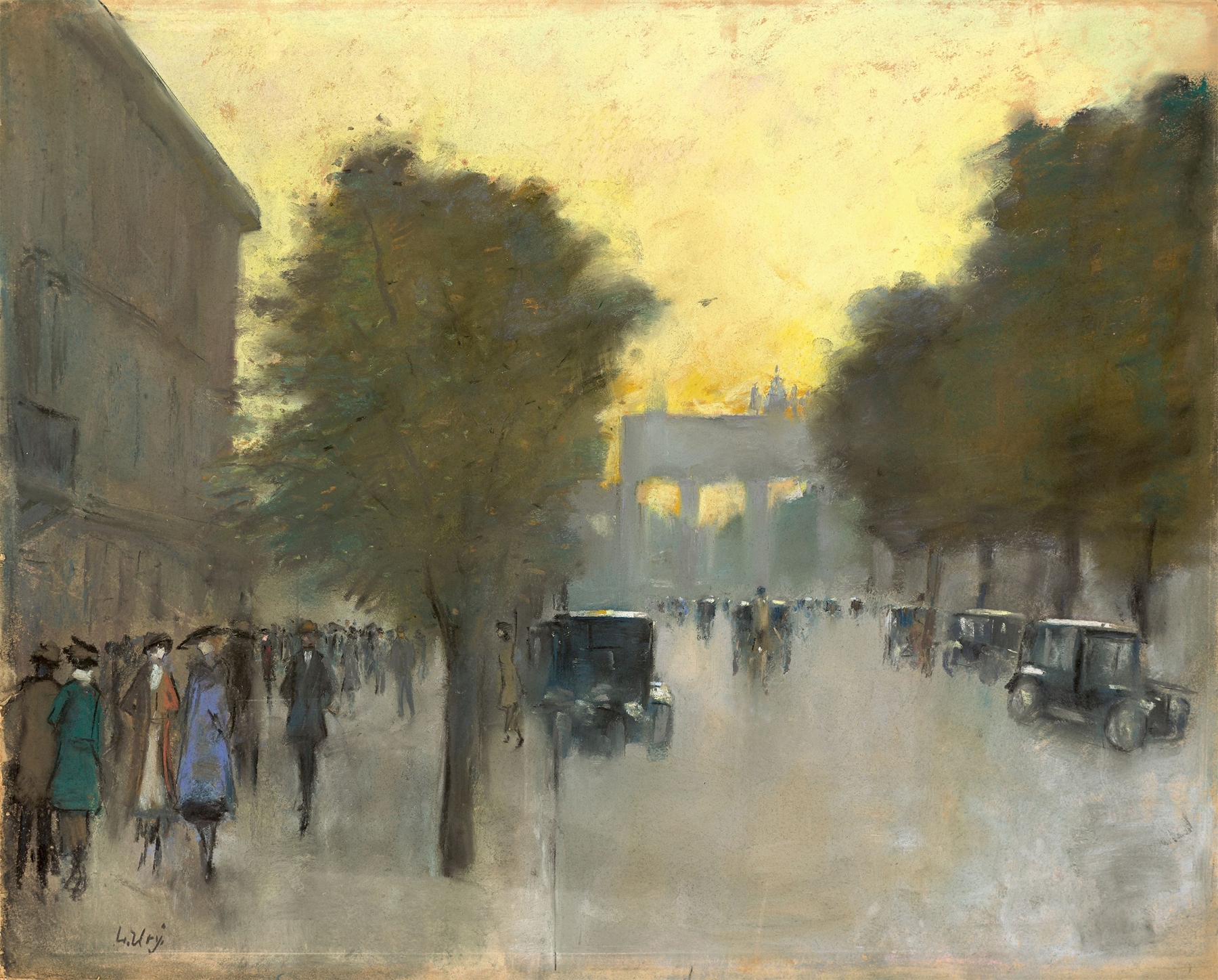
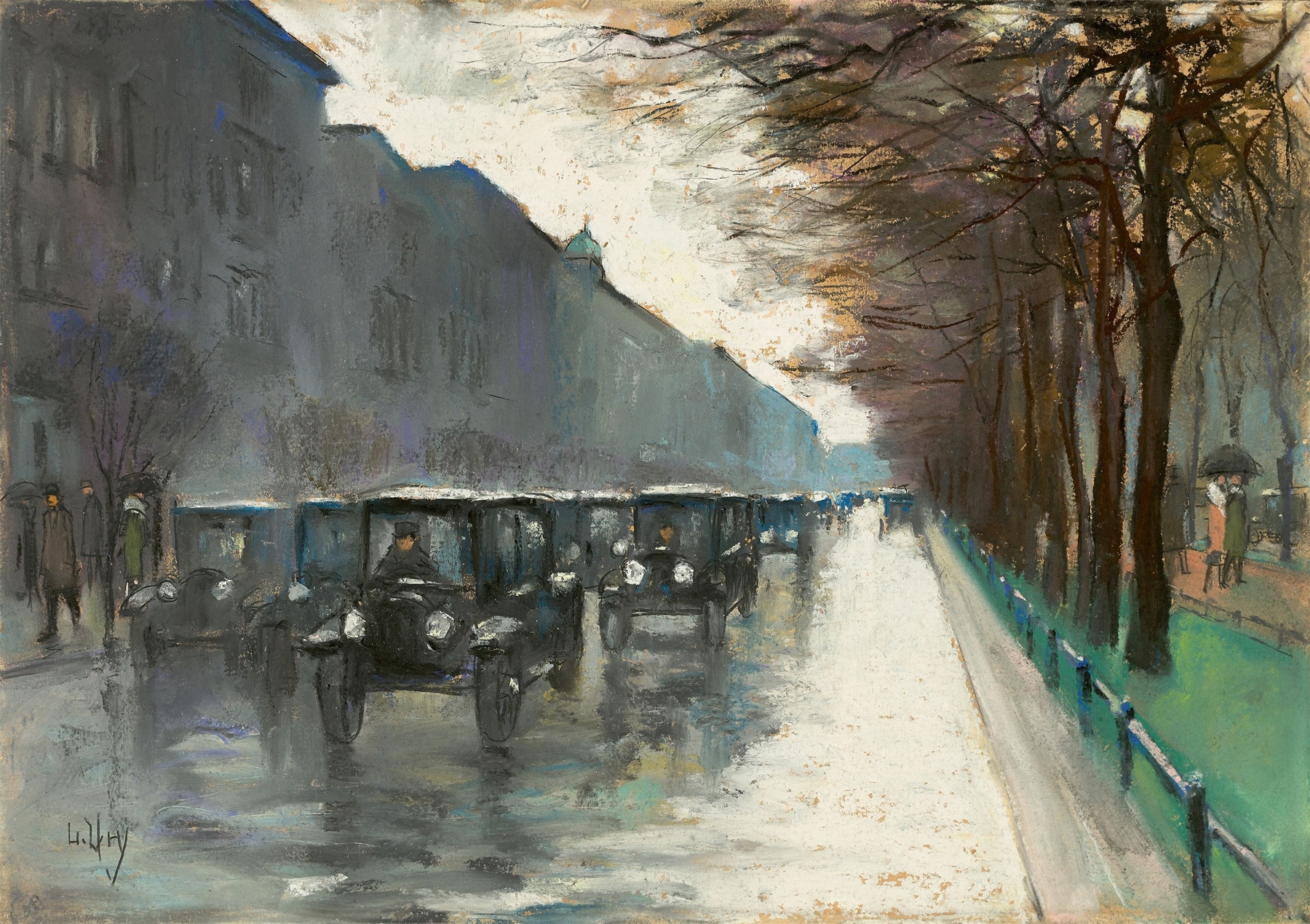
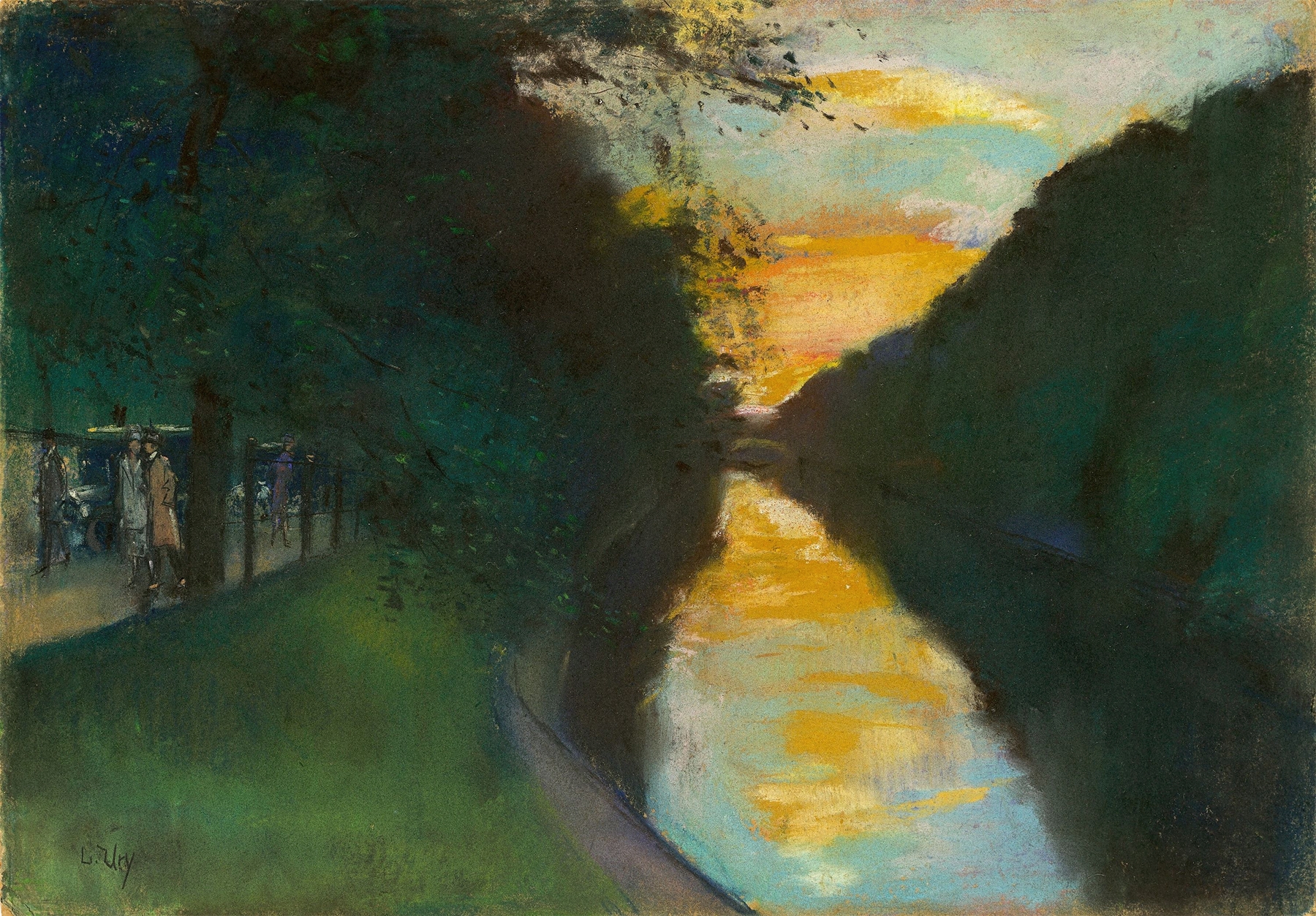
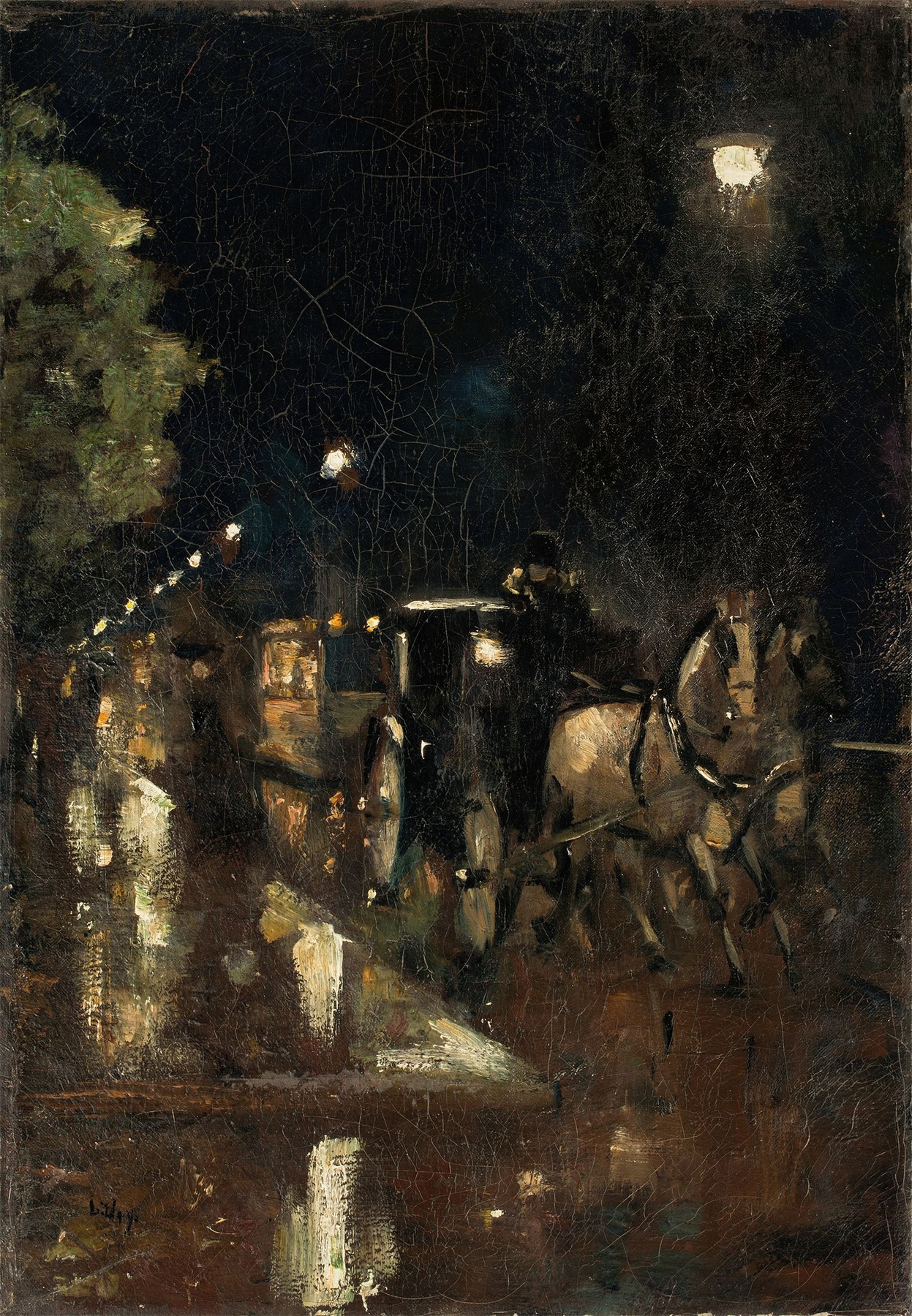
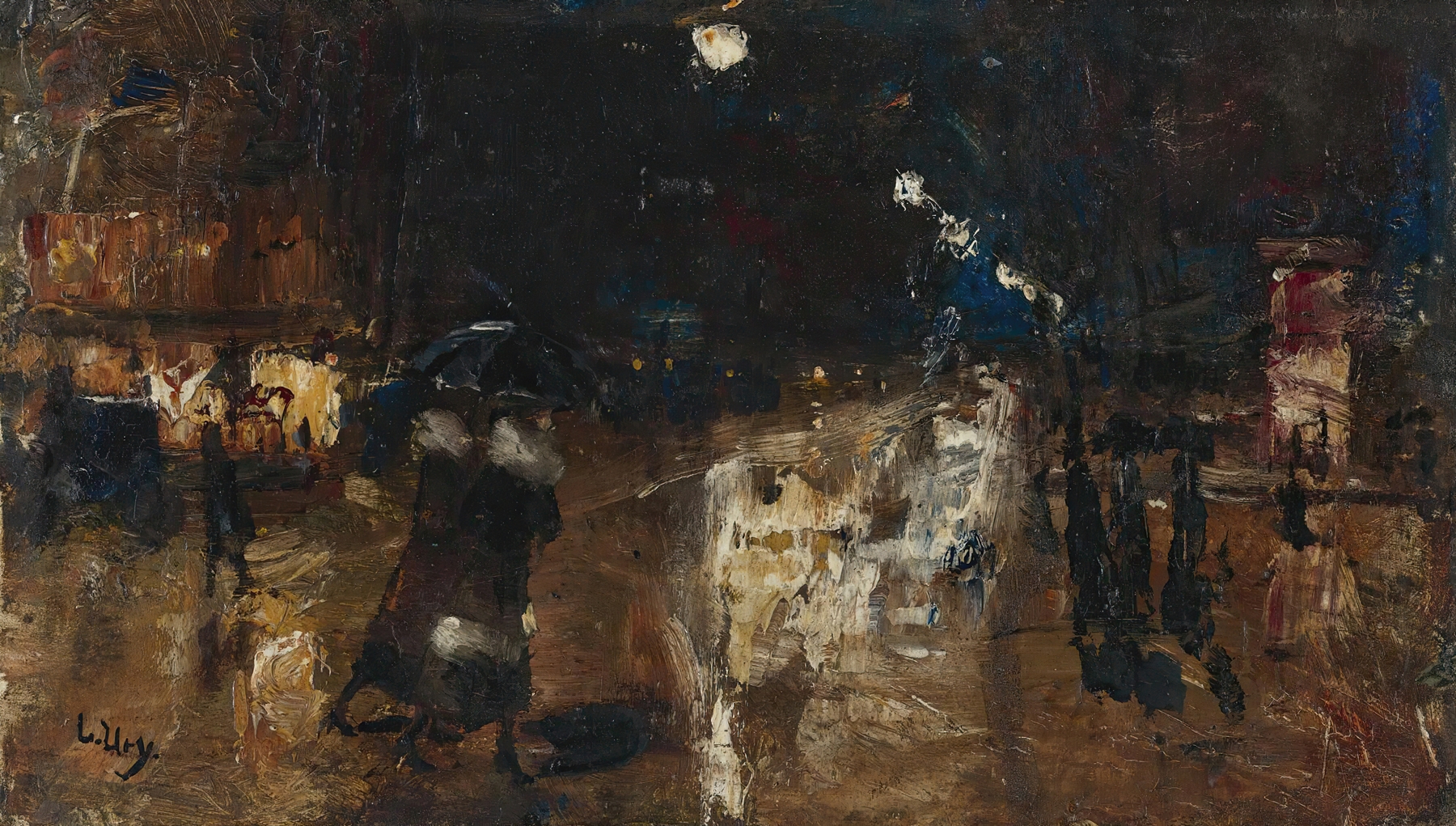
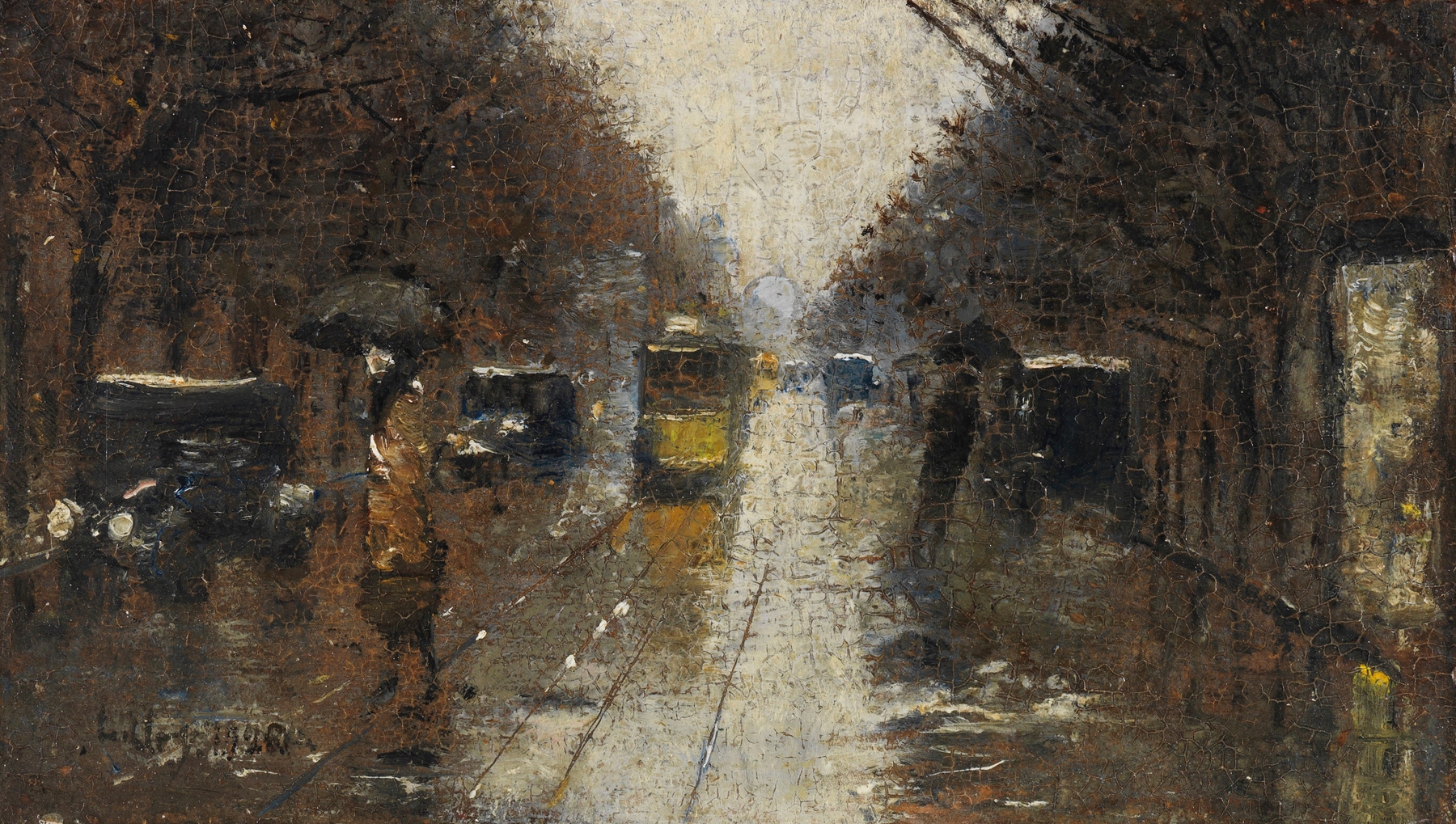
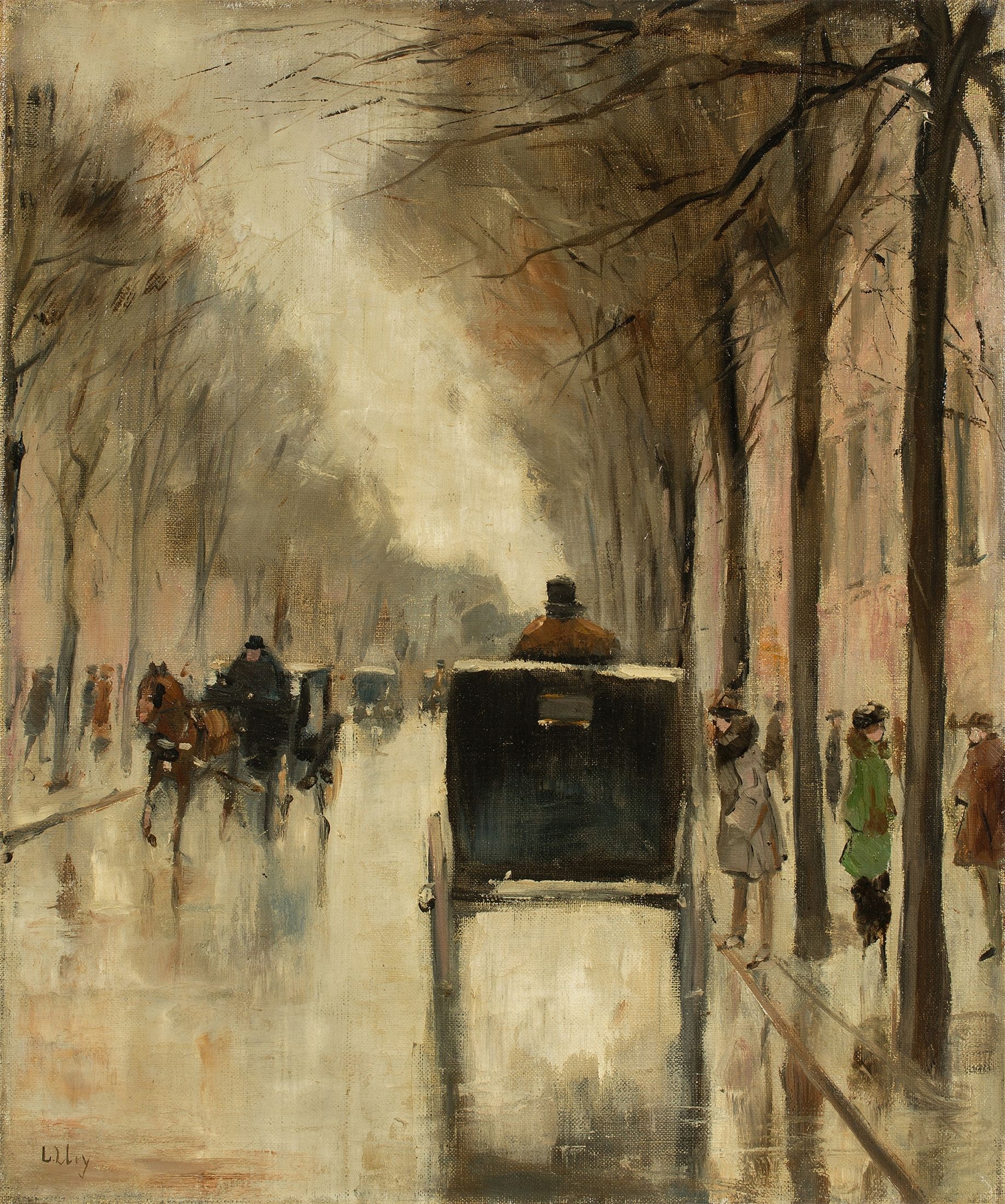
"Under the brush, chaos becomes grace." Night falls like a velvet cloak, shrouding the city in mystery while illuminating the delicate balance between tranquility and turmoil. In this nocturnal landscape, the urban rhythm pulses beneath a moonlit sky, inviting the viewer to explore the interplay of light and shadow. Look to the left at the illuminated figures, their silhouettes softly outlined against the flickering glow of street lamps. The vibrant hues of blues and deep purples evoke a sense of depth, while warm yellows and oranges punctuate the scene with life.
Ury masterfully contrasts the hazy atmosphere with sharp architectural lines, creating a dynamic composition that guides the eye through the urban expanse. Beneath this visual rhythm lies a tension between solitude and connection. The figures, though separate, appear intertwined with their environment, suggesting a shared experience amid the city's chaos. Moreover, the juxtaposition of darkness and light serves as a metaphor for the duality of urban life, where beauty and struggle exist side by side, echoing the complexities of human emotion.
In 1922, Lesser Ury painted this evocative scene during a time when Germany was emerging from the shadows of World War I. Living in Berlin, Ury witnessed the transformations of the bustling city, reflecting both its vibrancy and the palpable sense of unease in society. His work during this period reveals a deep engagement with the modern experience, capturing a moment in time that resonates with the ongoing dialogue between chaos and grace.