Holiday in New England — History & Analysis
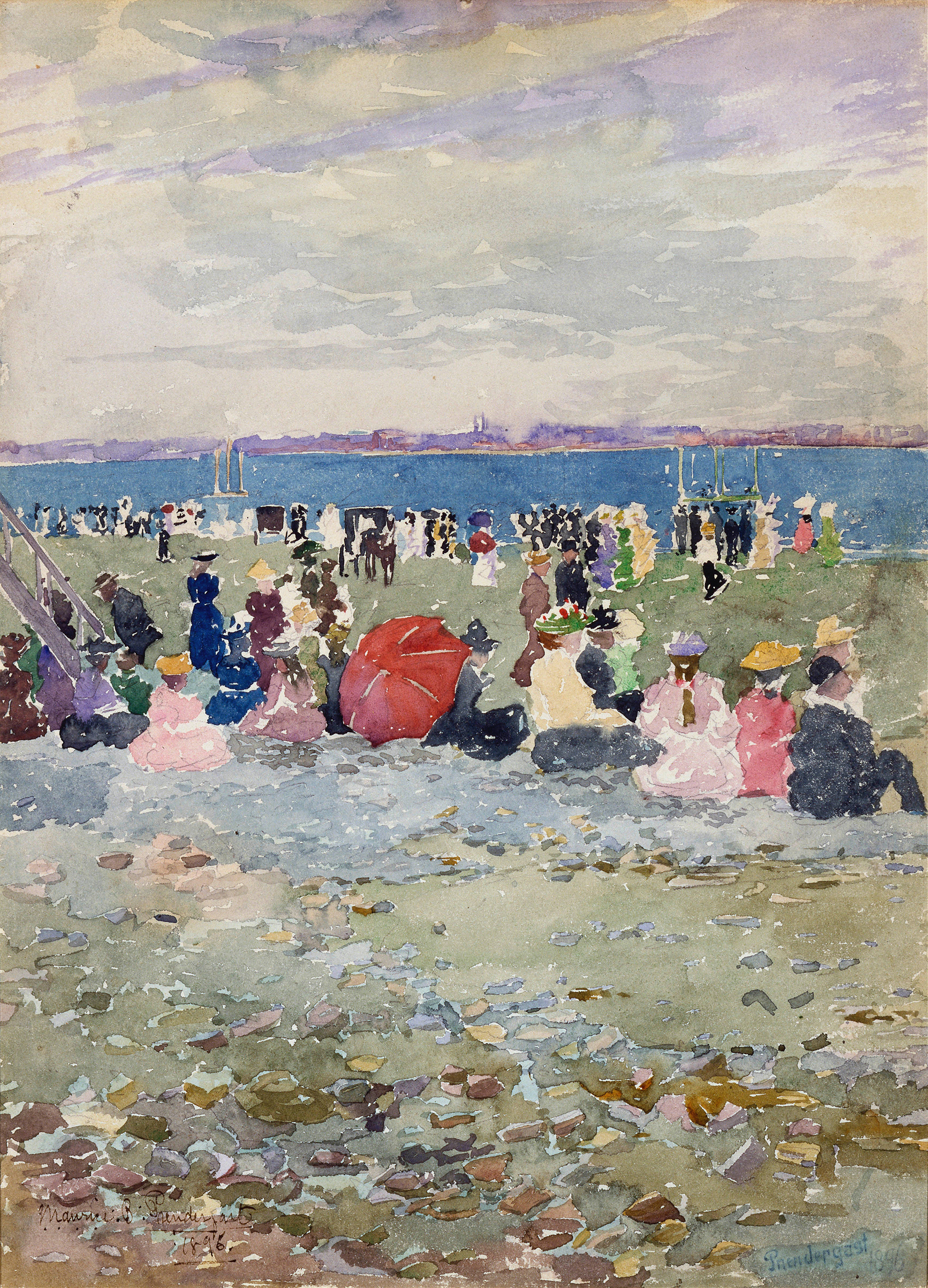
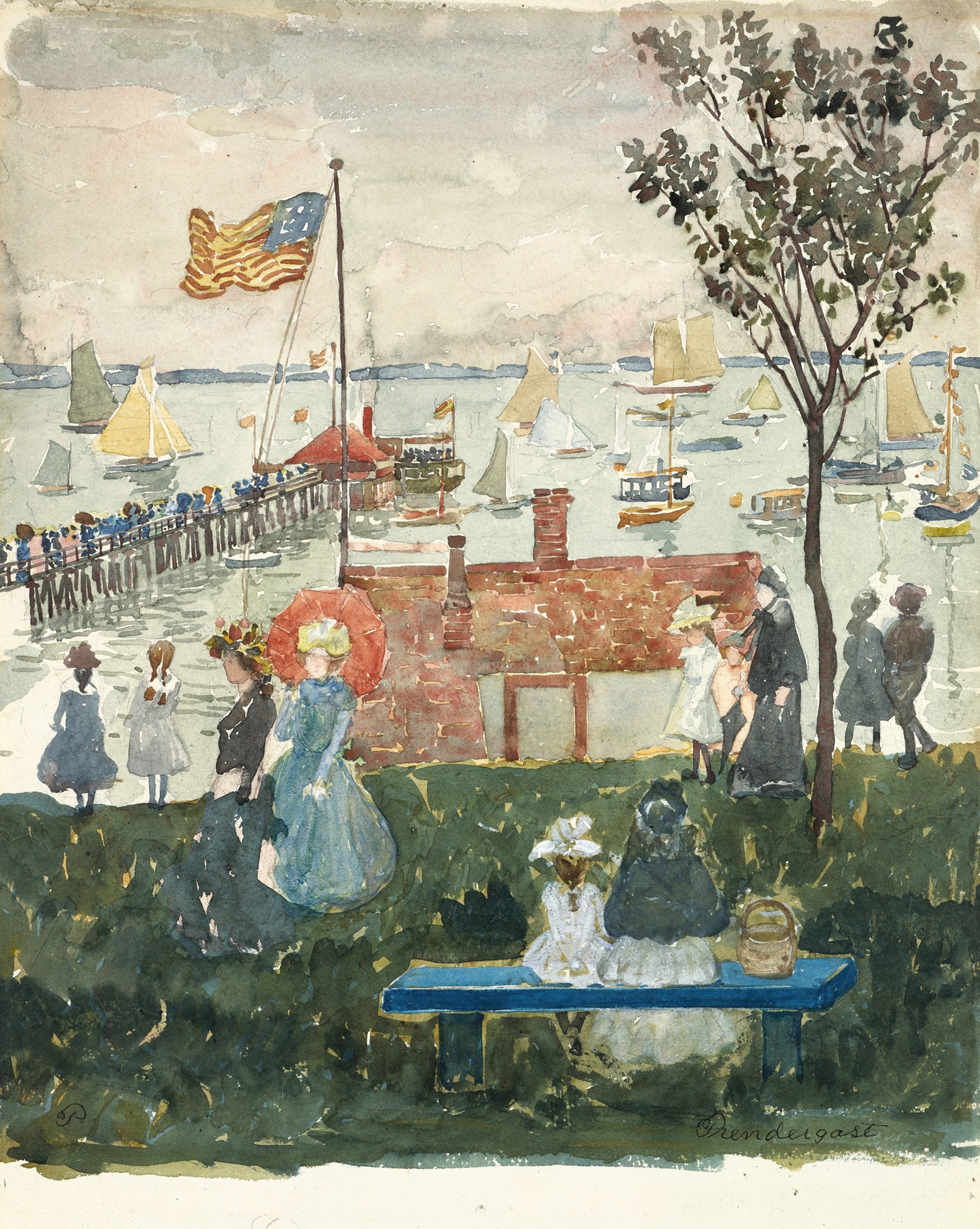
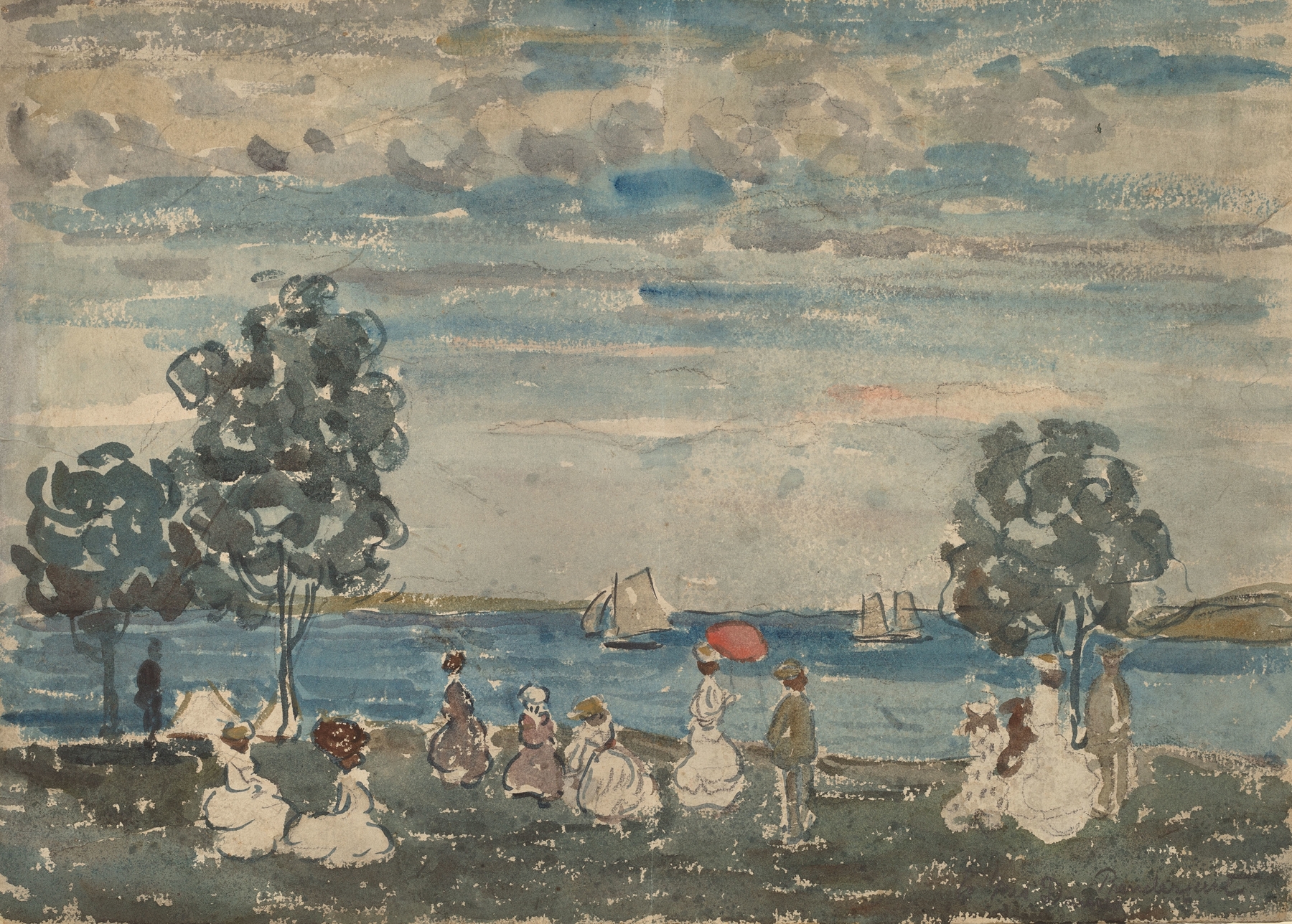
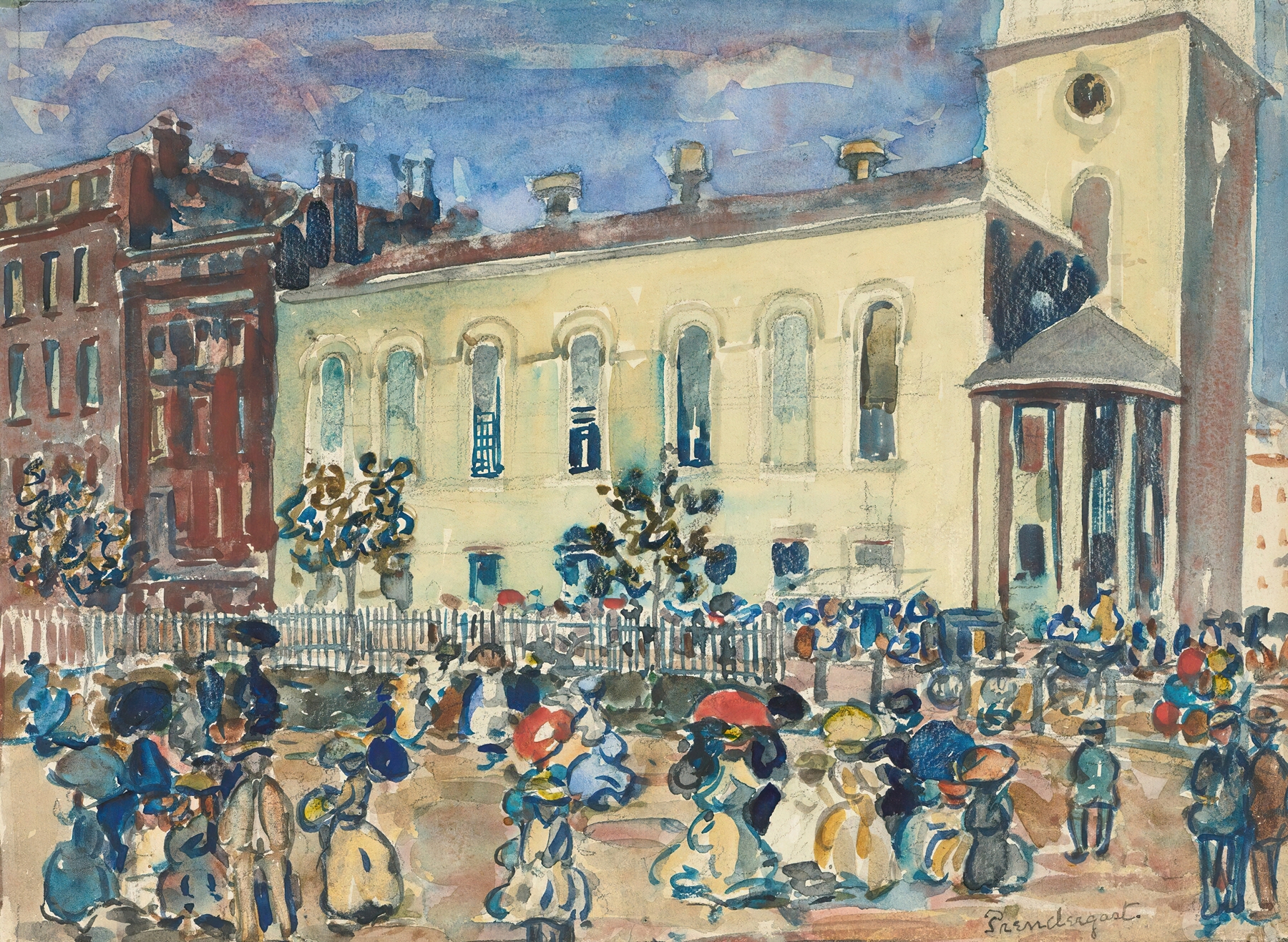
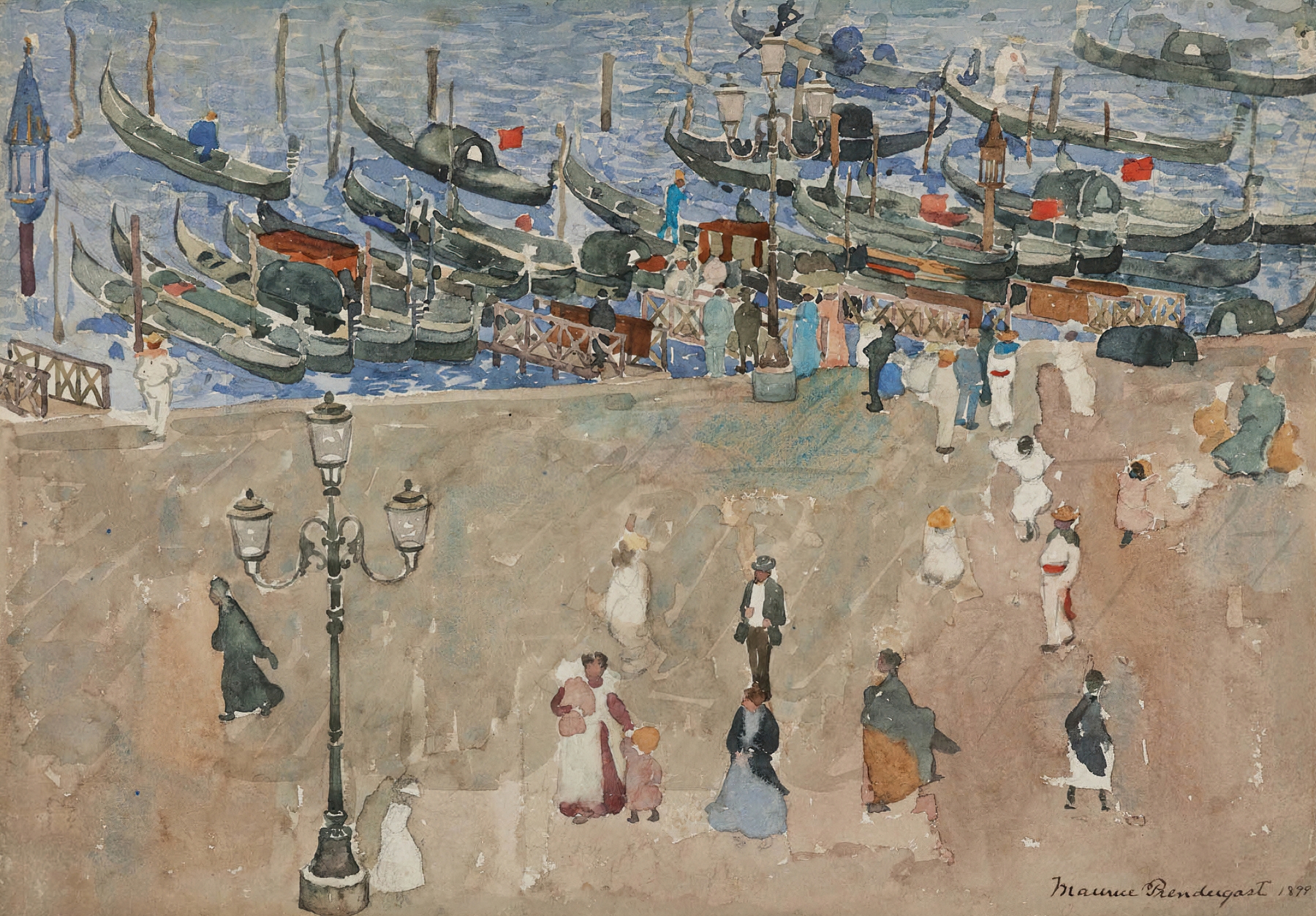
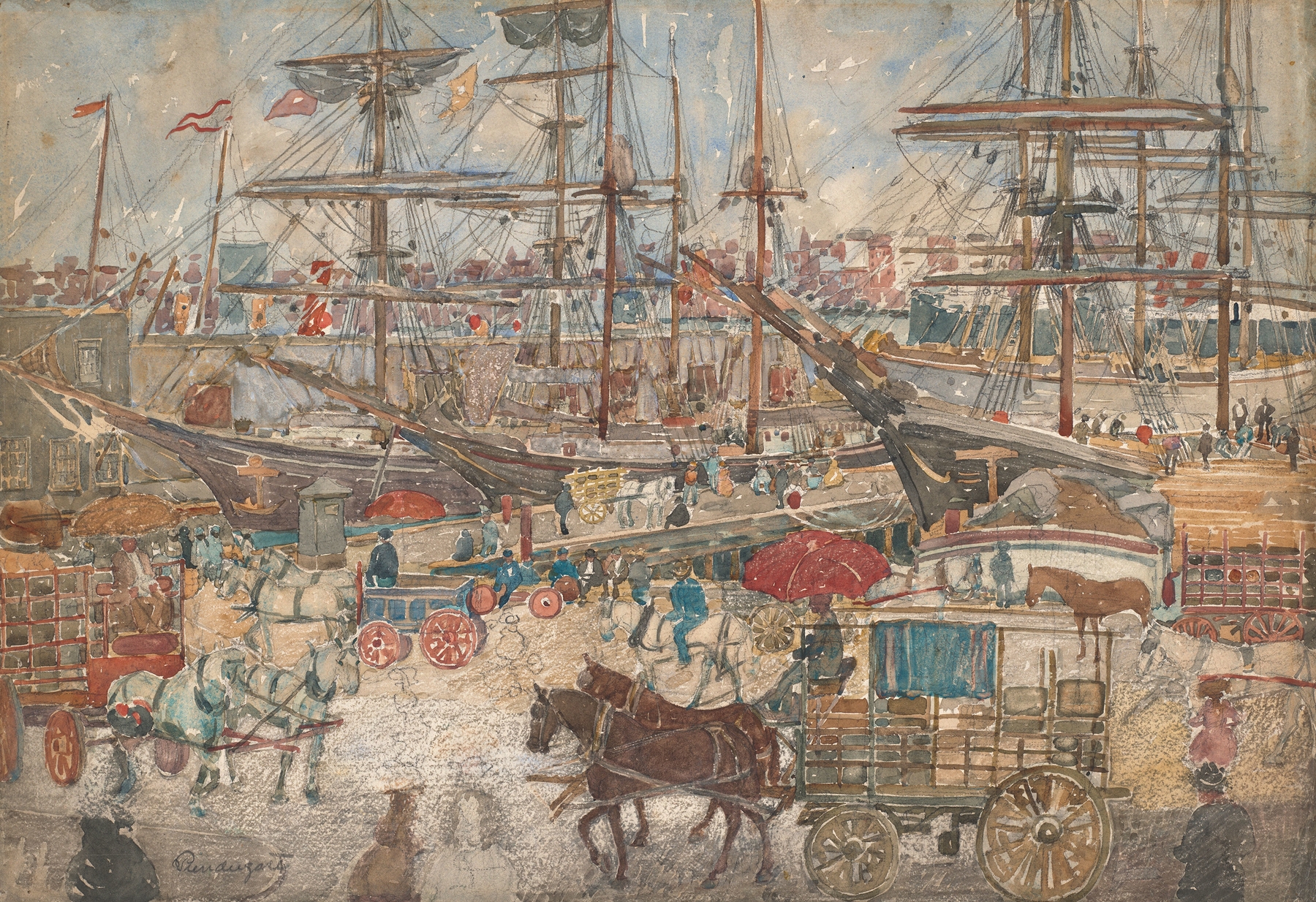
“Every silence here is a confession.” In the vibrant tapestry of existence, moments of joy often veil an underlying melancholy, a complex dance of feelings that whispers beneath the surface. Look to the center of the canvas, where figures in leisurely attire revel under an expansive sky, their leisure contrasting with the muted emotions that linger in the background. The bright hues of the foreground invite you to bask in the warmth of a summer day, while deeper shades near the edges hint at the passage of time, evoking a sense of nostalgia. The fluid brushstrokes create a dreamlike quality, suggesting both movement and stillness, as if the scene is suspended in a fleeting moment of happiness.
Amid this picturesque holiday, subtle contrasts emerge: the carefree laughter of children playing in the foreground juxtaposed with the pensive expressions of adults watching from the edges. One might observe a couple seated apart, their body language revealing a shared silence that speaks volumes—an unspoken distance amidst the backdrop of holiday cheer. The composition invites contemplation, urging viewers to unravel the layers of emotion nestled within this seemingly idyllic scene.
Maurice Prendergast painted this piece between 1910 and 1911, during a period marked by his deep engagement with color and form, as well as the rise of American Impressionism. Living in Boston, he found inspiration in the scenic beauty of New England, capturing the essence of leisure while grappling with the complexities of human relationships within the social fabric of the time. The artwork reflects not only a personal vision but also a moment in art history, where joy and melancholy coexist in vivid harmony.