Holland – Strandkörbe — History & Analysis
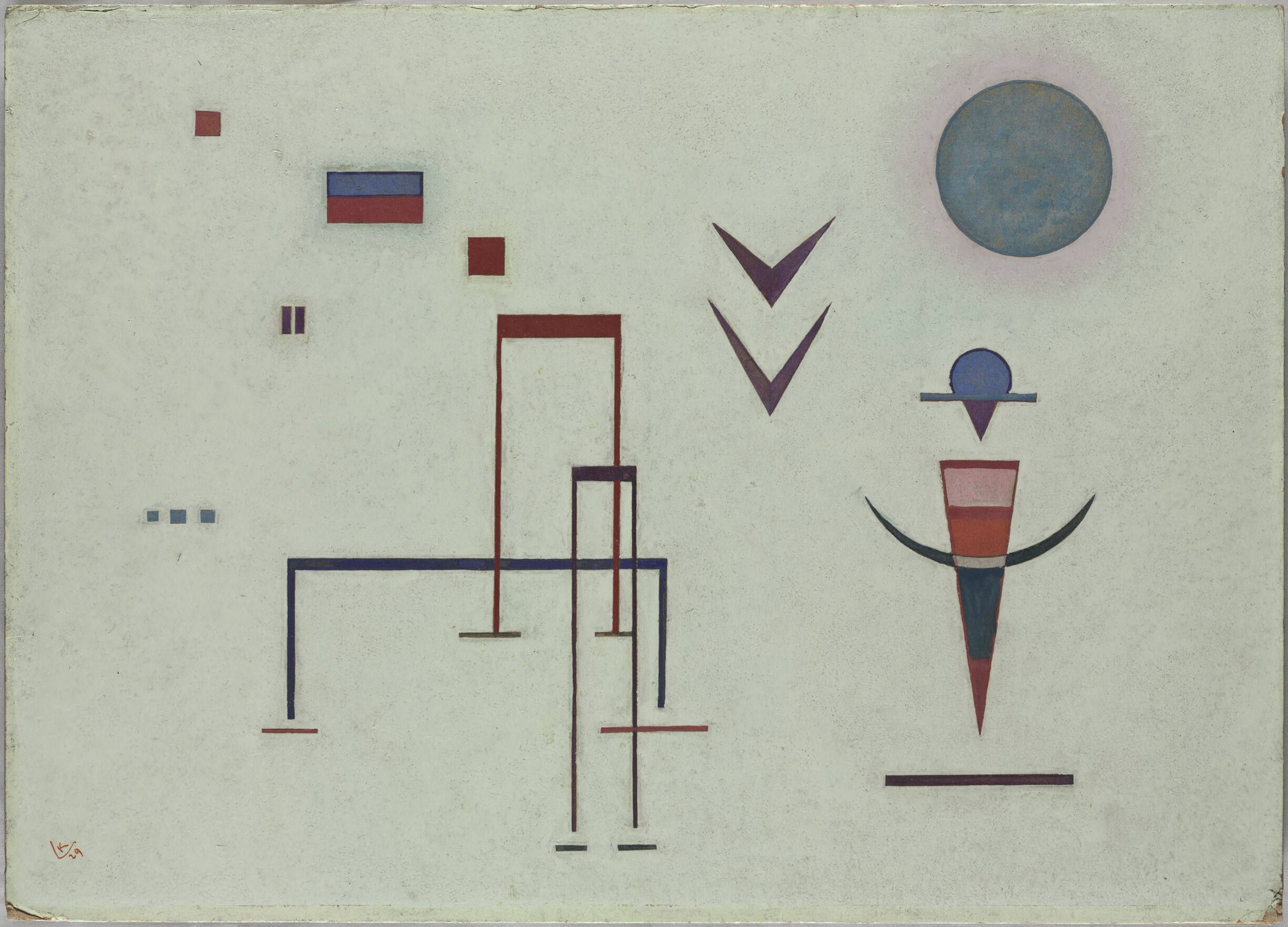
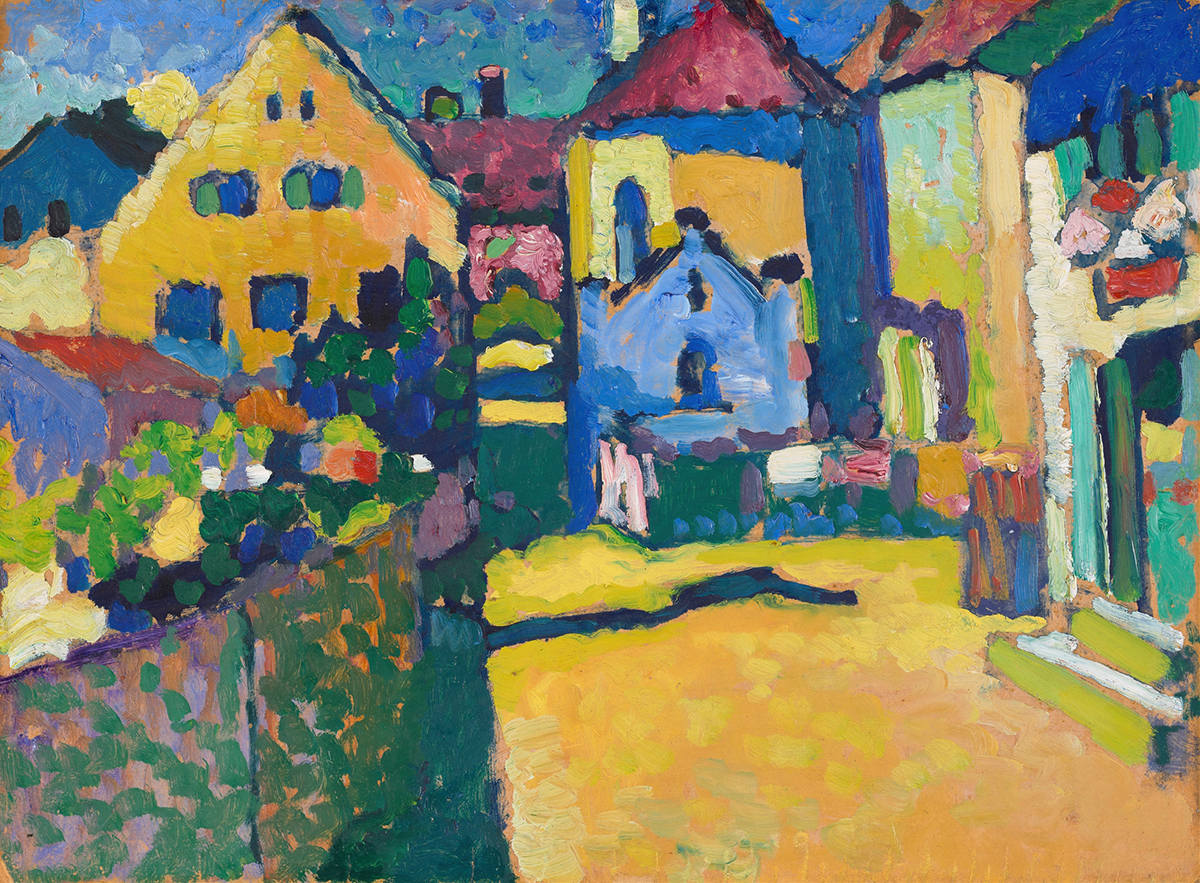
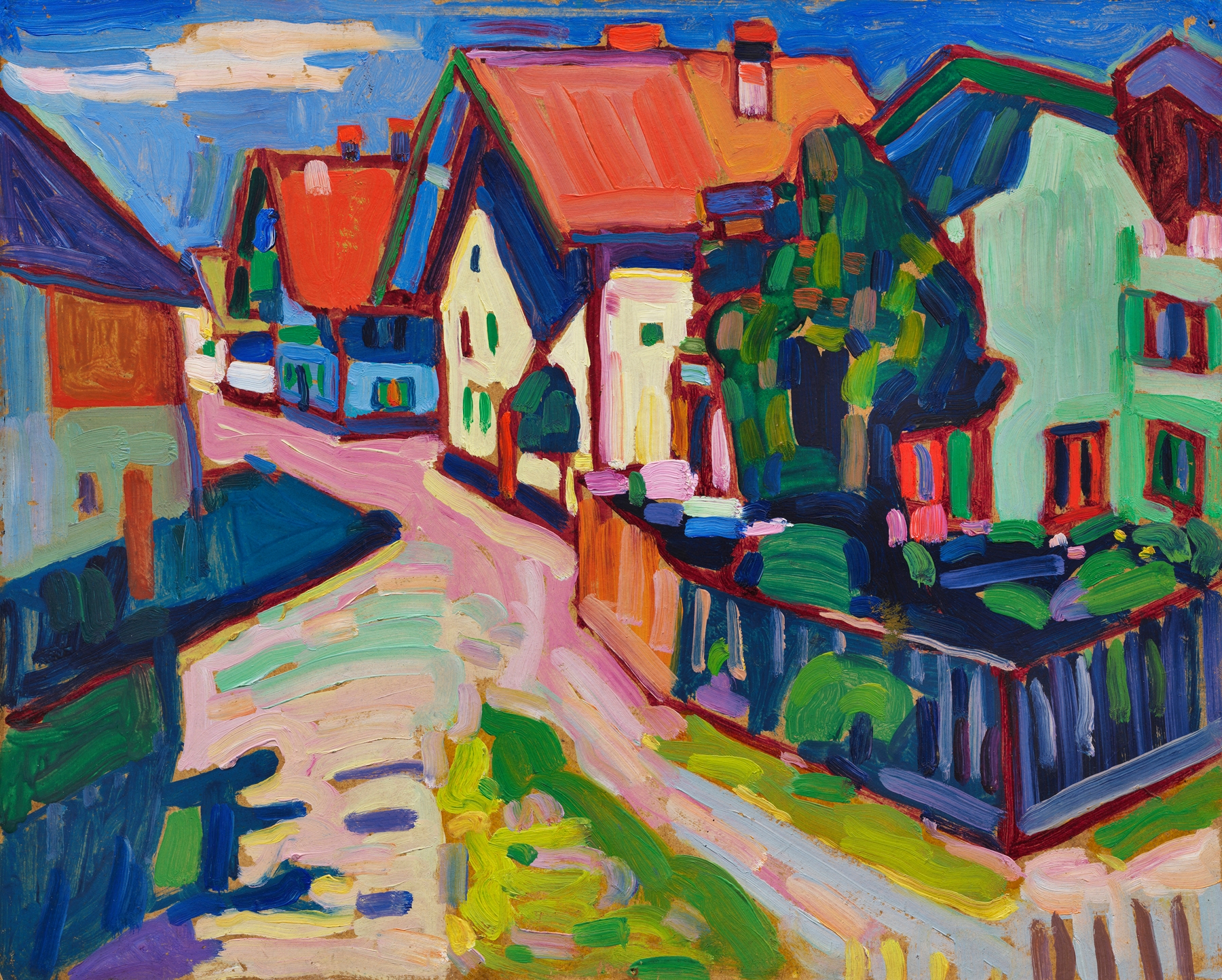
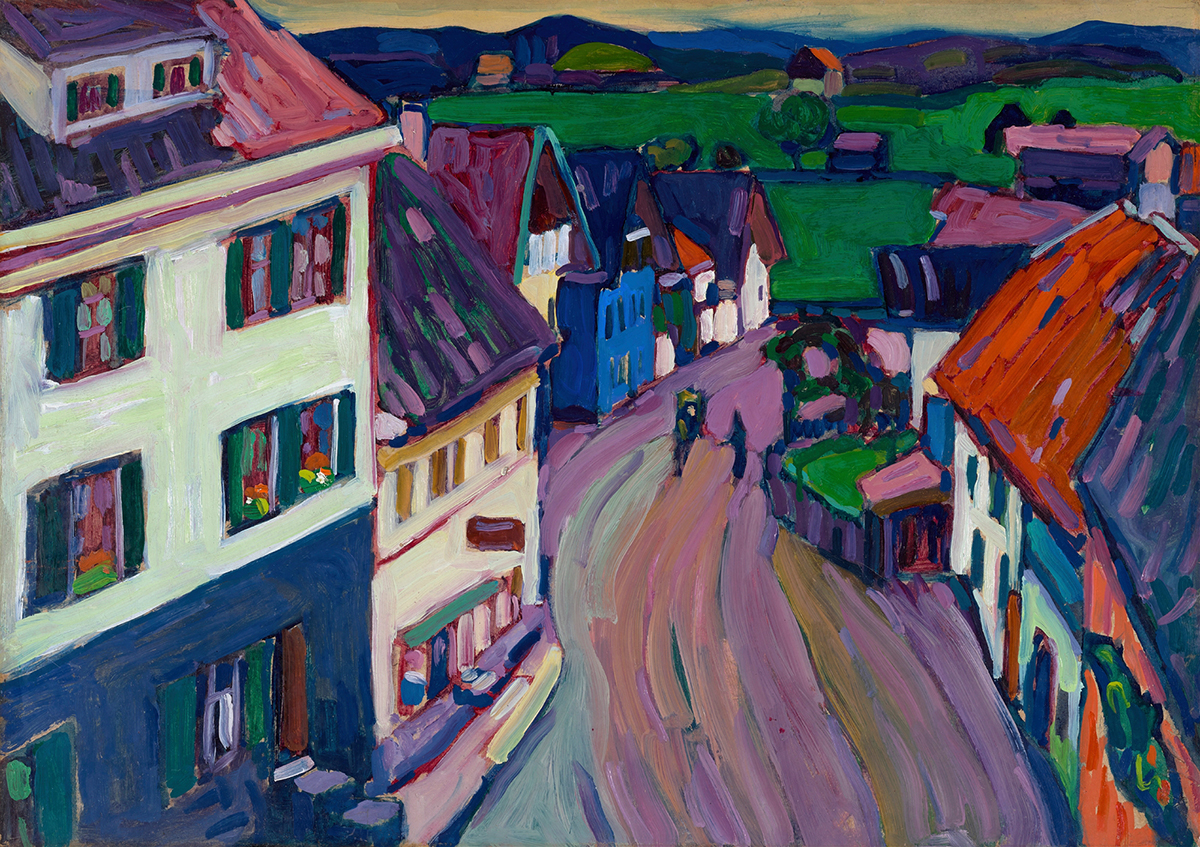
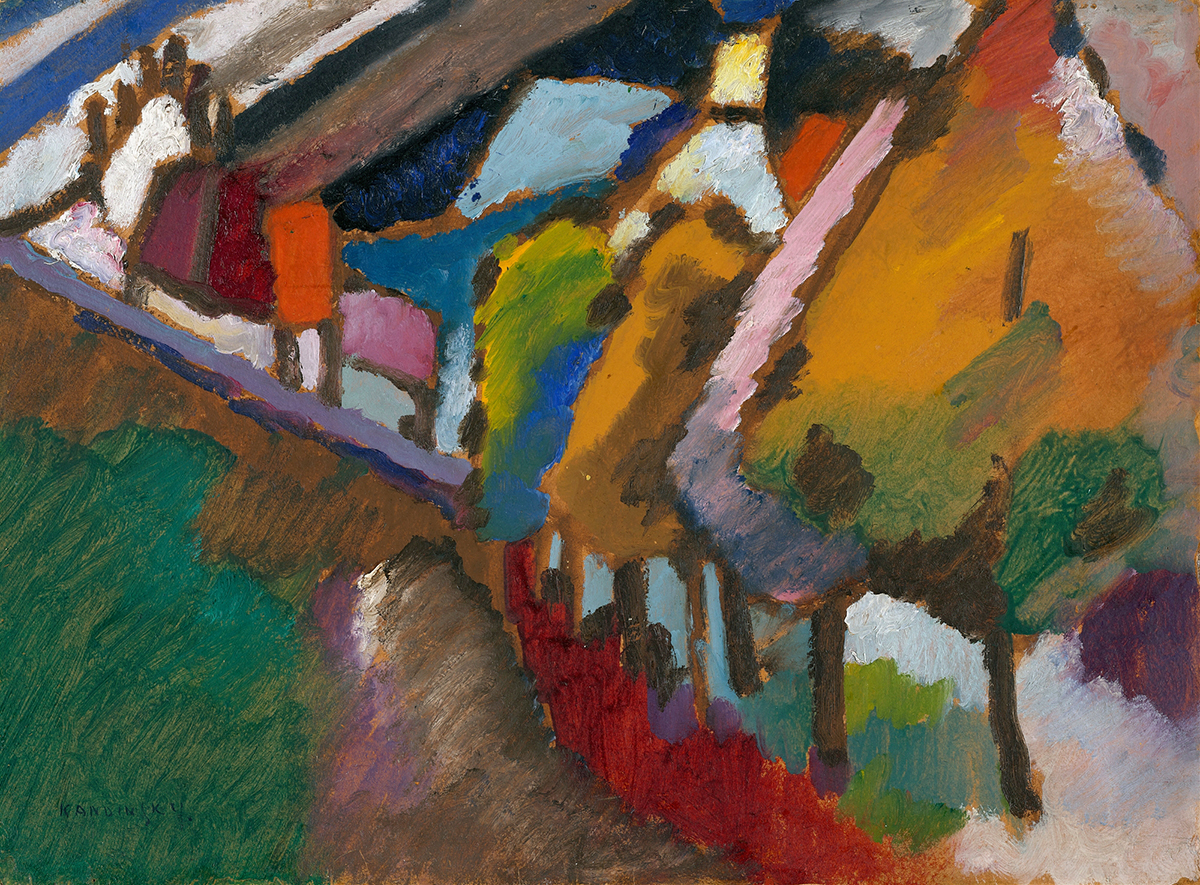
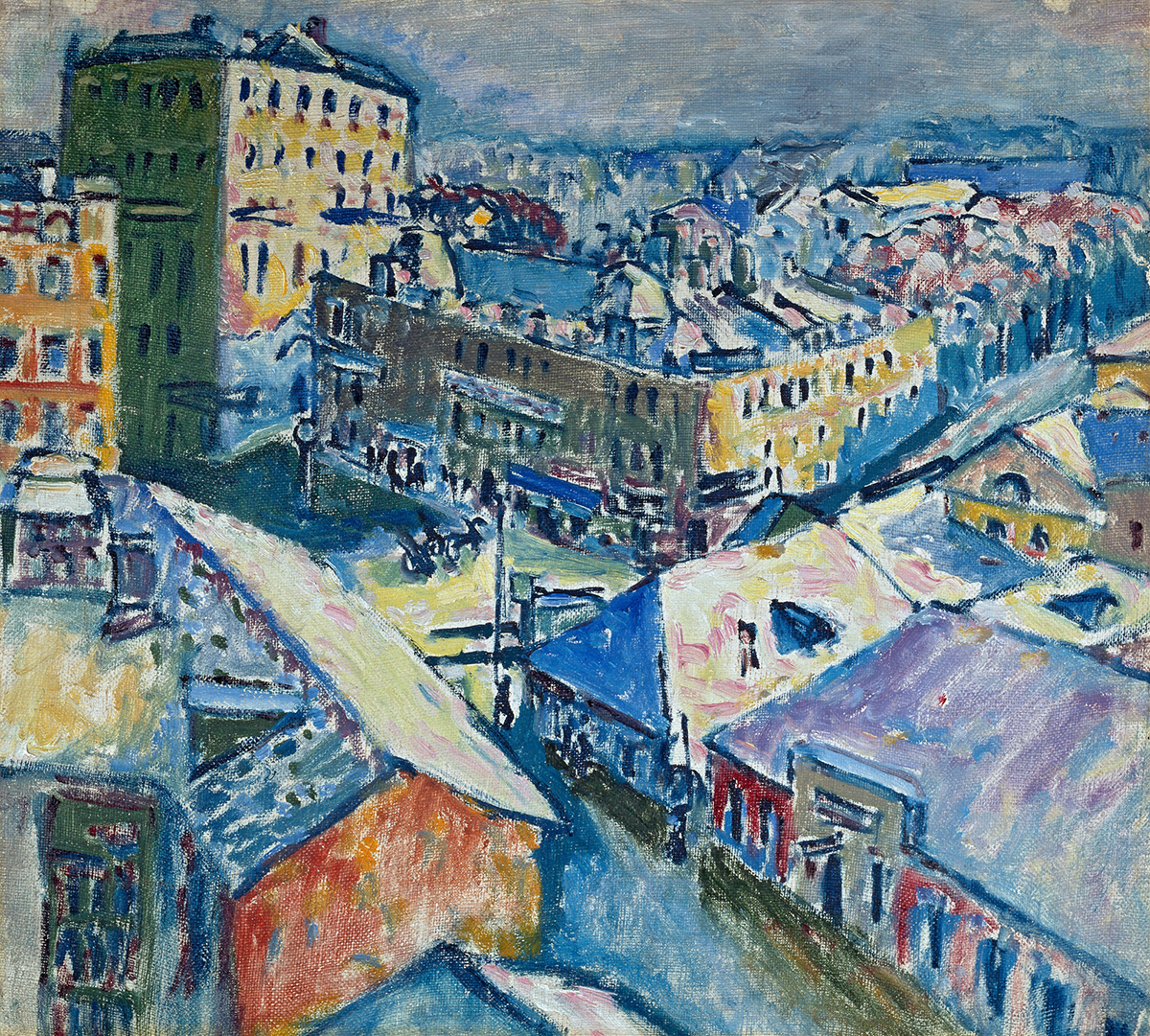
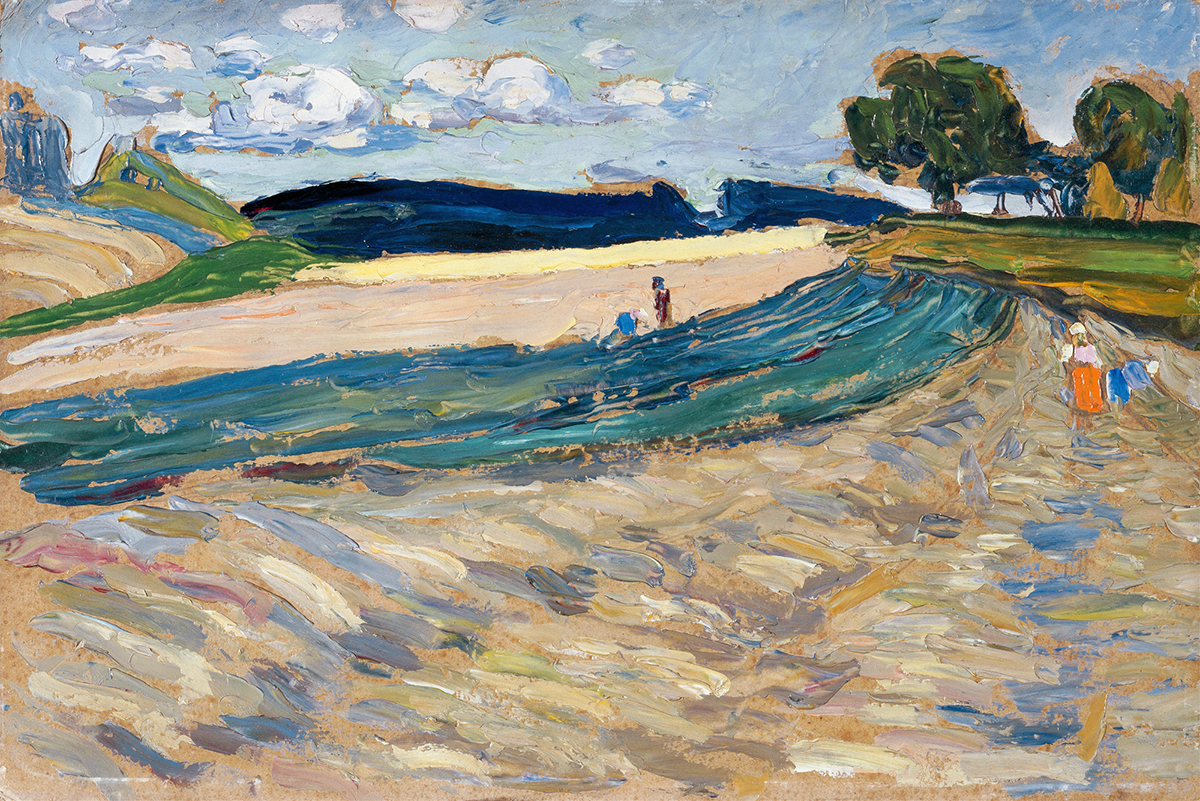
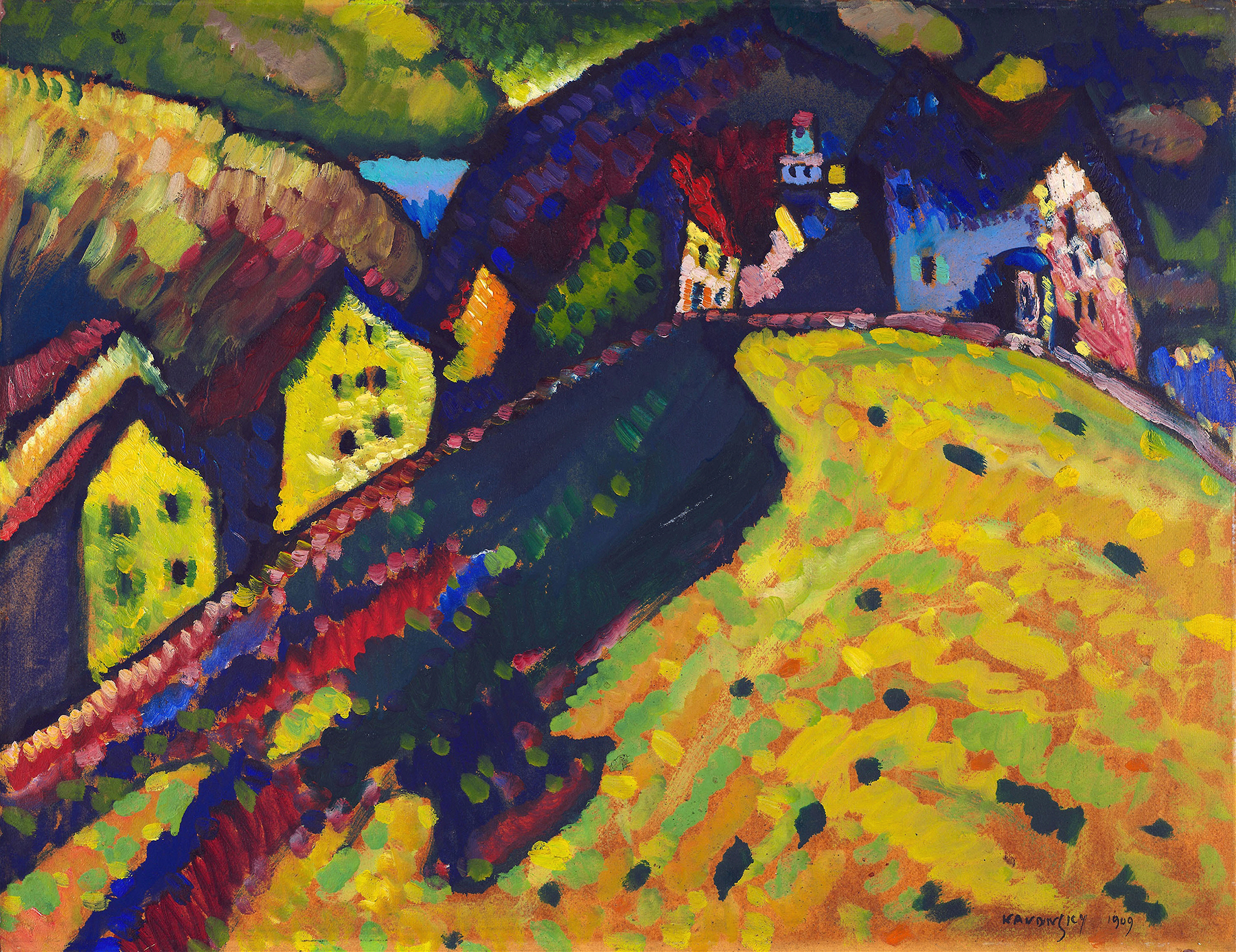
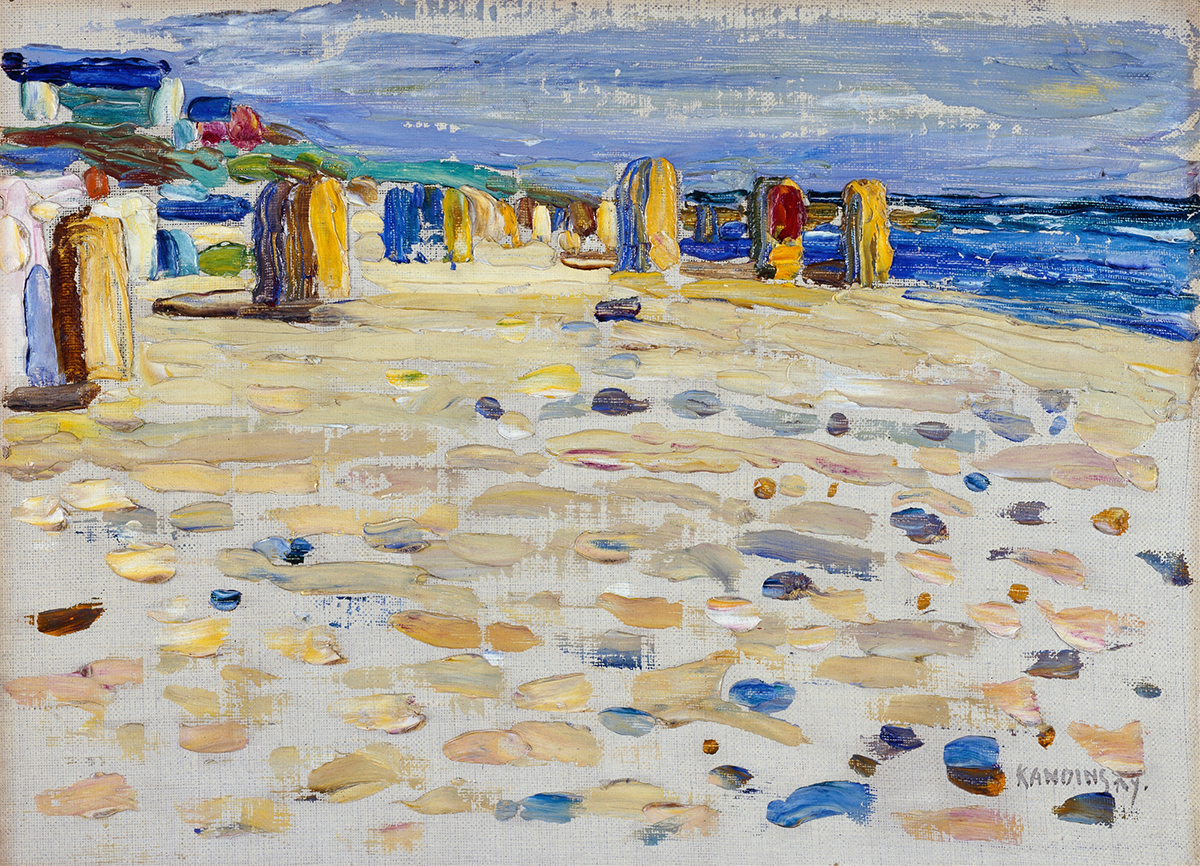
“Every silence here is a confession.” Light permeates the canvas, whispering secrets that only the keenest observer can decode. It dances across vibrant colors, inviting introspection while hinting at the deeper stories that lie within. Look to the center, where bold shapes interlock with radiant hues. Notice how the interplay of yellow and blue forms an almost rhythmic balance, creating an electric tension that pulses throughout the piece.
The brushstrokes are both deliberate and spontaneous, emphasizing a sense of movement within stillness. As the eye travels across the canvas, the viewer is drawn into a world where light becomes a physical presence, wrapping around the forms in a warm embrace. Delve into the contrasts present within the painting: the structured forms juxtaposed against the fluidity of colors. Each strand of light reflects Kandinsky’s exploration of spiritual themes, suggesting a connection between the physical and the metaphysical.
The way the light interacts with the shapes evokes a sense of harmony, yet it simultaneously challenges the viewer to confront the solitude that often accompanies such beauty. Created in 1904, this work emerged during a period when the artist was deeply influenced by his experiences in Munich and the burgeoning avant-garde movements. Straddling the boundary between abstraction and representation, he sought to express the intangible emotions tied to perception and light. This painting captures a transformative moment in art history, as Kandinsky began to break free from the constraints of traditional representation and explore the depths of inner vision.