Hoofd van een vrouw met verschillende vlechten in het haar — History & Analysis
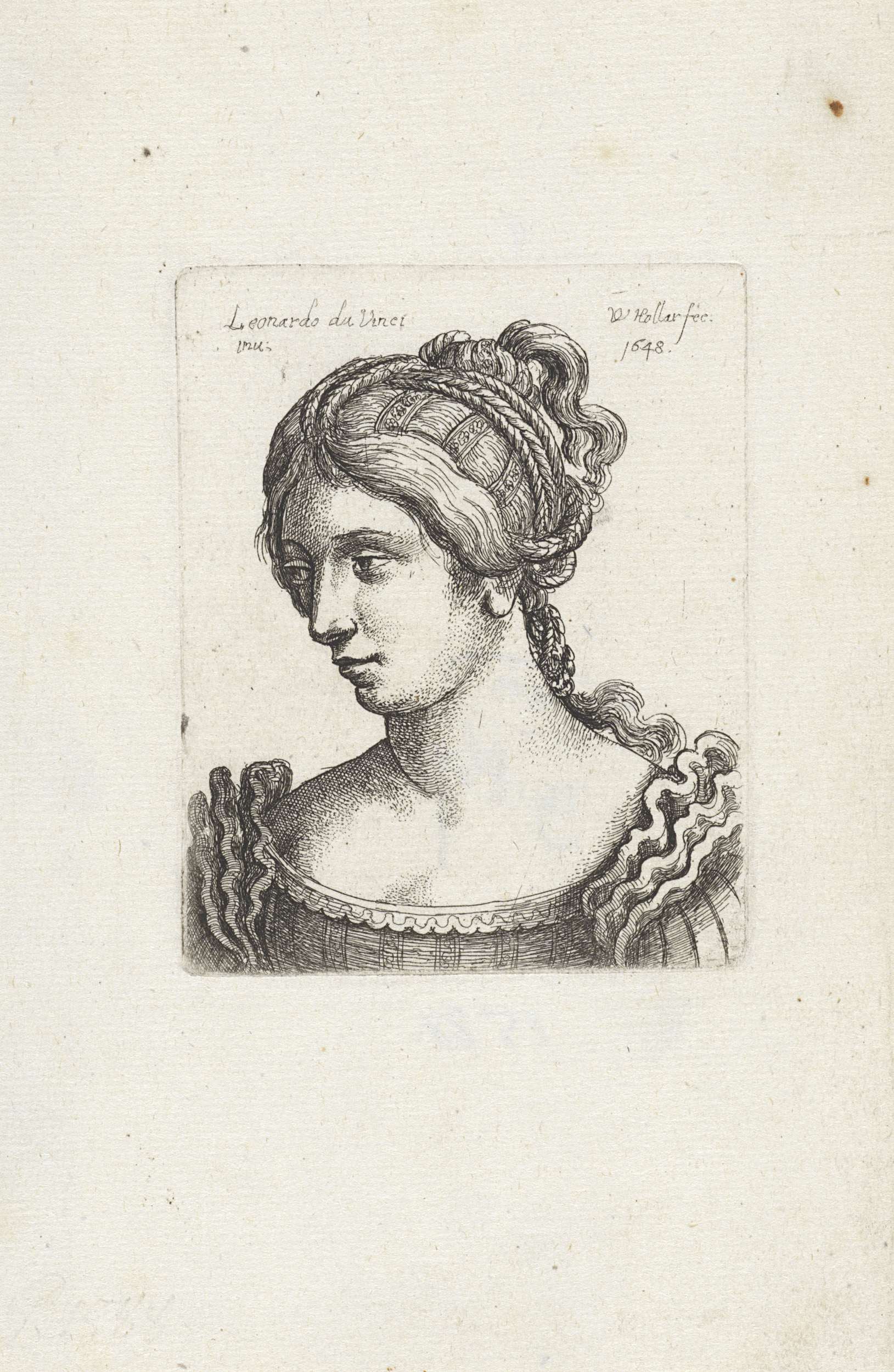
Is this a mirror — or a memory? In *Hoofd van een vrouw met verschillende vlechten in het haar*, Wenceslaus Hollar captures not just a visage but the very essence of legacy itself. The intricate braids, each twist and turn echoing the passage of time, invite contemplation on the layers of identity woven through generations. Focus first on the remarkable detailing of the subject’s hair, where each braid is rendered with meticulous precision. The delicate lines and soft shading create a sense of depth and texture, drawing the viewer's eye into an intimate embrace with the subject. Notice how the light dances along the strands, illuminating the subtle variations in tone, suggesting warmth and life. The simplicity of the composition, framed against a muted background, allows the viewer to engage directly with this singular presence. The emotional tension lies in the woman’s expression — serene yet enigmatic, as if she holds secrets untold. Each braid symbolizes not only beauty but also the stories and experiences it encompasses, weaving a tapestry of memory that transcends time. This portrait speaks to the duality of visibility and obscurity, challenging the viewer to consider what lies beneath the surface of appearances, thus creating a dialogue about personal and collective histories. Created in 1648, during a time of political and religious turmoil in Europe, Hollar’s work reflects a shift towards more personal, introspective themes in art. Living in London after fleeing the Thirty Years’ War, the artist was influenced by the burgeoning Baroque style yet maintained a distinctive approach in his prints and drawings. This piece reveals not just a woman's likeness but a broader exploration of identity amid the complexities of a changing world.