Huis — History & Analysis
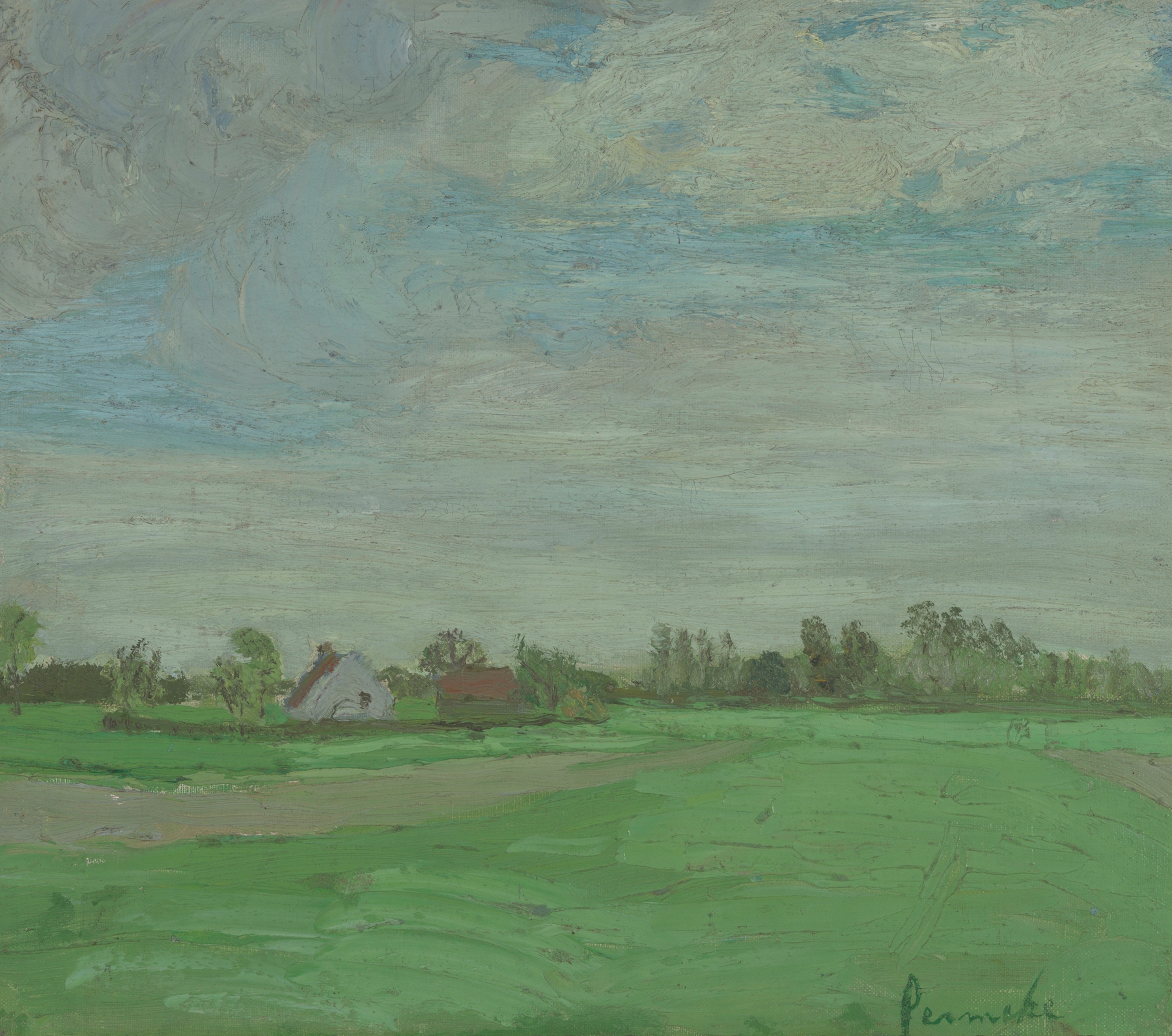
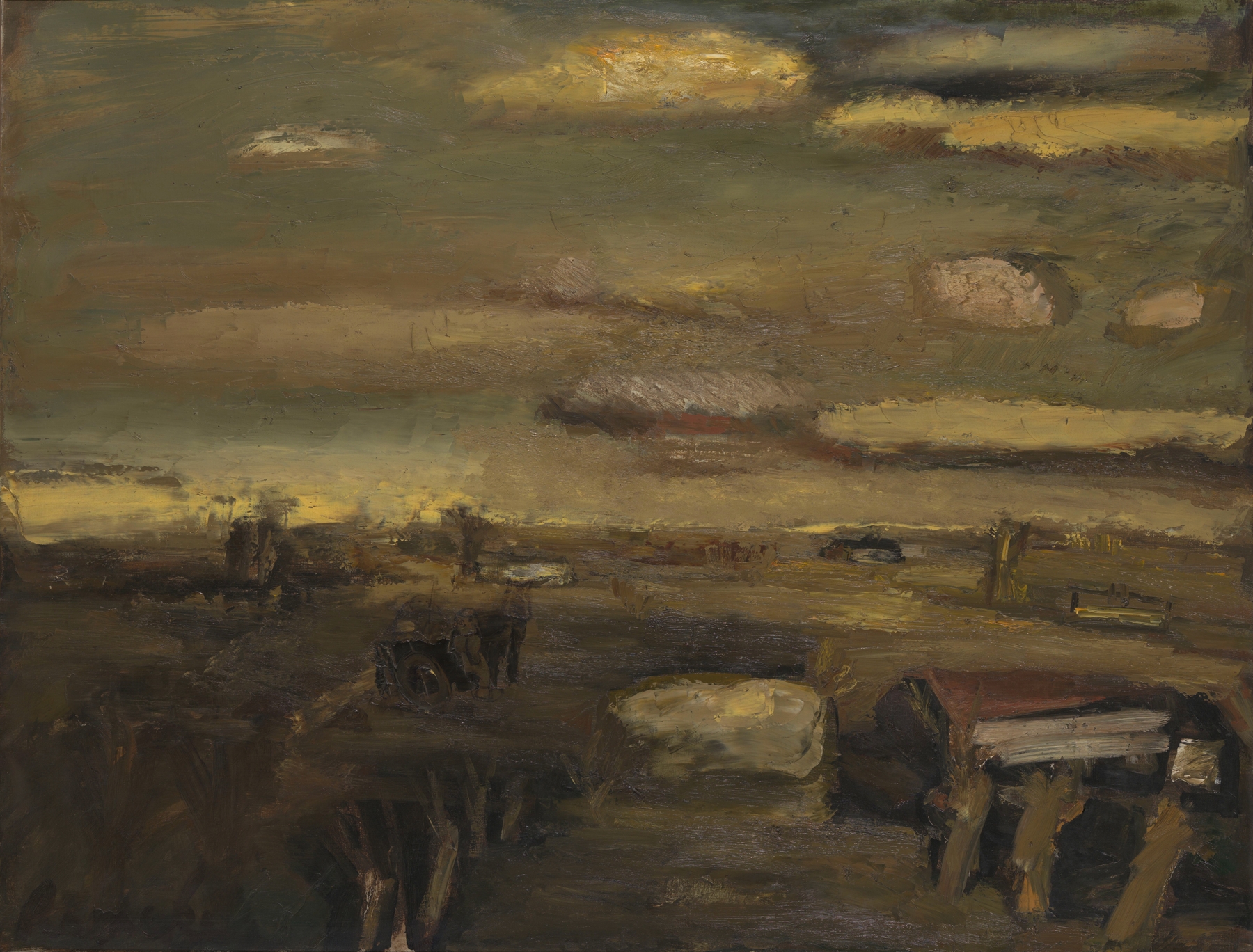
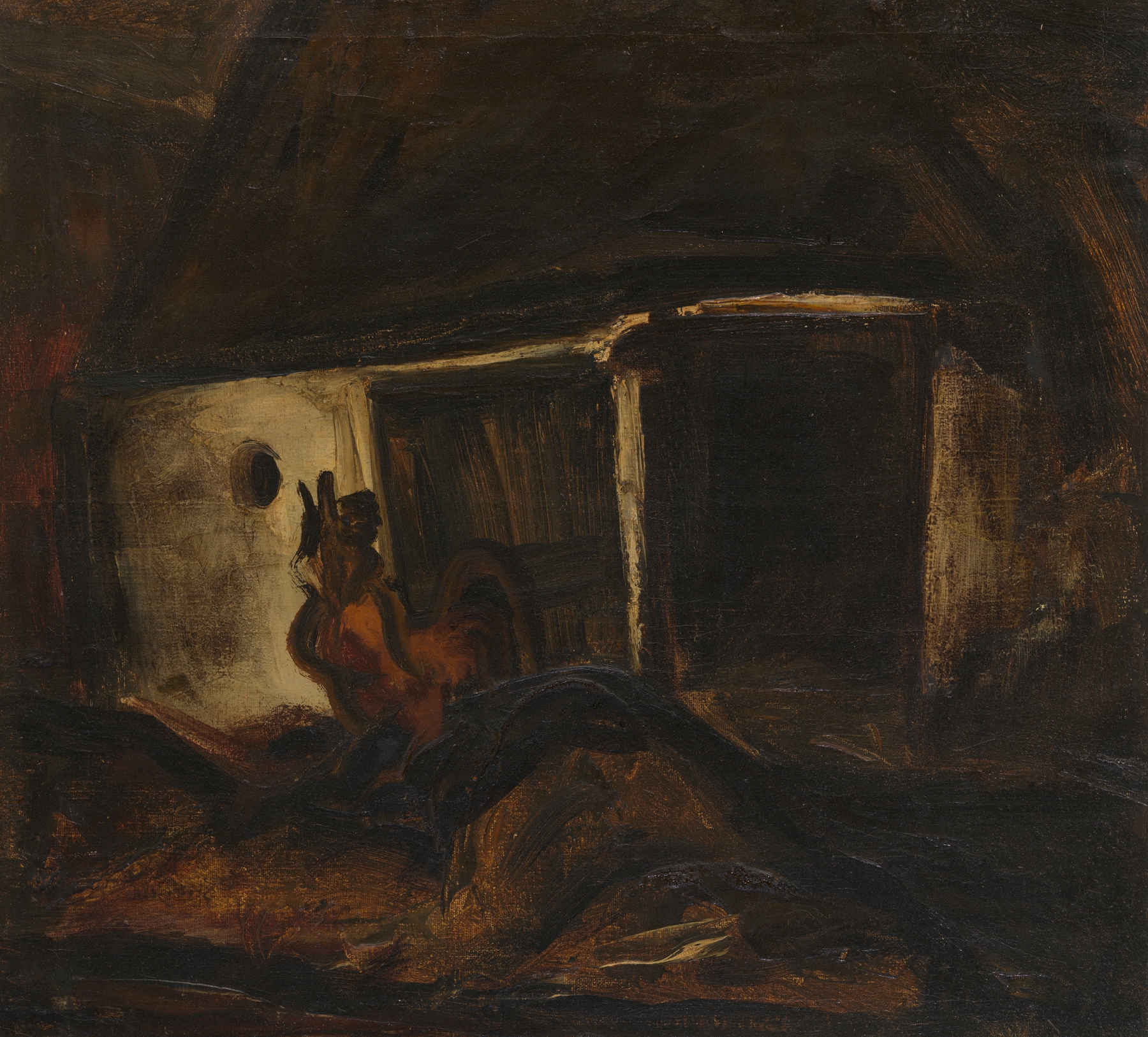
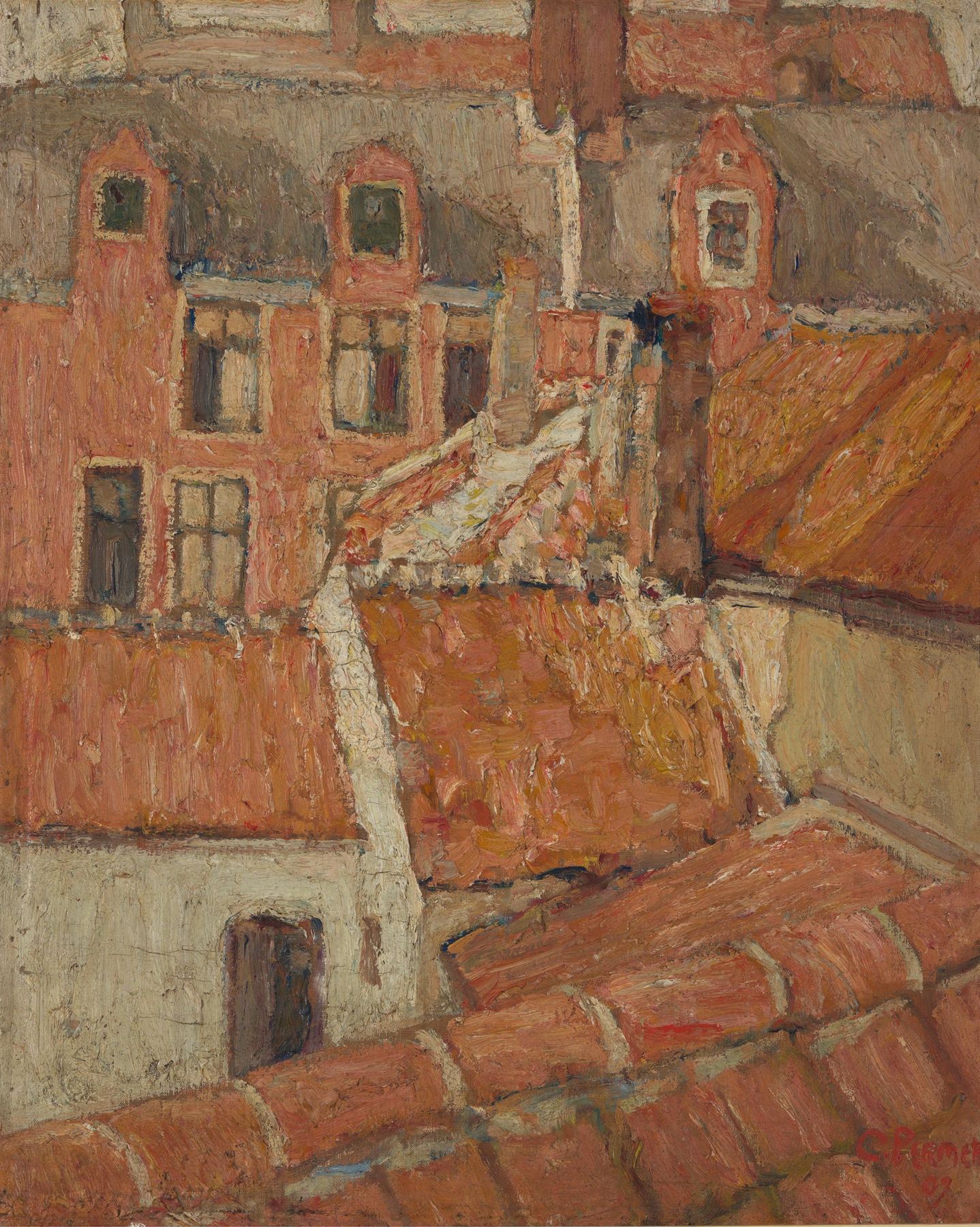
Can paint confess what words never could? In the intimate folds of Huis, Constant Permeke captures an ecstasy of existence, revealing the profound emotions that lie beneath the surface of daily life. Focus on the central structure of the house, its bold, almost sculptural form dominates the canvas. The warm earth tones give it a grounded presence, while the textured brushwork evokes a sense of life, as if the building breathes alongside its inhabitants. Notice how the light dances across the roof, casting shadows that deepen the sense of solitude and introspection.
Look closely at the windows, where soft hints of color suggest an unseen vitality within, inviting the viewer to ponder the stories concealed behind closed doors. This artwork resonates with underlying themes of home, belonging, and the silent joys and struggles of domestic life. The house stands as both a sanctuary and a prison, embodying the duality of human experience. The contrasting warm hues and darker undertones offer a glimpse into the emotional tapestry woven within its walls—tension and comfort intertwine, reflecting the complexities of family and identity.
Each brush stroke acts as a confessional, spilling forth sentiments that resonate with anyone who has known the weight of a home. In 1911, Permeke painted Huis during a period of personal exploration and societal transformation in Belgium. At this time, he was deeply influenced by the expressive styles of his contemporaries, seeking to blend emotion with form. His embrace of rural themes and focus on the human condition stood in stark contrast to the burgeoning modernist movements, marking a significant development in his artistic journey and foreshadowing the impactful legacy he would leave in the realm of expressionism.