Straat bij de Manege — History & Analysis
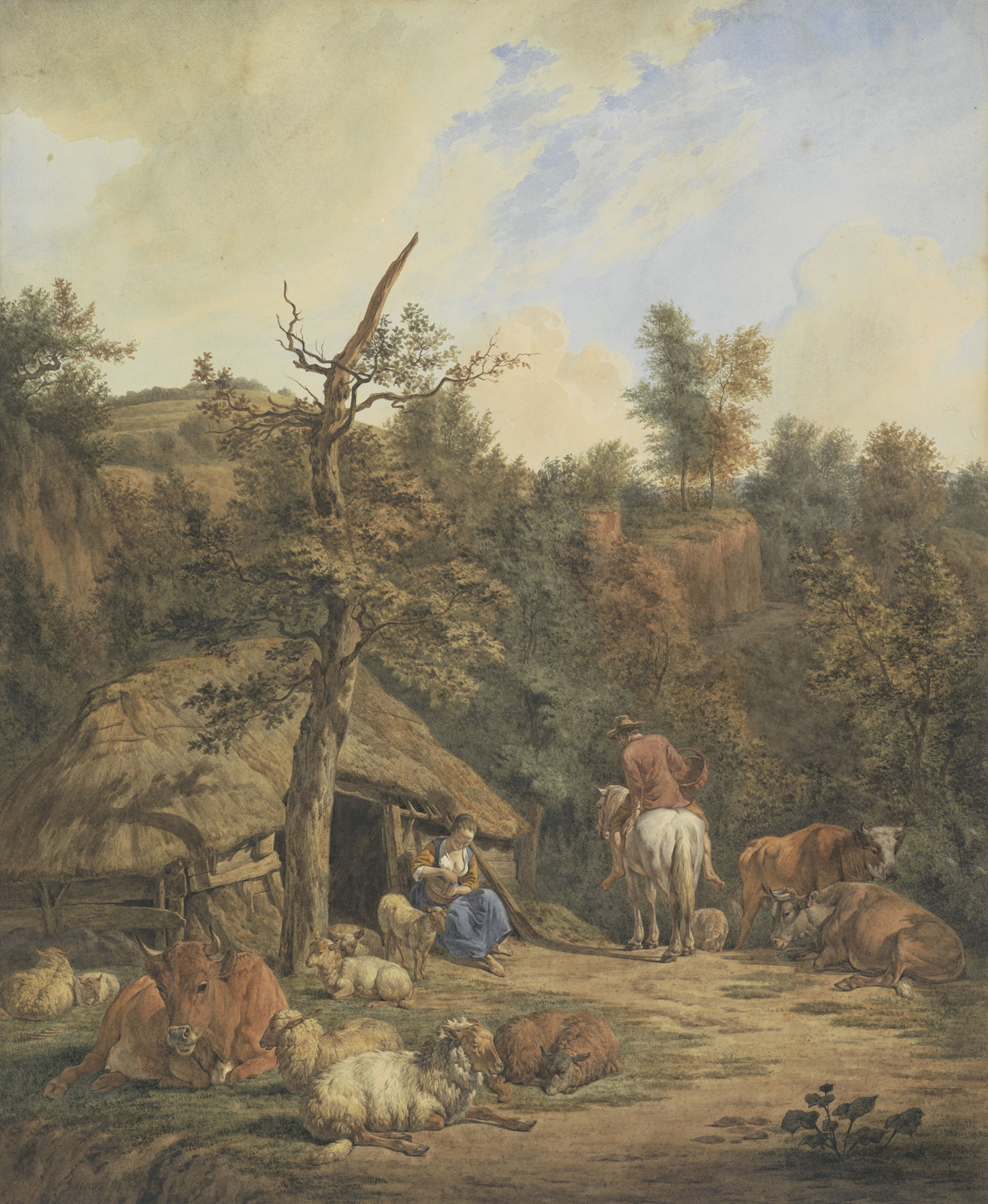
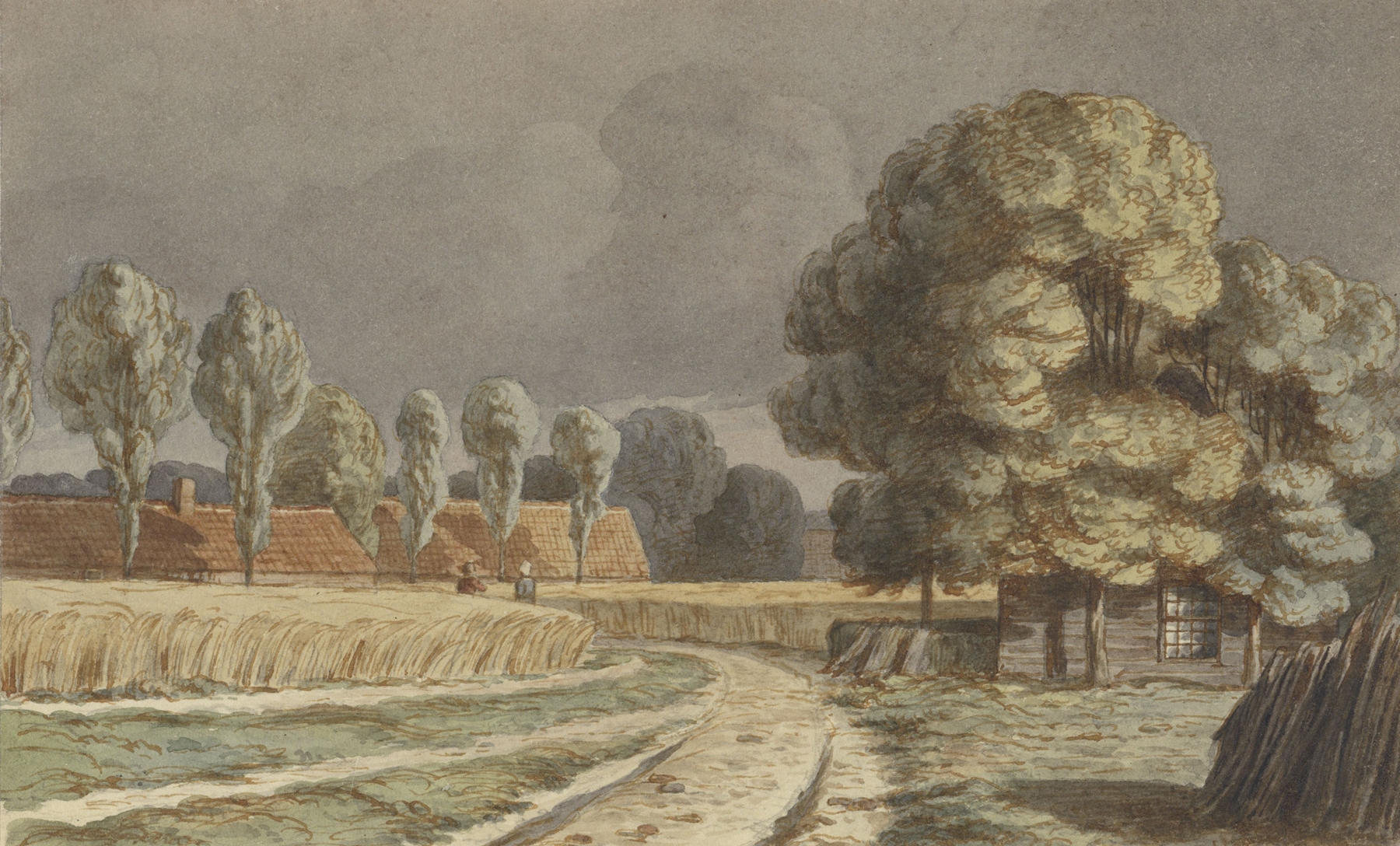
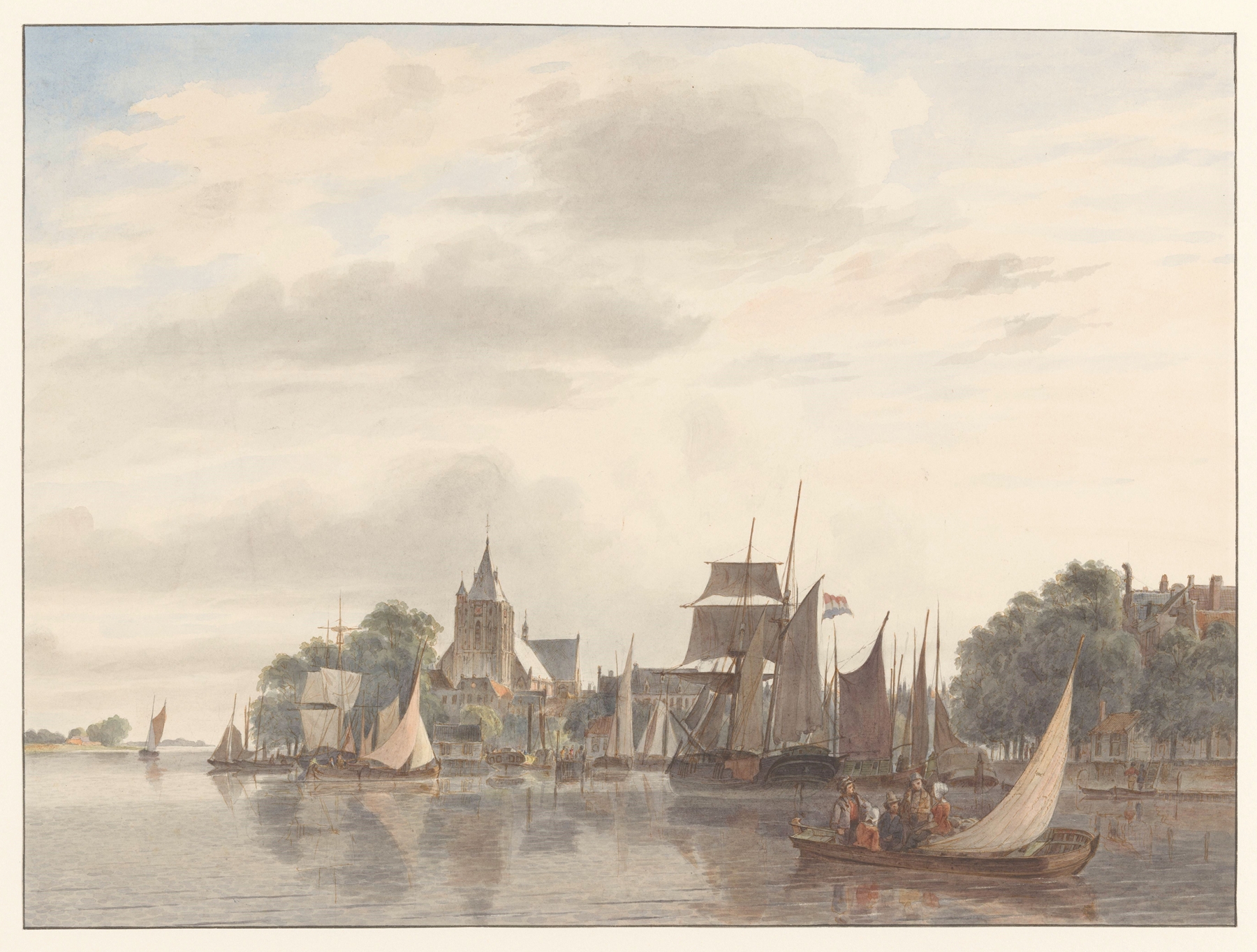
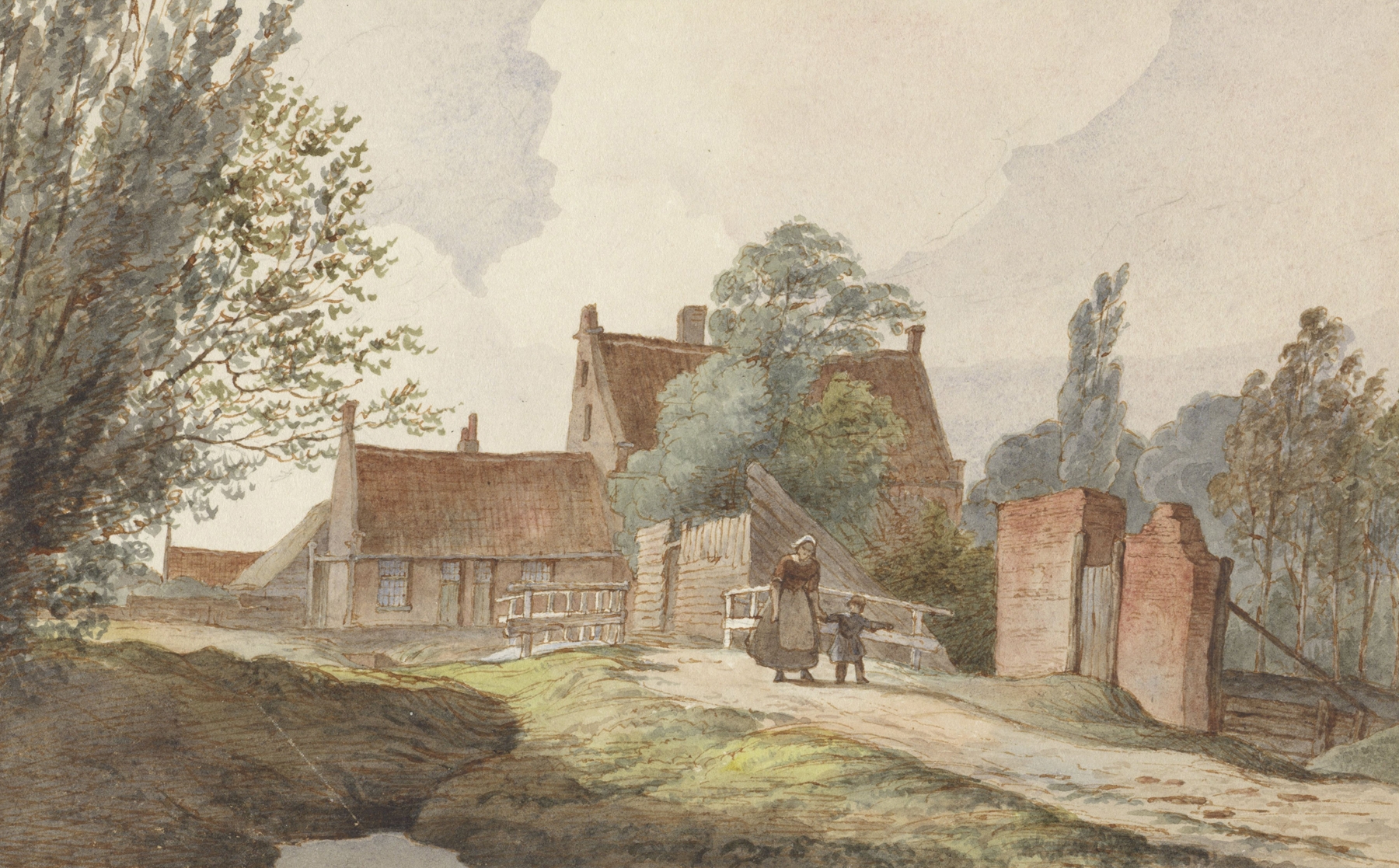
“Art reveals the soul when the world turns away.” In the embrace of color, we often find the truest expression of our emotions, where hues speak louder than words. Look closely at the vibrant strokes that make up the pathway meandering through the scene. Notice how the warm oranges and rich browns dance together to create a lively atmosphere, inviting the viewer to step into this serene moment.
The painter's technique draws the eye towards the textured brushwork of the foliage, melding into the cool greens that frame the warm path, creating a striking contrast between vibrance and calm. As you immerse yourself in the composition, the interplay of light and shadow suggests not just the passage of time, but an exploration of life’s transitions. The quiet presence of horse-drawn carts hints at the mundane yet essential rituals of daily existence, while the figures in the distance evoke a sense of community and connection.
This scene encapsulates the harmony between nature and human activity, illustrating the profound joy found in simple moments. Created during the early 19th century in the Netherlands, the work emerged as Hendrik Abraham Klinkhamer navigated a world rich with changing artistic sensibilities and burgeoning Romanticism. This period was marked by a growing appreciation for landscape painting, and Klinkhamer's choice of vibrant color reflects both personal expression and the broader movements within art, capturing the essence of a time dedicated to the beauty of the everyday.