Hunting Scene: The Meet — History & Analysis
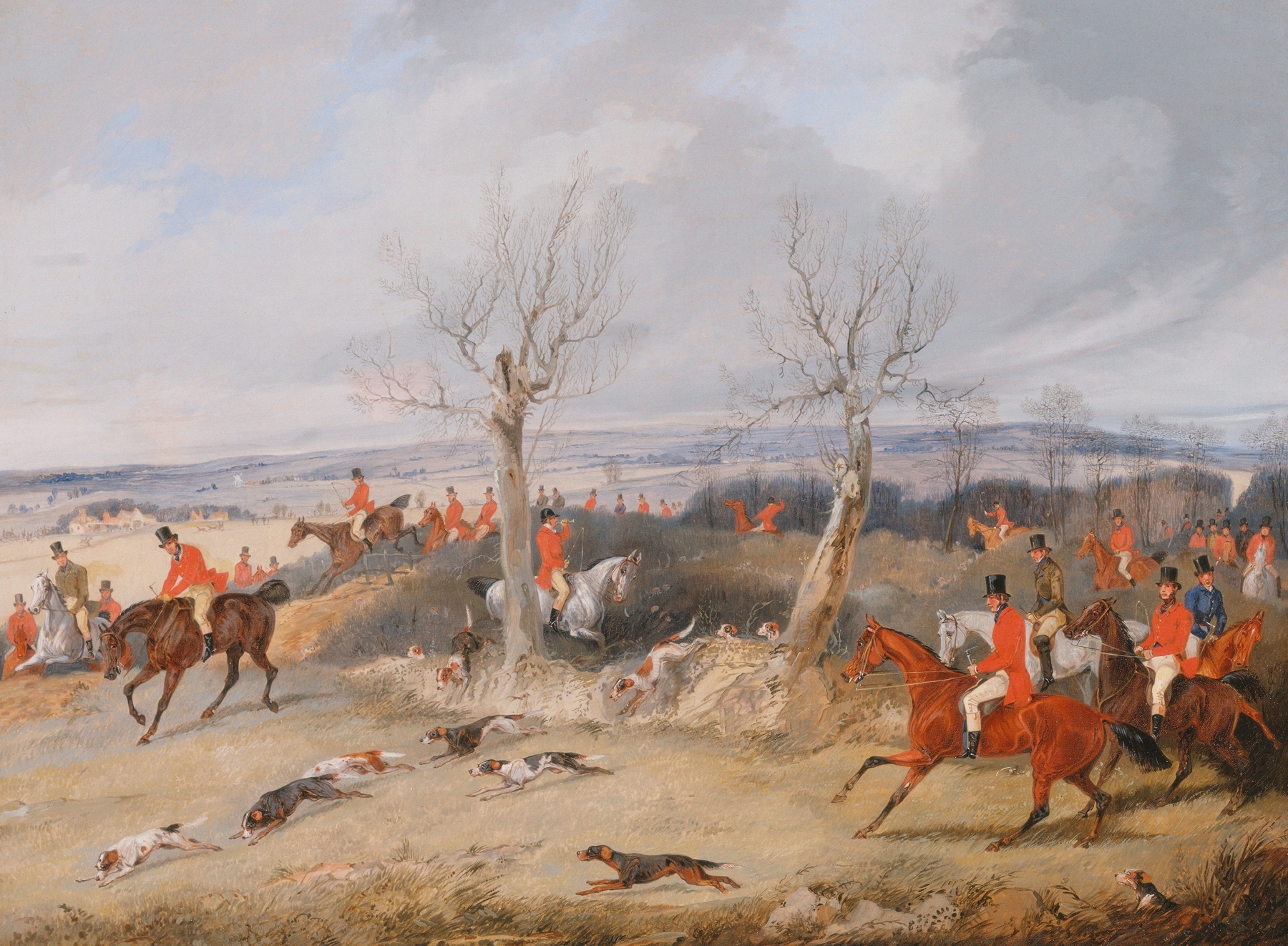
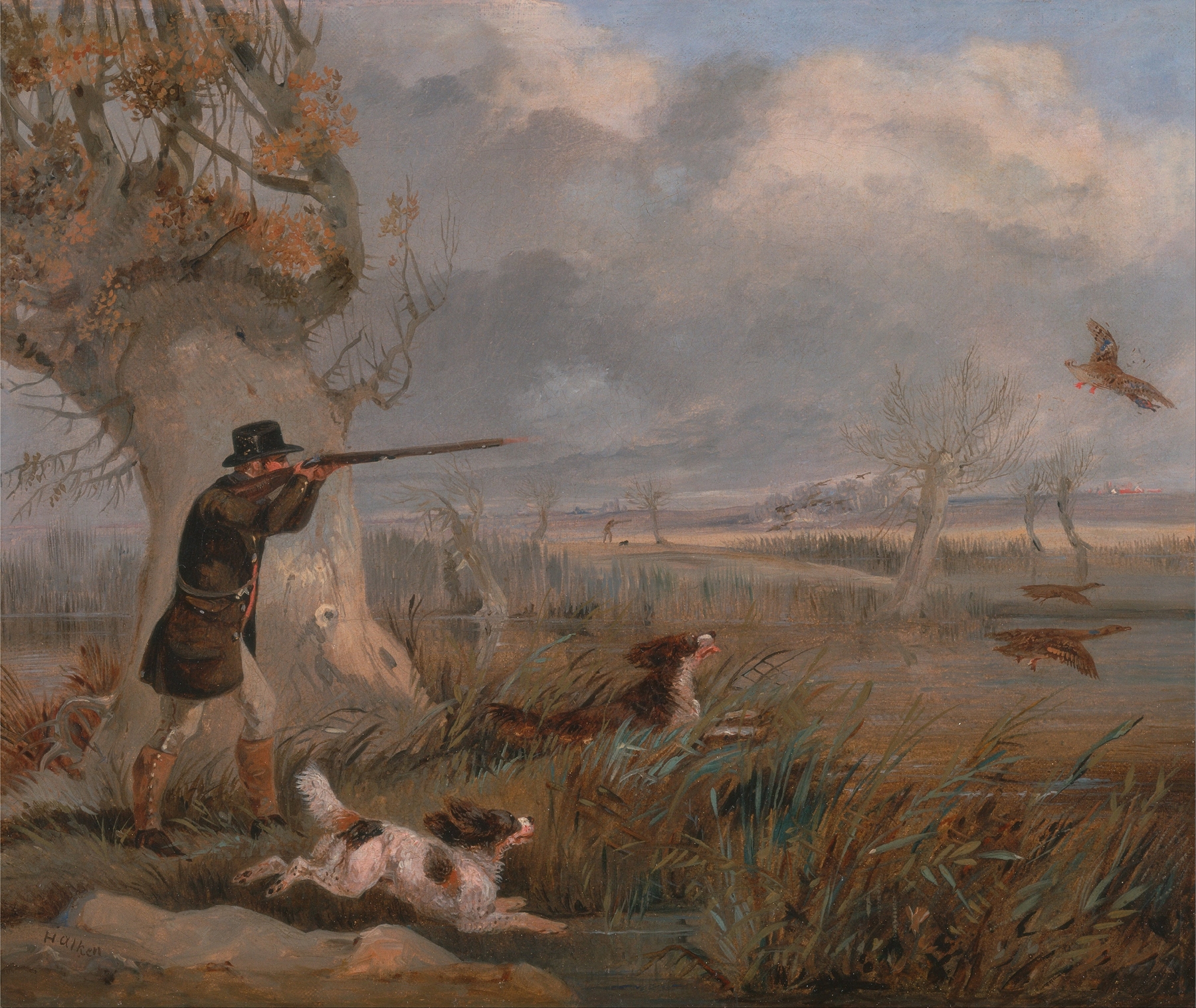
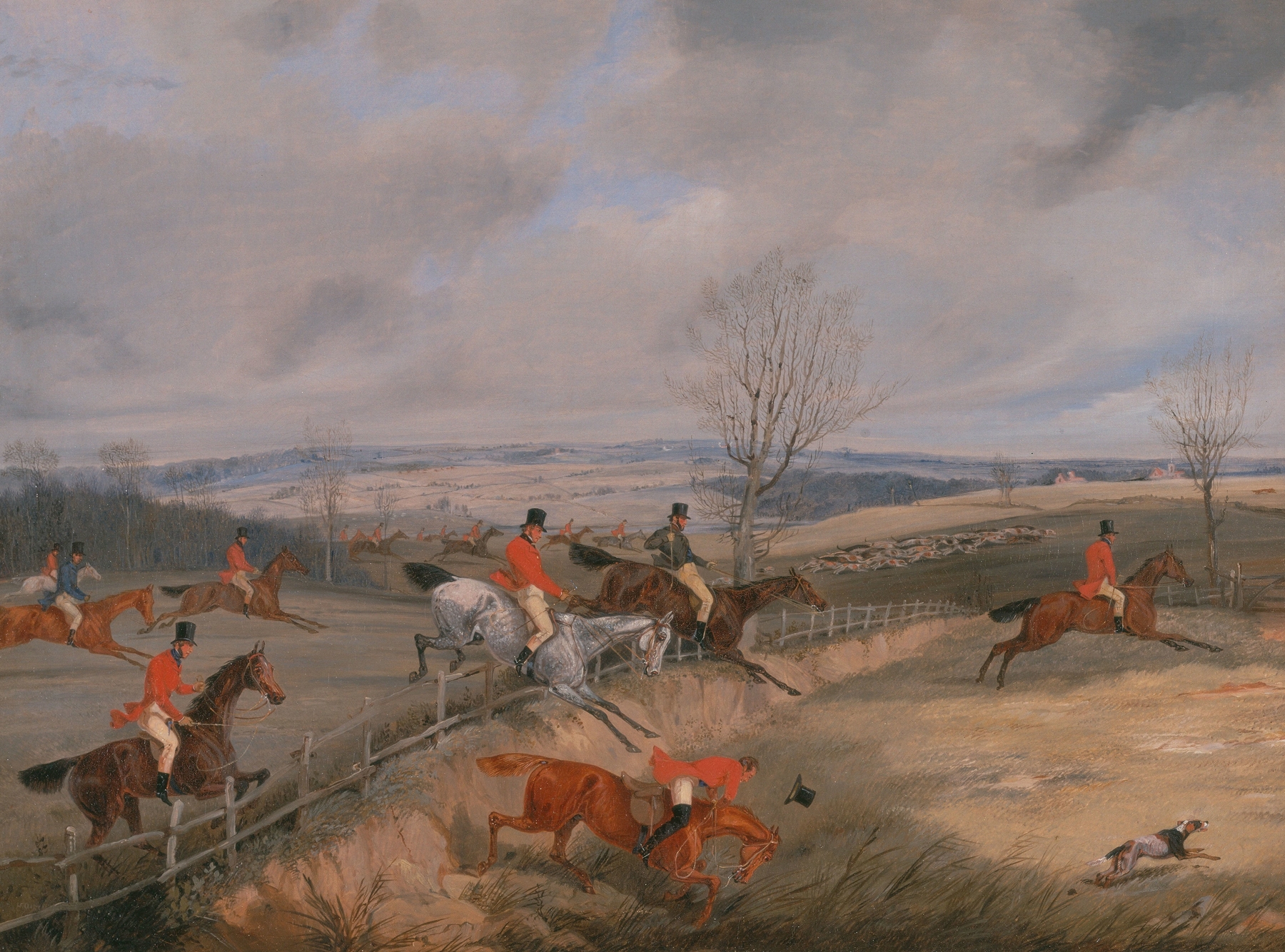
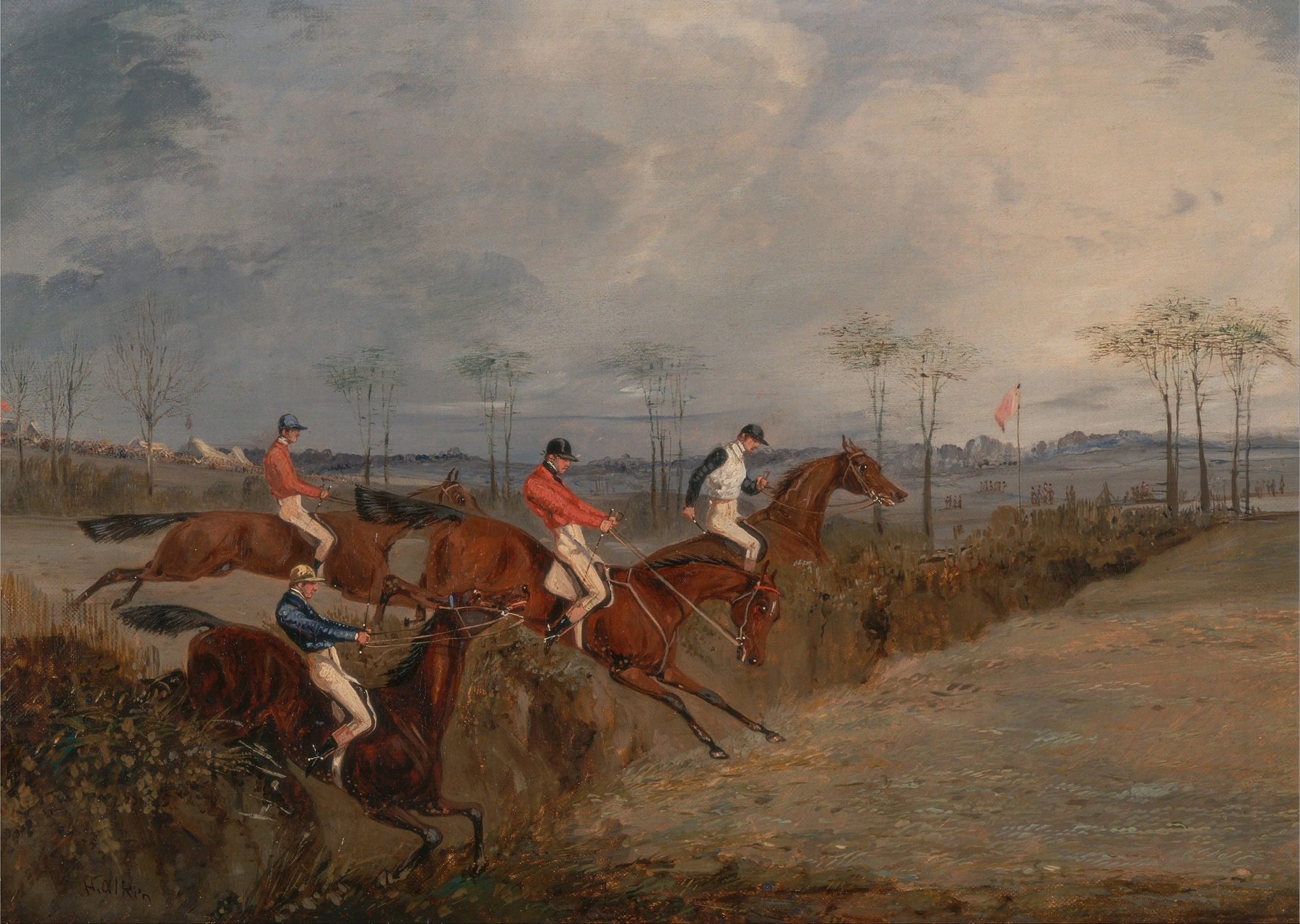
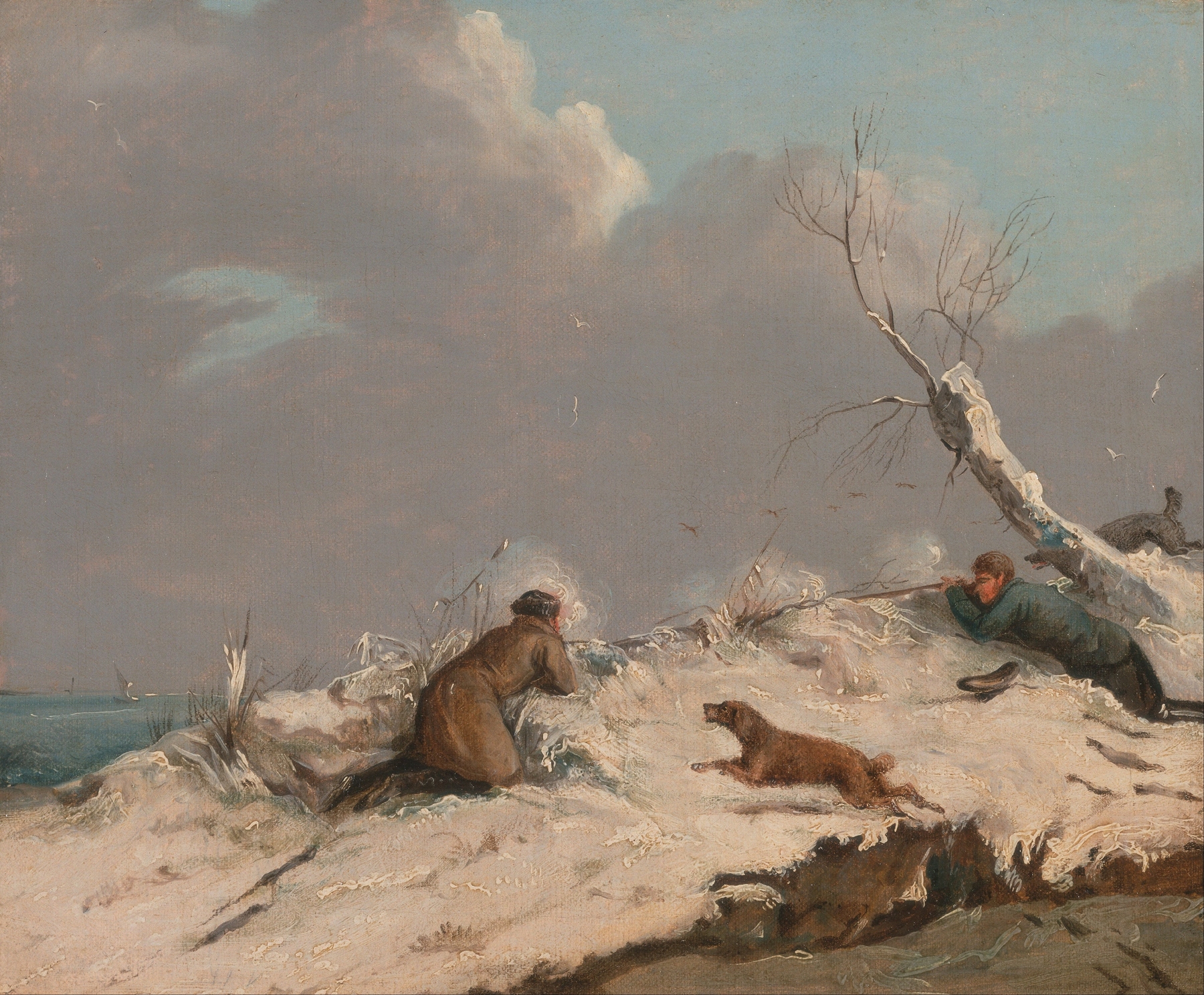
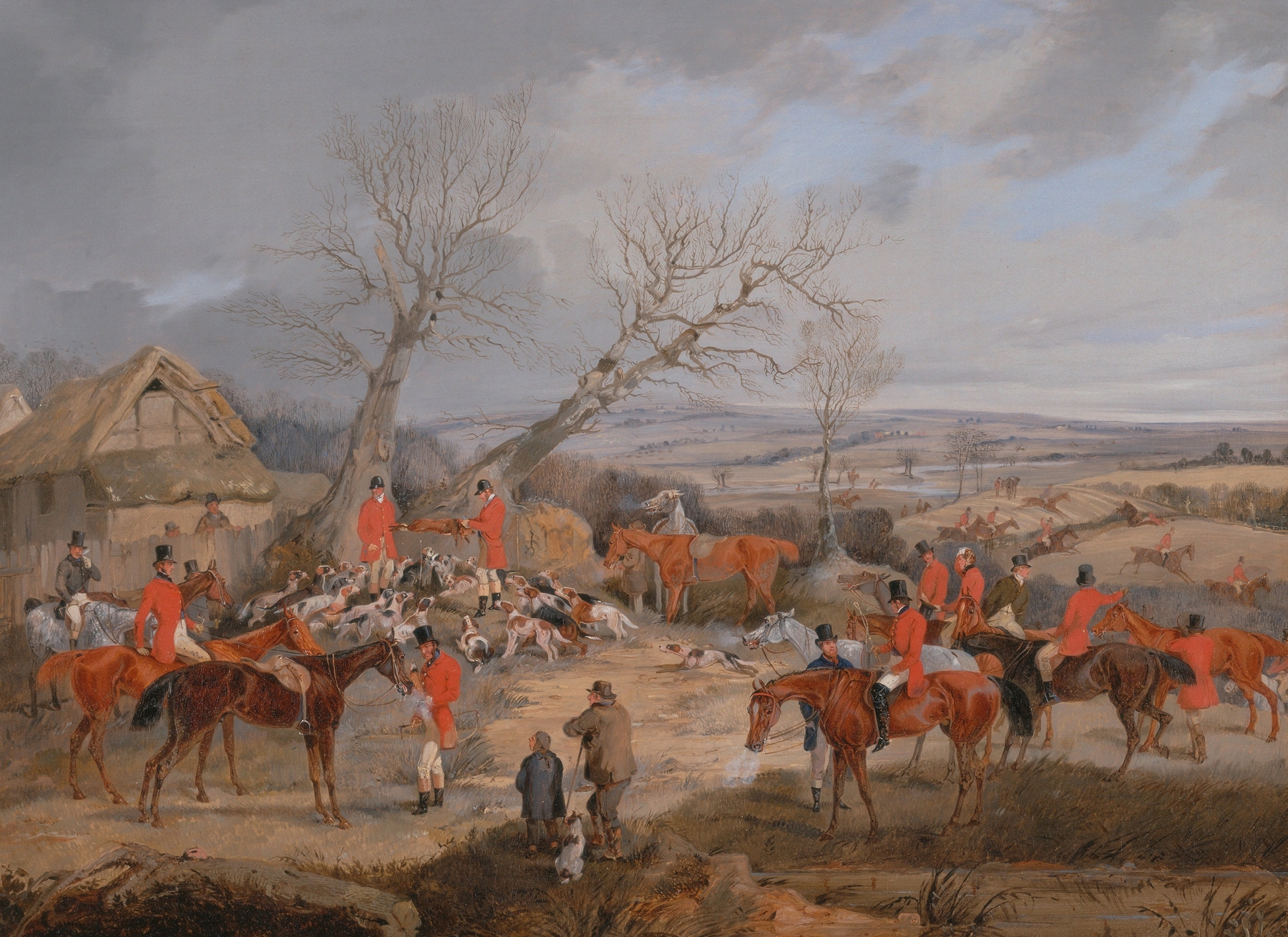
Is this a mirror — or a memory? The hunting scene unfolds with an exhilarating tension, where excitement and chaos intertwine in the midst of nature's wild embrace. Look to the center, where hunters and hounds converge, their forms fluid and charged with energy. The vibrant greens and browns echo the forest's life, while swift strokes capture the fleeting essence of movement. Notice how the sunlight dapples through the trees, casting patches of light on the hunters’ faces, illuminating expressions that oscillate between elation and frenzy.
It’s a composition that draws the eye into the heart of action — the dogs lunging forward with spirited determination, and riders poised for the next moment of instinctive thrill. Delve deeper into the painting, and you'll discover an unsettling contrast between civilization and the wild. The opulence of the riders' attire suggests status, yet their focus on the hunt reveals a frenetic desire to conquer nature, slipping toward madness. The hounds, untamed and wild, become symbols of instinctual freedom, juxtaposing human control with the chaos of the chase.
Each detail, from the flaring nostrils of the dogs to the taut reins held in eager hands, speaks to an inner conflict — a struggle against the primal allure of the hunt. In 1840, Henry Thomas Alken painted this piece during a time when hunting was not just a sport but a societal spectacle in England. His works often reflected the thrill of the hunt, capturing the social elite's obsession with the hunt as a means of demonstrating prowess and power. Amidst the shifting tides of Romanticism and burgeoning realism, Alken found his niche, wielding his brush to both celebrate and critique the world he inhabited.