Ibsamboul — History & Analysis
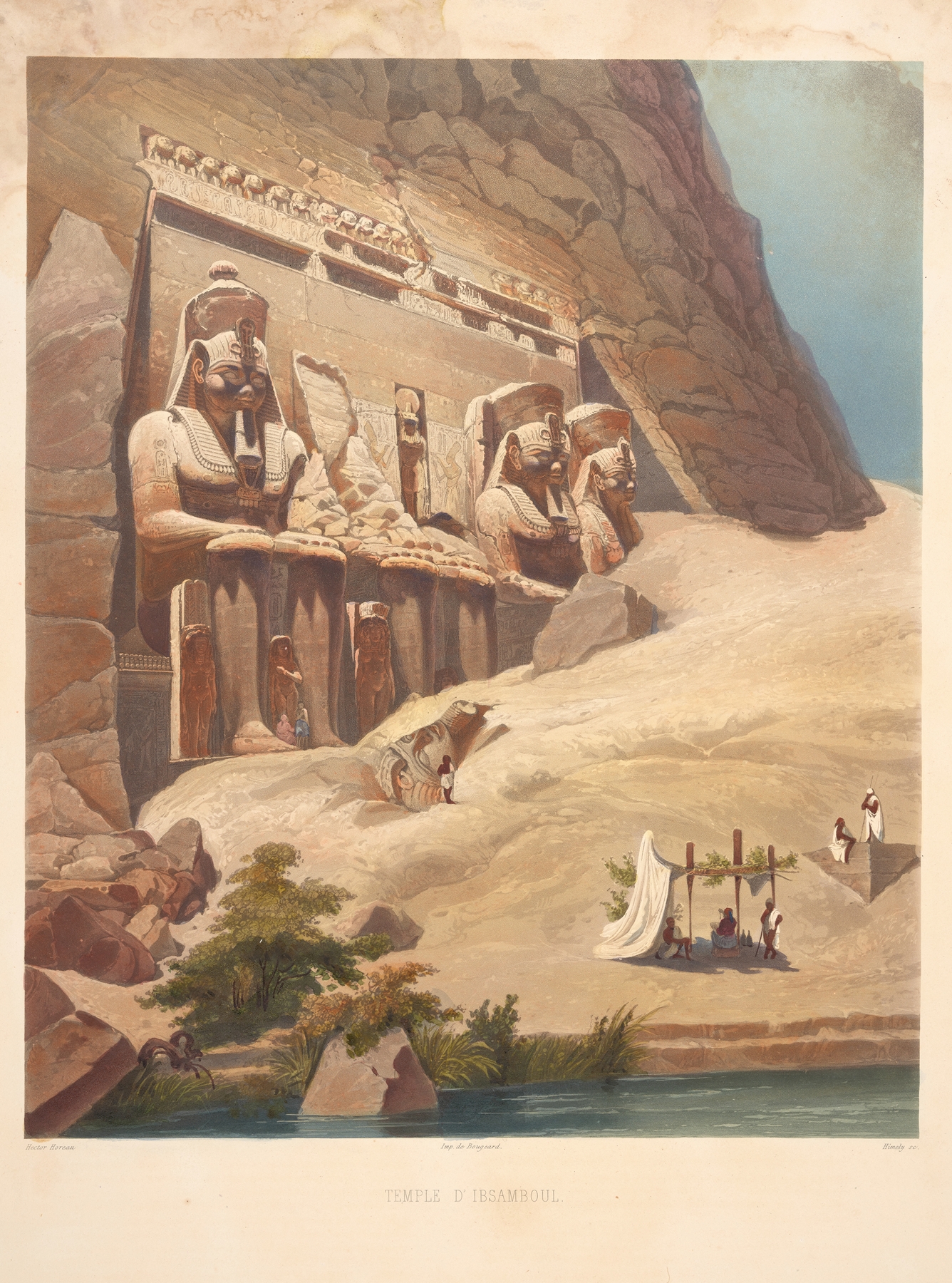
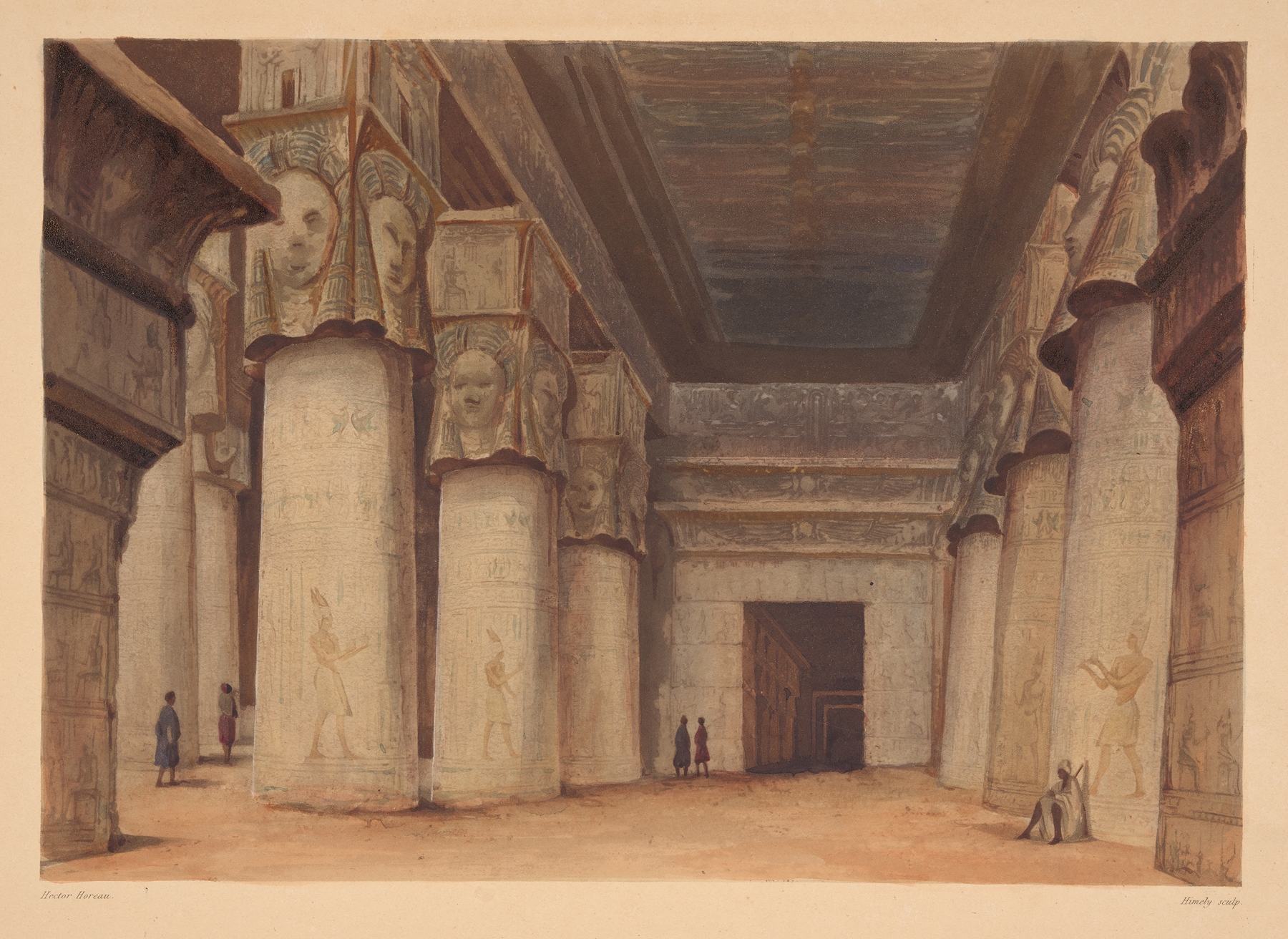
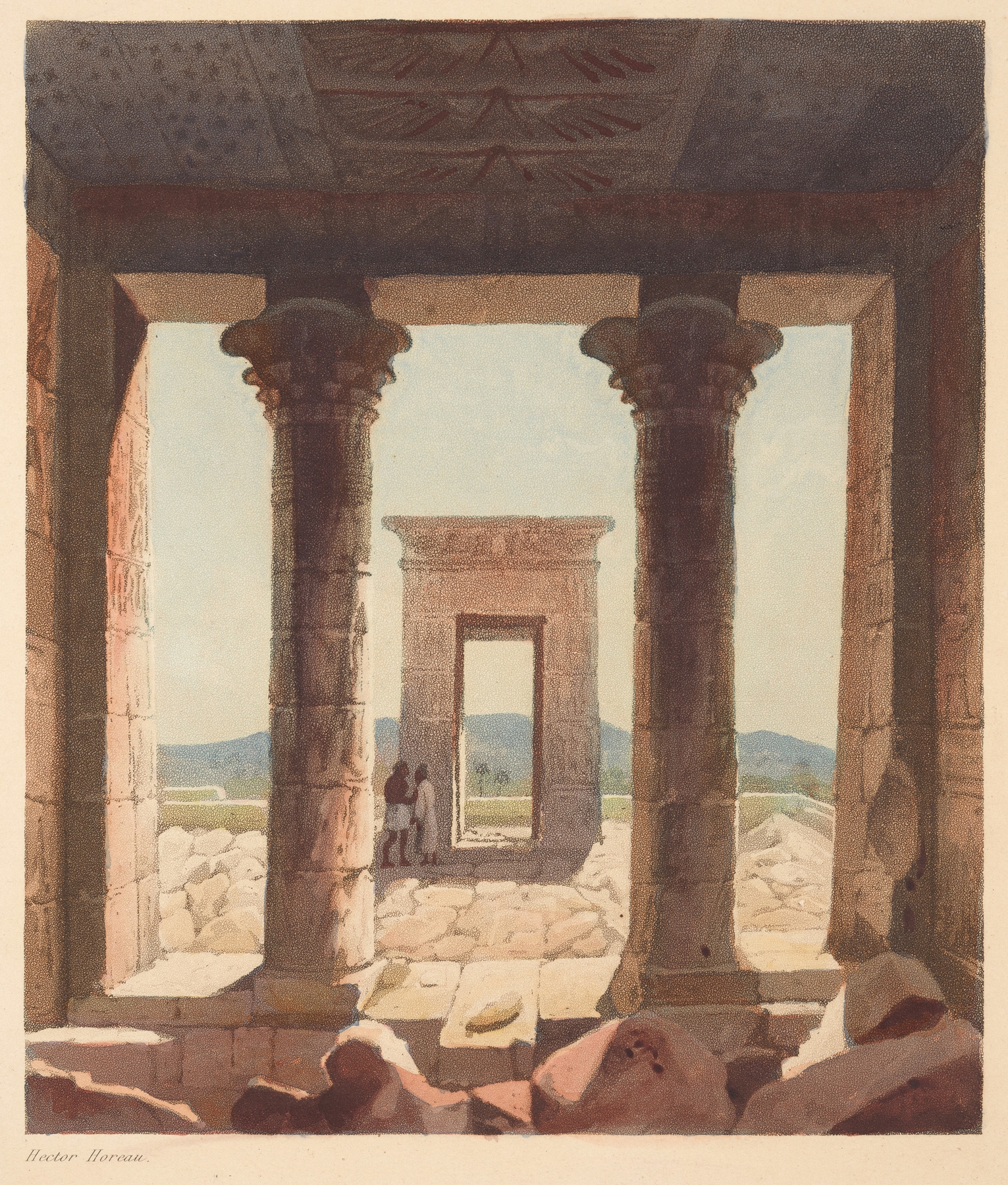
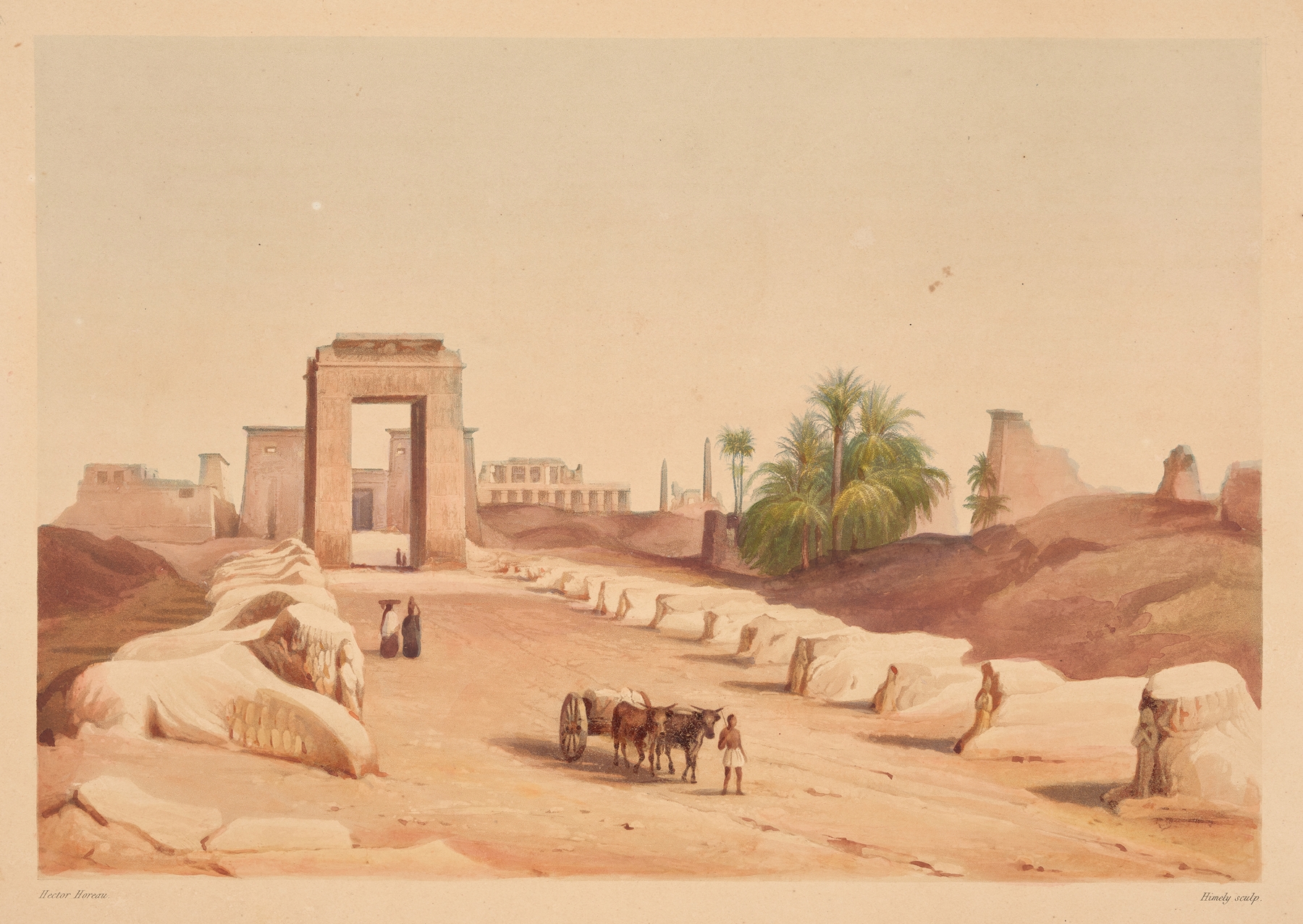
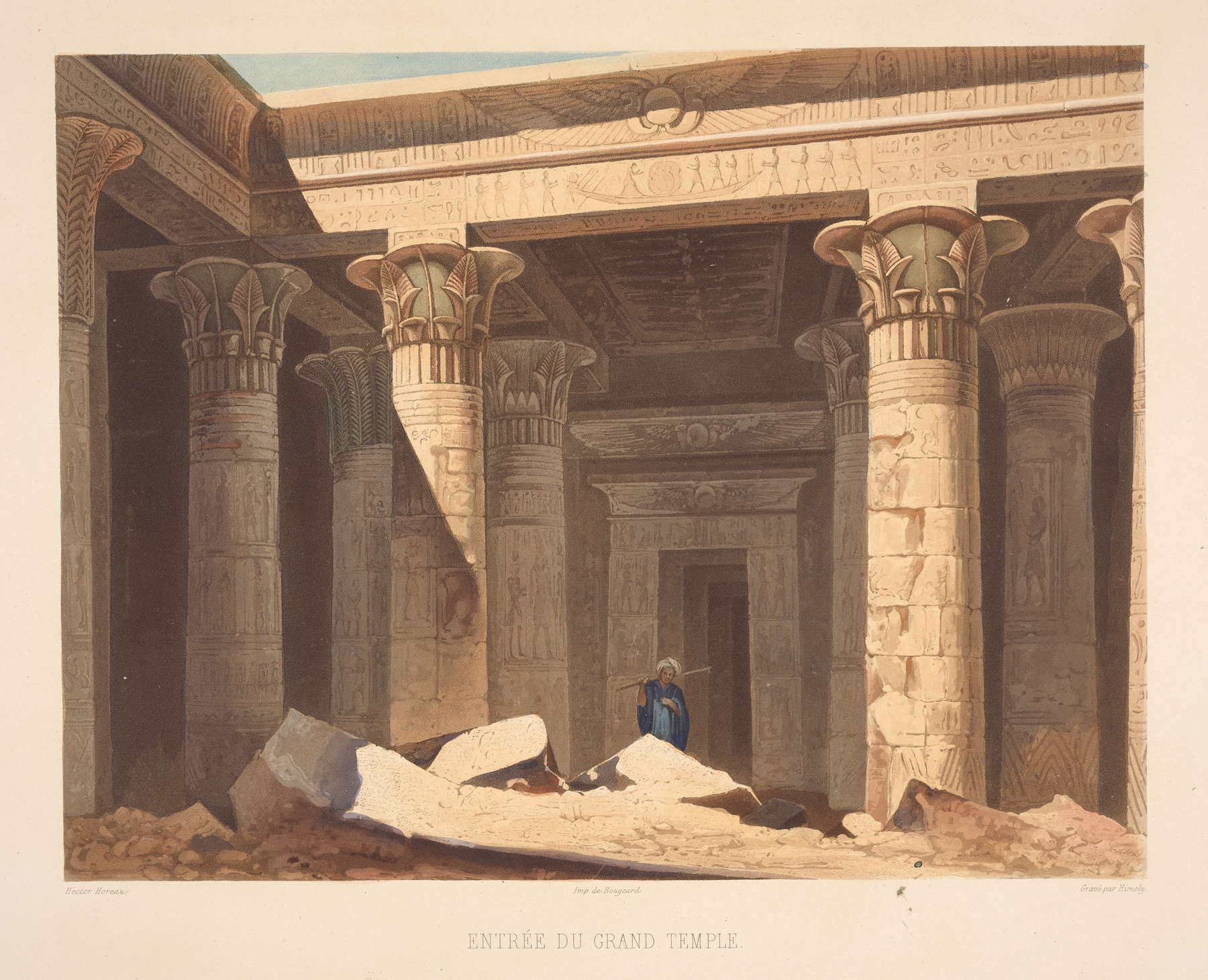
“To paint is to remember what time wants us to forget.” Within the brushstrokes of Ibsamboul, an awakening is captured, a moment suspended in time that invites reflection on the ephemeral nature of existence. Look to the foreground, where shadows dance against the warm ochres, drawing the eye to vibrant figures that seem to emerge from the canvas. Notice the intricate details in their attire, each fold and color deliberate, hinting at stories untold. The interplay of light highlights the delicate textures, revealing Horeau's mastery of oil painting as he transports us to a distant land, bridging past and present through his vivid palette.
In the background, the ancient architecture looms large, a timeless witness to the passage of civilizations. The contrast between the lively figures and the stillness of the structures encapsulates a tension—life forever striving against the weight of history. Each element, from the gestural movements to the sun-drenched landscape, whispers of a world caught between memory and oblivion, with each brushstroke awakening a deep-seated nostalgia in the viewer.
Hector Horeau painted Ibsamboul in 1839, during a period marked by a fascination with the Orient and a desire to capture its allure. Living in Paris, a hub of cultural innovation, he experimented with detail and color in his works, influenced by the Romantic movement's emphasis on emotional depth and exoticism. His choice to explore themes of awakening and memory reflects the broader artistic currents of his time, as artists sought to depict the world beyond their immediate experiences.
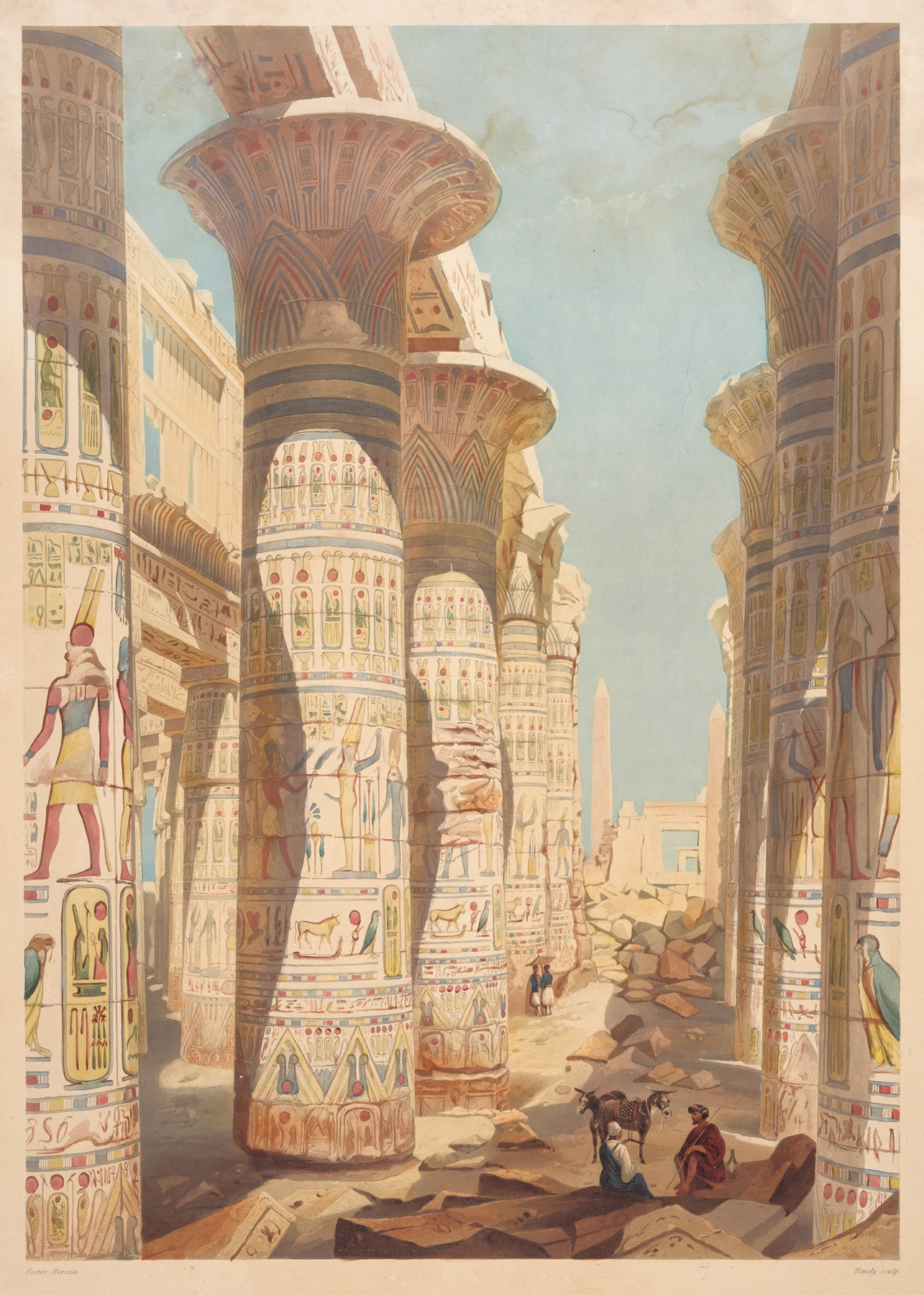
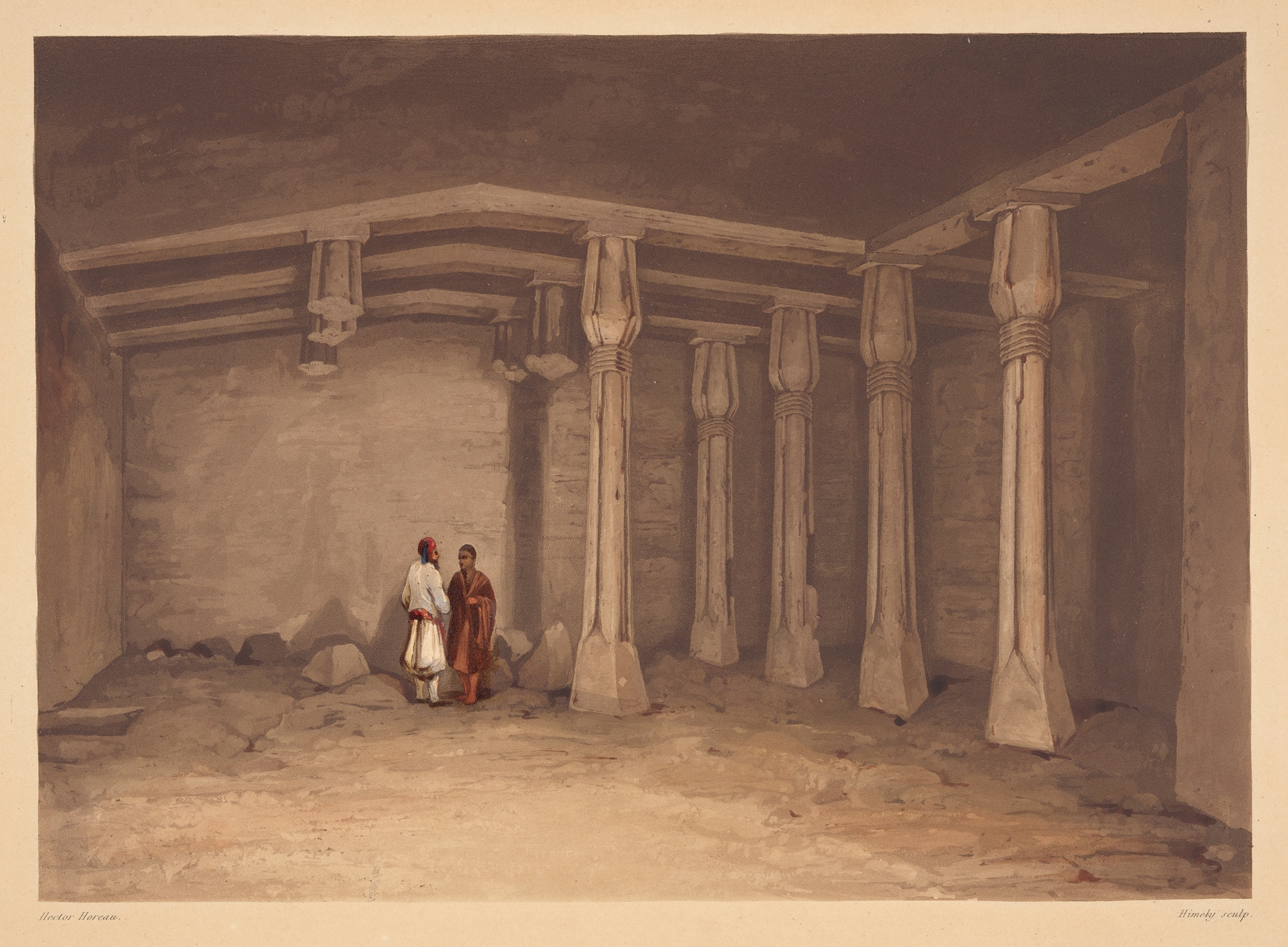
![Temple d’Ibsamboul [Interior view] (Temple of Abu Simbel), by Hector Horeau, public domain](https://froigstrpvutwqtqikzt.supabase.co/storage/v1/object/public/art-images/artworks/3156dbe8015f5681be442de2c2c50af40c84d5e10e8f68f04f9a54d6d857255f.jpg)