Indian Landscape with Temple Ruins — History & Analysis
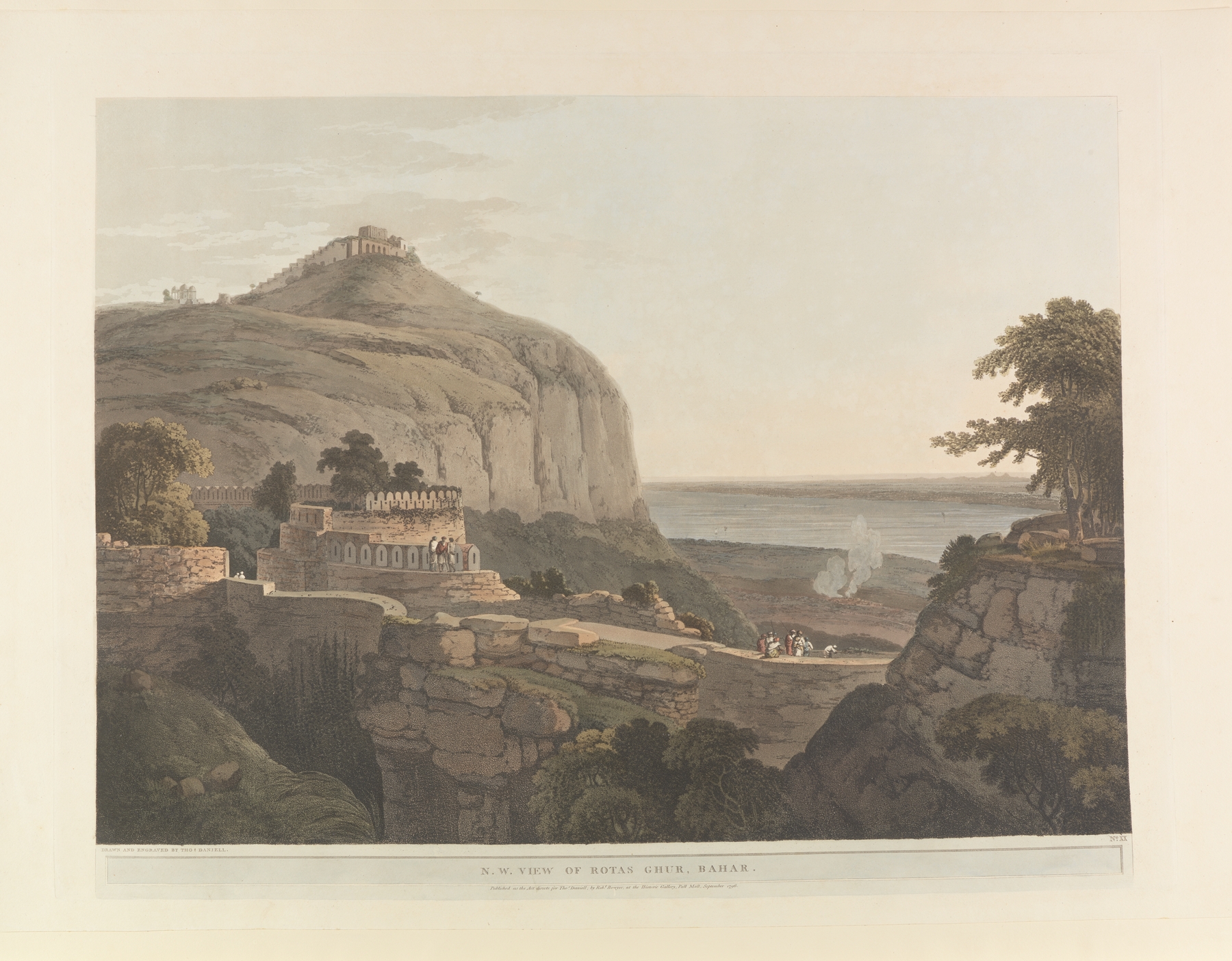
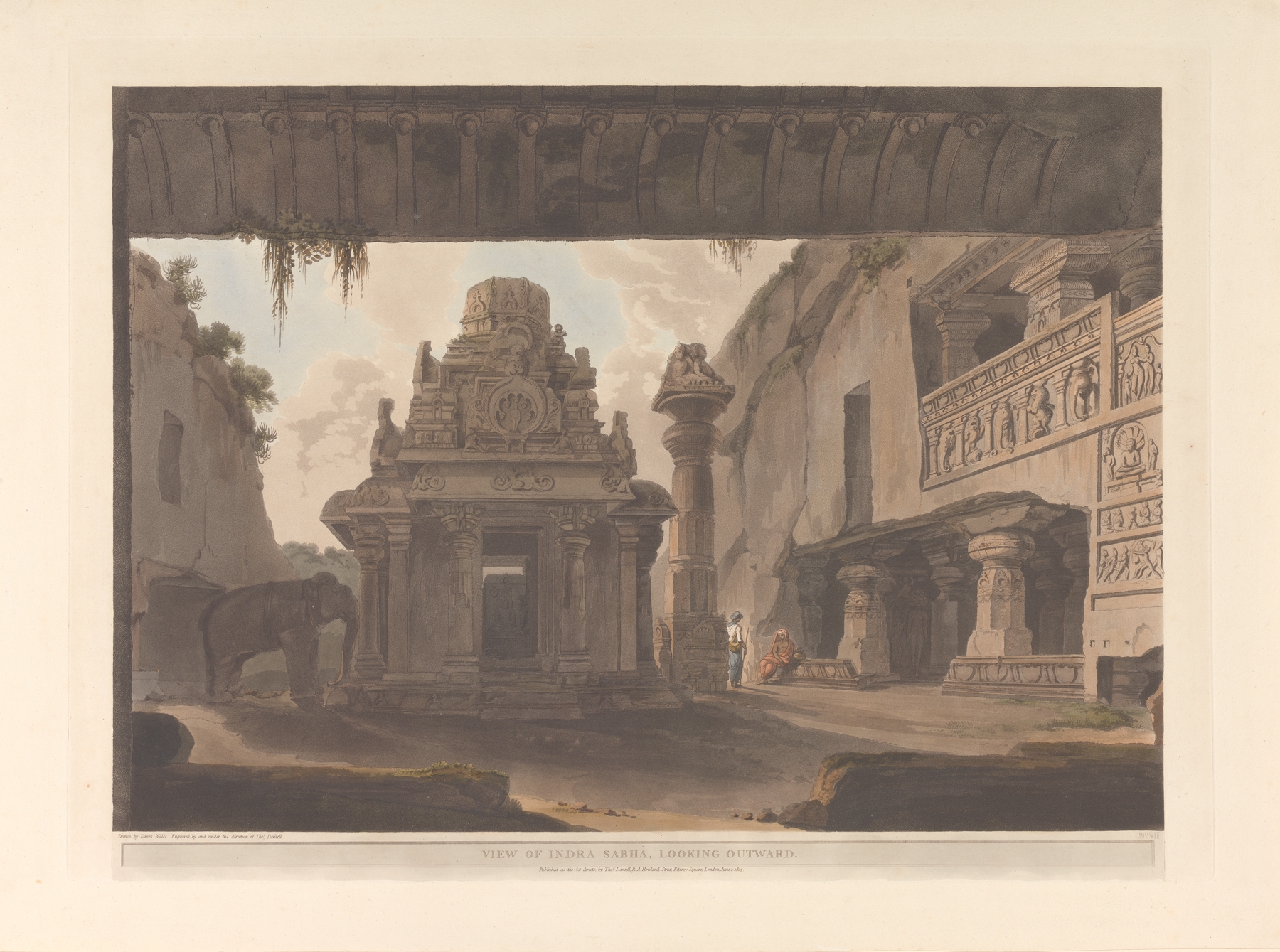
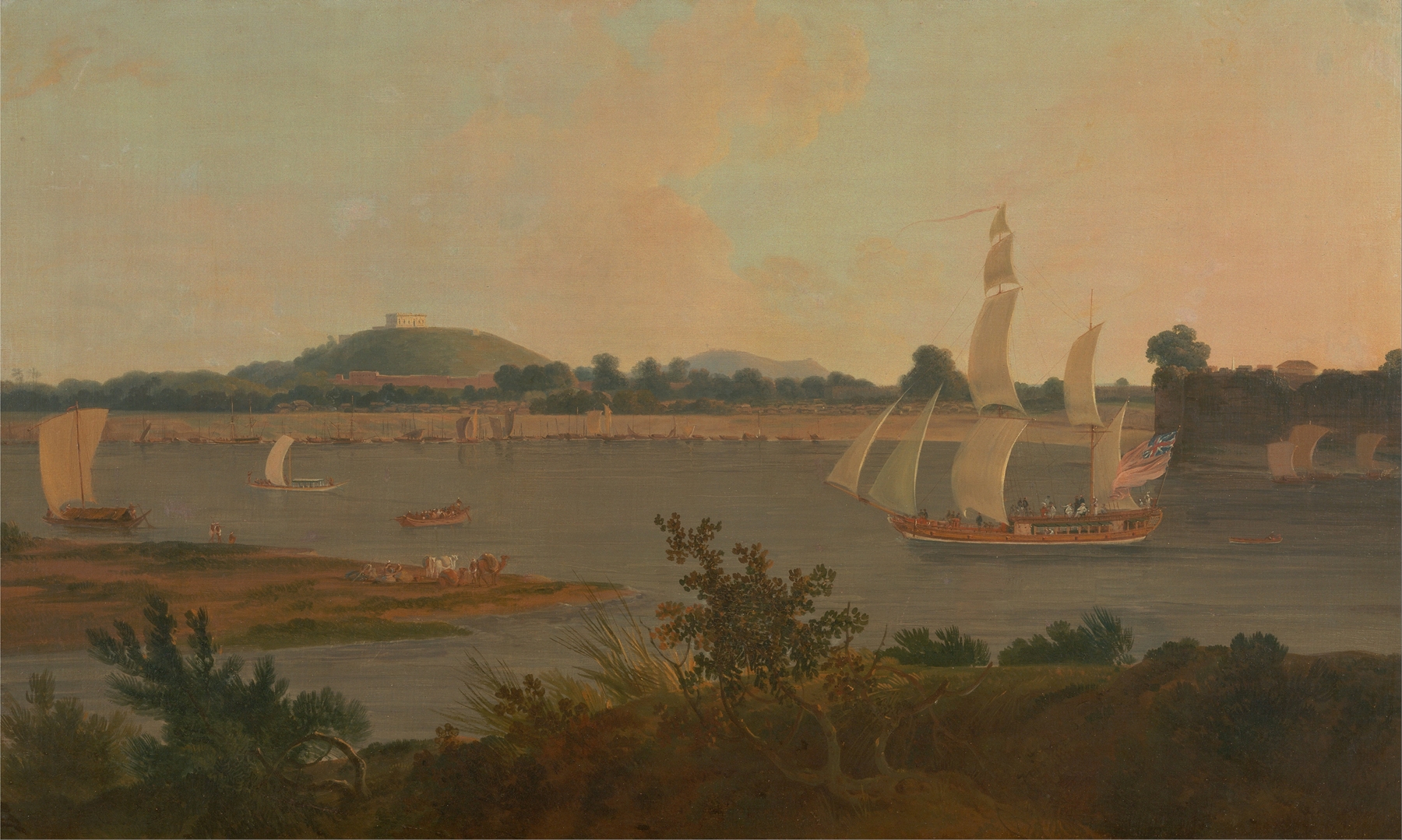
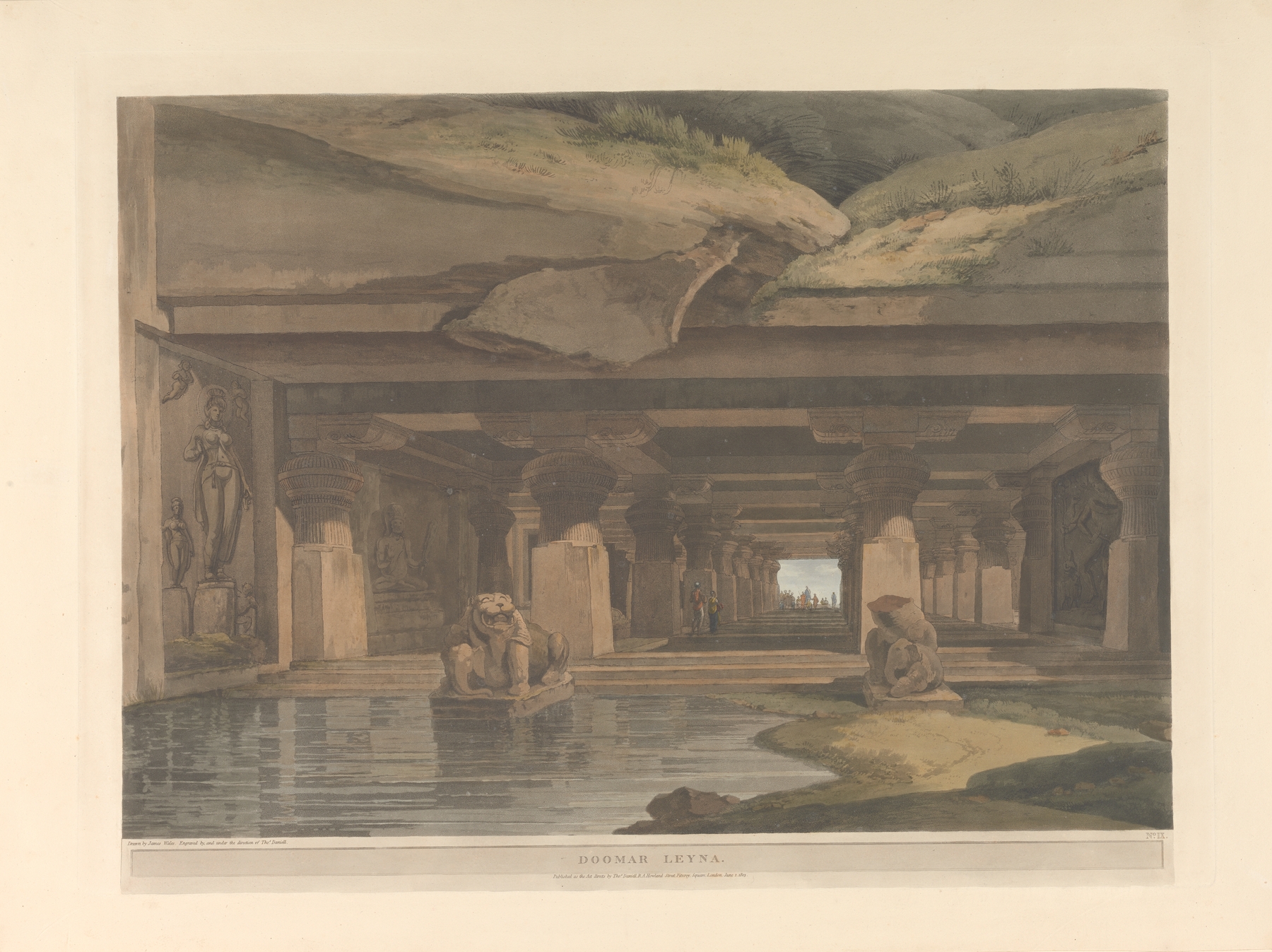
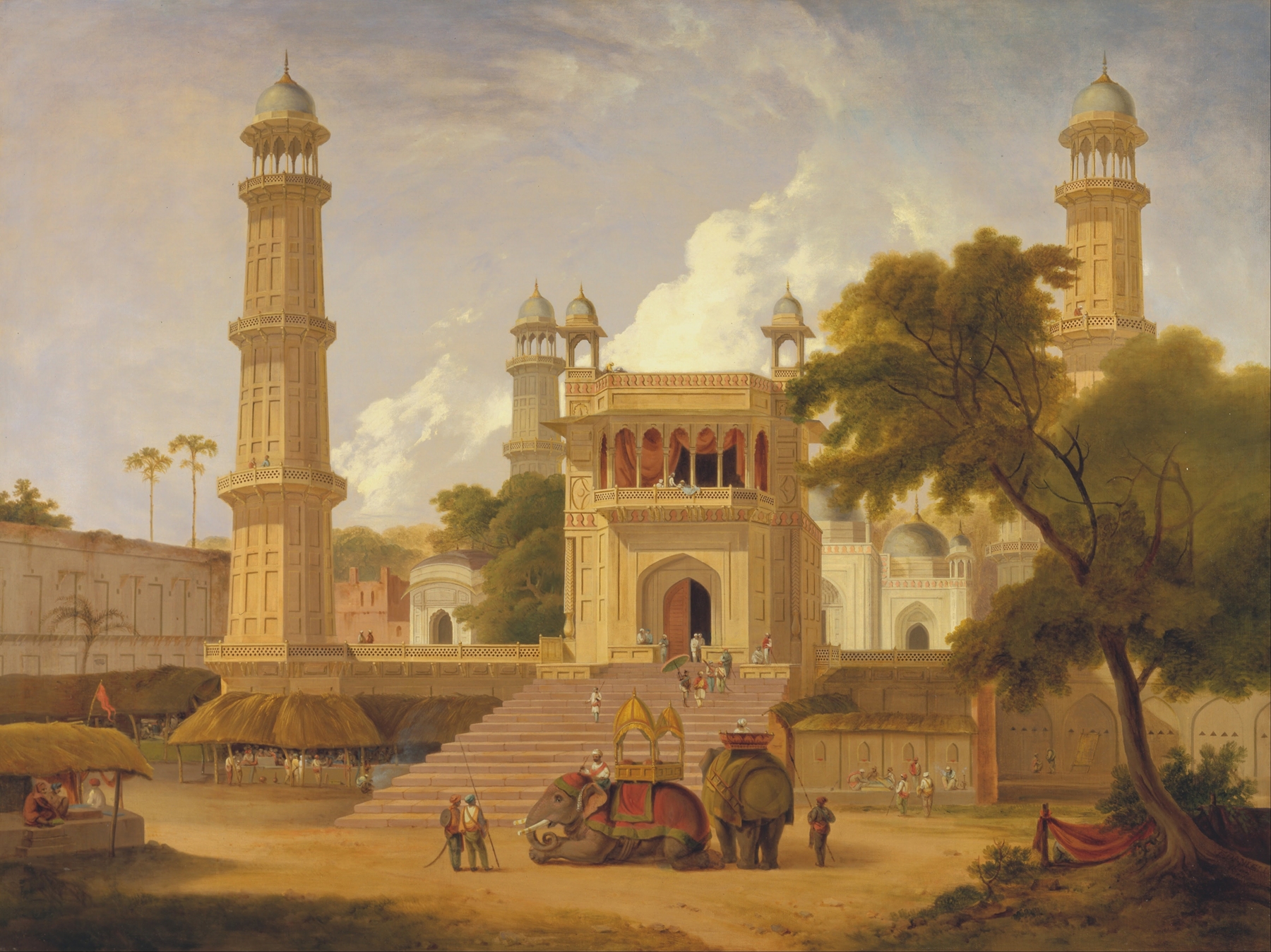
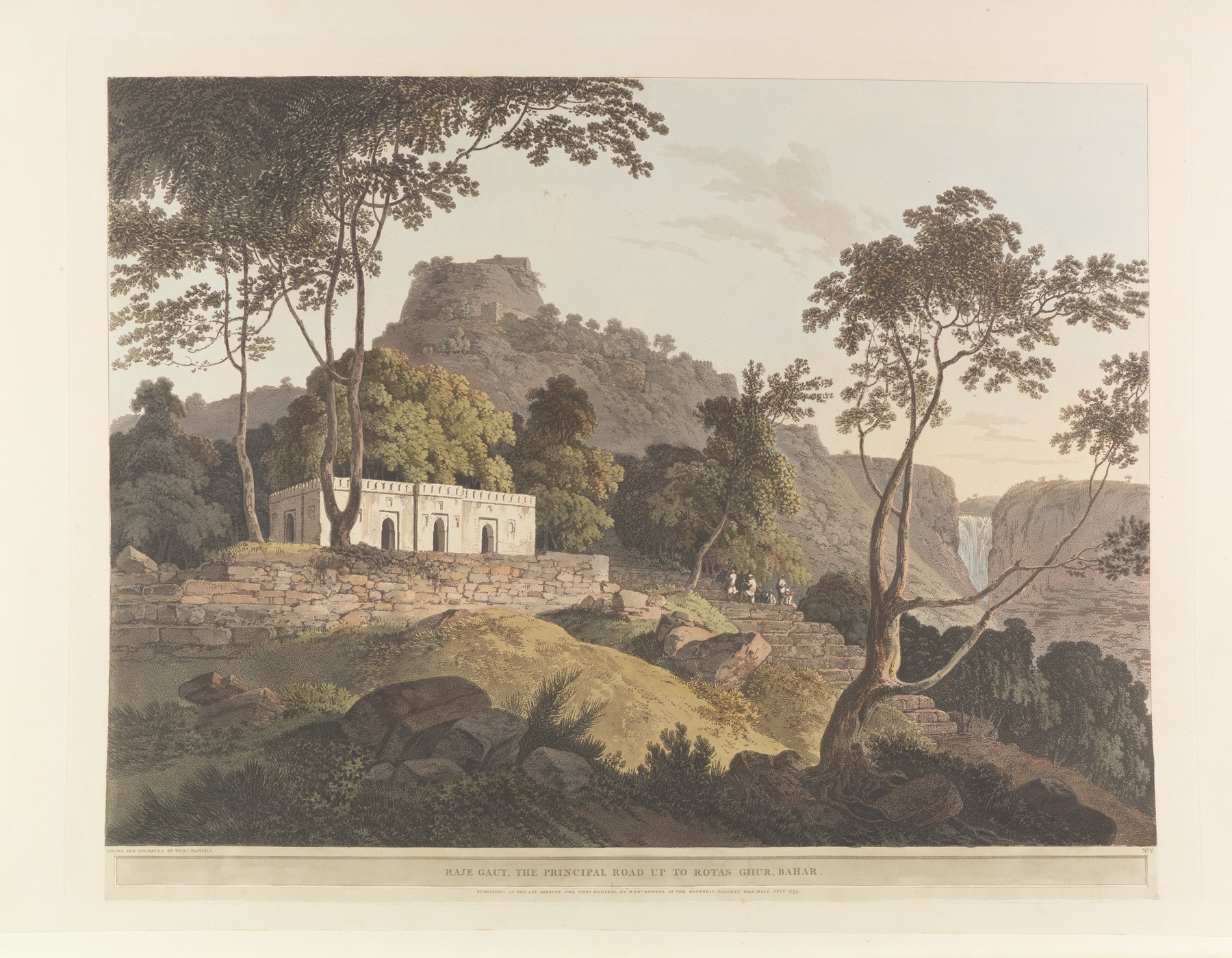
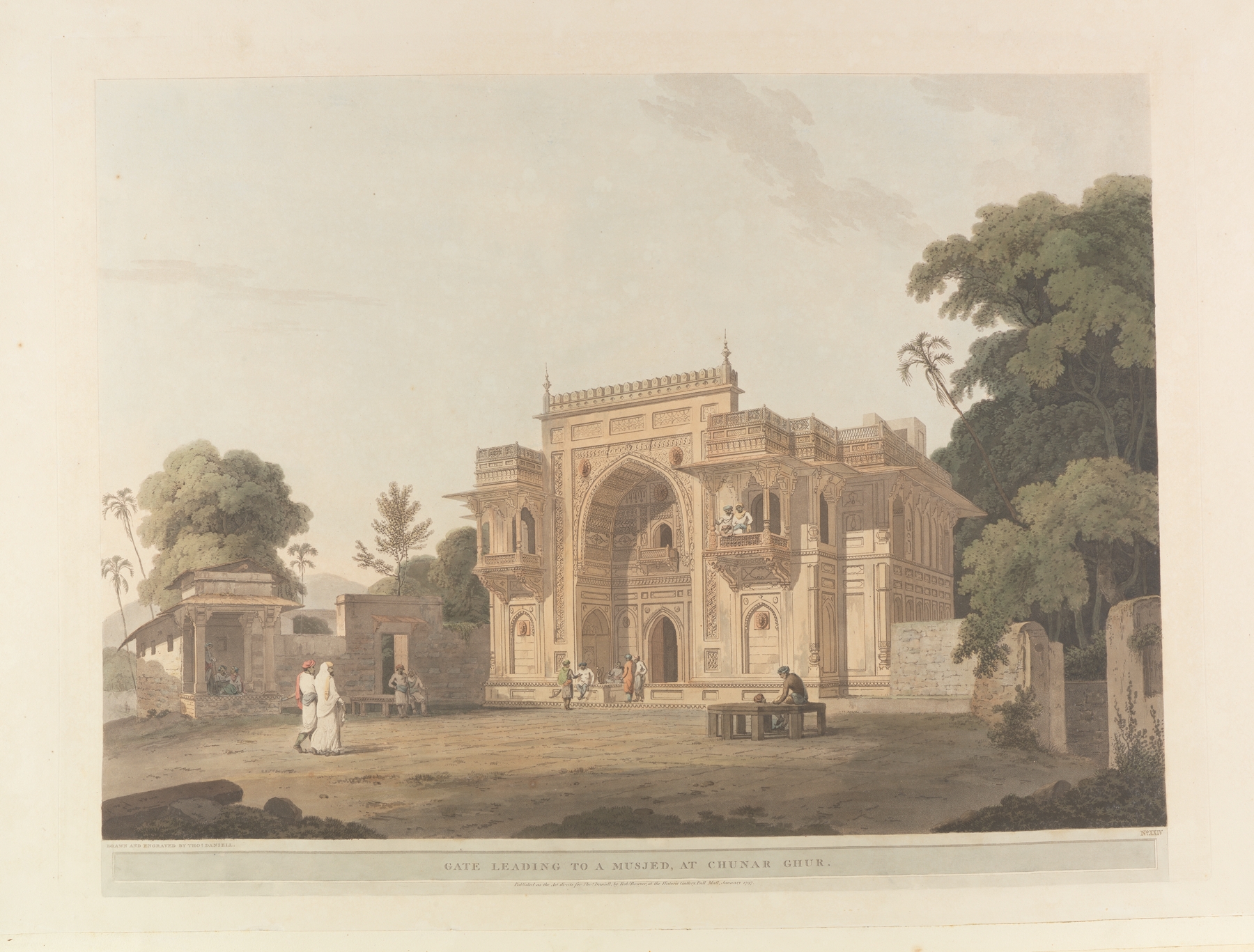
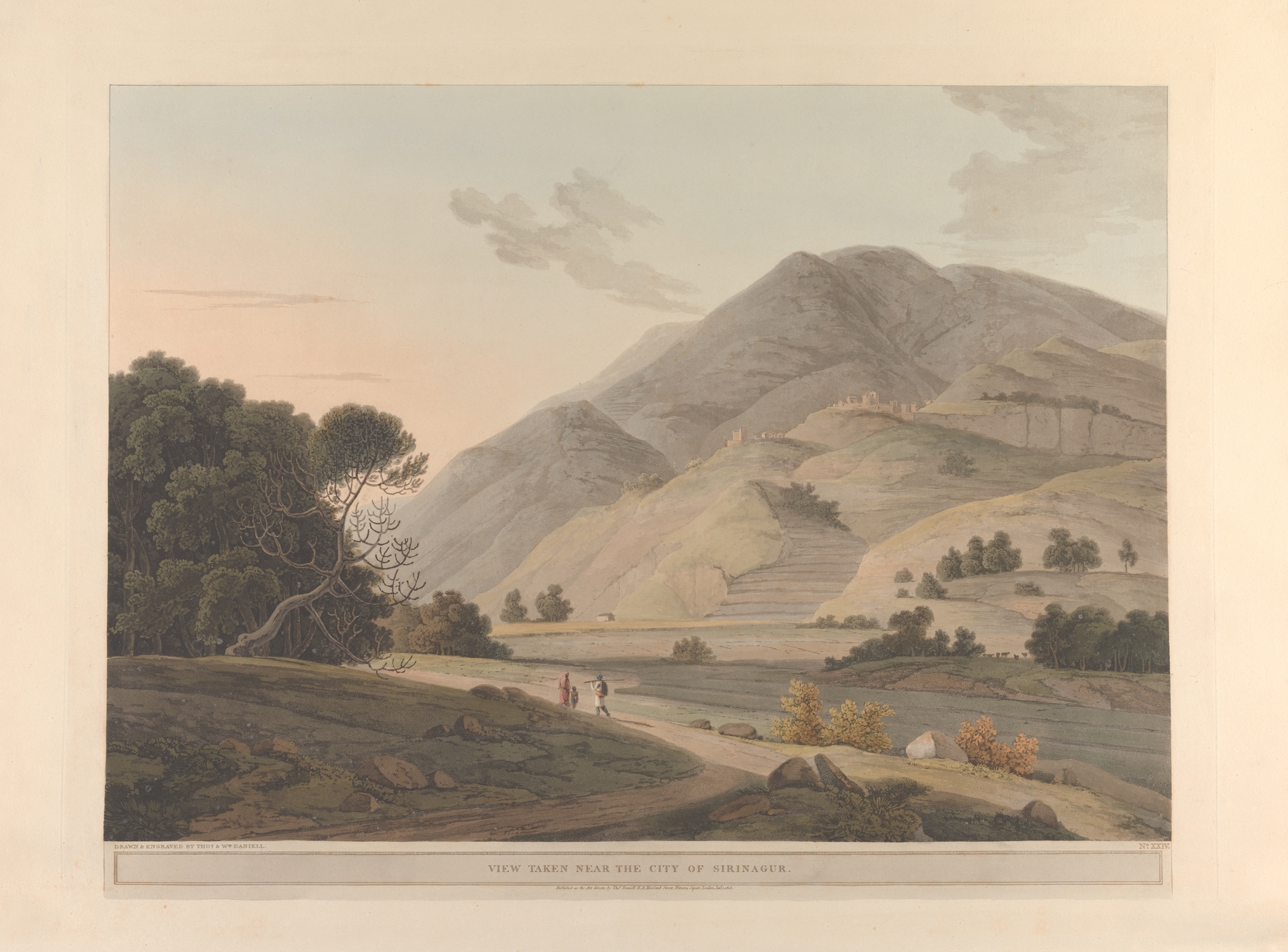
Can paint confess what words never could? In Indian Landscape with Temple Ruins, a hushed reverence envelops the viewer, inviting contemplation and awakening memories of a past long forgotten. Look to the foreground, where weathered temple ruins rise in fragmented glory, their crumbling stones adorned with intricate carvings that whisper stories of worship and devotion. The gentle interplay of light and shadow breathes life into the scene—sunlight filters through the canopy of lush foliage, illuminating patches of vibrant green and casting delicate shadows that dance upon the earth.
This composition, rich in earthy tones, draws the eye toward the soft horizon, where the sky blushes with the promise of dusk, creating a serene backdrop that enhances the solemnity of the ruins. Beneath this tranquil surface lies a poignant contrast between the resilience of nature and the fragility of human endeavor. The ruins stand testament to a once-thriving civilization now yielding to the encroaching wilderness—an eternal cycle of creation and decay. Each detail, from the rough texture of the stones to the soft, fading colors of the landscape, evokes a sense of nostalgia and yearning, prompting reflections on time, memory, and loss.
In 1820, the artist painted this work during a period of significant exploration and fascination with the East. Living in India, Daniell was deeply engaged with the natural beauty and rich heritage of the region, capturing its essence at a time when Western art was beginning to embrace the exotic. His landscapes reveal a transition in artistic perspective, reflecting both an appreciation for the sublime and a growing curiosity about the complexities of different cultures.