Ingham Church, Norfolk — History & Analysis
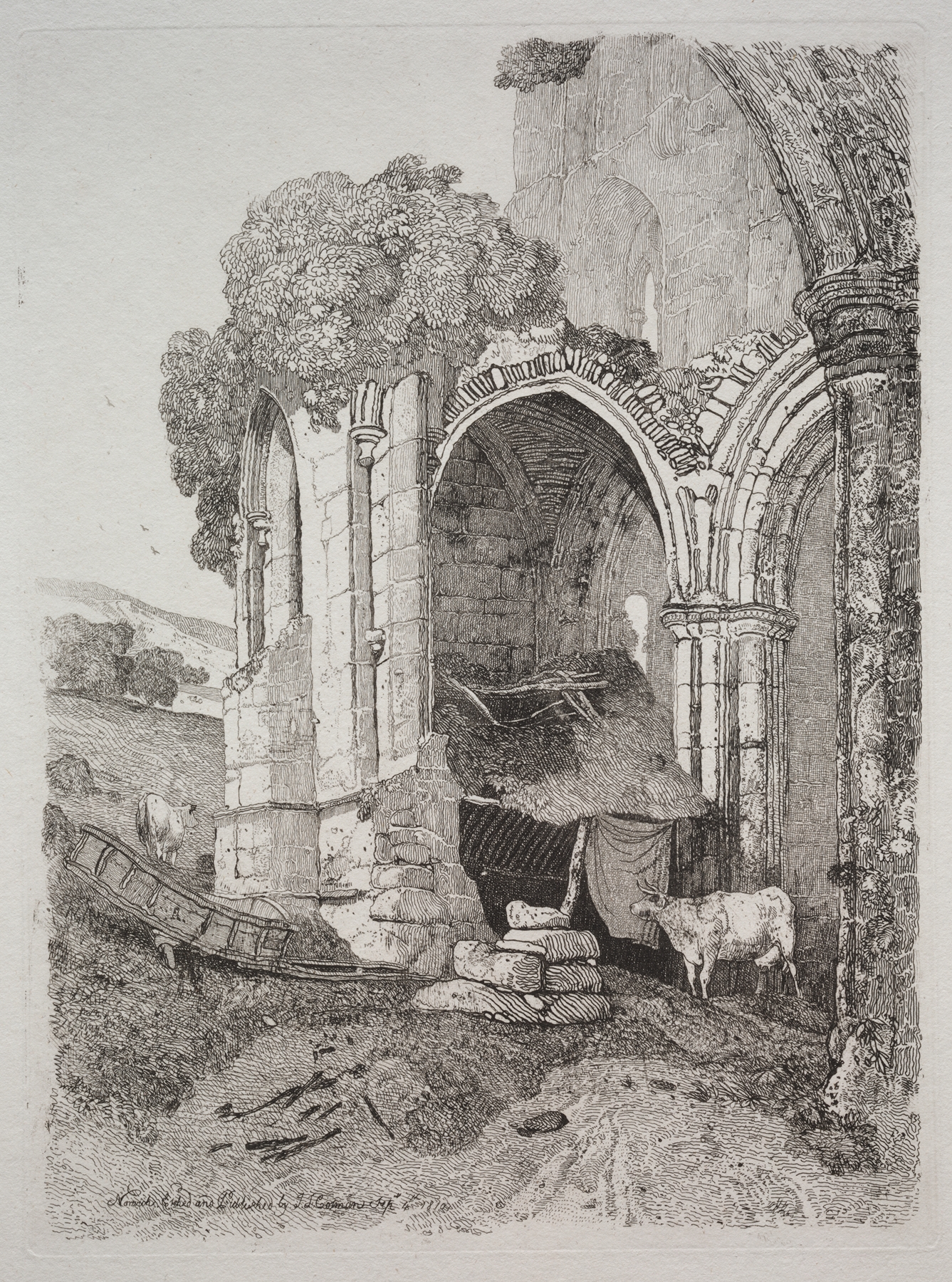
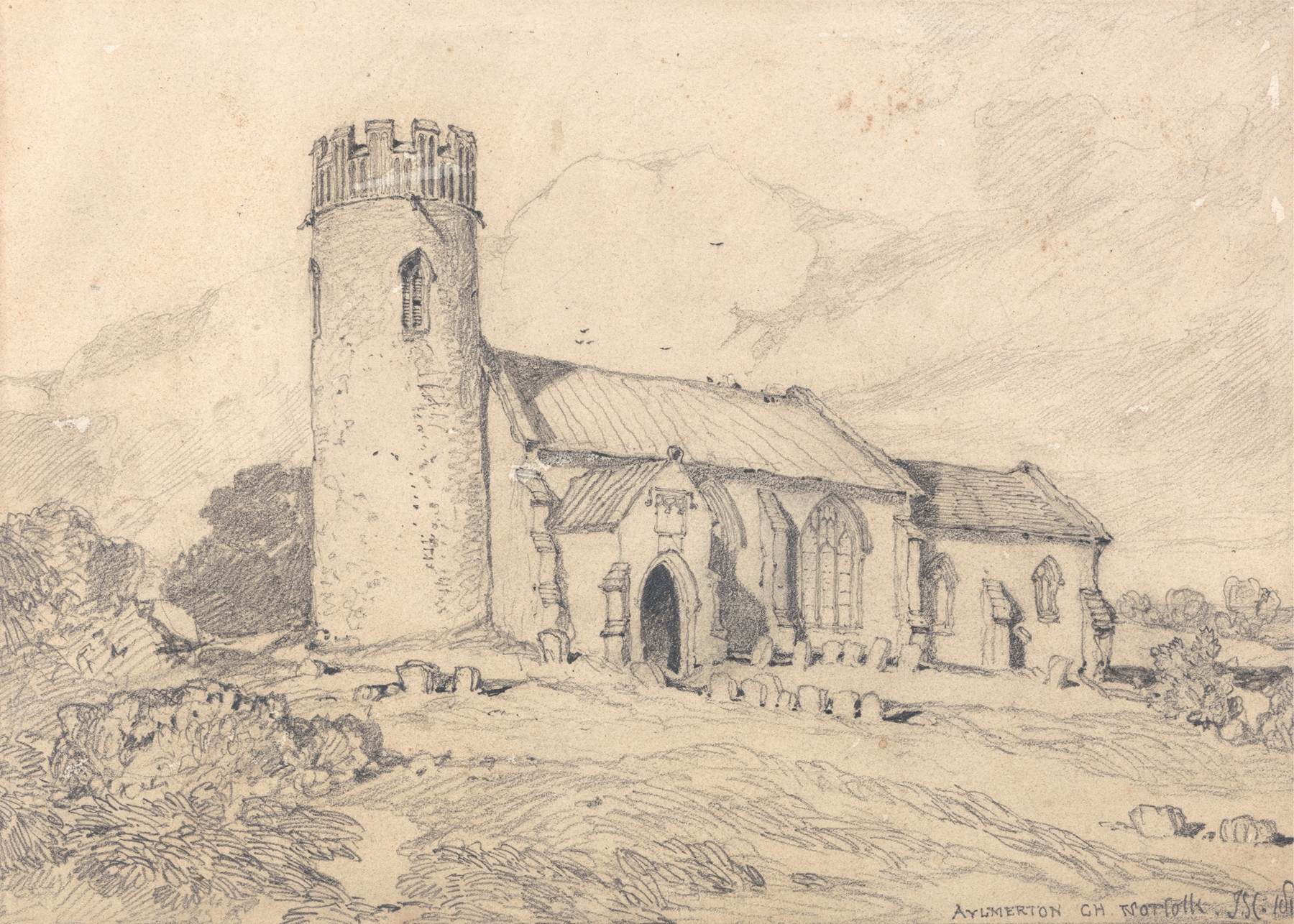
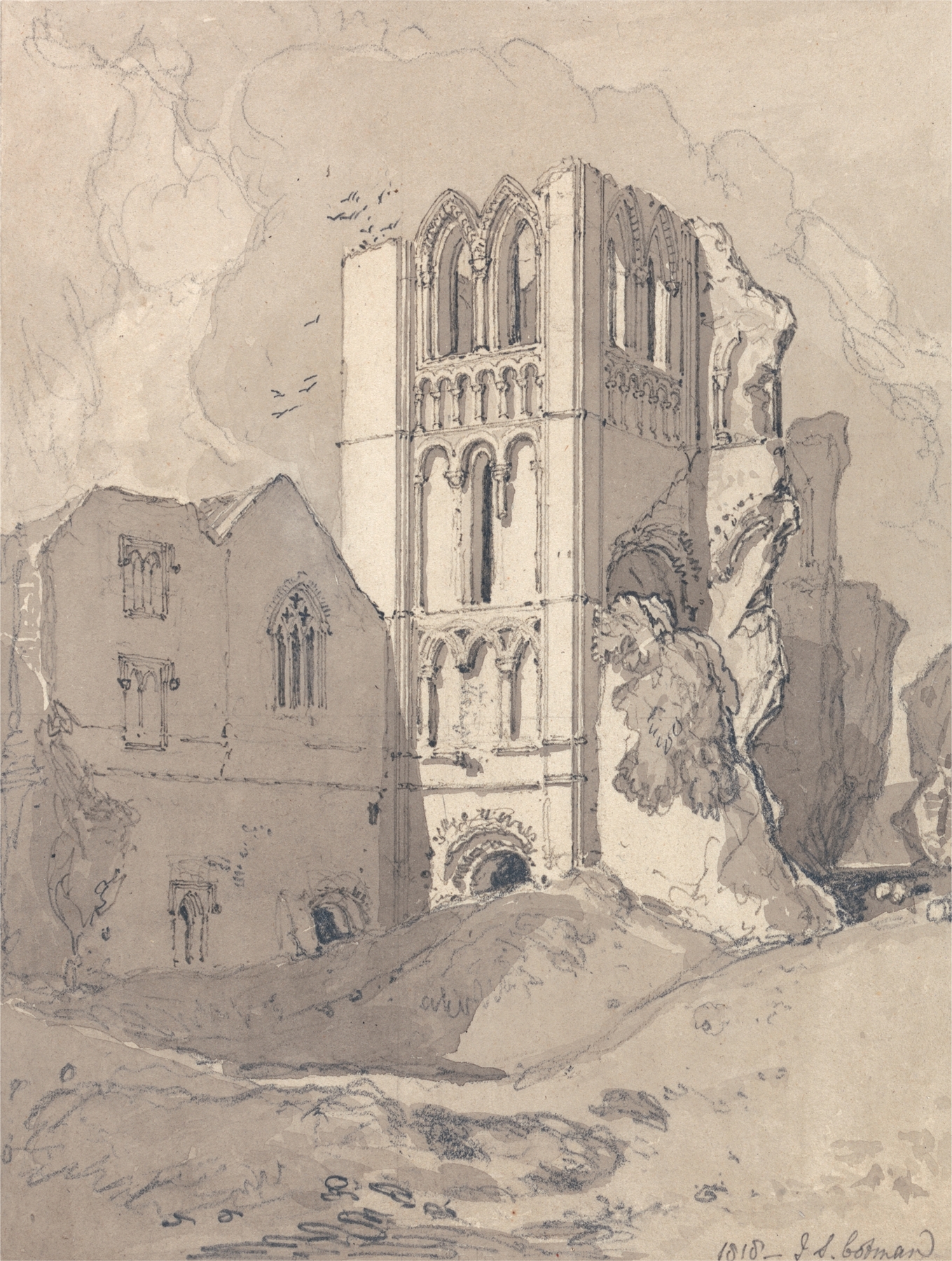
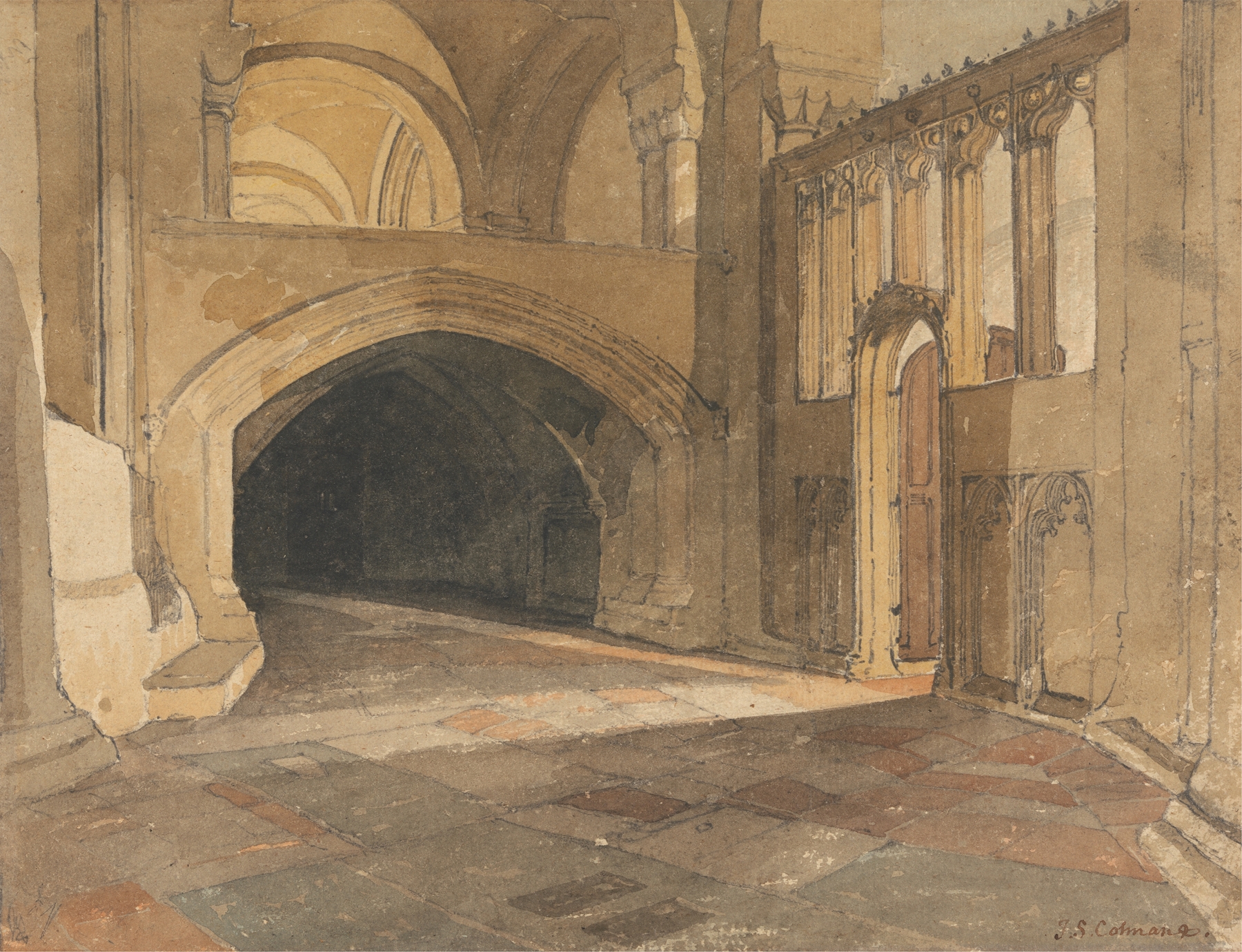
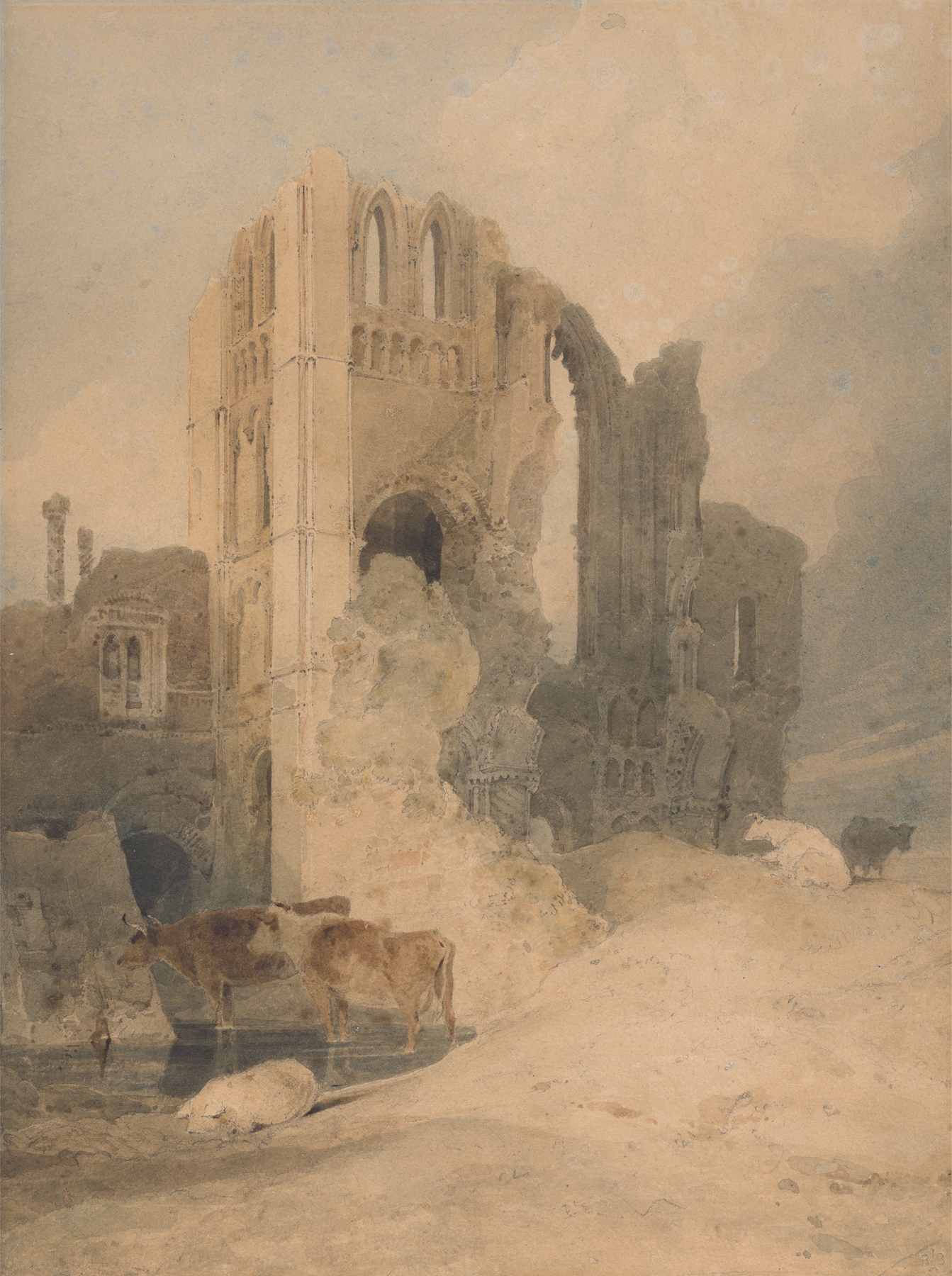
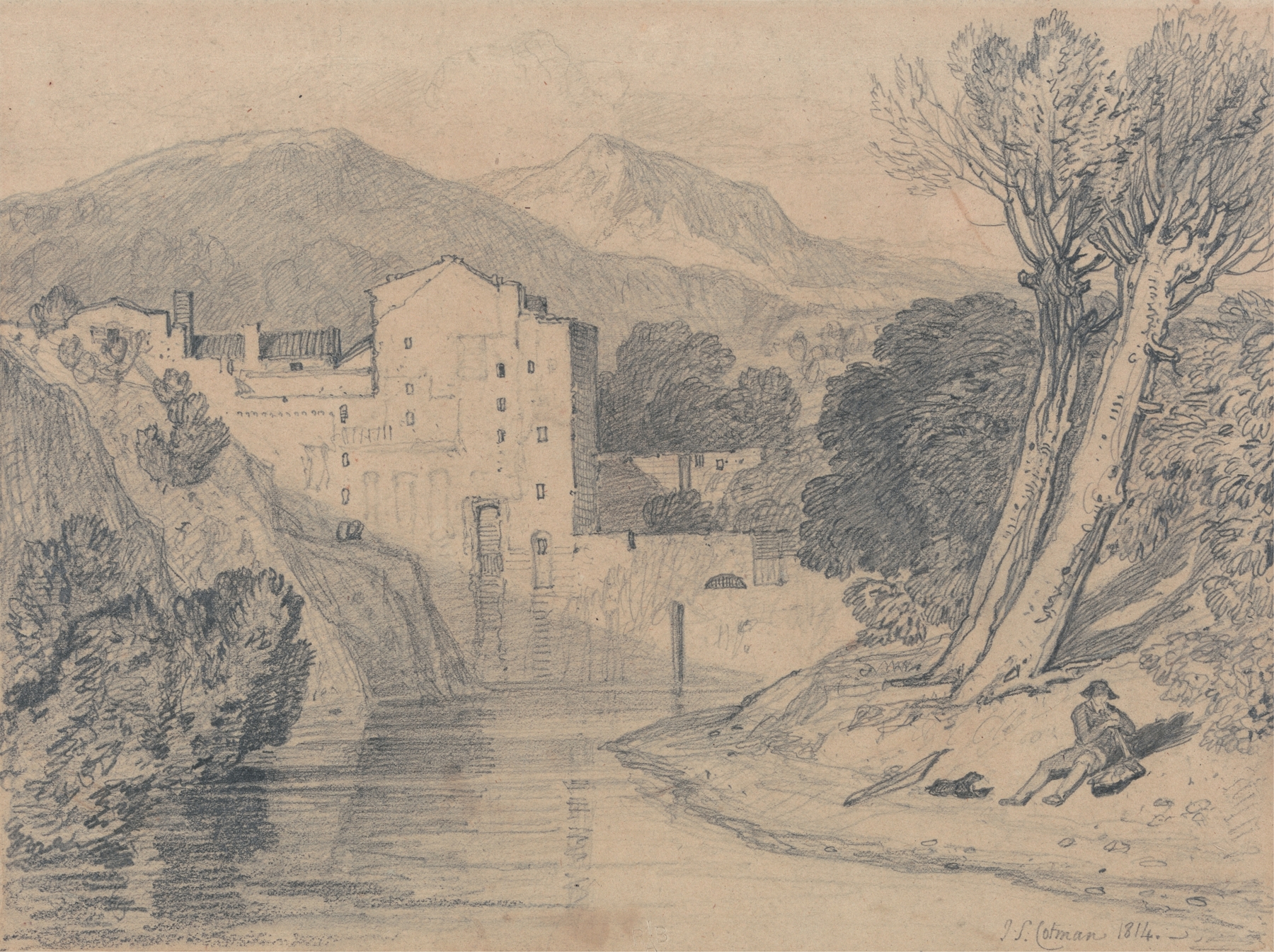
“Art reveals the soul when the world turns away.” In the quiet of the mind, the madness of existence often finds its voice. Here lies a moment captured in time, where the external chaos of the world fades, revealing the inner turmoil of the spirit. Look to the left and find the charming spire of the church, reaching skyward as if grasping for sanity. The gentle strokes of muted greens and browns envelop it, contrasting with the luminous sky, where wispy clouds hint at an approaching storm.
The composition draws your gaze through the archways of the trees, inviting you to explore the depth of the pastoral landscape. With each brushstroke, the artist creates an atmosphere that teeters on the edge of tranquility and unease, reflecting the dualities of faith and doubt. Notice how the play of light dances upon the church's facade, illuminating the structure while shadowy undertones linger in the periphery. The stillness of the scene belies an underlying tension—the juxtaposition of nature's beauty against an impending sense of madness.
Each detail—the crumbling stone walls, the sparse figures in the distance—echoes the fragility of human existence, urging us to confront the madness lurking just beyond the edges of the canvas. In 1815, while residing in the English landscape, the artist sought to encapsulate a world where serenity and chaos collide. At this time, Cotman was deeply influenced by the Romantic movement, which emphasized emotion and individual experience. His journey through Norfolk inspired a series of works that explored not only the beauty of nature but also the depths of the human psyche amidst its unpredictable madness.