Jaël doodt Sisera — History & Analysis
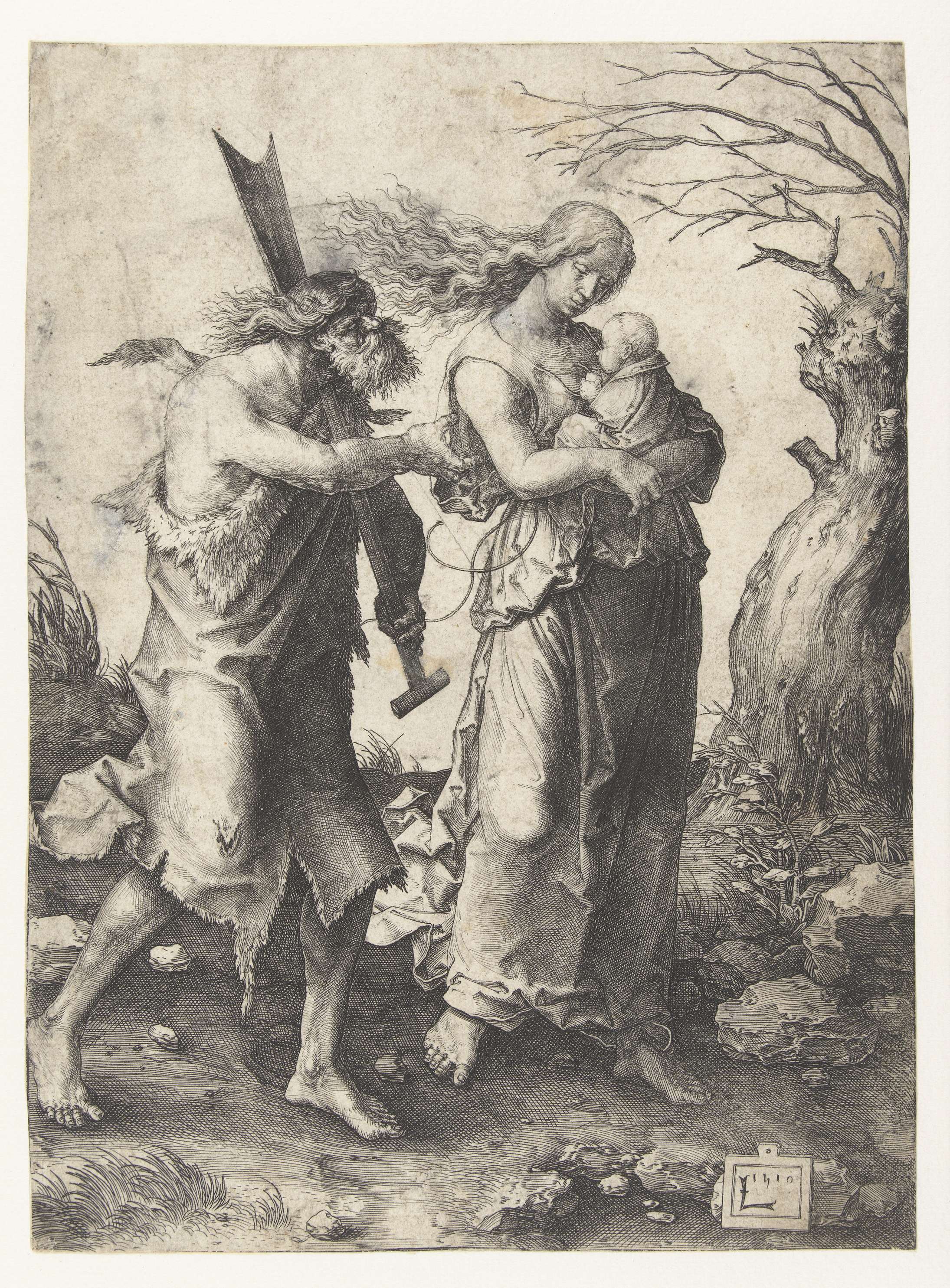
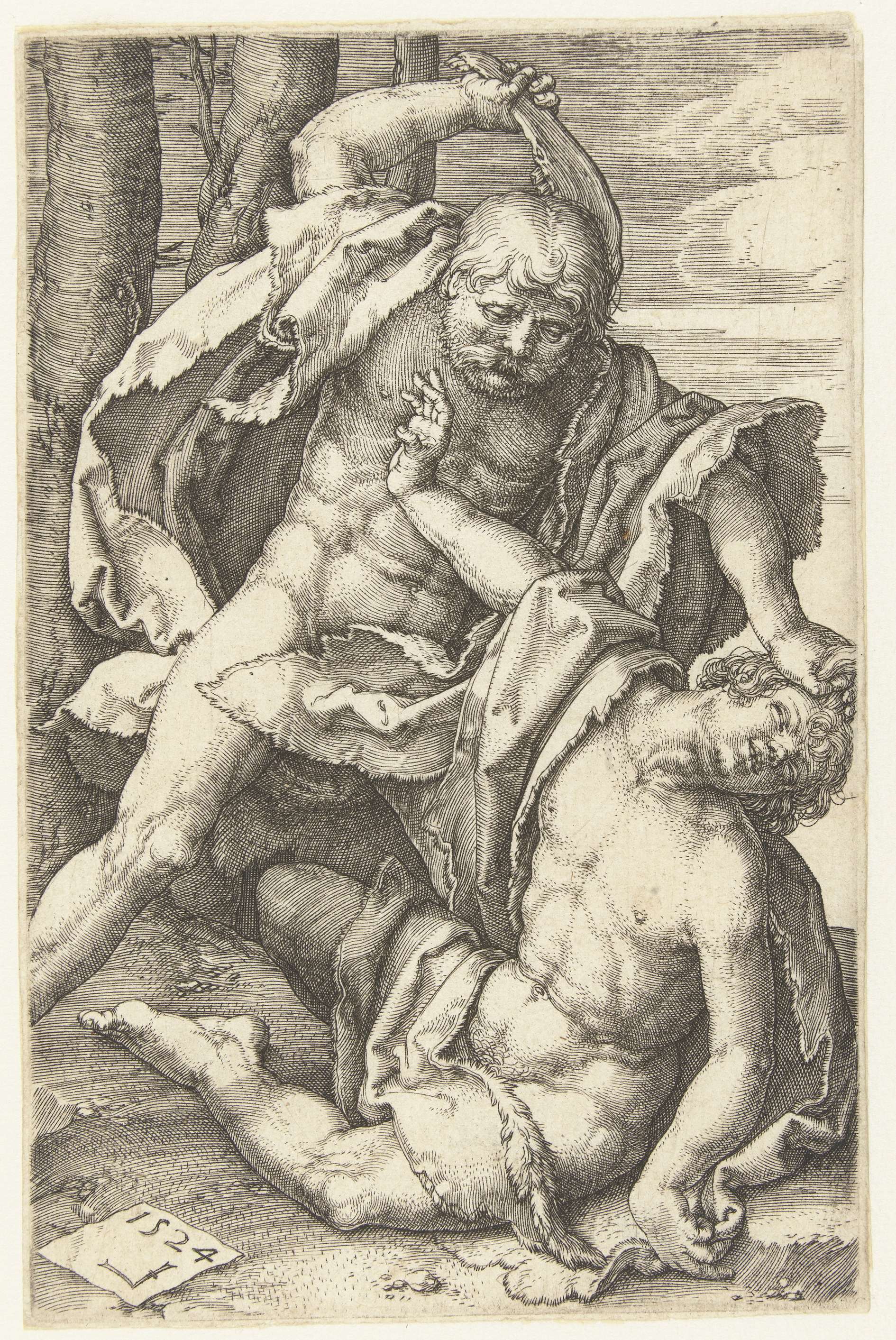
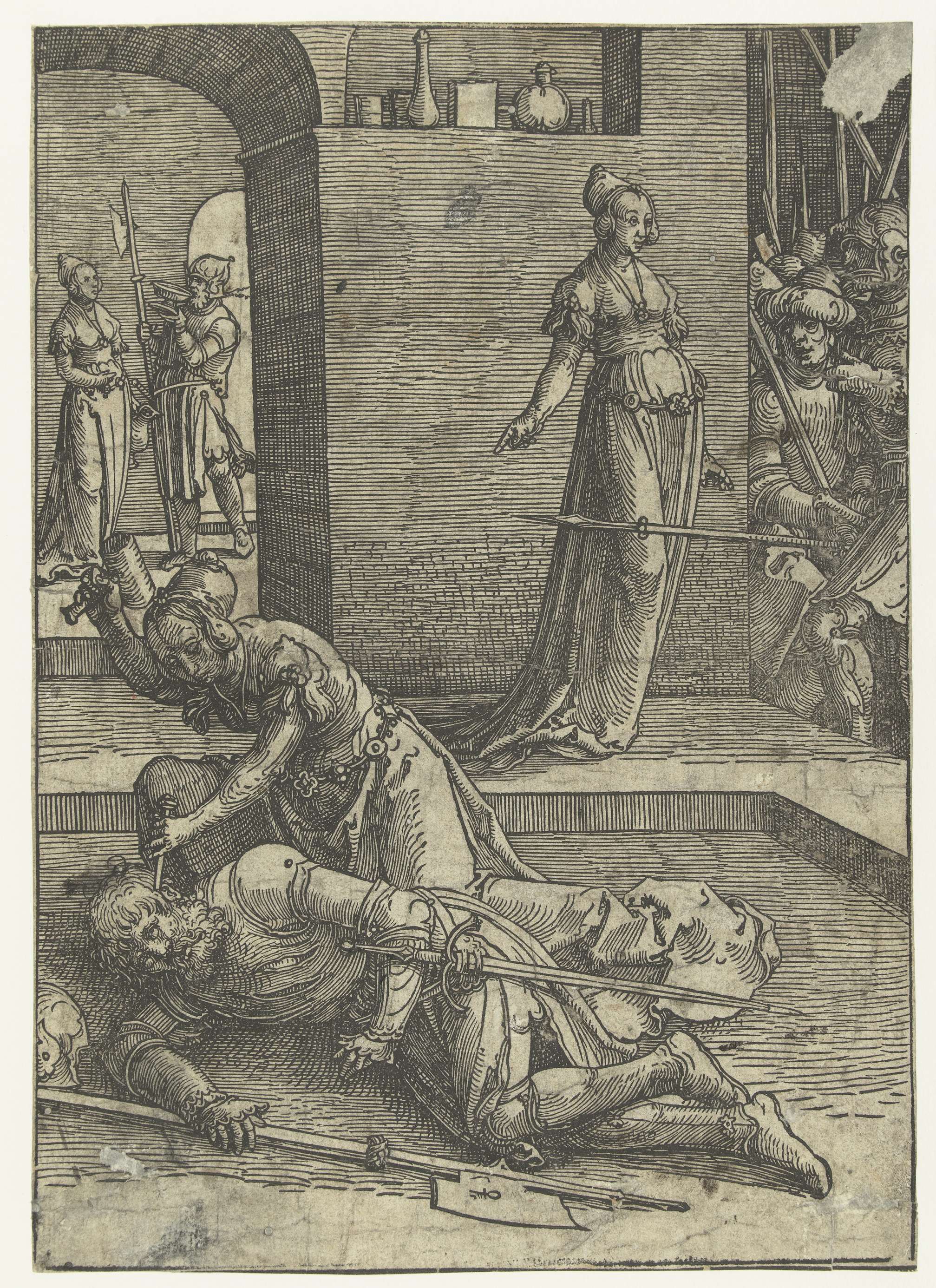
“Every silence here is a confession.” It hangs heavily in the air, the tension palpable as shadows dance across the canvas, revealing the unspoken brutality of the moment. Violence lingers in the stillness, a pulse that reverberates through the image. The viewer is invited to confront a stark reality, where actions speak louder than words and the weight of choice is entwined with fate. Look to the left at Jaël, her presence commanding yet composed, gripping a hammer poised above Sisera, whose vulnerability is illuminated by a single source of light.
Notice the stark contrast of light and dark that van Leyden employs, highlighting her resolute expression while casting Sisera in deep shadow, a metaphor for his impending doom. The color palette, rich with earth tones and splashes of crimson, underscores the gravity of the scene, suggesting both the violence of the act and the blood that will soon spill. As you take in the details, observe the intricate drapery of Jaël's garment, mirroring her duality—both nurturing and lethal. The tension in her muscles speaks to the gravity of her decision, while Sisera’s bewildered gaze reveals his ignorance of the fate that awaits him.
This juxtaposition embodies the conflict between power and vulnerability, inviting contemplation on the moral complexities of survival and betrayal. Created between 1515 and 1519, during a period marked by both the Renaissance's flourishing of humanism and the turbulence of Reformation, the artist delved into themes of faith and morality. Living in a time when narratives from the Old Testament were immensely popular, he sought to explore human emotion in the context of divine intervention. The work reflects not only regional dynamics but also a broader reflection on the human condition through the lens of violence and resolve.